fractual
Top .1 genes
- Joined
- Aug 16, 2025
- Posts
- 494
- Reputation
- 407
HGH and Its Biological Complexity, Especially Its Impact on Height Outcomes in Non-GHD Adolescents with Consideration of Combined Hormonal and Peptide Modulation
Human bone growth occurs through a complex network that integrates endocrine signals, local cellular communication, and genetically encoded developmental programs. It is not as simple as stating that elevating growth hormone levels will automatically result in increased stature. Instead, adolescent growth patterns emerge from finely tuned interactions among hormonal axes, growth plate senescence, cellular proliferative capacity, and the genetically predetermined timing of maturation.
In individuals without growth hormone deficiency, endogenous growth hormone secretion and insulin-like growth factor-1 (IGF-1) signaling peak naturally during puberty. Consequently, pharmacologic attempts to augment this system often confront biological ceilings imposed by growth plate physiology rather than merely by the circulating hormone concentration. To fully appreciate this, it is necessary to examine the underlying cellular and molecular mechanisms.
The Growth Plate as the True Determinant of Height
Linear bone elongation occurs at the epiphyseal growth plates, specialized cartilaginous structures located at the ends of long bones. These plates consist of discrete zones:
1. Resting (reserve) zone
2. Proliferative zone
3. Hypertrophic zone
4. Ossification zone
Chondrocytes within these regions progress through a sequential cascade of biological processes:
• Proliferation
• Hypertrophic enlargement
• Matrix secretion
• Apoptosis and replacement by bone
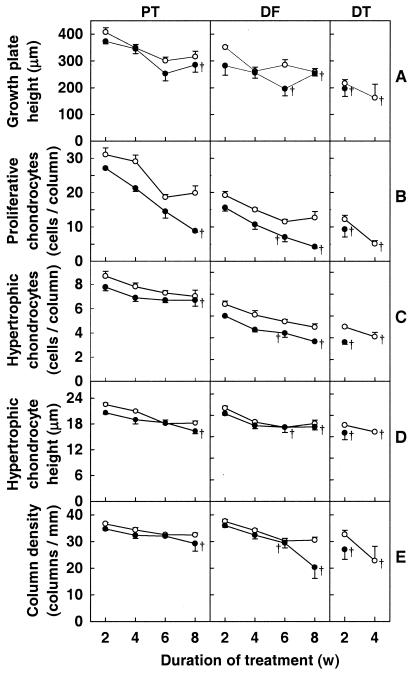
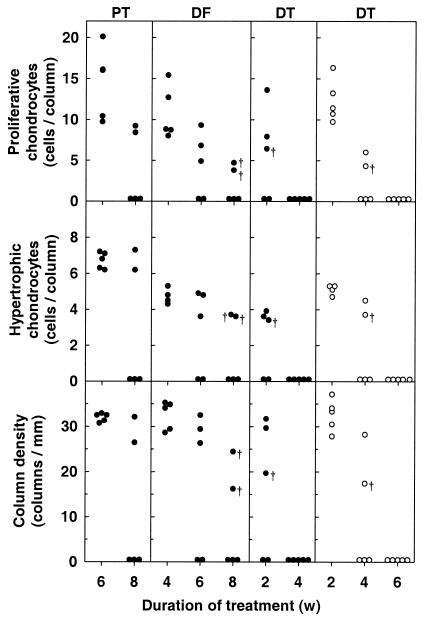
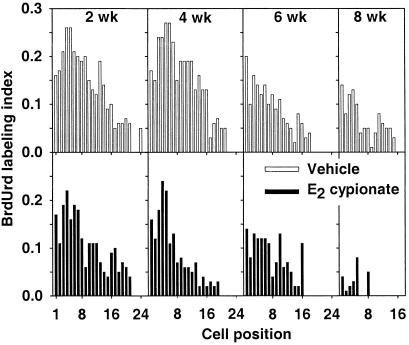
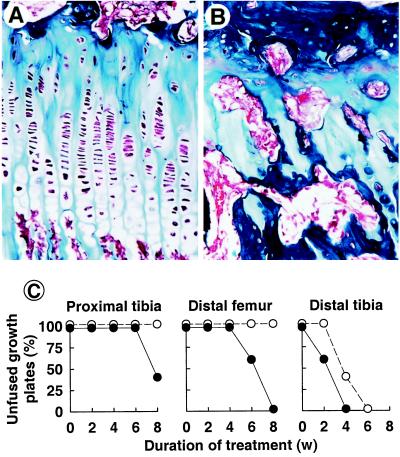
Height increases primarily because dividing chondrocytes in the proliferative zone and enlarging hypertrophic cells physically displace the bone longitudinally before mineralization occurs. However, these cells possess a finite replicative capacity. Over time, the proliferative pool diminishes due to intrinsic senescence mechanisms regulated by local signaling networks and systemic hormonal cues. Growth plates therefore do not close abruptly; they gradually exhaust their cellular potential before eventual epiphyseal fusion.
The Role of Growth Hormone and IGF-1
Growth hormone exerts its effects largely by stimulating the liver and local tissues to produce IGF-1, which acts on growth plate chondrocytes to promote:
• Cellular proliferation
• Extracellular matrix synthesis
• Hypertrophic expansion
• Survival signaling
GH also modulates systemic metabolism, including:
• Enhanced lipolysis
• Increased amino acid uptake
• Augmented protein synthesis
• Adjusted glucose handling
• Expansion of lean body mass
During puberty, GH secretion rises sharply under the influence of sex steroids, increasing IGF-1 levels and driving the adolescent growth spurt. In GH-deficient children, the axis is underactive, so replacement restores growth potential. In contrast, non-deficient adolescents already operate near maximal physiologic capacity, limiting the effect of additional hormone.
Why Extra GH Does Not Guarantee Extra Height
Administration of exogenous GH to adolescents with normal endogenous secretion often results in:
• Temporary acceleration of growth velocity
• Elevated IGF-1 concentrations
• Increased soft tissue growth
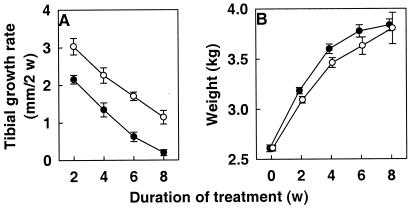
However, this rarely translates to proportional gains in adult height. The critical determinant of final stature is growth plate lifespan, not growth velocity alone. Supraphysiologic GH may even accelerate skeletal maturation indirectly by influencing sex steroid production, thereby shortening the remaining growth window. In essence, faster growth does not necessarily equate to greater cumulative growth.
Puberty as a Biological Countdown
Puberty represents a biological countdown orchestrated by rising sex steroids. In males, testosterone is converted to estradiol via aromatase, which binds to estrogen receptors in the growth plate. Estrogen exerts dual roles:
• Initiating pubertal growth acceleration
• Promoting growth plate maturation and eventual fusion
Thus, estrogen both stimulates growth and triggers closure. The balance between growth promotion and maturation timing determines adult height. Slower maturation extends the period of growth plate activity, allowing greater cumulative bone elongation.
Theoretical Impact of a Combined Stack
A common hypothetical intervention involves combining:
• Exogenous growth hormone
• Long-acting IGF-1 analogs
• Aromatase inhibitors
• Sleep-promoting peptides such as DSIP
Each component targets a different regulatory layer of growth biology.
Growth Hormone Administration
Exogenous GH increases circulating and local IGF-1, stimulating anabolic signaling across tissues and potentially accelerating linear growth and lean tissue accrual.
IGF-1 Analog Administration
Long-acting IGF-1 analogs bypass endogenous regulatory feedback and directly activate IGF-1 receptors in growth plates and other tissues. This can enhance chondrocyte proliferation and hypertrophy but cannot restore exhausted proliferative reserves if the growth plate has advanced in senescence.
Aromatase Inhibition
By reducing estrogen synthesis, aromatase inhibitors can theoretically slow growth plate maturation, extending the growth period. However, estrogen suppression carries risks, including:
• Impaired bone mineralization
• Altered lipid metabolism
• Joint discomfort
• Long-term endocrine disruption
Timing is critical; if growth plates are near fusion, benefits are minimal.
DSIP and Sleep Optimization
Deep sleep corresponds with peak endogenous GH secretion. Enhancing slow-wave sleep with DSIP can amplify physiologic GH pulsatility, improving growth efficiency and recovery without directly acting on growth plate cells.
Potential Combined Effects
Theoretically, concurrent use of these agents could:
• Increase growth velocity
• Slightly extend growth plate activity
• Maximize remaining genetic height potential
However, no pharmacologic intervention can create additional growth plate capacity. Possible benefits include:
• Greater realization of innate growth potential
• Enhanced body composition
• Increased muscle and connective tissue development
Potential systemic consequences may include:
• Insulin resistance
• Fluid retention
• Joint strain
• Disproportionate soft tissue growth
• Metabolic stress
Beyond Height: Systemic Development
Late adolescence involves broad structural changes, including:
• Shoulder girdle expansion
• Rib cage growth
• Muscle hypertrophy
• Facial bone maturation
• Laryngeal development and voice deepening
• Cardiopulmonary growth
GH and IGF signaling influence these processes, meaning interventions may alter overall morphology and composition, not just height. These changes are, however, largely constrained by genetic programming.
Genetic Constraints and Growth Plate Aging
Growth plate aging follows intrinsic cellular programs regulating proliferative capacity. Hormonal interventions cannot indefinitely sustain growth if proliferative chondrocytes are exhausted. Pharmacologic augmentation can modify growth dynamics within these limits but cannot expand them beyond genetic potential.
Sleep, Nutrition, and Mechanical Loading
Other critical factors include:
• Sleep duration and quality
• Adequate caloric and protein intake
• Sufficient micronutrients
• Physical activity and mechanical loading
Mechanical stress stimulates bone formation via osteocyte signaling pathways, contributing to skeletal robustness. Correcting chronic sleep and nutritional deficits may recover growth potential that would otherwise remain unrealized.
The Central Biological Reality
Height outcomes in non-GHD adolescents are governed by:
1. Genetic programming
2. Timing of growth plate maturation
3. Pubertal tempo
4. Overall metabolic and hormonal health
5. Environmental and lifestyle influences
Hormonal and peptide interventions can modulate growth trajectories but cannot permanently override intrinsic developmental programming.
Conclusion
HGH and related peptides are potent biological modulators, but their effects are constrained by growth plate biology and genetic architecture. In adolescents with robust endogenous hormone activity, interventions typically adjust growth timing rather than dramatically increasing final stature. Height emerges as the integrated outcome of cellular lifespan, endocrine orchestration, and genetic constraints. Maximizing growth potential depends as much on sleep, nutrition, and general health as on pharmacologic modulation. Ultimately, growth is not solely about gaining centimeters but about achieving mature physiological function and structural integrity.
(this thread was enhanced by ai and serves as help with comprehending the effects of gh if you aren’t deficient. Not trying to act super high iq or smth like I typed ALL of this out. I did type out the base though. I still recommend you read through it)
Advice
If you are a teenager with open growth plates and are seeking hgh and other compounds to maximize height gains, you need to realize if not deficient the gains will be modest at best. Without blood tests, your dosing may be way off and you’ll get nothing but side effects. I’m not saying it’s impossible and you’ll have no single cm gain but stop thinking that’s you’ll magically grow to 6’3 while being like 5’7 at 15. Evaluate your bone age, MPH, PAH, Tanner staging, and hormonal levels before trying any of this. Most people won’t commit this high of a level for a 2-8 cm gain (even thats being generous). So you are likely better off just lifestylemaxxing
Human bone growth occurs through a complex network that integrates endocrine signals, local cellular communication, and genetically encoded developmental programs. It is not as simple as stating that elevating growth hormone levels will automatically result in increased stature. Instead, adolescent growth patterns emerge from finely tuned interactions among hormonal axes, growth plate senescence, cellular proliferative capacity, and the genetically predetermined timing of maturation.
In individuals without growth hormone deficiency, endogenous growth hormone secretion and insulin-like growth factor-1 (IGF-1) signaling peak naturally during puberty. Consequently, pharmacologic attempts to augment this system often confront biological ceilings imposed by growth plate physiology rather than merely by the circulating hormone concentration. To fully appreciate this, it is necessary to examine the underlying cellular and molecular mechanisms.
The Growth Plate as the True Determinant of Height
Linear bone elongation occurs at the epiphyseal growth plates, specialized cartilaginous structures located at the ends of long bones. These plates consist of discrete zones:
1. Resting (reserve) zone
2. Proliferative zone
3. Hypertrophic zone
4. Ossification zone
Chondrocytes within these regions progress through a sequential cascade of biological processes:
• Proliferation
• Hypertrophic enlargement
• Matrix secretion
• Apoptosis and replacement by bone
Height increases primarily because dividing chondrocytes in the proliferative zone and enlarging hypertrophic cells physically displace the bone longitudinally before mineralization occurs. However, these cells possess a finite replicative capacity. Over time, the proliferative pool diminishes due to intrinsic senescence mechanisms regulated by local signaling networks and systemic hormonal cues. Growth plates therefore do not close abruptly; they gradually exhaust their cellular potential before eventual epiphyseal fusion.
The Role of Growth Hormone and IGF-1
Growth hormone exerts its effects largely by stimulating the liver and local tissues to produce IGF-1, which acts on growth plate chondrocytes to promote:
• Cellular proliferation
• Extracellular matrix synthesis
• Hypertrophic expansion
• Survival signaling
GH also modulates systemic metabolism, including:
• Enhanced lipolysis
• Increased amino acid uptake
• Augmented protein synthesis
• Adjusted glucose handling
• Expansion of lean body mass
During puberty, GH secretion rises sharply under the influence of sex steroids, increasing IGF-1 levels and driving the adolescent growth spurt. In GH-deficient children, the axis is underactive, so replacement restores growth potential. In contrast, non-deficient adolescents already operate near maximal physiologic capacity, limiting the effect of additional hormone.
Why Extra GH Does Not Guarantee Extra Height
Administration of exogenous GH to adolescents with normal endogenous secretion often results in:
• Temporary acceleration of growth velocity
• Elevated IGF-1 concentrations
• Increased soft tissue growth
However, this rarely translates to proportional gains in adult height. The critical determinant of final stature is growth plate lifespan, not growth velocity alone. Supraphysiologic GH may even accelerate skeletal maturation indirectly by influencing sex steroid production, thereby shortening the remaining growth window. In essence, faster growth does not necessarily equate to greater cumulative growth.
Puberty as a Biological Countdown
Puberty represents a biological countdown orchestrated by rising sex steroids. In males, testosterone is converted to estradiol via aromatase, which binds to estrogen receptors in the growth plate. Estrogen exerts dual roles:
• Initiating pubertal growth acceleration
• Promoting growth plate maturation and eventual fusion
Thus, estrogen both stimulates growth and triggers closure. The balance between growth promotion and maturation timing determines adult height. Slower maturation extends the period of growth plate activity, allowing greater cumulative bone elongation.
Theoretical Impact of a Combined Stack
A common hypothetical intervention involves combining:
• Exogenous growth hormone
• Long-acting IGF-1 analogs
• Aromatase inhibitors
• Sleep-promoting peptides such as DSIP
Each component targets a different regulatory layer of growth biology.
Growth Hormone Administration
Exogenous GH increases circulating and local IGF-1, stimulating anabolic signaling across tissues and potentially accelerating linear growth and lean tissue accrual.
IGF-1 Analog Administration
Long-acting IGF-1 analogs bypass endogenous regulatory feedback and directly activate IGF-1 receptors in growth plates and other tissues. This can enhance chondrocyte proliferation and hypertrophy but cannot restore exhausted proliferative reserves if the growth plate has advanced in senescence.
Aromatase Inhibition
By reducing estrogen synthesis, aromatase inhibitors can theoretically slow growth plate maturation, extending the growth period. However, estrogen suppression carries risks, including:
• Impaired bone mineralization
• Altered lipid metabolism
• Joint discomfort
• Long-term endocrine disruption
Timing is critical; if growth plates are near fusion, benefits are minimal.
DSIP and Sleep Optimization
Deep sleep corresponds with peak endogenous GH secretion. Enhancing slow-wave sleep with DSIP can amplify physiologic GH pulsatility, improving growth efficiency and recovery without directly acting on growth plate cells.
Potential Combined Effects
Theoretically, concurrent use of these agents could:
• Increase growth velocity
• Slightly extend growth plate activity
• Maximize remaining genetic height potential
However, no pharmacologic intervention can create additional growth plate capacity. Possible benefits include:
• Greater realization of innate growth potential
• Enhanced body composition
• Increased muscle and connective tissue development
Potential systemic consequences may include:
• Insulin resistance
• Fluid retention
• Joint strain
• Disproportionate soft tissue growth
• Metabolic stress
Beyond Height: Systemic Development
Late adolescence involves broad structural changes, including:
• Shoulder girdle expansion
• Rib cage growth
• Muscle hypertrophy
• Facial bone maturation
• Laryngeal development and voice deepening
• Cardiopulmonary growth
GH and IGF signaling influence these processes, meaning interventions may alter overall morphology and composition, not just height. These changes are, however, largely constrained by genetic programming.
Genetic Constraints and Growth Plate Aging
Growth plate aging follows intrinsic cellular programs regulating proliferative capacity. Hormonal interventions cannot indefinitely sustain growth if proliferative chondrocytes are exhausted. Pharmacologic augmentation can modify growth dynamics within these limits but cannot expand them beyond genetic potential.
Sleep, Nutrition, and Mechanical Loading
Other critical factors include:
• Sleep duration and quality
• Adequate caloric and protein intake
• Sufficient micronutrients
• Physical activity and mechanical loading
Mechanical stress stimulates bone formation via osteocyte signaling pathways, contributing to skeletal robustness. Correcting chronic sleep and nutritional deficits may recover growth potential that would otherwise remain unrealized.
The Central Biological Reality
Height outcomes in non-GHD adolescents are governed by:
1. Genetic programming
2. Timing of growth plate maturation
3. Pubertal tempo
4. Overall metabolic and hormonal health
5. Environmental and lifestyle influences
Hormonal and peptide interventions can modulate growth trajectories but cannot permanently override intrinsic developmental programming.
Conclusion
HGH and related peptides are potent biological modulators, but their effects are constrained by growth plate biology and genetic architecture. In adolescents with robust endogenous hormone activity, interventions typically adjust growth timing rather than dramatically increasing final stature. Height emerges as the integrated outcome of cellular lifespan, endocrine orchestration, and genetic constraints. Maximizing growth potential depends as much on sleep, nutrition, and general health as on pharmacologic modulation. Ultimately, growth is not solely about gaining centimeters but about achieving mature physiological function and structural integrity.
(this thread was enhanced by ai and serves as help with comprehending the effects of gh if you aren’t deficient. Not trying to act super high iq or smth like I typed ALL of this out. I did type out the base though. I still recommend you read through it)
Advice
If you are a teenager with open growth plates and are seeking hgh and other compounds to maximize height gains, you need to realize if not deficient the gains will be modest at best. Without blood tests, your dosing may be way off and you’ll get nothing but side effects. I’m not saying it’s impossible and you’ll have no single cm gain but stop thinking that’s you’ll magically grow to 6’3 while being like 5’7 at 15. Evaluate your bone age, MPH, PAH, Tanner staging, and hormonal levels before trying any of this. Most people won’t commit this high of a level for a 2-8 cm gain (even thats being generous). So you are likely better off just lifestylemaxxing