syxl
Absolute Grey
- Joined
- Nov 14, 2025
- Posts
- 535
- Reputation
- 729
Made this thread since I noticed a lot of people want to fix a slight hooked nose without surgery, but most guides are too short, full of bs or miss the important details. Below is the breakdown, exactly how it works, how to do it properly, timeline, and all the tips you need for real results. Hope you enjoy this read bhais.
SECTION 2 - How it works
SECTION 3: Method 1 - Direct Pressure
SECTION 4: Method 2 - Gua Sha
SECTION 5: Timeline
SECTION 6: Extra Tips For Faster Results
SECTION 7: WHAT TO AVOID
And thats all. To all the chads that read all this shit, thanks. This thread took me 2 whole days to write, mainly because im lazy as fuck, but i got it done. Also let me know what you think of this formatting.
TABLE OF CONTENTS:
⬥━━━━━━━━━━━━━━━━━━━━━━━━━━━━━━━━━━━━━━━━━━⬥
SECTION 1: CORE METHOD OVERVIEW
SECTION 2: HOW IT WORKS
SECTION 3: METHOD 1 - DIRECT PRESSURE
SECTION 4: METHOD 2 - GUA SHA
SECTION 5: TIMELINE
SECTION 6: EXTRA TIPS FOR FASTER RESULTS
SECTION 7: WHAT TO AVOID
⬥━━━━━━━━━━━━━━━━━━━━━━━━━━━━━━━━━━━━━━━━━━⬥

SECTION 1 - Core method overview⬥━━━━━━━━━━━━━━━━━━━━━━━━━━━━━━━━━━━━━━━━━━⬥
SECTION 1: CORE METHOD OVERVIEW
SECTION 2: HOW IT WORKS
SECTION 3: METHOD 1 - DIRECT PRESSURE
SECTION 4: METHOD 2 - GUA SHA
SECTION 5: TIMELINE
SECTION 6: EXTRA TIPS FOR FASTER RESULTS
SECTION 7: WHAT TO AVOID
⬥━━━━━━━━━━━━━━━━━━━━━━━━━━━━━━━━━━━━━━━━━━⬥
IMPORTANT NOTICE:
This is a completely non‑surgical, pressure‑based technique designed specifically to fix a slight to moderate hooked nose or curved nasal bridge. It works only on the flexible cartilage that forms the upper/middle part of your nose, not the hard bone near the top or the tip. If your curve is huge or mostly bone, don’t expect miracles, you’ll still smooth it out a bit tho. But if you’ve got that small hump or slight curve messing up your profile? This is honestly one of the best, safest, zero‑cost methods out there.
Immediate / Temporary Effect:
Literally the first time you do it, applying pressure and moving it right makes the tissue swell up a tiny bit and shifts fluid inside the cartilage. Fills in that little dip/curve instantly, so your nose looks straight right away. This lasts like 2–6 hours, sometimes more depending on how hard you went and how your face reacts. Perfect for pics, going out, or just when you wanna look your best, instant result while you work on the long term look.
Long‑Term / Permanent Effect:
The temporary fix is nice, obviously, but the main point is actual remodelling. Cartilage is soft living tissue. Unlike bone, it bends and changes shape if you consistently push it the right way. You’re basically guiding it to grow straighter. It’s not just muhh swelling or temporary stuff, over weeks/months the cells actually build new structure along the path you’re pressing. The curve flattens, bridge gets fuller and straight, and eventually it just stays like that naturally. Same logic as braces moving teeth or how your body adapts to whatever stress you put on it.
Way better than those rigid nose clips people buy. Those just squeeze the sides, make your nose look wider or mess up blood flow, which is garbage. Or random massages that don’t target the right spot, useless. This method is free, no tools needed, zero downtime, and obviously way better than dropping thousands on surgery.
You can do it two ways: Direct Finger Pressure (SECTION 3) or use a Gua Sha / Sculpting Tool (SECTION 4). Same rules, same direction, just different ways to apply the pressure. We’ll break both down properly next.
This is a completely non‑surgical, pressure‑based technique designed specifically to fix a slight to moderate hooked nose or curved nasal bridge. It works only on the flexible cartilage that forms the upper/middle part of your nose, not the hard bone near the top or the tip. If your curve is huge or mostly bone, don’t expect miracles, you’ll still smooth it out a bit tho. But if you’ve got that small hump or slight curve messing up your profile? This is honestly one of the best, safest, zero‑cost methods out there.
Immediate / Temporary Effect:
Literally the first time you do it, applying pressure and moving it right makes the tissue swell up a tiny bit and shifts fluid inside the cartilage. Fills in that little dip/curve instantly, so your nose looks straight right away. This lasts like 2–6 hours, sometimes more depending on how hard you went and how your face reacts. Perfect for pics, going out, or just when you wanna look your best, instant result while you work on the long term look.
Long‑Term / Permanent Effect:
The temporary fix is nice, obviously, but the main point is actual remodelling. Cartilage is soft living tissue. Unlike bone, it bends and changes shape if you consistently push it the right way. You’re basically guiding it to grow straighter. It’s not just muhh swelling or temporary stuff, over weeks/months the cells actually build new structure along the path you’re pressing. The curve flattens, bridge gets fuller and straight, and eventually it just stays like that naturally. Same logic as braces moving teeth or how your body adapts to whatever stress you put on it.
Way better than those rigid nose clips people buy. Those just squeeze the sides, make your nose look wider or mess up blood flow, which is garbage. Or random massages that don’t target the right spot, useless. This method is free, no tools needed, zero downtime, and obviously way better than dropping thousands on surgery.
You can do it two ways: Direct Finger Pressure (SECTION 3) or use a Gua Sha / Sculpting Tool (SECTION 4). Same rules, same direction, just different ways to apply the pressure. We’ll break both down properly next.
SECTION 2 - How it works
FIRST THING TO UNDERSTAND:
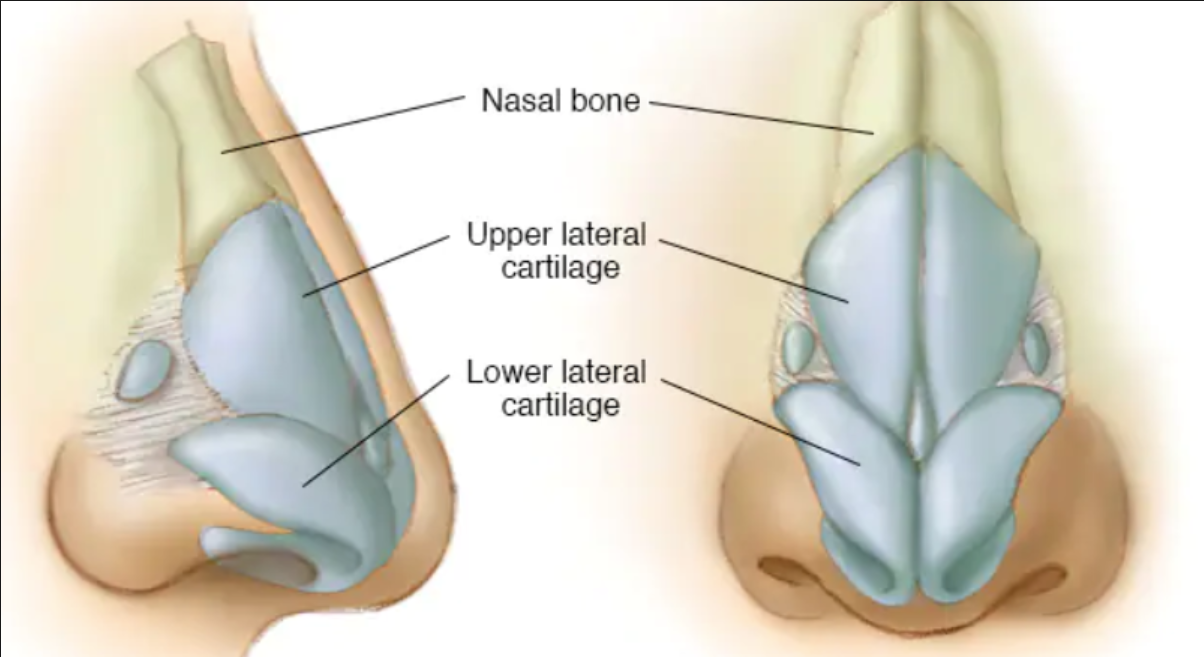
The top part of your nose (between your eyes down to the middle) isn’t hard bone like a lot of people think. It’s made of hyaline cartilage, basically strong, flexible connective tissue. This stuff is alive, it has blood supply, and most importantly for us that it’s malleable as fuck. Unlike bone which is solid and slow to change, cartilage will shift, grow, and reshape itself pretty easily if you put consistent pressure on it in the right direction. That’s the whole foundation of this method, simple as that.
Short‑Term Effect (Right after doing it):
When you press and glide over the curved part, you’re pushing fluid around inside the cartilage and causing tiny, harmless inflammation/swelling. This fills out the indent or the “hook” instantly, smoothing the profile right there. Yeah people say it’s just swelling and cope, and they’re right (well not about the cope part), but who cares? You look better immediately, it lasts a few hours, and it’s perfect for when you need to look your best. Plus, this repeated pressure is exactly what triggers the long‑term change anyway, so you’re getting a quick win whilst u build the permanent result jfl
Long‑Term Effect (The real remodelling):
This is where people get confused and say muh cartilage doesn’t grow, wrong. The cells inside cartilage (chondrocytes) respond to mechanical stress just like every other part of your body. If you pull or push on something consistently, your body builds structure along those lines to support it. Think braces moving teeth, or how your bones get denser when you lift weights. Same exact logic.
Every time you apply pressure upwards/outwards, you’re telling those cells to grow this way, build more tissue here. Over weeks and months, the curve gets filled in, the bridge becomes straighter and slightly higher, and the cartilage actually remodels into the shape you’re guiding it into. It doesn’t just stay stretched, it literally changes its own structure. This isn’t some magic trick, it’s basic biology. The bone doesnt remodel, the cartilage does.
Quick Reality Check Boyos:
Read this shit before you start complaining.
This only works properly if your hook/curve is mostly cartilage. If your hump is huge or mostly solid bone near the top? You can still smooth it out a bit and make it look way less noticeable, but don’t expect it to vanish completely. If you’ve got a small/medium curve tho? This method is unironically game changing, and way better than wasting money on gadgets that don’t work.
Consistency is literally the only thing that matters here. Skip days and it will slowly shift back, stay on it and you will lock in the new shape permanently.

The top part of your nose (between your eyes down to the middle) isn’t hard bone like a lot of people think. It’s made of hyaline cartilage, basically strong, flexible connective tissue. This stuff is alive, it has blood supply, and most importantly for us that it’s malleable as fuck. Unlike bone which is solid and slow to change, cartilage will shift, grow, and reshape itself pretty easily if you put consistent pressure on it in the right direction. That’s the whole foundation of this method, simple as that.
Short‑Term Effect (Right after doing it):
When you press and glide over the curved part, you’re pushing fluid around inside the cartilage and causing tiny, harmless inflammation/swelling. This fills out the indent or the “hook” instantly, smoothing the profile right there. Yeah people say it’s just swelling and cope, and they’re right (well not about the cope part), but who cares? You look better immediately, it lasts a few hours, and it’s perfect for when you need to look your best. Plus, this repeated pressure is exactly what triggers the long‑term change anyway, so you’re getting a quick win whilst u build the permanent result jfl
Long‑Term Effect (The real remodelling):
This is where people get confused and say muh cartilage doesn’t grow, wrong. The cells inside cartilage (chondrocytes) respond to mechanical stress just like every other part of your body. If you pull or push on something consistently, your body builds structure along those lines to support it. Think braces moving teeth, or how your bones get denser when you lift weights. Same exact logic.
Every time you apply pressure upwards/outwards, you’re telling those cells to grow this way, build more tissue here. Over weeks and months, the curve gets filled in, the bridge becomes straighter and slightly higher, and the cartilage actually remodels into the shape you’re guiding it into. It doesn’t just stay stretched, it literally changes its own structure. This isn’t some magic trick, it’s basic biology. The bone doesnt remodel, the cartilage does.
Quick Reality Check Boyos:
Read this shit before you start complaining.
This only works properly if your hook/curve is mostly cartilage. If your hump is huge or mostly solid bone near the top? You can still smooth it out a bit and make it look way less noticeable, but don’t expect it to vanish completely. If you’ve got a small/medium curve tho? This method is unironically game changing, and way better than wasting money on gadgets that don’t work.
Consistency is literally the only thing that matters here. Skip days and it will slowly shift back, stay on it and you will lock in the new shape permanently.
This is the most straightforward and powerful way to do it. No special tools needed, no cost involved, and you have full control over exactly what you are doing, which is why it works better than anything else. If you are going to dnr most of this guide, atleast read this section bhai.
WHAT YOU NEED:
Clean hands only. You can use a tiny amount of moisturiser or oil if you want, just so your fingers glide smoothly and don’t irritate the skin, but even doing it with dry hands works perfectly fine. Nothing else is required
Step By Step (Read Carefully):
1. Locate the target area first:
Run your fingers along your nasal bridge and feel where the curve or small hump begins, usually between your eyes and moving down towards the middle of the nose. That soft, flexible cartilage area i talked about in SECTION 2? That is the only place you need to focus your effort. Do not waste time pressing on the hard bone right at the top between your eyes, or the cartilage at the very tip, that will not change the shape we are trying to fix. We only work where the curve exists.
2. Hand Placement:
Use your index fingers or thumbs, whichever feels more comfortable and natural. Place them flat against the top and sides of the bridge, directly over the curved section. Important: Do not squeeze inward. That is the mistake most people make, and it only makes the nose look wider or flatter, which is the opposite of what you want. Direction is everything here, you always push UPWARDS AND SLIGHTLY OUTWARDS ONLY. If you push or drag downward, you will only make the hook more pronounced.
3. Pressure and Movement:
Apply firm, steady pressure, enough that you feel it deep inside the tissue, but never to the point of pain or discomfort. If it hurts, you are pressing too hard. Hold that pressure for 5 to 10 seconds, then release for about 2 seconds, and repeat this cycle. Doing it in short bursts like this stimulates the cells and encourages growth much better than just holding it in one position constantly. You want to guide the shape, not damage the tissue.
4. Duration and Frequency:
Aim for 5 to 10 minutes total per session, and do this 2 to 3 times every single day. This is the hardest part since most of you guys are too fucking lazy.
The best times are right after you wake up, sometime in the afternoon, and again right before bed. It also helps to do this immediately after a warm shower, or hold a warm damp cloth over your nose for a minute first. Heat softens cartilage significantly, making it much easier to move and reshape, and it speeds up your results a lot. This is a small detail that makes a big difference.
Why this method is better than everything else:
WHAT YOU NEED:
Clean hands only. You can use a tiny amount of moisturiser or oil if you want, just so your fingers glide smoothly and don’t irritate the skin, but even doing it with dry hands works perfectly fine. Nothing else is required
Step By Step (Read Carefully):
1. Locate the target area first:
Run your fingers along your nasal bridge and feel where the curve or small hump begins, usually between your eyes and moving down towards the middle of the nose. That soft, flexible cartilage area i talked about in SECTION 2? That is the only place you need to focus your effort. Do not waste time pressing on the hard bone right at the top between your eyes, or the cartilage at the very tip, that will not change the shape we are trying to fix. We only work where the curve exists.
2. Hand Placement:
Use your index fingers or thumbs, whichever feels more comfortable and natural. Place them flat against the top and sides of the bridge, directly over the curved section. Important: Do not squeeze inward. That is the mistake most people make, and it only makes the nose look wider or flatter, which is the opposite of what you want. Direction is everything here, you always push UPWARDS AND SLIGHTLY OUTWARDS ONLY. If you push or drag downward, you will only make the hook more pronounced.
3. Pressure and Movement:
Apply firm, steady pressure, enough that you feel it deep inside the tissue, but never to the point of pain or discomfort. If it hurts, you are pressing too hard. Hold that pressure for 5 to 10 seconds, then release for about 2 seconds, and repeat this cycle. Doing it in short bursts like this stimulates the cells and encourages growth much better than just holding it in one position constantly. You want to guide the shape, not damage the tissue.
4. Duration and Frequency:
Aim for 5 to 10 minutes total per session, and do this 2 to 3 times every single day. This is the hardest part since most of you guys are too fucking lazy.
The best times are right after you wake up, sometime in the afternoon, and again right before bed. It also helps to do this immediately after a warm shower, or hold a warm damp cloth over your nose for a minute first. Heat softens cartilage significantly, making it much easier to move and reshape, and it speeds up your results a lot. This is a small detail that makes a big difference.
Why this method is better than everything else:
- You control exactly where the pressure is applied, so no effort is wasted on areas that don’t need changing.
- You can adjust the intensity and direction instantly as you feel what works best for your nose.
- It is the most natural way to encourage the cartilage to grow in the direction you want.
- There is zero risk of ruining your proportions or making your nose look wider, which often happens with rigid gadgets or clips.
- Pushing downward - this actively makes the hook worse and lowers your bridge.
- Squeezing inward - this compresses the sides, makes the nose wider, and ruins the profile.
- Pressing too lightly - nothing will change if there isn’t enough force to stimulate the tissue; pressing too hard causes bruising or damage.
- Being inconsistent - doing it once in a while will do nothing. You need daily repetition to remodel the structure permanent
SECTION 4: Method 2 - Gua Sha
In case any of you iqlets dont know what a gua sha is, this is it:

Now of course there are different types of Gua Shas but I would reccommend this one. Just search up a Y-shaped/U-shaped gua sha and buy a good quality one.
HOW IT WORKS:
This is the second effective technique, and it follows exactly the same core rules and principles as the direct finger pressure (SECTION 3) method. The only real difference is that instead of using your hands to apply force, you use a specialised tool. Many people prefer this method because it delivers consistent, even pressure every time, glides smoothly over the skin, and allows you to target the curve or hump with much more precision. It works perfectly well as a standalone routine, or you can combine it with the finger method to speed up your results significantly.
WHAT YOU NEED:
Step By Step:
Why This Works:
Important to Remeber!
When done correctly and consistently, this method will deliver exactly the same permanent structural changes and results as direct finger pressure, helping you remodel the cartilage, straighten the bridge, smooth out that curve or hook, and eventually lock in your new shape for good. You’re essentially guiding the tissue to grow exactly where you want it, and every session adds up to real, visible progress, this isn’t temporary swelling or copium, it’s actual soft tissue modification. Whether you use this method alone or stack it with the finger routine to speedrun your results, the logic stays the same: consistent, correct force = permanent change. This is the blueprint for anyone looking to fix their profile naturally, far better than wasting time on useless gadgets or thinking surgery is the only way. Stick to the right direction, stay consistent, and you will ascend to the
straighter bridge you want, no luck involved, just pure application.
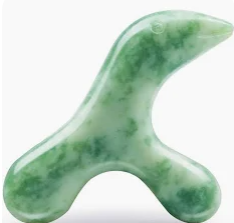
Now of course there are different types of Gua Shas but I would reccommend this one. Just search up a Y-shaped/U-shaped gua sha and buy a good quality one.
HOW IT WORKS:
This is the second effective technique, and it follows exactly the same core rules and principles as the direct finger pressure (SECTION 3) method. The only real difference is that instead of using your hands to apply force, you use a specialised tool. Many people prefer this method because it delivers consistent, even pressure every time, glides smoothly over the skin, and allows you to target the curve or hump with much more precision. It works perfectly well as a standalone routine, or you can combine it with the finger method to speed up your results significantly.
WHAT YOU NEED:
- Recommended tool: The best choice by far is a Y‑shaped or U‑notch nose sculpting tool made of stainless steel. This shape is designed specifically to fit over the nasal bridge perfectly, staying exactly where you place it without slipping off, while the material is ultra‑smooth, durable, and allows you to apply firm pressure comfortably. Polished white jade or high‑quality smooth resin versions work well too, but stainless steel offers the best control and longest life. I myself used a stainless steel Y-shaped gua sha. Avoid flat, wide, or heart‑shaped gua sha tools, these are too big and awkward to target the narrow bridge properly. Also please never use anything with sharp edges, rough surfaces, or pointed tips, as these will irritate or damage the skin and soft tissue, which is pretty obvious.
- Lubrication: You must use a small amount of facial oil, serum, or moisturiser. Unlike using your bare hands, the tool needs to glide freely, if there is not enough slip, it will drag and pull the skin, which causes irritation and defeats the purpose. You do not need a lot, just a thin, even layer over the whole bridge area.
Step By Step:
- Preparation: Wash your hands, your nose, and the tool itself before starting. Apply your chosen oil or moisturiser (I used Jojoba Oil) evenly over the nasal bridge, paying extra attention to the curved section or hump you are aiming to correct.
- Correct placement: Hold the tool comfortably between your thumb and fingers. Align the notch or curved edge so it sits flat and securely over your nasal bridge, starting right at the point where the hard nasal bone ends and the soft flexible cartilage begins, this is the exact zone we need to work on. Make sure it is centred and sitting directly over the curve.
- Direction and movement: Apply moderate, steady pressure, enough that you can feel it working deep within the tissue, but never enough to cause pain, discomfort, or leave red marks. Glide the tool UPWARDS AND SLIGHTLY OUTWARDS ONLY, guiding it past the curve in a smooth, continuous motion. It is critical that you never drag, pull, or slide the tool downward or inward, doing so will only make the hook deeper, lower your bridge, or widen the nose, which is the opposite of what we want. Each stroke should be slow and controlled.
- Repetitions and timing: Perform 15–20 smooth upward strokes per session, and repeat this routine 2 to 3 times daily, just like the finger method. You can also use this immediately after a warm shower or after applying heat, exactly as mentioned before, heat softens the cartilage and makes the tool much more effective.
Why This Works:
- It applies pressure evenly across the whole targeted area, ensuring every part of the curve gets the same stimulation.
- The shape locks it in place, so you do not accidentally shift to the sides or apply force to areas that do not need changing.
- It is easier to maintain consistent pressure and direction compared to fingers, which naturally vary slightly with every movement.
- It is very gentle on the skin when done correctly, making it a great choice if you find direct finger pressure uncomfortable or irritating.
Important to Remeber!
- The tool is just a way to deliver the force, the biological process of reshaping the cartilage is exactly the same, so consistency is still the most important factor.
- Do not press excessively hard thinking it will speed up results, too much force will only damage tissue or bruise the area. Firm and steady is always better than hard and aggressive.
- Always keep the movement upward and outward, direction is everything here, and getting it wrong will undo any progress you make.
When done correctly and consistently, this method will deliver exactly the same permanent structural changes and results as direct finger pressure, helping you remodel the cartilage, straighten the bridge, smooth out that curve or hook, and eventually lock in your new shape for good. You’re essentially guiding the tissue to grow exactly where you want it, and every session adds up to real, visible progress, this isn’t temporary swelling or copium, it’s actual soft tissue modification. Whether you use this method alone or stack it with the finger routine to speedrun your results, the logic stays the same: consistent, correct force = permanent change. This is the blueprint for anyone looking to fix their profile naturally, far better than wasting time on useless gadgets or thinking surgery is the only way. Stick to the right direction, stay consistent, and you will ascend to the
straighter bridge you want, no luck involved, just pure application.
SECTION 5: Timeline
Now you know both methods and exactly how to do them. This section lays out the best daily routine to follow, the real timeline you can expect, and what progress actually looks like step by step. This is where most people either get the result they want or give up too early. Don’t be the one who quits right before it works.
The BEST Daily Routine:
Real Timeline - Exactly how it happens:
Key things to remember:
The BEST Daily Routine:
- Morning - Right after a warm shower (5–7 minutes):
This is the best time of day. Heat softens the cartilage completely, so it moves easily and responds faster. Start with the finger pressure method, feel exactly where the curve or hump is, and push firmly upward and outward. This sets the shape right at the start of the day. Do not skip this part, it makes a huge difference long term. - Mid‑day / Afternoon (3–5 minutes):
Short session, use the gua sha/tool method here. It’s quick, easy to do anywhere, and keeps gentle pressure on the area. This stops the tissue from going back to its old shape and keeps the process active all day. If you want faster results, do this every day without fail. - Before bed - Last thing you do (5 minutes):
Use whichever method you prefer. Working right before you sleep means the tissue stays influenced while your body rests and repairs overnight. This is one of the most important parts of the whole routine. People who do this regularly see changes much sooner than those who don’t.
Real Timeline - Exactly how it happens:
- Weeks 1–2:
You won’t see permanent changes yet, but you will notice right after you do the routine that the curve looks smoother and straighter. Over these weeks, that smoother look lasts longer and longer. This is the first sign it’s working, the tissue is starting to adapt and change. Ignore anyone saying it’s just swelling; this is the start of the actual change, not just fluid. - Weeks 4–6:
This is when you see real difference. The curve or hump is noticeably less sharp, the bridge looks fuller and higher, and your side profile is much cleaner. People who see you every day might not notice straight away, but you will see it clearly, and photos will show it 100%. This is the point where many people stop because it’s not instant, but if you keep going, this is where the permanent shape starts to set in. - Months 3–4:
The curve or hook is almost gone or completely smoothed out. Your bridge height is exactly where you want it, the shape is natural, stable, and stays that way forever. You have successfully reshaped the soft tissue into a straight, balanced structure. At this point you can do it just 2–3 times a week to keep it, or keep refining it if you want even more change.
Key things to remember:
- Consistency is everything: Pressing too hard will only hurt or bruise you. Doing it every single day is what changes the shape. Slow and steady always wins here.
- Heat makes it faster: Never work on cold cartilage, warm it up first. It cuts your progress time in half. Working without heat just slows you down for no reason.
- Trust what you see: This works because soft tissue changes shape under pressure, it’s basic biology, not magic. Stick to the routine, keep every movement upward and outward, and you will lock in that straight profile you want.
SECTION 6: Extra Tips For Faster Results
These are the small, extra details that most people miss. They don’t replace the main methods or routine, but adding them in will speed up your progress, make the changes stronger, and help you get a better shape than just doing the basics alone. Read through these and add as many as you can to your daily routine.
1. Always warm the area properly:
I mentioned this before, but it is worth saying again, this is the single biggest thing you can do to get faster results. Warmth makes cartilage soft and flexible, so it moves easily and holds the new shape better. The best way is straight after a hot shower, or hold a warm, damp cloth over your nose for 1–2 minutes before you start. If you want to go further, you can even gently massage the bridge in small circles for 30 seconds first to get blood flowing and loosen everything up. Cold tissue will barely move. Working warm cuts your time in half.
2. Do not skip the hold phase:
When you are doing either method, don’t just rub or stroke quickly. When you apply pressure upward and hit that new position, hold it there for 5–10 seconds before releasing or moving again. Staying in that corrected position tells the tissue: 'this is where we need to be'. Sliding past quickly only stimulates the area, holding it there forces the structure to adapt to the new shape. This small change makes a huge difference in how fast things start to look straighter.
3. Watch your facial posture during the day:
Most people have small habits that push the nose back into its old shape without even realising it. Things like pressing your face against your hand while sitting, leaning forward on a desk, or even the way you rest your face on a pillow while sleeping. Try to be aware of this, keep your head straight, avoid putting pressure on the bridge or sides of your
nose during the day, and sleep on your back if you can. You want only the pressure from your routine to be shaping the nose, not bad habits working against you all day long.
4. Stay hydrated and look after skin health:
Cartilage is made mostly of water, and it stays flexible and responsive when your body is well hydrated. Drinking enough water every day keeps the tissue healthy and helps it remodel faster. Also, since you are touching and massaging the area every day, keep the skin clean and moisturised. Using a little oil or moisturiser isn’t just for glide, it keeps the skin strong and healthy so you can do the routine every single day without irritation, dryness, or redness stopping you.
5. Target the exact spot, not the whole nose:
A common mistake is massaging the entire nose from top to bottom. You do not need to work on the tip, the nostrils, or the hard bone right at the top and i cannot stress this enough. You only work the exact section where the curve or hump is, that soft cartilage area between the bone and the tip. Focus all your effort there. Working other areas is just wasted time, and you might accidentally change the shape of parts you actually like. Be precise, only touch what needs fixing.
6. Be consistent, but don’t overdo it:
More is not always better. Doing it for 20 minutes straight, 5 times a day will not make it faster, it will just irritate the area, cause too much swelling, and make it harder to see real progress. 5–7 minutes, 2–3 times a day is the perfect amount. Regular, steady stimulation is what changes shape. If you overwork it, the tissue gets inflamed and stiffens up, which slows everything down. Stick to the timing, it works exactly as it is.
7. Take photos the right way:
Progress photos are the only way you will actually see how well it is working. Take a side‑profile photo once a week, at the same time of day, in the same lighting, with the same background, and your head level. Do not take photos from above, below, or different angles. Those will trick your eyes and make you think things are changing when they aren’t. A straight side‑by‑side comparison every few weeks will show you exactly how much straighter and fuller your bridge has become.
To Conclude This Section:
None of these tips are magic tricks. They are just small adjustments that help your body do exactly what you want it to do. Combine these with the main methods and the daily routine, and you will lock in that straight, clean profile faster and better than just doing the basics alone.
1. Always warm the area properly:
I mentioned this before, but it is worth saying again, this is the single biggest thing you can do to get faster results. Warmth makes cartilage soft and flexible, so it moves easily and holds the new shape better. The best way is straight after a hot shower, or hold a warm, damp cloth over your nose for 1–2 minutes before you start. If you want to go further, you can even gently massage the bridge in small circles for 30 seconds first to get blood flowing and loosen everything up. Cold tissue will barely move. Working warm cuts your time in half.
2. Do not skip the hold phase:
When you are doing either method, don’t just rub or stroke quickly. When you apply pressure upward and hit that new position, hold it there for 5–10 seconds before releasing or moving again. Staying in that corrected position tells the tissue: 'this is where we need to be'. Sliding past quickly only stimulates the area, holding it there forces the structure to adapt to the new shape. This small change makes a huge difference in how fast things start to look straighter.
3. Watch your facial posture during the day:
Most people have small habits that push the nose back into its old shape without even realising it. Things like pressing your face against your hand while sitting, leaning forward on a desk, or even the way you rest your face on a pillow while sleeping. Try to be aware of this, keep your head straight, avoid putting pressure on the bridge or sides of your
nose during the day, and sleep on your back if you can. You want only the pressure from your routine to be shaping the nose, not bad habits working against you all day long.
4. Stay hydrated and look after skin health:
Cartilage is made mostly of water, and it stays flexible and responsive when your body is well hydrated. Drinking enough water every day keeps the tissue healthy and helps it remodel faster. Also, since you are touching and massaging the area every day, keep the skin clean and moisturised. Using a little oil or moisturiser isn’t just for glide, it keeps the skin strong and healthy so you can do the routine every single day without irritation, dryness, or redness stopping you.
5. Target the exact spot, not the whole nose:
A common mistake is massaging the entire nose from top to bottom. You do not need to work on the tip, the nostrils, or the hard bone right at the top and i cannot stress this enough. You only work the exact section where the curve or hump is, that soft cartilage area between the bone and the tip. Focus all your effort there. Working other areas is just wasted time, and you might accidentally change the shape of parts you actually like. Be precise, only touch what needs fixing.
6. Be consistent, but don’t overdo it:
More is not always better. Doing it for 20 minutes straight, 5 times a day will not make it faster, it will just irritate the area, cause too much swelling, and make it harder to see real progress. 5–7 minutes, 2–3 times a day is the perfect amount. Regular, steady stimulation is what changes shape. If you overwork it, the tissue gets inflamed and stiffens up, which slows everything down. Stick to the timing, it works exactly as it is.
7. Take photos the right way:
Progress photos are the only way you will actually see how well it is working. Take a side‑profile photo once a week, at the same time of day, in the same lighting, with the same background, and your head level. Do not take photos from above, below, or different angles. Those will trick your eyes and make you think things are changing when they aren’t. A straight side‑by‑side comparison every few weeks will show you exactly how much straighter and fuller your bridge has become.
To Conclude This Section:
None of these tips are magic tricks. They are just small adjustments that help your body do exactly what you want it to do. Combine these with the main methods and the daily routine, and you will lock in that straight, clean profile faster and better than just doing the basics alone.
SECTION 7: WHAT TO AVOID
This section is just as important as the methods themselves. Most people fail or ruin their results not because the technique doesn’t work, but because they do things that directly undo their progress, damage tissue, or waste months on useless nonsense. Read this carefully, and avoid every single thing listed here, it will save you time, effort, and keep you on track.
1. Wrong Direction (The #1 Mistake):
Never, under any circumstances, push, drag, or apply pressure downward or inward.
2. Too Much Pressure / Overworking The Area:
A lot of people think harder = faster results. This is completely wrong.
3. Working Cold:
Trying to reshape cartilage when it is cold and stiff is a waste of time.
4. Cheap / Bad Tools:
5. Bad Daily Habits That Undo Progress:
6. Believing Myths & Wasting Time:
7. Checking Progress Too Often:
Looking in the mirror every hour, or every day, will make you think nothing is happening and make you quit early.
To Finally Conclude This Section:
Everything listed here either slows you down, stops progress completely, or ruins the shape you are trying to build. Avoid all of it, stick strictly to the methods and rules we covered, and you will get exactly the result you want. You are in full control, just don’t work against yourself.
1. Wrong Direction (The #1 Mistake):
Never, under any circumstances, push, drag, or apply pressure downward or inward.
- Pushing downward pulls the bridge lower and makes the hook or curve deeper. You are literally making the problem worse every time you do it.
- Squeezing inward compresses the sides, makes the nose look wider or flatter in profile, and ruins the definition you are trying to build.
- Rule: Every single movement, whether with fingers or tool, must be strictly UPWARD + SLIGHTLY OUTWARD ONLY. If you catch yourself moving any other way, stop immediately and correct it. This is non‑negotiable.
2. Too Much Pressure / Overworking The Area:
A lot of people think harder = faster results. This is completely wrong.
- Pressing so hard that it hurts, bruises, leaves marks, or makes the area sore means you are crushing the soft tissue. Damaged or inflamed cartilage stiffens up and stops adapting, this sets you back weeks.
- Doing sessions longer than 10 minutes, or more than 3 times a day, does not speed things up. It just causes constant swelling, and you won’t be able to tell what is real change and what is just fluid buildup.
- Rule: Firm, steady pressure that you can feel deep inside, but never pain or discomfort. Stick to the recommended timings. Less is more here.
3. Working Cold:
Trying to reshape cartilage when it is cold and stiff is a waste of time.
- Cold cartilage is hard and rigid, it barely moves, and you are basically just rubbing skin without shifting any structure.
- Skipping heat means every session is far less effective, and you double or triple the time it takes to see changes.
- Rule: Always warm the area first (shower, warm cloth, or gentle massage). If you haven’t warmed it up, do not start.
4. Cheap / Bad Tools:
- Avoid: Flat, wide, heart‑shaped, or too‑big gua sha tools, you cannot target the narrow bridge properly with these, and you end up pressing on areas you shouldn’t.
- Avoid: Any tool with sharp edges, rough surfaces, unpolished stone, or cheap wood, these drag and tear the skin, cause redness, and make daily routine impossible.
- Avoid: Plastic clips, clamps, or gadgets that squeeze the nose tight, these cut off blood flow, flatten the bridge, widen the sides, and do absolutely nothing to fix a curve or hook.
- Rule: Only use the Y‑shape/U‑notch style tool in stainless steel, polished jade, or high‑quality resin, exactly what was recommended earlier.
5. Bad Daily Habits That Undo Progress:
- Resting your face on your hand: Leaning forward at a desk, resting your cheek or bridge on your palm, this pushes the nose sideways or downward constantly.
- Sleeping face‑down or on your side: Pressing the nose flat against a pillow for hours every night slowly flattens the bridge or widens the sides. If you are serious, sleep on your back.
- Rubbing or touching your nose randomly: Habitually pushing, scratching, or rubbing it during the day can disrupt the shape you are building. Only touch it during your routine.
6. Believing Myths & Wasting Time:
- “Cartilage never changes shape” False. Cartilage is soft living tissue; it remodels under constant pressure basic biology, not opinion.
- “muhh It’s only swelling” Temporary swelling happens at first, but if you stay consistent, that softening and change becomes permanent structure. People who say this usually quit after 2 weeks and know nothing about long‑term results.
- “muhh Only surgery works” Surgery is an option, but it is expensive, risky, and permanent. This method costs nothing, has zero risk, and works if you stick to it. Anyone saying otherwise is selling something or has no real experience.
- “Creams, serums, or pills reshape bone/cartilage” Absolute scam. Nothing you apply or eat changes the shape of hard tissue. Only pressure and force work. Save your money.
7. Checking Progress Too Often:
Looking in the mirror every hour, or every day, will make you think nothing is happening and make you quit early.
- Your eyes adjust slowly, and you see your face every day. You won’t notice small shifts until they add up.
- Checking constantly also makes you obsess over temporary swelling or changes from the routine, which makes you think it’s going backwards when it isn’t.
- Rule: Only check once a week, and only compare photos taken the exact same way. That is the only truth.
To Finally Conclude This Section:
Everything listed here either slows you down, stops progress completely, or ruins the shape you are trying to build. Avoid all of it, stick strictly to the methods and rules we covered, and you will get exactly the result you want. You are in full control, just don’t work against yourself.
And thats all. To all the chads that read all this shit, thanks. This thread took me 2 whole days to write, mainly because im lazy as fuck, but i got it done. Also let me know what you think of this formatting.