





sasha108
Fuchsia
- Joined
- May 8, 2026
- Posts
- 10,020
- Reputation
- 19,427
The modern man is inferior to women when it comes to relationships, sex, and romance. Women don’t suffer from this in the same way men do. But do you know how many men kill themselves because of this? Do you know why people find breakups so difficult to cope with?
1) Suicide because of breakups
In the U.S., a comprehensive study of all individuals who died by suicide between 2003 and 2020 found that among men, one in five suicides occurred in the context of intimate partner problems including breakups, separation, and divorce. Similar numbers have been documented in Australia and the United Kingdom.
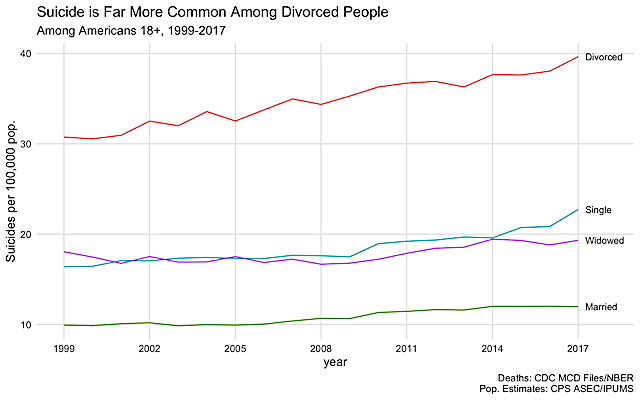
2) Suicides among married, divorced and widowed
Compared to married men, divorced men had almost three times greater odds of death from suicide (x2.8). Separated men had an almost five times higher risk (x4.8). The higher rate for separated men could reflect the acute, immediate emotional challenges of relationship breakdown, while divorce signals its conclusion.
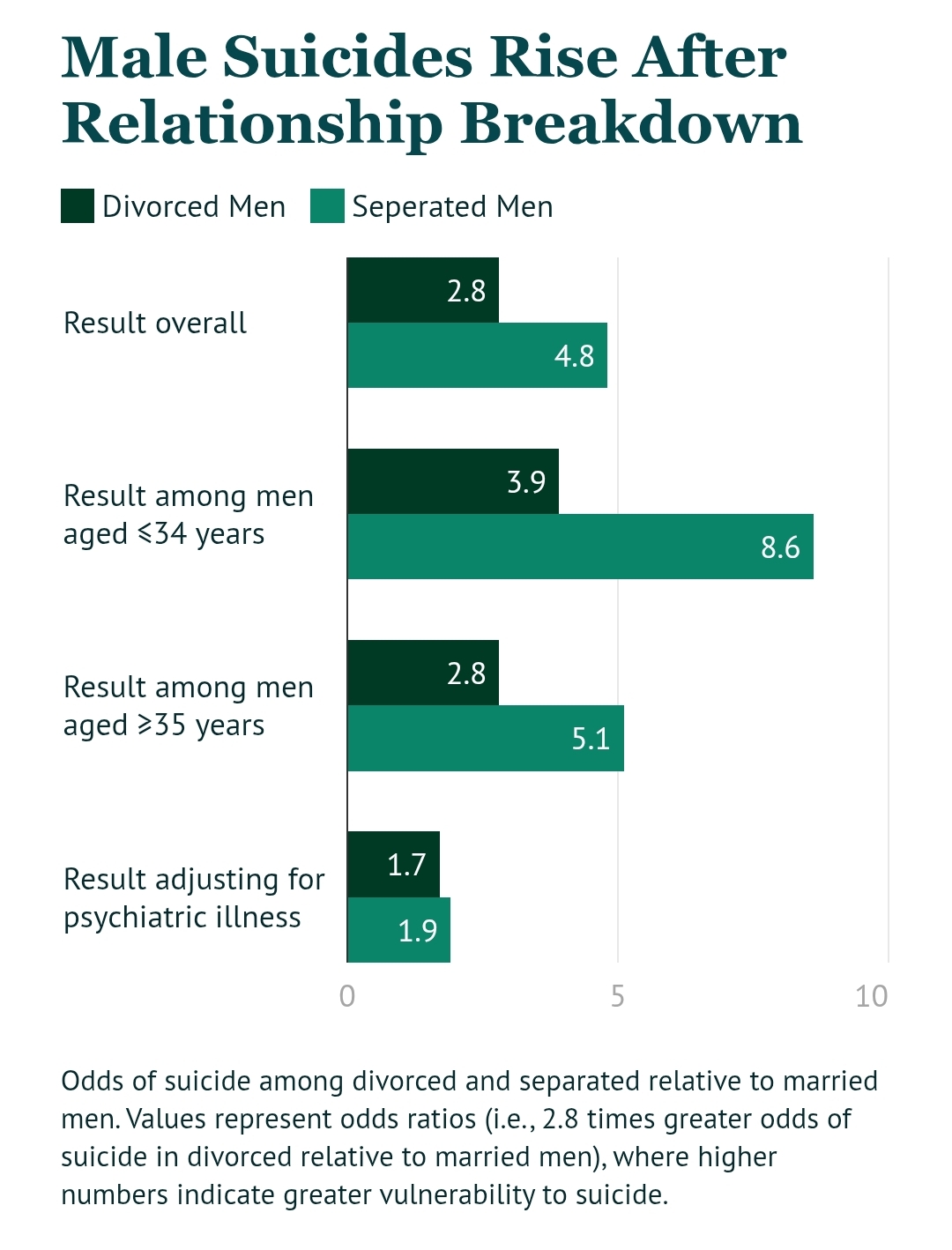
Separated men under 34 years of age had over eight times the odds of suicide than married men of the same age. .
1) Suicide because of breakups
In the U.S., a comprehensive study of all individuals who died by suicide between 2003 and 2020 found that among men, one in five suicides occurred in the context of intimate partner problems including breakups, separation, and divorce. Similar numbers have been documented in Australia and the United Kingdom.
2) Suicides among married, divorced and widowed
Compared to married men, divorced men had almost three times greater odds of death from suicide (x2.8). Separated men had an almost five times higher risk (x4.8). The higher rate for separated men could reflect the acute, immediate emotional challenges of relationship breakdown, while divorce signals its conclusion.
Separated men under 34 years of age had over eight times the odds of suicide than married men of the same age. .
Divorced vs. Separated
What's the Difference?
Divorced and separated are both terms used to describe the end of a marriage, but they have different legal implications. When a couple is divorced, their marriage is legally dissolved and they are free to remarry. On the other hand, when a couple is separated, they are still legally married but living apart. This can be a temporary arrangement or a precursor to divorce. In both cases, there are emotional and practical challenges to navigate, but the legal status of the relationship is the key difference between the two.
Emotional Impact
Divorce and separation can both have a profound emotional impact on individuals. However, the emotional experience of divorce is often more final and definitive, as it represents the end of a marriage. Divorced individuals may go through a grieving process as they come to terms with the end of their relationship. On the other hand, separated individuals may experience a sense of limbo, as they are still legally married but living apart from their spouse.
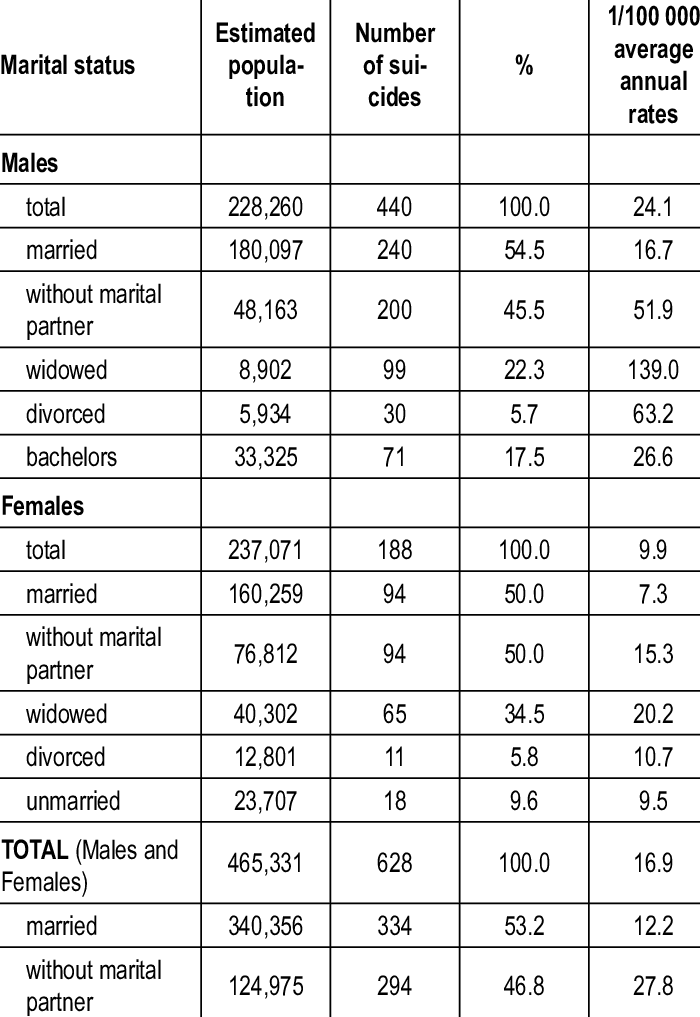
Here is comparison of total number of suicides and average annual rates related to marital status among persons 20 years of age and over in the southeastern Serbia from 1995 to 2002
3)Male loneliness and isolation
More men reported feeling lonely than women — 42% to 37% — and the study found a negative correlation between loneliness and age, higher education and household income.
The survey, published Wednesday, found that 40% of respondents said they felt lonely. In 2010 and 2018, 35% of respondents reported such feelings.
With romantic partners, if a man’s primary concern is about presenting his best self to the person he is attracted to, or loves, it can be much harder to share vulnerabilities and discuss emotions. Yet opening-up is usually the making of the strongest long-term relationships. Some men can rely on their partner to help with their emotional processing about other people and situations, which means they may not develop the emotional tools themselves and are left isolated if their romantic relationship becomes a source of distress.
 4)Why is divorce so psychologically damaging?
Breakups often trigger a deep sense of loneliness because romantic relationships activate powerful attachment systems in the brain. Humans are wired for connection. When we bond with a partner, the brain forms emotional and neurological patterns that reinforce closeness, trust, and reliance on that person for comfort.
When the relationship ends, the brain reacts to that loss in a way that can resemble withdrawal. Research from Rutgers University has found that romantic rejection activates brain regions associated with craving and addiction. This is one reason people may feel a strong urge to reconnect with their former partner even when they logically know the relationship is over
The Emotional Stages People Often Experience After a Breakup:
1. The Protest Phase
In the early stage, the brain tries to restore the connection that has been lost. People may feel strong urges to contact their ex-partner, revisit conversations, or look for ways to repair the relationship. This period can involve denial, bargaining, or repeated attempts to “fix” what happened.
2. The Despair Phase
As the reality of the breakup settles in, emotional exhaustion often follows. Loneliness becomes more noticeable, and people may experience sadness, fatigue, difficulty concentrating, or withdrawal from social life. Research suggests that about 40% of individuals experience clinically significant depressive symptoms after a breakup, while around 12% experience severe depression.
3. The Reorganization Phase
Gradually, the brain begins adjusting to the absence of the relationship. New routines form, emotional intensity softens, and a sense of stability slowly returns.
5)Why Breakup Loneliness Can Feel Physically and Mentally Overwhelming?
Breakup loneliness can feel overwhelming because the brain experiences relationship loss as both an emotional and physical event. Neuroscience research from the University of Michigan shows that social rejection activates the same brain regions involved in physical pain, which helps explain why heartbreak can feel physically exhausting.
People often report symptoms such as:
tightness in the chest
disrupted sleep
appetite changes
difficulty focusing
physical fatigue
What about sex?
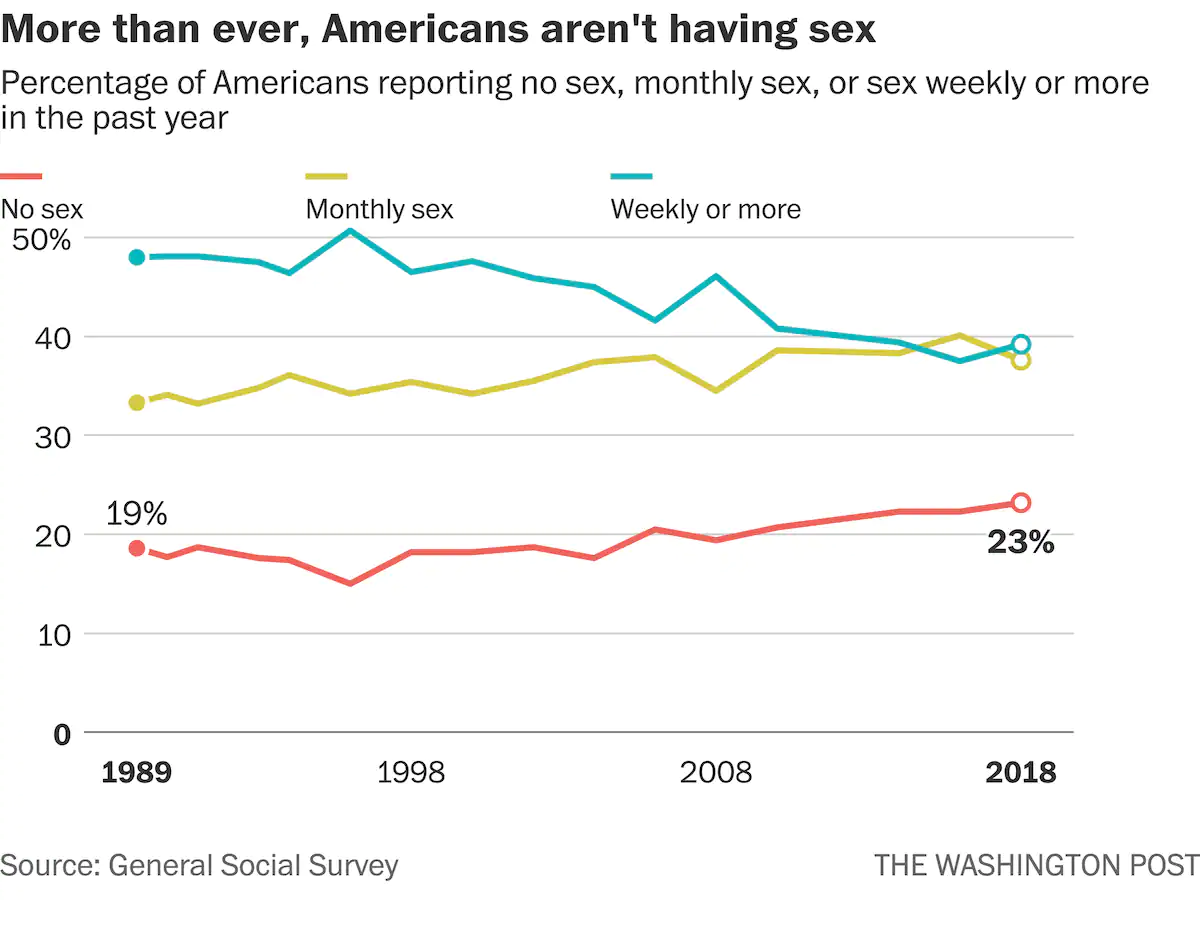
@kewerest @Sulfuras @Tesarossa @Joeseminate @Askinov
Here is comparison of total number of suicides and average annual rates related to marital status among persons 20 years of age and over in the southeastern Serbia from 1995 to 2002
3)Male loneliness and isolation
More men reported feeling lonely than women — 42% to 37% — and the study found a negative correlation between loneliness and age, higher education and household income.
The survey, published Wednesday, found that 40% of respondents said they felt lonely. In 2010 and 2018, 35% of respondents reported such feelings.
With romantic partners, if a man’s primary concern is about presenting his best self to the person he is attracted to, or loves, it can be much harder to share vulnerabilities and discuss emotions. Yet opening-up is usually the making of the strongest long-term relationships. Some men can rely on their partner to help with their emotional processing about other people and situations, which means they may not develop the emotional tools themselves and are left isolated if their romantic relationship becomes a source of distress.

Breakups often trigger a deep sense of loneliness because romantic relationships activate powerful attachment systems in the brain. Humans are wired for connection. When we bond with a partner, the brain forms emotional and neurological patterns that reinforce closeness, trust, and reliance on that person for comfort.
When the relationship ends, the brain reacts to that loss in a way that can resemble withdrawal. Research from Rutgers University has found that romantic rejection activates brain regions associated with craving and addiction. This is one reason people may feel a strong urge to reconnect with their former partner even when they logically know the relationship is over
The Emotional Stages People Often Experience After a Breakup:
1. The Protest Phase
In the early stage, the brain tries to restore the connection that has been lost. People may feel strong urges to contact their ex-partner, revisit conversations, or look for ways to repair the relationship. This period can involve denial, bargaining, or repeated attempts to “fix” what happened.
2. The Despair Phase
As the reality of the breakup settles in, emotional exhaustion often follows. Loneliness becomes more noticeable, and people may experience sadness, fatigue, difficulty concentrating, or withdrawal from social life. Research suggests that about 40% of individuals experience clinically significant depressive symptoms after a breakup, while around 12% experience severe depression.
3. The Reorganization Phase
Gradually, the brain begins adjusting to the absence of the relationship. New routines form, emotional intensity softens, and a sense of stability slowly returns.
5)Why Breakup Loneliness Can Feel Physically and Mentally Overwhelming?
Breakup loneliness can feel overwhelming because the brain experiences relationship loss as both an emotional and physical event. Neuroscience research from the University of Michigan shows that social rejection activates the same brain regions involved in physical pain, which helps explain why heartbreak can feel physically exhausting.
People often report symptoms such as:
tightness in the chest
disrupted sleep
appetite changes
difficulty focusing
physical fatigue
What about sex?
@kewerest @Sulfuras @Tesarossa @Joeseminate @Askinov


