kdev
Platinum
- Joined
- Oct 4, 2025
- Posts
- 1,184
- Reputation
- 5,329
THE ULTIMATE NASOLABIAL FOLD REDUCTION GUIDE
How To Actually Get Rid Of Those Deep Smile Lines — The Complete Megathread
How To Actually Get Rid Of Those Deep Smile Lines — The Complete Megathread
Nasolabial folds is the lines that run from the sides of your nose down to the corners of your mouth are one of those facial features that quietly age you beyond your years. Even if your bone structure is solid and your skin is otherwise healthy, deep folds can make you look perpetually tired or sad no matter how good you actually feel. The frustrating part is that most people don't realize how fixable they are. You don't have to just accept them or immediately jump to surgery. There's a whole spectrum of options between doing nothing and going under the knife.
——————————————————————————————
TABLE OF CONTENTS
1. Why They Get Worse Over Time
2. Starting Point — Habits and Topical Approaches
3. Oral Supplementation — Collagen Peptides
4. Injectable Peptides
5. HA Fillers — The Best Starting Point for Most People
6. Fat Grafting
7. PDO Thread Lifts
8. Science Backing
9. Where To Start
——————————————————————————————
1. WHY THEY GET WORSE OVER TIME
The main driver is midface volume loss. As you age, the fat pads in your cheeks gradually descend and thin out, and since those fat compartments are what give your midface its structure and lift, when they drop, the skin above the folds loses its support and the crease deepens. Weak cheekbone and maxillary support compounds the problem, as does overactive smile musculature and repeated facial movements etch those lines deeper over years. Thinning skin and collagen loss make them more visible on the surface. Lifestyle factors like mouth breathing, chronic poor posture, and sun damage accelerate all of it.
— Midface fat loss and descent
— Weak zygos and maxillary support
— Overactive smile muscles (repetitive motion)
— Thin skin and collagen loss
— Bad posture, mouth breathing, and poor mewing
— Chronic sun damage accelerating skin laxity
— Weak zygos and maxillary support
— Overactive smile muscles (repetitive motion)
— Thin skin and collagen loss
— Bad posture, mouth breathing, and poor mewing
— Chronic sun damage accelerating skin laxity
——————————————————————————————
2. STARTING POINT — HABITS AND TOPICAL APPROACHES
If your folds are mild to moderate, consistent daily habits can make a meaningful difference over months. Fixing your posture matters more than people think. Forward head posture and slumping compress the face and exaggerate folds. Proper tongue posture helps maintain midface support long-term. Staying at a moderate body fat matters too but going very lean actually makes folds look deeper because there is less subcutaneous fat cushioning the crease. Daily sunscreen use is non-negotiable since UV damage accelerates collagen breakdown and worsens skin laxity. Facial massage and gua sha done consistently improve circulation and lymphatic drainage in the midface.
On the topical side, a few ingredients are genuinely worth your time:
GHK-Cu (Copper Peptide) — One of the best researched topicals for skin repair and collagen production. Using a good GHK-Cu serum twice daily on the midface and fold area gives noticeable improvements in skin thickness and firmness over a few months.
Matrixyl (Palmitoyl Pentapeptide) — Boosts collagen synthesis and works well in serums. One of the more legitimate anti-aging peptides you can get in topical form.
Argireline — Worth adding because it subtly relaxes the repetitive muscle movements that deepen the folds over time. Think of it as a very mild topical alternative to Botox for the fold area.
Retinol — The classic standard for accelerating skin cell turnover and thickening the dermis. Non-negotiable in any serious skincare routine. here is a before and after of using retinol :
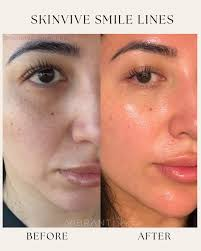
None of these are overnight fixes but used consistently over 12 to 16 weeks they compound into real improvements.
——————————————————————————————
3. ORAL SUPPLEMENTATION — COLLAGEN PEPTIDES
Hydrolyzed collagen peptides are among the most legitimately studied skincare supplements out there. Taking 5 to 10 grams daily has been shown in multiple clinical trials to improve skin elasticity, hydration, and reduce wrinkle depth including nasolabial folds after 8 to 12 weeks of consistent use. The mechanism is straightforward. The hydrolyzed peptides are absorbed systemically and stimulate fibroblasts to produce more collagen and elastin. Type I and III are the most relevant for facial skin. Just mix the powder into your morning coffee or water.
Vital Proteins, Sports Research, and BulkSupplements are all solid options. Look specifically for hydrolyzed Type I and III collagen peptides for facial skin benefits.
——————————————————————————————
4. INJECTABLE PEPTIDES
self-injecting peptides like GHK-Cu and BPC-157 in the midface area also works. GHK-Cu injectable is used at doses around 1 to 2mg reconstituted with bacteriostatic water, injected with an insulin syringe into the subcutaneous tissue near the folds daily or every other day. BPC-157 and TB-500 are sometimes stacked for their tissue repair and healing properties.
——————————————————————————————
5. HA FILLERS — THE BEST STARTING POINT FOR MOST PEOPLE
Hyaluronic acid fillers are where most people get the most reliable and visible results. A good injector will numb the area and use a blunt cannula rather than a sharp needle. this matters because cannulas are significantly safer around blood vessels, cause less bruising, and allow for smoother more controlled placement.
The key technical point that separates excellent filler work from mediocre filler work is placement. The best approach is not to simply fill the fold line itself which often looks unnatural. Instead, inject filler deep into the midface, specifically into the deep medial cheek fat compartment, rebuilding the structural support underneath so the fold softens naturally from below rather than being stuffed from within.
Typical volumes are 0.5 to 2ml per side depending on the depth of the folds. The procedure takes 20 to 40 minutes. You will see improvement almost immediately but the final settled result looks cleanest after one to two weeks once swelling fully resolves. Results typically last 9 to 18 months. When choosing an injector, look specifically for someone with experience doing male faces since the aesthetic goals and anatomy differ significantly from female patients.
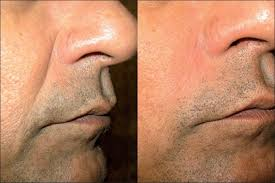
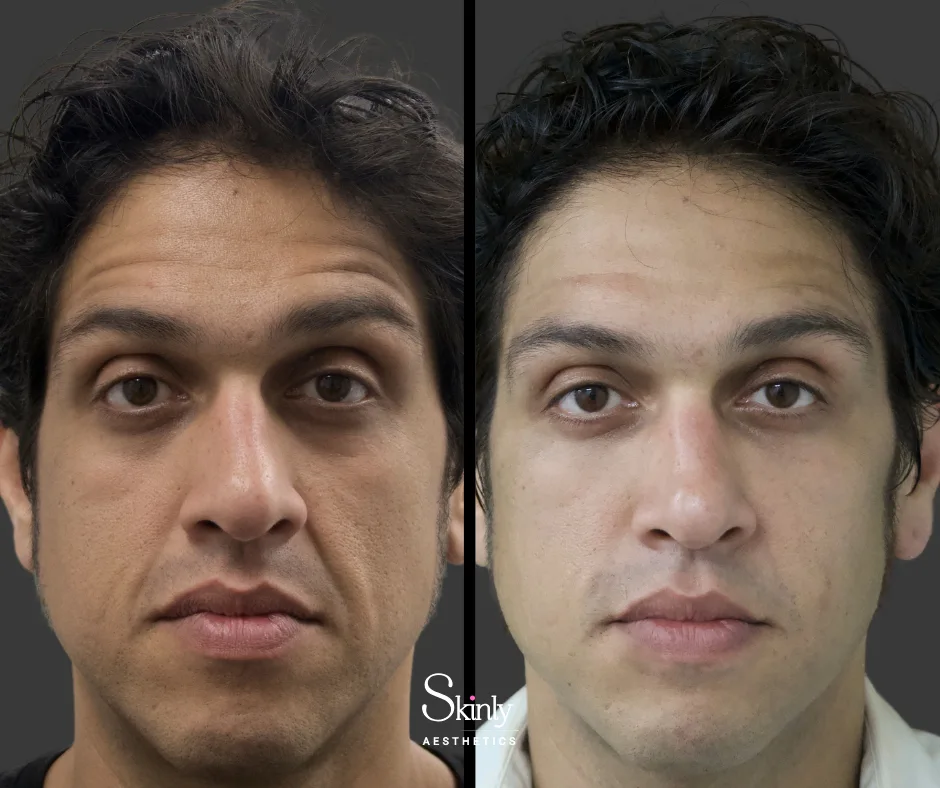
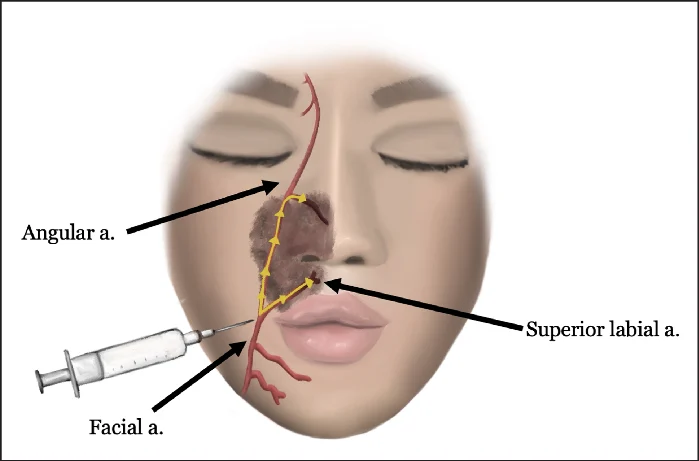
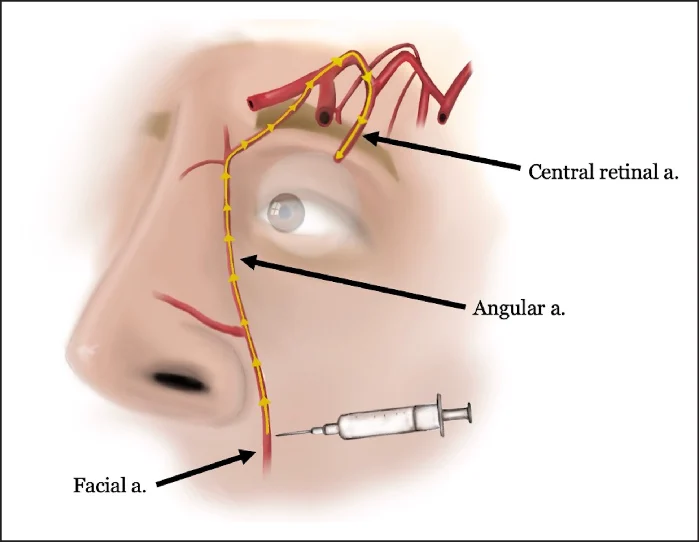
here is a video on how the procedure is done :
——————————————————————————————
6. FAT GRAFTING
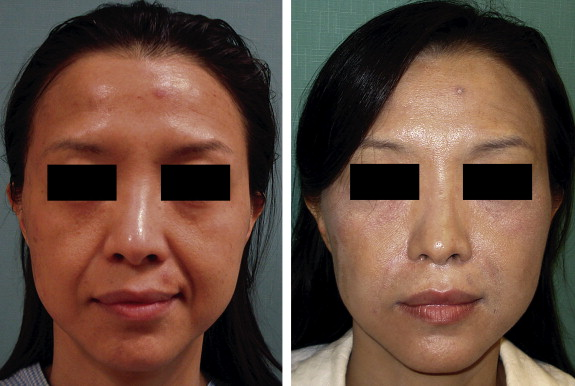
Fat grafting involves harvesting fat from your abdomen or thighs via small liposuction, processing and purifying it, and injecting it into the midface and fold area in multiple layered passes. Because 30 to 60 percent of transferred fat typically gets reabsorbed, it is usually overcorrected initially. Most people need two or three sessions spaced months apart to achieve their target result. When it works well it looks extremely natural and the results can last years since the surviving fat integrates with your native tissue.
——————————————————————————————
7. PDO THREAD LIFTS
Polydioxanone threads are inserted under the skin to mechanically lift the midface tissue and simultaneously stimulate collagen production as they dissolve. Good for mild to moderate folds where there is some laxity contributing to the fold. The lift is subtle rather than dramatic but the collagen stimulation adds up over the months it takes the threads to fully dissolve. Results last roughly 6 to 18 months.
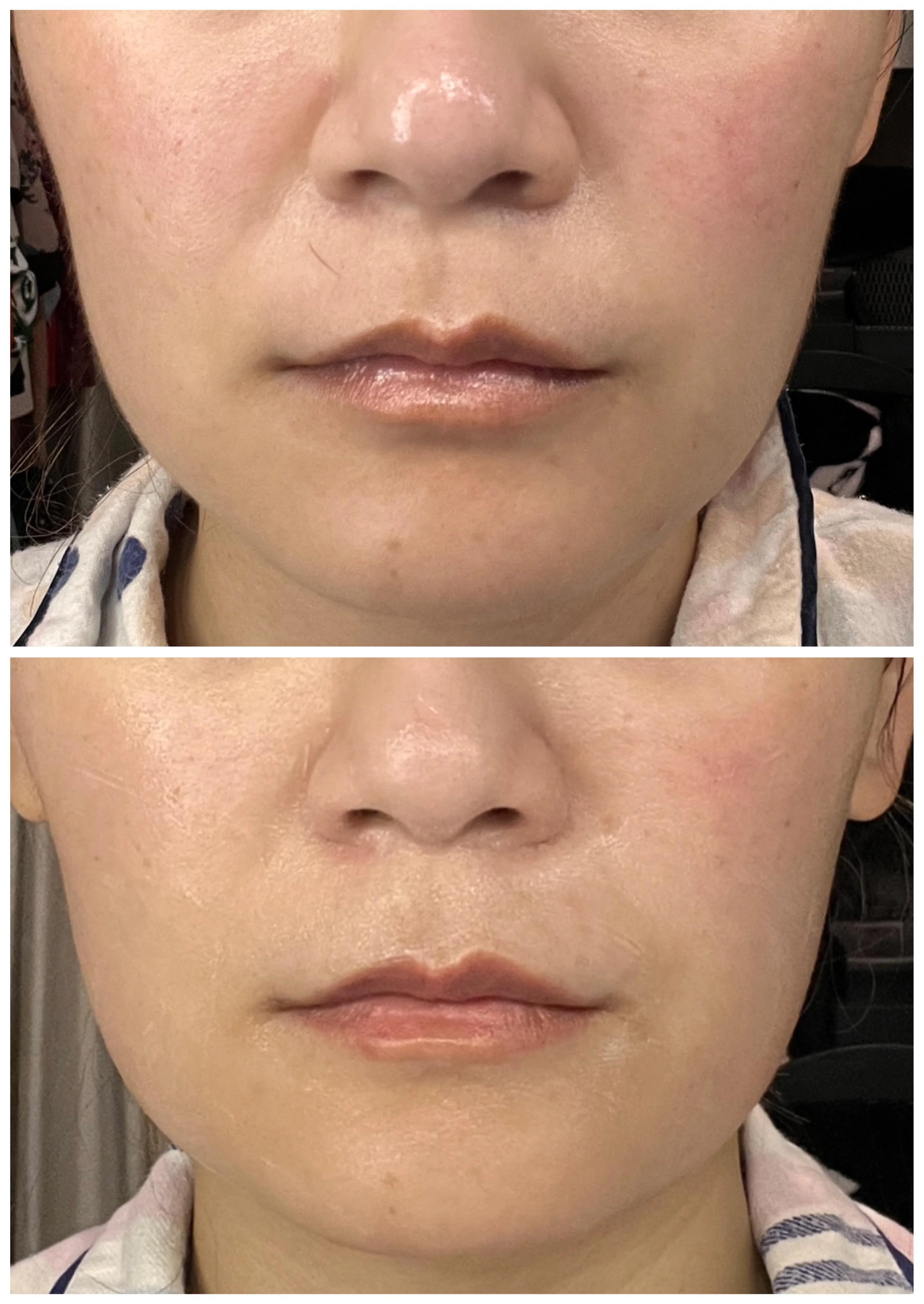
here is a procedure video on how it is done :
——————————————————————————————
8. SCIENCE BACKING
The scientific literature consistently points to midface volume loss as the primary driver of nasolabial fold deepening. Studies on HA filler placement confirm that targeting the deep medial cheek fat compartment produces significantly better outcomes than filling the fold line directly. Multiple randomized controlled trials have demonstrated that oral collagen peptide supplementation improves skin elasticity and reduces wrinkle depth. GHK-Cu has well-documented effects on collagen synthesis and skin repair in both in vitro and clinical research.
Relevant Studies:
PMC Study — Midface Volume and Aging
PubMed — Midface Volume and Nasolabial Folds
PubMed — HA Filler Effectiveness
——————————————————————————————
9. WHERE TO START
HA fillers done by an experienced injector are the logical step and give reliable reversible results. Fat grafting and PDO threads are worth considering if you want something longer-lasting. Surgery is the endgame for severe cases or people who want permanent structural change.
The most important thing regardless of approach is going to a qualified experienced professional for any injectable or procedural treatment, Im all up for DIY but for the best results a professional is recommended. Nasolabial folds are very fixable but good technique is everything.
——————————————————————————————
TLDR: Nasolabial folds are a silent killer but completely fixable. Start with oral collagen peptides and topical GHK-Cu, then move to HA fillers with a good injector for the real results. Fat grafting and PDO threads are strong next steps. Surgery exists for severe cases. Don't just cope.
TLDR: Nasolabial folds are a silent killer but completely fixable. Start with oral collagen peptides and topical GHK-Cu, then move to HA fillers with a good injector for the real results. Fat grafting and PDO threads are strong next steps. Surgery exists for severe cases. Don't just cope.