


How to Actually Lose Fat (stop being a fat piggy)

til<3D

til<3D

Bronze
Joined
Jan 12, 2026
Posts
411
Reputation
650
How to Actually Get to 10% Body Fat - The Complete Guide

Most people never get below 12% body fat. They try diets, fail, give up, and repeat. This guide is different - it's the exact process that works every single time if you actually execute it.

If you follow this, you WILL get lean. Guaranteed.


1. STRENGTH TRAINING - Keep Your Muscle


You NEED to lift during a cut. Losing weight without training makes you look deflated. Think of your body like a balloon - it's filled with muscle and fat. When you lose weight, the balloon deflates. If you don't fill it back up with muscle, you'll just look skinny-fat.


For Beginners:


• Train progressively - try to add weight/reps when possible
• Keep technique consistent, rest at least 3 minutes between sets
• Watch your volume - make sure you're recovering
• As a beginner, you CAN make progress even in a deficit


For Advanced:


• Focus on maintenance - you probably won't progress in a deep cut
• Don't overtrain - only use volume you can recover from
• Slight performance drop at the end is normal, especially under 12% body fat
• No bodybuilder maintains full strength to stage - if they claim otherwise, they're lying or on tons of gear


2. ACTIVITY - Burn More Calories


Activity expands your deficit upward. You create a deficit two ways: eat less (down) and move more (up).


Cardio:


• 10-60 minutes daily
• Zone 2 intensity - you should BARELY be able to hold a conversation
• If you can't talk, you're in Zone 3 (too intense)
• We don't need HIIT for fat loss


STEPS (Way More Important!):


• 8.000-25.000 steps daily
• Start at 8.000, end the diet at your choice
• Track with your phone or smartwatch
• I'm currently doing 12,000 steps/day in week 2-3 of prep

Pro tip: Mix both. Example: 20min cardio + 10,000 steps. Then increase to 30min + 11,000 steps. Find what fits your lifestyle.


3. NUTRITION - The Foundation


MACROS:


• Protein: 2.5 g per kg bodyweight (higher than bulk)
→ Satiating, preserves muscle, thermic effect creates bigger deficit
• Fat: 0.6 g per kg bodyweight minimum (0.8 g for foids)
• Carbs: Fill the rest up to your calorie target
• Vegetables: 500 g daily
• Fruit: 200 g daily (swap for veggies later to save calories)


HOW THE DEFICIT WORKS:


Your total daily expenditure (example: 3.000 cals) = Food you eat (2.200 cals) + Deficit from body fat (800 cals)


You need to save 7.500 calories to lose 1 kg of fat:
• 1.000 cal deficit daily = 1 kg lost per week
• 500 cal deficit daily = 1 kg lost per 2 weeks


THE GOLDEN RULE:


Make the deficit as high as possible while maintaining constant adherence over several months.
If you're not disciplined, start with a smaller deficit. A beginner going straight to 1,000 cal deficit will raid the fridge by day 3. Adapt to YOUR psychological capacity. Better to take 3 weeks to lose 1kg than to fail completely.


4. SAMPLE MEAL PLAN (80kg/176lb)


Adjust quantities to YOUR expenditure + deficit. Only reduce CARBS when you plateau.


MEALFOODS
Meal 1Breakfast: Overnight oats, 3 eggs, mixed berries
Meal 2Pre-Workout: Rice pudding (or plain rice), whey protein, banana, nuts/nut butter
→ TRAINSTRENGTH TRAINING SESSION
I also made a Training Guide check my Profile
Meal 3Post-Workout: 500g potatoes, chicken or lean beef (FAT-FREE!), avocado, fat-free vegetables
Meal 4Before Bed: Low-fat quark/Greek yogurt, flavor powder, fat-free vegetables (Yes, you can eat yogurt with flavor powder and separately snack on 250g carrots. This is about results, not gourmet meals.)

Stick to this for 12-24+ weeks, maintain your deficit by reducing carbs or increasing activity, and you WILL get shredded. Guaranteed.


5. THE PROCESS


STEP 1: STANDARDIZATION


Everything must be measurable. If you eat different foods every day, sleep at random times, your data is useless.


• Same food every day
• Same number of steps every day
• Regular cardio schedule
• Consistent sleep (7-9 hours)
• Daily weigh-ins


Others call this an eating disorder. I call it success.


STEP 2: TRACKING


Track these daily:


• Step count (phone/watch)
• Cardio completed (yes/no)
• Meal plan adherence (check off each day)
• Body weight (use weekly average)
• Sleep quality/duration
• Gym performance (logbook)


STEP 3: WEEKLY ADJUSTMENTS


Example 1: Lost enough weight + stable performance + stuck to plan = NO CHANGE

Example 2: Didn't lose enough + stable performance + stuck to plan = INCREASE DEFICIT

Example 3: Didn't lose enough + stable performance + DIDN'T stick to plan = Stick to the plan first! Only make changes if you followed the plan 100%.


6. MY DAILY ROUTINE (Current Prep)


The routine is CRITICAL. Without this, you'll fail. Here's my exact schedule:


TIME BLOCKACTIVITY
MorningWake up → 1L water → 4,000 steps with dog
Meal 1 + Coffee + Methylene Blue
Mid-MorningWork / Study / Main daily tasks
Pre-GymMeal 2 (Pre-Workout) → Work while digesting
Training TimeStrength Training + Treadmill cardio/steps
Post-GymMeal 3 (Post-Workout) → 4,000 steps with dog
EveningMeal 4 → Continue work / Evening tasks
Before BedLast meal → Supplements → 4,000 steps with dog → Sleep
DAILY RESULT✓ 12,000 steps ✓ Training done ✓ 5 meals ✓ Work finished


Result: Deficit secured. Fat loss secured. Muscle maintenance secured. THIS IS A PERFECT DAY.

String together 7 perfect days. Track your data. Make weekly adjustments. Repeat.


7. THE REALITY


What is dieting really?

Long-term controlled starvation. That's it. Your body uses stored fat for energy. What remains is a lean body.

No, it won't feel good. No, it won't be easy. Yes, it's unfair that getting fat is quick and fun while getting lean is slow and uncomfortable. But that's reality.


Getting fat: Eat whatever, feel good, suddenly you're overweight.

Getting lean: Controlled starvation, discipline, takes months.

It's like earning vs spending money. Earning takes forever and is hard work. Spending happens instantly. Same with fat loss vs fat gain.


FINAL THOUGHTS


THIS WORKS FOR EVERYONE. PERIOD 💅


There's no human where this doesn't work. If you haven't succeeded yet:

• Your routine wasn't consistent enough
• You didn't stick to it long enough
• You didn't actually follow the plan


You're not special. You're not different. Yourself just a fat pig. You just haven't executed properly yet.

So what will you choose?

Keep making excuses and stay fat forever?

Or implement this system and finally get lean?

The choice is yours.


I also made a Training Guide check my Profile
 
  • +1
Reactions: tittenoderarsch?, Fleez, CorinthianLOX and 6 others
dammnm this nice, thanks bro
 
Just blast test GH Reta and ECA it’s so easy
 
  • +1
Reactions: onlYBasedOpinion and thebigdon
Meal 3Post-Workout: 500g potatoes, chicken or lean beef (FAT-FREE!), avocado, fat-free vegetables
Fat free meat then avocado lmao
 
Fat free meat then avocado lmao
Theres a difference between healthy fatty acids (omega 3, 6, 9) and saturated fatty acids in meat

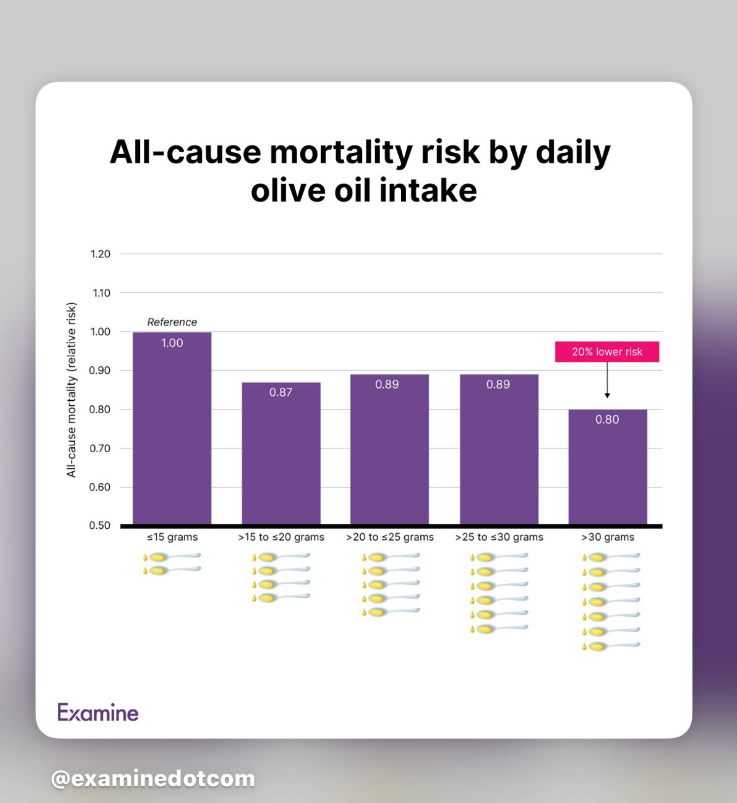
Omega 9 from Avocados and Olive oil is extremely healthy and should be in everyones diet


IMG 8187
 
Theres a difference between healthy fatty acids (omega 3, 6, 9) and saturated fatty acids in meat

Omega 9 from Avocados and Olive oil is extremely healthy and should be in everyones diet


View attachment 4541329
Saturated fat is what's in your body bro lol you still believe in that shit? You're eating monounsaturated fats and your body is just converting them into saturated fats. This shit is ridiculous. Meat with fat in it tastes better for a reason
 
Saturated fat is what's in your body bro lol you still believe in that shit? You're eating monounsaturated fats and your body is just converting them into saturated fats. This shit is ridiculous. Meat with fat in it tastes better for a reason
Your body uses fatty acids as they come: for cell membranes, hormones, signaling pathways and stuff like this.
If everything were simply saturated Omega 3 and 9 would have no biological benefit but they demonstrably do.
I can gladly look up a few studies if you want.
 
Your body uses fatty acids as they come: for cell membranes, hormones, signaling pathways and stuff like this.
If everything were simply saturated Omega 3 and 9 would have no biological benefit but they demonstrably do.
I can gladly look up a few studies if you want.
Go ahead. I can link you much more relevant studies connecting saturated fat intake to testosterone levels and various body processes
 
Omega-3 and Omega-6 Fatty Acid Synthesis, Metabolism, Functions
Omega-3 fatty acids and inflammatory processes: from molecules to man
Brain function and cognitive health
Omega-3 Fatty Acids: Key Players in Cognitive Function and Brain Health
An analysis of omega-3 clinical trials and a call for personalized supplementation for dementia prevention
A systematic review and dose response meta analysis of Omega 3 supplementation on cognitive function
Omega-9 fatty acids: potential roles in inflammation and cancer management
Exploring the Benefits of Extra Virgin Olive Oil on Cardiovascular Health Enhancement and Disease Prevention: A Systematic Review


A systematic review by Yamada et al. (2025) in the JMA Journal analyzed 9 randomized controlled trials with 13,532 participants and found no significant reduction in cardiovascular mortality (RR 0.94, 95% CI: 0.75-1.19) or overall mortality (RR 1.01) by reducing saturated fats alone.
A crucial consensus is emerging: the replacement nutrient is more important than mere reduction. When saturated fats are replaced by polyunsaturated fatty acids (PUFAs), especially omega-3 fatty acids, the cardiovascular risk decreases by about 30% an effect comparable to statins.
 
  • +1
Reactions: nxwakk
Very good thread obviously but the hardest part is definitely getting a good night of sleep. No worse feeling that having your hands and feet constantly cold despite being under a ton of blankets. Trust me on that one.
 
  • +1
Reactions: asymmetricalMoid
How to Actually Get to 10% Body Fat - The Complete Guide

Most people never get below 12% body fat. They try diets, fail, give up, and repeat. This guide is different - it's the exact process that works every single time if you actually execute it.

If you follow this, you WILL get lean. Guaranteed.


1. STRENGTH TRAINING - Keep Your Muscle


You NEED to lift during a cut. Losing weight without training makes you look deflated. Think of your body like a balloon - it's filled with muscle and fat. When you lose weight, the balloon deflates. If you don't fill it back up with muscle, you'll just look skinny-fat.


For Beginners:


• Train progressively - try to add weight/reps when possible
• Keep technique consistent, rest at least 3 minutes between sets
• Watch your volume - make sure you're recovering
• As a beginner, you CAN make progress even in a deficit


For Advanced:


• Focus on maintenance - you probably won't progress in a deep cut
• Don't overtrain - only use volume you can recover from
• Slight performance drop at the end is normal, especially under 12% body fat
• No bodybuilder maintains full strength to stage - if they claim otherwise, they're lying or on tons of gear


2. ACTIVITY - Burn More Calories


Activity expands your deficit upward. You create a deficit two ways: eat less (down) and move more (up).


Cardio:


• 10-60 minutes daily
• Zone 2 intensity - you should BARELY be able to hold a conversation
• If you can't talk, you're in Zone 3 (too intense)
• We don't need HIIT for fat loss


STEPS (Way More Important!):


• 8.000-25.000 steps daily
• Start at 8.000, end the diet at your choice
• Track with your phone or smartwatch
• I'm currently doing 12,000 steps/day in week 2-3 of prep

Pro tip: Mix both. Example: 20min cardio + 10,000 steps. Then increase to 30min + 11,000 steps. Find what fits your lifestyle.


3. NUTRITION - The Foundation


MACROS:


• Protein: 2.5 g per kg bodyweight (higher than bulk)
→ Satiating, preserves muscle, thermic effect creates bigger deficit
• Fat: 0.6 g per kg bodyweight minimum (0.8 g for foids)
• Carbs: Fill the rest up to your calorie target
• Vegetables: 500 g daily
• Fruit: 200 g daily (swap for veggies later to save calories)


HOW THE DEFICIT WORKS:


Your total daily expenditure (example: 3.000 cals) = Food you eat (2.200 cals) + Deficit from body fat (800 cals)


You need to save 7.500 calories to lose 1 kg of fat:
• 1.000 cal deficit daily = 1 kg lost per week
• 500 cal deficit daily = 1 kg lost per 2 weeks


THE GOLDEN RULE:


Make the deficit as high as possible while maintaining constant adherence over several months.
If you're not disciplined, start with a smaller deficit. A beginner going straight to 1,000 cal deficit will raid the fridge by day 3. Adapt to YOUR psychological capacity. Better to take 3 weeks to lose 1kg than to fail completely.


4. SAMPLE MEAL PLAN (80kg/176lb)


Adjust quantities to YOUR expenditure + deficit. Only reduce CARBS when you plateau.


MEALFOODS
Meal 1Breakfast: Overnight oats, 3 eggs, mixed berries
Meal 2Pre-Workout: Rice pudding (or plain rice), whey protein, banana, nuts/nut butter
→ TRAINSTRENGTH TRAINING SESSION
I also made a Training Guide check my Profile
Meal 3Post-Workout: 500g potatoes, chicken or lean beef (FAT-FREE!), avocado, fat-free vegetables
Meal 4Before Bed: Low-fat quark/Greek yogurt, flavor powder, fat-free vegetables (Yes, you can eat yogurt with flavor powder and separately snack on 250g carrots. This is about results, not gourmet meals.)

Stick to this for 12-24+ weeks, maintain your deficit by reducing carbs or increasing activity, and you WILL get shredded. Guaranteed.


5. THE PROCESS


STEP 1: STANDARDIZATION


Everything must be measurable. If you eat different foods every day, sleep at random times, your data is useless.


• Same food every day
• Same number of steps every day
• Regular cardio schedule
• Consistent sleep (7-9 hours)
• Daily weigh-ins


Others call this an eating disorder. I call it success.


STEP 2: TRACKING


Track these daily:


• Step count (phone/watch)
• Cardio completed (yes/no)
• Meal plan adherence (check off each day)
• Body weight (use weekly average)
• Sleep quality/duration
• Gym performance (logbook)


STEP 3: WEEKLY ADJUSTMENTS


Example 1: Lost enough weight + stable performance + stuck to plan = NO CHANGE

Example 2: Didn't lose enough + stable performance + stuck to plan = INCREASE DEFICIT

Example 3: Didn't lose enough + stable performance + DIDN'T stick to plan = Stick to the plan first! Only make changes if you followed the plan 100%.


6. MY DAILY ROUTINE (Current Prep)


The routine is CRITICAL. Without this, you'll fail. Here's my exact schedule:


TIME BLOCKACTIVITY
MorningWake up → 1L water → 4,000 steps with dog
Meal 1 + Coffee + Methylene Blue
Mid-MorningWork / Study / Main daily tasks
Pre-GymMeal 2 (Pre-Workout) → Work while digesting
Training TimeStrength Training + Treadmill cardio/steps
Post-GymMeal 3 (Post-Workout) → 4,000 steps with dog
EveningMeal 4 → Continue work / Evening tasks
Before BedLast meal → Supplements → 4,000 steps with dog → Sleep
DAILY RESULT✓ 12,000 steps ✓ Training done ✓ 5 meals ✓ Work finished


Result: Deficit secured. Fat loss secured. Muscle maintenance secured. THIS IS A PERFECT DAY.

String together 7 perfect days. Track your data. Make weekly adjustments. Repeat.


7. THE REALITY


What is dieting really?

Long-term controlled starvation. That's it. Your body uses stored fat for energy. What remains is a lean body.

No, it won't feel good. No, it won't be easy. Yes, it's unfair that getting fat is quick and fun while getting lean is slow and uncomfortable. But that's reality.


Getting fat: Eat whatever, feel good, suddenly you're overweight.

Getting lean: Controlled starvation, discipline, takes months.

It's like earning vs spending money. Earning takes forever and is hard work. Spending happens instantly. Same with fat loss vs fat gain.


FINAL THOUGHTS


THIS WORKS FOR EVERYONE. PERIOD 💅


There's no human where this doesn't work. If you haven't succeeded yet:

• Your routine wasn't consistent enough
• You didn't stick to it long enough
• You didn't actually follow the plan


You're not special. You're not different. Yourself just a fat pig. You just haven't executed properly yet.

So what will you choose?

Keep making excuses and stay fat forever?

Or implement this system and finally get lean?

The choice is yours.


I also made a Training Guide check my Profile
@NumbThePain ai slop
 
What happens when you go back to eating normal foods (even if you keep calories at maintenance)? You'll probably become skinny-fat.
 
  • Hmm...
Reactions: TrueOgreGymcel
What happens when you go back to eating normal foods (even if you keep calories at maintenance)? You'll probably become skinny-fat.
Depends on how long the cut has been going on. Depends on how strict you were with your dietary habits. Starving is the one way ticket to rebound in no time.

A clever cut for a short time with whole clean foods (combined with carb cycling) will allow your baseline metabolism to get used to the new servings/caloric intake and the rebound is less likely to occur. Unless you go crazy of course.
 
How to Actually Get to 10% Body Fat - The Complete Guide

Most people never get below 12% body fat. They try diets, fail, give up, and repeat. This guide is different - it's the exact process that works every single time if you actually execute it.

If you follow this, you WILL get lean. Guaranteed.


1. STRENGTH TRAINING - Keep Your Muscle


You NEED to lift during a cut. Losing weight without training makes you look deflated. Think of your body like a balloon - it's filled with muscle and fat. When you lose weight, the balloon deflates. If you don't fill it back up with muscle, you'll just look skinny-fat.


For Beginners:


• Train progressively - try to add weight/reps when possible
• Keep technique consistent, rest at least 3 minutes between sets
• Watch your volume - make sure you're recovering
• As a beginner, you CAN make progress even in a deficit


For Advanced:


• Focus on maintenance - you probably won't progress in a deep cut
• Don't overtrain - only use volume you can recover from
• Slight performance drop at the end is normal, especially under 12% body fat
• No bodybuilder maintains full strength to stage - if they claim otherwise, they're lying or on tons of gear


2. ACTIVITY - Burn More Calories


Activity expands your deficit upward. You create a deficit two ways: eat less (down) and move more (up).


Cardio:


• 10-60 minutes daily
• Zone 2 intensity - you should BARELY be able to hold a conversation
• If you can't talk, you're in Zone 3 (too intense)
• We don't need HIIT for fat loss


STEPS (Way More Important!):


• 8.000-25.000 steps daily
• Start at 8.000, end the diet at your choice
• Track with your phone or smartwatch
• I'm currently doing 12,000 steps/day in week 2-3 of prep

Pro tip: Mix both. Example: 20min cardio + 10,000 steps. Then increase to 30min + 11,000 steps. Find what fits your lifestyle.


3. NUTRITION - The Foundation


MACROS:


• Protein: 2.5 g per kg bodyweight (higher than bulk)
→ Satiating, preserves muscle, thermic effect creates bigger deficit
• Fat: 0.6 g per kg bodyweight minimum (0.8 g for foids)
• Carbs: Fill the rest up to your calorie target
• Vegetables: 500 g daily
• Fruit: 200 g daily (swap for veggies later to save calories)


HOW THE DEFICIT WORKS:


Your total daily expenditure (example: 3.000 cals) = Food you eat (2.200 cals) + Deficit from body fat (800 cals)


You need to save 7.500 calories to lose 1 kg of fat:
• 1.000 cal deficit daily = 1 kg lost per week
• 500 cal deficit daily = 1 kg lost per 2 weeks


THE GOLDEN RULE:


Make the deficit as high as possible while maintaining constant adherence over several months.
If you're not disciplined, start with a smaller deficit. A beginner going straight to 1,000 cal deficit will raid the fridge by day 3. Adapt to YOUR psychological capacity. Better to take 3 weeks to lose 1kg than to fail completely.


4. SAMPLE MEAL PLAN (80kg/176lb)


Adjust quantities to YOUR expenditure + deficit. Only reduce CARBS when you plateau.


MEALFOODS
Meal 1Breakfast: Overnight oats, 3 eggs, mixed berries
Meal 2Pre-Workout: Rice pudding (or plain rice), whey protein, banana, nuts/nut butter
→ TRAINSTRENGTH TRAINING SESSION
I also made a Training Guide check my Profile
Meal 3Post-Workout: 500g potatoes, chicken or lean beef (FAT-FREE!), avocado, fat-free vegetables
Meal 4Before Bed: Low-fat quark/Greek yogurt, flavor powder, fat-free vegetables (Yes, you can eat yogurt with flavor powder and separately snack on 250g carrots. This is about results, not gourmet meals.)

Stick to this for 12-24+ weeks, maintain your deficit by reducing carbs or increasing activity, and you WILL get shredded. Guaranteed.


5. THE PROCESS


STEP 1: STANDARDIZATION


Everything must be measurable. If you eat different foods every day, sleep at random times, your data is useless.


• Same food every day
• Same number of steps every day
• Regular cardio schedule
• Consistent sleep (7-9 hours)
• Daily weigh-ins


Others call this an eating disorder. I call it success.


STEP 2: TRACKING


Track these daily:


• Step count (phone/watch)
• Cardio completed (yes/no)
• Meal plan adherence (check off each day)
• Body weight (use weekly average)
• Sleep quality/duration
• Gym performance (logbook)


STEP 3: WEEKLY ADJUSTMENTS


Example 1: Lost enough weight + stable performance + stuck to plan = NO CHANGE

Example 2: Didn't lose enough + stable performance + stuck to plan = INCREASE DEFICIT

Example 3: Didn't lose enough + stable performance + DIDN'T stick to plan = Stick to the plan first! Only make changes if you followed the plan 100%.


6. MY DAILY ROUTINE (Current Prep)


The routine is CRITICAL. Without this, you'll fail. Here's my exact schedule:


TIME BLOCKACTIVITY
MorningWake up → 1L water → 4,000 steps with dog
Meal 1 + Coffee + Methylene Blue
Mid-MorningWork / Study / Main daily tasks
Pre-GymMeal 2 (Pre-Workout) → Work while digesting
Training TimeStrength Training + Treadmill cardio/steps
Post-GymMeal 3 (Post-Workout) → 4,000 steps with dog
EveningMeal 4 → Continue work / Evening tasks
Before BedLast meal → Supplements → 4,000 steps with dog → Sleep
DAILY RESULT✓ 12,000 steps ✓ Training done ✓ 5 meals ✓ Work finished


Result: Deficit secured. Fat loss secured. Muscle maintenance secured. THIS IS A PERFECT DAY.

String together 7 perfect days. Track your data. Make weekly adjustments. Repeat.


7. THE REALITY


What is dieting really?

Long-term controlled starvation. That's it. Your body uses stored fat for energy. What remains is a lean body.

No, it won't feel good. No, it won't be easy. Yes, it's unfair that getting fat is quick and fun while getting lean is slow and uncomfortable. But that's reality.


Getting fat: Eat whatever, feel good, suddenly you're overweight.

Getting lean: Controlled starvation, discipline, takes months.

It's like earning vs spending money. Earning takes forever and is hard work. Spending happens instantly. Same with fat loss vs fat gain.


FINAL THOUGHTS


THIS WORKS FOR EVERYONE. PERIOD 💅


There's no human where this doesn't work. If you haven't succeeded yet:

• Your routine wasn't consistent enough
• You didn't stick to it long enough
• You didn't actually follow the plan


You're not special. You're not different. Yourself just a fat pig. You just haven't executed properly yet.

So what will you choose?

Keep making excuses and stay fat forever?

Or implement this system and finally get lean?

The choice is yours.


I also made a Training Guide check my Profile
Straight to fav thx nga
 
How to Actually Get to 10% Body Fat - The Complete Guide

Most people never get below 12% body fat. They try diets, fail, give up, and repeat. This guide is different - it's the exact process that works every single time if you actually execute it.

If you follow this, you WILL get lean. Guaranteed.


1. STRENGTH TRAINING - Keep Your Muscle


You NEED to lift during a cut. Losing weight without training makes you look deflated. Think of your body like a balloon - it's filled with muscle and fat. When you lose weight, the balloon deflates. If you don't fill it back up with muscle, you'll just look skinny-fat.


For Beginners:


• Train progressively - try to add weight/reps when possible
• Keep technique consistent, rest at least 3 minutes between sets
• Watch your volume - make sure you're recovering
• As a beginner, you CAN make progress even in a deficit


For Advanced:


• Focus on maintenance - you probably won't progress in a deep cut
• Don't overtrain - only use volume you can recover from
• Slight performance drop at the end is normal, especially under 12% body fat
• No bodybuilder maintains full strength to stage - if they claim otherwise, they're lying or on tons of gear


2. ACTIVITY - Burn More Calories


Activity expands your deficit upward. You create a deficit two ways: eat less (down) and move more (up).


Cardio:


• 10-60 minutes daily
• Zone 2 intensity - you should BARELY be able to hold a conversation
• If you can't talk, you're in Zone 3 (too intense)
• We don't need HIIT for fat loss


STEPS (Way More Important!):


• 8.000-25.000 steps daily
• Start at 8.000, end the diet at your choice
• Track with your phone or smartwatch
• I'm currently doing 12,000 steps/day in week 2-3 of prep

Pro tip: Mix both. Example: 20min cardio + 10,000 steps. Then increase to 30min + 11,000 steps. Find what fits your lifestyle.


3. NUTRITION - The Foundation


MACROS:


• Protein: 2.5 g per kg bodyweight (higher than bulk)
→ Satiating, preserves muscle, thermic effect creates bigger deficit
• Fat: 0.6 g per kg bodyweight minimum (0.8 g for foids)
• Carbs: Fill the rest up to your calorie target
• Vegetables: 500 g daily
• Fruit: 200 g daily (swap for veggies later to save calories)


HOW THE DEFICIT WORKS:


Your total daily expenditure (example: 3.000 cals) = Food you eat (2.200 cals) + Deficit from body fat (800 cals)


You need to save 7.500 calories to lose 1 kg of fat:
• 1.000 cal deficit daily = 1 kg lost per week
• 500 cal deficit daily = 1 kg lost per 2 weeks


THE GOLDEN RULE:


Make the deficit as high as possible while maintaining constant adherence over several months.
If you're not disciplined, start with a smaller deficit. A beginner going straight to 1,000 cal deficit will raid the fridge by day 3. Adapt to YOUR psychological capacity. Better to take 3 weeks to lose 1kg than to fail completely.


4. SAMPLE MEAL PLAN (80kg/176lb)


Adjust quantities to YOUR expenditure + deficit. Only reduce CARBS when you plateau.


MEALFOODS
Meal 1Breakfast: Overnight oats, 3 eggs, mixed berries
Meal 2Pre-Workout: Rice pudding (or plain rice), whey protein, banana, nuts/nut butter
→ TRAINSTRENGTH TRAINING SESSION
I also made a Training Guide check my Profile
Meal 3Post-Workout: 500g potatoes, chicken or lean beef (FAT-FREE!), avocado, fat-free vegetables
Meal 4Before Bed: Low-fat quark/Greek yogurt, flavor powder, fat-free vegetables (Yes, you can eat yogurt with flavor powder and separately snack on 250g carrots. This is about results, not gourmet meals.)

Stick to this for 12-24+ weeks, maintain your deficit by reducing carbs or increasing activity, and you WILL get shredded. Guaranteed.


5. THE PROCESS


STEP 1: STANDARDIZATION


Everything must be measurable. If you eat different foods every day, sleep at random times, your data is useless.


• Same food every day
• Same number of steps every day
• Regular cardio schedule
• Consistent sleep (7-9 hours)
• Daily weigh-ins


Others call this an eating disorder. I call it success.


STEP 2: TRACKING


Track these daily:


• Step count (phone/watch)
• Cardio completed (yes/no)
• Meal plan adherence (check off each day)
• Body weight (use weekly average)
• Sleep quality/duration
• Gym performance (logbook)


STEP 3: WEEKLY ADJUSTMENTS


Example 1: Lost enough weight + stable performance + stuck to plan = NO CHANGE

Example 2: Didn't lose enough + stable performance + stuck to plan = INCREASE DEFICIT

Example 3: Didn't lose enough + stable performance + DIDN'T stick to plan = Stick to the plan first! Only make changes if you followed the plan 100%.


6. MY DAILY ROUTINE (Current Prep)


The routine is CRITICAL. Without this, you'll fail. Here's my exact schedule:


TIME BLOCKACTIVITY
MorningWake up → 1L water → 4,000 steps with dog
Meal 1 + Coffee + Methylene Blue
Mid-MorningWork / Study / Main daily tasks
Pre-GymMeal 2 (Pre-Workout) → Work while digesting
Training TimeStrength Training + Treadmill cardio/steps
Post-GymMeal 3 (Post-Workout) → 4,000 steps with dog
EveningMeal 4 → Continue work / Evening tasks
Before BedLast meal → Supplements → 4,000 steps with dog → Sleep
DAILY RESULT✓ 12,000 steps ✓ Training done ✓ 5 meals ✓ Work finished


Result: Deficit secured. Fat loss secured. Muscle maintenance secured. THIS IS A PERFECT DAY.

String together 7 perfect days. Track your data. Make weekly adjustments. Repeat.


7. THE REALITY


What is dieting really?

Long-term controlled starvation. That's it. Your body uses stored fat for energy. What remains is a lean body.

No, it won't feel good. No, it won't be easy. Yes, it's unfair that getting fat is quick and fun while getting lean is slow and uncomfortable. But that's reality.


Getting fat: Eat whatever, feel good, suddenly you're overweight.

Getting lean: Controlled starvation, discipline, takes months.

It's like earning vs spending money. Earning takes forever and is hard work. Spending happens instantly. Same with fat loss vs fat gain.


FINAL THOUGHTS


THIS WORKS FOR EVERYONE. PERIOD 💅


There's no human where this doesn't work. If you haven't succeeded yet:

• Your routine wasn't consistent enough
• You didn't stick to it long enough
• You didn't actually follow the plan


You're not special. You're not different. Yourself just a fat pig. You just haven't executed properly yet.

So what will you choose?

Keep making excuses and stay fat forever?

Or implement this system and finally get lean?

The choice is yours.


I also made a Training Guide check my Profile
What should be the treadmill settings?
 
I recommend training in Zone 2.

First look up the Zone 2 heart rate range for your age. Then set the treadmill speed to around 4 km/h and adjust the incline until your heart rate stays within that Zone 2 range.


What should be the treadmill settings?
 
  • +1
Reactions: TrueOgreGymcel and lilTMan
mirin bro good effort good post
 
How to Actually Get to 10% Body Fat - The Complete Guide

Most people never get below 12% body fat. They try diets, fail, give up, and repeat. This guide is different - it's the exact process that works every single time if you actually execute it.

If you follow this, you WILL get lean. Guaranteed.


1. STRENGTH TRAINING - Keep Your Muscle


You NEED to lift during a cut. Losing weight without training makes you look deflated. Think of your body like a balloon - it's filled with muscle and fat. When you lose weight, the balloon deflates. If you don't fill it back up with muscle, you'll just look skinny-fat.


For Beginners:


• Train progressively - try to add weight/reps when possible
• Keep technique consistent, rest at least 3 minutes between sets
• Watch your volume - make sure you're recovering
• As a beginner, you CAN make progress even in a deficit


For Advanced:


• Focus on maintenance - you probably won't progress in a deep cut
• Don't overtrain - only use volume you can recover from
• Slight performance drop at the end is normal, especially under 12% body fat
• No bodybuilder maintains full strength to stage - if they claim otherwise, they're lying or on tons of gear


2. ACTIVITY - Burn More Calories


Activity expands your deficit upward. You create a deficit two ways: eat less (down) and move more (up).


Cardio:


• 10-60 minutes daily
• Zone 2 intensity - you should BARELY be able to hold a conversation
• If you can't talk, you're in Zone 3 (too intense)
• We don't need HIIT for fat loss


STEPS (Way More Important!):


• 8.000-25.000 steps daily
• Start at 8.000, end the diet at your choice
• Track with your phone or smartwatch
• I'm currently doing 12,000 steps/day in week 2-3 of prep

Pro tip: Mix both. Example: 20min cardio + 10,000 steps. Then increase to 30min + 11,000 steps. Find what fits your lifestyle.


3. NUTRITION - The Foundation


MACROS:


• Protein: 2.5 g per kg bodyweight (higher than bulk)
→ Satiating, preserves muscle, thermic effect creates bigger deficit
• Fat: 0.6 g per kg bodyweight minimum (0.8 g for foids)
• Carbs: Fill the rest up to your calorie target
• Vegetables: 500 g daily
• Fruit: 200 g daily (swap for veggies later to save calories)


HOW THE DEFICIT WORKS:


Your total daily expenditure (example: 3.000 cals) = Food you eat (2.200 cals) + Deficit from body fat (800 cals)


You need to save 7.500 calories to lose 1 kg of fat:
• 1.000 cal deficit daily = 1 kg lost per week
• 500 cal deficit daily = 1 kg lost per 2 weeks


THE GOLDEN RULE:


Make the deficit as high as possible while maintaining constant adherence over several months.
If you're not disciplined, start with a smaller deficit. A beginner going straight to 1,000 cal deficit will raid the fridge by day 3. Adapt to YOUR psychological capacity. Better to take 3 weeks to lose 1kg than to fail completely.


4. SAMPLE MEAL PLAN (80kg/176lb)


Adjust quantities to YOUR expenditure + deficit. Only reduce CARBS when you plateau.


MEALFOODS
Meal 1Breakfast: Overnight oats, 3 eggs, mixed berries
Meal 2Pre-Workout: Rice pudding (or plain rice), whey protein, banana, nuts/nut butter
→ TRAINSTRENGTH TRAINING SESSION
I also made a Training Guide check my Profile
Meal 3Post-Workout: 500g potatoes, chicken or lean beef (FAT-FREE!), avocado, fat-free vegetables
Meal 4Before Bed: Low-fat quark/Greek yogurt, flavor powder, fat-free vegetables (Yes, you can eat yogurt with flavor powder and separately snack on 250g carrots. This is about results, not gourmet meals.)

Stick to this for 12-24+ weeks, maintain your deficit by reducing carbs or increasing activity, and you WILL get shredded. Guaranteed.


5. THE PROCESS


STEP 1: STANDARDIZATION


Everything must be measurable. If you eat different foods every day, sleep at random times, your data is useless.


• Same food every day
• Same number of steps every day
• Regular cardio schedule
• Consistent sleep (7-9 hours)
• Daily weigh-ins


Others call this an eating disorder. I call it success.


STEP 2: TRACKING


Track these daily:


• Step count (phone/watch)
• Cardio completed (yes/no)
• Meal plan adherence (check off each day)
• Body weight (use weekly average)
• Sleep quality/duration
• Gym performance (logbook)


STEP 3: WEEKLY ADJUSTMENTS


Example 1: Lost enough weight + stable performance + stuck to plan = NO CHANGE

Example 2: Didn't lose enough + stable performance + stuck to plan = INCREASE DEFICIT

Example 3: Didn't lose enough + stable performance + DIDN'T stick to plan = Stick to the plan first! Only make changes if you followed the plan 100%.


6. MY DAILY ROUTINE (Current Prep)


The routine is CRITICAL. Without this, you'll fail. Here's my exact schedule:


TIME BLOCKACTIVITY
MorningWake up → 1L water → 4,000 steps with dog
Meal 1 + Coffee + Methylene Blue
Mid-MorningWork / Study / Main daily tasks
Pre-GymMeal 2 (Pre-Workout) → Work while digesting
Training TimeStrength Training + Treadmill cardio/steps
Post-GymMeal 3 (Post-Workout) → 4,000 steps with dog
EveningMeal 4 → Continue work / Evening tasks
Before BedLast meal → Supplements → 4,000 steps with dog → Sleep
DAILY RESULT✓ 12,000 steps ✓ Training done ✓ 5 meals ✓ Work finished


Result: Deficit secured. Fat loss secured. Muscle maintenance secured. THIS IS A PERFECT DAY.

String together 7 perfect days. Track your data. Make weekly adjustments. Repeat.


7. THE REALITY


What is dieting really?

Long-term controlled starvation. That's it. Your body uses stored fat for energy. What remains is a lean body.

No, it won't feel good. No, it won't be easy. Yes, it's unfair that getting fat is quick and fun while getting lean is slow and uncomfortable. But that's reality.


Getting fat: Eat whatever, feel good, suddenly you're overweight.

Getting lean: Controlled starvation, discipline, takes months.

It's like earning vs spending money. Earning takes forever and is hard work. Spending happens instantly. Same with fat loss vs fat gain.


FINAL THOUGHTS


THIS WORKS FOR EVERYONE. PERIOD 💅


There's no human where this doesn't work. If you haven't succeeded yet:

• Your routine wasn't consistent enough
• You didn't stick to it long enough
• You didn't actually follow the plan


You're not special. You're not different. Yourself just a fat pig. You just haven't executed properly yet.

So what will you choose?

Keep making excuses and stay fat forever?

Or implement this system and finally get lean?

The choice is yours.


I also made a Training Guide check my Profile
Just run gh reta clen slupp
 
Holy Germanbull
 
  • +1
Reactions: til<3D
How to Actually Get to 10% Body Fat - The Complete Guide

Most people never get below 12% body fat. They try diets, fail, give up, and repeat. This guide is different - it's the exact process that works every single time if you actually execute it.

If you follow this, you WILL get lean. Guaranteed.


1. STRENGTH TRAINING - Keep Your Muscle


You NEED to lift during a cut. Losing weight without training makes you look deflated. Think of your body like a balloon - it's filled with muscle and fat. When you lose weight, the balloon deflates. If you don't fill it back up with muscle, you'll just look skinny-fat.


For Beginners:


• Train progressively - try to add weight/reps when possible
• Keep technique consistent, rest at least 3 minutes between sets
• Watch your volume - make sure you're recovering
• As a beginner, you CAN make progress even in a deficit


For Advanced:


• Focus on maintenance - you probably won't progress in a deep cut
• Don't overtrain - only use volume you can recover from
• Slight performance drop at the end is normal, especially under 12% body fat
• No bodybuilder maintains full strength to stage - if they claim otherwise, they're lying or on tons of gear


2. ACTIVITY - Burn More Calories


Activity expands your deficit upward. You create a deficit two ways: eat less (down) and move more (up).


Cardio:


• 10-60 minutes daily
• Zone 2 intensity - you should BARELY be able to hold a conversation
• If you can't talk, you're in Zone 3 (too intense)
• We don't need HIIT for fat loss


STEPS (Way More Important!):


• 8.000-25.000 steps daily
• Start at 8.000, end the diet at your choice
• Track with your phone or smartwatch
• I'm currently doing 12,000 steps/day in week 2-3 of prep

Pro tip: Mix both. Example: 20min cardio + 10,000 steps. Then increase to 30min + 11,000 steps. Find what fits your lifestyle.


3. NUTRITION - The Foundation


MACROS:


• Protein: 2.5 g per kg bodyweight (higher than bulk)
→ Satiating, preserves muscle, thermic effect creates bigger deficit
• Fat: 0.6 g per kg bodyweight minimum (0.8 g for foids)
• Carbs: Fill the rest up to your calorie target
• Vegetables: 500 g daily
• Fruit: 200 g daily (swap for veggies later to save calories)


HOW THE DEFICIT WORKS:


Your total daily expenditure (example: 3.000 cals) = Food you eat (2.200 cals) + Deficit from body fat (800 cals)


You need to save 7.500 calories to lose 1 kg of fat:
• 1.000 cal deficit daily = 1 kg lost per week
• 500 cal deficit daily = 1 kg lost per 2 weeks


THE GOLDEN RULE:


Make the deficit as high as possible while maintaining constant adherence over several months.
If you're not disciplined, start with a smaller deficit. A beginner going straight to 1,000 cal deficit will raid the fridge by day 3. Adapt to YOUR psychological capacity. Better to take 3 weeks to lose 1kg than to fail completely.


4. SAMPLE MEAL PLAN (80kg/176lb)


Adjust quantities to YOUR expenditure + deficit. Only reduce CARBS when you plateau.


MEALFOODS
Meal 1Breakfast: Overnight oats, 3 eggs, mixed berries
Meal 2Pre-Workout: Rice pudding (or plain rice), whey protein, banana, nuts/nut butter
→ TRAINSTRENGTH TRAINING SESSION
I also made a Training Guide check my Profile
Meal 3Post-Workout: 500g potatoes, chicken or lean beef (FAT-FREE!), avocado, fat-free vegetables
Meal 4Before Bed: Low-fat quark/Greek yogurt, flavor powder, fat-free vegetables (Yes, you can eat yogurt with flavor powder and separately snack on 250g carrots. This is about results, not gourmet meals.)

Stick to this for 12-24+ weeks, maintain your deficit by reducing carbs or increasing activity, and you WILL get shredded. Guaranteed.


5. THE PROCESS


STEP 1: STANDARDIZATION


Everything must be measurable. If you eat different foods every day, sleep at random times, your data is useless.


• Same food every day
• Same number of steps every day
• Regular cardio schedule
• Consistent sleep (7-9 hours)
• Daily weigh-ins


Others call this an eating disorder. I call it success.


STEP 2: TRACKING


Track these daily:


• Step count (phone/watch)
• Cardio completed (yes/no)
• Meal plan adherence (check off each day)
• Body weight (use weekly average)
• Sleep quality/duration
• Gym performance (logbook)


STEP 3: WEEKLY ADJUSTMENTS


Example 1: Lost enough weight + stable performance + stuck to plan = NO CHANGE

Example 2: Didn't lose enough + stable performance + stuck to plan = INCREASE DEFICIT

Example 3: Didn't lose enough + stable performance + DIDN'T stick to plan = Stick to the plan first! Only make changes if you followed the plan 100%.


6. MY DAILY ROUTINE (Current Prep)


The routine is CRITICAL. Without this, you'll fail. Here's my exact schedule:


TIME BLOCKACTIVITY
MorningWake up → 1L water → 4,000 steps with dog
Meal 1 + Coffee + Methylene Blue
Mid-MorningWork / Study / Main daily tasks
Pre-GymMeal 2 (Pre-Workout) → Work while digesting
Training TimeStrength Training + Treadmill cardio/steps
Post-GymMeal 3 (Post-Workout) → 4,000 steps with dog
EveningMeal 4 → Continue work / Evening tasks
Before BedLast meal → Supplements → 4,000 steps with dog → Sleep
DAILY RESULT✓ 12,000 steps ✓ Training done ✓ 5 meals ✓ Work finished


Result: Deficit secured. Fat loss secured. Muscle maintenance secured. THIS IS A PERFECT DAY.

String together 7 perfect days. Track your data. Make weekly adjustments. Repeat.


7. THE REALITY


What is dieting really?

Long-term controlled starvation. That's it. Your body uses stored fat for energy. What remains is a lean body.

No, it won't feel good. No, it won't be easy. Yes, it's unfair that getting fat is quick and fun while getting lean is slow and uncomfortable. But that's reality.


Getting fat: Eat whatever, feel good, suddenly you're overweight.

Getting lean: Controlled starvation, discipline, takes months.

It's like earning vs spending money. Earning takes forever and is hard work. Spending happens instantly. Same with fat loss vs fat gain.


FINAL THOUGHTS


THIS WORKS FOR EVERYONE. PERIOD 💅


There's no human where this doesn't work. If you haven't succeeded yet:

• Your routine wasn't consistent enough
• You didn't stick to it long enough
• You didn't actually follow the plan


You're not special. You're not different. Yourself just a fat pig. You just haven't executed properly yet.

So what will you choose?

Keep making excuses and stay fat forever?

Or implement this system and finally get lean?

The choice is yours.


I also made a Training Guide check my Profile
bump
 
  • +1
Reactions: til<3D

Similar threads

bleedskin
Replies
2
Views
139
bleedskin
bleedskin
combatingNorwooding
Replies
0
Views
55
combatingNorwooding
combatingNorwooding
ASTRO_YSD
Replies
0
Views
81
ASTRO_YSD
ASTRO_YSD
combatingNorwooding
  • Sticky
2
Replies
81
Views
3K
TheLucaOne
TheLucaOne
emo-ogre666
Replies
6
Views
396
AlphaLooksmaxxer666
AlphaLooksmaxxer666

Users who are viewing this thread

Back
Top