copemachine
Iron
- Joined
- Jun 10, 2023
- Posts
- 164
- Reputation
- 317
(how to fix a recessed anterior nasal spine, a sunken nose, improve nasal projection, and why Lefort 2 isn't needed as much as it is recommended)
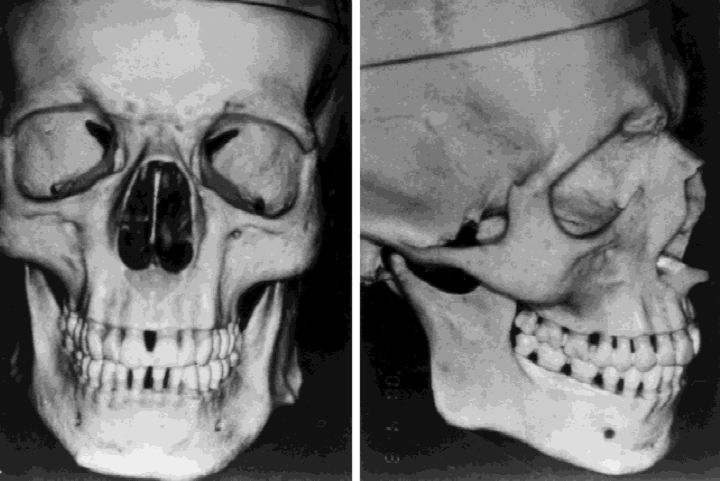
What is the anterior nasal spine?
The ANS is the small bone that sticks out at the very base of your nose, between the nostrils:
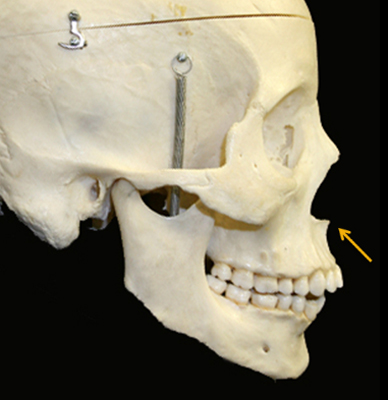
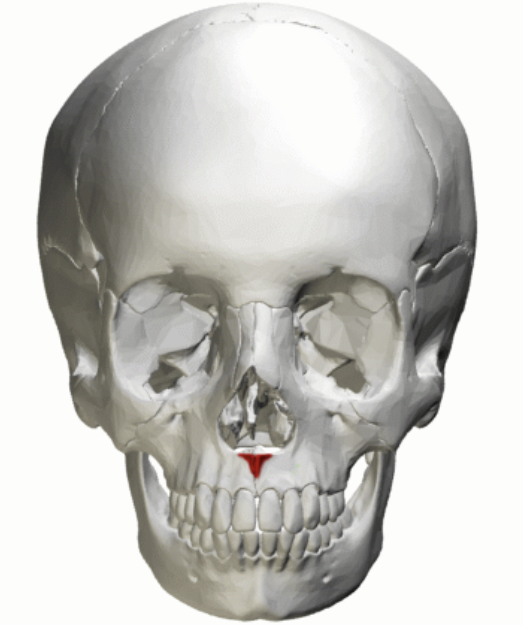
Seen from the front:
Why does the ANS matter for astethics?
- Projects the nasal septum, midface and the muscles around the upper lip and philtrum
- Improves anterior facial depth
- Smoothens the transition from the anterior part of the maxilla to the nose, drags soft tissue forwards
- Creates a smooth nose to lip curve
- Improves lip support
- Harmonises the midface, making it look "fuller"
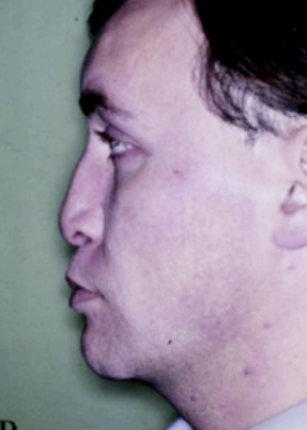
Signs of a recessed ANS:
- Long, flat and a sloped backwards philtrum
- Lack of volume beneath the nose
- Flat midface and sunken nose
(Recession is common in many African and Asian phenotypes)
Example of the ideal projection, from the old thread in 2023 by @thecel
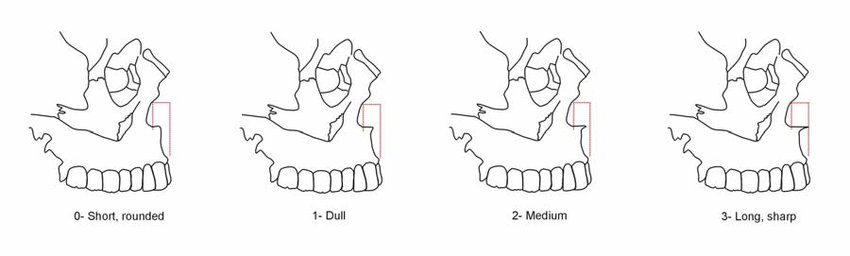
Examples of good projection:

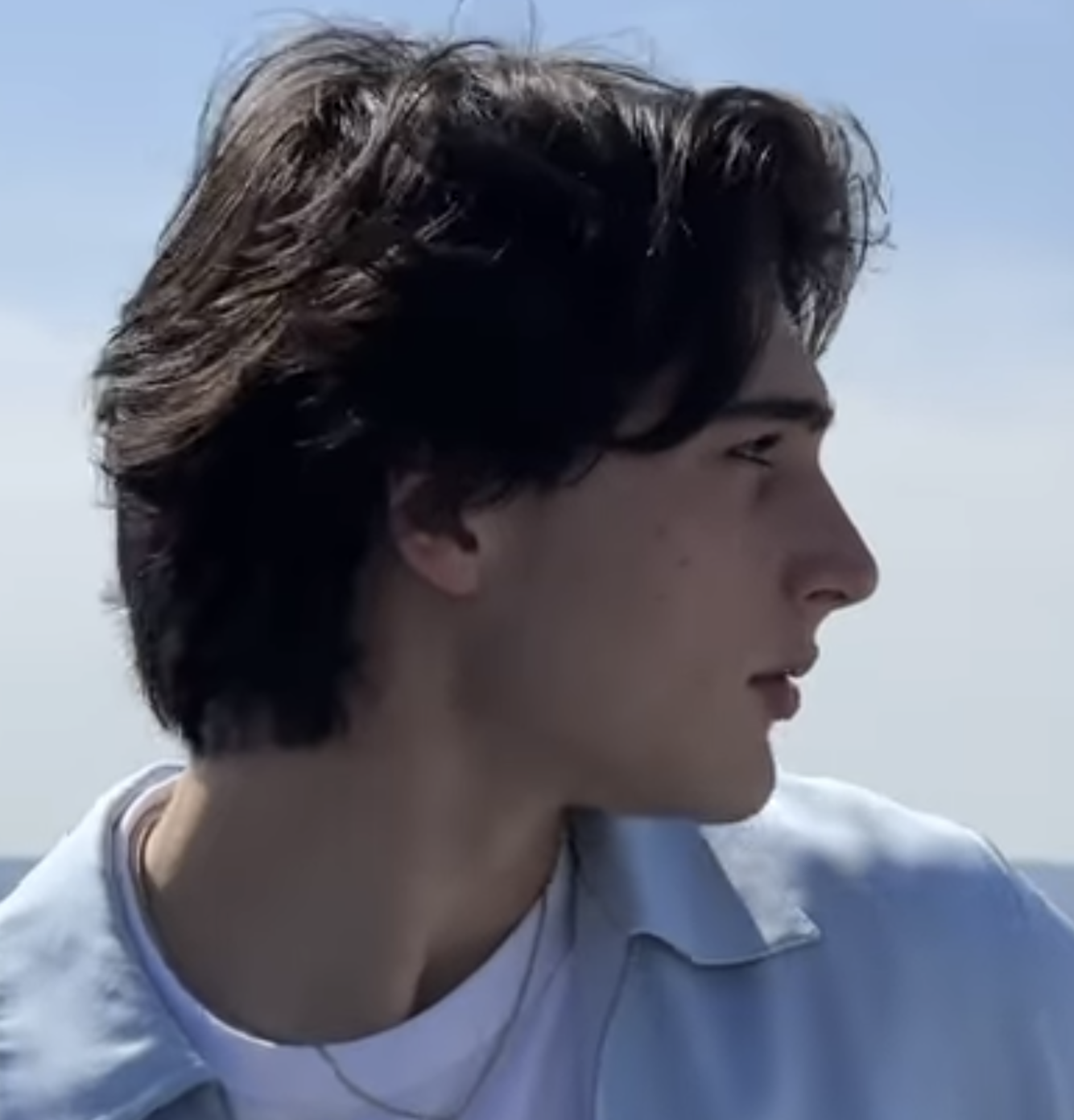

Notice the concave and full look of the philtrum.
Examples of bad projection:


Notice that Robert Pattinson’s philtrum area looks much flatter and slanted.
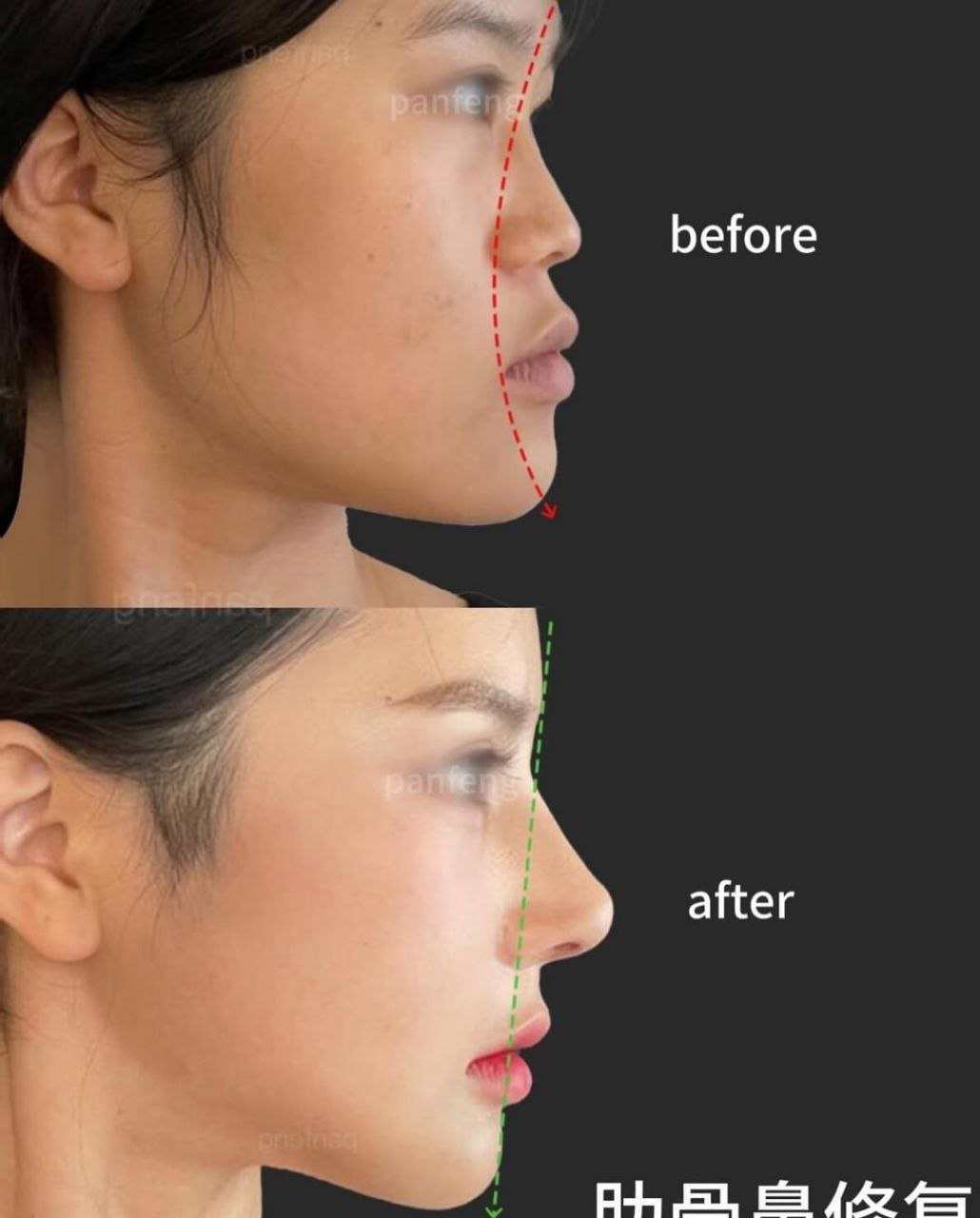
Ways to correct a recessed anterior nasal spine
1. L shaped paranasal implantWhat is the anterior nasal spine?
The ANS is the small bone that sticks out at the very base of your nose, between the nostrils:
Seen from the front:
Why does the ANS matter for astethics?
- Projects the nasal septum, midface and the muscles around the upper lip and philtrum
- Improves anterior facial depth
- Smoothens the transition from the anterior part of the maxilla to the nose, drags soft tissue forwards
- Creates a smooth nose to lip curve
- Improves lip support
- Harmonises the midface, making it look "fuller"
Signs of a recessed ANS:
- Long, flat and a sloped backwards philtrum
- Lack of volume beneath the nose
- Flat midface and sunken nose
(Recession is common in many African and Asian phenotypes)
Example of the ideal projection, from the old thread in 2023 by @thecel
Examples of good projection:
Notice the concave and full look of the philtrum.
Examples of bad projection:
Notice that Robert Pattinson’s philtrum area looks much flatter and slanted.
Ways to correct a recessed anterior nasal spine
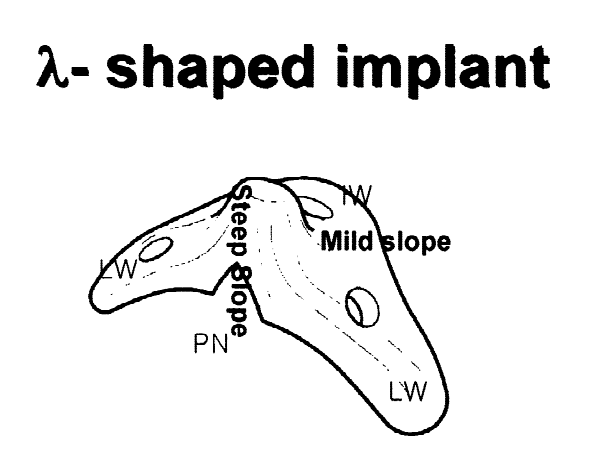
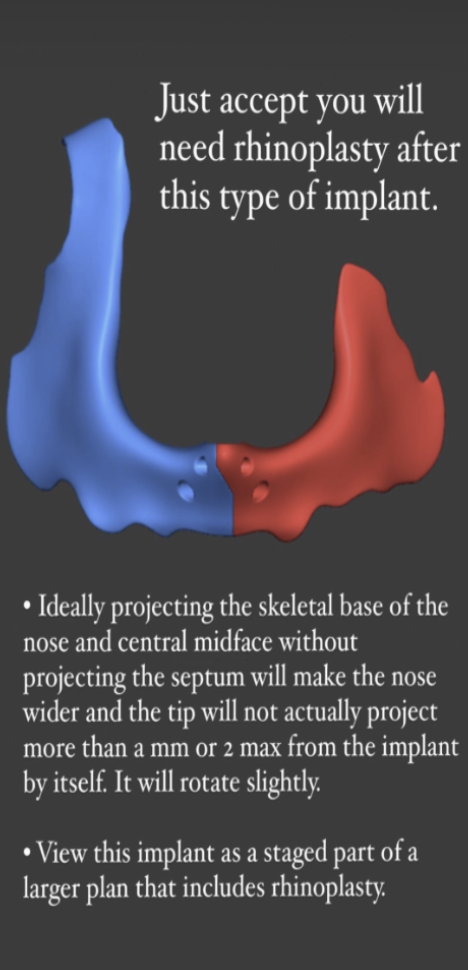
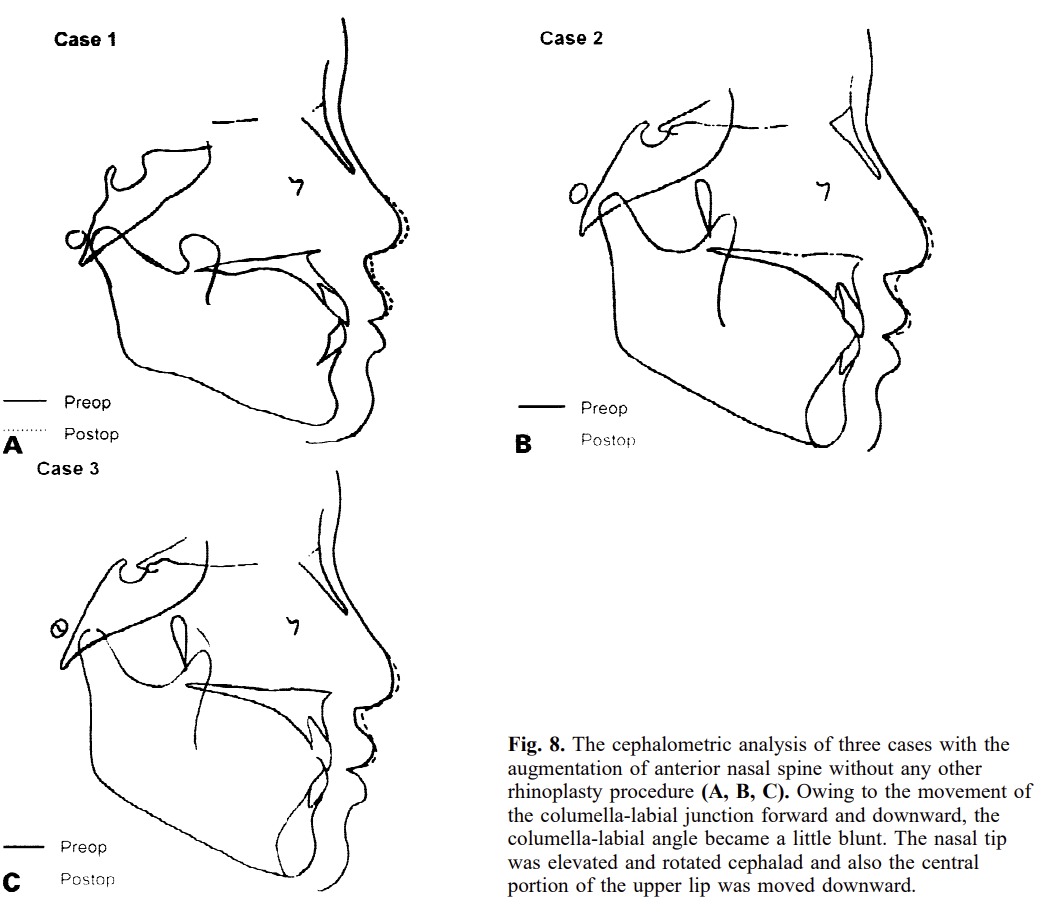
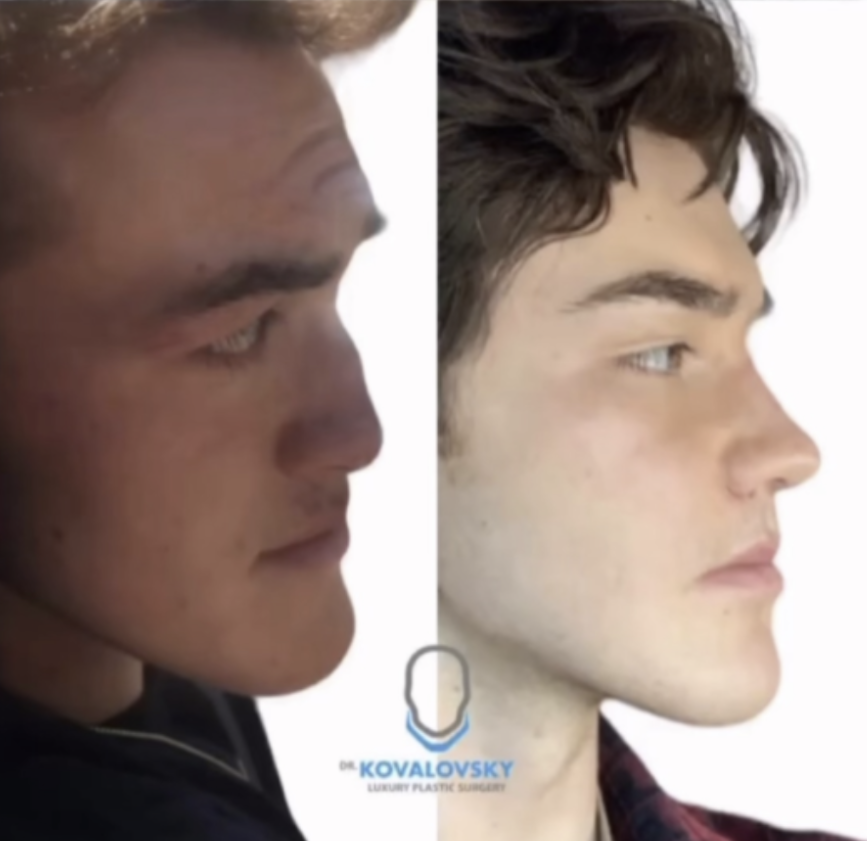
- Implant desgined to mimic the pointiness of the ANS. The implant projecfts the ANS forwards along with the nose base.
- Can be superior to grafting as it provides better contour and results are more predictable.
- This can increase the projection of the septum by 2 mm max according to giant.
- Recommended to be placed during rhinoplasty. Can be placed during bimax as long as it doesnt block the plates, but this is not recommended and can yield unfavorable results.
2. Cartilage or bone graft
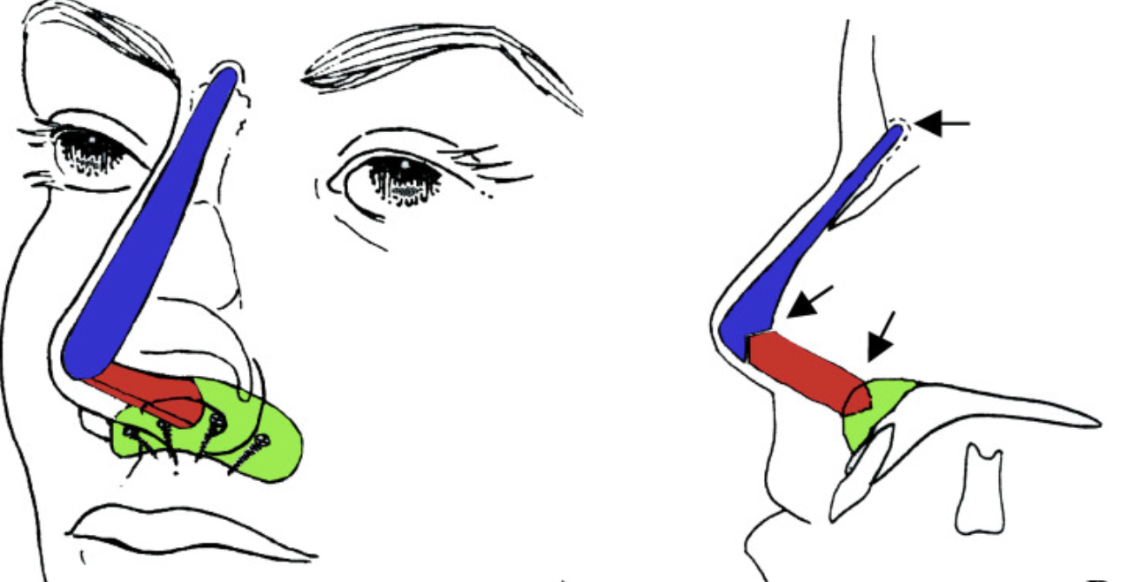
- Cartilage, or a bone plate is harvested.
- A small graft is placed directly on the ANS.
- Recommended to be done during a rhinoplasty.
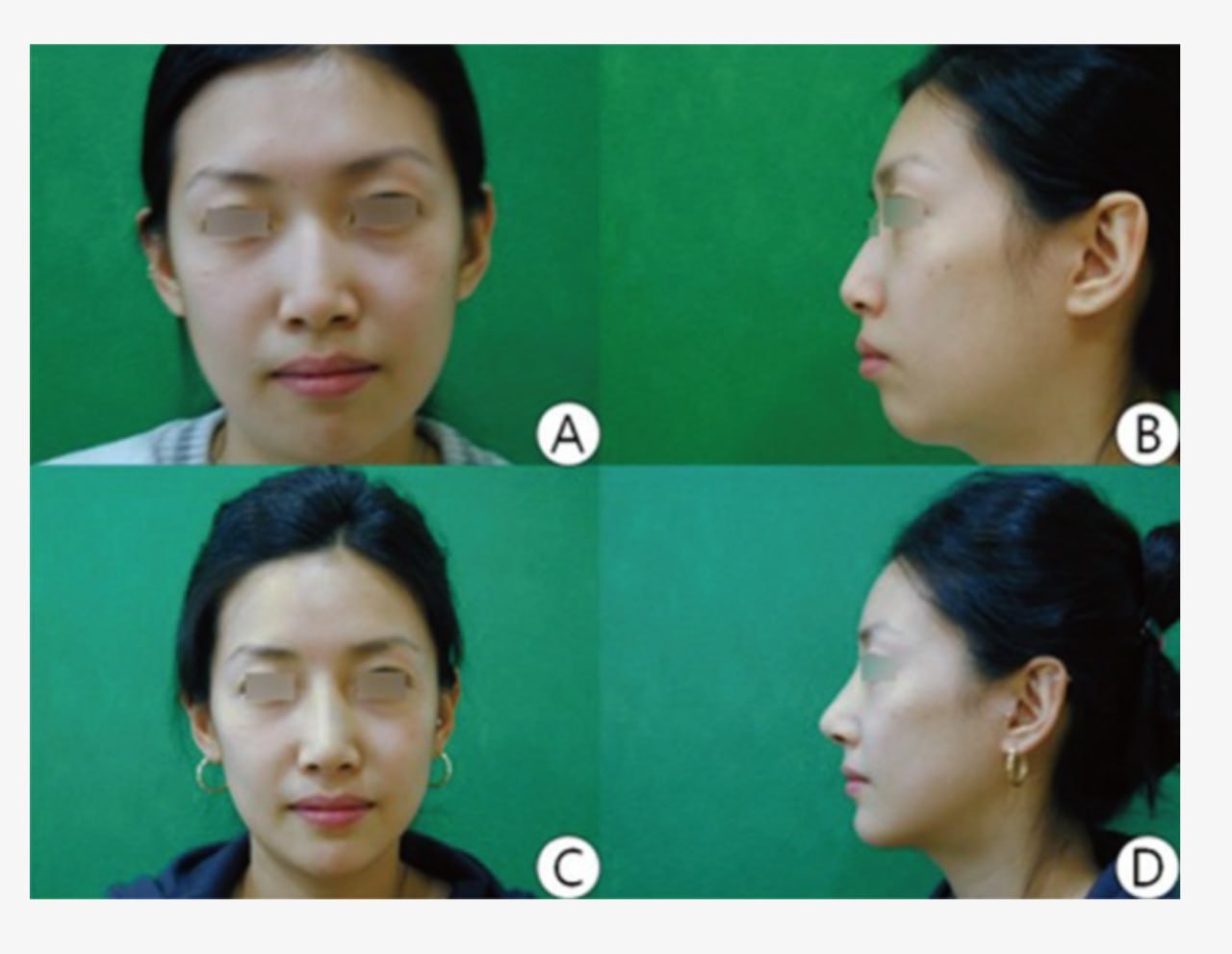
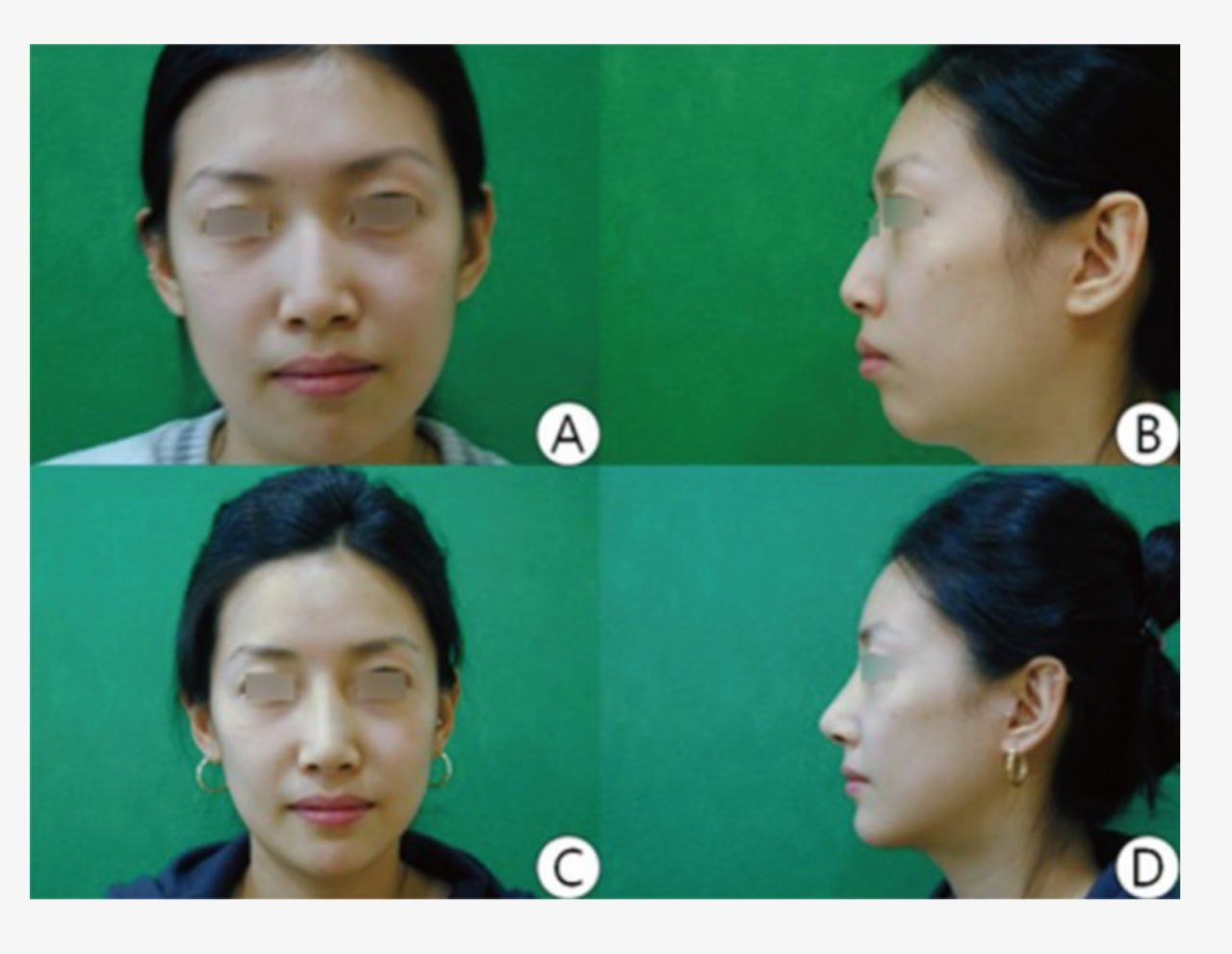
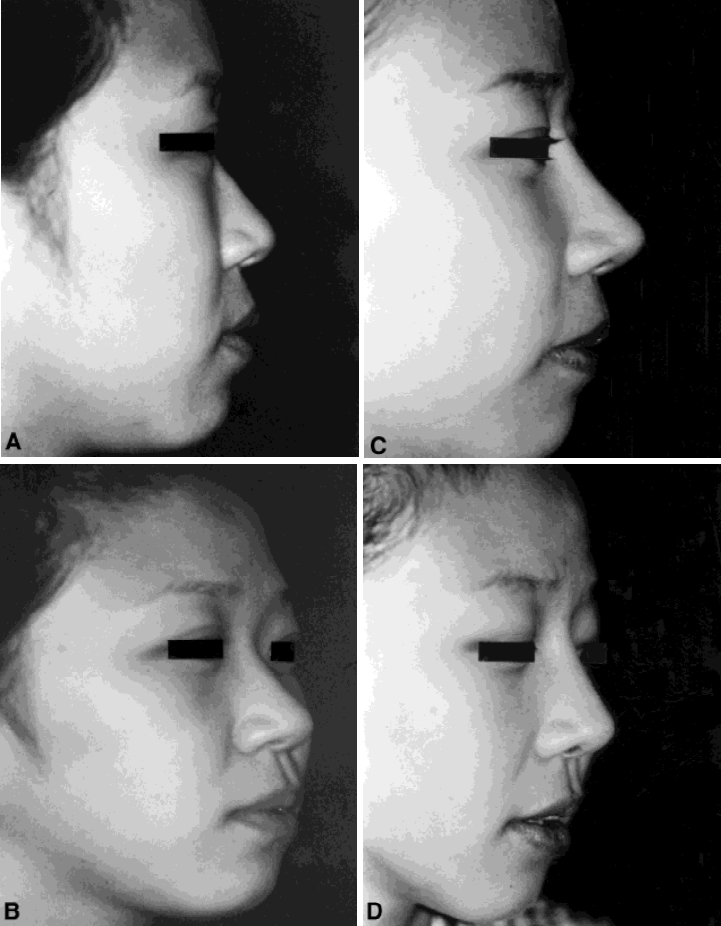
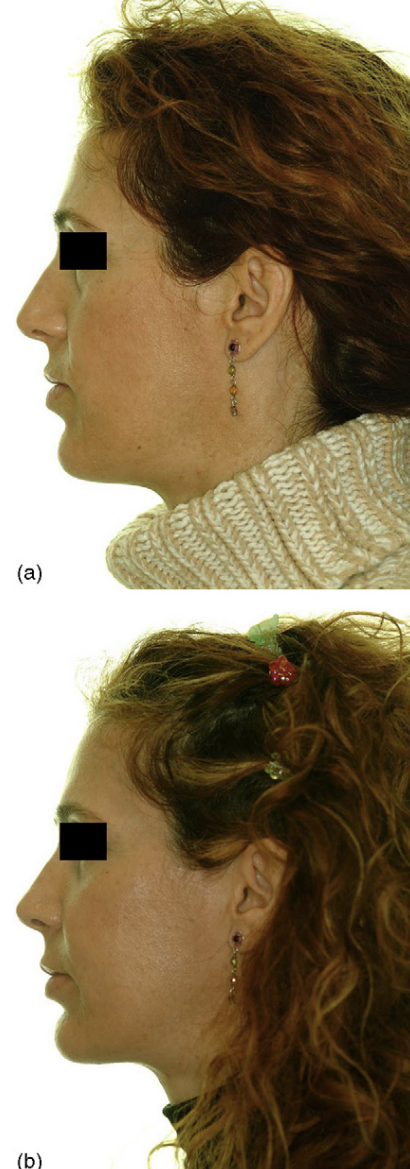
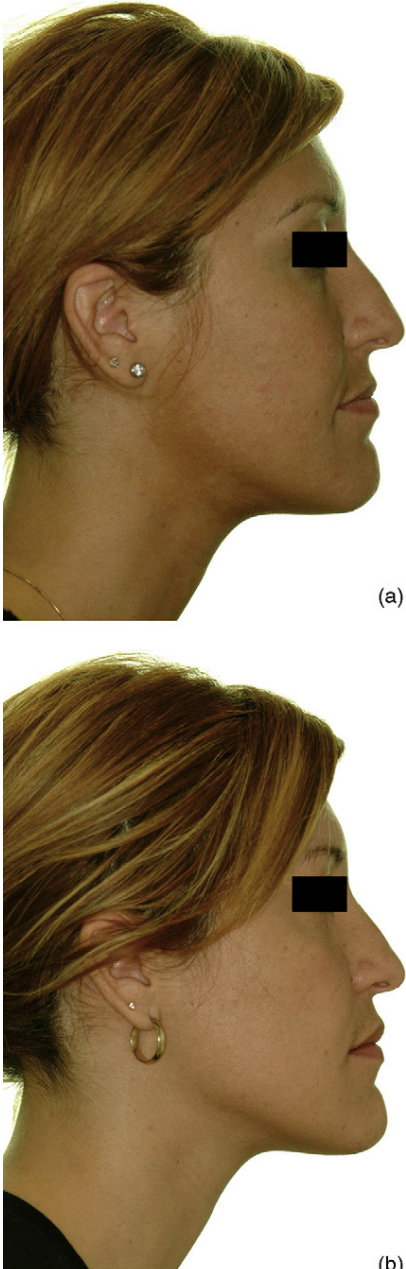
- This approach is usually paired with a projection rhinoplasty, where the surgeon grafts the dorsum, tip, and ANS. It is common in Asia and often gives great results. The extra nose projection pulls midface soft tissue forward, making the transition from the maxilla to the nose smoother whilst giving the illusion of forward growth.
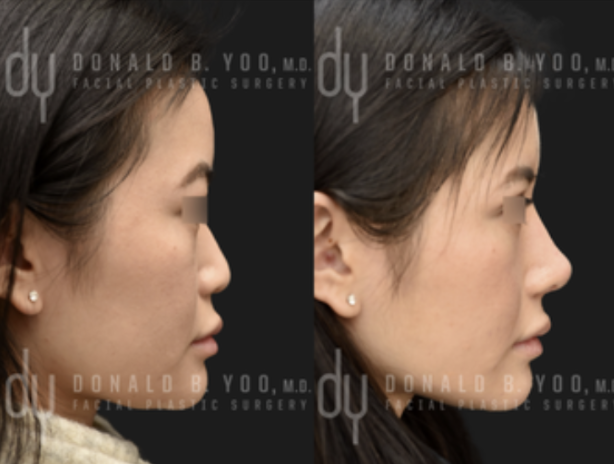
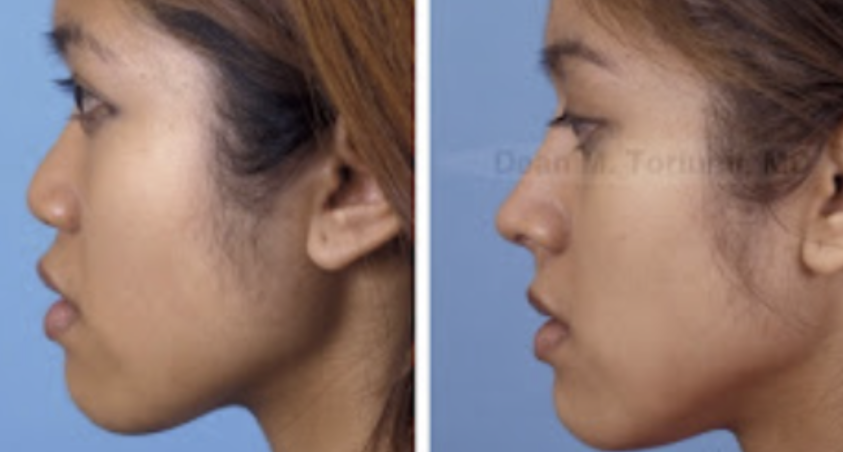
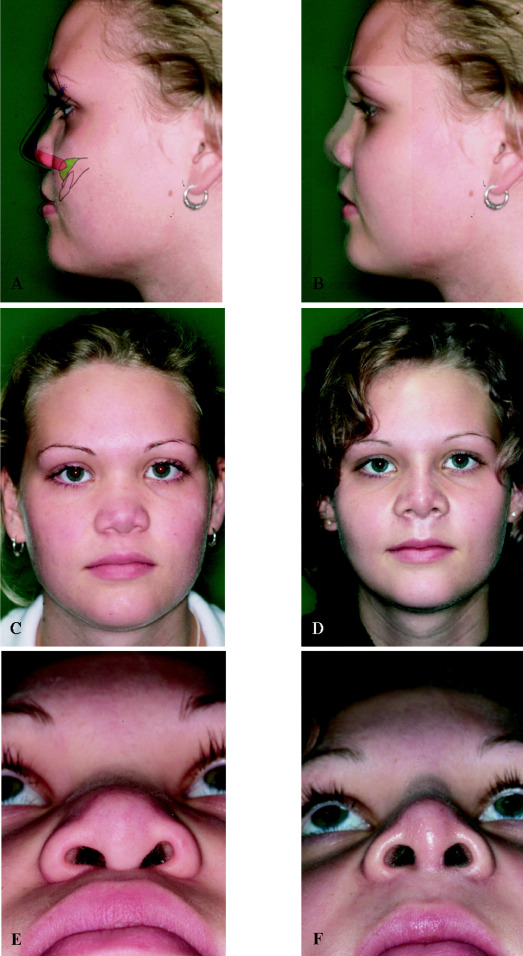
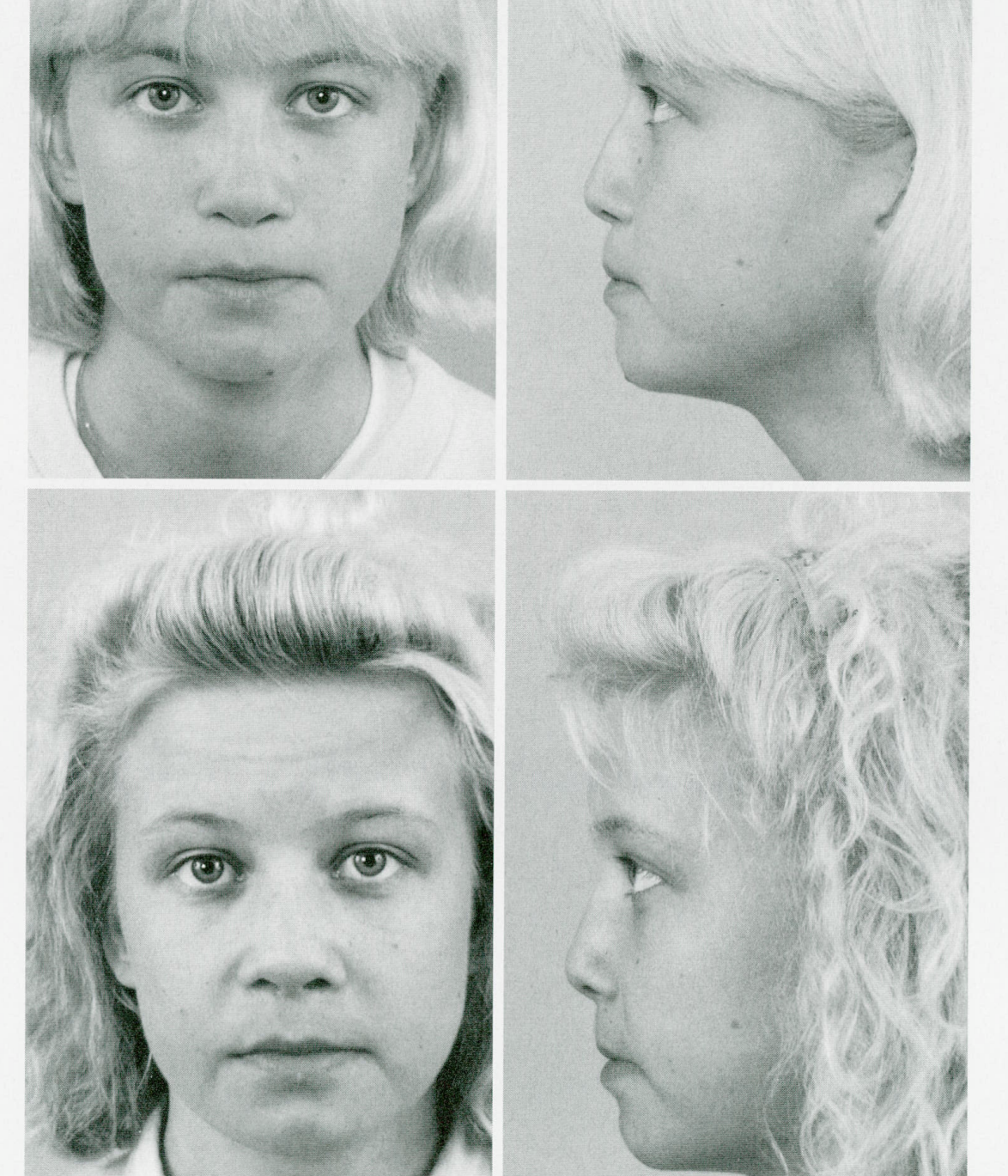
The last example is especially impressive, earlier examples had grafts along the whole nose, this one used a single graft on the ANS and still pushed the nasal base forward, proof that you can fix ANS projection without touching the rest of the nose.
3. USO (U shaped Osteotomy)
- Bone cut shaped like a "U" around the piriform rim that mobilizes the anterior maxillary wall and ANS as one segment. The segment is advanced, rotated, and fixed with small screws.
- Projects the ANS and paranasal rims forward.
- Why vs graft/implant: Uses actual bone for a cleaner contour. Likely superior to both implants and especially grafts if done right.
- USO is a "rare" osteotomy. There are few confirmed cases online, and fewer doctors who publicly say they perform it.
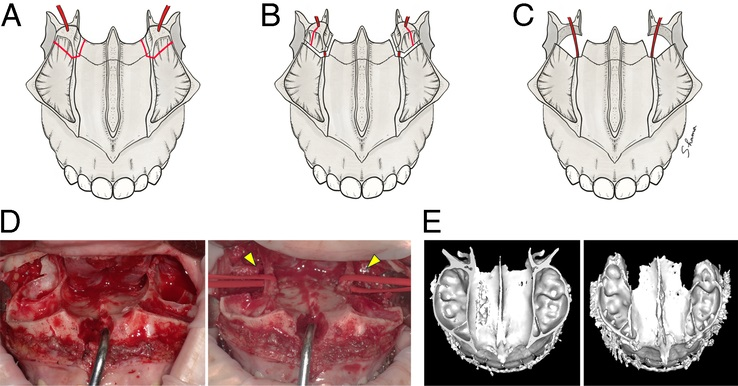
Why facial depth is overrated, and Lefort 2 is often not needed
1. Facial harmony is more important than extreme facial depth
- What the eye likes is a smooth nose to midface curve with enough soft tissue volume pulled forwards. You can get that two ways, a very anteriorly grown maxilla, or an ANS / nose that projects far enough to pull the soft tissue forward. In most cases you don't need an extreme maxillary advance.
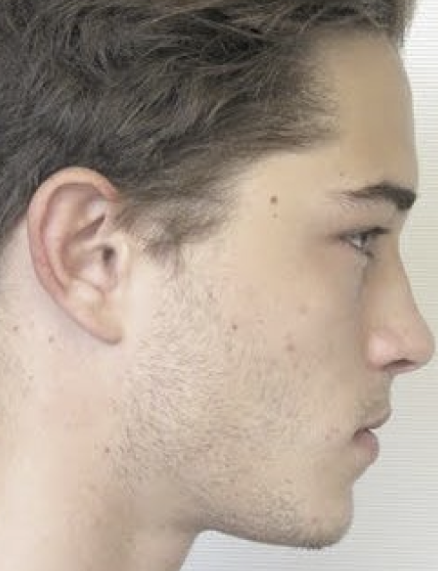
- Look at Chico: measured off the Frankfurt plane his anterior depth is only average, yet his midface looks full and balanced because the ANS and nose sit far enough forward:
2. Front and 3/4 view, > side profile
- The face most people judge is the one looking straight at them.
- Chico is a perfect example, his frontal view is great, yet his side profile shows only average forward projection, and almost no one cares. What counts is that the profile is harmonious. It still has enough volume and proportion to look balanced. Extreme forward growth can be a halo, but it isnt essential, even for a top model.
3. When LF 2 actually helps
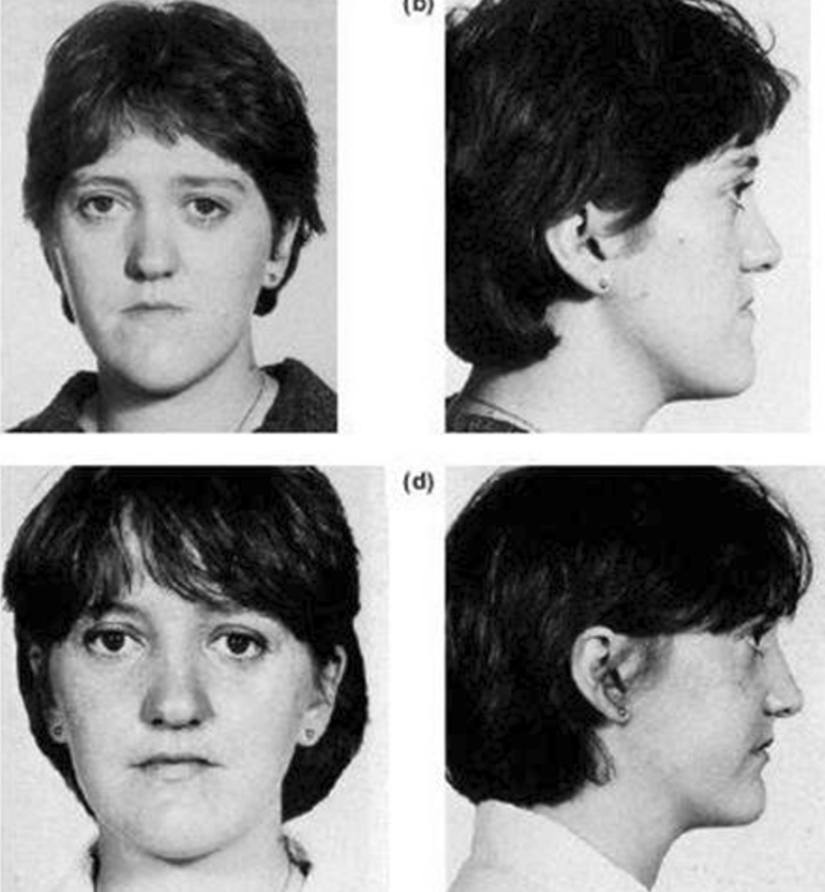
- Lefort 2 only makes sense if your midface is severely recessed because you lack anterior facial depth caused by actuall maxillary retrusion rather than the paranasal / ANS area being recessed. A lefort 2 even avoids the ANS by cutting around it, so it would't fix the underlying cause of the recession. This might be why the patient who got a lefort 2 by giant had it segmented such that his ANS was rotated and advanced.
- The case below fits the criteria, the patients ANS and nose was fine in proportion to the rest of the face, but the maxilla sat almost vertical with little to none anterior facial depth. Advancing the lefort 2 block gave the missing anterior depth and transformed her frontal view.
Many "sunken" midfaces are caused more by a recessed ANS and paranasal area than by full maxillary retrusion. A correction of the paranasal region with an implant, graft, or a USO can often improve nasal projection, philtrum support, and overall facial harmony without needing extreme midface advancement. Lefort 2 should be used for severe anterior midface deficiency, not as a default when someone has midface retrusion.