Levelspawn
Bronze
- Joined
- Dec 17, 2025
- Posts
- 379
- Reputation
- 538
How to FIX philtrun-chin ratio, midface ratio, ramus height,facial thirds etc, give a few mm of frauded bone growth..
My first IQ thread as a grey
Here we go
This explains a non-surgical dental method that can create a few mm increase in lower facial height, improving chin length, lower-third balance, and apparent ramus height.
This method is based on a controlled increase in bite height using dental composite material
The same tooth-colored resin dentists use for permanent fillings and bite alignments..
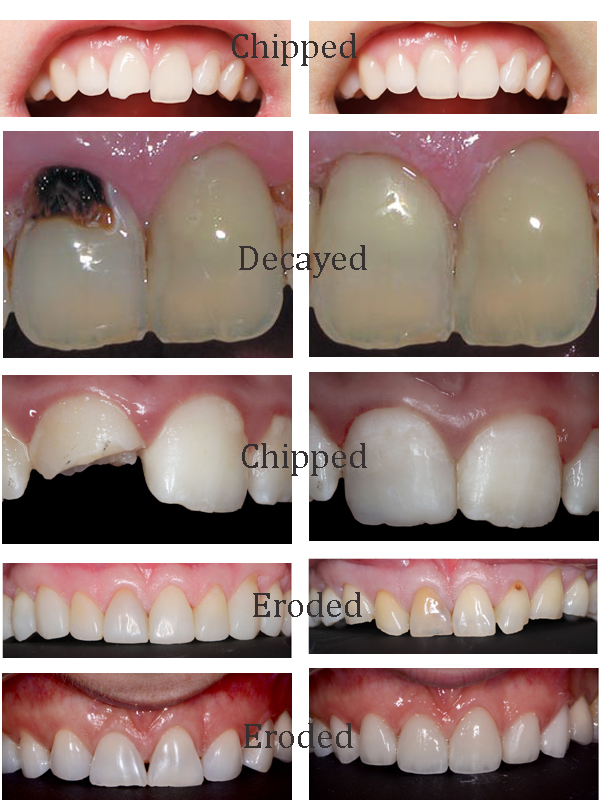
When the material is placed on the chewing surface of molars and premolars (a bit more of the substance in the molar than premolars )can give you a ccw rotation for the mandible which increases vertical lenght , pops out ramus and projects the chin a bit.It is durable, adjustable, and removable, which makes it very different from fillers or surgery.
By slightly increasing the vertical dimension of the bite, the mandible rotates downward and moves forward a bit which holds a permanent jutting position for your jaw
This rotation can increase visible lower facial height, making the chin appear longer and the lower third look less compressed. In people with a short lower face, this can improve the perceived balance between the philtrum and chin without changing bone structure.
The ramus does not actually grow, but the change in mandibular rotation can make the ramus appear taller in profile.
Beware
This is a geometric and postural effect, not structural bone change, but it can still be noticeable depending on facial proportions.
The amount of “frauded growth” is limited. Most safe applications result in about one to two millimeters of vertical increase, with three millimeters being an upper limit that many dentists would not recommend. The visual impact depends heavily on face type, with vertically short faces benefiting more than long faces (long becomes long) or severely recessed jaws.
Material
The composite material itself can last many years, often five to ten, but the facial effect is strongest in the early weeks or months. Over time, jaw muscles will adapt and partially reduce the visible change although some people retain part of the effect. Because the material can be modified or removed, it is considered low commitment compared to fillers or surgery.
PRICE
Cost-wise, composite build-ups are usually far cheaper than chin or jaw fillers and dramatically cheaper than orthognathic surgery. However, most dentists will only agree to this approach temporarily or for diagnostic purposes, not as a guaranteed cosmetic solution, because excessive or uneven bite changes can strain the TMJ and jaw muscles.
In conclusion, this is not jaw advancement, not bone growth, and not a replacement for surgery. It is a small, reversible metoportions, and apparent ramus height through mandibular rotation. It should be viewed as a temporary or experimental facial proportion adjustment rather than a true fix.
Any questions asked will be answered
My first IQ thread as a grey
Here we go
This explains a non-surgical dental method that can create a few mm increase in lower facial height, improving chin length, lower-third balance, and apparent ramus height.
This method is based on a controlled increase in bite height using dental composite material
The same tooth-colored resin dentists use for permanent fillings and bite alignments..
When the material is placed on the chewing surface of molars and premolars (a bit more of the substance in the molar than premolars )can give you a ccw rotation for the mandible which increases vertical lenght , pops out ramus and projects the chin a bit.It is durable, adjustable, and removable, which makes it very different from fillers or surgery.
By slightly increasing the vertical dimension of the bite, the mandible rotates downward and moves forward a bit which holds a permanent jutting position for your jaw
This rotation can increase visible lower facial height, making the chin appear longer and the lower third look less compressed. In people with a short lower face, this can improve the perceived balance between the philtrum and chin without changing bone structure.
The ramus does not actually grow, but the change in mandibular rotation can make the ramus appear taller in profile.
Beware
This is a geometric and postural effect, not structural bone change, but it can still be noticeable depending on facial proportions.
The amount of “frauded growth” is limited. Most safe applications result in about one to two millimeters of vertical increase, with three millimeters being an upper limit that many dentists would not recommend. The visual impact depends heavily on face type, with vertically short faces benefiting more than long faces (long becomes long) or severely recessed jaws.
Material
The composite material itself can last many years, often five to ten, but the facial effect is strongest in the early weeks or months. Over time, jaw muscles will adapt and partially reduce the visible change although some people retain part of the effect. Because the material can be modified or removed, it is considered low commitment compared to fillers or surgery.
PRICE
Cost-wise, composite build-ups are usually far cheaper than chin or jaw fillers and dramatically cheaper than orthognathic surgery. However, most dentists will only agree to this approach temporarily or for diagnostic purposes, not as a guaranteed cosmetic solution, because excessive or uneven bite changes can strain the TMJ and jaw muscles.
In conclusion, this is not jaw advancement, not bone growth, and not a replacement for surgery. It is a small, reversible metoportions, and apparent ramus height through mandibular rotation. It should be viewed as a temporary or experimental facial proportion adjustment rather than a true fix.
Any questions asked will be answered