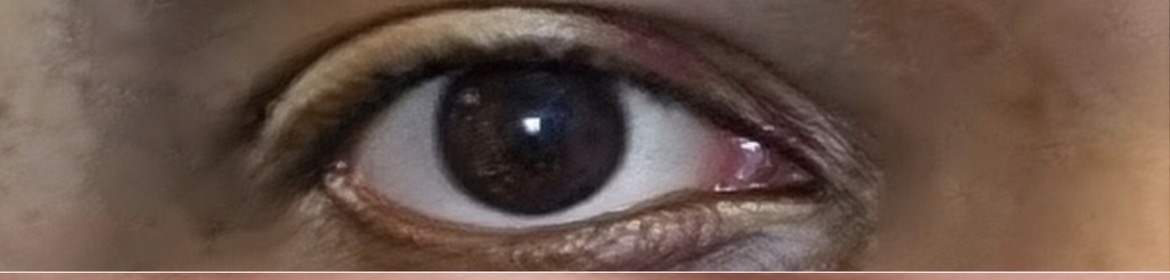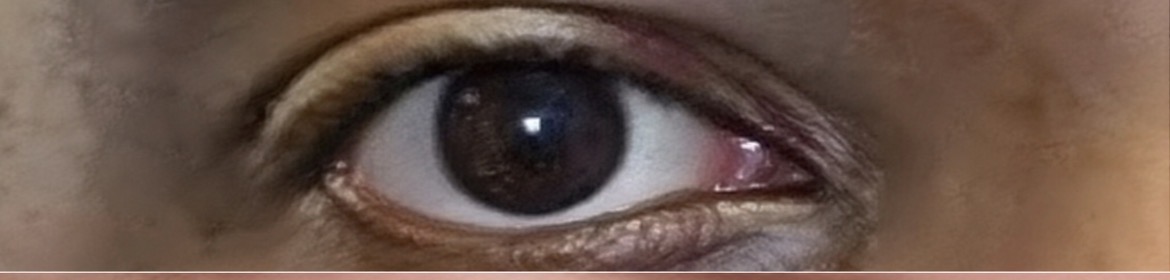




HOW TO FIX SCERAL SHOW -HIGH EFFORT

apn8197

apn8197

Bronze
Joined
Apr 29, 2026
Posts
403
Reputation
157
For a Scleral Show that varies or worsens at the end of the day = often a muscle problem (orbicularis oculi), it is not OVER
( I will talk about the other causes, read everything )


What science says about the causes


The scleral show


Aging / muscle hypotonia: the orbicularis oculi muscle (the one that closes the eyelids) loses tone. This is one of the most cited causes in the aesthetic and oculoplastic literature.


OTHER POSSIBLE THINGS


- GENETIC anatomy (prominent eyes, slightly under-projected maxilla, negative vector).

-Thyroid eye disease (Graves).

- inflammation irritation


(I will not address the genetic cause)


If your scleral show changes from one day to another or clearly worsens at the end of the day / after a lot of screens, this rather points to a functional / muscular component (tone of the orbicularis oculi) rather than a 100% fixed bony structure.


The eyelid muscles fatigue like the others. Prolonged activity of the orbicularis oculi is measured by EMG and correlated with ocular fatigue. High screen time is also associated with involuntary contractions (myokymia) of this same muscle.


Lack of sleep alone does not “create” a real structural scleral show but it can still make it more visible according to doctors, but end-of-day muscle fatigue can clearly temporarily worsen the appearance.


The solution is “ constant squinmax”


Oculoplastic surgeons already use squinting exercises to recover the tone of the orbicularis oculi after blepharoplasty, when there is temporary malposition related to the muscle.


The principle is simple: squint while focusing on making the lower eyelid rise (exactly like when you look at the sun, our ancestors practiced it very often). This directly trains the muscle that maintains the tone of the lower eyelid.


The more often you do it during the day, the more you work this tone. Combined with a reduction in screens (which fatigue and over-solicit the same muscle), this gives the best chances of improvement in those for whom the muscular component dominates.


Important • If the scleral show is identical every day from waking up and very marked = more structural (genetic, bone, tendon, thyroid). In this case the exercises help less. ( (This will become a habit like mewing)

( In short Squinmax strengthens your muscle by working it this will correct the problem. )

Other solution
FILLERS


Filler for scleral show.
In some cases, hyaluronic acid filler can slightly raise the lower eyelid.
The filler is injected under the orbicularis muscle. It acts as a support or lifter it changes the balance of forces and pushes the eyelid upward.


Typical results:

- Average improvement of 0.8 to 1.2 mm in eyelid height

- effect visible immediately

- Duration: often 6 to 12 months


Works best for

Mild to moderate retraction
————-

For a thyroid problem


For a thyroid problem linked to scleral show (Basedowian ophthalmopathy)
Thyroid-related scleral show mainly comes from two mechanisms:

the eye advancing due to inflammation of the orbital tissues
eyelid retraction due to fibrosis or hypertonia of the retractor muscles
It can occur with hyperthyroidism (most frequent, Graves’ disease), hypothyroidism, or even in a euthyroid state.


1 Hyperthyroidism (Graves) Main objective: rapidly normalize thyroid function and stabilize the euthyroid state.


Thyroid treatment


-synthetic antithyroid drugs (methimazole or thiamazole as first-line, or propylthiouracil)
-radioactive iodine (attention: can temporarily worsen the ophthalmopathy, often associated with preventive corticosteroid therapy)
- surgery (total thyroidectomy) in certain cases

Important: avoid untreated hypothyroidism after these treatments because it can worsen the ocular involvement.


Mandatory general measures


-total smoking cessation (major aggravating factor)
-artificial tears + gel or ointment in the evening
- elevation of the head of the bed, cold compresses


Treatment of active ophthalmopathy according to severity


-mild form: selenium 100 µg twice a day for 6 months + local care

-moderate to severe active form: IV corticosteroids (classic regimen: methylprednisolone 500 mg per week for 6 weeks then 250 mg per week for 6 week cumulative dose 4.5 g)

- teprotumumab particularly effective on proptosis and diplopia

-other options: rituximab tocilizuma mycophenolate according to refractory cases

- vision-threatening form emergency high dose iv corticosteroids orbital decompre
ssion


When the disease is inactive and stabilized

- orbital decompression
__________


2 for Hypothyroidism

Substitution treatment with levothyroxine to bring the levels back to normal. This often allows reducing retro-orbital swelling and avoiding worsening of the scleral show. Regular monitoring of blood tests TSH and free T4


3 For inflammation or irritation

(that worsens or creates a scleral show)

Basic care to do right away


- preservative-free artificial tears several times a day
- thick gel or ointment in the evening before sleeping
- cold compresses 5 to 10 minutes 2 or 3 times a day to calm
- avoid rubbing your eyes
- sleep with the head slightly elevated


for dry or surface irritation

-frequent artificial tears
- ointment in the evening
-protective glasses against wind and air conditioning
-strongly reduce screen time because it decreases blinking and worsens dryness
-To avoid smoke, dust, strong air conditioning
- Stop Care for irritants around the eyes or products for the lashes (minox, latisse, ordinary peptide)

-----------


****** Bonus Lenses that hide the scleral show These are special cosmetic lenses with a larger iris or a colored edge that covers part of the white of the eye to mask the scleral show. This can give the illusion of a better-positioned eyelid on photo or in real life. But well, it’s a bit cope
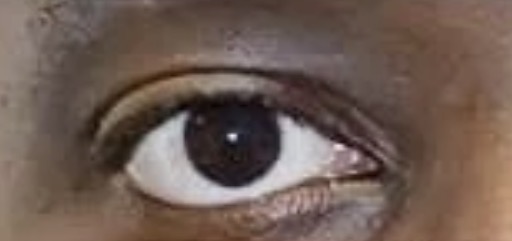
IMG 5800
-- After --
IMG 5803
 

Attachments

  • IMG_5803.jpeg
    IMG_5803.jpeg
    50.4 KB · Views: 0
Last edited:
  • Love it
Reactions: nordic88
inb4 best of the best
 
  • JFL
Reactions: anthrocellogy
For a Scleral Show that varies or worsens at the end of the day = often a muscle problem (orbicularis oculi), it is not OVER
( I will talk about the other causes, read everything )


What science says about the causes


The scleral show


Aging / muscle hypotonia: the orbicularis oculi muscle (the one that closes the eyelids) loses tone. This is one of the most cited causes in the aesthetic and oculoplastic literature.


OTHER POSSIBLE THINGS


- GENETIC anatomy (prominent eyes, slightly under-projected maxilla, negative vector).

-Thyroid eye disease (Graves).

- inflammation irritation


(I will not address the genetic cause)


If your scleral show changes from one day to another or clearly worsens at the end of the day / after a lot of screens, this rather points to a functional / muscular component (tone of the orbicularis oculi) rather than a 100% fixed bony structure.


The eyelid muscles fatigue like the others. Prolonged activity of the orbicularis oculi is measured by EMG and correlated with ocular fatigue. High screen time is also associated with involuntary contractions (myokymia) of this same muscle.


Lack of sleep alone does not “create” a real structural scleral show but it can still make it more visible according to doctors, but end-of-day muscle fatigue can clearly temporarily worsen the appearance.


The solution is “ constant squinmax”


Oculoplastic surgeons already use squinting exercises to recover the tone of the orbicularis oculi after blepharoplasty, when there is temporary malposition related to the muscle.


The principle is simple: squint while focusing on making the lower eyelid rise (exactly like when you look at the sun, our ancestors practiced it very often). This directly trains the muscle that maintains the tone of the lower eyelid.


The more often you do it during the day, the more you work this tone. Combined with a reduction in screens (which fatigue and over-solicit the same muscle), this gives the best chances of improvement in those for whom the muscular component dominates.


Important • If the scleral show is identical every day from waking up and very marked = more structural (genetic, bone, tendon, thyroid). In this case the exercises help less. ( (This will become a habit like mewing)

( In short Squinmax strengthens your muscle by working it this will correct the problem. )

Other solution
FILLERS


Filler for scleral show.
In some cases, hyaluronic acid filler can slightly raise the lower eyelid.
The filler is injected under the orbicularis muscle. It acts as a support or lifter it changes the balance of forces and pushes the eyelid upward.


Typical results:

- Average improvement of 0.8 to 1.2 mm in eyelid height

- effect visible immediately

- Duration: often 6 to 12 months


Works best for

Mild to moderate retraction
————-

For a thyroid problem


For a thyroid problem linked to scleral show (Basedowian ophthalmopathy)
Thyroid-related scleral show mainly comes from two mechanisms:

the eye advancing due to inflammation of the orbital tissues
eyelid retraction due to fibrosis or hypertonia of the retractor muscles
It can occur with hyperthyroidism (most frequent, Graves’ disease), hypothyroidism, or even in a euthyroid state.


1 Hyperthyroidism (Graves) Main objective: rapidly normalize thyroid function and stabilize the euthyroid state.


Thyroid treatment


-synthetic antithyroid drugs (methimazole or thiamazole as first-line, or propylthiouracil)
-radioactive iodine (attention: can temporarily worsen the ophthalmopathy, often associated with preventive corticosteroid therapy)
- surgery (total thyroidectomy) in certain cases

Important: avoid untreated hypothyroidism after these treatments because it can worsen the ocular involvement.


Mandatory general measures


-total smoking cessation (major aggravating factor)
-artificial tears + gel or ointment in the evening
- elevation of the head of the bed, cold compresses


Treatment of active ophthalmopathy according to severity


-mild form: selenium 100 µg twice a day for 6 months + local care

-moderate to severe active form: IV corticosteroids (classic regimen: methylprednisolone 500 mg per week for 6 weeks then 250 mg per week for 6 week cumulative dose 4.5 g)

- teprotumumab particularly effective on proptosis and diplopia

-other options: rituximab tocilizuma mycophenolate according to refractory cases

- vision-threatening form emergency high dose iv corticosteroids orbital decompre
ssion


When the disease is inactive and stabilized

- orbital decompression
__________


2 for Hypothyroidism

Substitution treatment with levothyroxine to bring the levels back to normal. This often allows reducing retro-orbital swelling and avoiding worsening of the scleral show. Regular monitoring of blood tests TSH and free T4


3 For inflammation or irritation

(that worsens or creates a scleral show)

Basic care to do right away


- preservative-free artificial tears several times a day
- thick gel or ointment in the evening before sleeping
- cold compresses 5 to 10 minutes 2 or 3 times a day to calm
- avoid rubbing your eyes
- sleep with the head slightly elevated


for dry or surface irritation

-frequent artificial tears
- ointment in the evening
-protective glasses against wind and air conditioning
-strongly reduce screen time because it decreases blinking and worsens dryness
-To avoid smoke, dust, strong air conditioning
- Stop Care for irritants around the eyes or products for the lashes (minox, latisse, ordinary peptide)

-----------


****** Bonus Lenses that hide the scleral show These are special cosmetic lenses with a larger iris or a colored edge that covers part of the white of the eye to mask the scleral show. This can give the illusion of a better-positioned eyelid on photo or in real life. But well, it’s a bit cope

View attachment 5738359 -- After -- View attachment 5738363
Bump
 
For a Scleral Show that varies or worsens at the end of the day = often a muscle problem (orbicularis oculi), it is not OVER
( I will talk about the other causes, read everything )


What science says about the causes


The scleral show


Aging / muscle hypotonia: the orbicularis oculi muscle (the one that closes the eyelids) loses tone. This is one of the most cited causes in the aesthetic and oculoplastic literature.


OTHER POSSIBLE THINGS


- GENETIC anatomy (prominent eyes, slightly under-projected maxilla, negative vector).

-Thyroid eye disease (Graves).

- inflammation irritation


(I will not address the genetic cause)


If your scleral show changes from one day to another or clearly worsens at the end of the day / after a lot of screens, this rather points to a functional / muscular component (tone of the orbicularis oculi) rather than a 100% fixed bony structure.


The eyelid muscles fatigue like the others. Prolonged activity of the orbicularis oculi is measured by EMG and correlated with ocular fatigue. High screen time is also associated with involuntary contractions (myokymia) of this same muscle.


Lack of sleep alone does not “create” a real structural scleral show but it can still make it more visible according to doctors, but end-of-day muscle fatigue can clearly temporarily worsen the appearance.


The solution is “ constant squinmax”


Oculoplastic surgeons already use squinting exercises to recover the tone of the orbicularis oculi after blepharoplasty, when there is temporary malposition related to the muscle.


The principle is simple: squint while focusing on making the lower eyelid rise (exactly like when you look at the sun, our ancestors practiced it very often). This directly trains the muscle that maintains the tone of the lower eyelid.


The more often you do it during the day, the more you work this tone. Combined with a reduction in screens (which fatigue and over-solicit the same muscle), this gives the best chances of improvement in those for whom the muscular component dominates.


Important • If the scleral show is identical every day from waking up and very marked = more structural (genetic, bone, tendon, thyroid). In this case the exercises help less. ( (This will become a habit like mewing)

( In short Squinmax strengthens your muscle by working it this will correct the problem. )

Other solution
FILLERS


Filler for scleral show.
In some cases, hyaluronic acid filler can slightly raise the lower eyelid.
The filler is injected under the orbicularis muscle. It acts as a support or lifter it changes the balance of forces and pushes the eyelid upward.


Typical results:

- Average improvement of 0.8 to 1.2 mm in eyelid height

- effect visible immediately

- Duration: often 6 to 12 months


Works best for

Mild to moderate retraction
————-

For a thyroid problem


For a thyroid problem linked to scleral show (Basedowian ophthalmopathy)
Thyroid-related scleral show mainly comes from two mechanisms:

the eye advancing due to inflammation of the orbital tissues
eyelid retraction due to fibrosis or hypertonia of the retractor muscles
It can occur with hyperthyroidism (most frequent, Graves’ disease), hypothyroidism, or even in a euthyroid state.


1 Hyperthyroidism (Graves) Main objective: rapidly normalize thyroid function and stabilize the euthyroid state.


Thyroid treatment


-synthetic antithyroid drugs (methimazole or thiamazole as first-line, or propylthiouracil)
-radioactive iodine (attention: can temporarily worsen the ophthalmopathy, often associated with preventive corticosteroid therapy)
- surgery (total thyroidectomy) in certain cases

Important: avoid untreated hypothyroidism after these treatments because it can worsen the ocular involvement.


Mandatory general measures


-total smoking cessation (major aggravating factor)
-artificial tears + gel or ointment in the evening
- elevation of the head of the bed, cold compresses


Treatment of active ophthalmopathy according to severity


-mild form: selenium 100 µg twice a day for 6 months + local care

-moderate to severe active form: IV corticosteroids (classic regimen: methylprednisolone 500 mg per week for 6 weeks then 250 mg per week for 6 week cumulative dose 4.5 g)

- teprotumumab particularly effective on proptosis and diplopia

-other options: rituximab tocilizuma mycophenolate according to refractory cases

- vision-threatening form emergency high dose iv corticosteroids orbital decompre
ssion


When the disease is inactive and stabilized

- orbital decompression
__________


2 for Hypothyroidism

Substitution treatment with levothyroxine to bring the levels back to normal. This often allows reducing retro-orbital swelling and avoiding worsening of the scleral show. Regular monitoring of blood tests TSH and free T4


3 For inflammation or irritation

(that worsens or creates a scleral show)

Basic care to do right away


- preservative-free artificial tears several times a day
- thick gel or ointment in the evening before sleeping
- cold compresses 5 to 10 minutes 2 or 3 times a day to calm
- avoid rubbing your eyes
- sleep with the head slightly elevated


for dry or surface irritation

-frequent artificial tears
- ointment in the evening
-protective glasses against wind and air conditioning
-strongly reduce screen time because it decreases blinking and worsens dryness
-To avoid smoke, dust, strong air conditioning
- Stop Care for irritants around the eyes or products for the lashes (minox, latisse, ordinary peptide)

-----------


****** Bonus Lenses that hide the scleral show These are special cosmetic lenses with a larger iris or a colored edge that covers part of the white of the eye to mask the scleral show. This can give the illusion of a better-positioned eyelid on photo or in real life. But well, it’s a bit cope

View attachment 5738359 -- After -- View attachment 5738363
Bump
 
For a Scleral Show that varies or worsens at the end of the day = often a muscle problem (orbicularis oculi), it is not OVER
( I will talk about the other causes, read everything )


What science says about the causes


The scleral show


Aging / muscle hypotonia: the orbicularis oculi muscle (the one that closes the eyelids) loses tone. This is one of the most cited causes in the aesthetic and oculoplastic literature.


OTHER POSSIBLE THINGS


- GENETIC anatomy (prominent eyes, slightly under-projected maxilla, negative vector).

-Thyroid eye disease (Graves).

- inflammation irritation


(I will not address the genetic cause)


If your scleral show changes from one day to another or clearly worsens at the end of the day / after a lot of screens, this rather points to a functional / muscular component (tone of the orbicularis oculi) rather than a 100% fixed bony structure.


The eyelid muscles fatigue like the others. Prolonged activity of the orbicularis oculi is measured by EMG and correlated with ocular fatigue. High screen time is also associated with involuntary contractions (myokymia) of this same muscle.


Lack of sleep alone does not “create” a real structural scleral show but it can still make it more visible according to doctors, but end-of-day muscle fatigue can clearly temporarily worsen the appearance.


The solution is “ constant squinmax”


Oculoplastic surgeons already use squinting exercises to recover the tone of the orbicularis oculi after blepharoplasty, when there is temporary malposition related to the muscle.


The principle is simple: squint while focusing on making the lower eyelid rise (exactly like when you look at the sun, our ancestors practiced it very often). This directly trains the muscle that maintains the tone of the lower eyelid.


The more often you do it during the day, the more you work this tone. Combined with a reduction in screens (which fatigue and over-solicit the same muscle), this gives the best chances of improvement in those for whom the muscular component dominates.


Important • If the scleral show is identical every day from waking up and very marked = more structural (genetic, bone, tendon, thyroid). In this case the exercises help less. ( (This will become a habit like mewing)

( In short Squinmax strengthens your muscle by working it this will correct the problem. )

Other solution
FILLERS


Filler for scleral show.
In some cases, hyaluronic acid filler can slightly raise the lower eyelid.
The filler is injected under the orbicularis muscle. It acts as a support or lifter it changes the balance of forces and pushes the eyelid upward.


Typical results:

- Average improvement of 0.8 to 1.2 mm in eyelid height

- effect visible immediately

- Duration: often 6 to 12 months


Works best for

Mild to moderate retraction
————-

For a thyroid problem


For a thyroid problem linked to scleral show (Basedowian ophthalmopathy)
Thyroid-related scleral show mainly comes from two mechanisms:

the eye advancing due to inflammation of the orbital tissues
eyelid retraction due to fibrosis or hypertonia of the retractor muscles
It can occur with hyperthyroidism (most frequent, Graves’ disease), hypothyroidism, or even in a euthyroid state.


1 Hyperthyroidism (Graves) Main objective: rapidly normalize thyroid function and stabilize the euthyroid state.


Thyroid treatment


-synthetic antithyroid drugs (methimazole or thiamazole as first-line, or propylthiouracil)
-radioactive iodine (attention: can temporarily worsen the ophthalmopathy, often associated with preventive corticosteroid therapy)
- surgery (total thyroidectomy) in certain cases

Important: avoid untreated hypothyroidism after these treatments because it can worsen the ocular involvement.


Mandatory general measures


-total smoking cessation (major aggravating factor)
-artificial tears + gel or ointment in the evening
- elevation of the head of the bed, cold compresses


Treatment of active ophthalmopathy according to severity


-mild form: selenium 100 µg twice a day for 6 months + local care

-moderate to severe active form: IV corticosteroids (classic regimen: methylprednisolone 500 mg per week for 6 weeks then 250 mg per week for 6 week cumulative dose 4.5 g)

- teprotumumab particularly effective on proptosis and diplopia

-other options: rituximab tocilizuma mycophenolate according to refractory cases

- vision-threatening form emergency high dose iv corticosteroids orbital decompre
ssion


When the disease is inactive and stabilized

- orbital decompression
__________


2 for Hypothyroidism

Substitution treatment with levothyroxine to bring the levels back to normal. This often allows reducing retro-orbital swelling and avoiding worsening of the scleral show. Regular monitoring of blood tests TSH and free T4


3 For inflammation or irritation

(that worsens or creates a scleral show)

Basic care to do right away


- preservative-free artificial tears several times a day
- thick gel or ointment in the evening before sleeping
- cold compresses 5 to 10 minutes 2 or 3 times a day to calm
- avoid rubbing your eyes
- sleep with the head slightly elevated


for dry or surface irritation

-frequent artificial tears
- ointment in the evening
-protective glasses against wind and air conditioning
-strongly reduce screen time because it decreases blinking and worsens dryness
-To avoid smoke, dust, strong air conditioning
- Stop Care for irritants around the eyes or products for the lashes (minox, latisse, ordinary peptide)

-----------


****** Bonus Lenses that hide the scleral show These are special cosmetic lenses with a larger iris or a colored edge that covers part of the white of the eye to mask the scleral show. This can give the illusion of a better-positioned eyelid on photo or in real life. But well, it’s a bit cope

View attachment 5738359 -- After -- View attachment 5738363
Bump !
 

Similar threads

L1G7
Replies
2
Views
55
L1G7
L1G7
soutov
Replies
8
Views
181
soutov
soutov
Hardmaxx
Replies
11
Views
95
Hardmaxx
Hardmaxx
ltn3131
Replies
0
Views
73
ltn3131
ltn3131
ltn3131
Replies
2
Views
92
infinitebonemass
infinitebonemass

Users who are viewing this thread

Back
Top