rowanis_brootal
I love larping
- Joined
- Nov 11, 2025
- Posts
- 187
- Reputation
- 155
How to make homemade kefir
1. What is kefir
2. Where to but Kefir grains
Now that you have the grains place them in a mason jar with around 1-2 cups of milk of your choice, raw, whole ect. Cover your jar with a breathable fabric like a cheesecloth or something.
You are now in the revival period of kefir, let this jar sit for around 36 hours strain in a non-metal strainer and repeat process until you start seeing gaps and whey in the jar.
1. What is kefir
Milk kefir is a probiotic-rich fermented dairy drink made by culturing milk with kefir grains, which contain beneficial bacteria and yeast. It is known for supporting gut health, digestion, and the immune system due to its high probiotic content. Milk kefir is also a good source of important nutrients including protein, calcium, vitamin B12, vitamin K2, magnesium, and phosphorus, which help support bone health, energy production, and overall wellness.
2. Where to but Kefir grains
You can buy milk kefir grains online at places like fusion teas or mabey at local farmers markets.
Now that you have the grains place them in a mason jar with around 1-2 cups of milk of your choice, raw, whole ect. Cover your jar with a breathable fabric like a cheesecloth or something.
You are now in the revival period of kefir, let this jar sit for around 36 hours strain in a non-metal strainer and repeat process until you start seeing gaps and whey in the jar.
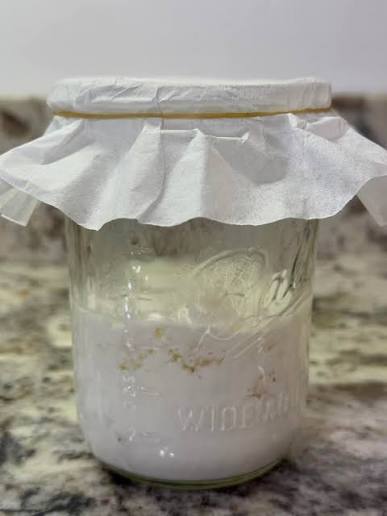
(Like this)
Strain this as you normally would but this time keep the strained liquid and you can drink this raw me personally i blend it with some fruit
KEFIR BENEFITS
KEFIR BENEFITS
Homemade milk kefir has many potential health benefits because it contains live probiotics, nutrients, and beneficial compounds created during fermentation. Some commonly reported benefits include:
- Supports gut health with beneficial bacteria and yeast
- May improve digestion and help break down lactose
- Contains probiotics that can support the immune system
- Rich in protein for muscle growth and recovery
- High in calcium and phosphorus for strong bones and teeth
- Contains vitamin B12 for energy and nervous system function
- Provides vitamin K2, which helps direct calcium into bones
- Contains magnesium, important for muscles and hydration
- May help support a healthy balance of gut bacteria after antibiotics
- Can be more nutrient-dense and probiotic-rich than many store-bought versions
- Fermentation may increase the availability of certain nutrients
- Often made without added sugars or artificial ingredients when homemade
- Kefir grains can be reused continuously, making it inexpensive long term
Last edited: