





Bixell
Iron
- Joined
- Feb 5, 2026
- Posts
- 108
- Reputation
- 36
I don't know how to do the funny colored tuttifrutti text so if you have adhd this guide isnt for you.
tldr-
you dont need a bunch of compounds. its a fine line between ascension and declension. test alone is enough for average folk. face matters more than frame, and adding more compounds can rape face in return for frame. if you dont wanna rape face, it will take longer but ultimately be more worth it.
also if youre under 18, dont take gear. genuinely retarded tradeoff. youre still developing, you can fuck with puberty/hormones and potentially close growth plates early. there is no physique worth permanently cutting into your development for. height always trumps muscles.
biggest point of the whole guide: use as little as you can get away with, monitor your health, and dont add drugs just because you can.
your endocrine system and body are still developing, and introducing supraphysiologic androgens during that period can interfere with normal development.
one of the biggest concerns is premature growth plate closure. androgens can increase estrogen activity through aromatization, and estrogen is a major signal involved in epiphyseal / growth plate closure. once those growth plates are closed, youre not getting that height potential back.
other reasons its a terrible idea when youre still developing:
training age, sleep, food, technique, programming, and just letting puberty do its job will take you way further than people realize.
if youre under 18, there is basically no bodybuilding-related reason that makes taking anabolic steroids worth fucking with your development.
if you start test + var + primo + whatever else, then estrogen is fucked, lipids are fucked, acne shows up, bp goes up etc. now you dont know what caused what.
i personally like anastrozole.
reason being mainly control. reversible inhibition + relatively predictable response. easy to adjust based on symptoms + bloodwork.
important though: anastrozole is not actually “short half life” in the literal sense. around 50 hours. what i mean by easier to control is more about the reversible mechanism and how straightforward it is to titrate compared with something like exemestane.
also dont just nuke estrogen because you think estrogen = bad.
low estrogen can suck too:
then repeat after the drug has actually had time to reach relatively stable levels.
longer esters take longer. shorter esters stabilize faster.
stuff i care a lot about:
look at:
same with low estrogen.
possible reasons:
i personally like eplerenone conceptually because its an MRA and isnt just “pee as much water out as possible.”
that said, diuretics are one of the areas where fucking around can actually get dangerous. potassium and kidney function matter a lot. this is not something id treat like taking an extra supplement because youre watery. if everything else is in check and you still are holding an UNREASONABLE amount of water, consider diuretics.
basic goal is trying to restore endogenous testosterone production after stopping suppressive anabolic steroids.
blast and cruise = instead of coming completely off, someone alternates between higher exposure phases and lower exposure phases.
i personally prefer blast and cruise in the context of someone who already decided they are staying enhanced long term.
big difference though:
PCT makes more sense if someone actually wants to come off and recover natural production.
blast and cruise basically means accepting ongoing suppression.
that has implications for:
its usually discussed around:
things that matter:
ask:
not:
“lab bad -> add another drug.”
sometimes the correct intervention is literally:
change one thing at a time whenever possible.
get baseline data.
keep notes.
track BP.
repeat labs.
dont manage everything based on symptoms.
yeah, these are actually a good example for the guide because they make two different points really well:
real example from my bloodwork
and this is why i fucking hate the “youll know when your estrogen is high” thing.
i had basically none of the classic shit people talk about.
193 is massively elevated relative to this labs reference range, but i still felt basically fine. that doesnt mean the number should be ignored. it means feeling fine doesnt prove your bloodwork is fine.
also worth confirming estradiol with an appropriate assay, especially in men, because assay methodology matters. but a value this far above range is still something id take seriously rather than hand-wave. this is with a LC/MS-MS test, so its highly accurate.
RBC was 6.19 and hematocrit was 53.1%.
testosterone / other androgens can increase erythropoiesis, meaning more red blood cell production. hematocrit is basically telling you what percentage of your blood volume is made up of red cells.
higher isnt automatically better.
the Endocrine Society specifically recommends stopping testosterone therapy when hematocrit exceeds 54%, evaluating for hypoxia and sleep apnea, and restarting at a reduced dose once it returns to a safer level. Endocrine Society
obviously enhanced bodybuilding doses are not the same thing as medically prescribed TRT, but the number is still useful context.
so at 53.1%, i would not write:
people do that a lot in bodybuilding:
hematocrit high → donate blood → problem solved
not necessarily.
repeated phlebotomy can eventually tank ferritin / iron stores, and then youve created another problem without fixing whatever is driving the erythrocytosis.
if therapeutic phlebotomy is actually indicated, thats something id want based on the full CBC, ferritin/iron status, symptoms, trend, androgen exposure and clinician input rather than “53% = drain blood.”
dont manage gear entirely based on how you feel.
i had an estradiol of 193 and basically felt normal besides being watery.
i had a hematocrit of 53.1% and there isnt necessarily some magical symptom that tells you your hematocrit is climbing.
thats why i keep hammering:
53.1% is elevated and close to the commonly used 54% intervention threshold. if this were my current lab, id repeat it well hydrated, check BP, review androgen exposure, and specifically think about sleep apnea / hypoxia rather than just donating blood and forgetting about it. Endocrine Society
i donated blood for this cycle and it reduced my hematocrit, and i increased my AI intake for this cycle too. next cycle, i ran a lower dose of test and included more ancillaries and other shit. i dont care to get into it. pm me if ur interested.
tldr-
you dont need a bunch of compounds. its a fine line between ascension and declension. test alone is enough for average folk. face matters more than frame, and adding more compounds can rape face in return for frame. if you dont wanna rape face, it will take longer but ultimately be more worth it.
also if youre under 18, dont take gear. genuinely retarded tradeoff. youre still developing, you can fuck with puberty/hormones and potentially close growth plates early. there is no physique worth permanently cutting into your development for. height always trumps muscles.
biggest point of the whole guide: use as little as you can get away with, monitor your health, and dont add drugs just because you can.
if youre under 18, dont take gear
seriously. just dont. im putting this at the top for the little kids who are considering it.your endocrine system and body are still developing, and introducing supraphysiologic androgens during that period can interfere with normal development.
one of the biggest concerns is premature growth plate closure. androgens can increase estrogen activity through aromatization, and estrogen is a major signal involved in epiphyseal / growth plate closure. once those growth plates are closed, youre not getting that height potential back.
other reasons its a terrible idea when youre still developing:
- can disrupt normal puberty
- can suppress your own testosterone production
- can affect fertility
- can affect brain / mood development
- can worsen acne and hair loss
- can alter blood pressure and cholesterol
- can affect cardiac structure / cardiovascular risk
- can leave you dealing with hormonal problems way earlier than you ever needed to
training age, sleep, food, technique, programming, and just letting puberty do its job will take you way further than people realize.
if youre under 18, there is basically no bodybuilding-related reason that makes taking anabolic steroids worth fucking with your development.
enhanced bodybuilding guide
basically just my thoughts / personal experience with enhanced bodybuilding. not a sourcing guide, not medical advice, not saying everyone should do what i do. mostly trying to explain what stuff is, why i prefer certain things, what bloodwork matters, and what to actually watch for.testosterone esters
test is test. ester mostly changes how fast it releases and how long it sticks around.| ester | relative duration | pros | cons |
|---|---|---|---|
| test prop | short | easy to adjust, levels respond faster, good if pinning often | more injections |
| test e | long | convenient, less pinning | slower to adjust |
| test c | long | basically same idea as test e | slower to adjust |
| blends | mixed | convenient for some people. not for first cycle. for advanced users only | kinda overcomplicated imo |
test p
i like test p for daily pinning.- more frequent injections = smaller peaks/troughs
- easier to control if something goes wrong
- clears / changes faster than long esters
- downside is obviously pinning way more often
first cycle
imo first cycle should be as simple as possible.- testosterone only
- dont add 3 other compounds because some dude retard roidhead said you need them
- limit variables
- get baseline bloods
- monitor blood pressure
- get repeat bloods once levels have had time to stabilize (ill go over timing later)
- actually learn how you respond to testosterone before adding anything else
if you start test + var + primo + whatever else, then estrogen is fucked, lipids are fucked, acne shows up, bp goes up etc. now you dont know what caused what.
aromatase inhibitors
AIs lower estrogen production by inhibiting aromatase. aromatase is the enzyme that converts androgens into estrogens.| drug | type | rough half life | pros | cons |
|---|---|---|---|---|
| anastrozole | reversible AI | ~50 hrs | easy to titrate, widely used | easy to overshoot estrogen |
| exemestane | irreversible / suicidal AI | ~24 hrs plasma half life | no rebound from the inhibited enzyme | harder to think about purely from half life |
| letrozole | very potent AI | ~2 days | extremely strong | overkill for most situations |
i personally like anastrozole.
reason being mainly control. reversible inhibition + relatively predictable response. easy to adjust based on symptoms + bloodwork.
important though: anastrozole is not actually “short half life” in the literal sense. around 50 hours. what i mean by easier to control is more about the reversible mechanism and how straightforward it is to titrate compared with something like exemestane.
also dont just nuke estrogen because you think estrogen = bad.
low estrogen can suck too:
- libido issues
- erectile issues
- dry joints
- mood issues
- worse lipids
- generally feeling like shit
bloodwork
minimum stuff i care about:- CMP
- CBC + differential + platelets
- lipid panel
- TSH
- total testosterone
- free testosterone
- SHBG
- albumin
- estradiol
- prolactin
timing
baseline before first dose.then repeat after the drug has actually had time to reach relatively stable levels.
longer esters take longer. shorter esters stabilize faster.
what each test is actually looking at
| test | why i care |
|---|---|
| CBC | RBC, hemoglobin, hematocrit, platelets, signs of blood-related issues |
| CMP | liver markers, kidney-related markers, electrolytes, glucose, proteins |
| lipid panel | HDL, LDL, triglycerides. huge one for long term cardiovascular risk |
| TSH | basic thyroid screening |
| total test | overall testosterone concentration |
| free test | fraction actually available / unbound |
| SHBG | affects free vs bound hormone |
| albumin | binds hormones + useful context for calculated free test |
| estradiol | helps evaluate aromatization / estrogen management |
| prolactin | useful especially if symptoms make it relevant |
what i watch the hardest
honestly some people obsess over testosterone and estrogen numbers and ignore the stuff that probably matters more long term.stuff i care a lot about:
- blood pressure
- hematocrit / hemoglobin
- LDL
- HDL
- triglycerides
- liver enzymes
- kidney markers
- fasting glucose
- resting heart rate
- symptoms
- sleep
- bodyweight changes
- edema / bloat
estrogen management
dont treat a number blindly.look at:
- estradiol
- symptoms
- testosterone level
- dose changes
- timing of bloodwork
- body fat
- injection frequency
same with low estrogen.
bloat / water retention
first figure out why youre holding water.possible reasons:
- estrogen
- sodium intake
- carbs / glycogen
- blood pressure
- rapid weight gain
- kidney issues
- other meds
- just gaining weight too fucking fast
- check BP
- keep sodium consistent
- dont randomly slash sodium. the ratio of sodium/potassium in blood determines bloating.
- keep hydration consistent
- look at bodyweight trend
- look at estrogen
- make sure theres not an actual medical issue
diuretics
different diuretics work in completely different ways.| class | example | basic idea | main concern |
|---|---|---|---|
| loop | furosemide | very strong sodium/water loss | electrolyte depletion, dehydration |
| thiazide | hydrochlorothiazide | promotes sodium/water loss | electrolytes, glucose, uric acid |
| potassium-sparing | amiloride | less potassium loss | high potassium |
| MRA | eplerenone | blocks aldosterone receptor | potassium + kidney function |
that said, diuretics are one of the areas where fucking around can actually get dangerous. potassium and kidney function matter a lot. this is not something id treat like taking an extra supplement because youre watery. if everything else is in check and you still are holding an UNREASONABLE amount of water, consider diuretics.
pct vs blast and cruise
PCT = post cycle therapy.basic goal is trying to restore endogenous testosterone production after stopping suppressive anabolic steroids.
blast and cruise = instead of coming completely off, someone alternates between higher exposure phases and lower exposure phases.
i personally prefer blast and cruise in the context of someone who already decided they are staying enhanced long term.
big difference though:
PCT makes more sense if someone actually wants to come off and recover natural production.
blast and cruise basically means accepting ongoing suppression.
that has implications for:
- fertility
- endogenous testosterone production
- long term health monitoring
- cardiovascular risk
- commitment to injections / medical followup
HCG
HCG mimics LH activity and stimulates the testes.its usually discussed around:
- maintaining testicular function
- fertility
- preventing severe testicular atrophy
- transition off cycle / recovery planning
things that matter:
- baseline fertility goals
- testicular response
- estradiol response
- duration of suppression
- other drugs being used
- labs
- whether the goal is fertility vs recovery vs maintenance
when bloodwork actually needs attention
dont just ask “is this number high?”ask:
- how high?
- compared to baseline?
- one result or repeated?
- symptoms?
- hydration status?
- blood pressure?
- other drugs?
- training before the test?
- fasting or not?
- acute illness?
- hematocrit climbing significantly
- LDL getting very high
- HDL getting crushed
- triglycerides climbing
- persistent elevated BP
- abnormal kidney markers
- major liver enzyme elevations
- electrolyte abnormalities
- severe estrogen abnormalities + symptoms
- prolactin abnormalities + symptoms
interventions
intervention should depend on the actual problem.not:
“lab bad -> add another drug.”
sometimes the correct intervention is literally:
- lower dose (dose of what? whatever marker is abnormal.)
- remove a compound
- lose body fat
- improve diet
- add cardio
- fix sleep
- stop drinking (big one. drinking only for social maxxing every now and then.)
- control blood pressure
- stop gaining weight so fast
- retest
- see a doctor
biggest rule
limit variables.change one thing at a time whenever possible.
get baseline data.
keep notes.
track BP.
repeat labs.
dont manage everything based on symptoms.
yeah, these are actually a good example for the guide because they make two different points really well:
- estradiol can be way outside range without the stereotypical “high e2” symptoms
- CBC changes can matter even when you feel completely fine
real example from my bloodwork
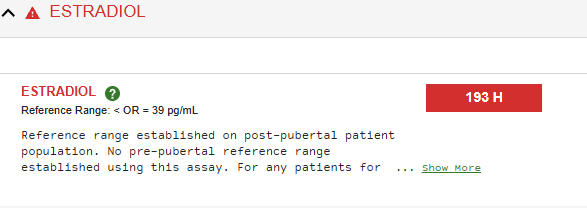
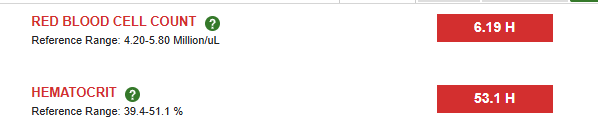
| marker | result | lab range | what stood out |
|---|---|---|---|
| RBC | 6.19 million/uL | 4.20–5.80 | elevated |
| hematocrit | 53.1% | 39.4–51.1 | elevated |
| estradiol | 193 pg/mL | ≤39 | extremely elevated |
estradiol
my e2 was 193 pg/mL here.and this is why i fucking hate the “youll know when your estrogen is high” thing.
i had basically none of the classic shit people talk about.
- no gyno
- no nipple sensitivity
- no libido issues
- no ED
- no mood problems
- no emotional instability
- only obvious symptom was water retention
193 is massively elevated relative to this labs reference range, but i still felt basically fine. that doesnt mean the number should be ignored. it means feeling fine doesnt prove your bloodwork is fine.
also worth confirming estradiol with an appropriate assay, especially in men, because assay methodology matters. but a value this far above range is still something id take seriously rather than hand-wave. this is with a LC/MS-MS test, so its highly accurate.
what i would look at with elevated e2
before randomly hammering an AI:- testosterone exposure
- injection frequency
- body fat
- timing of blood draw
- actual symptoms
- blood pressure
- edema / water retention
- repeat estradiol if the result doesnt make sense clinically
RBC + hematocrit
this is the one i would take seriously even if i felt completely normal.RBC was 6.19 and hematocrit was 53.1%.
testosterone / other androgens can increase erythropoiesis, meaning more red blood cell production. hematocrit is basically telling you what percentage of your blood volume is made up of red cells.
higher isnt automatically better.
stuff that can push hematocrit up
- androgen exposure
- dehydration
- sleep apnea / hypoxia
- smoking / nicotine exposure
- altitude
- lung disease
- certain kidney-related issues
- individual genetics
interventions
| intervention | why |
|---|---|
| repeat CBC when normally hydrated | dehydration can artificially concentrate the blood |
| check BP | hypertension + elevated HCT is not a combo i want to ignore |
| review androgen dose | less androgen exposure can reduce the stimulus for RBC production |
| look for sleep apnea | extremely common contributor, especially in bigger bodybuilders |
| consider altitude | living / training at elevation can increase RBC production |
| stop smoking / nicotine if applicable | chronic hypoxia can contribute |
| clinician evaluation if persistent | rule out secondary causes instead of assuming its just testosterone |
| recheck trend | one number matters less than whether 49 → 51 → 53 → 55 keeps climbing |
hematocrit threshold i care about
54% is a commonly used clinical intervention threshold in testosterone guidelines.the Endocrine Society specifically recommends stopping testosterone therapy when hematocrit exceeds 54%, evaluating for hypoxia and sleep apnea, and restarting at a reduced dose once it returns to a safer level. Endocrine Society
obviously enhanced bodybuilding doses are not the same thing as medically prescribed TRT, but the number is still useful context.
so at 53.1%, i would not write:
id write:“eh its barely high who cares”
“this is close enough to the usual 54% intervention threshold that i want to figure out why its elevated and stop it from continuing to climb.”
what i would NOT do
i wouldnt automatically turn routine blood donation / phlebotomy into the entire management strategy.people do that a lot in bodybuilding:
hematocrit high → donate blood → problem solved
not necessarily.
repeated phlebotomy can eventually tank ferritin / iron stores, and then youve created another problem without fixing whatever is driving the erythrocytosis.
if therapeutic phlebotomy is actually indicated, thats something id want based on the full CBC, ferritin/iron status, symptoms, trend, androgen exposure and clinician input rather than “53% = drain blood.”
main point from these labs
this is probably the biggest thing id want the reader to take away:dont manage gear entirely based on how you feel.
i had an estradiol of 193 and basically felt normal besides being watery.
i had a hematocrit of 53.1% and there isnt necessarily some magical symptom that tells you your hematocrit is climbing.
thats why i keep hammering:
- baseline bloodwork
- repeat bloodwork
- BP monitoring
- compare to your own baseline
- look at trends, not just red flags on quest
- dont wait until you physically feel like shit
53.1% is elevated and close to the commonly used 54% intervention threshold. if this were my current lab, id repeat it well hydrated, check BP, review androgen exposure, and specifically think about sleep apnea / hypoxia rather than just donating blood and forgetting about it. Endocrine Society
i donated blood for this cycle and it reduced my hematocrit, and i increased my AI intake for this cycle too. next cycle, i ran a lower dose of test and included more ancillaries and other shit. i dont care to get into it. pm me if ur interested.


