

IDEAL EYE AREA RATIOS & ASSESSMENTS
TABLE OF CONTENTS
1. Facial Harmony
2. Features/Misc
3. Sexual dimorphism
TABLE OF CONTENTS
1. Facial Harmony
2. Features/Misc
3. Sexual dimorphism
How to measure:

Divide the length/width of the eye by the height.
Ideal:
The ideal eye aspect ratio is 2.9-3.5.
How this affects the face:
An overly low eye aspect ratio can make the eyes look startled.
An overly high eye aspect ratio can make the eyes look mad or stressed.
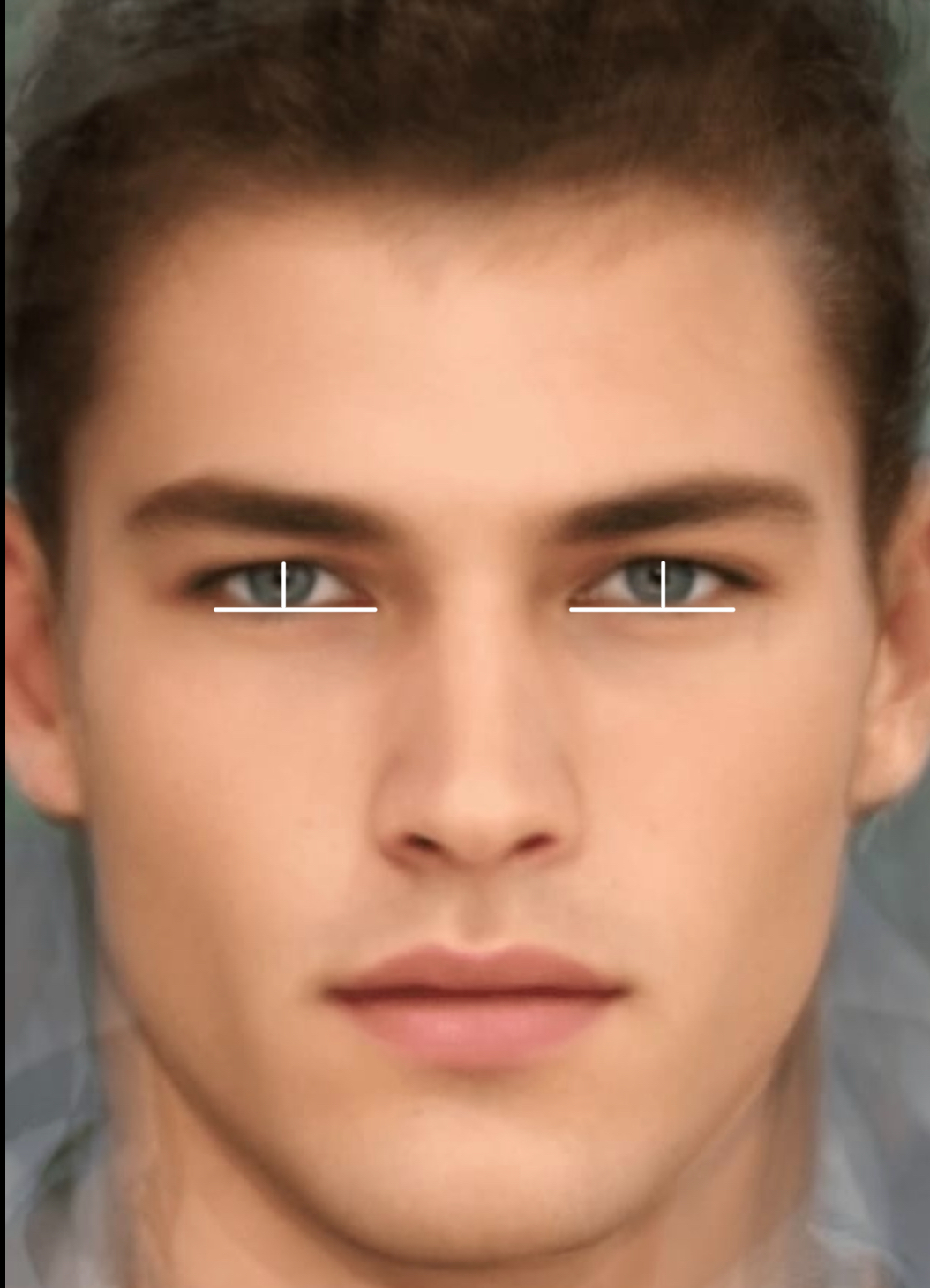
Divide the length/width of the eye by the height.
Ideal:
The ideal eye aspect ratio is 2.9-3.5.
How this affects the face:
An overly low eye aspect ratio can make the eyes look startled.
An overly high eye aspect ratio can make the eyes look mad or stressed.
How to measure:

Measure the angle from the medial canthus to the lateral canthus.
Ideal:
The ideal canthal tilt is 5.5-8.5 degrees.
How this affects the face:
An insufficient or negative canthal tilt can make the eyes look tired and less alert.
An overly positive canthal tilt can make the eyes look comical.
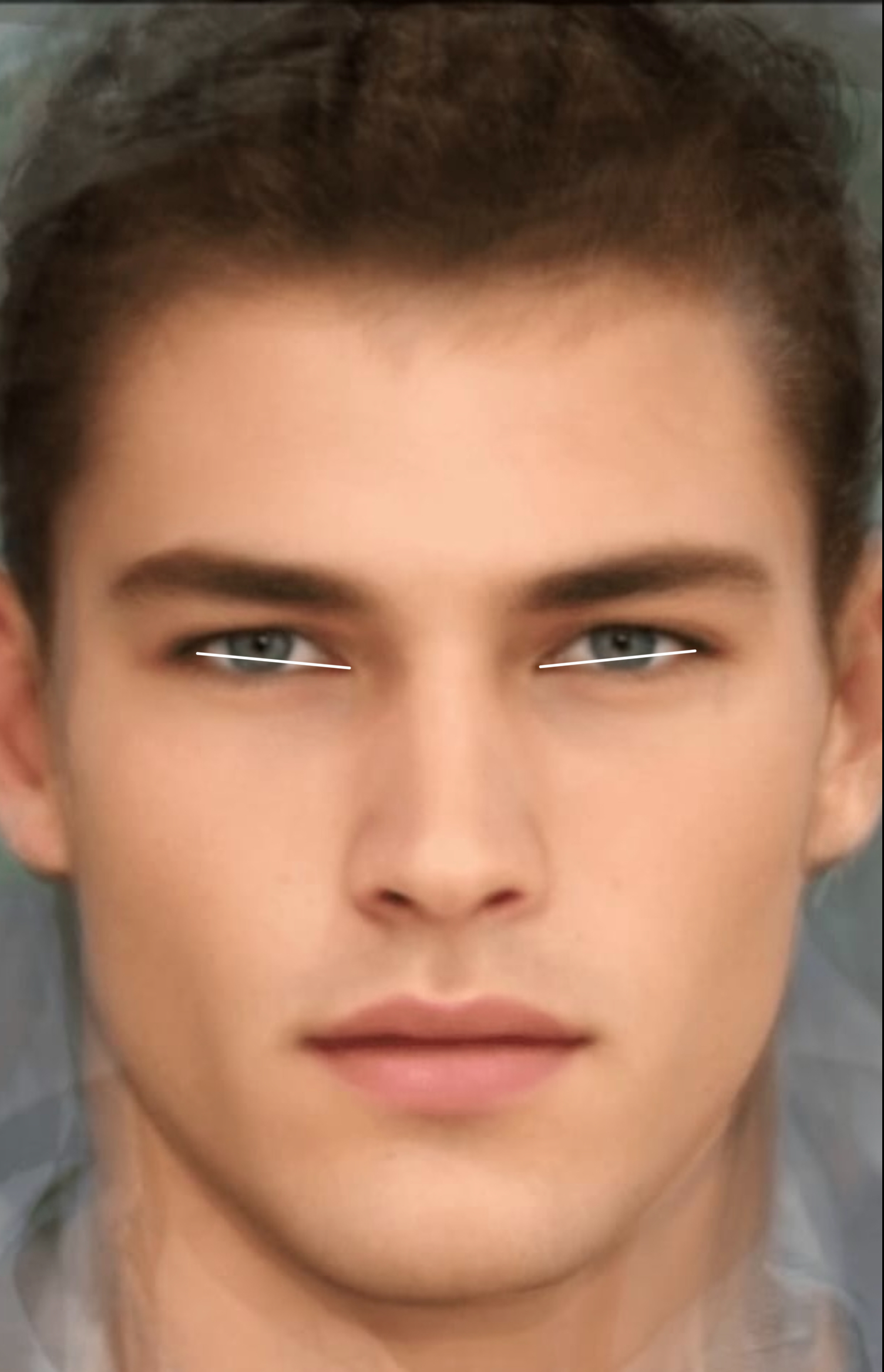
Measure the angle from the medial canthus to the lateral canthus.
Ideal:
The ideal canthal tilt is 5.5-8.5 degrees.
How this affects the face:
An insufficient or negative canthal tilt can make the eyes look tired and less alert.
An overly positive canthal tilt can make the eyes look comical.
How to measure:

Divide the distance between the medial canthi by the average width of your eye.
Ideal:
The ideal intercanthal distance is 1.03-0.92.
How this affects the face:
An overly low intercanthal distance makes the eyes look overly prominent.
An overly high intercanthal distance makes the eyes look less prominent.
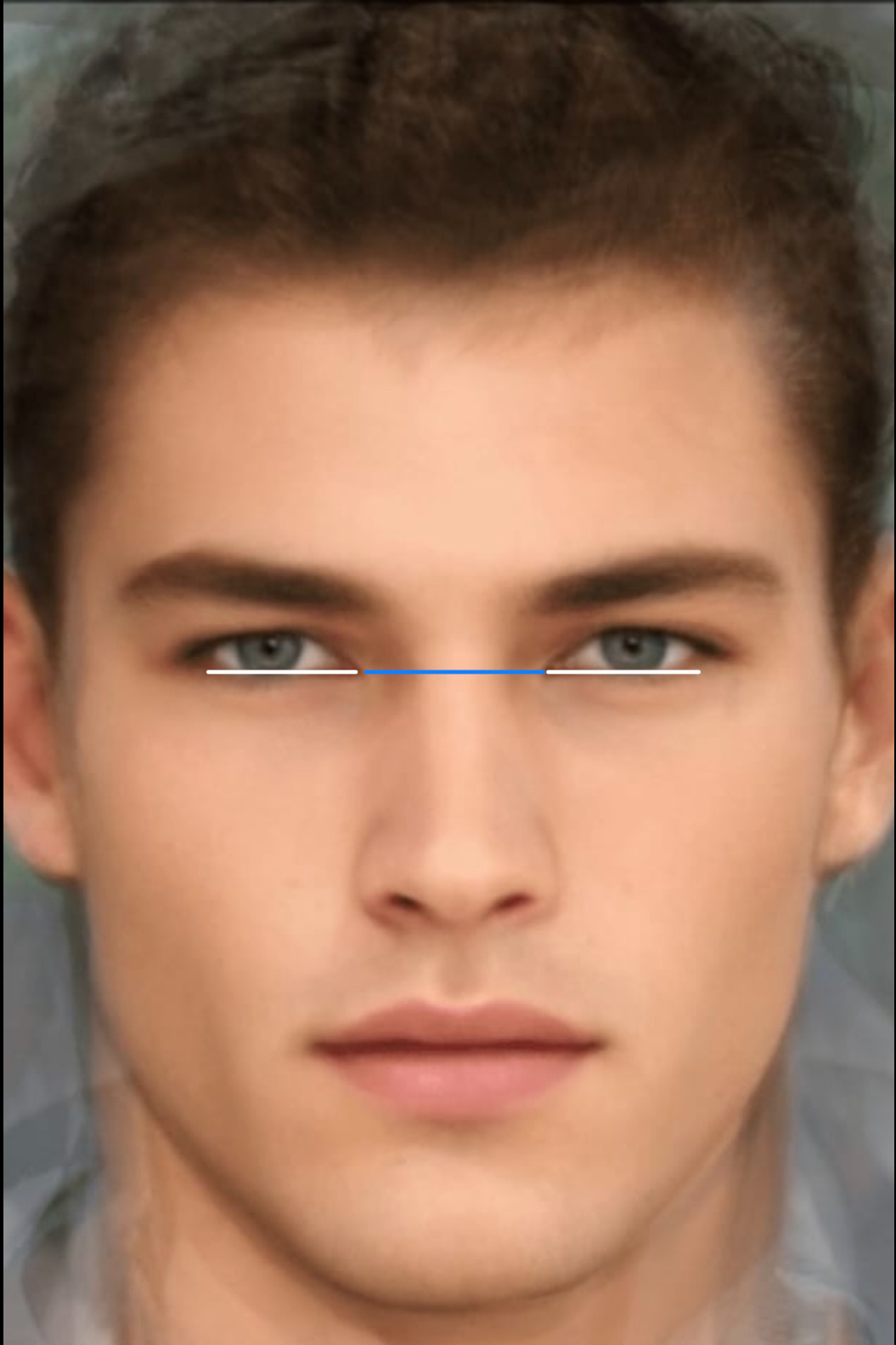
Divide the distance between the medial canthi by the average width of your eye.
Ideal:
The ideal intercanthal distance is 1.03-0.92.
How this affects the face:
An overly low intercanthal distance makes the eyes look overly prominent.
An overly high intercanthal distance makes the eyes look less prominent.
How to measure:

Divide the interpupilary distance by the bizygomatic width.
Ideal:
The ideal eye separation ratio is 47.25-45%.
How this affects the face:
A low eye separation ratio makes the eyes appear overly close set.
A high eye separation ratio makes the eyes look overly wide set.
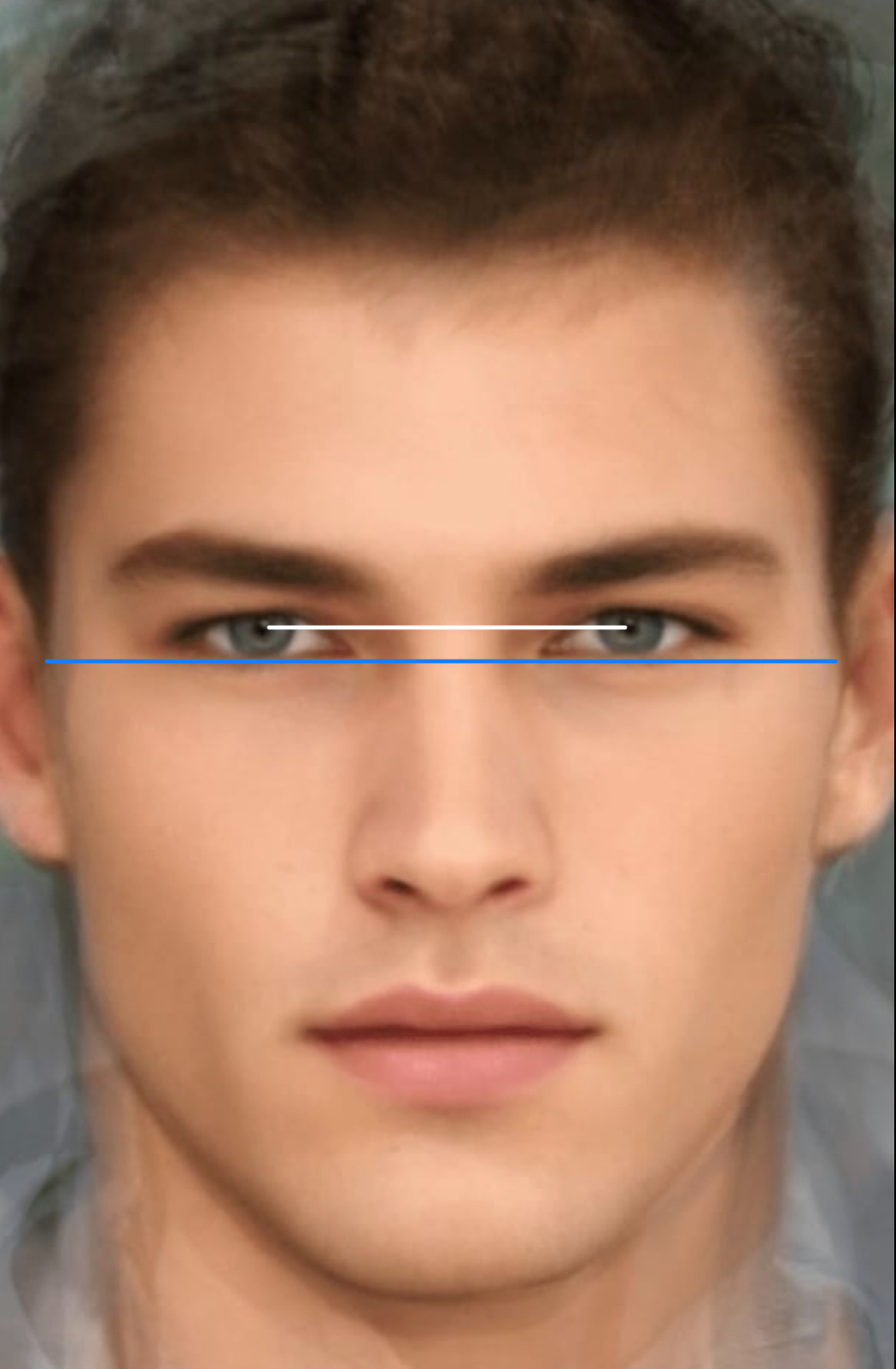
Divide the interpupilary distance by the bizygomatic width.
Ideal:
The ideal eye separation ratio is 47.25-45%.
How this affects the face:
A low eye separation ratio makes the eyes appear overly close set.
A high eye separation ratio makes the eyes look overly wide set.
How to measure:

divide the distance from the lowest point of the eyebrow to the pupil by the height of the eye
Ideal:
The ideal eyebrow setedness is 0.5-0.
How this affects the face:
Overly high set eyebrows make the eyes look less striking and supported.
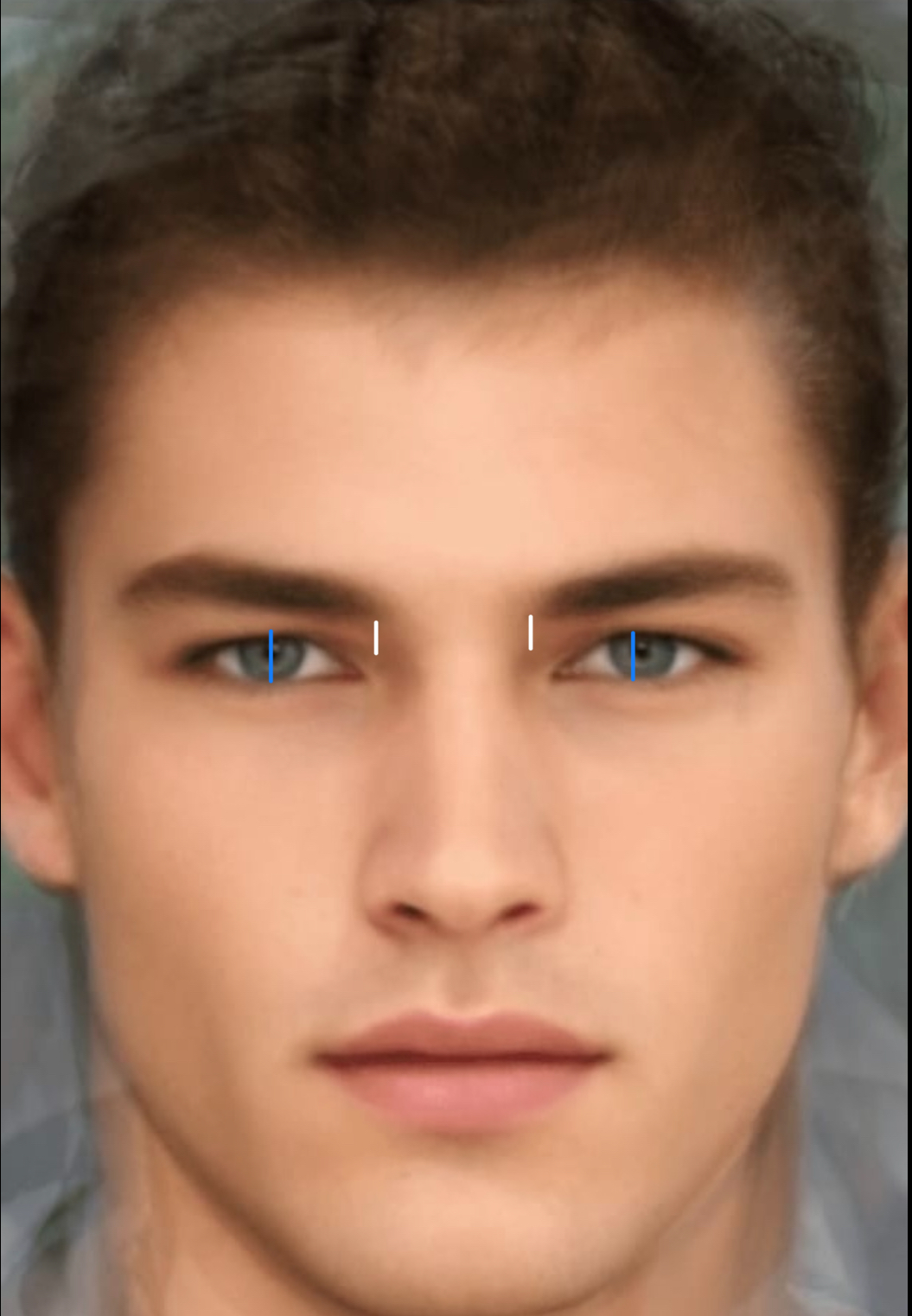
divide the distance from the lowest point of the eyebrow to the pupil by the height of the eye
Ideal:
The ideal eyebrow setedness is 0.5-0.
How this affects the face:
Overly high set eyebrows make the eyes look less striking and supported.
How to measure:

Measure the angle from the inner corner of the eyebrow to the peak.
Ideal:
The ideal eyebrow tilt is 6-11 degrees.
How this affects the face:
A negative or insufficient eyebrow tilt can make your eyes look less alert and expressive.
overly positively titled eyebrows can make the eyes look angry.
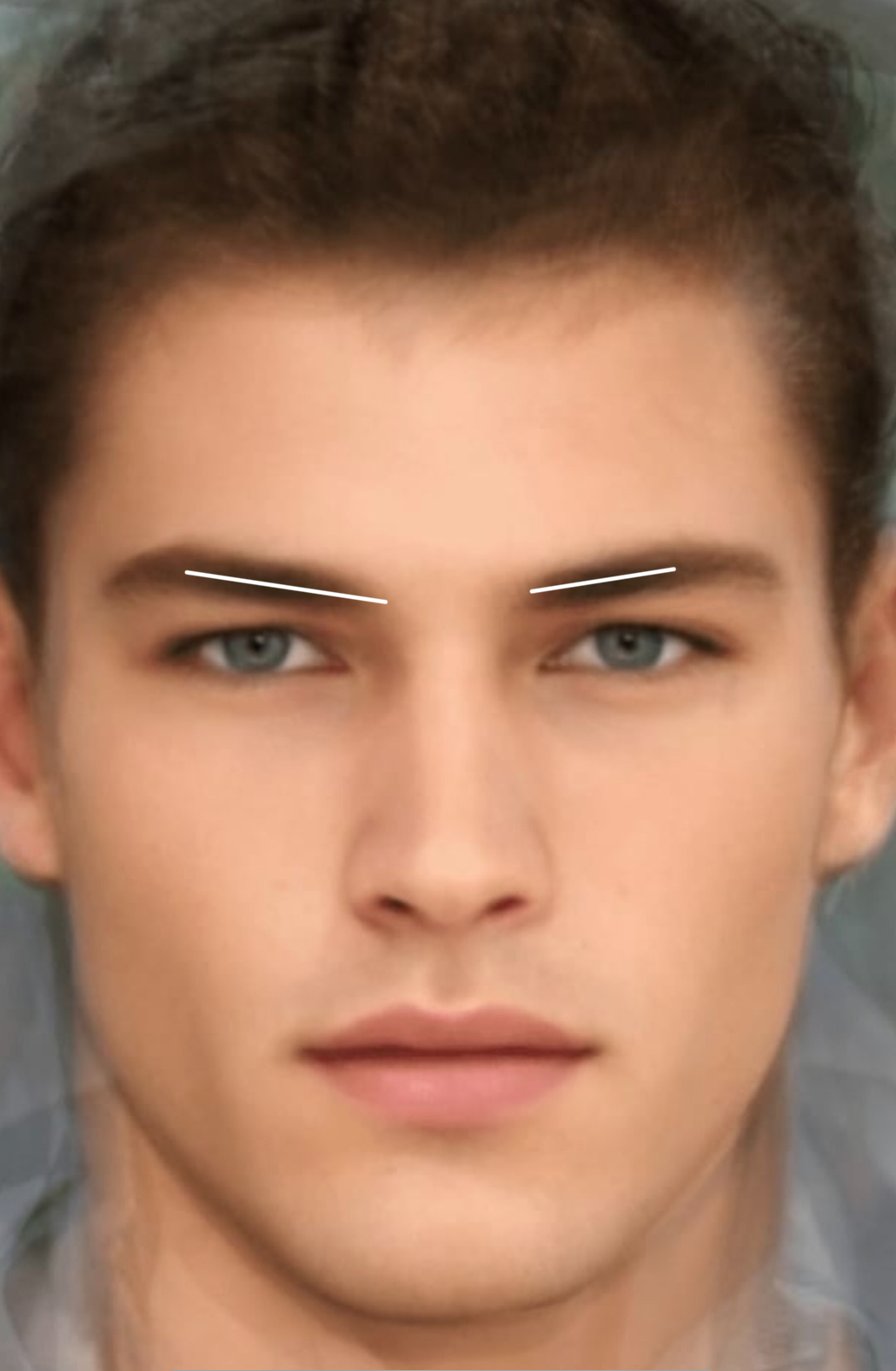
Measure the angle from the inner corner of the eyebrow to the peak.
Ideal:
The ideal eyebrow tilt is 6-11 degrees.
How this affects the face:
A negative or insufficient eyebrow tilt can make your eyes look less alert and expressive.
overly positively titled eyebrows can make the eyes look angry.
How to measure:

Divide the distance that BOTH eyebrows cover laterally by the bizygomatic width.
Ideal:
The ideal eyebrow width is 0.7-0.8.
How this affects the face:
An overly low eyebrow width makes the eyebrows look less prominent, reducing the support of the eyes.
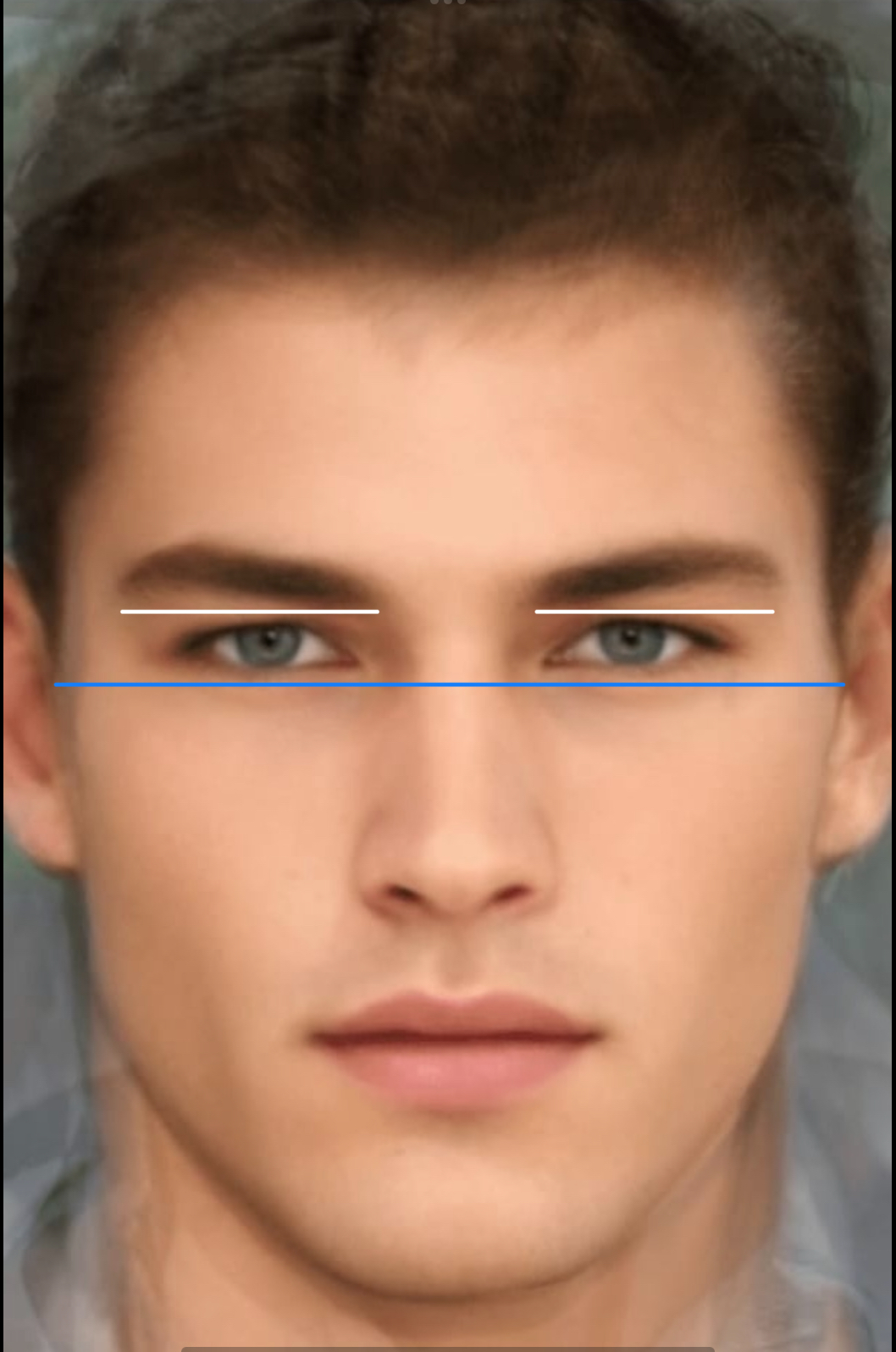
Divide the distance that BOTH eyebrows cover laterally by the bizygomatic width.
Ideal:
The ideal eyebrow width is 0.7-0.8.
How this affects the face:
An overly low eyebrow width makes the eyebrows look less prominent, reducing the support of the eyes.
2. Features/Misc
How to assess:

Find if the eyebrows have any sparse or bald areas.
Ideal:
The ideal eyebrow fullness is void of sparsity or bald areas.
How this affects the face:
Sparse eyebrows make the eye area look aged and less vibrant.
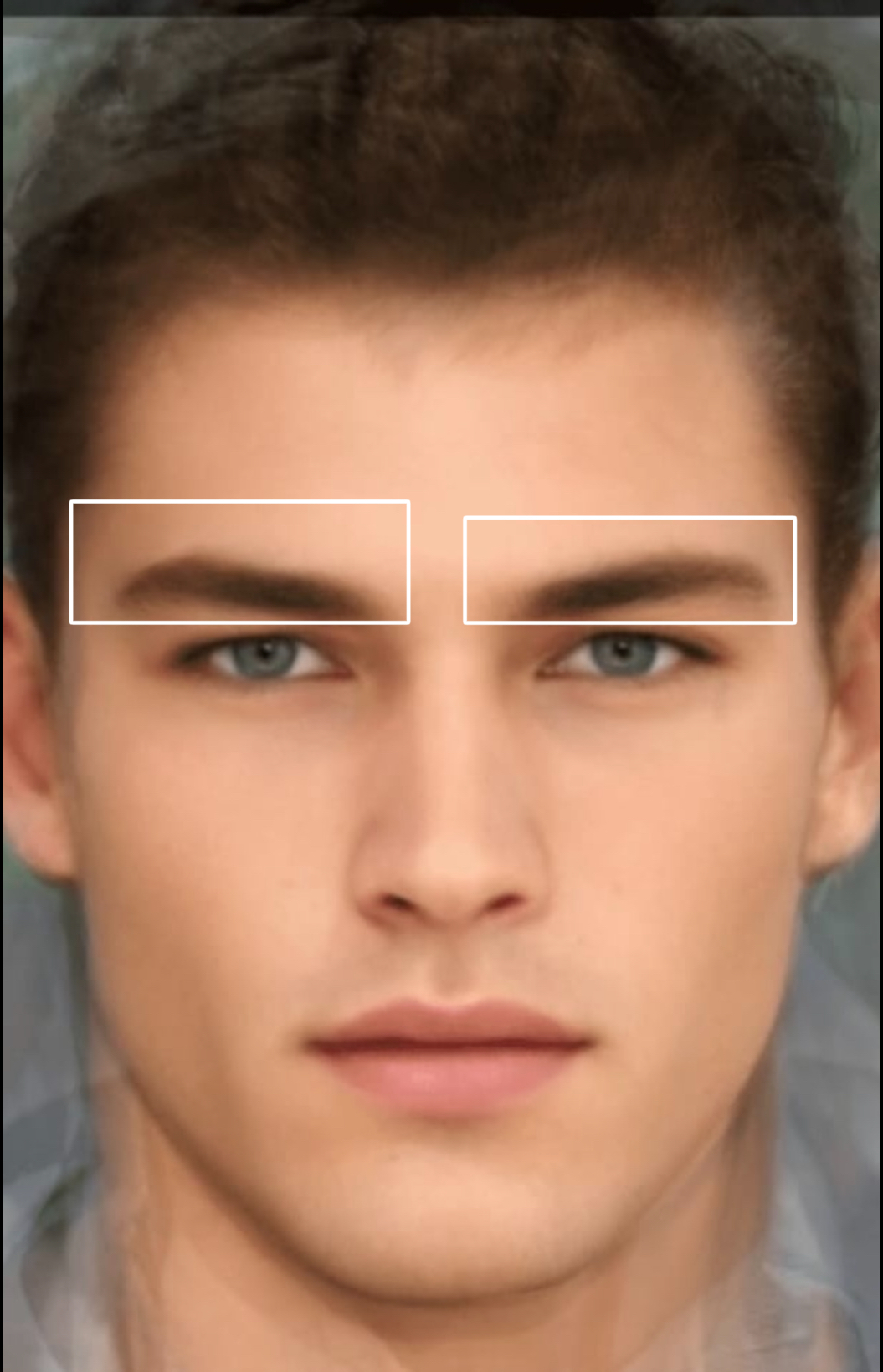
Find if the eyebrows have any sparse or bald areas.
Ideal:
The ideal eyebrow fullness is void of sparsity or bald areas.
How this affects the face:
Sparse eyebrows make the eye area look aged and less vibrant.
How to assess:
Find the color of the eyebrows and find any spots that are lighter.
Ideal:
The ideal eyebrow color is dark brown or black.
How this affects the face:
A light eyebrow color reduces contrast and strikingness. In severe cases, it can give the illusion of having no eyebrows.
Find the color of the eyebrows and find any spots that are lighter.
Ideal:
The ideal eyebrow color is dark brown or black.
How this affects the face:
A light eyebrow color reduces contrast and strikingness. In severe cases, it can give the illusion of having no eyebrows.
How to assess:

Find the color, density, and length of the eyelashes.
Ideal:
The ideal eyelashes are long, dark, and dense
How this affects the face:
Less prominent eyelashes reduces the contrast and allure of the eyes.
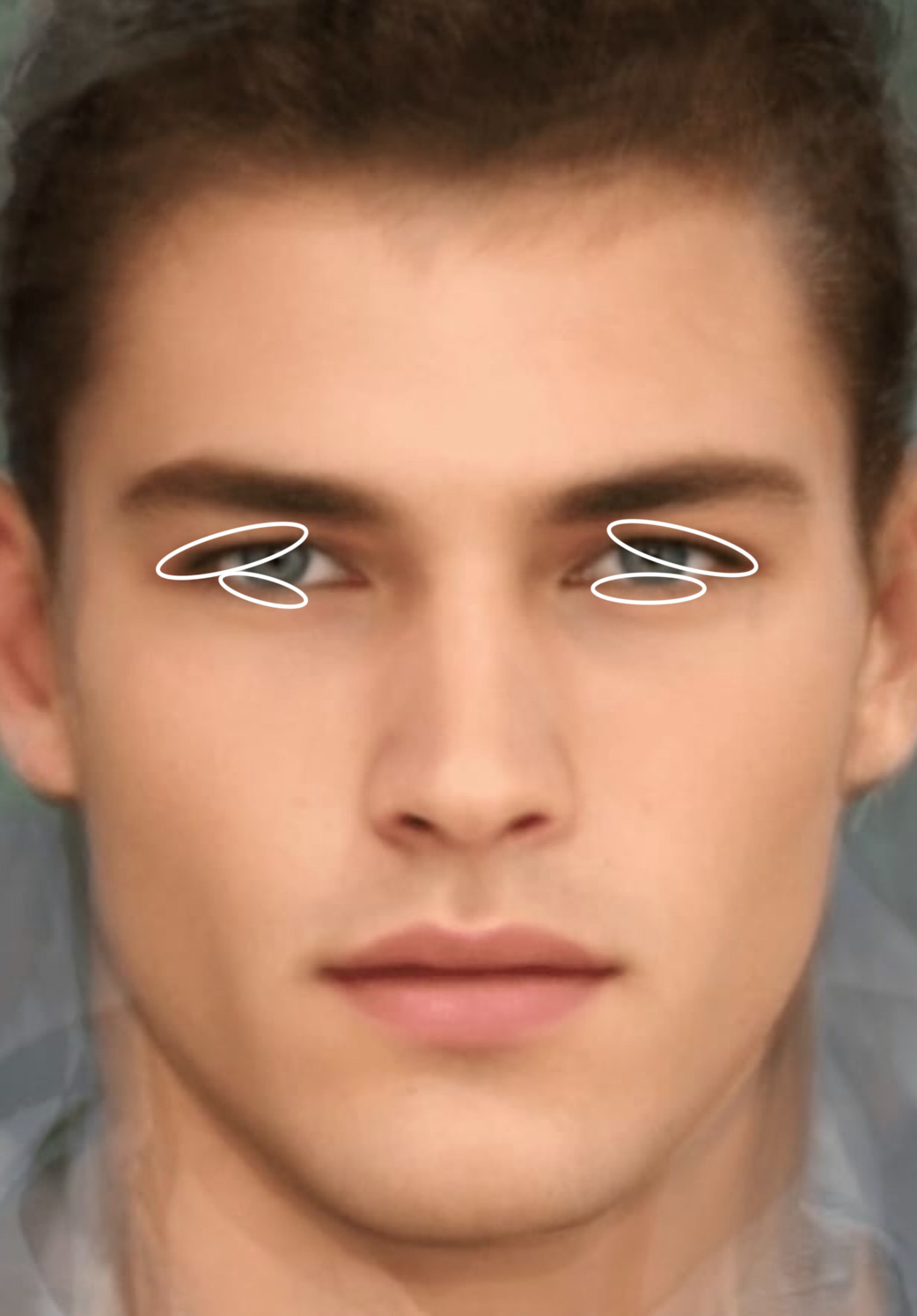
Find the color, density, and length of the eyelashes.
Ideal:
The ideal eyelashes are long, dark, and dense
How this affects the face:
Less prominent eyelashes reduces the contrast and allure of the eyes.
How to assess:

Find how much of the upper eyelid is visible relative to the eye.
Ideal:
The ideal amount of upper eyelid exposure is little to none.
How this affects the face:
An overly high amount of upper eyelid exposure makes the eyes look tired, aged, and gives the illusion of bulging eyes in severe cases.
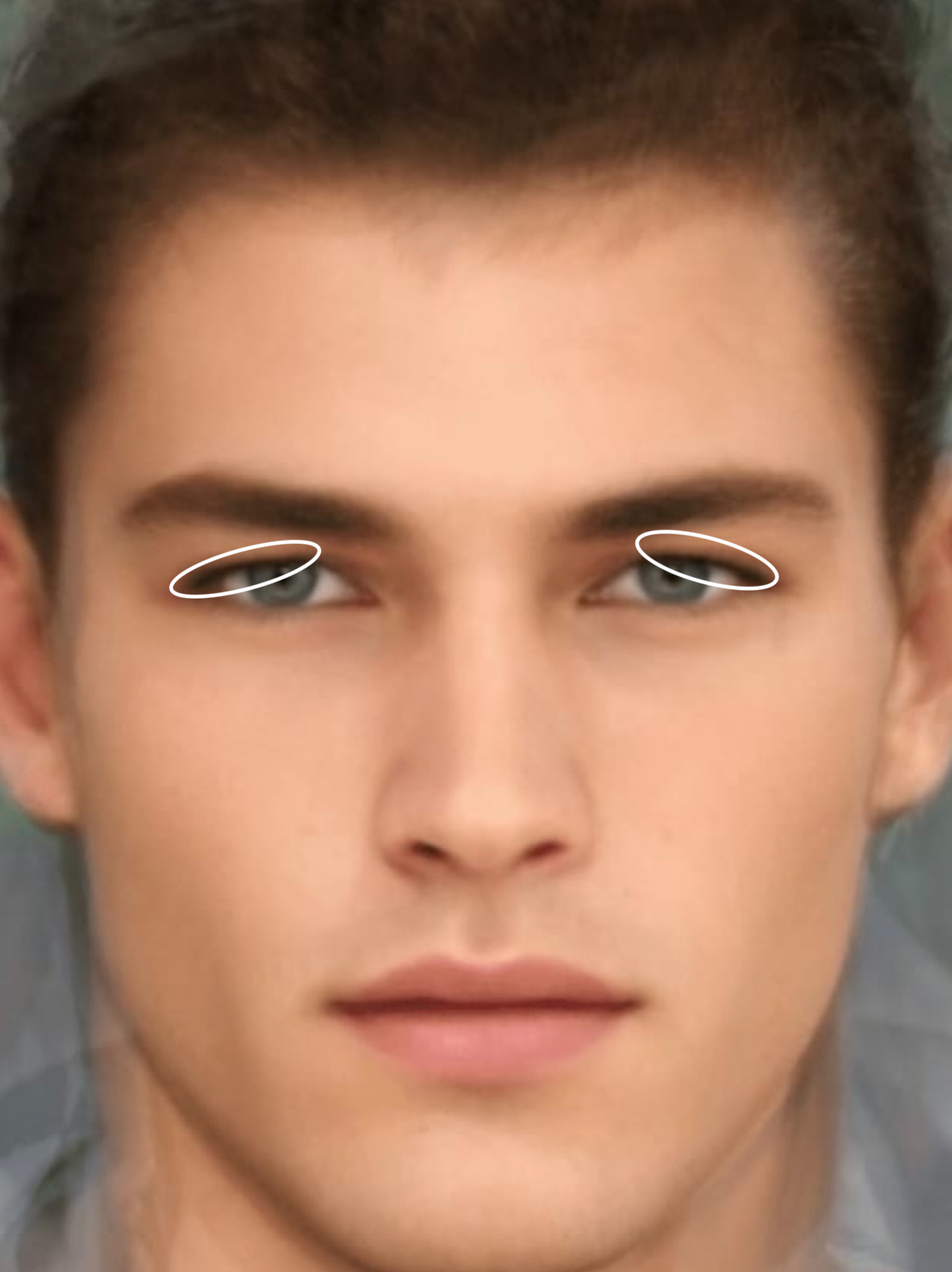
Find how much of the upper eyelid is visible relative to the eye.
Ideal:
The ideal amount of upper eyelid exposure is little to none.
How this affects the face:
An overly high amount of upper eyelid exposure makes the eyes look tired, aged, and gives the illusion of bulging eyes in severe cases.
How to assess:

Find if there is visible sclera above and under the irises.
Ideal:
The ideal amount of scleral show is none.
How this affects the face:
Scleral show makes your eyes look tired and uncanny.
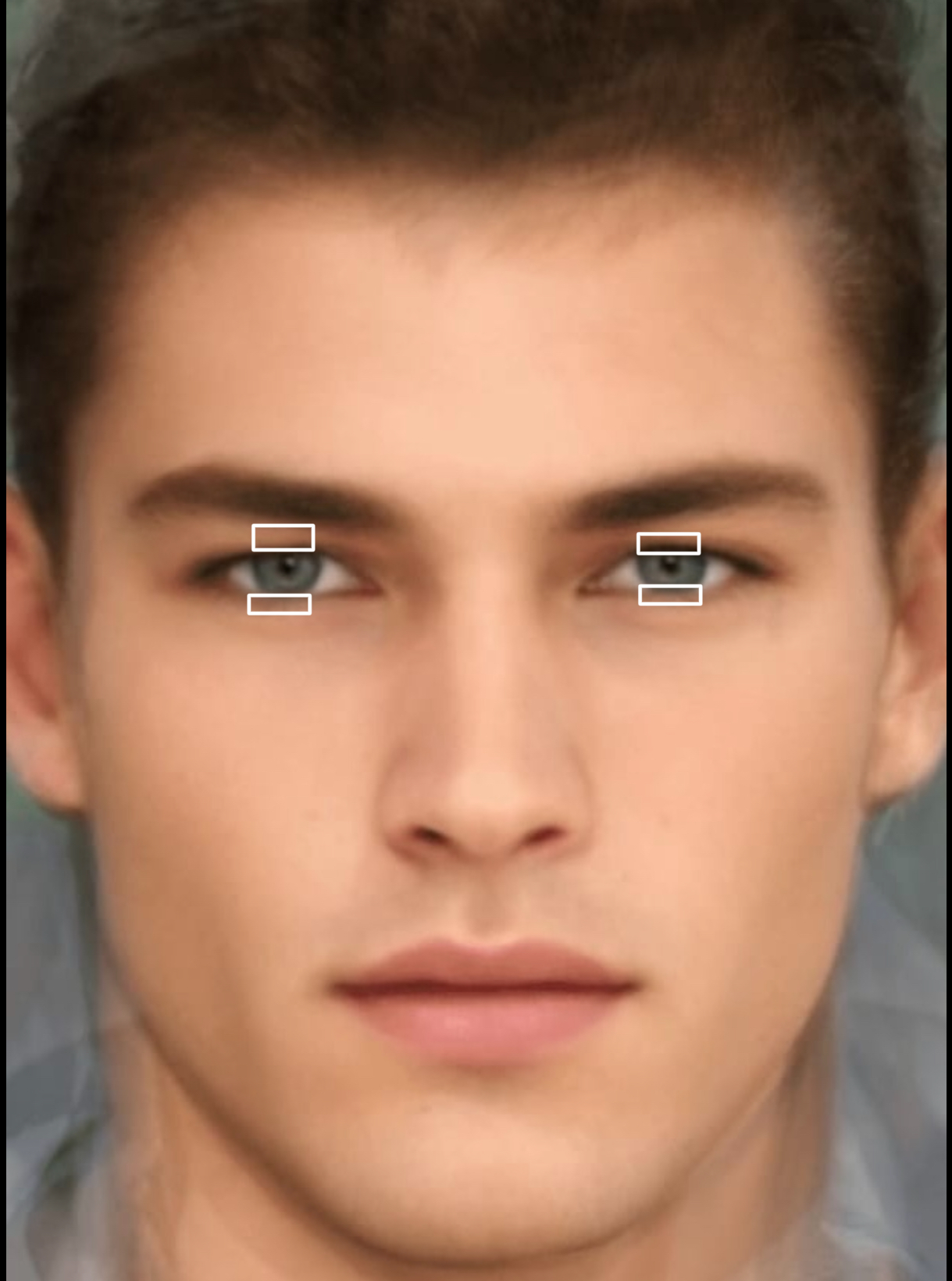
Find if there is visible sclera above and under the irises.
Ideal:
The ideal amount of scleral show is none.
How this affects the face:
Scleral show makes your eyes look tired and uncanny.
How to assess:

Find the color of the sclera.
Ideal:
The ideal sclera color is white.
How this affects the face:
A dark, red, or yellow sclera gives an aged and unhealthy look.
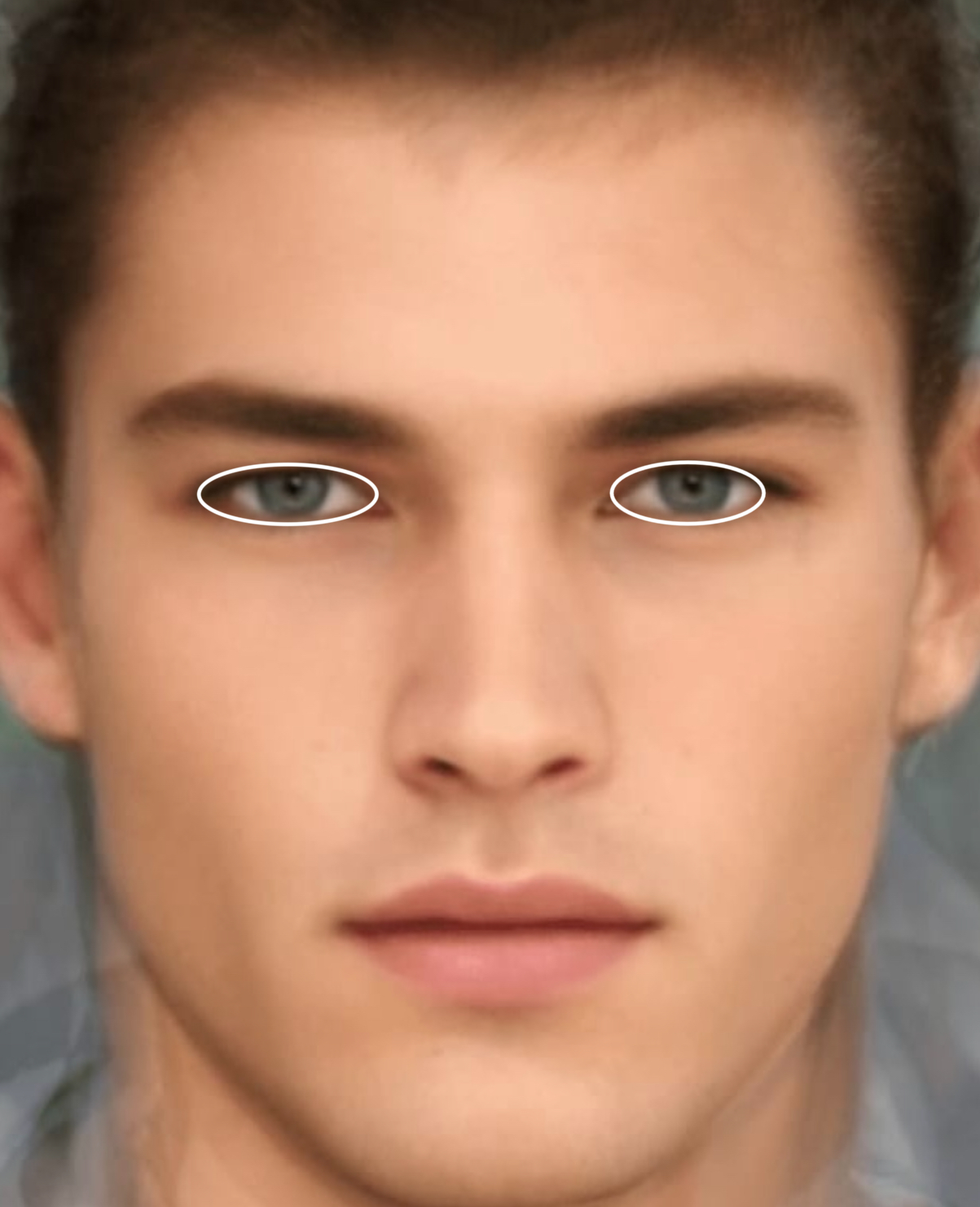
Find the color of the sclera.
Ideal:
The ideal sclera color is white.
How this affects the face:
A dark, red, or yellow sclera gives an aged and unhealthy look.
How to assess:

Find how low set the medial canthus is (relative to lower eyelid), how sharp it is, and how large it is.
Ideal:
The ideal medial canthus assesments are downturned, sharp, and large.
How this affects the face:
A less prominent medial canthus reduced the strikingness of the eye area.
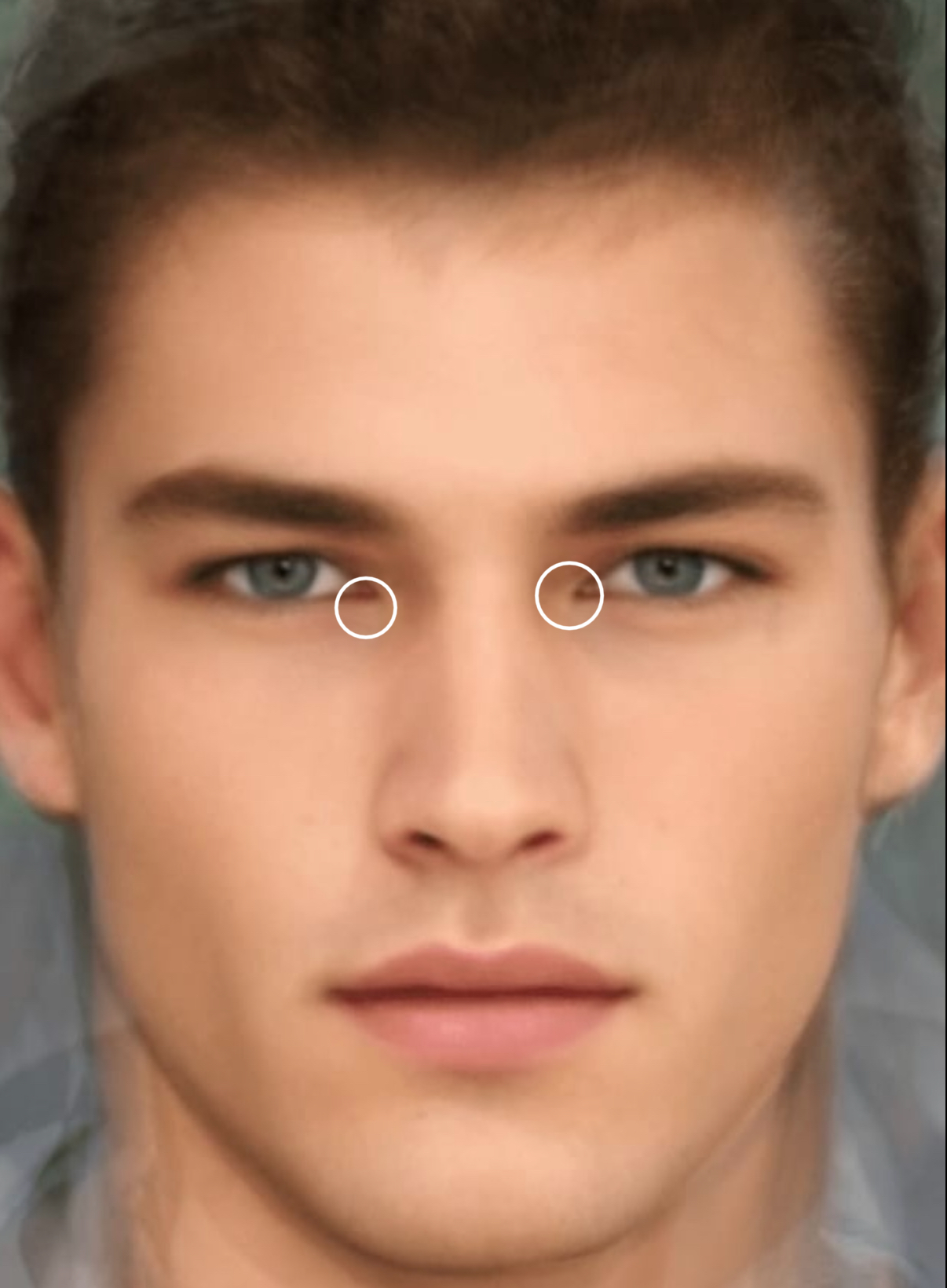
Find how low set the medial canthus is (relative to lower eyelid), how sharp it is, and how large it is.
Ideal:
The ideal medial canthus assesments are downturned, sharp, and large.
How this affects the face:
A less prominent medial canthus reduced the strikingness of the eye area.
How to assess:

Find if the periorbital region, especially the undereyes, have any darkness.
Ideal:
The ideal periorbital darkening and dark eye circles assessments are having none.
How this affects the face:
Darkening around the eyes can make them look droopier, tired, and reduce contrast.
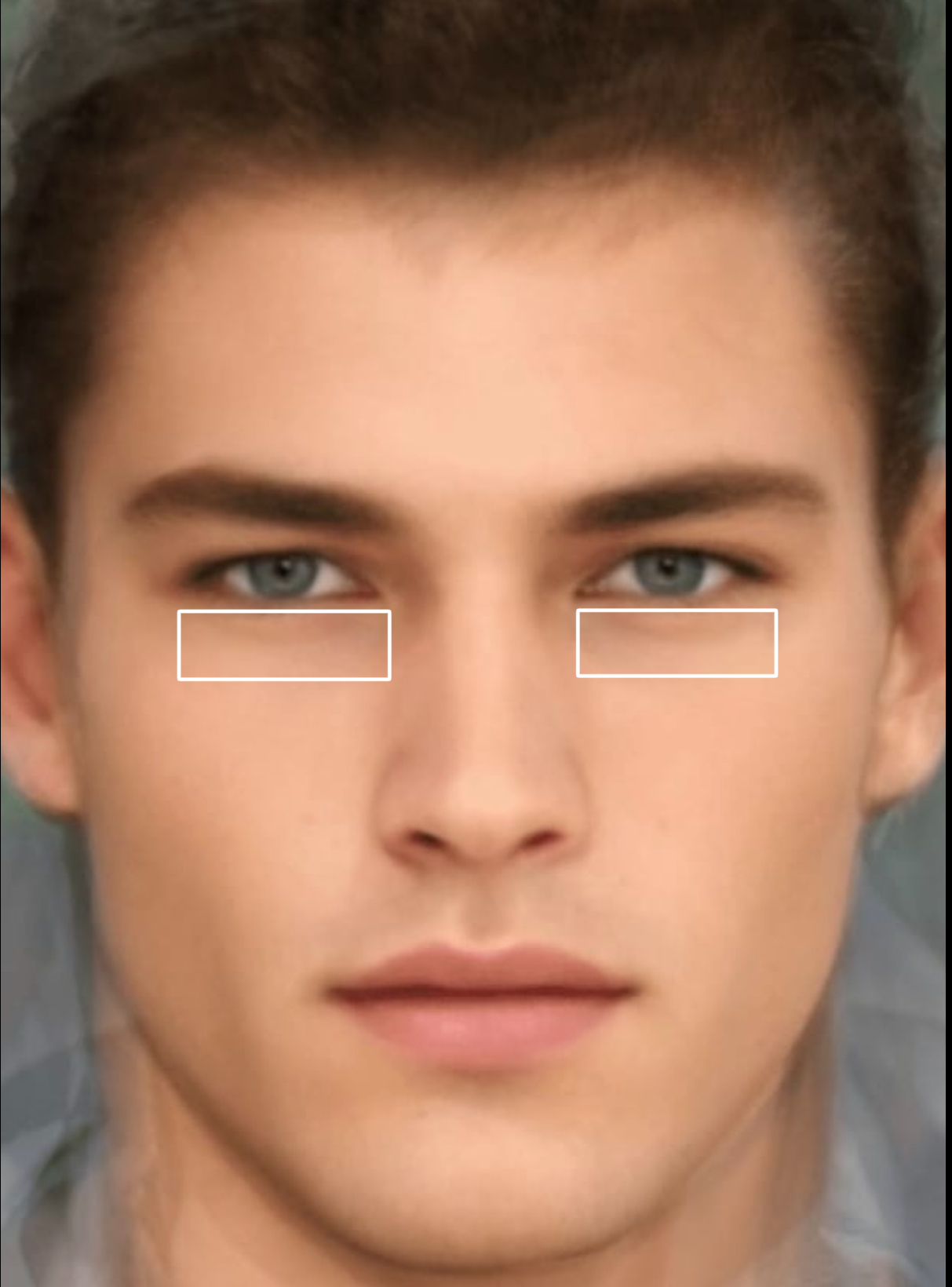
Find if the periorbital region, especially the undereyes, have any darkness.
Ideal:
The ideal periorbital darkening and dark eye circles assessments are having none.
How this affects the face:
Darkening around the eyes can make them look droopier, tired, and reduce contrast.
How to assess:
Find if there are any lines or texture differences around the under eyes.
Ideal:
The ideal eye bags and wrinkle assessments are none.
How this affects the face:
Wrinkles or eye bags make the eyes look aged and less alert.
Find if there are any lines or texture differences around the under eyes.
Ideal:
The ideal eye bags and wrinkle assessments are none.
How this affects the face:
Wrinkles or eye bags make the eyes look aged and less alert.
How to assess:
Find the color of the iris and the limbial ring.
Ideal:
The ideal iris coloring is a light color with a dark and thick limbial ring.
How this affects the face:
A darker iris color and less prominent limbial ring make the eyes less striking and reduces contrast.
Find the color of the iris and the limbial ring.
Ideal:
The ideal iris coloring is a light color with a dark and thick limbial ring.
How this affects the face:
A darker iris color and less prominent limbial ring make the eyes less striking and reduces contrast.
3. Sexual dimorphism:
How to assess:

Find how straight the eyebrows are.
Ideal:
The ideal eyebrow contour is straight, lacking roundness or an arch.
How this affects the face:
A rounder eyebrow contour with a prominent arch makes the eye area more feminine and less fierce.
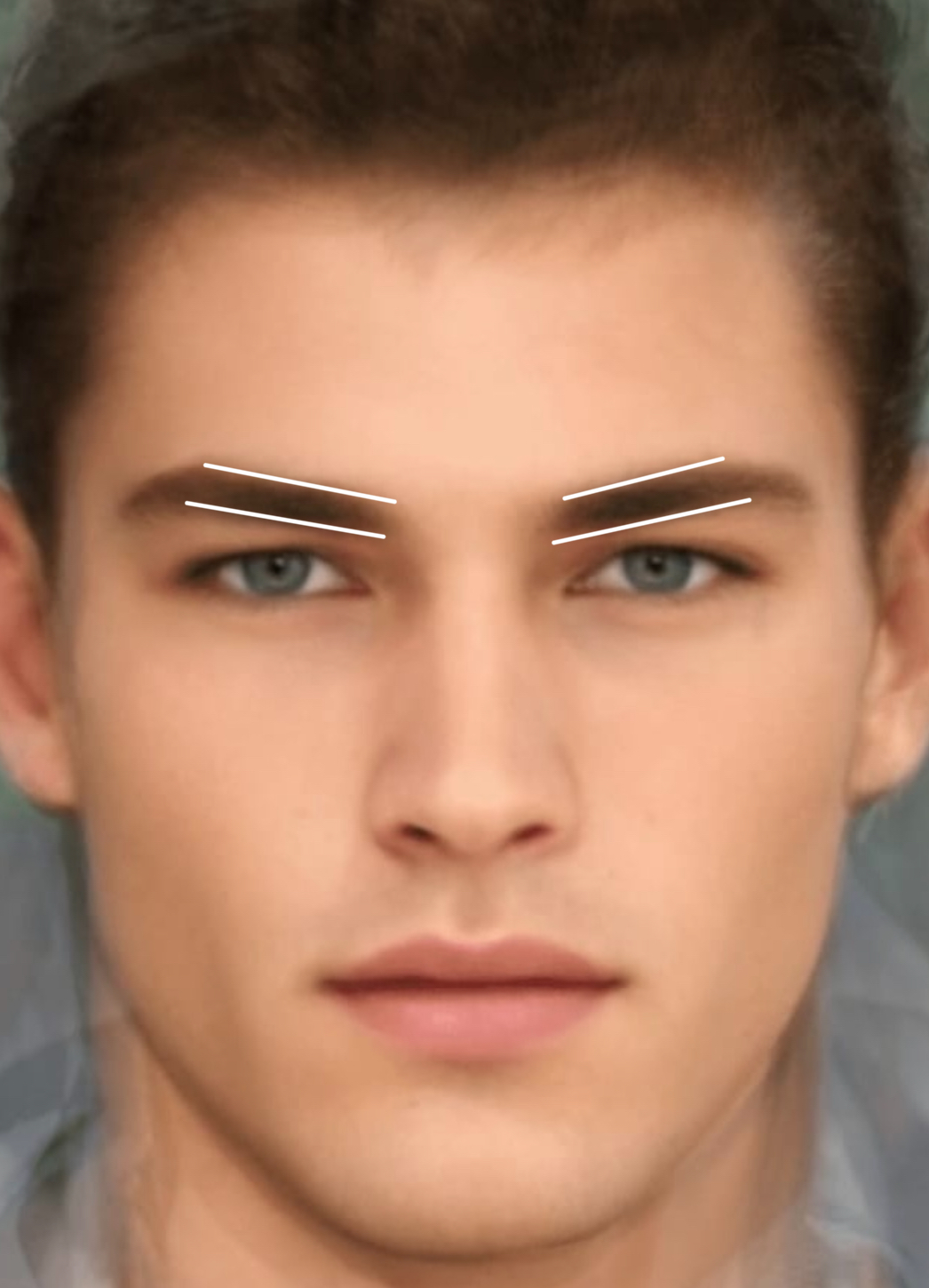
Find how straight the eyebrows are.
Ideal:
The ideal eyebrow contour is straight, lacking roundness or an arch.
How this affects the face:
A rounder eyebrow contour with a prominent arch makes the eye area more feminine and less fierce.
How to assess:

Determine how straight or round the eyelids are.
Ideal:
The ideal eyelid contour is straight.
How this affects the face:
Round eyelid contour makes the eyes less fierce and alert.
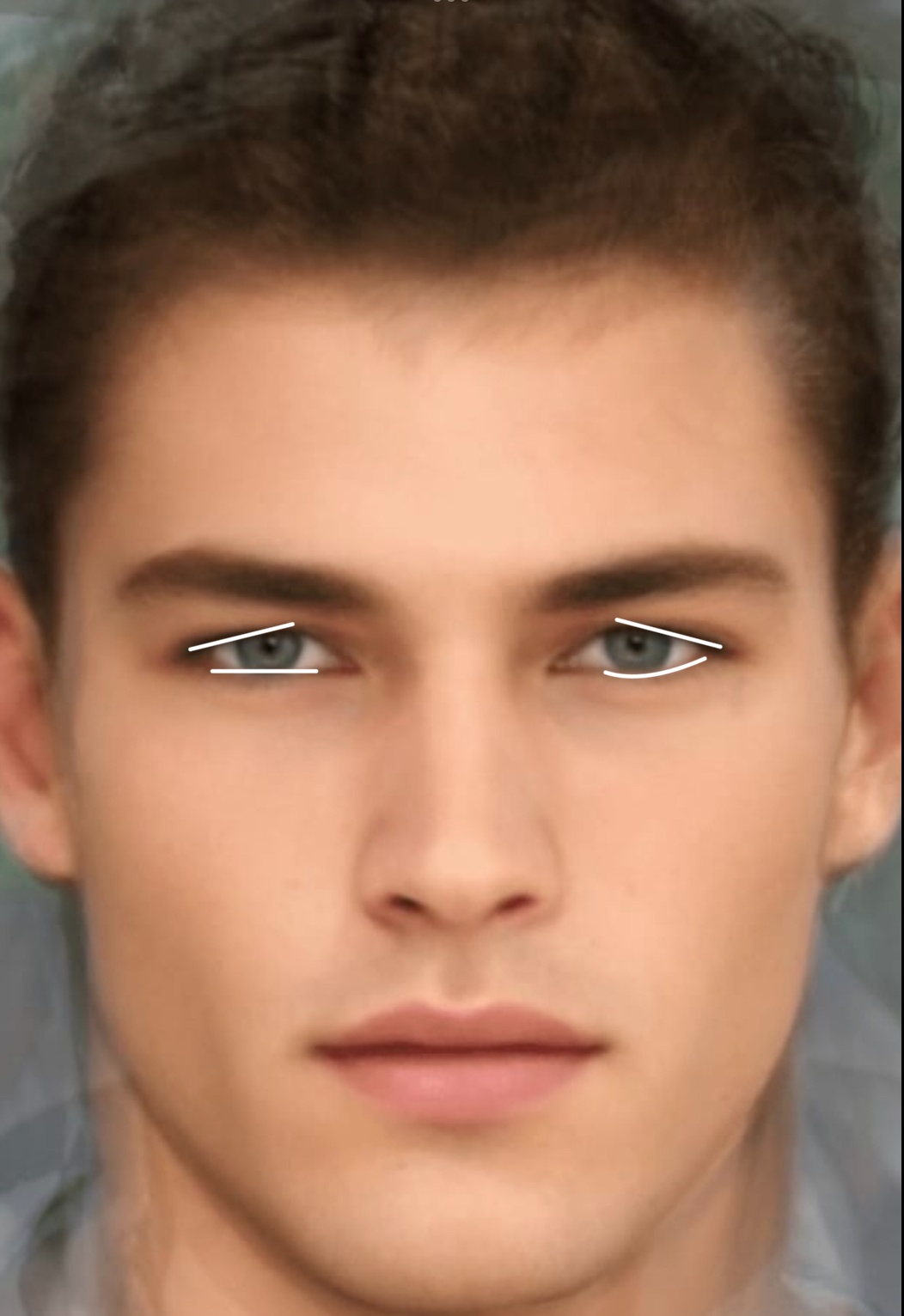
Determine how straight or round the eyelids are.
Ideal:
The ideal eyelid contour is straight.
How this affects the face:
Round eyelid contour makes the eyes less fierce and alert.
How to assess:

Find if the eyelids are positively, neutrally, or negatively titled.
Ideal:
The ideal hooding tilt is neutral or positive.
How this affects the face:
Negative hooding can make the eyes look sad or less fierce.
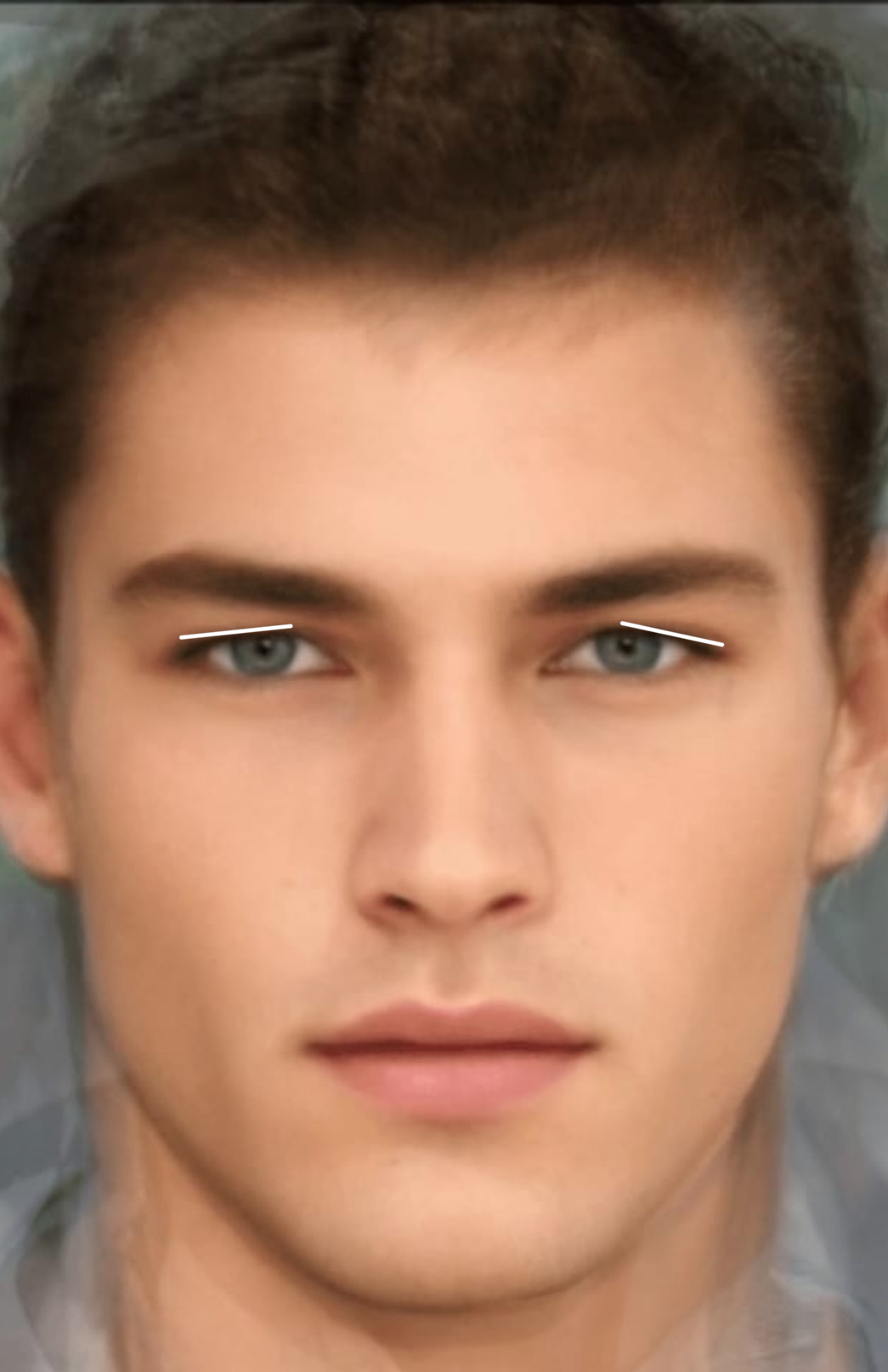
Find if the eyelids are positively, neutrally, or negatively titled.
Ideal:
The ideal hooding tilt is neutral or positive.
How this affects the face:
Negative hooding can make the eyes look sad or less fierce.


