IGF-1-LR3 is probably the biggest scam in the peptide industry right now.

D

Deleted member 157297

.
Joined
May 29, 2025
Posts
599
Reputation
1,537
Thread Song:


Introduction:
Have you ever wondered whether IGF-1 LR3 really deserves the hype it gets from influencers and peptide sellers? Many people claim it’s one of the best choices for muscle or height growth, but the truth is, IGF-1 LR3 is one of the biggest scams in the peptide industry. Let’s break down why this compound is borderline useless for your goals and where the myth of its “potency” really came from.


1760718457482
1760718467159


Background: What is IGF-1 LR3?

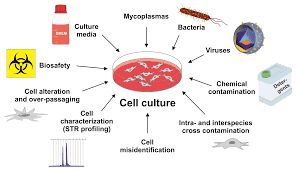
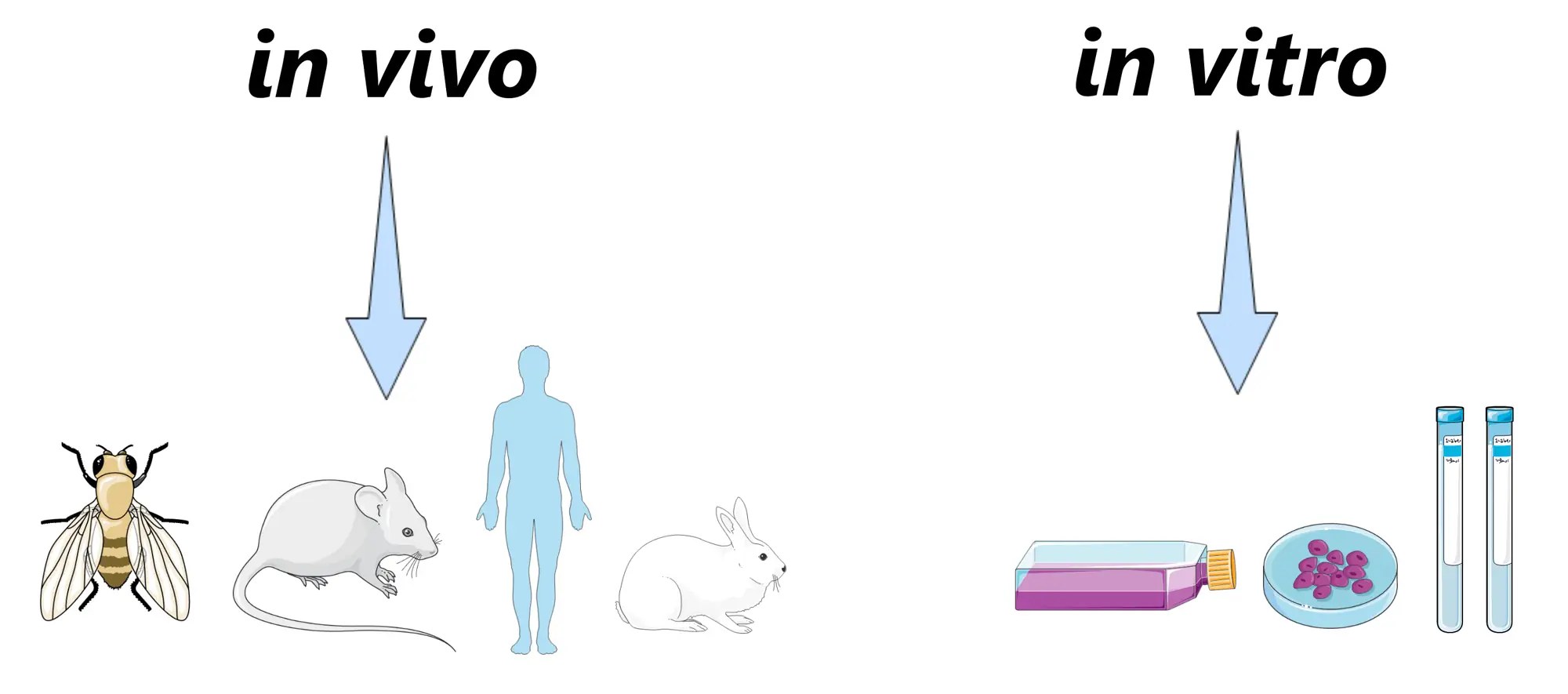
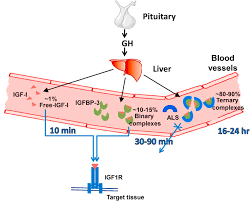
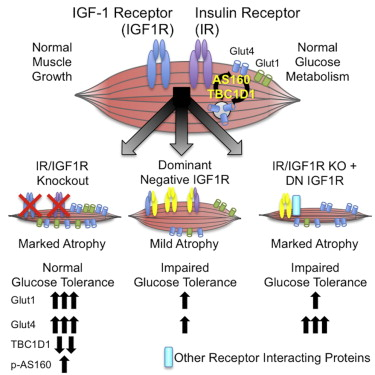
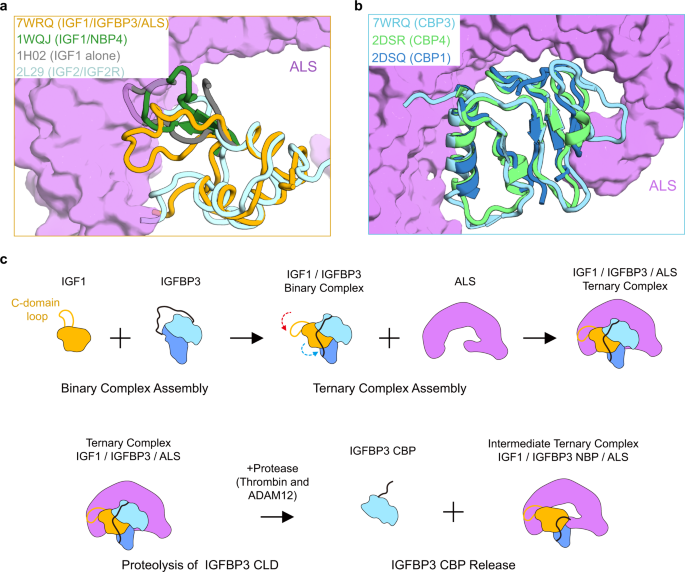
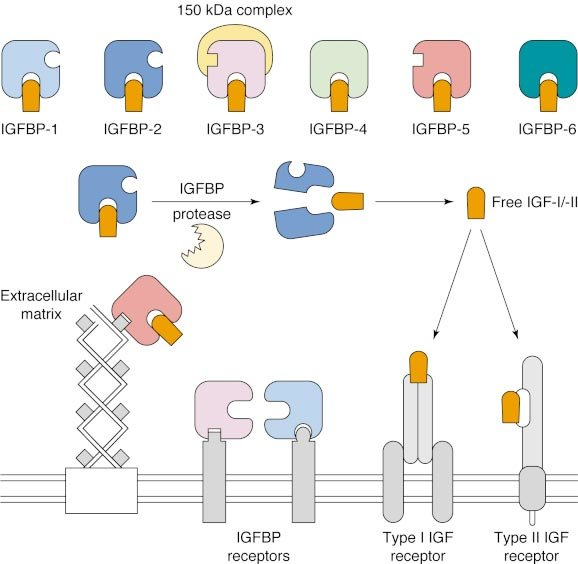
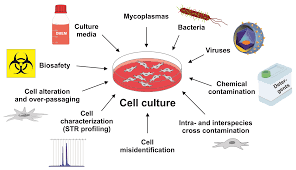
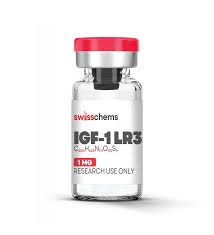
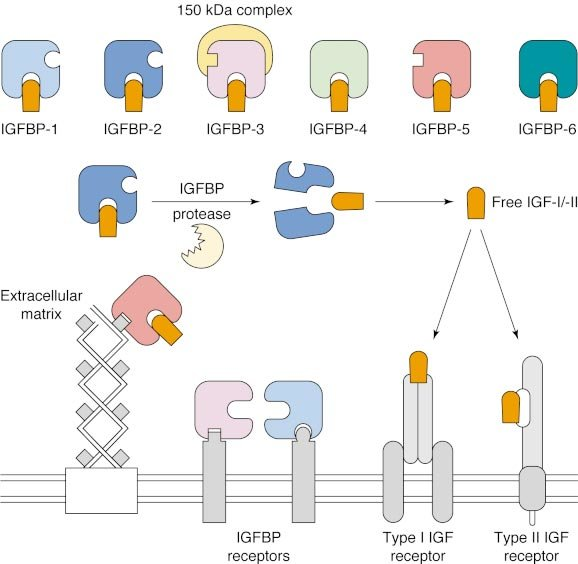
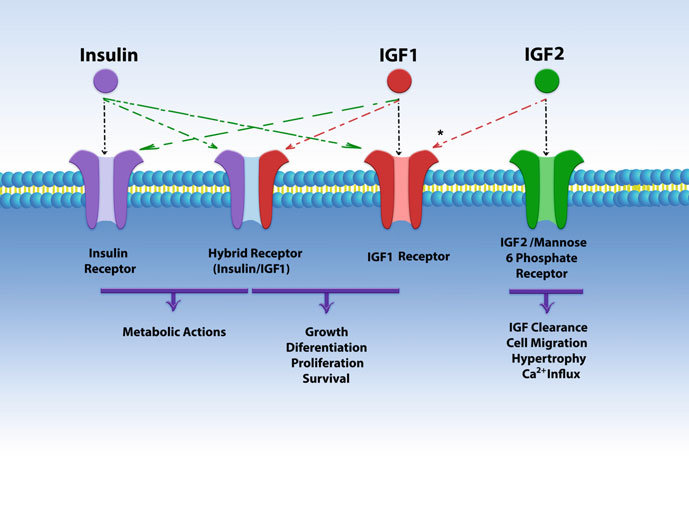
IGF-1 LR3 (Insulin-Like Growth Factor 1 Long R3) is a modified version of bioidentical IGF-1, designed in research settings to avoid binding to IGF-1 binding proteins (IGFBPs). The idea was to make IGF-1 act more directly on cultured cells, and it worked in cell culture experiments. However, what works in a petri dish doesn’t automatically translate to the human body. In reality, IGF-1 binding proteins and the acid labile subunit (ALS) are essential for its proper function, stability, and distribution throughout your tissues.

1760724223166
1760719777654


Why I Consider IGF-1 LR3 Useless:
When used in the body, IGF-1 LR3 loses everything that makes real IGF-1 effective:
  • It cannot properly bind to the IGF-1 binding proteins that protect it from degradation.
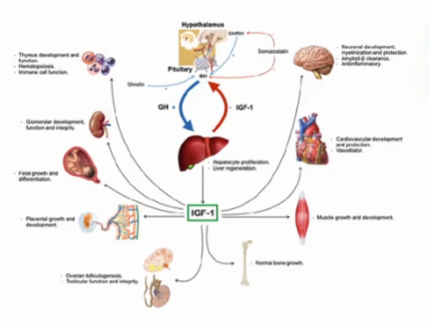
  • It cannot localize to tissues where growth occurs (like bones or muscles).
  • It cannot maintain signaling long enough to cause sustained anabolic effects.
Instead, most of what people feel from it is temporary blood sugar modulation, not muscle or bone growth. In other words, you’re just paying for a glucose swing, not a growth effect.

1760721523847
1760721531713
1760721536535


The Potency Myth Debunked:
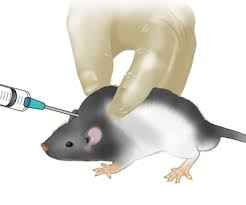
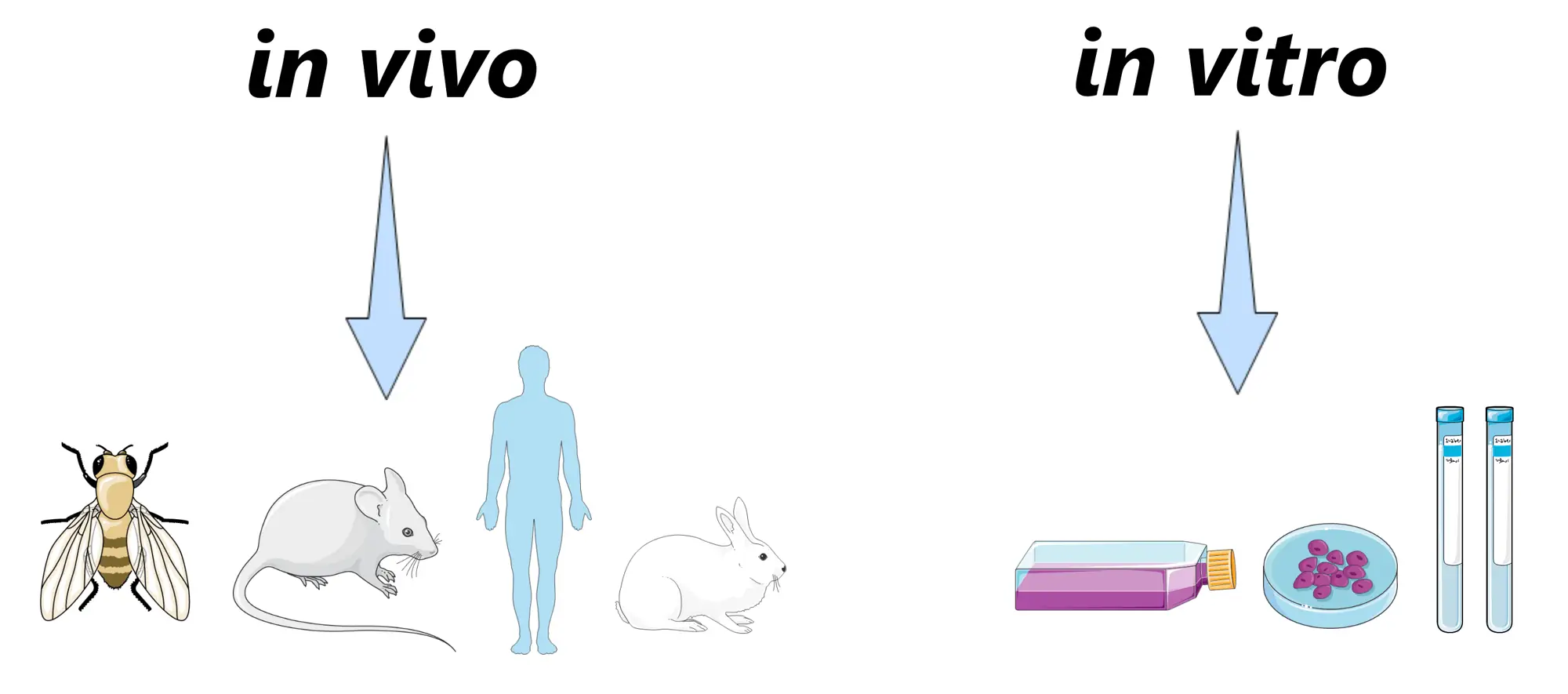
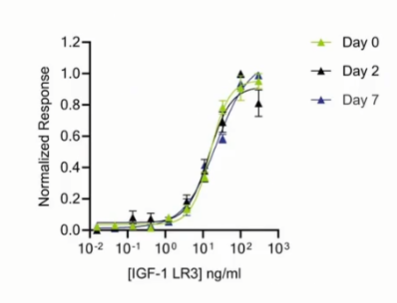
The myth that IGF-1 LR3 is “10x more potent” than regular IGF-1 comes from cell culture studies, not human data. In vitro, LR3 looks strong because it bypasses the local binding proteins that normally restrict IGF-1 movement. But in vivo, those same binding proteins are what make IGF-1 work correctly in the first place. So yes, LR3 appeared more potent in lab dishes because scientists removed the very system it needs to function in the body.

1760721583812
1760721587792


The Long Half-Life Myth Debunked:
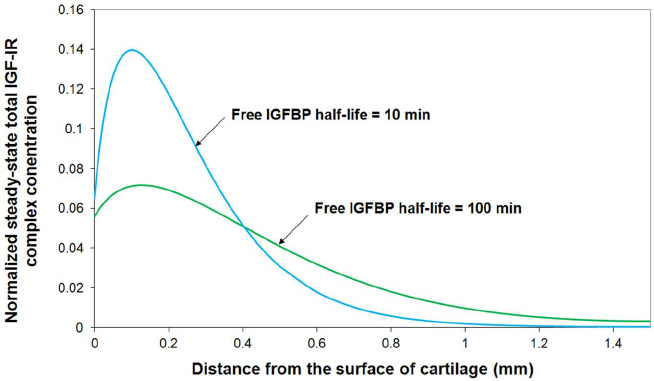
Another major misconception is that IGF-1 LR3 has a 20–30 hour half-life. There is no scientific evidence supporting this claim. In rat studies, LR3 became undetectable after only a few hours, meaning its half-life is measured in minutes, not hours. The “long half-life” myth likely came from marketing misinterpretations rather than actual pharmacokinetic research. Without the protection of IGFBPs and the ALS complex, LR3 degrades extremely fast, leaving almost nothing active by the time it could even reach your target tissues.


1760722152214
1760722208506
1760722324706


Further Reasons Why It’s Ineffective:
Even beyond the pharmacology issues, there are more practical reasons why LR3 fails:
  • Bad selectivity: It acts on the wrong tissues first, mainly influencing glucose uptake rather than muscle or bone.
  • Poor quality control: Most LR3 peptides sold online are oxidized, degraded, or mixed with impurities, meaning even if it worked on paper, what you inject probably doesn’t.
  • Lack of localized effect: IGF-1 needs to act locally in the muscle or bone microenvironment. LR3’s altered structure prevents this, turning it into a systemic glucose modulator instead.

1760722880438
1760724268797
1760722952036


Degradation and Stability Issues:
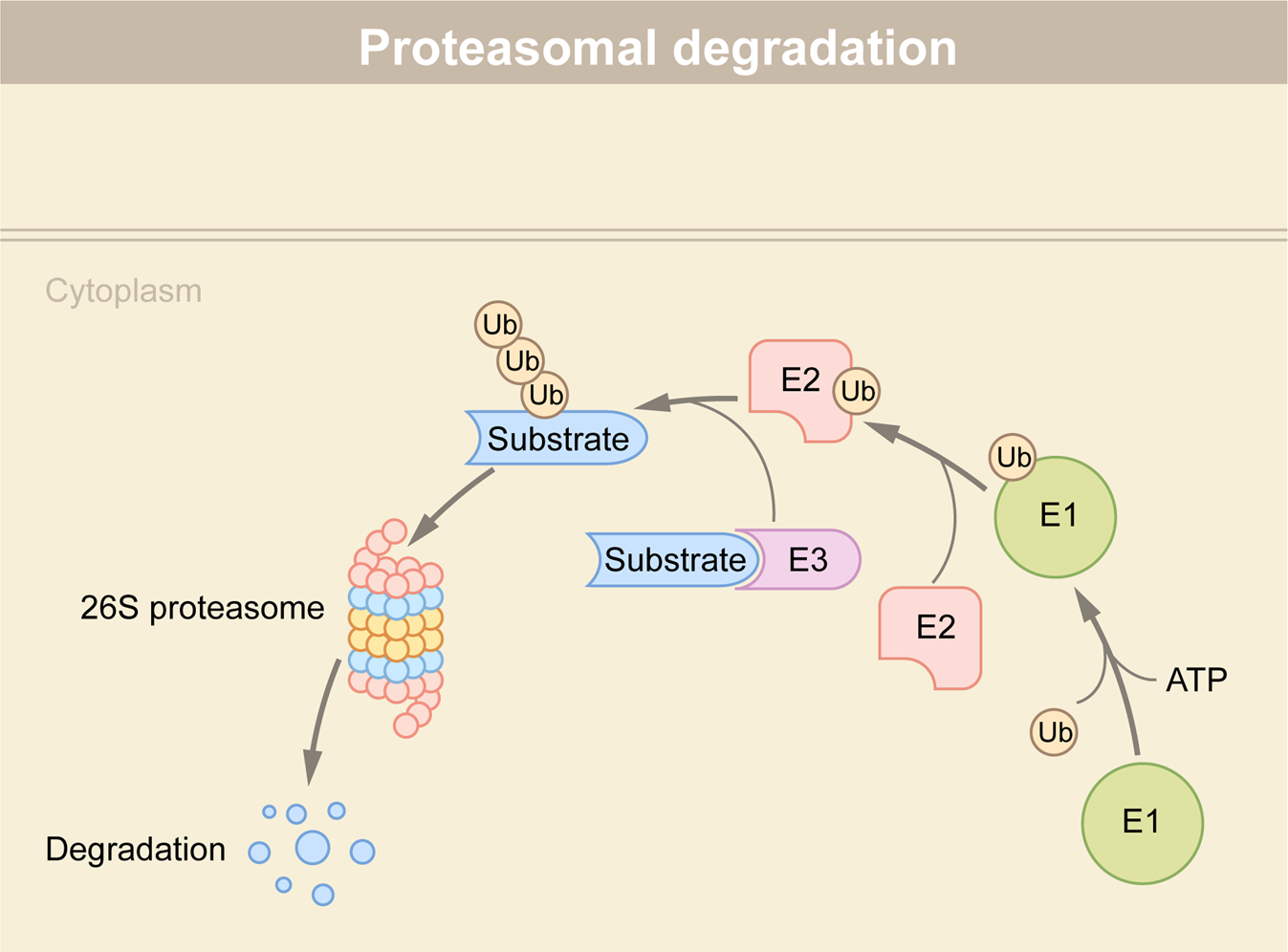
Because IGF-1 LR3 cannot bind its carrier proteins, it’s rapidly broken down by enzymes in circulation. Even if it remains intact briefly, it lacks tissue retention, so the signal never persists long enough to produce growth effects. In short, it gets degraded before it can do anything meaningful.

1760723282761
1760724030185
5442179_1760724129744.png


Final Thoughts:
IGF-1 LR3 is not the miracle peptide influencers claim it to be. It was never designed for bodybuilding or height growth it was made for lab testing, not human enhancement. If you’re chasing real results, don’t fall for marketing myths. Focus on compounds that have actual in vivo efficacy and safety data behind them. LR3 is, at best, a glucose modulator with no growth effect, and at worst, a waste of your money. Thank you for reading, and I hope this helped you understand why IGF-1 LR3 doesn’t live up to the hype.


Attachments

  • 1760721290058.png
    1760721290058.png
    191.8 KB · Views: 0
  • 1760721371287.png
    1760721371287.png
    349.2 KB · Views: 0
  • 1760721378626.png
    1760721378626.png
    24.7 KB · Views: 0
  • 1760722921596.png
    1760722921596.png
    349 KB · Views: 0
  • 1760724129744.png
    1760724129744.png
    117.6 KB · Views: 0
  • +1
  • Love it
Reactions: Micrognathic, Spieldren, .𝐏𝐍𝐄𝐔𝐌𝐀𝐓. and 9 others
I wish I could go deeper into this topic, but based on the feedback from my recent threads, I know some of them were a bit too long. So, I tried to keep this one as clear and straightforward as possible while still explaining the key points that matter. I’m planning to make another thread soon on IGF-1 DES, since it’s a really interesting compound and deserves a proper breakdown on its own. If you found this post useful, a rep would mean a lot. I’ve been taking time away from studying for exams to put these together. Thanks for reading, and I hope this helped you understand IGF-1 LR3 a little better and see through the myths surrounding it.
 
  • +1
Reactions: .𝐏𝐍𝐄𝐔𝐌𝐀𝐓., flashbash619, vision_n and 5 others
what your opinion on GHK-CU
 
  • +1
Reactions: Deleted member 157297
what your opinion on GHK-CU
GHK-Cu is good, but if your goal is to improve skin, healing, or hair, topical use is definitely the better choice. Systemic use doesn’t add much since it breaks down fast and doesn’t target those areas effectively.
 
  • +1
Reactions: .𝐏𝐍𝐄𝐔𝐌𝐀𝐓., axm and BrutalMogger
Give credits to bioscience fucken monkey
 
  • +1
Reactions: Deleted member 112562, gigacumster3000 and Deleted member 157297
Give credits to bioscience fucken monkey
Yes, I definitely took some inspiration from Bioscience’s video. He explained the fundamentals really well. I just wanted to expand on some of the concepts and add my own perspective and interpretation of the research. But yeah, full credit to him for the original idea behind this thread.
 
  • +1
Reactions: .𝐏𝐍𝐄𝐔𝐌𝐀𝐓. and gigacumster3000
I can tell this was written with AI because you use em dashes instead of hyphens when giving a range for things like half life, as well as the repetition of contrasting statements e.g., "it is x, it's not y".

Any self-respecting non-retard already knew this stuff didn't help with bone growth like TikTokers that very obviously had filler, claim.

Redundant thread.
 
  • +1
  • JFL
Reactions: vision_n, Deleted member 112562, shneckmax and 3 others
I can tell this was written with AI because you use em dashes instead of hyphens when giving a range for things like half life, as well as the repetition of contrasting statements e.g., "it is x, it's not y".

Any self-respecting non-retard already knew this stuff didn't help with bone growth like TikTokers that very obviously had filler, claim.

Redundant thread.
Hey man, could you please point out where exactly I used the em dashes? I genuinely couldn’t find any. I totally get your point, most people here already know LR3 doesn’t help with bone growth. But you’re forgetting about the 14-15 year olds who are spending a ton of money on useless peptides because some grifter influencer convinced them it works. My only goal with this thread was to spread awareness and help people avoid wasting their hard earned money on hype and misinformation. I’m not trying to act smart or educate experts,” just trying to make sure others don’t fall for the same traps.
 
Last edited:
  • +1
Reactions: .𝐏𝐍𝐄𝐔𝐌𝐀𝐓. and gigacumster3000
do any peptides even work lol
 
  • JFL
Reactions: samgrattlescouilles and Deleted member 157297
look at the mirror bro and tell me if it’s a scam or not lmao you clearly have no idea what you're talking about with your pathetic “research” so stop trying to convince others. get actual advice from someone who knows how to lookmax properly before wasting everyone else's time like this
 
  • +1
Reactions: Deleted member 157297
look at the mirror bro and tell me if it’s a scam or not lmao you clearly have no idea what you're talking about with your pathetic “research” so stop trying to convince others. get actual advice from someone who knows how to lookmax properly before wasting everyone else's time like this
Bro, I’m not here to argue or flex research credentials. I’m here to share verified information so people stop wasting money on compounds that don’t work the way they’re marketed. I’ve actually read the pharmacology data and animal studies behind LR3, not just influencer summaries. If you think I’m wrong, I’m totally open to seeing actual evidence or data that supports your claims.
 
  • +1
Reactions: .𝐏𝐍𝐄𝐔𝐌𝐀𝐓.
Could des be pinned intra muscular and still give bone growth effects?
 
  • +1
Reactions: Deleted member 157297
Could des be pinned intra muscular and still give bone growth effects?
Technically, you can pin DES intramuscular; it’ll still work systemically since it diffuses fast. But for bone growth effects specifically, localized pinning (like near the target site) is what people usually aim for. Just keep in mind DES has a super short half-life, so timing and precision matter more than location.
 
  • +1
Reactions: .𝐏𝐍𝐄𝐔𝐌𝐀𝐓.
Technically, you can pin DES intramuscular; it’ll still work systemically since it diffuses fast. But for bone growth effects specifically, localized pinning (like near the target site) is what people usually aim for. Just keep in mind DES has a super short half-life, so timing and precision matter more than location.
I’m just so worried about pinning in the wrong place on my face
 
  • +1
Reactions: Deleted member 157297
I’m just so worried about pinning in the wrong place on my face
Which part of the face are you pinning, bro? Be careful with that there’s a lot of veins and arteries running through there. I’m pretty sure there’ve been a few threads showing safe pin spots for facial injections. I can try to look some up for you if you’re interested.
 
  • +1
Reactions: .𝐏𝐍𝐄𝐔𝐌𝐀𝐓.
I’m just so worried about pinning in the wrong place on my face
bro, fr, be careful with that pinning the face can go wrong real fast if you don’t know the anatomy. biggest risks are hitting an artery or vein (can cause necrosis or even blindness in extreme cases), bruising, infections, or hitting a nerve, which can lead to numbness or twitching. always use a clean insulin pin, go super shallow (like 4mm max), and always aspirate before you inject. Avoid spots near the eyes, nose bridge, and temples, those are high-risk areas. There’s actually maps of facial arteries online that are worth checking out before doing anything. You actually gave me a good idea tho, might make a full thread about this soon so people stop blindly pinning their face without knowing what they’re doing.
 
  • +1
Reactions: .𝐏𝐍𝐄𝐔𝐌𝐀𝐓., samgrattlescouilles and jjitkilledme
bro, fr, be careful with that pinning the face can go wrong real fast if you don’t know the anatomy. biggest risks are hitting an artery or vein (can cause necrosis or even blindness in extreme cases), bruising, infections, or hitting a nerve, which can lead to numbness or twitching. always use a clean insulin pin, go super shallow (like 4mm max), and always aspirate before you inject. Avoid spots near the eyes, nose bridge, and temples, those are high-risk areas. There’s actually maps of facial arteries online that are worth checking out before doing anything. You actually gave me a good idea tho, might make a full thread about this soon so people stop blindly pinning their face without knowing what they’re doing.
That would be great bro do tag me in that thread if u do end up making it
 
  • +1
Reactions: Deleted member 157297
  • +1
Reactions: Deleted member 157297 and jjitkilledme
bro, fr, be careful with that pinning the face can go wrong real fast if you don’t know the anatomy. biggest risks are hitting an artery or vein (can cause necrosis or even blindness in extreme cases), bruising, infections, or hitting a nerve, which can lead to numbness or twitching. always use a clean insulin pin, go super shallow (like 4mm max), and always aspirate before you inject. Avoid spots near the eyes, nose bridge, and temples, those are high-risk areas. There’s actually maps of facial arteries online that are worth checking out before doing anything. You actually gave me a good idea tho, might make a full thread about this soon so people stop blindly pinning their face without knowing what they’re doing.
Yes please, I’m not on yet only for this reason thank you
 
  • +1
Reactions: Deleted member 157297
mirin read every molecule
 
  • Love it
Reactions: Deleted member 157297
Thread Song:


Introduction:
Have you ever wondered whether IGF-1 LR3 really deserves the hype it gets from influencers and peptide sellers? Many people claim it’s one of the best choices for muscle or height growth, but the truth is, IGF-1 LR3 is one of the biggest scams in the peptide industry. Let’s break down why this compound is borderline useless for your goals and where the myth of its “potency” really came from.

View attachment 4218473View attachment 4218474


Background: What is IGF-1 LR3?

IGF-1 LR3 (Insulin-Like Growth Factor 1 Long R3) is a modified version of bioidentical IGF-1, designed in research settings to avoid binding to IGF-1 binding proteins (IGFBPs). The idea was to make IGF-1 act more directly on cultured cells, and it worked in cell culture experiments. However, what works in a petri dish doesn’t automatically translate to the human body. In reality, IGF-1 binding proteins and the acid labile subunit (ALS) are essential for its proper function, stability, and distribution throughout your tissues.

View attachment 4218786View attachment 4218541


Why I Consider IGF-1 LR3 Useless:
When used in the body, IGF-1 LR3 loses everything that makes real IGF-1 effective:
  • It cannot properly bind to the IGF-1 binding proteins that protect it from degradation.
  • It cannot localize to tissues where growth occurs (like bones or muscles).
  • It cannot maintain signaling long enough to cause sustained anabolic effects.
Instead, most of what people feel from it is temporary blood sugar modulation, not muscle or bone growth. In other words, you’re just paying for a glucose swing, not a growth effect.

The myth that IGF-1 LR3 is “10x more potent” than regular IGF-1 comes from cell culture studies, not human data. In vitro, LR3 looks strong because it bypasses the local binding proteins that normally restrict IGF-1 movement. But in vivo, those same binding proteins are what make IGF-1 work correctly in the first place. So yes, LR3 appeared more potent in lab dishes because scientists removed the very system it needs to function in the body.

View attachment 4218641View attachment 4218642


The Long Half-Life Myth Debunked:
Another major misconception is that IGF-1 LR3 has a 20–30 hour half-life. There is no scientific evidence supporting this claim. In rat studies, LR3 became undetectable after only a few hours, meaning its half-life is measured in minutes, not hours. The “long half-life” myth likely came from marketing misinterpretations rather than actual pharmacokinetic research. Without the protection of IGFBPs and the ALS complex, LR3 degrades extremely fast, leaving almost nothing active by the time it could even reach your target tissues.


Even beyond the pharmacology issues, there are more practical reasons why LR3 fails:
  • Bad selectivity: It acts on the wrong tissues first, mainly influencing glucose uptake rather than muscle or bone.
  • Poor quality control: Most LR3 peptides sold online are oxidized, degraded, or mixed with impurities, meaning even if it worked on paper, what you inject probably doesn’t.
  • Lack of localized effect: IGF-1 needs to act locally in the muscle or bone microenvironment. LR3’s altered structure prevents this, turning it into a systemic glucose modulator instead.

Because IGF-1 LR3 cannot bind its carrier proteins, it’s rapidly broken down by enzymes in circulation. Even if it remains intact briefly, it lacks tissue retention, so the signal never persists long enough to produce growth effects. In short, it gets degraded before it can do anything meaningful.

IGF-1 LR3 is not the miracle peptide influencers claim it to be. It was never designed for bodybuilding or height growth it was made for lab testing, not human enhancement. If you’re chasing real results, don’t fall for marketing myths. Focus on compounds that have actual in vivo efficacy and safety data behind them. LR3 is, at best, a glucose modulator with no growth effect, and at worst, a waste of your money. Thank you for reading, and I hope this helped you understand why IGF-1 LR3 doesn’t live up to the hype.


water
 
  • +1
Reactions: Deleted member 157297
Thread Song:


Introduction:
Have you ever wondered whether IGF-1 LR3 really deserves the hype it gets from influencers and peptide sellers? Many people claim it’s one of the best choices for muscle or height growth, but the truth is, IGF-1 LR3 is one of the biggest scams in the peptide industry. Let’s break down why this compound is borderline useless for your goals and where the myth of its “potency” really came from.

View attachment 4218473View attachment 4218474


Background: What is IGF-1 LR3?

IGF-1 LR3 (Insulin-Like Growth Factor 1 Long R3) is a modified version of bioidentical IGF-1, designed in research settings to avoid binding to IGF-1 binding proteins (IGFBPs). The idea was to make IGF-1 act more directly on cultured cells, and it worked in cell culture experiments. However, what works in a petri dish doesn’t automatically translate to the human body. In reality, IGF-1 binding proteins and the acid labile subunit (ALS) are essential for its proper function, stability, and distribution throughout your tissues.

View attachment 4218786View attachment 4218541


Why I Consider IGF-1 LR3 Useless:
When used in the body, IGF-1 LR3 loses everything that makes real IGF-1 effective:
  • It cannot properly bind to the IGF-1 binding proteins that protect it from degradation.
  • It cannot localize to tissues where growth occurs (like bones or muscles).
  • It cannot maintain signaling long enough to cause sustained anabolic effects.
Instead, most of what people feel from it is temporary blood sugar modulation, not muscle or bone growth. In other words, you’re just paying for a glucose swing, not a growth effect.

The myth that IGF-1 LR3 is “10x more potent” than regular IGF-1 comes from cell culture studies, not human data. In vitro, LR3 looks strong because it bypasses the local binding proteins that normally restrict IGF-1 movement. But in vivo, those same binding proteins are what make IGF-1 work correctly in the first place. So yes, LR3 appeared more potent in lab dishes because scientists removed the very system it needs to function in the body.

View attachment 4218641View attachment 4218642


The Long Half-Life Myth Debunked:
Another major misconception is that IGF-1 LR3 has a 20–30 hour half-life. There is no scientific evidence supporting this claim. In rat studies, LR3 became undetectable after only a few hours, meaning its half-life is measured in minutes, not hours. The “long half-life” myth likely came from marketing misinterpretations rather than actual pharmacokinetic research. Without the protection of IGFBPs and the ALS complex, LR3 degrades extremely fast, leaving almost nothing active by the time it could even reach your target tissues.


Even beyond the pharmacology issues, there are more practical reasons why LR3 fails:
  • Bad selectivity: It acts on the wrong tissues first, mainly influencing glucose uptake rather than muscle or bone.
  • Poor quality control: Most LR3 peptides sold online are oxidized, degraded, or mixed with impurities, meaning even if it worked on paper, what you inject probably doesn’t.
  • Lack of localized effect: IGF-1 needs to act locally in the muscle or bone microenvironment. LR3’s altered structure prevents this, turning it into a systemic glucose modulator instead.
Because IGF-1 LR3 cannot bind its carrier proteins, it’s rapidly broken down by enzymes in circulation. Even if it remains intact briefly, it lacks tissue retention, so the signal never persists long enough to produce growth effects. In short, it gets degraded before it can do anything meaningful.

IGF-1 LR3 is not the miracle peptide influencers claim it to be. It was never designed for bodybuilding or height growth it was made for lab testing, not human enhancement. If you’re chasing real results, don’t fall for marketing myths. Focus on compounds that have actual in vivo efficacy and safety data behind them. LR3 is, at best, a glucose modulator with no growth effect, and at worst, a waste of your money. Thank you for reading, and I hope this helped you understand why IGF-1 LR3 doesn’t live up to the hype.


nigga nobody uses white background why is the text black you fucking retard
 
  • +1
Reactions: Deleted member 157297
GHK-Cu is good, but if your goal is to improve skin, healing, or hair, topical use is definitely the better choice. Systemic use doesn’t add much since it breaks down fast and doesn’t target those areas effectively.
are you sure? i have been using both and i feel like ghk cu systemically has been improving my skin and hair less systemic inflammation better collagen

its not the copper peptide it self that does the change but the signaling it causes that leads to more collagen and less inflammation
 
  • +1
Reactions: Deleted member 157297

Similar threads

Hungarian warrior
Replies
2
Views
189
krm11111
K
Vass
Replies
21
Views
344
Francisco1
F
D
Replies
7
Views
93
jester
jester
piotrekxvy
Replies
25
Views
426
Vass
Vass

Users who are viewing this thread

Back
Top