
J
Johanjohan
Luminary
- Joined
- Mar 15, 2021
- Posts
- 9,479
- Reputation
- 9,868
These are the indian incels talking about hypergamy 

Follow along with the video below to see how to install our site as a web app on your home screen.

Note: this_feature_currently_requires_accessing_site_using_safari



We were Aryan a long time ago Saar


Are u curryIndia and sewer in the same sentence

brahmins are busy being incels on this forumThose are the jobs for the Dalits
Brahmin Indians don’t touch dirty stuff
NoAre u curry
He can go to Singapore and chink women would be fighting over him

NaahHe can go to Singapore and chink women would be fighting over him
Indian incel believing that shit
Chink women cheat on their cucked huabands with the most subhuman jeets you can findIndian incel believing that shit
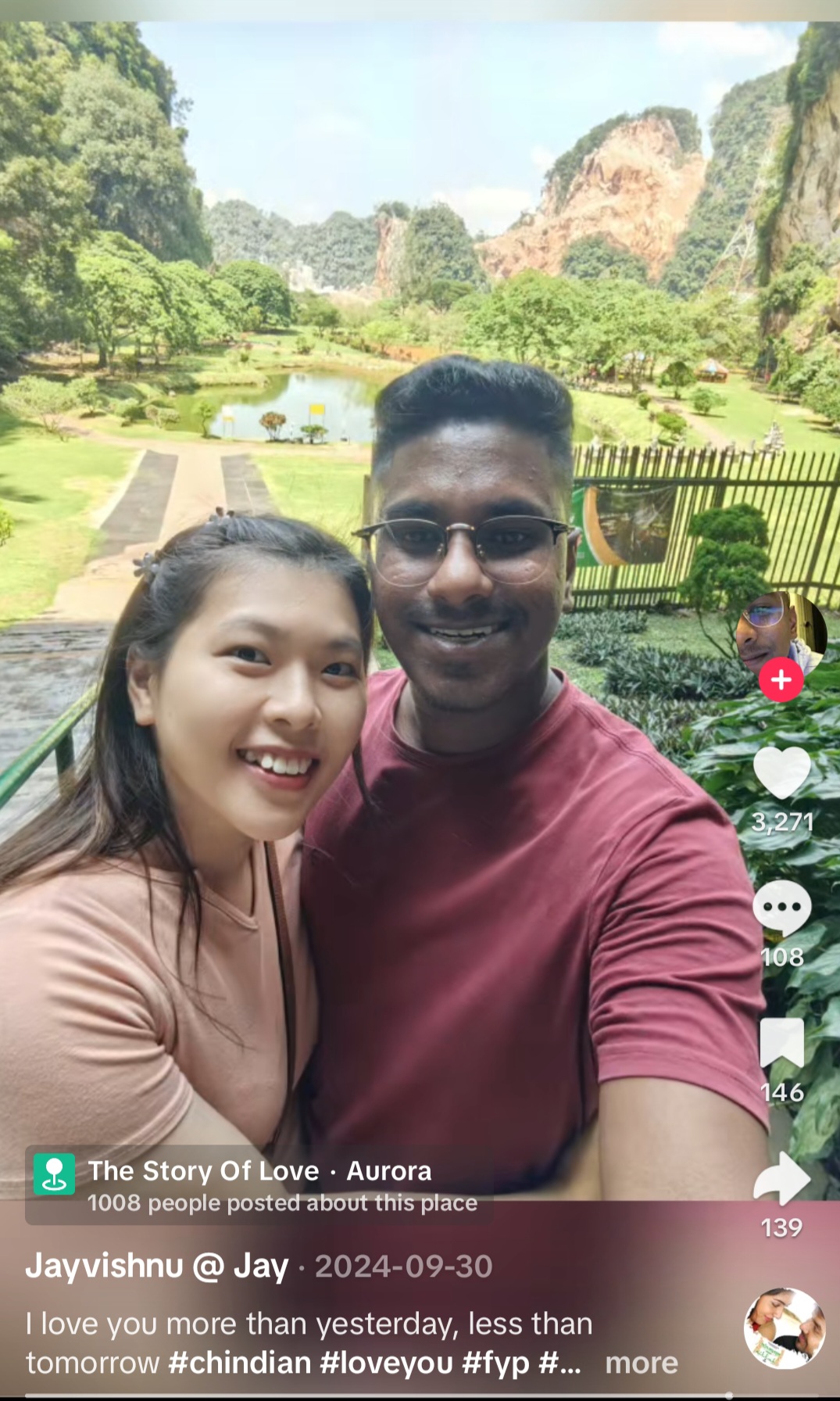
Find a pic like this with a chacyChink women cheat on their cucked huabands with the most subhuman jeets you can find
View attachment 3817833
No such thing as a chacyFind a pic like this with a chacy

Shut up u indian sewer rat
Its over for chinksShut up u indian sewer rat
Go back cleaning mumbai sewers
Its over for chinks
CHink women getting sandwhiched by the white pizza delivery boy and rajesh from customer service, while joshua wong is sent outside as he listens to them make love to his wifeTales from mumbai sewers
Another indian incel talking bullshitCHink women getting sandwhiched by the white pizza delivery boy and rajesh from customer service, while joshua wong is sent outside as he listens to them make love to his wife
nigga Im not indian, Im from AmericaAnother indian incel talking bullshit
Go back to street shitting u subhuman rat

free food for them

Ur an ethnic in usanigga Im not indian, Im from America
I just laugh at chinks being supreme cucks to jeets
YesUr an ethnic in usa
Brutal ethnic incel
Still heaps better then being chinkBrutal ethnic incel
Chinks are richer than ethnicsStill heaps better then being chink
The lowest denominator, getting cucked by jeetz
what good is being rich if you dont get bitchesChinks are richer than ethnics


Rajesh couldn’t even get a bug mate. This isn’t Hollywood where the 5’2 Indian janitor slays with his mop.what good is being rich if you dont get bitches
Rich incel who gets no bitches
View attachment 3819212
Rajesh from the designated shitting street from mumbai pumping and dumping linglings
View attachment 3819220
Rajesh and Chad fighting over chinksRajesh couldn’t even get a bug mate. This isn’t Hollywood where the 5’2 Indian janitor slays with his mop.

Ur view is based on indian tales from twitterwhat good is being rich if you dont get bitches
Rich incel who gets no bitches
View attachment 3819212
Rajesh from the designated shitting street from mumbai pumping and dumping linglings
View attachment 3819220

Ur view is based on indian tales from twitter


You can never trust a chinkChink women cheat on their cucked huabands with the most subhuman jeets you can find
View attachment 3817833
qualifications to fuck a lingling, dont be a chinkYou can never trust a chink
They go for anything
Nice cherrypick u pajeetView attachment 3820212
Nobody else does this
Not a cherry pickNice cherrypick u pajeet
thats what happens when you base your views on twitter indians


Give the source

Chinese AI deepseekGive the source
Nice source u pajeetChinese AI deepseek
Based on the search results, Indian men in Asia most frequently marry **Chinese women**, particularly in Southeast Asian countries like Singapore, Malaysia, and Thailand. This trend is driven by historical migration, cultural proximity, and evolving social dynamics. Key findings include:
### 1. **Singapore: Highest Intermarriage Rates**
- In Singapore, marriages between Indian men and Chinese women are the **most common form of interethnic union**. Government data shows that 16.4% of all marriages in 2007 were interethnic, predominantly between Chinese and Indians.
- Chindians (Chinese-Indian mixed-race individuals) constitute **2.4% of Singapore's population**, reflecting the scale of these unions.
### 2. **Malaysia: Historical and Cultural Factors**
- Malaysia hosts a **significant Chindian community**, rooted in 19th- and 20th-century migration patterns. Chinese and Indian immigrants intermarried extensively, creating enduring mixed-race populations.
- Urbanization and shared economic activities (e.g., trade) facilitated these marriages, with Chinese women being primary partners for Indian men.
### 3. **Thailand: Integration and Assimilation**
- Thailand's large **Thai-Chinese community** (historically influential in trade) has intermarried with Indian migrants since the 1860s. Though less documented than in Singapore/Malaysia, these unions are socially accepted, especially in business hubs like Bangkok.
### 4. **Broader Asian Context**
- **Hong Kong**: A smaller but notable community of "local Indians" (mixed Chinese-Indian ancestry) exists, descended from early Indian migrants who married Chinese Tanka women.
- **India**: Limited intermarriage occurs with Chinese expatriates (e.g., in Kolkata/Mumbai Chinatowns), but numbers are small (~189,000 ethnic Chinese in India).
### Why Chinese Women?
- **Demographic Shifts**: In Southeast Asia, Chinese and Indian communities historically settled in overlapping urban areas, increasing interaction.
- **Cultural Flexibility**: Unlike strict endogamy in India (where 93% marry within caste/community), diaspora communities show greater openness.
- **Socioeconomic Factors**: Shared middle-class aspirations and educational backgrounds in cosmopolitan cities like Singapore reduce ethnic barriers.
### Challenges
- **Social Acceptance**: While more common in Southeast Asia, such marriages can face resistance in mainland India or China due to historical nationalism.
- **Data Gaps**: Forced marriages and caste endogamy in India limit comprehensive statistics.
### Summary Table
| **Country** | **Key Trends** | **Notable Data** |
|-----------------|--------------------------------------------------------------------------------|--------------------------------------------------|
| **Singapore** | Most prevalent; Indian-Chinese = primary intermarriage pair | 16.4% of marriages interethnic (2007) |
| **Malaysia** | Large Chindian communities from historical migration | Significant population in urban areas |
| **Thailand** | Integration via business; Thai-Chinese + Indian partnerships | ~400,000 Thai-Indians (some mixed) |
| **India** | Minimal; small communities in Chinatowns (e.g., Kolkata) | ~189,000 ethnic Chinese residents |
For further details, refer to the sources on [Chindians in Asia](https://en.wikipedia.org/wiki/Chindians) and [marriage dynamics in Singapore](https://en.wikipedia.org/wiki/Arranged_marriage_in_the_Indian_subcontinent).
Its chinese AI , im no pajeet i dont have a fetish for chinks like pajeets doNice source u pajeet
Ai sourceIts chinese AI , im no pajeet i dont have a fetish for chinks like pajeets do
U still areWe were Aryan a long time ago Saar


