Infraorbidals guide to IEMS+list: Wired IEMs Are the Ultimate Chad Audio Choice, Don’t be a normie.

yourawesomesauce67

yourawesomesauce67

infraorbidal
Joined
Mar 3, 2026
Posts
879
Reputation
1,284
INFRAORBIDALS GUIDE TO IEMS(LIST AT END


Why Professional Monitors Outperform Consumer Audio

Most people have never “actually heard”their favorite music.(I’m using this metaphorically ofc you’ve heard ur favorite song)

Stock earbuds and wireless pods give you a flattened, muddy approximation of a track because mass market consumer tech prioritizes cheap convenience over actual acoustic engineering.


Moving to an inear monitor aka IEM changes the entire physics of how sound hits your eardrum.


It is raw data versus corporate equalization.


The Seal Changes Everything

Here’s the thing consumer earbuds get fundamentally wrong: they don’t seal.

They sit loosely in the outer part of your ear, which means low frequencies just leak out into the room before they hit your eardrum. Manufacturers know this happens, so they pretune the hardware with an aggressive digital bass boost to trick your brain into thinking there’s bass there.

That artificial hump creates a bloated, muddy midbass that smears over the vocal range and kills instrument separation.

An IEM seats directly into your ear canal with a silicone or foam tip, creating an actual airtight acoustic chamber.

No boost needed, as the seal preserves natural bass extension natively.
The tuning can stay linear and transparent instead of warped to compensate for physics you can’t control.

This also kills ambient noise naturally without needing digital ANC, which (fun fact) actually messes with the phase relationships in your music. And the sealed air pressure is why IEM bass feels punchy and physically extended instead of loose and bloated.


The Driver Tech Difference

Consumer buds pack a single cheap dynamic driver into the shell and force it to handle everything from a 30Hz subbass drop to a 16kHz cymbal simultaneously. A single diaphragm can’t do that without physical distortion, so the low end bleeds all over your mids and the treble gets rolled off to prevent harshness. One driver, one set of mechanical limits, and the whole frequency spectrum has to live within them.

Professional monitors get around this by using multiple specialized micro drivers inside the same shell and splitting the workload between them with a crossover , which is a small passive circuit that routes bass frequencies to whichever driver handles bass well, mids to whichever handles mids well, and so on. Each driver type responds to a signal differently, which is exactly why pairing them works:
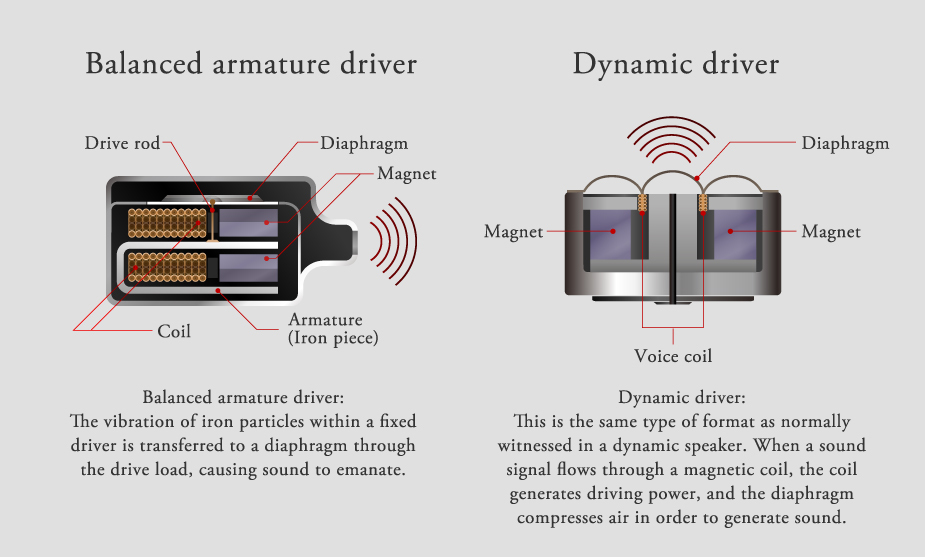
  • Dynamic drivers move a cone via a voice coil and magnet, the same basic mechanism as a fullsize speaker shrunk down. Because the cone can displace a relatively large volume of air, dynamics respond to bass content with real physical push that’s the “slam” you feel rather than just hear. Their downside is mechanical mass: the cone and coil have actual weight, so they’re slower to start and stop moving, which makes them sluggish for fast transients up in the treble.
IMG 3238


  • Balanced armatures work almost backwards. A tiny metal arm is suspended between magnets and pivots back and forth when current hits it, there’s barely any mass to accelerate, so it can start and stop moving almost instantly, the low inertia is what gives BAs their reputation for speed and clarity in the mids and highs:: cymbal hits, vocal sibilance, and fine texture come through crisp instead of smeared.The only tradeoff is they don’t move much air, so a single BA struggles to deliver real lowend weight, which is why most BA based shells stack two or three of them just to cover bass through treble.


  • Electrostatic drivers use a different mechanism entirely an ultrathin charged membrane suspended between two static plates, driven by a highvoltage signal rather than a magnetic coil. Because the entire membrane is essentially massless compared to a cone or armature, it responds to even the smallest signal changes, which is why electrostatics are known for resolving microdetail other driver types just don’t reproduce faint reverb tails, the texture of a bow on a string, that kind of thing. They’re rare in IEMs specifically because the highvoltage driving circuit is hard to miniaturize, but you’ll see them in flagship hybrid shells paired with dynamics or BAs.
My personal opinion
Is
BA>ELECTROSTATIC


But the build matters as much as the driver count.

More drivers = more crossover complexity, and a poorly tuned crossover causes phase cancellation frequencies fighting each other at the handoff point between drivers instead of blending smoothly.


This is why a wellengineered 2driver IEM can outperform a sloppy 6driver one; driver count is basically just a spec sheet number
And crossover is the thing u should look out for


Planar vs NonPlanar:

Traditional “nonplanar” drivers dynamics and BAs both are pushed from a single concentrated point.


A dynamic driver’s voice coil is glued to the center of the cone; a BA’s drive pin connects at one spot on the armature. When that single point accelerates fast enough to reproduce high frequencies, the rest of the diaphragm has to follow along through the material itself, and it doesn’t follow perfectly. The outer edges flex, lag, and warp slightly relative to the center.Audio engineers call this modal breakup, and it shows up as audible smearing and a small but real layer of distortion, especially as you push the driver harder.

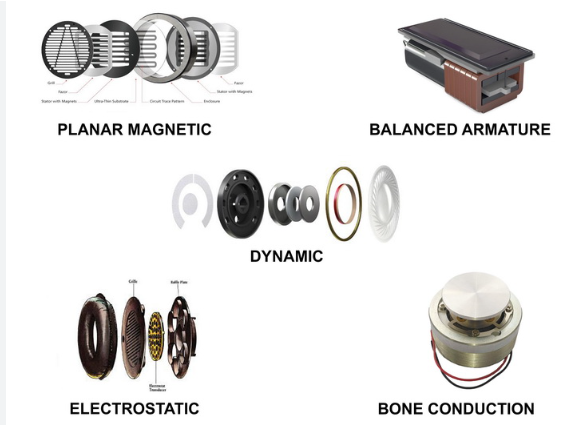
Planar magnetic drivers solve this by changing where the force comes from instead of just making the existing approach better. Instead of a cone driven from one point, a planar driver is a completely flat, ultrathin membrane with a conductive circuit trace printed directly across its entire surface, kind of like its sandwiched between two parallel magnet arrays.

When current runs through that trace, every section of the membrane gets pushed or pulled by the magnets simultaneously not relayed in from a center point, but driven directly, everywhere, at once. There’s no lag for the force to travel through the material because it doesn’t have to travel; it’s already uniformly distributed.

For the practical result: planars respond to transients (like drums or snares) faster and more accurately than nonplanar drivers, because there’s no mechanical delay or flex working against the signal.

You also get noticeably tighter instrument separation in busy mixes when ten things are happening in a song at once, a planar tends to keep them distinct instead of letting them blur into each other because the whole diaphragm is moving in lockstep with the actual electrical signal instead of a slightly behind approximation of it.

The catch is planars are harder and more expensive to manufacture well, and a badly built one can sound thin in the bass since they rely on physically moving a flat membrane rather than displacing air with a deep cone but a properly engineered planar is currently about as close as IEM tech gets to “hear the waveform”-crinacle.

IMG 3237


Managing Microphonics


When you first switch to a fully sealed monitor, you will notice cable noise. Because your ear canal is sealed like a laboratory chamber, physical vibrations traveling up the wire get amplified into a dull thump when the cord slaps against your shirt.


This is microphonics. It is not a defect. It is the tax you pay for real acoustic isolation. You fix it mechanically. Looping the cable up and over the top of your ear cartilage uses your body as a natural shock absorber. Upgrading to a braided multi core copper wire prevents the line from storing mechanical energy, and sliding the chin cinch tight keeps the wire stable so it cannot swing around.


IMG 3239


The Consumer Audio Illusion


Generic earbuds are an industrial design win but an absolute failure under physics. For example, AirPods. This is Because they do not seal the canal, the low frequencies escape into the room before they ever reach your eardrum. Consumer audio companies know this, so they pre tune the hardware with a massive digital bass boost to trick your brain. That artificial hump creates a bloated mid bass that masks the vocal range and ruins instrument separation.


Unlike consumer EarPods, IEMs take a clean approach. The hardware seal preserves natural sub bass extension natively, allowing the tuning to remain transparent. You get to hear the real texture of acoustic instruments and independent vocal tracks instead of a muddy wall of sound.


Copper wire transfers uncompressed analog signals instantly. Bluetooth has to compress that data to fit inside limited wireless bandwidth, and the data that gets stripped first is microtiming and phase relationships, the exact information your brain uses to map where an instrument sits in 3d space.

Without it, the music flattens into a shallow, 2D wall of sound.

There’s also the planned obsolescence angle. Wireless pods rely on lithium batteries that degrade completely after a couple of years.
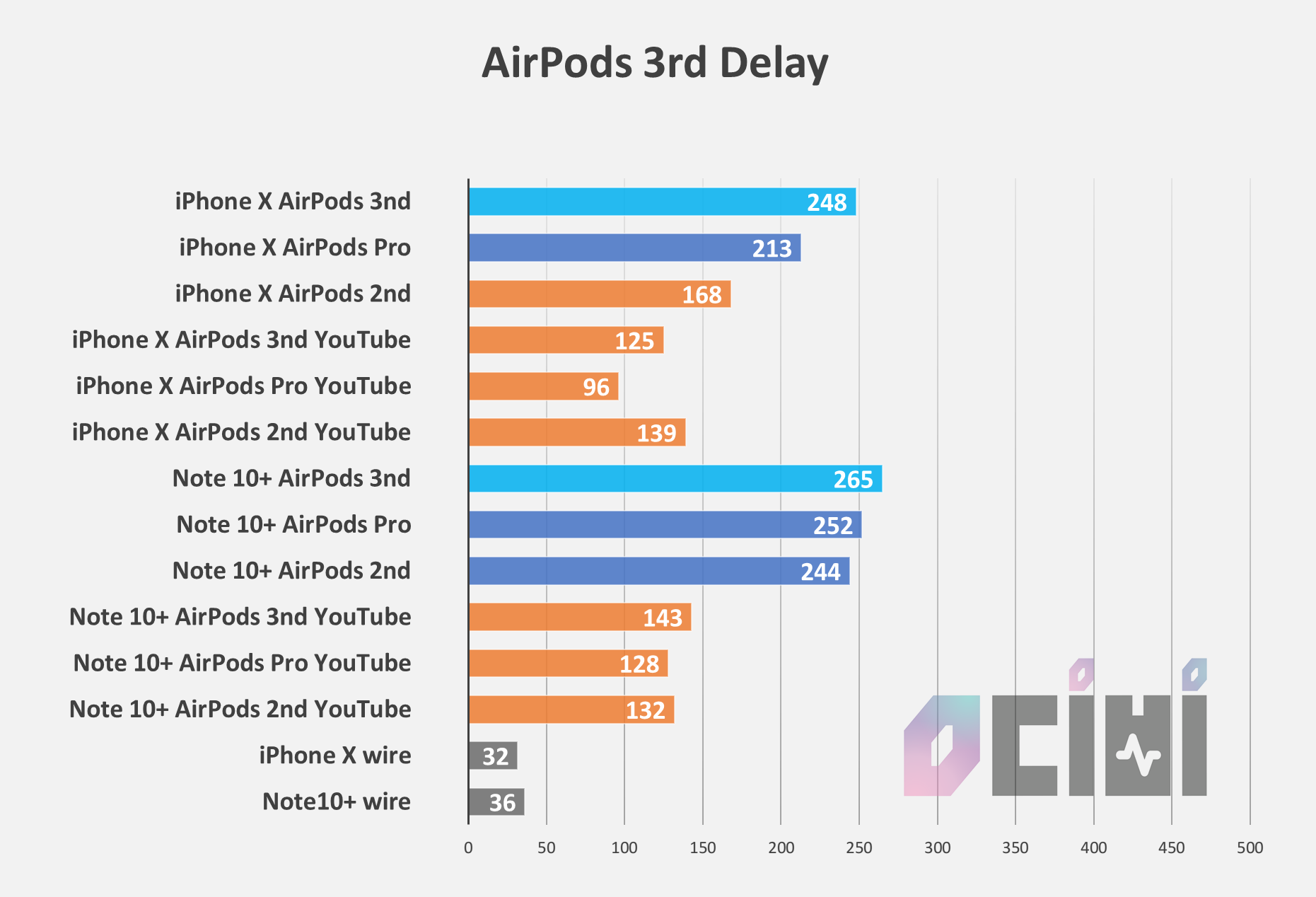
A wired monitor has no internal batteries and no digital chips. Its lifetime is limited only by how you treat the cable. Plus 0 latency .
IMG 3244

wired gives you realtime no delay quick transmission, which matters if you’re tracking or gaming competitively.

This why all pro players use IEMS


Like tenz, donk etc.

(Yes I’m aware he has a pair of headphones on all pro players have to wear these because they’re sponsored)

IMG 3241
View attachment IMG_3240.jpeg


Wireless Radiation Data


Convenience has a physical trade off. Continuous exposure to radiofrequency electromagnetic fields right against your skull is a terrible configuration when you look at peer reviewed public health numbers.
( so brutal jfl)

The thyroid gland sits at the base of the neck and regulates your metabolic system,which makes it incredibly sensitive to environmental stress.


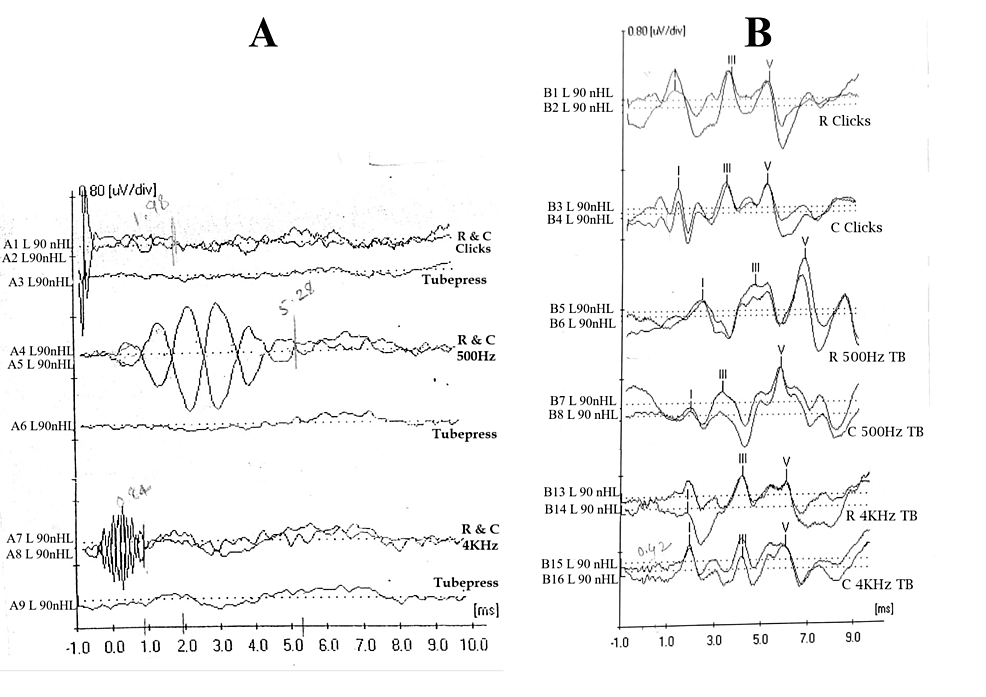
Data published in Scientific Reports used machine learning models to map out clear risk factors for thyroid nodules, and the daily duration of Bluetooth headset usage came back as a statistically significant predictor for nodule pathogenesis. Running active RF transmitters right inside the ear canal creates a localized radiation footprint.

In 2011, the WHO’s International Agency for Research on Cancer classified radiofrequency electromagnetic fields (RFEMF) as “possibly carcinogenic to humans” (Group 2B) based on limited evidence of increased glioma and acoustic neuroma risk in heavy wireless phone users. Group 2B is a modest classification it’s below “known carcinogen” but it’s a real classification from the world’s leading cancer research body, and it hasn’t been downgraded

Comprehensive meta analyses tracking long term electromagnetic field exposure show a statistical correlation between heavy wireless use over extended periods and higher rates of localized cranial growths like gliomas and acoustic neuromas, showing up mostly on the primary side where people wear their tech.


IMG 3242


The Passive Advantage


A wired IEM is a totally passive system. It does not generate localized radiofrequency fields, it contains no internal transmitters, and it does not run on chemical power cells. You get uncompressed analog transmission, zero radiation near your head, and you never have to drop them in a charging case.


The Digital to Analog converter


To get this performance, your upstream gear matters. Modern music files are stored as digital data, long chains of digital ones and zeros. But your ears only read continuous analog sound waves, and drivers can only vibrate to analog voltage.


The digital to analog converter inside your phone or laptop is supposed to handle this translation. The issue is that mass market brands use cheap, microscopic DAC chips stuck right on the main motherboard next to noisy cellular antennas and Wi-Fi modules. That proximity leaks electrical noise and jitter into the path, degrading the signal before it reaches the jack.

Bypassing the internal audio out for a dedicated, shielded external DAC ensures the conversion is clean. You stop corporate DSP from coloring the signal and get the exact electrical translation of the studio master, complete with the natural room reverb and the real dynamic range of the file.


+ the old assumption that referencegrade monitoring costs thousands is dead. Overseas manufacturing efficiency has completely broken the market. A $40 multidriver wired monitor will outresolve a $300 pair of airpods

I have tested who have literally gave away their AirPods when they heard the difference.

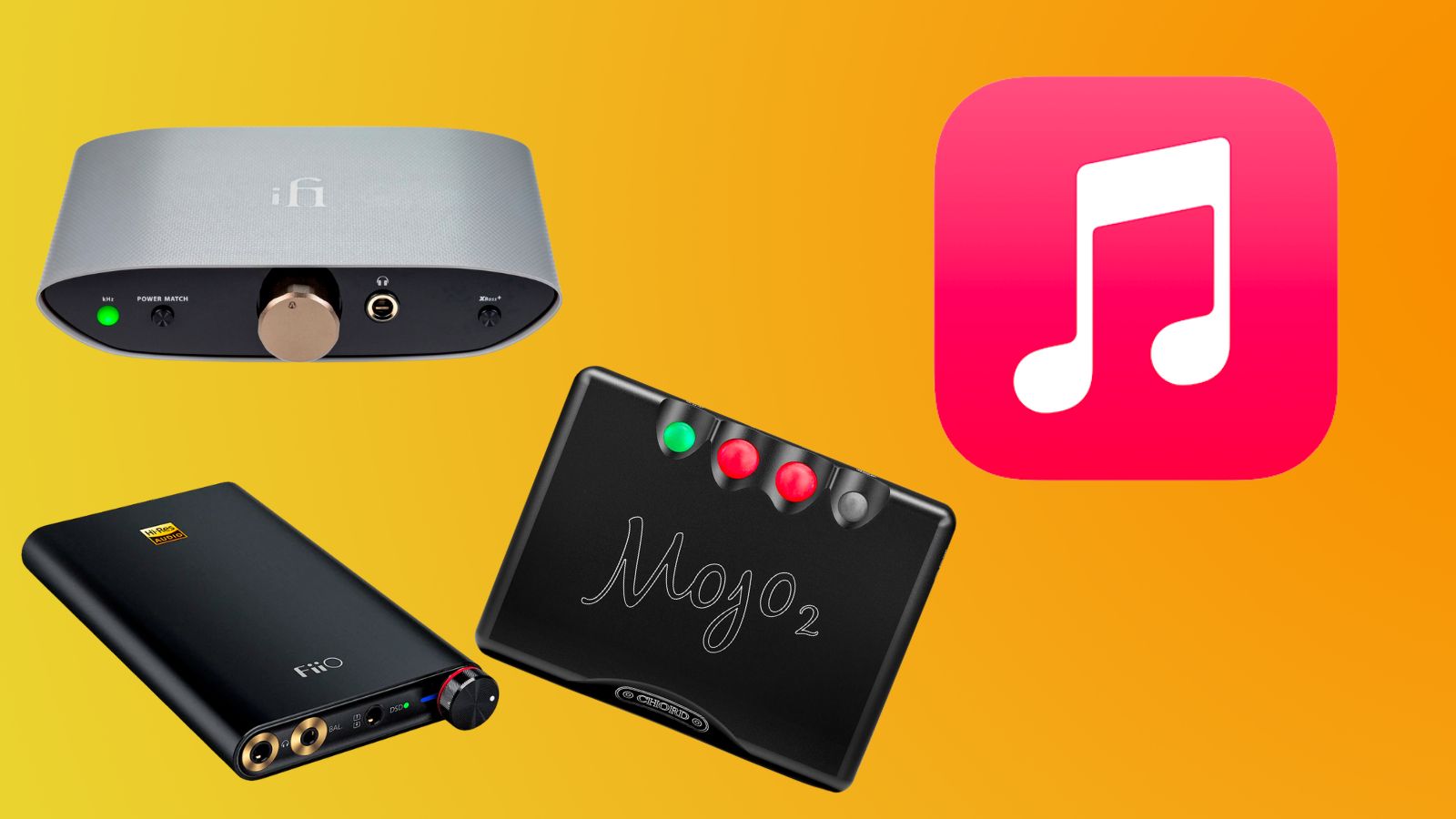
You’ll want a decent DAC (digitaltoanalog converter) for sure($10–$90 depending on what you want)
IMG 3243


Conclusion

True progress in technology should not require compromising our biological health or the integrity of the art we consume. Wireless earbuds strip away the nuance of recorded music and introduce unnecessary physical risks to vital tissues like the brain and thyroid.

wireless is just inferior to wired, “but muh muh convenience” yes I’m aware it is real, yes yes I get it.

BUT wired is superior overall…
Better sound quality,
Better durability,
not gambling on health, etc

wired IEMs are the nobrainer choice.


The list:


For $30


$15.99 - $16.99: TANCHJIM ZERO ULTIMA (3.5mm)/TANCHJIM ZERO ULTIMA DSP (USB-C)("balanced" (3.5mm)/variable (DSP)) - fixed cable [microphone option by default]

$17.85: TANGZU WAN'ER SHANGGUAN Studio Edition (mid-forward) [no microphone]

$19.99 - $20.99: TANCHJIM BUNNY (3.5mm)/TANCHJIM BUNNY DSP (USB-C)(warm W-shape (3.5mm)/variable (DSP)) [microphone option available]

$19.99: QKZ x HBB (warm/bassy) [microphone option available]

$20 - $24: TANGZU WAN'ER SHANGGUAN 2 series (variations of mid-forward sound signatures) [microphone option available]

$21.99 - $22.99: TRUTHEAR GATe (mild bright V-shape) [microphone option available]

$22.99 - $25.99: 7Hz-Salnotes Zero (bright) [microphone option available]

$24.99: 7Hz x crinacle Zero:2 (warm/"balanced") [microphone option available but not recommended]

$25.99 - $29.99: Kinera/Celest/Queen of Audio Wyvern series

(V-shaped with treble roll-off) - some options have a boom mic, would be the best ultrabudget headset [microphone option available]

$28.99 - $29.99: NICEHCK Tears (3.5mm) (W-shaped) [microphone option available]


$30 - $60


$31.99: NICEHCK Tears DSP (USB-C) (variable (DSP)) [microphone option by default]

$34.99: Kiwi Ears Cadenza (mild V-shape) [no microphone]

$34.99 - $36.99: 7Hz G1 (V-shaped) [microphone option available]

$34.99 - $39.99: ooopusX op.22 (warm V-shape (• mode)/bright (○ mode)) [no microphone]

$52: FLOAUDIO LILY (dark/mid-centric) not widely available, for Treble-sensitive people, high isolation, bad accessories, unvented [no microphone]

$39.99: MOONDROP MARIGOLD (variable) bullet type IEMs [microphone option by default]

$49.99: Kiwi Ears Cadenza II ("balanced") [no microphone]

$59.99: MOONDROP LAN II (REF: mid-forward/bright, POP: V-shaped) - compatible with small ears [no microphone]


$60 - $100


$64.99: TRUTHEAR x crinacle ZERO:RED (mid-forward or bassy with high output impedance [10 Ohms or higher]) WARNING: VERY BIG SHELL, VERY LONG AND WIDE NOZZLE [no microphone]

$70: ARTTI R1 (warm V-Shape) very big shell [no microphone]

$75: ARTTI T10 (bright/bright W-shape) weird shell shape [no microphone]

$79.99 - $85.99: SIMGOT EW300 (warm V-shape) [no microphone]

$89.99: TRUTHEAR HEXA (bright-ish) [no microphone]

$89.99: TRUTHEAR PURE (warm) - warmer/more bassy Hexa [no microphone]

$89.99: SIMGOT EA500LM (bright V-shape) [no microphone]

under $90: FLOAUDIO BLUELOVER("balanced"/warm) not widely available, bad accessories, high isolation, unvented [no microphone]


$100 - $150


$99.99: KOTORI AUDIO VAMPIRE (dark/mid-centric) more accessible and better Lily, pressure buildup [no microphone]

$99.99 - $104.99: NICEHCK F1 Pro(bright/bright W-shape) [no microphone]

$109.99: Tanchjim NORA (mid-forward) [no microphone]

$119.99: AFUL Explorer (warm) [no microphone]

$149: 7Hz x crinacle Divine (mid-forward/"balanced") [no microphone]

$149: 7Hz x crinacle Diablo (bassy) [no microphone]

$149.99: etymotic ER2SE/XR (SE: mid-centric/XR: "balanced"/mid-forward) for people who want the best isolation, very deep fit/very intrusive [no microphone]


Dac recommendations

• Apple dongle (10$)

•. Jcally jm6 pro(15-25$)

• JCALLY JM20 Max ($34.89)

• FiiO KA11 ($38.76)

• Moondrop Dawn Pro ($73.65)

• FiiO KA15 ($90)


BLUETOOTH DACS

Fiio BTR11(25$)

Fiio snowsky echo mini(65$)

Fiio BTR13(75$)

Fiio BTR15(100$)

QUDELIX 5K(110$ superior)


Video:


FOR APPLE USERS


Otg cable for lightning

Fiio lt1-lt3(10-30$.)


@Lemic @GandysOrbitals @Subhuman @xex @zennn @primal_shitmuncher @eiko @AgentAngularity @sub5ropemaxxing @Pony @Master
@IStalkMyself

Studies:



Please don’t DNR me:forcedsmile:
 
Last edited:
  • +1
  • Woah
  • Ugh..
Reactions: [G], htbslayeer, AgentAngularity and 13 others
Infraorbidals
 
  • JFL
Reactions: justascend
Took me a couple hours to compile this shit and I get no reps
I’m moving to incels.is
 
IEMs or so underrated, Recently had a some 7hz x crinacle zero 2, they were so good but they got wrecked think I should buy back a pair or would you recommend another one ?
 
IEMs or so underrated, Recently had a some 7hz x crinacle zero 2, they were so good but they got wrecked think I should buy back a pair or would you recommend another one ?
buy another pair back
Nothing beats it at that price point imo
 
  • +1
Reactions: JkCel
Took me a couple hours to compile this shit and I get no reps
I’m moving to incels.is
Really good thread too bad no one really fucks with iems there like a game changer when it comes to listening to audio
 
  • +1
Reactions: yourawesomesauce67
Really good thread too bad no one really fucks with iems there like a game changer when it comes to listening to audio
I bought delci AES the other day , worse then my gates tbh I prefer the gates
 
@Jason Voorhees @Petsmart @6’7whitechad
 
  • +1
Reactions: Petsmart, 6’7whitechad and Jason Voorhees
INFRAORBIDALS GUIDE TO IEMS(LIST AT END


Why Professional Monitors Outperform Consumer Audio

Most people have never “actually heard”their favorite music.(I’m using this metaphorically ofc you’ve heard ur favorite song)

Stock earbuds and wireless pods give you a flattened, muddy approximation of a track because mass market consumer tech prioritizes cheap convenience over actual acoustic engineering.


Moving to an inear monitor aka IEM changes the entire physics of how sound hits your eardrum.


It is raw data versus corporate equalization.


The Seal Changes Everything

Here’s the thing consumer earbuds get fundamentally wrong: they don’t seal.

They sit loosely in the outer part of your ear, which means low frequencies just leak out into the room before they hit your eardrum. Manufacturers know this happens, so they pretune the hardware with an aggressive digital bass boost to trick your brain into thinking there’s bass there.

That artificial hump creates a bloated, muddy midbass that smears over the vocal range and kills instrument separation.

An IEM seats directly into your ear canal with a silicone or foam tip, creating an actual airtight acoustic chamber.

No boost needed, as the seal preserves natural bass extension natively.
The tuning can stay linear and transparent instead of warped to compensate for physics you can’t control.

This also kills ambient noise naturally without needing digital ANC, which (fun fact) actually messes with the phase relationships in your music. And the sealed air pressure is why IEM bass feels punchy and physically extended instead of loose and bloated.


The Driver Tech Difference

Consumer buds pack a single cheap dynamic driver into the shell and force it to handle everything from a 30Hz subbass drop to a 16kHz cymbal simultaneously. A single diaphragm can’t do that without physical distortion, so the low end bleeds all over your mids and the treble gets rolled off to prevent harshness. One driver, one set of mechanical limits, and the whole frequency spectrum has to live within them.

Professional monitors get around this by using multiple specialized micro drivers inside the same shell and splitting the workload between them with a crossover , which is a small passive circuit that routes bass frequencies to whichever driver handles bass well, mids to whichever handles mids well, and so on. Each driver type responds to a signal differently, which is exactly why pairing them works:

  • Dynamic drivers move a cone via a voice coil and magnet, the same basic mechanism as a fullsize speaker shrunk down. Because the cone can displace a relatively large volume of air, dynamics respond to bass content with real physical push that’s the “slam” you feel rather than just hear. Their downside is mechanical mass: the cone and coil have actual weight, so they’re slower to start and stop moving, which makes them sluggish for fast transients up in the treble.
View attachment 5240423

  • Balanced armatures work almost backwards. A tiny metal arm is suspended between magnets and pivots back and forth when current hits it, there’s barely any mass to accelerate, so it can start and stop moving almost instantly, the low inertia is what gives BAs their reputation for speed and clarity in the mids and highs:: cymbal hits, vocal sibilance, and fine texture come through crisp instead of smeared.The only tradeoff is they don’t move much air, so a single BA struggles to deliver real lowend weight, which is why most BA based shells stack two or three of them just to cover bass through treble.


  • Electrostatic drivers use a different mechanism entirely an ultrathin charged membrane suspended between two static plates, driven by a highvoltage signal rather than a magnetic coil. Because the entire membrane is essentially massless compared to a cone or armature, it responds to even the smallest signal changes, which is why electrostatics are known for resolving microdetail other driver types just don’t reproduce faint reverb tails, the texture of a bow on a string, that kind of thing. They’re rare in IEMs specifically because the highvoltage driving circuit is hard to miniaturize, but you’ll see them in flagship hybrid shells paired with dynamics or BAs.
My personal opinion
Is
BA>ELECTROSTATIC


But the build matters as much as the driver count.

More drivers = more crossover complexity, and a poorly tuned crossover causes phase cancellation frequencies fighting each other at the handoff point between drivers instead of blending smoothly.


This is why a wellengineered 2driver IEM can outperform a sloppy 6driver one; driver count is basically just a spec sheet number
And crossover is the thing u should look out for


Planar vs NonPlanar:

Traditional “nonplanar” drivers dynamics and BAs both are pushed from a single concentrated point.


A dynamic driver’s voice coil is glued to the center of the cone; a BA’s drive pin connects at one spot on the armature. When that single point accelerates fast enough to reproduce high frequencies, the rest of the diaphragm has to follow along through the material itself, and it doesn’t follow perfectly. The outer edges flex, lag, and warp slightly relative to the center.Audio engineers call this modal breakup, and it shows up as audible smearing and a small but real layer of distortion, especially as you push the driver harder.

Planar magnetic drivers solve this by changing where the force comes from instead of just making the existing approach better. Instead of a cone driven from one point, a planar driver is a completely flat, ultrathin membrane with a conductive circuit trace printed directly across its entire surface, kind of like its sandwiched between two parallel magnet arrays.

When current runs through that trace, every section of the membrane gets pushed or pulled by the magnets simultaneously not relayed in from a center point, but driven directly, everywhere, at once. There’s no lag for the force to travel through the material because it doesn’t have to travel; it’s already uniformly distributed.

For the practical result: planars respond to transients (like drums or snares) faster and more accurately than nonplanar drivers, because there’s no mechanical delay or flex working against the signal.

You also get noticeably tighter instrument separation in busy mixes when ten things are happening in a song at once, a planar tends to keep them distinct instead of letting them blur into each other because the whole diaphragm is moving in lockstep with the actual electrical signal instead of a slightly behind approximation of it.

The catch is planars are harder and more expensive to manufacture well, and a badly built one can sound thin in the bass since they rely on physically moving a flat membrane rather than displacing air with a deep cone but a properly engineered planar is currently about as close as IEM tech gets to “hear the waveform”-crinacle.


View attachment 5240432


Managing Microphonics


When you first switch to a fully sealed monitor, you will notice cable noise. Because your ear canal is sealed like a laboratory chamber, physical vibrations traveling up the wire get amplified into a dull thump when the cord slaps against your shirt.


This is microphonics. It is not a defect. It is the tax you pay for real acoustic isolation. You fix it mechanically. Looping the cable up and over the top of your ear cartilage uses your body as a natural shock absorber. Upgrading to a braided multi core copper wire prevents the line from storing mechanical energy, and sliding the chin cinch tight keeps the wire stable so it cannot swing around.


View attachment 5240437


The Consumer Audio Illusion


Generic earbuds are an industrial design win but an absolute failure under physics. For example, AirPods. This is Because they do not seal the canal, the low frequencies escape into the room before they ever reach your eardrum. Consumer audio companies know this, so they pre tune the hardware with a massive digital bass boost to trick your brain. That artificial hump creates a bloated mid bass that masks the vocal range and ruins instrument separation.


Unlike consumer EarPods, IEMs take a clean approach. The hardware seal preserves natural sub bass extension natively, allowing the tuning to remain transparent. You get to hear the real texture of acoustic instruments and independent vocal tracks instead of a muddy wall of sound.


Copper wire transfers uncompressed analog signals instantly. Bluetooth has to compress that data to fit inside limited wireless bandwidth, and the data that gets stripped first is microtiming and phase relationships, the exact information your brain uses to map where an instrument sits in 3d space.

Without it, the music flattens into a shallow, 2D wall of sound.

There’s also the planned obsolescence angle. Wireless pods rely on lithium batteries that degrade completely after a couple of years.
A wired monitor has no internal batteries and no digital chips. Its lifetime is limited only by how you treat the cable. Plus 0 latency .

View attachment 5240485
wired gives you realtime no delay quick transmission, which matters if you’re tracking or gaming competitively.

This why all pro players use IEMS


Like tenz, donk etc.

(Yes I’m aware he has a pair of headphones on all pro players have to wear these because they’re sponsored)
View attachment 5240461View attachment 5240464


Wireless Radiation Data


Convenience has a physical trade off. Continuous exposure to radiofrequency electromagnetic fields right against your skull is a terrible configuration when you look at peer reviewed public health numbers.
( so brutal jfl)

The thyroid gland sits at the base of the neck and regulates your metabolic system,which makes it incredibly sensitive to environmental stress.


Data published in Scientific Reports used machine learning models to map out clear risk factors for thyroid nodules, and the daily duration of Bluetooth headset usage came back as a statistically significant predictor for nodule pathogenesis. Running active RF transmitters right inside the ear canal creates a localized radiation footprint.

In 2011, the WHO’s International Agency for Research on Cancer classified radiofrequency electromagnetic fields (RFEMF) as “possibly carcinogenic to humans” (Group 2B) based on limited evidence of increased glioma and acoustic neuroma risk in heavy wireless phone users. Group 2B is a modest classification it’s below “known carcinogen” but it’s a real classification from the world’s leading cancer research body, and it hasn’t been downgraded

Comprehensive meta analyses tracking long term electromagnetic field exposure show a statistical correlation between heavy wireless use over extended periods and higher rates of localized cranial growths like gliomas and acoustic neuromas, showing up mostly on the primary side where people wear their tech.


View attachment 5240467

The Passive Advantage


A wired IEM is a totally passive system. It does not generate localized radiofrequency fields, it contains no internal transmitters, and it does not run on chemical power cells. You get uncompressed analog transmission, zero radiation near your head, and you never have to drop them in a charging case.


The Digital to Analog converter


To get this performance, your upstream gear matters. Modern music files are stored as digital data, long chains of digital ones and zeros. But your ears only read continuous analog sound waves, and drivers can only vibrate to analog voltage.


The digital to analog converter inside your phone or laptop is supposed to handle this translation. The issue is that mass market brands use cheap, microscopic DAC chips stuck right on the main motherboard next to noisy cellular antennas and Wi-Fi modules. That proximity leaks electrical noise and jitter into the path, degrading the signal before it reaches the jack.

Bypassing the internal audio out for a dedicated, shielded external DAC ensures the conversion is clean. You stop corporate DSP from coloring the signal and get the exact electrical translation of the studio master, complete with the natural room reverb and the real dynamic range of the file.


+ the old assumption that referencegrade monitoring costs thousands is dead. Overseas manufacturing efficiency has completely broken the market. A $40 multidriver wired monitor will outresolve a $300 pair of airpods

I have tested who have literally gave away their AirPods when they heard the difference.

You’ll want a decent DAC (digitaltoanalog converter) for sure($10–$90 depending on what you want)

View attachment 5240469

Conclusion

True progress in technology should not require compromising our biological health or the integrity of the art we consume. Wireless earbuds strip away the nuance of recorded music and introduce unnecessary physical risks to vital tissues like the brain and thyroid.

wireless is just inferior to wired, “but muh muh convenience” yes I’m aware it is real, yes yes I get it.

BUT wired is superior overall…
Better sound quality,
Better durability,
not gambling on health, etc

wired IEMs are the nobrainer choice.


The list:


For $30


$15.99 - $16.99: TANCHJIM ZERO ULTIMA (3.5mm)/TANCHJIM ZERO ULTIMA DSP (USB-C)("balanced" (3.5mm)/variable (DSP)) - fixed cable [microphone option by default]

$17.85: TANGZU WAN'ER SHANGGUAN Studio Edition (mid-forward) [no microphone]

$19.99 - $20.99: TANCHJIM BUNNY (3.5mm)/TANCHJIM BUNNY DSP (USB-C)(warm W-shape (3.5mm)/variable (DSP)) [microphone option available]

$19.99: QKZ x HBB (warm/bassy) [microphone option available]

$20 - $24: TANGZU WAN'ER SHANGGUAN 2 series (variations of mid-forward sound signatures) [microphone option available]

$21.99 - $22.99: TRUTHEAR GATe (mild bright V-shape) [microphone option available]

$22.99 - $25.99: 7Hz-Salnotes Zero (bright) [microphone option available]

$24.99: 7Hz x crinacle Zero:2 (warm/"balanced") [microphone option available but not recommended]

$25.99 - $29.99: Kinera/Celest/Queen of Audio Wyvern series

(V-shaped with treble roll-off) - some options have a boom mic, would be the best ultrabudget headset [microphone option available]

$28.99 - $29.99: NICEHCK Tears (3.5mm) (W-shaped) [microphone option available]


$30 - $60


$31.99: NICEHCK Tears DSP (USB-C) (variable (DSP)) [microphone option by default]

$34.99: Kiwi Ears Cadenza (mild V-shape) [no microphone]

$34.99 - $36.99: 7Hz G1 (V-shaped) [microphone option available]

$34.99 - $39.99: ooopusX op.22 (warm V-shape (• mode)/bright (○ mode)) [no microphone]

$52: FLOAUDIO LILY (dark/mid-centric) not widely available, for Treble-sensitive people, high isolation, bad accessories, unvented [no microphone]

$39.99: MOONDROP MARIGOLD (variable) bullet type IEMs [microphone option by default]

$49.99: Kiwi Ears Cadenza II ("balanced") [no microphone]

$59.99: MOONDROP LAN II (REF: mid-forward/bright, POP: V-shaped) - compatible with small ears [no microphone]


$60 - $100


$64.99: TRUTHEAR x crinacle ZERO:RED (mid-forward or bassy with high output impedance [10 Ohms or higher]) WARNING: VERY BIG SHELL, VERY LONG AND WIDE NOZZLE [no microphone]

$70: ARTTI R1 (warm V-Shape) very big shell [no microphone]

$75: ARTTI T10 (bright/bright W-shape) weird shell shape [no microphone]

$79.99 - $85.99: SIMGOT EW300 (warm V-shape) [no microphone]

$89.99: TRUTHEAR HEXA (bright-ish) [no microphone]

$89.99: TRUTHEAR PURE (warm) - warmer/more bassy Hexa [no microphone]

$89.99: SIMGOT EA500LM (bright V-shape) [no microphone]

under $90: FLOAUDIO BLUELOVER("balanced"/warm) not widely available, bad accessories, high isolation, unvented [no microphone]


$100 - $150


$99.99: KOTORI AUDIO VAMPIRE (dark/mid-centric) more accessible and better Lily, pressure buildup [no microphone]

$99.99 - $104.99: NICEHCK F1 Pro(bright/bright W-shape) [no microphone]

$109.99: Tanchjim NORA (mid-forward) [no microphone]

$119.99: AFUL Explorer (warm) [no microphone]

$149: 7Hz x crinacle Divine (mid-forward/"balanced") [no microphone]

$149: 7Hz x crinacle Diablo (bassy) [no microphone]

$149.99: etymotic ER2SE/XR (SE: mid-centric/XR: "balanced"/mid-forward) for people who want the best isolation, very deep fit/very intrusive [no microphone]


Dac recommendations

• Apple dongle (10$)

•. Jcally jm6 pro(15-25$)

• JCALLY JM20 Max ($34.89)

• FiiO KA11 ($38.76)

• Moondrop Dawn Pro ($73.65)

• FiiO KA15 ($90)


BLUETOOTH DACS

Fiio BTR11(25$)

Fiio snowsky echo mini(65$)

Fiio BTR13(75$)

Fiio BTR15(100$)

QUDELIX 5K(110$ superior)


Video:


FOR APPLE USERS


Otg cable for lightning

Fiio lt1-lt3(10-30$.)


@Lemic @GandysOrbitals @Subhuman @xex @zennn @primal_shitmuncher @eiko @AgentAngularity @sub5ropemaxxing @Pony @Master
@IStalkMyself

Studies:


Please don’t DNR me:forcedsmile:

Good thread
 
  • +1
Reactions: yourawesomesauce67
 
  • Ugh..
Reactions: yourawesomesauce67
Imma actually read this since its a subject I'm interested in
 
Last edited:
  • Ugh..
Reactions: AgentAngularity
DNR but can confirm OP knows his shit
 
  • Love it
Reactions: yourawesomesauce67
I have absolutely no idea what any of this means. All I know is the best sound I've ever heard in my life was with these. They are like 1000$ but it sounded like I was in some concert performance of Kanye/Nas when I put them on.

1000206483
 
  • +1
Reactions: Souleth, Quetila, IStalkMyself and 1 other person
I bought delci AES the other day , worse then my gates tbh I prefer the gates
gates is really good for its price range too, think about buying the nice tears DSP like how its on sale right now
 
  • +1
Reactions: yourawesomesauce67
I have absolutely no idea what any of this means. All I know is the best sound I've ever heard in my life was with these. They are like 1000$ but it sounded like someone was in some concert performance of Kanye/Nas when I put them on.

View attachment 5240552
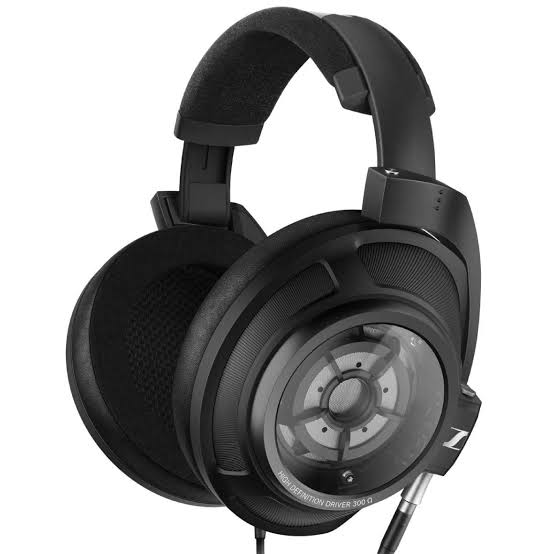
Hd800s
 
  • +1
Reactions: IStalkMyself and Jason Voorhees
Not a pixel
 
  • JFL
Reactions: IStalkMyself
INFRAORBIDALS GUIDE TO IEMS(LIST AT END


Why Professional Monitors Outperform Consumer Audio

Most people have never “actually heard”their favorite music.(I’m using this metaphorically ofc you’ve heard ur favorite song)

Stock earbuds and wireless pods give you a flattened, muddy approximation of a track because mass market consumer tech prioritizes cheap convenience over actual acoustic engineering.


Moving to an inear monitor aka IEM changes the entire physics of how sound hits your eardrum.


It is raw data versus corporate equalization.


The Seal Changes Everything

Here’s the thing consumer earbuds get fundamentally wrong: they don’t seal.

They sit loosely in the outer part of your ear, which means low frequencies just leak out into the room before they hit your eardrum. Manufacturers know this happens, so they pretune the hardware with an aggressive digital bass boost to trick your brain into thinking there’s bass there.

That artificial hump creates a bloated, muddy midbass that smears over the vocal range and kills instrument separation.

An IEM seats directly into your ear canal with a silicone or foam tip, creating an actual airtight acoustic chamber.

No boost needed, as the seal preserves natural bass extension natively.
The tuning can stay linear and transparent instead of warped to compensate for physics you can’t control.

This also kills ambient noise naturally without needing digital ANC, which (fun fact) actually messes with the phase relationships in your music. And the sealed air pressure is why IEM bass feels punchy and physically extended instead of loose and bloated.


The Driver Tech Difference

Consumer buds pack a single cheap dynamic driver into the shell and force it to handle everything from a 30Hz subbass drop to a 16kHz cymbal simultaneously. A single diaphragm can’t do that without physical distortion, so the low end bleeds all over your mids and the treble gets rolled off to prevent harshness. One driver, one set of mechanical limits, and the whole frequency spectrum has to live within them.

Professional monitors get around this by using multiple specialized micro drivers inside the same shell and splitting the workload between them with a crossover , which is a small passive circuit that routes bass frequencies to whichever driver handles bass well, mids to whichever handles mids well, and so on. Each driver type responds to a signal differently, which is exactly why pairing them works:

  • Dynamic drivers move a cone via a voice coil and magnet, the same basic mechanism as a fullsize speaker shrunk down. Because the cone can displace a relatively large volume of air, dynamics respond to bass content with real physical push that’s the “slam” you feel rather than just hear. Their downside is mechanical mass: the cone and coil have actual weight, so they’re slower to start and stop moving, which makes them sluggish for fast transients up in the treble.
View attachment 5240423

  • Balanced armatures work almost backwards. A tiny metal arm is suspended between magnets and pivots back and forth when current hits it, there’s barely any mass to accelerate, so it can start and stop moving almost instantly, the low inertia is what gives BAs their reputation for speed and clarity in the mids and highs:: cymbal hits, vocal sibilance, and fine texture come through crisp instead of smeared.The only tradeoff is they don’t move much air, so a single BA struggles to deliver real lowend weight, which is why most BA based shells stack two or three of them just to cover bass through treble.


  • Electrostatic drivers use a different mechanism entirely an ultrathin charged membrane suspended between two static plates, driven by a highvoltage signal rather than a magnetic coil. Because the entire membrane is essentially massless compared to a cone or armature, it responds to even the smallest signal changes, which is why electrostatics are known for resolving microdetail other driver types just don’t reproduce faint reverb tails, the texture of a bow on a string, that kind of thing. They’re rare in IEMs specifically because the highvoltage driving circuit is hard to miniaturize, but you’ll see them in flagship hybrid shells paired with dynamics or BAs.
My personal opinion
Is
BA>ELECTROSTATIC


But the build matters as much as the driver count.

More drivers = more crossover complexity, and a poorly tuned crossover causes phase cancellation frequencies fighting each other at the handoff point between drivers instead of blending smoothly.


This is why a wellengineered 2driver IEM can outperform a sloppy 6driver one; driver count is basically just a spec sheet number
And crossover is the thing u should look out for


Planar vs NonPlanar:

Traditional “nonplanar” drivers dynamics and BAs both are pushed from a single concentrated point.


A dynamic driver’s voice coil is glued to the center of the cone; a BA’s drive pin connects at one spot on the armature. When that single point accelerates fast enough to reproduce high frequencies, the rest of the diaphragm has to follow along through the material itself, and it doesn’t follow perfectly. The outer edges flex, lag, and warp slightly relative to the center.Audio engineers call this modal breakup, and it shows up as audible smearing and a small but real layer of distortion, especially as you push the driver harder.

Planar magnetic drivers solve this by changing where the force comes from instead of just making the existing approach better. Instead of a cone driven from one point, a planar driver is a completely flat, ultrathin membrane with a conductive circuit trace printed directly across its entire surface, kind of like its sandwiched between two parallel magnet arrays.

When current runs through that trace, every section of the membrane gets pushed or pulled by the magnets simultaneously not relayed in from a center point, but driven directly, everywhere, at once. There’s no lag for the force to travel through the material because it doesn’t have to travel; it’s already uniformly distributed.

For the practical result: planars respond to transients (like drums or snares) faster and more accurately than nonplanar drivers, because there’s no mechanical delay or flex working against the signal.

You also get noticeably tighter instrument separation in busy mixes when ten things are happening in a song at once, a planar tends to keep them distinct instead of letting them blur into each other because the whole diaphragm is moving in lockstep with the actual electrical signal instead of a slightly behind approximation of it.

The catch is planars are harder and more expensive to manufacture well, and a badly built one can sound thin in the bass since they rely on physically moving a flat membrane rather than displacing air with a deep cone but a properly engineered planar is currently about as close as IEM tech gets to “hear the waveform”-crinacle.


View attachment 5240432


Managing Microphonics


When you first switch to a fully sealed monitor, you will notice cable noise. Because your ear canal is sealed like a laboratory chamber, physical vibrations traveling up the wire get amplified into a dull thump when the cord slaps against your shirt.


This is microphonics. It is not a defect. It is the tax you pay for real acoustic isolation. You fix it mechanically. Looping the cable up and over the top of your ear cartilage uses your body as a natural shock absorber. Upgrading to a braided multi core copper wire prevents the line from storing mechanical energy, and sliding the chin cinch tight keeps the wire stable so it cannot swing around.


View attachment 5240437


The Consumer Audio Illusion


Generic earbuds are an industrial design win but an absolute failure under physics. For example, AirPods. This is Because they do not seal the canal, the low frequencies escape into the room before they ever reach your eardrum. Consumer audio companies know this, so they pre tune the hardware with a massive digital bass boost to trick your brain. That artificial hump creates a bloated mid bass that masks the vocal range and ruins instrument separation.


Unlike consumer EarPods, IEMs take a clean approach. The hardware seal preserves natural sub bass extension natively, allowing the tuning to remain transparent. You get to hear the real texture of acoustic instruments and independent vocal tracks instead of a muddy wall of sound.


Copper wire transfers uncompressed analog signals instantly. Bluetooth has to compress that data to fit inside limited wireless bandwidth, and the data that gets stripped first is microtiming and phase relationships, the exact information your brain uses to map where an instrument sits in 3d space.

Without it, the music flattens into a shallow, 2D wall of sound.

There’s also the planned obsolescence angle. Wireless pods rely on lithium batteries that degrade completely after a couple of years.
A wired monitor has no internal batteries and no digital chips. Its lifetime is limited only by how you treat the cable. Plus 0 latency .

View attachment 5240485
wired gives you realtime no delay quick transmission, which matters if you’re tracking or gaming competitively.

This why all pro players use IEMS


Like tenz, donk etc.

(Yes I’m aware he has a pair of headphones on all pro players have to wear these because they’re sponsored)
View attachment 5240461View attachment 5240464


Wireless Radiation Data


Convenience has a physical trade off. Continuous exposure to radiofrequency electromagnetic fields right against your skull is a terrible configuration when you look at peer reviewed public health numbers.
( so brutal jfl)

The thyroid gland sits at the base of the neck and regulates your metabolic system,which makes it incredibly sensitive to environmental stress.


Data published in Scientific Reports used machine learning models to map out clear risk factors for thyroid nodules, and the daily duration of Bluetooth headset usage came back as a statistically significant predictor for nodule pathogenesis. Running active RF transmitters right inside the ear canal creates a localized radiation footprint.

In 2011, the WHO’s International Agency for Research on Cancer classified radiofrequency electromagnetic fields (RFEMF) as “possibly carcinogenic to humans” (Group 2B) based on limited evidence of increased glioma and acoustic neuroma risk in heavy wireless phone users. Group 2B is a modest classification it’s below “known carcinogen” but it’s a real classification from the world’s leading cancer research body, and it hasn’t been downgraded

Comprehensive meta analyses tracking long term electromagnetic field exposure show a statistical correlation between heavy wireless use over extended periods and higher rates of localized cranial growths like gliomas and acoustic neuromas, showing up mostly on the primary side where people wear their tech.


View attachment 5240467

The Passive Advantage


A wired IEM is a totally passive system. It does not generate localized radiofrequency fields, it contains no internal transmitters, and it does not run on chemical power cells. You get uncompressed analog transmission, zero radiation near your head, and you never have to drop them in a charging case.


The Digital to Analog converter


To get this performance, your upstream gear matters. Modern music files are stored as digital data, long chains of digital ones and zeros. But your ears only read continuous analog sound waves, and drivers can only vibrate to analog voltage.


The digital to analog converter inside your phone or laptop is supposed to handle this translation. The issue is that mass market brands use cheap, microscopic DAC chips stuck right on the main motherboard next to noisy cellular antennas and Wi-Fi modules. That proximity leaks electrical noise and jitter into the path, degrading the signal before it reaches the jack.

Bypassing the internal audio out for a dedicated, shielded external DAC ensures the conversion is clean. You stop corporate DSP from coloring the signal and get the exact electrical translation of the studio master, complete with the natural room reverb and the real dynamic range of the file.


+ the old assumption that referencegrade monitoring costs thousands is dead. Overseas manufacturing efficiency has completely broken the market. A $40 multidriver wired monitor will outresolve a $300 pair of airpods

I have tested who have literally gave away their AirPods when they heard the difference.

You’ll want a decent DAC (digitaltoanalog converter) for sure($10–$90 depending on what you want)

View attachment 5240469

Conclusion

True progress in technology should not require compromising our biological health or the integrity of the art we consume. Wireless earbuds strip away the nuance of recorded music and introduce unnecessary physical risks to vital tissues like the brain and thyroid.

wireless is just inferior to wired, “but muh muh convenience” yes I’m aware it is real, yes yes I get it.

BUT wired is superior overall…
Better sound quality,
Better durability,
not gambling on health, etc

wired IEMs are the nobrainer choice.


The list:


For $30


$15.99 - $16.99: TANCHJIM ZERO ULTIMA (3.5mm)/TANCHJIM ZERO ULTIMA DSP (USB-C)("balanced" (3.5mm)/variable (DSP)) - fixed cable [microphone option by default]

$17.85: TANGZU WAN'ER SHANGGUAN Studio Edition (mid-forward) [no microphone]

$19.99 - $20.99: TANCHJIM BUNNY (3.5mm)/TANCHJIM BUNNY DSP (USB-C)(warm W-shape (3.5mm)/variable (DSP)) [microphone option available]

$19.99: QKZ x HBB (warm/bassy) [microphone option available]

$20 - $24: TANGZU WAN'ER SHANGGUAN 2 series (variations of mid-forward sound signatures) [microphone option available]

$21.99 - $22.99: TRUTHEAR GATe (mild bright V-shape) [microphone option available]

$22.99 - $25.99: 7Hz-Salnotes Zero (bright) [microphone option available]

$24.99: 7Hz x crinacle Zero:2 (warm/"balanced") [microphone option available but not recommended]

$25.99 - $29.99: Kinera/Celest/Queen of Audio Wyvern series

(V-shaped with treble roll-off) - some options have a boom mic, would be the best ultrabudget headset [microphone option available]

$28.99 - $29.99: NICEHCK Tears (3.5mm) (W-shaped) [microphone option available]


$30 - $60


$31.99: NICEHCK Tears DSP (USB-C) (variable (DSP)) [microphone option by default]

$34.99: Kiwi Ears Cadenza (mild V-shape) [no microphone]

$34.99 - $36.99: 7Hz G1 (V-shaped) [microphone option available]

$34.99 - $39.99: ooopusX op.22 (warm V-shape (• mode)/bright (○ mode)) [no microphone]

$52: FLOAUDIO LILY (dark/mid-centric) not widely available, for Treble-sensitive people, high isolation, bad accessories, unvented [no microphone]

$39.99: MOONDROP MARIGOLD (variable) bullet type IEMs [microphone option by default]

$49.99: Kiwi Ears Cadenza II ("balanced") [no microphone]

$59.99: MOONDROP LAN II (REF: mid-forward/bright, POP: V-shaped) - compatible with small ears [no microphone]


$60 - $100


$64.99: TRUTHEAR x crinacle ZERO:RED (mid-forward or bassy with high output impedance [10 Ohms or higher]) WARNING: VERY BIG SHELL, VERY LONG AND WIDE NOZZLE [no microphone]

$70: ARTTI R1 (warm V-Shape) very big shell [no microphone]

$75: ARTTI T10 (bright/bright W-shape) weird shell shape [no microphone]

$79.99 - $85.99: SIMGOT EW300 (warm V-shape) [no microphone]

$89.99: TRUTHEAR HEXA (bright-ish) [no microphone]

$89.99: TRUTHEAR PURE (warm) - warmer/more bassy Hexa [no microphone]

$89.99: SIMGOT EA500LM (bright V-shape) [no microphone]

under $90: FLOAUDIO BLUELOVER("balanced"/warm) not widely available, bad accessories, high isolation, unvented [no microphone]


$100 - $150


$99.99: KOTORI AUDIO VAMPIRE (dark/mid-centric) more accessible and better Lily, pressure buildup [no microphone]

$99.99 - $104.99: NICEHCK F1 Pro(bright/bright W-shape) [no microphone]

$109.99: Tanchjim NORA (mid-forward) [no microphone]

$119.99: AFUL Explorer (warm) [no microphone]

$149: 7Hz x crinacle Divine (mid-forward/"balanced") [no microphone]

$149: 7Hz x crinacle Diablo (bassy) [no microphone]

$149.99: etymotic ER2SE/XR (SE: mid-centric/XR: "balanced"/mid-forward) for people who want the best isolation, very deep fit/very intrusive [no microphone]


Dac recommendations

• Apple dongle (10$)

•. Jcally jm6 pro(15-25$)

• JCALLY JM20 Max ($34.89)

• FiiO KA11 ($38.76)

• Moondrop Dawn Pro ($73.65)

• FiiO KA15 ($90)


BLUETOOTH DACS

Fiio BTR11(25$)

Fiio snowsky echo mini(65$)

Fiio BTR13(75$)

Fiio BTR15(100$)

QUDELIX 5K(110$ superior)


Video:


FOR APPLE USERS


Otg cable for lightning

Fiio lt1-lt3(10-30$.)


@Lemic @GandysOrbitals @Subhuman @xex @zennn @primal_shitmuncher @eiko @AgentAngularity @sub5ropemaxxing @Pony @Master
@IStalkMyself

Studies:


Please don’t DNR me:forcedsmile:

did not get tagged wtf nigga

olny 5 tags work in one post , nice thread will have a read.
 
  • +1
Reactions: yourawesomesauce67
gates is really good for its price range too, think about buying the nice tears DSP like how its on sale right now
I heard it lacks punch
 
IMG 6495
 
  • +1
  • Ugh..
Reactions: AgentAngularity, shedontluv-U and yourawesomesauce67
very interesting and bookmarked but what about a tldr?
 
good threads I am not going to bookmark because I'm going to read it now


mirin effort
 
  • +1
  • Ugh..
Reactions: AgentAngularity and yourawesomesauce67
very interesting and bookmarked but what about a tldr?
tldr: wired mogs wireless , wired has better audio quality etc wireless brings health problems
 
  • Woah
Reactions: Quetila
  • Ugh..
Reactions: AgentAngularity
My $50 iems sound better than my sony XM4s
 
  • +1
Reactions: yourawesomesauce67
My $50 iems sound better than my sony XM4s
I’m pretty sure 30$ Iems will sound better then like 99% of wireless headphones
 
  • +1
Reactions: Petsmart
🤷
I preferred my gates more, didn’t really have time to listen to the tears tbh
Where r h getting the better bass and other stuff from?
 
INFRAORBIDALS GUIDE TO IEMS(LIST AT END


Why Professional Monitors Outperform Consumer Audio

Most people have never “actually heard”their favorite music.(I’m using this metaphorically ofc you’ve heard ur favorite song)

Stock earbuds and wireless pods give you a flattened, muddy approximation of a track because mass market consumer tech prioritizes cheap convenience over actual acoustic engineering.


Moving to an inear monitor aka IEM changes the entire physics of how sound hits your eardrum.


It is raw data versus corporate equalization.


The Seal Changes Everything

Here’s the thing consumer earbuds get fundamentally wrong: they don’t seal.

They sit loosely in the outer part of your ear, which means low frequencies just leak out into the room before they hit your eardrum. Manufacturers know this happens, so they pretune the hardware with an aggressive digital bass boost to trick your brain into thinking there’s bass there.

That artificial hump creates a bloated, muddy midbass that smears over the vocal range and kills instrument separation.

An IEM seats directly into your ear canal with a silicone or foam tip, creating an actual airtight acoustic chamber.

No boost needed, as the seal preserves natural bass extension natively.
The tuning can stay linear and transparent instead of warped to compensate for physics you can’t control.

This also kills ambient noise naturally without needing digital ANC, which (fun fact) actually messes with the phase relationships in your music. And the sealed air pressure is why IEM bass feels punchy and physically extended instead of loose and bloated.


The Driver Tech Difference

Consumer buds pack a single cheap dynamic driver into the shell and force it to handle everything from a 30Hz subbass drop to a 16kHz cymbal simultaneously. A single diaphragm can’t do that without physical distortion, so the low end bleeds all over your mids and the treble gets rolled off to prevent harshness. One driver, one set of mechanical limits, and the whole frequency spectrum has to live within them.

Professional monitors get around this by using multiple specialized micro drivers inside the same shell and splitting the workload between them with a crossover , which is a small passive circuit that routes bass frequencies to whichever driver handles bass well, mids to whichever handles mids well, and so on. Each driver type responds to a signal differently, which is exactly why pairing them works:

  • Dynamic drivers move a cone via a voice coil and magnet, the same basic mechanism as a fullsize speaker shrunk down. Because the cone can displace a relatively large volume of air, dynamics respond to bass content with real physical push that’s the “slam” you feel rather than just hear. Their downside is mechanical mass: the cone and coil have actual weight, so they’re slower to start and stop moving, which makes them sluggish for fast transients up in the treble.
View attachment 5240423

  • Balanced armatures work almost backwards. A tiny metal arm is suspended between magnets and pivots back and forth when current hits it, there’s barely any mass to accelerate, so it can start and stop moving almost instantly, the low inertia is what gives BAs their reputation for speed and clarity in the mids and highs:: cymbal hits, vocal sibilance, and fine texture come through crisp instead of smeared.The only tradeoff is they don’t move much air, so a single BA struggles to deliver real lowend weight, which is why most BA based shells stack two or three of them just to cover bass through treble.


  • Electrostatic drivers use a different mechanism entirely an ultrathin charged membrane suspended between two static plates, driven by a highvoltage signal rather than a magnetic coil. Because the entire membrane is essentially massless compared to a cone or armature, it responds to even the smallest signal changes, which is why electrostatics are known for resolving microdetail other driver types just don’t reproduce faint reverb tails, the texture of a bow on a string, that kind of thing. They’re rare in IEMs specifically because the highvoltage driving circuit is hard to miniaturize, but you’ll see them in flagship hybrid shells paired with dynamics or BAs.
My personal opinion
Is
BA>ELECTROSTATIC


But the build matters as much as the driver count.

More drivers = more crossover complexity, and a poorly tuned crossover causes phase cancellation frequencies fighting each other at the handoff point between drivers instead of blending smoothly.


This is why a wellengineered 2driver IEM can outperform a sloppy 6driver one; driver count is basically just a spec sheet number
And crossover is the thing u should look out for


Planar vs NonPlanar:

Traditional “nonplanar” drivers dynamics and BAs both are pushed from a single concentrated point.


A dynamic driver’s voice coil is glued to the center of the cone; a BA’s drive pin connects at one spot on the armature. When that single point accelerates fast enough to reproduce high frequencies, the rest of the diaphragm has to follow along through the material itself, and it doesn’t follow perfectly. The outer edges flex, lag, and warp slightly relative to the center.Audio engineers call this modal breakup, and it shows up as audible smearing and a small but real layer of distortion, especially as you push the driver harder.

Planar magnetic drivers solve this by changing where the force comes from instead of just making the existing approach better. Instead of a cone driven from one point, a planar driver is a completely flat, ultrathin membrane with a conductive circuit trace printed directly across its entire surface, kind of like its sandwiched between two parallel magnet arrays.

When current runs through that trace, every section of the membrane gets pushed or pulled by the magnets simultaneously not relayed in from a center point, but driven directly, everywhere, at once. There’s no lag for the force to travel through the material because it doesn’t have to travel; it’s already uniformly distributed.

For the practical result: planars respond to transients (like drums or snares) faster and more accurately than nonplanar drivers, because there’s no mechanical delay or flex working against the signal.

You also get noticeably tighter instrument separation in busy mixes when ten things are happening in a song at once, a planar tends to keep them distinct instead of letting them blur into each other because the whole diaphragm is moving in lockstep with the actual electrical signal instead of a slightly behind approximation of it.

The catch is planars are harder and more expensive to manufacture well, and a badly built one can sound thin in the bass since they rely on physically moving a flat membrane rather than displacing air with a deep cone but a properly engineered planar is currently about as close as IEM tech gets to “hear the waveform”-crinacle.


View attachment 5240432


Managing Microphonics


When you first switch to a fully sealed monitor, you will notice cable noise. Because your ear canal is sealed like a laboratory chamber, physical vibrations traveling up the wire get amplified into a dull thump when the cord slaps against your shirt.


This is microphonics. It is not a defect. It is the tax you pay for real acoustic isolation. You fix it mechanically. Looping the cable up and over the top of your ear cartilage uses your body as a natural shock absorber. Upgrading to a braided multi core copper wire prevents the line from storing mechanical energy, and sliding the chin cinch tight keeps the wire stable so it cannot swing around.


View attachment 5240437


The Consumer Audio Illusion


Generic earbuds are an industrial design win but an absolute failure under physics. For example, AirPods. This is Because they do not seal the canal, the low frequencies escape into the room before they ever reach your eardrum. Consumer audio companies know this, so they pre tune the hardware with a massive digital bass boost to trick your brain. That artificial hump creates a bloated mid bass that masks the vocal range and ruins instrument separation.


Unlike consumer EarPods, IEMs take a clean approach. The hardware seal preserves natural sub bass extension natively, allowing the tuning to remain transparent. You get to hear the real texture of acoustic instruments and independent vocal tracks instead of a muddy wall of sound.


Copper wire transfers uncompressed analog signals instantly. Bluetooth has to compress that data to fit inside limited wireless bandwidth, and the data that gets stripped first is microtiming and phase relationships, the exact information your brain uses to map where an instrument sits in 3d space.

Without it, the music flattens into a shallow, 2D wall of sound.

There’s also the planned obsolescence angle. Wireless pods rely on lithium batteries that degrade completely after a couple of years.
A wired monitor has no internal batteries and no digital chips. Its lifetime is limited only by how you treat the cable. Plus 0 latency .

View attachment 5240485
wired gives you realtime no delay quick transmission, which matters if you’re tracking or gaming competitively.

This why all pro players use IEMS


Like tenz, donk etc.

(Yes I’m aware he has a pair of headphones on all pro players have to wear these because they’re sponsored)
View attachment 5240461View attachment 5240464


Wireless Radiation Data


Convenience has a physical trade off. Continuous exposure to radiofrequency electromagnetic fields right against your skull is a terrible configuration when you look at peer reviewed public health numbers.
( so brutal jfl)

The thyroid gland sits at the base of the neck and regulates your metabolic system,which makes it incredibly sensitive to environmental stress.


Data published in Scientific Reports used machine learning models to map out clear risk factors for thyroid nodules, and the daily duration of Bluetooth headset usage came back as a statistically significant predictor for nodule pathogenesis. Running active RF transmitters right inside the ear canal creates a localized radiation footprint.

In 2011, the WHO’s International Agency for Research on Cancer classified radiofrequency electromagnetic fields (RFEMF) as “possibly carcinogenic to humans” (Group 2B) based on limited evidence of increased glioma and acoustic neuroma risk in heavy wireless phone users. Group 2B is a modest classification it’s below “known carcinogen” but it’s a real classification from the world’s leading cancer research body, and it hasn’t been downgraded

Comprehensive meta analyses tracking long term electromagnetic field exposure show a statistical correlation between heavy wireless use over extended periods and higher rates of localized cranial growths like gliomas and acoustic neuromas, showing up mostly on the primary side where people wear their tech.


View attachment 5240467

The Passive Advantage


A wired IEM is a totally passive system. It does not generate localized radiofrequency fields, it contains no internal transmitters, and it does not run on chemical power cells. You get uncompressed analog transmission, zero radiation near your head, and you never have to drop them in a charging case.


The Digital to Analog converter


To get this performance, your upstream gear matters. Modern music files are stored as digital data, long chains of digital ones and zeros. But your ears only read continuous analog sound waves, and drivers can only vibrate to analog voltage.


The digital to analog converter inside your phone or laptop is supposed to handle this translation. The issue is that mass market brands use cheap, microscopic DAC chips stuck right on the main motherboard next to noisy cellular antennas and Wi-Fi modules. That proximity leaks electrical noise and jitter into the path, degrading the signal before it reaches the jack.

Bypassing the internal audio out for a dedicated, shielded external DAC ensures the conversion is clean. You stop corporate DSP from coloring the signal and get the exact electrical translation of the studio master, complete with the natural room reverb and the real dynamic range of the file.


+ the old assumption that referencegrade monitoring costs thousands is dead. Overseas manufacturing efficiency has completely broken the market. A $40 multidriver wired monitor will outresolve a $300 pair of airpods

I have tested who have literally gave away their AirPods when they heard the difference.

You’ll want a decent DAC (digitaltoanalog converter) for sure($10–$90 depending on what you want)

View attachment 5240469

Conclusion

True progress in technology should not require compromising our biological health or the integrity of the art we consume. Wireless earbuds strip away the nuance of recorded music and introduce unnecessary physical risks to vital tissues like the brain and thyroid.

wireless is just inferior to wired, “but muh muh convenience” yes I’m aware it is real, yes yes I get it.

BUT wired is superior overall…
Better sound quality,
Better durability,
not gambling on health, etc

wired IEMs are the nobrainer choice.


The list:


For $30


$15.99 - $16.99: TANCHJIM ZERO ULTIMA (3.5mm)/TANCHJIM ZERO ULTIMA DSP (USB-C)("balanced" (3.5mm)/variable (DSP)) - fixed cable [microphone option by default]

$17.85: TANGZU WAN'ER SHANGGUAN Studio Edition (mid-forward) [no microphone]

$19.99 - $20.99: TANCHJIM BUNNY (3.5mm)/TANCHJIM BUNNY DSP (USB-C)(warm W-shape (3.5mm)/variable (DSP)) [microphone option available]

$19.99: QKZ x HBB (warm/bassy) [microphone option available]

$20 - $24: TANGZU WAN'ER SHANGGUAN 2 series (variations of mid-forward sound signatures) [microphone option available]

$21.99 - $22.99: TRUTHEAR GATe (mild bright V-shape) [microphone option available]

$22.99 - $25.99: 7Hz-Salnotes Zero (bright) [microphone option available]

$24.99: 7Hz x crinacle Zero:2 (warm/"balanced") [microphone option available but not recommended]

$25.99 - $29.99: Kinera/Celest/Queen of Audio Wyvern series

(V-shaped with treble roll-off) - some options have a boom mic, would be the best ultrabudget headset [microphone option available]

$28.99 - $29.99: NICEHCK Tears (3.5mm) (W-shaped) [microphone option available]


$30 - $60


$31.99: NICEHCK Tears DSP (USB-C) (variable (DSP)) [microphone option by default]

$34.99: Kiwi Ears Cadenza (mild V-shape) [no microphone]

$34.99 - $36.99: 7Hz G1 (V-shaped) [microphone option available]

$34.99 - $39.99: ooopusX op.22 (warm V-shape (• mode)/bright (○ mode)) [no microphone]

$52: FLOAUDIO LILY (dark/mid-centric) not widely available, for Treble-sensitive people, high isolation, bad accessories, unvented [no microphone]

$39.99: MOONDROP MARIGOLD (variable) bullet type IEMs [microphone option by default]

$49.99: Kiwi Ears Cadenza II ("balanced") [no microphone]

$59.99: MOONDROP LAN II (REF: mid-forward/bright, POP: V-shaped) - compatible with small ears [no microphone]


$60 - $100


$64.99: TRUTHEAR x crinacle ZERO:RED (mid-forward or bassy with high output impedance [10 Ohms or higher]) WARNING: VERY BIG SHELL, VERY LONG AND WIDE NOZZLE [no microphone]

$70: ARTTI R1 (warm V-Shape) very big shell [no microphone]

$75: ARTTI T10 (bright/bright W-shape) weird shell shape [no microphone]

$79.99 - $85.99: SIMGOT EW300 (warm V-shape) [no microphone]

$89.99: TRUTHEAR HEXA (bright-ish) [no microphone]

$89.99: TRUTHEAR PURE (warm) - warmer/more bassy Hexa [no microphone]

$89.99: SIMGOT EA500LM (bright V-shape) [no microphone]

under $90: FLOAUDIO BLUELOVER("balanced"/warm) not widely available, bad accessories, high isolation, unvented [no microphone]


$100 - $150


$99.99: KOTORI AUDIO VAMPIRE (dark/mid-centric) more accessible and better Lily, pressure buildup [no microphone]

$99.99 - $104.99: NICEHCK F1 Pro(bright/bright W-shape) [no microphone]

$109.99: Tanchjim NORA (mid-forward) [no microphone]

$119.99: AFUL Explorer (warm) [no microphone]

$149: 7Hz x crinacle Divine (mid-forward/"balanced") [no microphone]

$149: 7Hz x crinacle Diablo (bassy) [no microphone]

$149.99: etymotic ER2SE/XR (SE: mid-centric/XR: "balanced"/mid-forward) for people who want the best isolation, very deep fit/very intrusive [no microphone]


Dac recommendations

• Apple dongle (10$)

•. Jcally jm6 pro(15-25$)

• JCALLY JM20 Max ($34.89)

• FiiO KA11 ($38.76)

• Moondrop Dawn Pro ($73.65)

• FiiO KA15 ($90)


BLUETOOTH DACS

Fiio BTR11(25$)

Fiio snowsky echo mini(65$)

Fiio BTR13(75$)

Fiio BTR15(100$)

QUDELIX 5K(110$ superior)


Video:


FOR APPLE USERS


Otg cable for lightning

Fiio lt1-lt3(10-30$.)


@Lemic @GandysOrbitals @Subhuman @xex @zennn @primal_shitmuncher @eiko @AgentAngularity @sub5ropemaxxing @Pony @Master
@IStalkMyself

Studies:


Please don’t DNR me:forcedsmile:

@AgentAngularity what do you provide to this earth dude
 
  • Ugh..
Reactions: AgentAngularity
  • +1
  • Ugh..
Reactions: JkCel and AgentAngularity
JFL:lul:
faggot can’t comprehend audio engineering
I read the whole thing. Pure bullshit, 79% AI generated slop. Quit while your ahead, your guides or account provide no purpose to the community.
 
I mean better as in more not in the sense that its more controlled, Get this from reviewers and squiglink
 
  • +1
Reactions: yourawesomesauce67
I read the whole thing. Pure bullshit, 79% AI generated slop. Quit while your ahead, your guides or account provide no purpose to the community.
:lul::lul::lul:
Put in the us constitution and see wha tit puts out
Normies are still using AI checkers
 
I mean better as in more not in the sense that its more controlled, Get this from reviewers and squiglink
I wouldn’t trust reviewers, audio seems to falter from reviewer to reviewer
Squig is legit
 
  • +1
Reactions: JkCel
Dnr nigger
 
  • Ugh..
Reactions: yourawesomesauce67

Similar threads

yourawesomesauce67
Replies
5
Views
36
Pickletoil
Pickletoil
g4rlic
Replies
3
Views
26
g4rlic
g4rlic
MrCrig
Replies
4
Views
88
polonaecel
polonaecel
the exile v2
Replies
9
Views
26
Sulfuras
Sulfuras
MrCrig
Replies
12
Views
68
sonic55555
S

Users who are viewing this thread

  • nico_6967
Back
Top