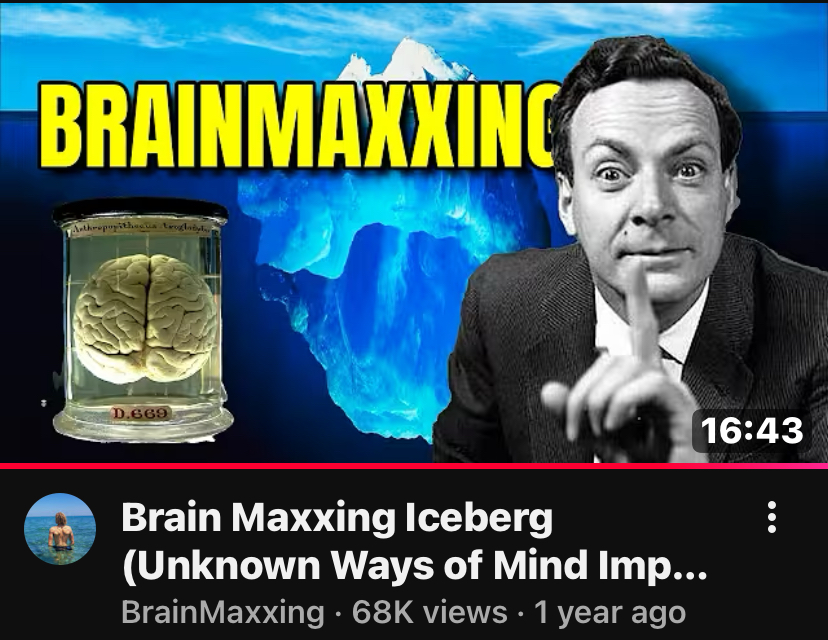
IQ Maxxing - Hidden Techniques to be the Smartest in the Room (Best IQ Guide on this Forum)

leF

leF

I post only HQ.
Joined
Jan 16, 2025
Posts
173
Reputation
1,011
It was 2:56 AM and I started writing this half-asleep. the truth is your brain can improve a lot if you use the right methods but most people end up wasting time on weak study habits.

So here are the layers of IQ maxxing techniques.

Layer 1 - Core Methods

1771717334736

Visualization.
This method involves using images, diagrams, graphics and other visual elements to absorb information. This makes understanding and memorization easier by creating strong mental connections.

Active Recall.
This involves trying to retrieve information without listening to it directly. This strengthens memory by actively recalling the recorded data, which is more effective than possibly reviewing materials.

Mind Mapping.
This method involves creating graphics that organize thoughts and information in a categorical or alphabetical manner. It helps in structural understanding of the material and in identifying the mind themes and their relationships.

Layer 2 - Efficiency & Retention

1771718155872

Pomodoro Time Management Method.
Which consists of dividing work into 25 minutes intervals, pomodoros, followed by a short break. Some simple but allows to rebuild neurotransmitters, thanks to which motivation and memory skills do not drop so quickly.

Feynman Technique (fman technique).
A learning method developed by Richard Feynman, which consists of explaining complex concepts in simple words, consists of trying to explain a subject to someone in order to verify whether we really understand it, even a cat or a stuffed animal.

Spaced Repetition Technique (spatial repetition).
A method of forgetting which consists in regularly repeating material at different intervals of time. It helps in long-term memorization of information by using the effect of forgetting is based on the research of Professor Ebbinghaus, who established the so-called Ebbinghaus curve, which says when we should repeat to do it as rarely as possible and to at the same time remember as much as possible.

Layer 3 - Advanced Memory

1771718047048

Memory Palace.
Complicated method that when used well is the most effective technique for memorization. It is an advanced mnemonic system that involves assigning images to known place in a reality or imaginary environment. Thanks to this you can easily remember information using your imagination or senses.

SQ3R Method.
This is a study technique that focuses on five steps: survey, question, read, recite and review. It helps in effective analysis and memorization of content.

Spatial Chunking.
It consists of dividing information into smaller more helpful chunks and assigning them to spaces, which helps in combating them motivation and saturation by huge chunks of material to divide my study material well, I often use cheaty.

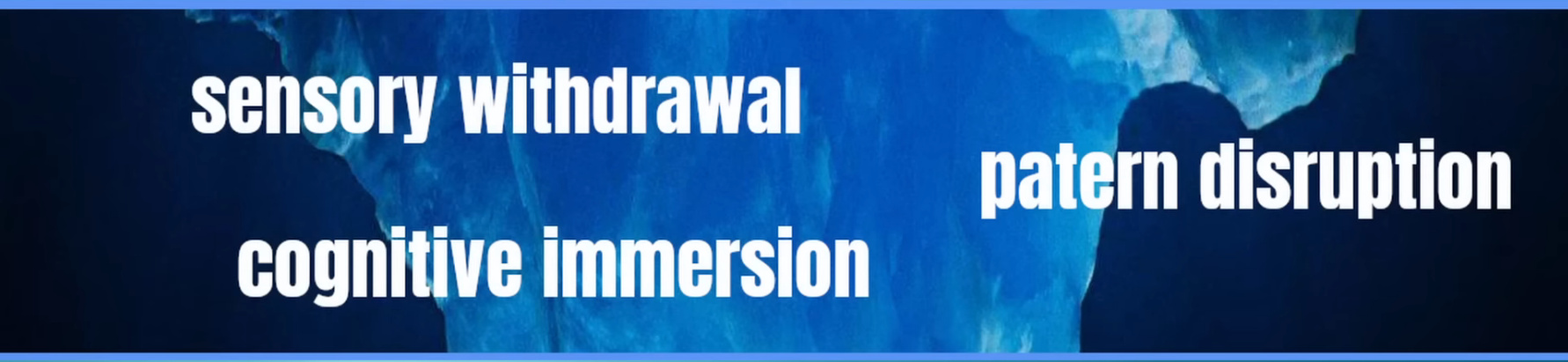
Layer 4 - Creativity & Plasticity
1771718209904

Sensory Withdrawal.
Intentional cutting off of one or more senses, for example by wearing eye mask or ear plugs for several dozen minutes a day. This method increases creativity and allows you to sharpen your senses.

Cognitive Immersion.
A person deliberately exposes themselves to a huge amount of complex content information in order to force their mind to cope with overload. Examples include reading a test full of errors that chatgpt might write for you and your task is to point out those errors. Benefits: better handling multiple sources of data and developing critical thinking skills in stressful situations.

Pattern Disruption.
Intentionally disturbing daily habits such as writing with your non-dominant hand, walking backwards for a few minutes a day, or brushing your teeth with your non-dominant hand. Benefits include stimulating neuroplasticity or engaging the other hemisphere, which can result in a rapid and significant development of the regions of the cortex responsible for controlling and processing information.

Layer 5 - Extreme Methods

1771718269406

Chaos Immersion.
Intentionally introducing yourself into an unpredictable environment or situation. Examples include traveling to unknown places without preparation, spontaneously changing routines, or even participating in debates on topics you have no knowledge about. You can gain the development of adaptability, quickly learning new things under stress, training in coping with unpredictability.

Controlled Overload.
Actually that's because it's extreme training in divided attention and multitasking, and we know multitasking can lower your IQ level, it's a scientific fact. But it's deliberate greatly overworking your brain by performing many demanding tasks at the same time, such as solving complex math problems while listening to lectures on other topics or trying to remember detailed information at the same time. But as we know multitasking is a short way to actually lower your intelligence and it's absolutely not beneficial in any way, so don't practice that.

Layer 6 - Extreme Deprivation

1771718336365

Cognitive Fasting.
Voluntarily refraining from mental stimulation such as reading, listening to music, using technology for a few days to force the brain to seek new sources of internal creativity and inventiveness. It is also a great dopamine detox because it lowers the expectations of our simple dopamine-addicted brain, so maybe instead of scrolling you suddenly will start to chase real dopamine such as working, completing your goals, or exercising. No, just kidding, but maybe, however for sure these exercises and these activities will be more interesting than previously.

Abyss of Isolation.
This is probably an even more hardcore version of dopamine detox, which consists in completely depriving ourselves of stimulation for our brain, for example for a period of 8 hours. We can simply stare at an empty wall or a clock or do anything else that will not give us any stimulation at all. At this time your dopamine level will be so low that you will crave any activity, even this one, a good and productive one

Layer 7 - Psychological Stress Training

1771718523847

Emotional Overload.
Deliberately exposing yourself to extreme emotions by watching emotionally draining movies, reading painful stories, or remembering traumatic events and then trying to logically analyze your reactions in real time. This is an extreme enhancement of emotional control and the ability to think analytically in stressful situations.

Cognitive Pain Simulation.
Using physical discomfort such as sitting in an uncomfortable position, exposing yourself to cold or slight skin irritation while solving difficult intellectual problems. The brain must learn to ignore the pain and focus on the task at hand. Potential benefits include increasing ability to concentrate in difficult conditions, develop resistance to distracting stimulation.

Layer 8 - Neural Nutrition

1771718688694

Fish oils.
DHA is just one kind of omega-3 fatty acids, but all of them are contributing to maintaining optimal fluidity of nerve cell membranes, improving neurotransmitter binding and signaling. This supports effective communication between neurons, which is crucial for cognitive processes, so we can say that fish oils are just like gains for muscles but for the brain.

Resveratrol.
Some studies suggest that resveratrol supplementation can improve memory and mood function, potentially reversing cognitive aging by up to a decade. Studies indicate that resveratrol can increase blood flow to the brain, particularly in the frontal cortex which is associated with higher cognitive function. This increased flow may support brain development and function. Other studies have shown that resveratrol can promote synaptic plasticity, the ability of synapses to strengthen or weaken over time, which is essential for learning and memory formation. That's not all, there is evidence to suggest that resveratrol can stimulate the growth of new neurons, a process known as neurogenesis, contributing to brain development and repair.

Layer 9 - Cognitive Performance Enhancers

1771718726206

Creatine.
One study analyzed six studies with 281 participants and found that creatine supplementation can improve short-term memory and intelligence and reasoning skills. Another study found that a single dose of creatine improved cognitive performance and processing speed in sleep-deprived individuals, indicating its potential to enhance brain function under stress. There was also a study that partially demonstrated increased IQ scores in people who do creatine regularly, however it's still not sure all people will get the same results, especially in high doses

Lion’s Mane.
Research from the University of Queensland has identified bioactive compounds in Lion’s Mane that significantly promote brain cell growth and improve memory in preclinical models. Lions main has also been studied for its neuroprotective properties, with evidence suggesting it may help with neurodegenerative diseases by promoting neuronal growth and reducing cognitive decline.

Layer 10 - Neurochemical Support

1771718774370

Phosphatidylserine.
Building block of the brain can work wonders. It improves memory, speeds up thinking and even relieve symptoms of ADHD. Studies show that it can slow down the aging process of the brain by protecting nerves cells from degradation. It is a natural brain booster that crosses the blood-brain barrier, which is quite rare, and supports neurotransmitter responsible for concentration and learning processes.

Acetyl-L-Carnitine.
It's like a real brain fuel. It improves mitochondrial function, supports neurotransmitter production and may even reverse the effect of brain aging. Studies suggest that it can act like a natural anti-depressant, boosting mental energy and improving mood. In people with Alzheimer's it helps memory and concentration, and in healthy people it can sharpen the mind in some cases. What is that? It's a modified form of carnitine, an amino acid involved in a fatty acid metabolism.

Layer 11 - Longevity & Neuroprotection

1771718796729

NMN.
It's a precursor to NAD+, plays a significant role in boosting brain function and combating cognitive decline. By increasing NAD+ levels, NMN enhances energy metabolism in brain cells and protects against neurodegeneration. Studies show it helps improve memory and reduces symptoms of Alzheimer disease by improving neuronal survival and reducing oxidative stress. NMN also supports the blood-brain barrier, preventing inflammation and neuroinflammation which can impair cognitive abilities. Overall NMN is a promising compound for improving brain health, slowing aging and protecting against neurodegenerative diseases.

Bacopa Monnieri.
Known as Brahmi, is a plant that is gaining popularity as a natural nootropic. Studies show that it improves memory, concentration and cognitive abilities, especially in older people. It works by acting on neurotransmitters, protecting the nerves from oxidative stress and supporting the neural plasticity of the brain. Bacopa can also treat ADHD and has anti-inflammatory effects. After use studies are needed to confirm its long-term use. It is a natural way to improve memory and protect the brain.

Layer 12 - Synthetic Nootropics

1771718815175

Chemical Nootropics.
Very long topic, and the biggest problem with them is that majority of these substances are so poorly researched that we don't even know what their long-term effects are, and because they work in the brain which has rather average self-regeneration capabilities, taking this is quite risky. However on numerous internet forums people praise the amazing results they achieve thanks to, for example, modafinil. It works by increasing the level of neurotransmitters such as dopamine noradrenaline, which leads to improved concentration, alertness and motivation. the author points out the long duration of the drug’s action, up to 12 hours, on one forum and the fact that it does not cause the side effects typical to other similar stimulants. Like um, other people mention how the drug made them more motivated. Other praise modafinil which boosts their dopamine levels and motivation for work. On forums I also found people praising something called PRL-8-53, which is supposed to be the best memory-boosting product. However the few studies do not indicate any huge jump but only a slight improvement in long-term memory, which in my opinion we can significantly beat with natural methods.

Layer 13 - Sleep Optimization

1771718863011

Memory support through bed movements.
Swiss researchers hung a bed frame on ropes attached to the ceiling of a room. A rotating lever was attached to one side which allowed the bed to rock at the selected speed. Volunteers fell asleep on the bed and the researchers recorded brain waves during sleep while gently rocking the bed of a half of the participants who fell into non-REM sleep. Slow rocking increased the intensity of deep sleep, increased the quality of slow brain waves and at least double the number of sleep spindles. And interestingly another study proved that a large number of sleep spindles has an almost exact correlation in larger amount of information absorbed through sleep, which in this case will amount to an improvement of several dozen percent.


Layer 14 - Neurostimulation During Sleep

1771718899764

Acoustic wave sleep phases support.
In 2006 a team of researchers from Germany recruited a group of healthy young people for a pioneering study in which electrodes were attached to their heads while scientists delivered small amounts of electrical current to the brain during sleep. When the study participants were in NREM phase, the researchers turned on a stimulator that gently synchronizes with the slow brain waves, and it turned out that the electrical impulses had such a measurable effect on the sleep that both the number of slow brain waves and the number of sleep spindles occurring during deep brain waves increased. In addition the subjects before going to bed learned a lot of new facts, and after waking up the next day both the control group and the test groups took a test to see how well they remembered them. And in this study it turned out that the group that fell asleep at night with the support of an audio stimulation increased the amount of information they remembered by 40% compared to the control group. But if you want to build or buy a similar device yourself this may not be the greatest idea, because a slightly incorrectly calibrated device can even temporarily cause blindness and skin burns.

Layer 15 - Hypothetical Cognitive Enhancers (Fictional)

1771718942342

Track Alpha 3000.
If you watch the film Limitless you probably know the mythical pill that the main character takes and which makes him able to use absolutely 100% of his brain capabilities. In just a few days he becomes a millionaire, he learns several languages and in addition he becomes charismatic and interesting as a conversationalist. A year later he becomes a senator. From the moment he takes the drug he knows exactly what to do and where he goes. And although it's only film fiction, some people claim that some kind of drug like this exists in reality. On the internet forums you can always find some threads about mythical pill called Alpha 3000 which may be hidden from humanity and available only for very small group of people. Of course most likely this drug doesn’t even exist but it's a very interesting topic for some specific theories.

Also stop reading guides for the sake of reading and apply.

Right now, pick 3-5 techniques from layers 1-3, grind daily and track your progress, then journal what works.

Also cut distractions that fry your brain. (Go check IQmaxxing : Habits that destroy your brain)
And change your habits. (Go check IQmaxxing Guide : The Only Guide You Need to Level Up Your Intelligence) K Shami stealing my content and making a video about it
You also need to BrainMaxx. (Go check BrainMaxxing : Natural way to brain max)
 
Last edited:
  • +1
  • Love it
  • JFL
Reactions: -joe, Deathninja328, Navity and 24 others
dnrd i am a retard and will continue to be a low iq retard
 
  • +1
  • JFL
  • So Sad
Reactions: nostresslif33, Deathninja328, piuafl and 7 others
It was 2:56 AM and I started writing this half-asleep. the truth is your brain can improve a lot if you use the right methods but most people end up wasting time on weak study habits.

So here are the layers of IQ maxxing techniques.

Layer 1 - Core Methods
View attachment 4683950
Visualization.
This method involves using images, diagrams, graphics and other visual elements to absorb information. This makes understanding and memorization easier by creating strong mental connections.

Active Recall.
This involves trying to retrieve information without listening to it directly. This strengthens memory by actively recalling the recorded data, which is more effective than possibly reviewing materials.

Mind Mapping.
This method involves creating graphics that organize thoughts and information in a categorical or alphabetical manner. It helps in structural understanding of the material and in identifying the mind themes and their relationships.

Layer 2 - Efficiency & Retention
View attachment 4683990
Pomodoro Time Management Method.
Which consists of dividing work into 25 minutes intervals, pomodoros, followed by a short break. Some simple but allows to rebuild neurotransmitters, thanks to which motivation and memory skills do not drop so quickly.

Feynman Technique (fman technique).
A learning method developed by Richard Feynman, which consists of explaining complex concepts in simple words, consists of trying to explain a subject to someone in order to verify whether we really understand it, even a cat or a stuffed animal.

Spaced Repetition Technique (spatial repetition).
A method of forgetting which consists in regularly repeating material at different intervals of time. It helps in long-term memorization of information by using the effect of forgetting is based on the research of Professor Ebbinghaus, who established the so-called Ebbinghaus curve, which says when we should repeat to do it as rarely as possible and to at the same time remember as much as possible.

Layer 3 - Advanced Memory
View attachment 4683983
Memory Palace.
Complicated method that when used well is the most effective technique for memorization. It is an advanced mnemonic system that involves assigning images to known place in a reality or imaginary environment. Thanks to this you can easily remember information using your imagination or senses.

SQ3R Method.
This is a study technique that focuses on five steps: survey, question, read, recite and review. It helps in effective analysis and memorization of content.

Spatial Chunking.
It consists of dividing information into smaller more helpful chunks and assigning them to spaces, which helps in combating them motivation and saturation by huge chunks of material to divide my study material well, I often use cheaty.

Layer 4 - Creativity & Plasticity
View attachment 4683993

Sensory Withdrawal.
Intentional cutting off of one or more senses, for example by wearing eye mask or ear plugs for several dozen minutes a day. This method increases creativity and allows you to sharpen your senses.

Cognitive Immersion.
A person deliberately exposes themselves to a huge amount of complex content information in order to force their mind to cope with overload. Examples include reading a test full of errors that chatgpt might write for you and your task is to point out those errors. Benefits: better handling multiple sources of data and developing critical thinking skills in stressful situations.

Pattern Disruption.
Intentionally disturbing daily habits such as writing with your non-dominant hand, walking backwards for a few minutes a day, or brushing your teeth with your non-dominant hand. Benefits include stimulating neuroplasticity or engaging the other hemisphere, which can result in a rapid and significant development of the regions of the cortex responsible for controlling and processing information.

Layer 5 - Extreme Methods
View attachment 4683995

Chaos Immersion.
Intentionally introducing yourself into an unpredictable environment or situation. Examples include traveling to unknown places without preparation, spontaneously changing routines, or even participating in debates on topics you have no knowledge about. You can gain the development of adaptability, quickly learning new things under stress, training in coping with unpredictability.

Controlled Overload.
Actually that's because it's extreme training in divided attention and multitasking, and we know multitasking can lower your IQ level, it's a scientific fact. But it's deliberate greatly overworking your brain by performing many demanding tasks at the same time, such as solving complex math problems while listening to lectures on other topics or trying to remember detailed information at the same time. But as we know multitasking is a short way to actually lower your intelligence and it's absolutely not beneficial in any way, so don't practice that.

Layer 6 - Extreme Deprivation
View attachment 4683998
Cognitive Fasting.
Voluntarily refraining from mental stimulation such as reading, listening to music, using technology for a few days to force the brain to seek new sources of internal creativity and inventiveness. It is also a great dopamine detox because it lowers the expectations of our simple dopamine-addicted brain, so maybe instead of scrolling you suddenly will start to chase real dopamine such as working, completing your goals, or exercising. No, just kidding, but maybe, however for sure these exercises and these activities will be more interesting than previously.

Abyss of Isolation.
This is probably an even more hardcore version of dopamine detox, which consists in completely depriving ourselves of stimulation for our brain, for example for a period of 8 hours. We can simply stare at an empty wall or a clock or do anything else that will not give us any stimulation at all. At this time your dopamine level will be so low that you will crave any activity, even this one, a good and productive one

Layer 7 - Psychological Stress Training
View attachment 4684010
Emotional Overload.
Deliberately exposing yourself to extreme emotions by watching emotionally draining movies, reading painful stories, or remembering traumatic events and then trying to logically analyze your reactions in real time. This is an extreme enhancement of emotional control and the ability to think analytically in stressful situations.

Cognitive Pain Simulation.
Using physical discomfort such as sitting in an uncomfortable position, exposing yourself to cold or slight skin irritation while solving difficult intellectual problems. The brain must learn to ignore the pain and focus on the task at hand. Potential benefits include increasing ability to concentrate in difficult conditions, develop resistance to distracting stimulation.

Layer 8 - Neural Nutrition
View attachment 4684014

Fish oils.
DHA is just one kind of omega-3 fatty acids, but all of them are contributing to maintaining optimal fluidity of nerve cell membranes, improving neurotransmitter binding and signaling. This supports effective communication between neurons, which is crucial for cognitive processes, so we can say that fish oils are just like gains for muscles but for the brain.

Resveratrol.
Some studies suggest that resveratrol supplementation can improve memory and mood function, potentially reversing cognitive aging by up to a decade. Studies indicate that resveratrol can increase blood flow to the brain, particularly in the frontal cortex which is associated with higher cognitive function. This increased flow may support brain development and function. Other studies have shown that resveratrol can promote synaptic plasticity, the ability of synapses to strengthen or weaken over time, which is essential for learning and memory formation. That's not all, there is evidence to suggest that resveratrol can stimulate the growth of new neurons, a process known as neurogenesis, contributing to brain development and repair.

Layer 9 - Cognitive Performance Enhancers
View attachment 4684018

Creatine.
One study analyzed six studies with 281 participants and found that creatine supplementation can improve short-term memory and intelligence and reasoning skills. Another study found that a single dose of creatine improved cognitive performance and processing speed in sleep-deprived individuals, indicating its potential to enhance brain function under stress. There was also a study that partially demonstrated increased IQ scores in people who do creatine regularly, however it's still not sure all people will get the same results, especially in high doses

Lion’s Mane.
Research from the University of Queensland has identified bioactive compounds in Lion’s Mane that significantly promote brain cell growth and improve memory in preclinical models. Lions main has also been studied for its neuroprotective properties, with evidence suggesting it may help with neurodegenerative diseases by promoting neuronal growth and reducing cognitive decline.

Layer 10 - Neurochemical Support
View attachment 4684019

Phosphatidylserine.
Building block of the brain can work wonders. It improves memory, speeds up thinking and even relieve symptoms of ADHD. Studies show that it can slow down the aging process of the brain by protecting nerves cells from degradation. It is a natural brain booster that crosses the blood-brain barrier, which is quite rare, and supports neurotransmitter responsible for concentration and learning processes.

Acetyl-L-Carnitine.
It's like a real brain fuel. It improves mitochondrial function, supports neurotransmitter production and may even reverse the effect of brain aging. Studies suggest that it can act like a natural anti-depressant, boosting mental energy and improving mood. In people with Alzheimer's it helps memory and concentration, and in healthy people it can sharpen the mind in some cases. What is that? It's a modified form of carnitine, an amino acid involved in a fatty acid metabolism.

Layer 11 - Longevity & Neuroprotection
View attachment 4684021
NMN.
It's a precursor to NAD+, plays a significant role in boosting brain function and combating cognitive decline. By increasing NAD+ levels, NMN enhances energy metabolism in brain cells and protects against neurodegeneration. Studies show it helps improve memory and reduces symptoms of Alzheimer disease by improving neuronal survival and reducing oxidative stress. NMN also supports the blood-brain barrier, preventing inflammation and neuroinflammation which can impair cognitive abilities. Overall NMN is a promising compound for improving brain health, slowing aging and protecting against neurodegenerative diseases.

Bacopa Monnieri.
Known as Brahmi, is a plant that is gaining popularity as a natural nootropic. Studies show that it improves memory, concentration and cognitive abilities, especially in older people. It works by acting on neurotransmitters, protecting the nerves from oxidative stress and supporting the neural plasticity of the brain. Bacopa can also treat ADHD and has anti-inflammatory effects. After use studies are needed to confirm its long-term use. It is a natural way to improve memory and protect the brain.

Layer 12 - Synthetic Nootropics
View attachment 4684022
Chemical Nootropics.
Very long topic, and the biggest problem with them is that majority of these substances are so poorly researched that we don't even know what their long-term effects are, and because they work in the brain which has rather average self-regeneration capabilities, taking this is quite risky. However on numerous internet forums people praise the amazing results they achieve thanks to, for example, modafinil. It works by increasing the level of neurotransmitters such as dopamine noradrenaline, which leads to improved concentration, alertness and motivation. the author points out the long duration of the drug’s action, up to 12 hours, on one forum and the fact that it does not cause the side effects typical to other similar stimulants. Like um, other people mention how the drug made them more motivated. Other praise modafinil which boosts their dopamine levels and motivation for work. On forums I also found people praising something called PRL-8-53, which is supposed to be the best memory-boosting product. However the few studies do not indicate any huge jump but only a slight improvement in long-term memory, which in my opinion we can significantly beat with natural methods.

Layer 13 - Sleep Optimization
View attachment 4684023

Memory support through bed movements.
Swiss researchers hung a bed frame on ropes attached to the ceiling of a room. A rotating lever was attached to one side which allowed the bed to rock at the selected speed. Volunteers fell asleep on the bed and the researchers recorded brain waves during sleep while gently rocking the bed of a half of the participants who fell into non-REM sleep. Slow rocking increased the intensity of deep sleep, increased the quality of slow brain waves and at least double the number of sleep spindles. And interestingly another study proved that a large number of sleep spindles has an almost exact correlation in larger amount of information absorbed through sleep, which in this case will amount to an improvement of several dozen percent.


Layer 14 - Neurostimulation During Sleep

View attachment 4684026
Acoustic wave sleep phases support.
In 2006 a team of researchers from Germany recruited a group of healthy young people for a pioneering study in which electrodes were attached to their heads while scientists delivered small amounts of electrical current to the brain during sleep. When the study participants were in NREM phase, the researchers turned on a stimulator that gently synchronizes with the slow brain waves, and it turned out that the electrical impulses had such a measurable effect on the sleep that both the number of slow brain waves and the number of sleep spindles occurring during deep brain waves increased. In addition the subjects before going to bed learned a lot of new facts, and after waking up the next day both the control group and the test groups took a test to see how well they remembered them. And in this study it turned out that the group that fell asleep at night with the support of an audio stimulation increased the amount of information they remembered by 40% compared to the control group. But if you want to build or buy a similar device yourself this may not be the greatest idea, because a slightly incorrectly calibrated device can even temporarily cause blindness and skin burns.

Layer 15 - Hypothetical Cognitive Enhancers (Fictional)
View attachment 4684029

Track Alpha 3000.
If you watch the film Limitless you probably know the mythical pill that the main character takes and which makes him able to use absolutely 100% of his brain capabilities. In just a few days he becomes a millionaire, he learns several languages and in addition he becomes charismatic and interesting as a conversationalist. A year later he becomes a senator. From the moment he takes the drug he knows exactly what to do and where he goes. And although it's only film fiction, some people claim that some kind of drug like this exists in reality. On the internet forums you can always find some threads about mythical pill called Alpha 3000 which may be hidden from humanity and available only for very small group of people. Of course most likely this drug doesn’t even exist but it's a very interesting topic for some specific theories.

Also stop reading guides for the sake of reading and apply.

Right now, pick 3-5 techniques from layers 1-3, grind daily and track your progress, then journal what works.

Also cut distractions that fry your brain. (Go check IQmaxxing : Habits that destroy your brain)

And change your habits. (Go check IQmaxxing Guide : The Only Guide You Need to Level Up Your Intelligence) K Shami stealing my content and making a video about it
i dnrd cus im a low iq cretin
how do you feel about drying a brain, grinding it to a fine powder and snorting it?
 
  • +1
  • JFL
Reactions: justdodut, TriFFF, Boosie’s_Build and 2 others
i dnrd cus im a low iq cretin
how do you feel about drying a brain, grinding it to a fine powder and snorting it?
I'd rather smoke it personally.
 
Bookmarked and will read later.

Seems like a high quality thread.
 
  • +1
Reactions: TriFFF, leF and xandylooksmaxs
i was going to write dnr but decided i have nothing to do and this is geniungly interesting
idk how practical below water iceberg tiers but mirin regardless
 
  • +1
Reactions: TriFFF and leF
  • +1
Reactions: TriFFF and Diyorldar
take nootropics
 
still won't beat me

(my iq is 84)
 
The central challenge of improving metathinking is not finding out how to improve them-- the internets' full of advice that would genuinely improve someone's studying habits. No, the central challenge is getting people to practice that thing for long enough to become automatic.
They're not starting from a clean slate, they've got to overcome years of lazy thinking habits.
It's like trying to teach someone to brush their teeth with their left hand when they've been doing it with their right for 15 years. How many stick trough the tough phase?
 
  • +1
Reactions: powerliftercoco, Verdam, xandylooksmaxs and 1 other person
The central challenge of improving metathinking is not finding out how to improve them-- the internets' full of advice that would genuinely improve someone's studying habits. No, the central challenge is getting people to practice that thing for long enough to become automatic.
They're not starting from a clean slate, they've got to overcome years of lazy thinking habits.
It's like trying to teach someone to brush their teeth with their left hand when they've been doing it with their right for 15 years. How many stick trough the tough phase?
I've actually discussed that in my other post that a K shami stole bar for bar.

yes but more seriously the idea isn’t just listing techniques and do them just to do them, the idea is that your brain can improve a lot if you actually apply them long enough because the brain is highly adaptable and that's why we only learn through practice in studying or in anything.
 
  • +1
Reactions: Verdam and Alexanderr
I've actually discussed that in my other post that a K shami stole bar for bar.

yes but more seriously the idea isn’t just listing techniques and do them just to do them, the idea is that your brain can improve a lot if you actually apply them long enough because the brain is highly adaptable and that's why we only learn through practice in studying or in anything.
Oh yes, that's for sure. The past 3 years of research into cognitive neuroscience, learning science, and neurobiology have taught me that 99% of people aren't even close to operating at the ceiling of their brains' innate capacity. My studying habits are totally unrecognizable, totally unrecognizable compared to years ago. My way of learning is as well. As a result I'm a much more effective learner, and problem solver but my brain didn't undergo some upgrade in the meantime, I just got more out of it that was always there.
 
  • +1
  • Woah
Reactions: RAITEIII, Verdam, solodolo and 1 other person
Oh yes, that's for sure. The past 3 years of research into cognitive neuroscience, learning science, and neurobiology have taught me that 99% of people aren't even close to operating at the ceiling of their brains' innate capacity. My studying habits are totally unrecognizable, totally unrecognizable compared to years ago. My way of learning is as well. As a result I'm a much more effective learner, and problem solver but my brain didn't undergo some upgrade in the meantime, I just got more out of it that was always there.
I like how you put that. Its not that your brain suddenly upgraded but you just learned how to use it way better and most ppl never get close to their actual potential because they never change how they learn. Im sure you learned 10x more in labs than in lectures and that your studying methods are 80% more focused toward working out the brain (practicing) than just reading.

You know that the brain is just like going to the gym, you need to make it tired so that it can get 'denser' and stronger and you need to start with the lightest weights before moving to the heaviest.

Also it doesn’t mean youre weak when you cant lift the heavy weight, youre just not at that level yet. The same way people attack themselves when they don’t understand hard concepts not realizing their brain isnt adapted to that level yet.

I believe everyone is 'smart', at least everyone who doesnt have a brain illness. Its just a matter of working out the brain, fatiguing it, and not letting the brain trick us into thinking we are learning when in reality were not fatiguing it (e.g just reading the professor’s lectures)
 
  • +1
Reactions: sensitiveyounggrey, Fundamental and Alexanderr
It was 2:56 AM and I started writing this half-asleep. the truth is your brain can improve a lot if you use the right methods but most people end up wasting time on weak study habits.

So here are the layers of IQ maxxing techniques.

Layer 1 - Core Methods
View attachment 4683950
Visualization.
This method involves using images, diagrams, graphics and other visual elements to absorb information. This makes understanding and memorization easier by creating strong mental connections.

Active Recall.
This involves trying to retrieve information without listening to it directly. This strengthens memory by actively recalling the recorded data, which is more effective than possibly reviewing materials.

Mind Mapping.
This method involves creating graphics that organize thoughts and information in a categorical or alphabetical manner. It helps in structural understanding of the material and in identifying the mind themes and their relationships.

Layer 2 - Efficiency & Retention
View attachment 4683990
Pomodoro Time Management Method.
Which consists of dividing work into 25 minutes intervals, pomodoros, followed by a short break. Some simple but allows to rebuild neurotransmitters, thanks to which motivation and memory skills do not drop so quickly.

Feynman Technique (fman technique).
A learning method developed by Richard Feynman, which consists of explaining complex concepts in simple words, consists of trying to explain a subject to someone in order to verify whether we really understand it, even a cat or a stuffed animal.

Spaced Repetition Technique (spatial repetition).
A method of forgetting which consists in regularly repeating material at different intervals of time. It helps in long-term memorization of information by using the effect of forgetting is based on the research of Professor Ebbinghaus, who established the so-called Ebbinghaus curve, which says when we should repeat to do it as rarely as possible and to at the same time remember as much as possible.

Layer 3 - Advanced Memory
View attachment 4683983
Memory Palace.
Complicated method that when used well is the most effective technique for memorization. It is an advanced mnemonic system that involves assigning images to known place in a reality or imaginary environment. Thanks to this you can easily remember information using your imagination or senses.

SQ3R Method.
This is a study technique that focuses on five steps: survey, question, read, recite and review. It helps in effective analysis and memorization of content.

Spatial Chunking.
It consists of dividing information into smaller more helpful chunks and assigning them to spaces, which helps in combating them motivation and saturation by huge chunks of material to divide my study material well, I often use cheaty.

Layer 4 - Creativity & Plasticity
View attachment 4683993

Sensory Withdrawal.
Intentional cutting off of one or more senses, for example by wearing eye mask or ear plugs for several dozen minutes a day. This method increases creativity and allows you to sharpen your senses.

Cognitive Immersion.
A person deliberately exposes themselves to a huge amount of complex content information in order to force their mind to cope with overload. Examples include reading a test full of errors that chatgpt might write for you and your task is to point out those errors. Benefits: better handling multiple sources of data and developing critical thinking skills in stressful situations.

Pattern Disruption.
Intentionally disturbing daily habits such as writing with your non-dominant hand, walking backwards for a few minutes a day, or brushing your teeth with your non-dominant hand. Benefits include stimulating neuroplasticity or engaging the other hemisphere, which can result in a rapid and significant development of the regions of the cortex responsible for controlling and processing information.

Layer 5 - Extreme Methods
View attachment 4683995

Chaos Immersion.
Intentionally introducing yourself into an unpredictable environment or situation. Examples include traveling to unknown places without preparation, spontaneously changing routines, or even participating in debates on topics you have no knowledge about. You can gain the development of adaptability, quickly learning new things under stress, training in coping with unpredictability.

Controlled Overload.
Actually that's because it's extreme training in divided attention and multitasking, and we know multitasking can lower your IQ level, it's a scientific fact. But it's deliberate greatly overworking your brain by performing many demanding tasks at the same time, such as solving complex math problems while listening to lectures on other topics or trying to remember detailed information at the same time. But as we know multitasking is a short way to actually lower your intelligence and it's absolutely not beneficial in any way, so don't practice that.

Layer 6 - Extreme Deprivation
View attachment 4683998
Cognitive Fasting.
Voluntarily refraining from mental stimulation such as reading, listening to music, using technology for a few days to force the brain to seek new sources of internal creativity and inventiveness. It is also a great dopamine detox because it lowers the expectations of our simple dopamine-addicted brain, so maybe instead of scrolling you suddenly will start to chase real dopamine such as working, completing your goals, or exercising. No, just kidding, but maybe, however for sure these exercises and these activities will be more interesting than previously.

Abyss of Isolation.
This is probably an even more hardcore version of dopamine detox, which consists in completely depriving ourselves of stimulation for our brain, for example for a period of 8 hours. We can simply stare at an empty wall or a clock or do anything else that will not give us any stimulation at all. At this time your dopamine level will be so low that you will crave any activity, even this one, a good and productive one

Layer 7 - Psychological Stress Training
View attachment 4684010
Emotional Overload.
Deliberately exposing yourself to extreme emotions by watching emotionally draining movies, reading painful stories, or remembering traumatic events and then trying to logically analyze your reactions in real time. This is an extreme enhancement of emotional control and the ability to think analytically in stressful situations.

Cognitive Pain Simulation.
Using physical discomfort such as sitting in an uncomfortable position, exposing yourself to cold or slight skin irritation while solving difficult intellectual problems. The brain must learn to ignore the pain and focus on the task at hand. Potential benefits include increasing ability to concentrate in difficult conditions, develop resistance to distracting stimulation.

Layer 8 - Neural Nutrition
View attachment 4684014

Fish oils.
DHA is just one kind of omega-3 fatty acids, but all of them are contributing to maintaining optimal fluidity of nerve cell membranes, improving neurotransmitter binding and signaling. This supports effective communication between neurons, which is crucial for cognitive processes, so we can say that fish oils are just like gains for muscles but for the brain.

Resveratrol.
Some studies suggest that resveratrol supplementation can improve memory and mood function, potentially reversing cognitive aging by up to a decade. Studies indicate that resveratrol can increase blood flow to the brain, particularly in the frontal cortex which is associated with higher cognitive function. This increased flow may support brain development and function. Other studies have shown that resveratrol can promote synaptic plasticity, the ability of synapses to strengthen or weaken over time, which is essential for learning and memory formation. That's not all, there is evidence to suggest that resveratrol can stimulate the growth of new neurons, a process known as neurogenesis, contributing to brain development and repair.

Layer 9 - Cognitive Performance Enhancers
View attachment 4684018

Creatine.
One study analyzed six studies with 281 participants and found that creatine supplementation can improve short-term memory and intelligence and reasoning skills. Another study found that a single dose of creatine improved cognitive performance and processing speed in sleep-deprived individuals, indicating its potential to enhance brain function under stress. There was also a study that partially demonstrated increased IQ scores in people who do creatine regularly, however it's still not sure all people will get the same results, especially in high doses

Lion’s Mane.
Research from the University of Queensland has identified bioactive compounds in Lion’s Mane that significantly promote brain cell growth and improve memory in preclinical models. Lions main has also been studied for its neuroprotective properties, with evidence suggesting it may help with neurodegenerative diseases by promoting neuronal growth and reducing cognitive decline.

Layer 10 - Neurochemical Support
View attachment 4684019

Phosphatidylserine.
Building block of the brain can work wonders. It improves memory, speeds up thinking and even relieve symptoms of ADHD. Studies show that it can slow down the aging process of the brain by protecting nerves cells from degradation. It is a natural brain booster that crosses the blood-brain barrier, which is quite rare, and supports neurotransmitter responsible for concentration and learning processes.

Acetyl-L-Carnitine.
It's like a real brain fuel. It improves mitochondrial function, supports neurotransmitter production and may even reverse the effect of brain aging. Studies suggest that it can act like a natural anti-depressant, boosting mental energy and improving mood. In people with Alzheimer's it helps memory and concentration, and in healthy people it can sharpen the mind in some cases. What is that? It's a modified form of carnitine, an amino acid involved in a fatty acid metabolism.

Layer 11 - Longevity & Neuroprotection
View attachment 4684021
NMN.
It's a precursor to NAD+, plays a significant role in boosting brain function and combating cognitive decline. By increasing NAD+ levels, NMN enhances energy metabolism in brain cells and protects against neurodegeneration. Studies show it helps improve memory and reduces symptoms of Alzheimer disease by improving neuronal survival and reducing oxidative stress. NMN also supports the blood-brain barrier, preventing inflammation and neuroinflammation which can impair cognitive abilities. Overall NMN is a promising compound for improving brain health, slowing aging and protecting against neurodegenerative diseases.

Bacopa Monnieri.
Known as Brahmi, is a plant that is gaining popularity as a natural nootropic. Studies show that it improves memory, concentration and cognitive abilities, especially in older people. It works by acting on neurotransmitters, protecting the nerves from oxidative stress and supporting the neural plasticity of the brain. Bacopa can also treat ADHD and has anti-inflammatory effects. After use studies are needed to confirm its long-term use. It is a natural way to improve memory and protect the brain.

Layer 12 - Synthetic Nootropics
View attachment 4684022
Chemical Nootropics.
Very long topic, and the biggest problem with them is that majority of these substances are so poorly researched that we don't even know what their long-term effects are, and because they work in the brain which has rather average self-regeneration capabilities, taking this is quite risky. However on numerous internet forums people praise the amazing results they achieve thanks to, for example, modafinil. It works by increasing the level of neurotransmitters such as dopamine noradrenaline, which leads to improved concentration, alertness and motivation. the author points out the long duration of the drug’s action, up to 12 hours, on one forum and the fact that it does not cause the side effects typical to other similar stimulants. Like um, other people mention how the drug made them more motivated. Other praise modafinil which boosts their dopamine levels and motivation for work. On forums I also found people praising something called PRL-8-53, which is supposed to be the best memory-boosting product. However the few studies do not indicate any huge jump but only a slight improvement in long-term memory, which in my opinion we can significantly beat with natural methods.

Layer 13 - Sleep Optimization
View attachment 4684023

Memory support through bed movements.
Swiss researchers hung a bed frame on ropes attached to the ceiling of a room. A rotating lever was attached to one side which allowed the bed to rock at the selected speed. Volunteers fell asleep on the bed and the researchers recorded brain waves during sleep while gently rocking the bed of a half of the participants who fell into non-REM sleep. Slow rocking increased the intensity of deep sleep, increased the quality of slow brain waves and at least double the number of sleep spindles. And interestingly another study proved that a large number of sleep spindles has an almost exact correlation in larger amount of information absorbed through sleep, which in this case will amount to an improvement of several dozen percent.


Layer 14 - Neurostimulation During Sleep

View attachment 4684026
Acoustic wave sleep phases support.
In 2006 a team of researchers from Germany recruited a group of healthy young people for a pioneering study in which electrodes were attached to their heads while scientists delivered small amounts of electrical current to the brain during sleep. When the study participants were in NREM phase, the researchers turned on a stimulator that gently synchronizes with the slow brain waves, and it turned out that the electrical impulses had such a measurable effect on the sleep that both the number of slow brain waves and the number of sleep spindles occurring during deep brain waves increased. In addition the subjects before going to bed learned a lot of new facts, and after waking up the next day both the control group and the test groups took a test to see how well they remembered them. And in this study it turned out that the group that fell asleep at night with the support of an audio stimulation increased the amount of information they remembered by 40% compared to the control group. But if you want to build or buy a similar device yourself this may not be the greatest idea, because a slightly incorrectly calibrated device can even temporarily cause blindness and skin burns.

Layer 15 - Hypothetical Cognitive Enhancers (Fictional)
View attachment 4684029

Track Alpha 3000.
If you watch the film Limitless you probably know the mythical pill that the main character takes and which makes him able to use absolutely 100% of his brain capabilities. In just a few days he becomes a millionaire, he learns several languages and in addition he becomes charismatic and interesting as a conversationalist. A year later he becomes a senator. From the moment he takes the drug he knows exactly what to do and where he goes. And although it's only film fiction, some people claim that some kind of drug like this exists in reality. On the internet forums you can always find some threads about mythical pill called Alpha 3000 which may be hidden from humanity and available only for very small group of people. Of course most likely this drug doesn’t even exist but it's a very interesting topic for some specific theories.

Also stop reading guides for the sake of reading and apply.

Right now, pick 3-5 techniques from layers 1-3, grind daily and track your progress, then journal what works.

Also cut distractions that fry your brain. (Go check IQmaxxing : Habits that destroy your brain)
And change your habits. (Go check IQmaxxing Guide : The Only Guide You Need to Level Up Your Intelligence) K Shami stealing my content and making a video about it
You also need to BrainMaxx. (Go check BrainMaxxing : Natural way to brain max)

It was 2:56 AM and I started writing this half-asleep. the truth is your brain can improve a lot if you use the right methods but most people end up wasting time on weak study habits.

So here are the layers of IQ maxxing techniques.

Layer 1 - Core Methods
View attachment 4683950
Visualization.
This method involves using images, diagrams, graphics and other visual elements to absorb information. This makes understanding and memorization easier by creating strong mental connections.

Active Recall.
This involves trying to retrieve information without listening to it directly. This strengthens memory by actively recalling the recorded data, which is more effective than possibly reviewing materials.

Mind Mapping.
This method involves creating graphics that organize thoughts and information in a categorical or alphabetical manner. It helps in structural understanding of the material and in identifying the mind themes and their relationships.

Layer 2 - Efficiency & Retention
View attachment 4683990
Pomodoro Time Management Method.
Which consists of dividing work into 25 minutes intervals, pomodoros, followed by a short break. Some simple but allows to rebuild neurotransmitters, thanks to which motivation and memory skills do not drop so quickly.

Feynman Technique (fman technique).
A learning method developed by Richard Feynman, which consists of explaining complex concepts in simple words, consists of trying to explain a subject to someone in order to verify whether we really understand it, even a cat or a stuffed animal.

Spaced Repetition Technique (spatial repetition).
A method of forgetting which consists in regularly repeating material at different intervals of time. It helps in long-term memorization of information by using the effect of forgetting is based on the research of Professor Ebbinghaus, who established the so-called Ebbinghaus curve, which says when we should repeat to do it as rarely as possible and to at the same time remember as much as possible.

Layer 3 - Advanced Memory
View attachment 4683983
Memory Palace.
Complicated method that when used well is the most effective technique for memorization. It is an advanced mnemonic system that involves assigning images to known place in a reality or imaginary environment. Thanks to this you can easily remember information using your imagination or senses.

SQ3R Method.
This is a study technique that focuses on five steps: survey, question, read, recite and review. It helps in effective analysis and memorization of content.

Spatial Chunking.
It consists of dividing information into smaller more helpful chunks and assigning them to spaces, which helps in combating them motivation and saturation by huge chunks of material to divide my study material well, I often use cheaty.

Layer 4 - Creativity & Plasticity
View attachment 4683993

Sensory Withdrawal.
Intentional cutting off of one or more senses, for example by wearing eye mask or ear plugs for several dozen minutes a day. This method increases creativity and allows you to sharpen your senses.

Cognitive Immersion.
A person deliberately exposes themselves to a huge amount of complex content information in order to force their mind to cope with overload. Examples include reading a test full of errors that chatgpt might write for you and your task is to point out those errors. Benefits: better handling multiple sources of data and developing critical thinking skills in stressful situations.

Pattern Disruption.
Intentionally disturbing daily habits such as writing with your non-dominant hand, walking backwards for a few minutes a day, or brushing your teeth with your non-dominant hand. Benefits include stimulating neuroplasticity or engaging the other hemisphere, which can result in a rapid and significant development of the regions of the cortex responsible for controlling and processing information.

Layer 5 - Extreme Methods
View attachment 4683995

Chaos Immersion.
Intentionally introducing yourself into an unpredictable environment or situation. Examples include traveling to unknown places without preparation, spontaneously changing routines, or even participating in debates on topics you have no knowledge about. You can gain the development of adaptability, quickly learning new things under stress, training in coping with unpredictability.

Controlled Overload.
Actually that's because it's extreme training in divided attention and multitasking, and we know multitasking can lower your IQ level, it's a scientific fact. But it's deliberate greatly overworking your brain by performing many demanding tasks at the same time, such as solving complex math problems while listening to lectures on other topics or trying to remember detailed information at the same time. But as we know multitasking is a short way to actually lower your intelligence and it's absolutely not beneficial in any way, so don't practice that.

Layer 6 - Extreme Deprivation
View attachment 4683998
Cognitive Fasting.
Voluntarily refraining from mental stimulation such as reading, listening to music, using technology for a few days to force the brain to seek new sources of internal creativity and inventiveness. It is also a great dopamine detox because it lowers the expectations of our simple dopamine-addicted brain, so maybe instead of scrolling you suddenly will start to chase real dopamine such as working, completing your goals, or exercising. No, just kidding, but maybe, however for sure these exercises and these activities will be more interesting than previously.

Abyss of Isolation.
This is probably an even more hardcore version of dopamine detox, which consists in completely depriving ourselves of stimulation for our brain, for example for a period of 8 hours. We can simply stare at an empty wall or a clock or do anything else that will not give us any stimulation at all. At this time your dopamine level will be so low that you will crave any activity, even this one, a good and productive one

Layer 7 - Psychological Stress Training
View attachment 4684010
Emotional Overload.
Deliberately exposing yourself to extreme emotions by watching emotionally draining movies, reading painful stories, or remembering traumatic events and then trying to logically analyze your reactions in real time. This is an extreme enhancement of emotional control and the ability to think analytically in stressful situations.

Cognitive Pain Simulation.
Using physical discomfort such as sitting in an uncomfortable position, exposing yourself to cold or slight skin irritation while solving difficult intellectual problems. The brain must learn to ignore the pain and focus on the task at hand. Potential benefits include increasing ability to concentrate in difficult conditions, develop resistance to distracting stimulation.

Layer 8 - Neural Nutrition
View attachment 4684014

Fish oils.
DHA is just one kind of omega-3 fatty acids, but all of them are contributing to maintaining optimal fluidity of nerve cell membranes, improving neurotransmitter binding and signaling. This supports effective communication between neurons, which is crucial for cognitive processes, so we can say that fish oils are just like gains for muscles but for the brain.

Resveratrol.
Some studies suggest that resveratrol supplementation can improve memory and mood function, potentially reversing cognitive aging by up to a decade. Studies indicate that resveratrol can increase blood flow to the brain, particularly in the frontal cortex which is associated with higher cognitive function. This increased flow may support brain development and function. Other studies have shown that resveratrol can promote synaptic plasticity, the ability of synapses to strengthen or weaken over time, which is essential for learning and memory formation. That's not all, there is evidence to suggest that resveratrol can stimulate the growth of new neurons, a process known as neurogenesis, contributing to brain development and repair.

Layer 9 - Cognitive Performance Enhancers
View attachment 4684018

Creatine.
One study analyzed six studies with 281 participants and found that creatine supplementation can improve short-term memory and intelligence and reasoning skills. Another study found that a single dose of creatine improved cognitive performance and processing speed in sleep-deprived individuals, indicating its potential to enhance brain function under stress. There was also a study that partially demonstrated increased IQ scores in people who do creatine regularly, however it's still not sure all people will get the same results, especially in high doses

Lion’s Mane.
Research from the University of Queensland has identified bioactive compounds in Lion’s Mane that significantly promote brain cell growth and improve memory in preclinical models. Lions main has also been studied for its neuroprotective properties, with evidence suggesting it may help with neurodegenerative diseases by promoting neuronal growth and reducing cognitive decline.

Layer 10 - Neurochemical Support
View attachment 4684019

Phosphatidylserine.
Building block of the brain can work wonders. It improves memory, speeds up thinking and even relieve symptoms of ADHD. Studies show that it can slow down the aging process of the brain by protecting nerves cells from degradation. It is a natural brain booster that crosses the blood-brain barrier, which is quite rare, and supports neurotransmitter responsible for concentration and learning processes.

Acetyl-L-Carnitine.
It's like a real brain fuel. It improves mitochondrial function, supports neurotransmitter production and may even reverse the effect of brain aging. Studies suggest that it can act like a natural anti-depressant, boosting mental energy and improving mood. In people with Alzheimer's it helps memory and concentration, and in healthy people it can sharpen the mind in some cases. What is that? It's a modified form of carnitine, an amino acid involved in a fatty acid metabolism.

Layer 11 - Longevity & Neuroprotection
View attachment 4684021
NMN.
It's a precursor to NAD+, plays a significant role in boosting brain function and combating cognitive decline. By increasing NAD+ levels, NMN enhances energy metabolism in brain cells and protects against neurodegeneration. Studies show it helps improve memory and reduces symptoms of Alzheimer disease by improving neuronal survival and reducing oxidative stress. NMN also supports the blood-brain barrier, preventing inflammation and neuroinflammation which can impair cognitive abilities. Overall NMN is a promising compound for improving brain health, slowing aging and protecting against neurodegenerative diseases.

Bacopa Monnieri.
Known as Brahmi, is a plant that is gaining popularity as a natural nootropic. Studies show that it improves memory, concentration and cognitive abilities, especially in older people. It works by acting on neurotransmitters, protecting the nerves from oxidative stress and supporting the neural plasticity of the brain. Bacopa can also treat ADHD and has anti-inflammatory effects. After use studies are needed to confirm its long-term use. It is a natural way to improve memory and protect the brain.

Layer 12 - Synthetic Nootropics
View attachment 4684022
Chemical Nootropics.
Very long topic, and the biggest problem with them is that majority of these substances are so poorly researched that we don't even know what their long-term effects are, and because they work in the brain which has rather average self-regeneration capabilities, taking this is quite risky. However on numerous internet forums people praise the amazing results they achieve thanks to, for example, modafinil. It works by increasing the level of neurotransmitters such as dopamine noradrenaline, which leads to improved concentration, alertness and motivation. the author points out the long duration of the drug’s action, up to 12 hours, on one forum and the fact that it does not cause the side effects typical to other similar stimulants. Like um, other people mention how the drug made them more motivated. Other praise modafinil which boosts their dopamine levels and motivation for work. On forums I also found people praising something called PRL-8-53, which is supposed to be the best memory-boosting product. However the few studies do not indicate any huge jump but only a slight improvement in long-term memory, which in my opinion we can significantly beat with natural methods.

Layer 13 - Sleep Optimization
View attachment 4684023

Memory support through bed movements.
Swiss researchers hung a bed frame on ropes attached to the ceiling of a room. A rotating lever was attached to one side which allowed the bed to rock at the selected speed. Volunteers fell asleep on the bed and the researchers recorded brain waves during sleep while gently rocking the bed of a half of the participants who fell into non-REM sleep. Slow rocking increased the intensity of deep sleep, increased the quality of slow brain waves and at least double the number of sleep spindles. And interestingly another study proved that a large number of sleep spindles has an almost exact correlation in larger amount of information absorbed through sleep, which in this case will amount to an improvement of several dozen percent.


Layer 14 - Neurostimulation During Sleep

View attachment 4684026
Acoustic wave sleep phases support.
In 2006 a team of researchers from Germany recruited a group of healthy young people for a pioneering study in which electrodes were attached to their heads while scientists delivered small amounts of electrical current to the brain during sleep. When the study participants were in NREM phase, the researchers turned on a stimulator that gently synchronizes with the slow brain waves, and it turned out that the electrical impulses had such a measurable effect on the sleep that both the number of slow brain waves and the number of sleep spindles occurring during deep brain waves increased. In addition the subjects before going to bed learned a lot of new facts, and after waking up the next day both the control group and the test groups took a test to see how well they remembered them. And in this study it turned out that the group that fell asleep at night with the support of an audio stimulation increased the amount of information they remembered by 40% compared to the control group. But if you want to build or buy a similar device yourself this may not be the greatest idea, because a slightly incorrectly calibrated device can even temporarily cause blindness and skin burns.

Layer 15 - Hypothetical Cognitive Enhancers (Fictional)
View attachment 4684029

Track Alpha 3000.
If you watch the film Limitless you probably know the mythical pill that the main character takes and which makes him able to use absolutely 100% of his brain capabilities. In just a few days he becomes a millionaire, he learns several languages and in addition he becomes charismatic and interesting as a conversationalist. A year later he becomes a senator. From the moment he takes the drug he knows exactly what to do and where he goes. And although it's only film fiction, some people claim that some kind of drug like this exists in reality. On the internet forums you can always find some threads about mythical pill called Alpha 3000 which may be hidden from humanity and available only for very small group of people. Of course most likely this drug doesn’t even exist but it's a very interesting topic for some specific theories.

Also stop reading guides for the sake of reading and apply.

Right now, pick 3-5 techniques from layers 1-3, grind daily and track your progress, then journal what works.

Also cut distractions that fry your brain. (Go check IQmaxxing : Habits that destroy your brain)
And change your habits. (Go check IQmaxxing Guide : The Only Guide You Need to Level Up Your Intelligence) K Shami stealing my content and making a video about it
You also need to BrainMaxx. (Go check BrainMaxxing : Natural way to brain max)
Dnr this is
It was 2:56 AM and I started writing this half-asleep. the truth is your brain can improve a lot if you use the right methods but most people end up wasting time on weak study habits.

So here are the layers of IQ maxxing techniques.

Layer 1 - Core Methods
View attachment 4683950
Visualization.
This method involves using images, diagrams, graphics and other visual elements to absorb information. This makes understanding and memorization easier by creating strong mental connections.

Active Recall.
This involves trying to retrieve information without listening to it directly. This strengthens memory by actively recalling the recorded data, which is more effective than possibly reviewing materials.

Mind Mapping.
This method involves creating graphics that organize thoughts and information in a categorical or alphabetical manner. It helps in structural understanding of the material and in identifying the mind themes and their relationships.

Layer 2 - Efficiency & Retention
View attachment 4683990
Pomodoro Time Management Method.
Which consists of dividing work into 25 minutes intervals, pomodoros, followed by a short break. Some simple but allows to rebuild neurotransmitters, thanks to which motivation and memory skills do not drop so quickly.

Feynman Technique (fman technique).
A learning method developed by Richard Feynman, which consists of explaining complex concepts in simple words, consists of trying to explain a subject to someone in order to verify whether we really understand it, even a cat or a stuffed animal.

Spaced Repetition Technique (spatial repetition).
A method of forgetting which consists in regularly repeating material at different intervals of time. It helps in long-term memorization of information by using the effect of forgetting is based on the research of Professor Ebbinghaus, who established the so-called Ebbinghaus curve, which says when we should repeat to do it as rarely as possible and to at the same time remember as much as possible.

Layer 3 - Advanced Memory
View attachment 4683983
Memory Palace.
Complicated method that when used well is the most effective technique for memorization. It is an advanced mnemonic system that involves assigning images to known place in a reality or imaginary environment. Thanks to this you can easily remember information using your imagination or senses.

SQ3R Method.
This is a study technique that focuses on five steps: survey, question, read, recite and review. It helps in effective analysis and memorization of content.

Spatial Chunking.
It consists of dividing information into smaller more helpful chunks and assigning them to spaces, which helps in combating them motivation and saturation by huge chunks of material to divide my study material well, I often use cheaty.

Layer 4 - Creativity & Plasticity
View attachment 4683993

Sensory Withdrawal.
Intentional cutting off of one or more senses, for example by wearing eye mask or ear plugs for several dozen minutes a day. This method increases creativity and allows you to sharpen your senses.

Cognitive Immersion.
A person deliberately exposes themselves to a huge amount of complex content information in order to force their mind to cope with overload. Examples include reading a test full of errors that chatgpt might write for you and your task is to point out those errors. Benefits: better handling multiple sources of data and developing critical thinking skills in stressful situations.

Pattern Disruption.
Intentionally disturbing daily habits such as writing with your non-dominant hand, walking backwards for a few minutes a day, or brushing your teeth with your non-dominant hand. Benefits include stimulating neuroplasticity or engaging the other hemisphere, which can result in a rapid and significant development of the regions of the cortex responsible for controlling and processing information.

Layer 5 - Extreme Methods
View attachment 4683995

Chaos Immersion.
Intentionally introducing yourself into an unpredictable environment or situation. Examples include traveling to unknown places without preparation, spontaneously changing routines, or even participating in debates on topics you have no knowledge about. You can gain the development of adaptability, quickly learning new things under stress, training in coping with unpredictability.

Controlled Overload.
Actually that's because it's extreme training in divided attention and multitasking, and we know multitasking can lower your IQ level, it's a scientific fact. But it's deliberate greatly overworking your brain by performing many demanding tasks at the same time, such as solving complex math problems while listening to lectures on other topics or trying to remember detailed information at the same time. But as we know multitasking is a short way to actually lower your intelligence and it's absolutely not beneficial in any way, so don't practice that.

Layer 6 - Extreme Deprivation
View attachment 4683998
Cognitive Fasting.
Voluntarily refraining from mental stimulation such as reading, listening to music, using technology for a few days to force the brain to seek new sources of internal creativity and inventiveness. It is also a great dopamine detox because it lowers the expectations of our simple dopamine-addicted brain, so maybe instead of scrolling you suddenly will start to chase real dopamine such as working, completing your goals, or exercising. No, just kidding, but maybe, however for sure these exercises and these activities will be more interesting than previously.

Abyss of Isolation.
This is probably an even more hardcore version of dopamine detox, which consists in completely depriving ourselves of stimulation for our brain, for example for a period of 8 hours. We can simply stare at an empty wall or a clock or do anything else that will not give us any stimulation at all. At this time your dopamine level will be so low that you will crave any activity, even this one, a good and productive one

Layer 7 - Psychological Stress Training
View attachment 4684010
Emotional Overload.
Deliberately exposing yourself to extreme emotions by watching emotionally draining movies, reading painful stories, or remembering traumatic events and then trying to logically analyze your reactions in real time. This is an extreme enhancement of emotional control and the ability to think analytically in stressful situations.

Cognitive Pain Simulation.
Using physical discomfort such as sitting in an uncomfortable position, exposing yourself to cold or slight skin irritation while solving difficult intellectual problems. The brain must learn to ignore the pain and focus on the task at hand. Potential benefits include increasing ability to concentrate in difficult conditions, develop resistance to distracting stimulation.

Layer 8 - Neural Nutrition
View attachment 4684014

Fish oils.
DHA is just one kind of omega-3 fatty acids, but all of them are contributing to maintaining optimal fluidity of nerve cell membranes, improving neurotransmitter binding and signaling. This supports effective communication between neurons, which is crucial for cognitive processes, so we can say that fish oils are just like gains for muscles but for the brain.

Resveratrol.
Some studies suggest that resveratrol supplementation can improve memory and mood function, potentially reversing cognitive aging by up to a decade. Studies indicate that resveratrol can increase blood flow to the brain, particularly in the frontal cortex which is associated with higher cognitive function. This increased flow may support brain development and function. Other studies have shown that resveratrol can promote synaptic plasticity, the ability of synapses to strengthen or weaken over time, which is essential for learning and memory formation. That's not all, there is evidence to suggest that resveratrol can stimulate the growth of new neurons, a process known as neurogenesis, contributing to brain development and repair.

Layer 9 - Cognitive Performance Enhancers
View attachment 4684018

Creatine.
One study analyzed six studies with 281 participants and found that creatine supplementation can improve short-term memory and intelligence and reasoning skills. Another study found that a single dose of creatine improved cognitive performance and processing speed in sleep-deprived individuals, indicating its potential to enhance brain function under stress. There was also a study that partially demonstrated increased IQ scores in people who do creatine regularly, however it's still not sure all people will get the same results, especially in high doses

Lion’s Mane.
Research from the University of Queensland has identified bioactive compounds in Lion’s Mane that significantly promote brain cell growth and improve memory in preclinical models. Lions main has also been studied for its neuroprotective properties, with evidence suggesting it may help with neurodegenerative diseases by promoting neuronal growth and reducing cognitive decline.

Layer 10 - Neurochemical Support
View attachment 4684019

Phosphatidylserine.
Building block of the brain can work wonders. It improves memory, speeds up thinking and even relieve symptoms of ADHD. Studies show that it can slow down the aging process of the brain by protecting nerves cells from degradation. It is a natural brain booster that crosses the blood-brain barrier, which is quite rare, and supports neurotransmitter responsible for concentration and learning processes.

Acetyl-L-Carnitine.
It's like a real brain fuel. It improves mitochondrial function, supports neurotransmitter production and may even reverse the effect of brain aging. Studies suggest that it can act like a natural anti-depressant, boosting mental energy and improving mood. In people with Alzheimer's it helps memory and concentration, and in healthy people it can sharpen the mind in some cases. What is that? It's a modified form of carnitine, an amino acid involved in a fatty acid metabolism.

Layer 11 - Longevity & Neuroprotection
View attachment 4684021
NMN.
It's a precursor to NAD+, plays a significant role in boosting brain function and combating cognitive decline. By increasing NAD+ levels, NMN enhances energy metabolism in brain cells and protects against neurodegeneration. Studies show it helps improve memory and reduces symptoms of Alzheimer disease by improving neuronal survival and reducing oxidative stress. NMN also supports the blood-brain barrier, preventing inflammation and neuroinflammation which can impair cognitive abilities. Overall NMN is a promising compound for improving brain health, slowing aging and protecting against neurodegenerative diseases.

Bacopa Monnieri.
Known as Brahmi, is a plant that is gaining popularity as a natural nootropic. Studies show that it improves memory, concentration and cognitive abilities, especially in older people. It works by acting on neurotransmitters, protecting the nerves from oxidative stress and supporting the neural plasticity of the brain. Bacopa can also treat ADHD and has anti-inflammatory effects. After use studies are needed to confirm its long-term use. It is a natural way to improve memory and protect the brain.

Layer 12 - Synthetic Nootropics
View attachment 4684022
Chemical Nootropics.
Very long topic, and the biggest problem with them is that majority of these substances are so poorly researched that we don't even know what their long-term effects are, and because they work in the brain which has rather average self-regeneration capabilities, taking this is quite risky. However on numerous internet forums people praise the amazing results they achieve thanks to, for example, modafinil. It works by increasing the level of neurotransmitters such as dopamine noradrenaline, which leads to improved concentration, alertness and motivation. the author points out the long duration of the drug’s action, up to 12 hours, on one forum and the fact that it does not cause the side effects typical to other similar stimulants. Like um, other people mention how the drug made them more motivated. Other praise modafinil which boosts their dopamine levels and motivation for work. On forums I also found people praising something called PRL-8-53, which is supposed to be the best memory-boosting product. However the few studies do not indicate any huge jump but only a slight improvement in long-term memory, which in my opinion we can significantly beat with natural methods.

Layer 13 - Sleep Optimization
View attachment 4684023

Memory support through bed movements.
Swiss researchers hung a bed frame on ropes attached to the ceiling of a room. A rotating lever was attached to one side which allowed the bed to rock at the selected speed. Volunteers fell asleep on the bed and the researchers recorded brain waves during sleep while gently rocking the bed of a half of the participants who fell into non-REM sleep. Slow rocking increased the intensity of deep sleep, increased the quality of slow brain waves and at least double the number of sleep spindles. And interestingly another study proved that a large number of sleep spindles has an almost exact correlation in larger amount of information absorbed through sleep, which in this case will amount to an improvement of several dozen percent.


Layer 14 - Neurostimulation During Sleep

View attachment 4684026
Acoustic wave sleep phases support.
In 2006 a team of researchers from Germany recruited a group of healthy young people for a pioneering study in which electrodes were attached to their heads while scientists delivered small amounts of electrical current to the brain during sleep. When the study participants were in NREM phase, the researchers turned on a stimulator that gently synchronizes with the slow brain waves, and it turned out that the electrical impulses had such a measurable effect on the sleep that both the number of slow brain waves and the number of sleep spindles occurring during deep brain waves increased. In addition the subjects before going to bed learned a lot of new facts, and after waking up the next day both the control group and the test groups took a test to see how well they remembered them. And in this study it turned out that the group that fell asleep at night with the support of an audio stimulation increased the amount of information they remembered by 40% compared to the control group. But if you want to build or buy a similar device yourself this may not be the greatest idea, because a slightly incorrectly calibrated device can even temporarily cause blindness and skin burns.

Layer 15 - Hypothetical Cognitive Enhancers (Fictional)
View attachment 4684029

Track Alpha 3000.
If you watch the film Limitless you probably know the mythical pill that the main character takes and which makes him able to use absolutely 100% of his brain capabilities. In just a few days he becomes a millionaire, he learns several languages and in addition he becomes charismatic and interesting as a conversationalist. A year later he becomes a senator. From the moment he takes the drug he knows exactly what to do and where he goes. And although it's only film fiction, some people claim that some kind of drug like this exists in reality. On the internet forums you can always find some threads about mythical pill called Alpha 3000 which may be hidden from humanity and available only for very small group of people. Of course most likely this drug doesn’t even exist but it's a very interesting topic for some specific theories.

Also stop reading guides for the sake of reading and apply.

Right now, pick 3-5 techniques from layers 1-3, grind daily and track your progress, then journal what works.

Also cut distractions that fry your brain. (Go check IQmaxxing : Habits that destroy your brain)
And change your habits. (Go check IQmaxxing Guide : The Only Guide You Need to Level Up Your Intelligence) K Shami stealing my content and making a video about it
You also need to BrainMaxx. (Go check BrainMaxxing : Natural way to brain max)
dnr this is a word for word copy of the yt video by brainmaxxing posted over a year ago.
IMG 8624
 
  • JFL
  • +1
Reactions: Foidslayermrpoopdog, JohanBigBalle, Boosie’s_Build and 1 other person
It was 2:56 AM and I started writing this half-asleep. the truth is your brain can improve a lot if you use the right methods but most people end up wasting time on weak study habits.

So here are the layers of IQ maxxing techniques.

Layer 1 - Core Methods
View attachment 4683950
Visualization.
This method involves using images, diagrams, graphics and other visual elements to absorb information. This makes understanding and memorization easier by creating strong mental connections.

Active Recall.
This involves trying to retrieve information without listening to it directly. This strengthens memory by actively recalling the recorded data, which is more effective than possibly reviewing materials.

Mind Mapping.
This method involves creating graphics that organize thoughts and information in a categorical or alphabetical manner. It helps in structural understanding of the material and in identifying the mind themes and their relationships.

Layer 2 - Efficiency & Retention
View attachment 4683990
Pomodoro Time Management Method.
Which consists of dividing work into 25 minutes intervals, pomodoros, followed by a short break. Some simple but allows to rebuild neurotransmitters, thanks to which motivation and memory skills do not drop so quickly.

Feynman Technique (fman technique).
A learning method developed by Richard Feynman, which consists of explaining complex concepts in simple words, consists of trying to explain a subject to someone in order to verify whether we really understand it, even a cat or a stuffed animal.

Spaced Repetition Technique (spatial repetition).
A method of forgetting which consists in regularly repeating material at different intervals of time. It helps in long-term memorization of information by using the effect of forgetting is based on the research of Professor Ebbinghaus, who established the so-called Ebbinghaus curve, which says when we should repeat to do it as rarely as possible and to at the same time remember as much as possible.

Layer 3 - Advanced Memory
View attachment 4683983
Memory Palace.
Complicated method that when used well is the most effective technique for memorization. It is an advanced mnemonic system that involves assigning images to known place in a reality or imaginary environment. Thanks to this you can easily remember information using your imagination or senses.

SQ3R Method.
This is a study technique that focuses on five steps: survey, question, read, recite and review. It helps in effective analysis and memorization of content.

Spatial Chunking.
It consists of dividing information into smaller more helpful chunks and assigning them to spaces, which helps in combating them motivation and saturation by huge chunks of material to divide my study material well, I often use cheaty.

Layer 4 - Creativity & Plasticity
View attachment 4683993

Sensory Withdrawal.
Intentional cutting off of one or more senses, for example by wearing eye mask or ear plugs for several dozen minutes a day. This method increases creativity and allows you to sharpen your senses.

Cognitive Immersion.
A person deliberately exposes themselves to a huge amount of complex content information in order to force their mind to cope with overload. Examples include reading a test full of errors that chatgpt might write for you and your task is to point out those errors. Benefits: better handling multiple sources of data and developing critical thinking skills in stressful situations.

Pattern Disruption.
Intentionally disturbing daily habits such as writing with your non-dominant hand, walking backwards for a few minutes a day, or brushing your teeth with your non-dominant hand. Benefits include stimulating neuroplasticity or engaging the other hemisphere, which can result in a rapid and significant development of the regions of the cortex responsible for controlling and processing information.

Layer 5 - Extreme Methods
View attachment 4683995

Chaos Immersion.
Intentionally introducing yourself into an unpredictable environment or situation. Examples include traveling to unknown places without preparation, spontaneously changing routines, or even participating in debates on topics you have no knowledge about. You can gain the development of adaptability, quickly learning new things under stress, training in coping with unpredictability.

Controlled Overload.
Actually that's because it's extreme training in divided attention and multitasking, and we know multitasking can lower your IQ level, it's a scientific fact. But it's deliberate greatly overworking your brain by performing many demanding tasks at the same time, such as solving complex math problems while listening to lectures on other topics or trying to remember detailed information at the same time. But as we know multitasking is a short way to actually lower your intelligence and it's absolutely not beneficial in any way, so don't practice that.

Layer 6 - Extreme Deprivation
View attachment 4683998
Cognitive Fasting.
Voluntarily refraining from mental stimulation such as reading, listening to music, using technology for a few days to force the brain to seek new sources of internal creativity and inventiveness. It is also a great dopamine detox because it lowers the expectations of our simple dopamine-addicted brain, so maybe instead of scrolling you suddenly will start to chase real dopamine such as working, completing your goals, or exercising. No, just kidding, but maybe, however for sure these exercises and these activities will be more interesting than previously.

Abyss of Isolation.
This is probably an even more hardcore version of dopamine detox, which consists in completely depriving ourselves of stimulation for our brain, for example for a period of 8 hours. We can simply stare at an empty wall or a clock or do anything else that will not give us any stimulation at all. At this time your dopamine level will be so low that you will crave any activity, even this one, a good and productive one

Layer 7 - Psychological Stress Training
View attachment 4684010
Emotional Overload.
Deliberately exposing yourself to extreme emotions by watching emotionally draining movies, reading painful stories, or remembering traumatic events and then trying to logically analyze your reactions in real time. This is an extreme enhancement of emotional control and the ability to think analytically in stressful situations.

Cognitive Pain Simulation.
Using physical discomfort such as sitting in an uncomfortable position, exposing yourself to cold or slight skin irritation while solving difficult intellectual problems. The brain must learn to ignore the pain and focus on the task at hand. Potential benefits include increasing ability to concentrate in difficult conditions, develop resistance to distracting stimulation.

Layer 8 - Neural Nutrition
View attachment 4684014

Fish oils.
DHA is just one kind of omega-3 fatty acids, but all of them are contributing to maintaining optimal fluidity of nerve cell membranes, improving neurotransmitter binding and signaling. This supports effective communication between neurons, which is crucial for cognitive processes, so we can say that fish oils are just like gains for muscles but for the brain.

Resveratrol.
Some studies suggest that resveratrol supplementation can improve memory and mood function, potentially reversing cognitive aging by up to a decade. Studies indicate that resveratrol can increase blood flow to the brain, particularly in the frontal cortex which is associated with higher cognitive function. This increased flow may support brain development and function. Other studies have shown that resveratrol can promote synaptic plasticity, the ability of synapses to strengthen or weaken over time, which is essential for learning and memory formation. That's not all, there is evidence to suggest that resveratrol can stimulate the growth of new neurons, a process known as neurogenesis, contributing to brain development and repair.

Layer 9 - Cognitive Performance Enhancers
View attachment 4684018

Creatine.
One study analyzed six studies with 281 participants and found that creatine supplementation can improve short-term memory and intelligence and reasoning skills. Another study found that a single dose of creatine improved cognitive performance and processing speed in sleep-deprived individuals, indicating its potential to enhance brain function under stress. There was also a study that partially demonstrated increased IQ scores in people who do creatine regularly, however it's still not sure all people will get the same results, especially in high doses

Lion’s Mane.
Research from the University of Queensland has identified bioactive compounds in Lion’s Mane that significantly promote brain cell growth and improve memory in preclinical models. Lions main has also been studied for its neuroprotective properties, with evidence suggesting it may help with neurodegenerative diseases by promoting neuronal growth and reducing cognitive decline.

Layer 10 - Neurochemical Support
View attachment 4684019

Phosphatidylserine.
Building block of the brain can work wonders. It improves memory, speeds up thinking and even relieve symptoms of ADHD. Studies show that it can slow down the aging process of the brain by protecting nerves cells from degradation. It is a natural brain booster that crosses the blood-brain barrier, which is quite rare, and supports neurotransmitter responsible for concentration and learning processes.

Acetyl-L-Carnitine.
It's like a real brain fuel. It improves mitochondrial function, supports neurotransmitter production and may even reverse the effect of brain aging. Studies suggest that it can act like a natural anti-depressant, boosting mental energy and improving mood. In people with Alzheimer's it helps memory and concentration, and in healthy people it can sharpen the mind in some cases. What is that? It's a modified form of carnitine, an amino acid involved in a fatty acid metabolism.

Layer 11 - Longevity & Neuroprotection
View attachment 4684021
NMN.
It's a precursor to NAD+, plays a significant role in boosting brain function and combating cognitive decline. By increasing NAD+ levels, NMN enhances energy metabolism in brain cells and protects against neurodegeneration. Studies show it helps improve memory and reduces symptoms of Alzheimer disease by improving neuronal survival and reducing oxidative stress. NMN also supports the blood-brain barrier, preventing inflammation and neuroinflammation which can impair cognitive abilities. Overall NMN is a promising compound for improving brain health, slowing aging and protecting against neurodegenerative diseases.

Bacopa Monnieri.
Known as Brahmi, is a plant that is gaining popularity as a natural nootropic. Studies show that it improves memory, concentration and cognitive abilities, especially in older people. It works by acting on neurotransmitters, protecting the nerves from oxidative stress and supporting the neural plasticity of the brain. Bacopa can also treat ADHD and has anti-inflammatory effects. After use studies are needed to confirm its long-term use. It is a natural way to improve memory and protect the brain.

Layer 12 - Synthetic Nootropics
View attachment 4684022
Chemical Nootropics.
Very long topic, and the biggest problem with them is that majority of these substances are so poorly researched that we don't even know what their long-term effects are, and because they work in the brain which has rather average self-regeneration capabilities, taking this is quite risky. However on numerous internet forums people praise the amazing results they achieve thanks to, for example, modafinil. It works by increasing the level of neurotransmitters such as dopamine noradrenaline, which leads to improved concentration, alertness and motivation. the author points out the long duration of the drug’s action, up to 12 hours, on one forum and the fact that it does not cause the side effects typical to other similar stimulants. Like um, other people mention how the drug made them more motivated. Other praise modafinil which boosts their dopamine levels and motivation for work. On forums I also found people praising something called PRL-8-53, which is supposed to be the best memory-boosting product. However the few studies do not indicate any huge jump but only a slight improvement in long-term memory, which in my opinion we can significantly beat with natural methods.

Layer 13 - Sleep Optimization
View attachment 4684023

Memory support through bed movements.
Swiss researchers hung a bed frame on ropes attached to the ceiling of a room. A rotating lever was attached to one side which allowed the bed to rock at the selected speed. Volunteers fell asleep on the bed and the researchers recorded brain waves during sleep while gently rocking the bed of a half of the participants who fell into non-REM sleep. Slow rocking increased the intensity of deep sleep, increased the quality of slow brain waves and at least double the number of sleep spindles. And interestingly another study proved that a large number of sleep spindles has an almost exact correlation in larger amount of information absorbed through sleep, which in this case will amount to an improvement of several dozen percent.


Layer 14 - Neurostimulation During Sleep

View attachment 4684026
Acoustic wave sleep phases support.
In 2006 a team of researchers from Germany recruited a group of healthy young people for a pioneering study in which electrodes were attached to their heads while scientists delivered small amounts of electrical current to the brain during sleep. When the study participants were in NREM phase, the researchers turned on a stimulator that gently synchronizes with the slow brain waves, and it turned out that the electrical impulses had such a measurable effect on the sleep that both the number of slow brain waves and the number of sleep spindles occurring during deep brain waves increased. In addition the subjects before going to bed learned a lot of new facts, and after waking up the next day both the control group and the test groups took a test to see how well they remembered them. And in this study it turned out that the group that fell asleep at night with the support of an audio stimulation increased the amount of information they remembered by 40% compared to the control group. But if you want to build or buy a similar device yourself this may not be the greatest idea, because a slightly incorrectly calibrated device can even temporarily cause blindness and skin burns.

Layer 15 - Hypothetical Cognitive Enhancers (Fictional)
View attachment 4684029

Track Alpha 3000.
If you watch the film Limitless you probably know the mythical pill that the main character takes and which makes him able to use absolutely 100% of his brain capabilities. In just a few days he becomes a millionaire, he learns several languages and in addition he becomes charismatic and interesting as a conversationalist. A year later he becomes a senator. From the moment he takes the drug he knows exactly what to do and where he goes. And although it's only film fiction, some people claim that some kind of drug like this exists in reality. On the internet forums you can always find some threads about mythical pill called Alpha 3000 which may be hidden from humanity and available only for very small group of people. Of course most likely this drug doesn’t even exist but it's a very interesting topic for some specific theories.

Also stop reading guides for the sake of reading and apply.

Right now, pick 3-5 techniques from layers 1-3, grind daily and track your progress, then journal what works.

Also cut distractions that fry your brain. (Go check IQmaxxing : Habits that destroy your brain)
And change your habits. (Go check IQmaxxing Guide : The Only Guide You Need to Level Up Your Intelligence) K Shami stealing my content and making a video about it
You also need to BrainMaxx. (Go check BrainMaxxing : Natural way to brain max)
Goyslop intelligence

Just be smart
 
It was 2:56 AM and I started writing this half-asleep. the truth is your brain can improve a lot if you use the right methods but most people end up wasting time on weak study habits.

So here are the layers of IQ maxxing techniques.

Layer 1 - Core Methods
View attachment 4683950
Visualization.
This method involves using images, diagrams, graphics and other visual elements to absorb information. This makes understanding and memorization easier by creating strong mental connections.

Active Recall.
This involves trying to retrieve information without listening to it directly. This strengthens memory by actively recalling the recorded data, which is more effective than possibly reviewing materials.

Mind Mapping.
This method involves creating graphics that organize thoughts and information in a categorical or alphabetical manner. It helps in structural understanding of the material and in identifying the mind themes and their relationships.

Layer 2 - Efficiency & Retention
View attachment 4683990
Pomodoro Time Management Method.
Which consists of dividing work into 25 minutes intervals, pomodoros, followed by a short break. Some simple but allows to rebuild neurotransmitters, thanks to which motivation and memory skills do not drop so quickly.

Feynman Technique (fman technique).
A learning method developed by Richard Feynman, which consists of explaining complex concepts in simple words, consists of trying to explain a subject to someone in order to verify whether we really understand it, even a cat or a stuffed animal.

Spaced Repetition Technique (spatial repetition).
A method of forgetting which consists in regularly repeating material at different intervals of time. It helps in long-term memorization of information by using the effect of forgetting is based on the research of Professor Ebbinghaus, who established the so-called Ebbinghaus curve, which says when we should repeat to do it as rarely as possible and to at the same time remember as much as possible.

Layer 3 - Advanced Memory
View attachment 4683983
Memory Palace.
Complicated method that when used well is the most effective technique for memorization. It is an advanced mnemonic system that involves assigning images to known place in a reality or imaginary environment. Thanks to this you can easily remember information using your imagination or senses.

SQ3R Method.
This is a study technique that focuses on five steps: survey, question, read, recite and review. It helps in effective analysis and memorization of content.

Spatial Chunking.
It consists of dividing information into smaller more helpful chunks and assigning them to spaces, which helps in combating them motivation and saturation by huge chunks of material to divide my study material well, I often use cheaty.

Layer 4 - Creativity & Plasticity
View attachment 4683993

Sensory Withdrawal.
Intentional cutting off of one or more senses, for example by wearing eye mask or ear plugs for several dozen minutes a day. This method increases creativity and allows you to sharpen your senses.

Cognitive Immersion.
A person deliberately exposes themselves to a huge amount of complex content information in order to force their mind to cope with overload. Examples include reading a test full of errors that chatgpt might write for you and your task is to point out those errors. Benefits: better handling multiple sources of data and developing critical thinking skills in stressful situations.

Pattern Disruption.
Intentionally disturbing daily habits such as writing with your non-dominant hand, walking backwards for a few minutes a day, or brushing your teeth with your non-dominant hand. Benefits include stimulating neuroplasticity or engaging the other hemisphere, which can result in a rapid and significant development of the regions of the cortex responsible for controlling and processing information.

Layer 5 - Extreme Methods
View attachment 4683995

Chaos Immersion.
Intentionally introducing yourself into an unpredictable environment or situation. Examples include traveling to unknown places without preparation, spontaneously changing routines, or even participating in debates on topics you have no knowledge about. You can gain the development of adaptability, quickly learning new things under stress, training in coping with unpredictability.

Controlled Overload.
Actually that's because it's extreme training in divided attention and multitasking, and we know multitasking can lower your IQ level, it's a scientific fact. But it's deliberate greatly overworking your brain by performing many demanding tasks at the same time, such as solving complex math problems while listening to lectures on other topics or trying to remember detailed information at the same time. But as we know multitasking is a short way to actually lower your intelligence and it's absolutely not beneficial in any way, so don't practice that.

Layer 6 - Extreme Deprivation
View attachment 4683998
Cognitive Fasting.
Voluntarily refraining from mental stimulation such as reading, listening to music, using technology for a few days to force the brain to seek new sources of internal creativity and inventiveness. It is also a great dopamine detox because it lowers the expectations of our simple dopamine-addicted brain, so maybe instead of scrolling you suddenly will start to chase real dopamine such as working, completing your goals, or exercising. No, just kidding, but maybe, however for sure these exercises and these activities will be more interesting than previously.

Abyss of Isolation.
This is probably an even more hardcore version of dopamine detox, which consists in completely depriving ourselves of stimulation for our brain, for example for a period of 8 hours. We can simply stare at an empty wall or a clock or do anything else that will not give us any stimulation at all. At this time your dopamine level will be so low that you will crave any activity, even this one, a good and productive one

Layer 7 - Psychological Stress Training
View attachment 4684010
Emotional Overload.
Deliberately exposing yourself to extreme emotions by watching emotionally draining movies, reading painful stories, or remembering traumatic events and then trying to logically analyze your reactions in real time. This is an extreme enhancement of emotional control and the ability to think analytically in stressful situations.

Cognitive Pain Simulation.
Using physical discomfort such as sitting in an uncomfortable position, exposing yourself to cold or slight skin irritation while solving difficult intellectual problems. The brain must learn to ignore the pain and focus on the task at hand. Potential benefits include increasing ability to concentrate in difficult conditions, develop resistance to distracting stimulation.

Layer 8 - Neural Nutrition
View attachment 4684014

Fish oils.
DHA is just one kind of omega-3 fatty acids, but all of them are contributing to maintaining optimal fluidity of nerve cell membranes, improving neurotransmitter binding and signaling. This supports effective communication between neurons, which is crucial for cognitive processes, so we can say that fish oils are just like gains for muscles but for the brain.

Resveratrol.
Some studies suggest that resveratrol supplementation can improve memory and mood function, potentially reversing cognitive aging by up to a decade. Studies indicate that resveratrol can increase blood flow to the brain, particularly in the frontal cortex which is associated with higher cognitive function. This increased flow may support brain development and function. Other studies have shown that resveratrol can promote synaptic plasticity, the ability of synapses to strengthen or weaken over time, which is essential for learning and memory formation. That's not all, there is evidence to suggest that resveratrol can stimulate the growth of new neurons, a process known as neurogenesis, contributing to brain development and repair.

Layer 9 - Cognitive Performance Enhancers
View attachment 4684018

Creatine.
One study analyzed six studies with 281 participants and found that creatine supplementation can improve short-term memory and intelligence and reasoning skills. Another study found that a single dose of creatine improved cognitive performance and processing speed in sleep-deprived individuals, indicating its potential to enhance brain function under stress. There was also a study that partially demonstrated increased IQ scores in people who do creatine regularly, however it's still not sure all people will get the same results, especially in high doses

Lion’s Mane.
Research from the University of Queensland has identified bioactive compounds in Lion’s Mane that significantly promote brain cell growth and improve memory in preclinical models. Lions main has also been studied for its neuroprotective properties, with evidence suggesting it may help with neurodegenerative diseases by promoting neuronal growth and reducing cognitive decline.

Layer 10 - Neurochemical Support
View attachment 4684019

Phosphatidylserine.
Building block of the brain can work wonders. It improves memory, speeds up thinking and even relieve symptoms of ADHD. Studies show that it can slow down the aging process of the brain by protecting nerves cells from degradation. It is a natural brain booster that crosses the blood-brain barrier, which is quite rare, and supports neurotransmitter responsible for concentration and learning processes.

Acetyl-L-Carnitine.
It's like a real brain fuel. It improves mitochondrial function, supports neurotransmitter production and may even reverse the effect of brain aging. Studies suggest that it can act like a natural anti-depressant, boosting mental energy and improving mood. In people with Alzheimer's it helps memory and concentration, and in healthy people it can sharpen the mind in some cases. What is that? It's a modified form of carnitine, an amino acid involved in a fatty acid metabolism.

Layer 11 - Longevity & Neuroprotection
View attachment 4684021
NMN.
It's a precursor to NAD+, plays a significant role in boosting brain function and combating cognitive decline. By increasing NAD+ levels, NMN enhances energy metabolism in brain cells and protects against neurodegeneration. Studies show it helps improve memory and reduces symptoms of Alzheimer disease by improving neuronal survival and reducing oxidative stress. NMN also supports the blood-brain barrier, preventing inflammation and neuroinflammation which can impair cognitive abilities. Overall NMN is a promising compound for improving brain health, slowing aging and protecting against neurodegenerative diseases.

Bacopa Monnieri.
Known as Brahmi, is a plant that is gaining popularity as a natural nootropic. Studies show that it improves memory, concentration and cognitive abilities, especially in older people. It works by acting on neurotransmitters, protecting the nerves from oxidative stress and supporting the neural plasticity of the brain. Bacopa can also treat ADHD and has anti-inflammatory effects. After use studies are needed to confirm its long-term use. It is a natural way to improve memory and protect the brain.

Layer 12 - Synthetic Nootropics
View attachment 4684022
Chemical Nootropics.
Very long topic, and the biggest problem with them is that majority of these substances are so poorly researched that we don't even know what their long-term effects are, and because they work in the brain which has rather average self-regeneration capabilities, taking this is quite risky. However on numerous internet forums people praise the amazing results they achieve thanks to, for example, modafinil. It works by increasing the level of neurotransmitters such as dopamine noradrenaline, which leads to improved concentration, alertness and motivation. the author points out the long duration of the drug’s action, up to 12 hours, on one forum and the fact that it does not cause the side effects typical to other similar stimulants. Like um, other people mention how the drug made them more motivated. Other praise modafinil which boosts their dopamine levels and motivation for work. On forums I also found people praising something called PRL-8-53, which is supposed to be the best memory-boosting product. However the few studies do not indicate any huge jump but only a slight improvement in long-term memory, which in my opinion we can significantly beat with natural methods.

Layer 13 - Sleep Optimization
View attachment 4684023

Memory support through bed movements.
Swiss researchers hung a bed frame on ropes attached to the ceiling of a room. A rotating lever was attached to one side which allowed the bed to rock at the selected speed. Volunteers fell asleep on the bed and the researchers recorded brain waves during sleep while gently rocking the bed of a half of the participants who fell into non-REM sleep. Slow rocking increased the intensity of deep sleep, increased the quality of slow brain waves and at least double the number of sleep spindles. And interestingly another study proved that a large number of sleep spindles has an almost exact correlation in larger amount of information absorbed through sleep, which in this case will amount to an improvement of several dozen percent.


Layer 14 - Neurostimulation During Sleep

View attachment 4684026
Acoustic wave sleep phases support.
In 2006 a team of researchers from Germany recruited a group of healthy young people for a pioneering study in which electrodes were attached to their heads while scientists delivered small amounts of electrical current to the brain during sleep. When the study participants were in NREM phase, the researchers turned on a stimulator that gently synchronizes with the slow brain waves, and it turned out that the electrical impulses had such a measurable effect on the sleep that both the number of slow brain waves and the number of sleep spindles occurring during deep brain waves increased. In addition the subjects before going to bed learned a lot of new facts, and after waking up the next day both the control group and the test groups took a test to see how well they remembered them. And in this study it turned out that the group that fell asleep at night with the support of an audio stimulation increased the amount of information they remembered by 40% compared to the control group. But if you want to build or buy a similar device yourself this may not be the greatest idea, because a slightly incorrectly calibrated device can even temporarily cause blindness and skin burns.

Layer 15 - Hypothetical Cognitive Enhancers (Fictional)
View attachment 4684029

Track Alpha 3000.
If you watch the film Limitless you probably know the mythical pill that the main character takes and which makes him able to use absolutely 100% of his brain capabilities. In just a few days he becomes a millionaire, he learns several languages and in addition he becomes charismatic and interesting as a conversationalist. A year later he becomes a senator. From the moment he takes the drug he knows exactly what to do and where he goes. And although it's only film fiction, some people claim that some kind of drug like this exists in reality. On the internet forums you can always find some threads about mythical pill called Alpha 3000 which may be hidden from humanity and available only for very small group of people. Of course most likely this drug doesn’t even exist but it's a very interesting topic for some specific theories.

Also stop reading guides for the sake of reading and apply.

Right now, pick 3-5 techniques from layers 1-3, grind daily and track your progress, then journal what works.

Also cut distractions that fry your brain. (Go check IQmaxxing : Habits that destroy your brain)
And change your habits. (Go check IQmaxxing Guide : The Only Guide You Need to Level Up Your Intelligence) K Shami stealing my content and making a video about it
You also need to BrainMaxx. (Go check BrainMaxxing : Natural way to brain max)
Doesn't look like chat.gpt and high effort so respect.
 
The central challenge of improving metathinking is not finding out how to improve them-- the internets' full of advice that would genuinely improve someone's studying habits. No, the central challenge is getting people to practice that thing for long enough to become automatic.
They're not starting from a clean slate, they've got to overcome years of lazy thinking habits.
It's like trying to teach someone to brush their teeth with their left hand when they've been doing it with their right for 15 years. How many stick trough the tough phase?
The method is to do the absolute bare minimum every day like 1-2 minutes of actually doing it everyday instead of trying to push though 2 hour of doing something.

Also look for allen Karr method it's rly not that hard actually.
 
fuck all that and takee the nootropicpill
 

Similar threads

Hadee
Replies
18
Views
194
Navity
Navity
ltbsmagnet
Replies
8
Views
221
Bipolar2Cel
Bipolar2Cel
Zygomatter
Replies
20
Views
278
Zygomatter
Zygomatter
Juqss.
Replies
4
Views
250
Altairplanetsw
Altairplanetsw
agarthancha
Replies
65
Views
332
agarthancha
agarthancha

Users who are viewing this thread

  • Asterios_
Back
Top