Seth Walsh

Iconoclast
Contributor
- Joined
- Jan 12, 2020
- Posts
- 10,888
- Reputation
- 22,237
1/ Ireland is a country where people still pretend outcomes are mainly about effort, discipline, and “being sensible.”
They are not.
In Ireland, structure dominates behaviour.


Versus

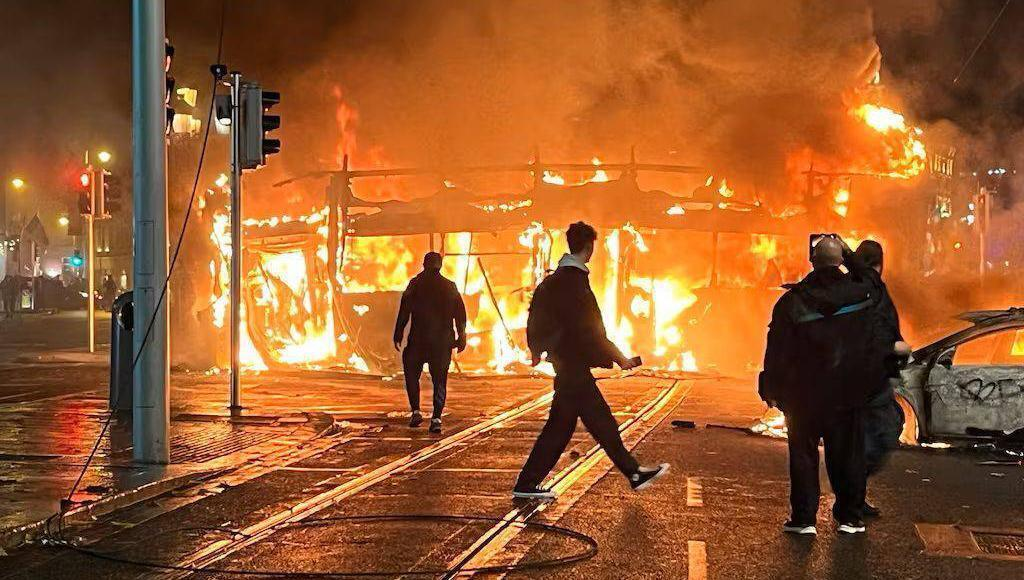

2/ The first hidden variable is family balance sheet.
Not talent.
Not work ethic.
Not intelligence.
Can you live at home into your 20s or 30s?
Can your parents absorb your housing costs?
Can they gift a deposit?
That single variable changes your entire trajectory.


versus


3/ Two people can earn the same salary.
One pays low or zero housing costs and compounds.
The other pays rent and treads water.
Same country.
Same age.
Same “merit.”
Completely different outcome.

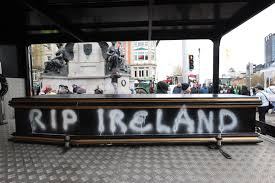
WHY THE DIFFERENCE IN LIFE EXPERIENCE??
4/ Ireland talks like a meritocracy and operates like an inheritance-adjacent system.
Housing support from family is not a bonus.
It is often the difference between lift-off and permanent delay.

Versus

5/ The second structural reality: housing is not just expensive.
It colonises the rest of life.
Career choices.
Relationship timing.
Whether you move out.
Whether you emigrate.
Whether you can take risk.
Whether you can breathe.
Housing is upstream of everything.

6/ In healthier systems, earnings buy optionality.
In Ireland, earnings often buy survival with better branding.
You can be objectively above average and still feel financially pinned down.
That is not a personal failure.
That is system design.
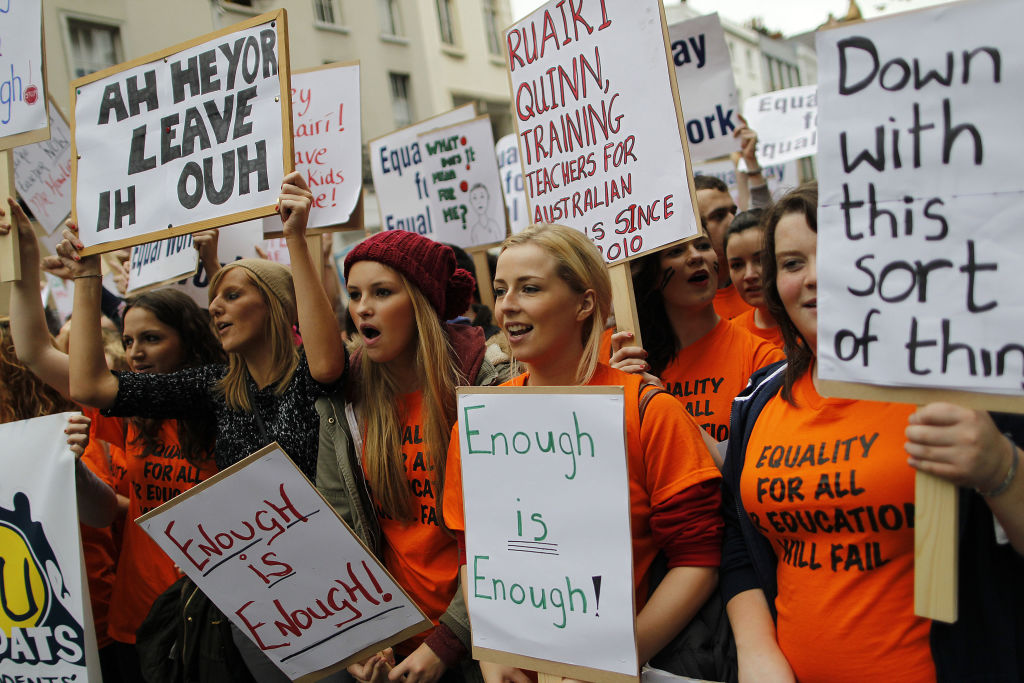
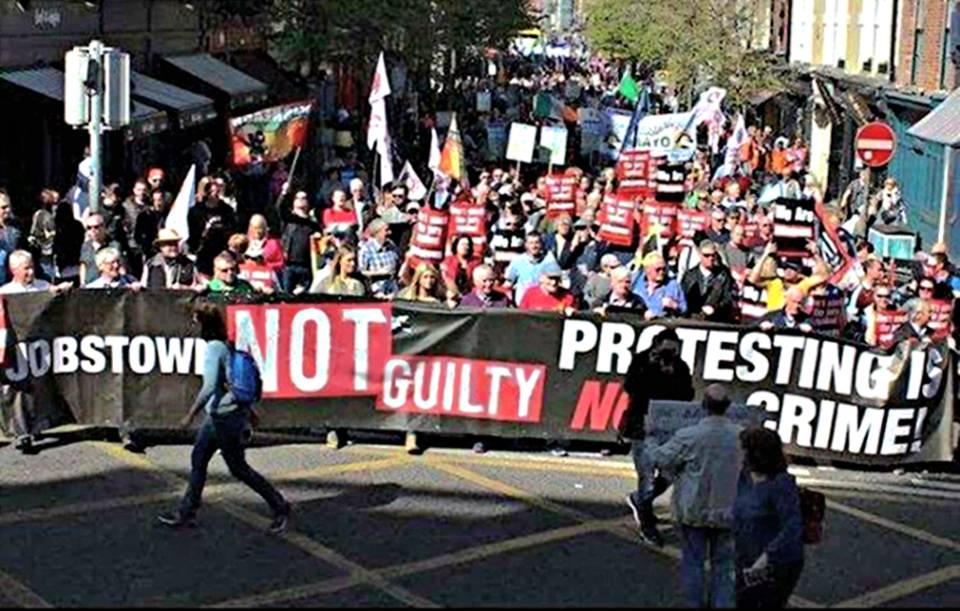
7/ The third blackpill: Ireland punishes simple capital formation.
In many countries, the basic middle-class path is obvious:
earn, save, buy broad index funds, compound.
In Ireland, even this gets mangled by tax structure.
So people are pushed toward pensions, property, or dead cash.
8/ That changes behaviour at population scale.
People do not optimize for maximum long-term compounding.
They optimize for tax shelters, housing access, and damage control.
That is not personal finance.
That is institutional evasion.
9/ The pension becomes one of the only clean wrappers.
So the state basically says:
“You may build wealth.
But ideally in a locked box.
And preferably on our timeline, not yours.”
That is not freedom.
That is guided containment.
10/ The fourth structural force: emigration is not romantic in Ireland.
It is arbitrage.
People leave not because they hate the country.
They leave because the numbers are cleaner elsewhere.
Higher pay.
Lower friction.
Faster capital accumulation.
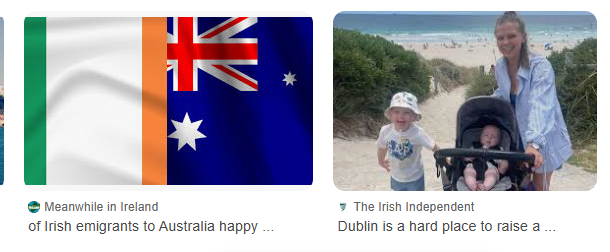
Then some come back and buy what they could never have built domestically.
11/ Think about how insane that is.
A rational financial strategy for many ambitious Irish people is:
Step 1: leave Ireland
Step 2: build capital abroad
Step 3: return only once balance-sheet strength is secured
That is a profound indictment.
12/ Ireland turns adulthood into a forced trade-off:
Freedom now, security later
or
Security maybe, but only after sacrificing youth
Move out early? Good luck saving.
Stay at home? Better finances, weaker autonomy.
Neither path feels clean.
13/ The moral language is also a scam.
People are told:
be prudent
work hard
save consistently
don’t be reckless
But even after doing all that, many still hit the same wall:
rent drag, tax drag, deposit drag, delayed ownership, delayed life.
14/ This is why Irish discourse loves individual blame.
Because admitting the structural reality is too destabilising.
It is much easier to tell people:
budget better
stop buying coffees
be patient
be grateful
Than to admit the machine is badly built.
15/ The most demoralising part is not even poverty.
It is powerlessness at decent income levels.
People feel the system is broken not only when they are poor.
They feel it when they are doing “well” on paper and still cannot convert effort into real optionality.

16/ That destroys trust.
Because once people realise good behaviour is not reliably enough, they stop believing the story.
And once the story breaks, cynicism replaces citizenship.
17/ Ireland is full of silent structural winners pretending they simply made better choices.
Often what they really had was:
rent-free years
family property support
timing
inheritance gravity
or a foreign income path
The mythology of pure self-authorship is absurd.
18/ The darkest truth:
A lot of Irish personal finance is not wealth building.
It is just trying to avoid being structurally kneecapped.
That is why so much energy goes into:
deposits
mortgages
wrappers
emigration
survival math
19/ So no, Ireland is not mainly a country where individual behaviour determines financial destiny.
It is a country where structure dominates individual behaviour, then lectures people about personal responsibility.
20/ And that is the blackpill:
In Ireland, doing everything right is often not enough.
You also need a force multiplier:
family support
housing timing
a pension wrapper
a partner
or an exit route.
Without one, “responsibility” can still leave you trapped.


They are not.
In Ireland, structure dominates behaviour.
Versus
2/ The first hidden variable is family balance sheet.
Not talent.
Not work ethic.
Not intelligence.
Can you live at home into your 20s or 30s?
Can your parents absorb your housing costs?
Can they gift a deposit?
That single variable changes your entire trajectory.
versus
3/ Two people can earn the same salary.
One pays low or zero housing costs and compounds.
The other pays rent and treads water.
Same country.
Same age.
Same “merit.”
Completely different outcome.
WHY THE DIFFERENCE IN LIFE EXPERIENCE??
4/ Ireland talks like a meritocracy and operates like an inheritance-adjacent system.
Housing support from family is not a bonus.
It is often the difference between lift-off and permanent delay.
Versus
5/ The second structural reality: housing is not just expensive.
It colonises the rest of life.
Career choices.
Relationship timing.
Whether you move out.
Whether you emigrate.
Whether you can take risk.
Whether you can breathe.
Housing is upstream of everything.
6/ In healthier systems, earnings buy optionality.
In Ireland, earnings often buy survival with better branding.
You can be objectively above average and still feel financially pinned down.
That is not a personal failure.
That is system design.
7/ The third blackpill: Ireland punishes simple capital formation.
In many countries, the basic middle-class path is obvious:
earn, save, buy broad index funds, compound.
In Ireland, even this gets mangled by tax structure.
So people are pushed toward pensions, property, or dead cash.
8/ That changes behaviour at population scale.
People do not optimize for maximum long-term compounding.
They optimize for tax shelters, housing access, and damage control.
That is not personal finance.
That is institutional evasion.
9/ The pension becomes one of the only clean wrappers.
So the state basically says:
“You may build wealth.
But ideally in a locked box.
And preferably on our timeline, not yours.”
That is not freedom.
That is guided containment.
10/ The fourth structural force: emigration is not romantic in Ireland.
It is arbitrage.
People leave not because they hate the country.
They leave because the numbers are cleaner elsewhere.
Higher pay.
Lower friction.
Faster capital accumulation.
Then some come back and buy what they could never have built domestically.
11/ Think about how insane that is.
A rational financial strategy for many ambitious Irish people is:
Step 1: leave Ireland
Step 2: build capital abroad
Step 3: return only once balance-sheet strength is secured
That is a profound indictment.
12/ Ireland turns adulthood into a forced trade-off:
Freedom now, security later
or
Security maybe, but only after sacrificing youth
Move out early? Good luck saving.
Stay at home? Better finances, weaker autonomy.
Neither path feels clean.
13/ The moral language is also a scam.
People are told:
be prudent
work hard
save consistently
don’t be reckless
But even after doing all that, many still hit the same wall:
rent drag, tax drag, deposit drag, delayed ownership, delayed life.
14/ This is why Irish discourse loves individual blame.
Because admitting the structural reality is too destabilising.
It is much easier to tell people:
budget better
stop buying coffees
be patient
be grateful
Than to admit the machine is badly built.
15/ The most demoralising part is not even poverty.
It is powerlessness at decent income levels.
People feel the system is broken not only when they are poor.
They feel it when they are doing “well” on paper and still cannot convert effort into real optionality.
16/ That destroys trust.
Because once people realise good behaviour is not reliably enough, they stop believing the story.
And once the story breaks, cynicism replaces citizenship.
17/ Ireland is full of silent structural winners pretending they simply made better choices.
Often what they really had was:
rent-free years
family property support
timing
inheritance gravity
or a foreign income path
The mythology of pure self-authorship is absurd.
18/ The darkest truth:
A lot of Irish personal finance is not wealth building.
It is just trying to avoid being structurally kneecapped.
That is why so much energy goes into:
deposits
mortgages
wrappers
emigration
survival math
19/ So no, Ireland is not mainly a country where individual behaviour determines financial destiny.
It is a country where structure dominates individual behaviour, then lectures people about personal responsibility.
20/ And that is the blackpill:
In Ireland, doing everything right is often not enough.
You also need a force multiplier:
family support
housing timing
a pension wrapper
a partner
or an exit route.
Without one, “responsibility” can still leave you trapped.