

hxmzx00
🇮🇱
- Joined
- Dec 8, 2025
- Posts
- 349
- Reputation
- 388
is raw carnivore cope or is it really the optimal diet, What do y’all think?
Follow along with the video below to see how to install our site as a web app on your home screen.

Note: this_feature_currently_requires_accessing_site_using_safari



only good side is gut health won't do anything else reallyis raw carnivore cope or is it really the optimal diet, What do y’all think?

try itis raw carnivore cope or is it really the optimal diet, What do y’all think?

You also need to live in middle of forest and live like a prehistoric nigga for very high testosterone not only raw meatis raw carnivore cope or is it really the optimal diet, What do y’all think?
kinda, depends how you think of the benefits and downsides.is raw carnivore cope or is it really the optimal diet, What do y’all think?
I’m on a carnivore diet rn and I’m slowly transitioning to raw meattry it
kinda, depends how you think of the benefits and downsides.
Pros: high nutrient density, glycemic stability (no carbs = no insulin spikes), no antinutrients from plants (it can reduce GI distress in IBS and stuff which is cool)
Cons: pathogen risk (salmonella, E. coli, parasites, and many other dangerous diseases), micronutrient deficiency (like vitamin C, Magnesium, Potassium, Folate, and iodine are usually common), lipid profile and vascular risk (raw saturated fat intake can elevate LDL-C and ApoB in genetically susceptible individuals, and no fiber = reduced bile acid clearance = potential cholesterol dysregulation), gut microbiome collapse (intestinal barrier collapse, inflammation spike, skin and immune health worsen), reduced t3 hormone (elevates cortisol and impairs sleep quality and recovery)

100%, being in a state of ketosis is super suboptimalis raw carnivore cope or is it really the optimal diet, What do y’all think?
whats your goalI’m on a carnivore diet rn and I’m slowly transitioning to raw meat
wdym?whats your goal


kinda, depends how you think of the benefits and downsides.
Pros: high nutrient density, glycemic stability (no carbs = no insulin spikes), no antinutrients from plants (it can reduce GI distress in IBS and stuff which is cool)
Cons: pathogen risk (salmonella, E. coli, parasites, and many other dangerous diseases), micronutrient deficiency (like vitamin C, Magnesium, Potassium, Folate, and iodine are usually common), lipid profile and vascular risk (raw saturated fat intake can elevate LDL-C and ApoB in genetically susceptible individuals, and no fiber = reduced bile acid clearance = potential cholesterol dysregulation), gut microbiome collapse (intestinal barrier collapse, inflammation spike, skin and immune health worsen), reduced t3 hormone (elevates cortisol and impairs sleep quality and recovery)
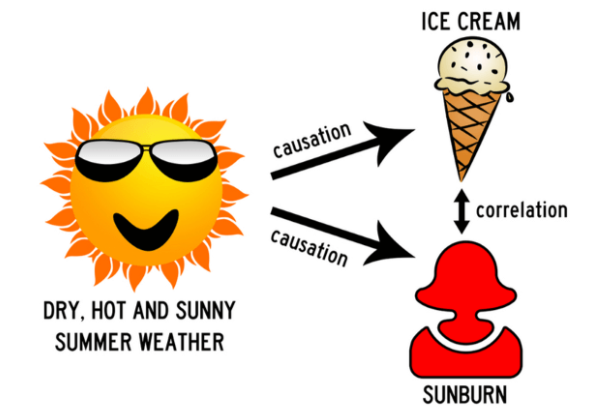
"In lean metabolically healthy people on KD, neither total exposure nor changes in baseline levels of ApoB and LDL-C were associated with changes in plaque.”
“Coronary plaque in metabolically healthy individuals with carbohydrate restriction-induced LDL-C ≥190 mg/dL on KETO for a mean of 4.7 years is not greater than a matched cohort with 149 mg/dL lower average LDL-C. There is no association between LDL-C and plaque burden in either cohort.”
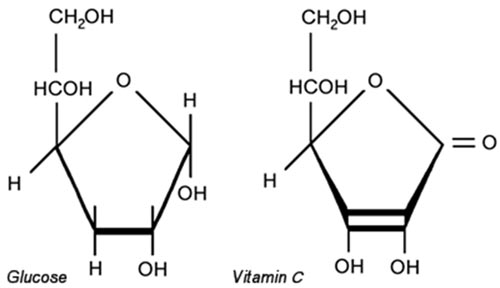
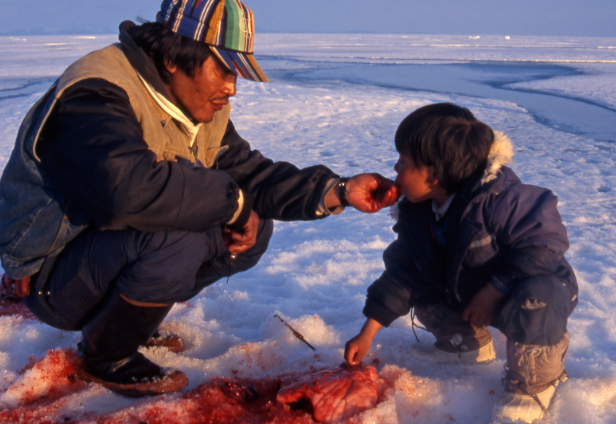
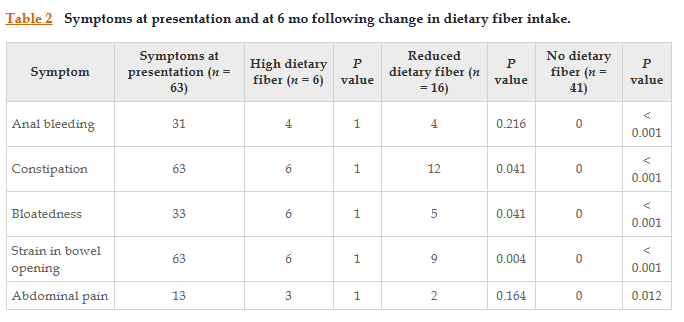
1- "Idiopathic constipation and its associated symptoms can be effectively reduced by stopping or even lowering the intake of dietary fiber.”
2- "For symptoms of bloating, all of those on a high fiber diet continued to be symptomatic, while only 31.3% in the reduced fiber group and none of the no fiber group had symptoms.”
3-“These symptoms are caused by the fermentation of dietary fiber by colonic bacteria, which produces hydrogen, carbon dioxide and methane.”
what are you trying to improvewdym?

i tried it, and it works, it isnt cope, anyone who says it is, is a low t femboyis raw carnivore cope or is it really the optimal diet, What do y’all think?
Ngl its up for your mind to decide that. The placebo effect is realis raw carnivore cope or is it really the optimal diet, What do y’all think?


It’s not cope if you start young but in terms of health it is definitely the most optimalis raw carnivore cope or is it really the optimal diet, What do y’all think?


