Judaism is right vs christianity on the sinequanon of jesus dying(jesus died for nothing christcucks gtfih,also muslims)

Y

yandex99

Luminary
Joined
Sep 6, 2023
Posts
8,561
Reputation
8,076
Yet you say, "Why does the son not bear with the sin of the father?" But the son has practiced justice and righteousness, he has kept all My laws and he carries them out; he shall surely live. יטוַֽאֲמַרְתֶּ֕ם מַדֻּ֛עַ לֹֽא־נָשָׂ֥א הַבֵּ֖ן בַּֽעֲו‍ֹ֣ן הָאָ֑ב וְהַבֵּ֞ן מִשְׁפָּ֧ט וּצְדָקָ֣ה עָשָׂ֗ה אֵ֣ת כָּל־חֻקּוֹתַ֥י שָׁמַ֛ר וַיַּֽעֲשֶׂ֥ה אֹתָ֖ם חָיֹ֥ה יִחְיֶֽה:
20The soul that sins, it shall die; a son shall not bear the iniquity of the father, and a father shall not bear the iniquity of the son; the righteousness of the righteous shall be upon himself, and the wickedness of the wicked shall be upon himself. כהַנֶּ֥פֶשׁ הַֽחֹטֵ֖את הִ֣יא תָמ֑וּת בֵּ֞ן לֹֽא־יִשָּׂ֣א | בַּֽעֲו‍ֹ֣ן הָאָ֗ב וְאָב֙ לֹ֚א יִשָּׂא֙ בַּֽעֲו‍ֹ֣ן הַבֵּ֔ן צִדְקַ֚ת הַצַּדִּיק֙ עָלָ֣יו תִּֽהְיֶ֔ה וְרִשְׁעַ֥ת הָֽרָשָׁ֖ע (כתיב רָשָׁ֖ע) עָלָ֥יו תִּֽהְיֶֽה:
21And if the wicked man repent of all his sins that he has committed and keeps all My laws and executes justice and righteousness, he shall surely live, he shall not die. כאוְהָֽרָשָׁ֗ע כִּ֚י יָשׁוּב֙ מִכָּל־חַטֹּאתָיו֙ (כתיב חַטֹּאתָו֙) אֲשֶׁ֣ר עָשָׂ֔ה וְשָׁמַר֙ אֶת־כָּל־חֻקּוֹתַ֔י וְעָשָׂ֥ה מִשְׁפָּ֖ט וּצְדָקָ֑ה חָיֹ֥ה יִחְיֶ֖ה לֹ֥א יָמֽוּת:
22All his transgressions that he has committed shall not be remembered regarding him: through his righteousness that he has done he shall live. כבכָּל־פְּשָׁעָיו֙ אֲשֶׁ֣ר עָשָׂ֔ה לֹ֥א יִזָּֽכְר֖וּ ל֑וֹ בְּצִדְקָת֥וֹ אֲשֶׁר־עָשָׂ֖ה יִֽחְיֶֽה:
23Do I desire the death of the wicked? says the Lord God. Is it not rather in his repenting of his ways that he may live? כגהֶֽחָפֹ֚ץ אֶחְפֹּץ֙ מ֣וֹת רָשָׁ֔ע נְאֻ֖ם אֲדֹנָ֣י יֱהֹוִ֑ה הֲל֛וֹא בְּשׁוּב֥וֹ מִדְּרָכָ֖יו (כתיב מִדְּרָכָ֖ו) וְחָיָֽה:
24And when the righteous repents of his righteousness and does wrong and does like all the abominations that the wicked man did, shall he live? All his righteous deeds that he has done shall not be remembered; in his treachery that he has perpetrated and in his sin that he has sinned, in them shall he die. כדוּבְשׁ֨וּב צַדִּ֚יק מִצִּדְקָתוֹ֙ וְעָ֣שָׂה עָ֔וֶל כְּכֹ֨ל הַתּוֹעֵב֜וֹת אֲשֶׁר־עָשָׂ֧ה הָֽרָשָׁ֛ע יַֽעֲשֶׂ֖ה וָחָ֑י כָּל־צִדְקֹתָ֚יו (כתיב צִדְקֹתָ֚ו) אֲשֶׁר־עָשָׂה֙ לֹ֣א תִזָּכַ֔רְנָה בְּמַֽעֲל֧וֹ אֲשֶׁר־מָעַ֛ל וּבְחַטָּאת֥וֹ אֲשֶׁר־חָטָ֖א בָּ֥ם יָמֽוּת:
25Yet you say, 'The way of the Lord is not right!' Hear now, O house of Israel: Is it My way that is not right? Is it not rather your ways that are not right? כהוַֽאֲמַרְתֶּ֕ם לֹ֥א יִתָּכֵ֖ן דֶּ֣רֶךְ אֲדֹנָ֑י שִׁמְעוּ־נָא֙ בֵּ֣ית יִשְׂרָאֵ֔ל הֲדַרְכִּי֙ לֹ֣א יִתָּכֵ֔ן הֲלֹ֥א דַרְכֵיכֶ֖ם לֹ֥א יִתָּכֵֽנוּ:
26When a righteous man repents of his righteousness and does wrong and dies on that account; for the wrong that he has done he should die. כובְּשֽׁוּב־צַדִּ֧יק מִצִּדְקָת֛וֹ וְעָ֥שָׂה עָ֖וֶל וּמֵ֣ת עֲלֵיהֶ֑ם בְּעַוְל֥וֹ אֲשֶׁר־עָשָׂ֖ה יָמֽוּת:
27And when a wicked man repents of his wickedness that he has done, and does justice and righteousness, he will keep his soul alive. כזוּבְשׁ֣וּב רָשָׁ֗ע מֵֽרִשְׁעָתוֹ֙ אֲשֶׁ֣ר עָשָׂ֔ה וַיַּ֥עַשׂ מִשְׁפָּ֖ט וּצְדָקָ֑ה ה֖וּא אֶת־נַפְשׁ֥וֹ יְחַיֶּֽה:
28He will see and repent of all his transgressions that he has committed-he shall surely live; he shall not die. כחוַיִּרְאֶ֣ה וַיָּ֔שָׁב (כתיב וַיָּ֔שָׁוב) מִכָּל־פְּשָׁעָ֖יו אֲשֶׁ֣ר עָשָׂ֑ה חָי֥וֹ יִחְיֶ֖ה לֹ֥א יָמֽוּת:
29And yet the house of Israel say, 'The way of the Lord is not right!' Is it My ways that are not right, O house of Israel? Is it not rather your ways that are not right? כטוְאָֽמְרוּ֙ בֵּ֣ית יִשְׂרָאֵ֔ל לֹ֥א יִתָּכֵ֖ן דֶּ֣רֶךְ אֲדֹנָ֑י הַדְּרָכַ֞י לֹ֚א יִתָּֽכְנוּ֙ בֵּ֣ית יִשְׂרָאֵ֔ל הֲלֹ֥א דַרְכֵיכֶ֖ם לֹ֥א יִתָּכֵֽן:
30Therefore, every man according to his ways I will judge you, O house of Israel, says the Lord God: repent and cause others to repent of all your transgressions, and it will not be a stumbling block of iniquity for you. ללָכֵן֩ אִ֨ישׁ כִּדְרָכָ֜יו אֶשְׁפֹּ֚ט אֶתְכֶם֙ בֵּ֣ית יִשְׂרָאֵ֔ל נְאֻ֖ם אֲדֹנָ֣י יֱהֹוִ֑ה שׁ֚וּבוּ וְהָשִׁ֙יבוּ֙ מִכָּל־פִּשְׁעֵיכֶ֔ם וְלֹא־יִֽהְיֶ֥ה לָכֶ֛ם לְמִכְשׁ֖וֹל עָו‍ֹֽן:
31Cast away from yourselves all your transgressions whereby you have transgressed, and make yourselves a new heart and a new spirit, and why should you die, O house of Israel! לאהַשְׁלִ֣יכוּ מֵֽעֲלֵיכֶ֗ם אֶת־כָּל־פִּשְׁעֵיכֶם֙ אֲשֶׁ֣ר פְּשַׁעְתֶּ֣ם בָּ֔ם וַֽעֲשׂ֥וּ לָכֶ֛ם לֵ֥ב חָדָ֖שׁ וְר֣וּחַ חֲדָשָׁ֑ה וְלָ֥מָּה תָמֻ֖תוּ בֵּ֥ית יִשְׂרָאֵֽל:
32For I do not desire the death of him who dies, says the Lord God: so turn away and live!" לבכִּ֣י לֹ֚א אֶחְפֹּץ֙ בְּמ֣וֹת הַמֵּ֔ת נְאֻ֖ם אֲדֹנָ֣י יֱהֹוִ֑ה וְהָשִׁ֖יבוּ וִֽחְיֽוּ:
« Previous
Chapter 17
Next »
Chapter 19


Genesis 4:7

KJ21
If thou doest well, shalt thou not be accepted? And if thou doest not well, sin lieth at the door. And unto thee shall be his desire, and thou shalt rule over him.

Psalm 40:6
KJ21
Sacrifice and offering Thou didst not desire; mine ears hast Thou opened; burnt offering and sin offering hast Thou not required.
ASV
Sacrifice and offering thou hast no delight in; Mine ears hast thou opened: Burnt-offering and sin-offering hast thou not required.
AMP
Sacrifice and meal offering You do not desire, nor do You delight in them; You have opened my ears and given me the capacity to hear [and obey Your word]; Burnt offerings and sin offerings You do not require.
AMPC
Sacrifice and offering You do not desire, nor have You delight in them; You have given me the capacity to hear and obey [Your law, a more valuable service than] burnt offerings and sin offerings [which] You do not require.
BRG
Sacrifice and offering thou didst not desire; mine ears hast thou opened: burnt offering and sin offering hast thou not required.

ome mistranslations are innocent -- and others appear self-serving.

Nowhere in Y'shayahu / Isaiah 53 is there a mention of sin -- yet various Christian translations use that word, perhaps because so many want to believe that Jesus was without sin, and yet a sin sacrifice and use this famous passage to support that belief.

They are being lied to, plain and simple.

Consider Y'shayahu / Isaiah 53:5 in the following Christian translations:

"He was wounded because of our rebellious deeds, crushed because of our sins; he endured punishment that made us well; because of his wounds we have been healed." NET Bible.

"But he was wounded for our iniquities, he was bruised for our sins: the chastisement of our peace was upon him, and by his bruises we are healed." Douay-Rheims Bible.

"He was wounded for our rebellious acts. He was crushed for our sins. He was punished so that we could have peace, and we received healing from his wounds." G-d's Word Translation.

Yet the word for "sin" does not appear in this verse.

The Hebrew is מֵעֲוֹנֹתֵ֑ינוּ (for our impulsive, lustful wrongdoings). Most Christian translations choose the word "iniquity" here, and that is more honest than the translations above. An avon / עוון / transgression is when a person does whatever he wants, but not to anger G‑d. The sinner is intent on enjoying forbidden things he desires -- he knows it is wrong but does it any way. . . Thus an avon is worse than "sin."

The Hebrew word translated as “sin” is חֵטְא / cheit -- a mistake (a missing of the mark). You tried to do the right thing (it wasn't willful or knowingly doing something wrong). "Sin” is a חֵטְא / cheit -- an unintentional sin through carelessness — a “missing of the mark."

Making mistakes (trying to do the right thing and missing aka sin) is all about learning from your mistakes and making up for them via apology, repayment, etc. G-d tells Cain way back in B'reshit / Genesis 4 that he can over come sin (this is "after" Adam and Chava (Eve) sinned, so OOPS there goes the idea of "original sin").

An avon / עוון is not a mistake (it is more serious than sin) -- it is a knowing violation of the rule of law -- the commission of a crime from an impulsive (think lustful) action.

Translating avon / עוון as "sin" is not only incorrect -- it has to be intentional as the words are not at all similar.

Note, too, that most Christian translations of verse five say: "he was pierced for our transgressions" NIV.

The Hebrew word translated as "pierced" is מְחֹלָ֣ל. It is conjugated in a singular 3rd-person masculine passive verb form commonly translated as "he was wounded". A similar term, - m'holelet, conjugated in a singular 3rd-person feminine active verb form is found in Isaiah 51:9. It is commonly translated as "[she] wounded." Pierced is a stretch -- but the general meaning has to do with being wounded by a sword, so pierced is a possible, but not a preferred, translation.

Far more misleading is "he was crushed for our iniquities" NIV.

The verse does not say, “He was wounded for our transgressions and iniquities -- which might lead a reader to "he died FOR my sins." The proper translation is “He was wounded because of our transgressions, and crushed because of our iniquities.” The servant is suffering because of the evil done by others, not "for" them as an act of vicarious atonement. Hebrew uses prepositional prefix-letters ב (b), כ (k), ל (l) and מ (m) to convey prepositions. In this passage the preposition is a מ (mem) in the word מִפְּשָׁעֵנוּ mip'sha'énu. It is never translated as “for” which would incorrectly indicate a vicarious atonement.

Mistranslation, misleading.

There are additional places in Y'shayahu / Isaiah 53 where many Christian translations use the word "sin" although it does not appear in the text.

"All of us, like sheep, have strayed away. We have left G-d's paths to follow our own. Yet the L-RD laid on him the sins of us all." New Living Translation, Isaiah 53:6.

Again, the word in verse 6 is עֲוֹ֥ן / avon (iniquity / impulsive wrongdoing) -- not חֵטְא / cheit (sin). The sentence itself (that G-d laid on him the sins of us all) infers vicarious atonement (e.g., Jesus dying for your sins) -- and it is yet another mistranslation. The verse actually says "We all went astray like sheep, we have turned, each one on his way, and the L-rd accepted his prayers for the iniquity of all of us."

The fact that prayers can atone for iniquity does not "fit" the Christian concept that Jesus has to die for your sins, ergo the passage is mistranslated.

Want proof? The verb לִפְגֹּֽעַ literally means “to encounter” or “to come across by chance”, but it can also mean “to beg”, “to plead [with]”or “to pray [to]”. It takes an indirect object governed by the preposition ב־ (compare the usage in B'réshıt / Genesis 28:11 and Y'rmyahu / Jeremiah 7:16). The word בּוֹ literally means “in him”, “with him”, “through him” (or, in the context of Y'shayahu / Isaiah 53, “in them”, “with them”, “through them”) etc, and the meaning of וַיְיָ הִפְגִּֽיעַ בּוֹ אֵת עֲוֺן כֻּלָּֽנוּ in verse 6 is “We all went astray like sheep, we have turned, each one on his way, and the L-rd accepted his prayers for the iniquity of all of us." See also Rashi's commentary.

Some Christian translations use the word "sin" in association with sacrifices in Y'shayahu / Isaiah 53:10.
This is perhaps the worst of the misuse of the term "sin" in all of Isaiah 53 as the word "sin" does not appear, let alone a sin sacrifice. Yet the NIV has: "the L-RD makes his life an offering for sin." and the KJV has "thou shalt make his soul an offering for sin."

This is translated to say that the servant is a SACRIFICE -- an offering for sin. This is totally unbiblical and a terrible distortion. Yet again the word for sin does not appear in the text at all.

The word mistranslated as "sin offering" is אָשָׁם֙ / asham. An אָשָׁם֙ / asham is not a "sin offering." The various sacrifices are discussed in the book of Vaykira / Leviticus. A sin sacrifice is the חַטָּאת / chatat was for a missing of the mark (you tried to do good but missed). It is discussed in Vayikra / Leviticus 4.

Y'shayahu / Isaiah 53:10 does not speak of the sin sacrifice at all. The word which is used is אָשָׁם / asham.

The word אָשָׁם / asham can be translated as "guilt" (as in you are guilty of something) or to speak of the guilt sacrifice. It is quite clear from the context of that the use of in this verse means "guilt" and not "guilt sacrifice."

How can we be so certain that Isaiah is not speaking of the guilt sacrifice? Because there are only a few violations that one could bring a guilt sacrifice to atone. None of them "fit" the suffering servant. An avon/ עוון (unless it falls under the אָשָׁם תָּלוּי / asham talui or or אָשָׁם גְּזֵל֣וֹת / asham g'zelot) cannot be rectified with a qorban (sacrifice). So what are these two sacrifices which can be brought for an avon/ עוון? They are discussed in Vayikra / Leviticus chapter 5.
An אָשָׁם תָּלוּי / asham talui s brought when it cannot be conclusively determined whether the act was, in fact, a transgression at all. Did you or did you not do something wrong? If you were unsure you brought this type of sacrifice.

Rashi (a great Torah commentator from the 11th century CE) gave the example that a person is given some prohibited animal fat and also permissible animal fat . The person thinks both are OK and eats both. After the fact the person is told they ate something prohibited. Before knowing for sure if they did something wrong (they were unsure) they would bring an asham talui sacrifice. Once the person knew for a fact that he had sinned (done something wrong by accident) by eating a piece of forbidden fat the person would now bring a chatat -- a sin sacrifice to atone for his mistake.

An אָשָׁם גְּזֵל֣וֹת / asham g'zelot (a sacrifice / guilt offering) was an offer for certain types of robbery since a g'zelah is the misappropriation of a person's property. This sacrifice (quorban) was brought by a person who initially denied wrongdoing, but later admitted to doing it (Vayikra / Leviticus 5:21-25). This person lied under oath after defrauding someone of his things or money. In this case again the guilty person had to return the stolen things and add 1/5th to it as well as bring the asham g'zelot (guilt) sacrifice (qorban).

Those were the only two types of Avon / עוון (translated by Christians as iniquity) which a person could bring a sacrifice for (an asham / guilt sacrifice). Any other type of Avon / עוון must be atoned for with other actions including charity, prayer, repentance.

Knowing this take a look at the use of the word אָשָׁם / asham in Y'shayahu / Isaiah 53:10. "G-d desired to oppress him and He afflicted him. If his soul would acknowledge guilt, he would see offspring and live long days, and G-d’s purpose would succeed in his hand."

One may now understand why Christian translations have either "offering for sin" or "guilt sacrifice" instead of the proper translation that the servant must admit his own guilt to have the reward of having children and living a long life.

Jesus did not admit guilt.

Jesus did not have children.

Jesus did not live a long life.

Read about the אָשָׁם / asham for yourself. Check the passage and see that the word used is in fact אָשָׁם / asham and not "sin." Look up the אָשָׁם / asham sacrifices for yourself and see if any of them fit the concept most Christians have about "sin" or Jesus atoning for sin. . .

In other words, folks, use this blog as a starting point. Do your own research.

If so many errors, so many seemingly on purpose and self-serving to make this passage seem to "fit" Jesus, in Isaiah 53 are apparent, how many more passages are being used to mislead innocent Christians seeking G-d into a form of idolatry worshiping a man as G-d?
 
  • +1
Reactions: Joeseminate
these passages refutre all 4 reasons christ had to die in christianity:

1.that original sin keeps us all from being able to overcome sin

2.that we bear the guilt of adam

3.that sacrifice is a requirment for atonement,or even a thing God wants or delights in

4.I will show that hebrews' the Law says that almost everything must be sprinkled with blood, and no sins can be forgiven unless blood is offered.'is false in the next post,this is a lie from satan
 
  • +1
Reactions: elxbp
Dnr
 
  • +1
Reactions: BrutusTheBulldozer and scarnirye
Yet you say, "Why does the son not bear with the sin of the father?" But the son has practiced justice and righteousness, he has kept all My laws and he carries them out; he shall surely live. יטוַֽאֲמַרְתֶּ֕ם מַדֻּ֛עַ לֹֽא־נָשָׂ֥א הַבֵּ֖ן בַּֽעֲו‍ֹ֣ן הָאָ֑ב וְהַבֵּ֞ן מִשְׁפָּ֧ט וּצְדָקָ֣ה עָשָׂ֗ה אֵ֣ת כָּל־חֻקּוֹתַ֥י שָׁמַ֛ר וַיַּֽעֲשֶׂ֥ה אֹתָ֖ם חָיֹ֥ה יִחְיֶֽה:
20The soul that sins, it shall die; a son shall not bear the iniquity of the father, and a father shall not bear the iniquity of the son; the righteousness of the righteous shall be upon himself, and the wickedness of the wicked shall be upon himself. כהַנֶּ֥פֶשׁ הַֽחֹטֵ֖את הִ֣יא תָמ֑וּת בֵּ֞ן לֹֽא־יִשָּׂ֣א | בַּֽעֲו‍ֹ֣ן הָאָ֗ב וְאָב֙ לֹ֚א יִשָּׂא֙ בַּֽעֲו‍ֹ֣ן הַבֵּ֔ן צִדְקַ֚ת הַצַּדִּיק֙ עָלָ֣יו תִּֽהְיֶ֔ה וְרִשְׁעַ֥ת הָֽרָשָׁ֖ע (כתיב רָשָׁ֖ע) עָלָ֥יו תִּֽהְיֶֽה:
21And if the wicked man repent of all his sins that he has committed and keeps all My laws and executes justice and righteousness, he shall surely live, he shall not die. כאוְהָֽרָשָׁ֗ע כִּ֚י יָשׁוּב֙ מִכָּל־חַטֹּאתָיו֙ (כתיב חַטֹּאתָו֙) אֲשֶׁ֣ר עָשָׂ֔ה וְשָׁמַר֙ אֶת־כָּל־חֻקּוֹתַ֔י וְעָשָׂ֥ה מִשְׁפָּ֖ט וּצְדָקָ֑ה חָיֹ֥ה יִחְיֶ֖ה לֹ֥א יָמֽוּת:
22All his transgressions that he has committed shall not be remembered regarding him: through his righteousness that he has done he shall live. כבכָּל־פְּשָׁעָיו֙ אֲשֶׁ֣ר עָשָׂ֔ה לֹ֥א יִזָּֽכְר֖וּ ל֑וֹ בְּצִדְקָת֥וֹ אֲשֶׁר־עָשָׂ֖ה יִֽחְיֶֽה:
23Do I desire the death of the wicked? says the Lord God. Is it not rather in his repenting of his ways that he may live? כגהֶֽחָפֹ֚ץ אֶחְפֹּץ֙ מ֣וֹת רָשָׁ֔ע נְאֻ֖ם אֲדֹנָ֣י יֱהֹוִ֑ה הֲל֛וֹא בְּשׁוּב֥וֹ מִדְּרָכָ֖יו (כתיב מִדְּרָכָ֖ו) וְחָיָֽה:
24And when the righteous repents of his righteousness and does wrong and does like all the abominations that the wicked man did, shall he live? All his righteous deeds that he has done shall not be remembered; in his treachery that he has perpetrated and in his sin that he has sinned, in them shall he die. כדוּבְשׁ֨וּב צַדִּ֚יק מִצִּדְקָתוֹ֙ וְעָ֣שָׂה עָ֔וֶל כְּכֹ֨ל הַתּוֹעֵב֜וֹת אֲשֶׁר־עָשָׂ֧ה הָֽרָשָׁ֛ע יַֽעֲשֶׂ֖ה וָחָ֑י כָּל־צִדְקֹתָ֚יו (כתיב צִדְקֹתָ֚ו) אֲשֶׁר־עָשָׂה֙ לֹ֣א תִזָּכַ֔רְנָה בְּמַֽעֲל֧וֹ אֲשֶׁר־מָעַ֛ל וּבְחַטָּאת֥וֹ אֲשֶׁר־חָטָ֖א בָּ֥ם יָמֽוּת:
25Yet you say, 'The way of the Lord is not right!' Hear now, O house of Israel: Is it My way that is not right? Is it not rather your ways that are not right? כהוַֽאֲמַרְתֶּ֕ם לֹ֥א יִתָּכֵ֖ן דֶּ֣רֶךְ אֲדֹנָ֑י שִׁמְעוּ־נָא֙ בֵּ֣ית יִשְׂרָאֵ֔ל הֲדַרְכִּי֙ לֹ֣א יִתָּכֵ֔ן הֲלֹ֥א דַרְכֵיכֶ֖ם לֹ֥א יִתָּכֵֽנוּ:
26When a righteous man repents of his righteousness and does wrong and dies on that account; for the wrong that he has done he should die. כובְּשֽׁוּב־צַדִּ֧יק מִצִּדְקָת֛וֹ וְעָ֥שָׂה עָ֖וֶל וּמֵ֣ת עֲלֵיהֶ֑ם בְּעַוְל֥וֹ אֲשֶׁר־עָשָׂ֖ה יָמֽוּת:
27And when a wicked man repents of his wickedness that he has done, and does justice and righteousness, he will keep his soul alive. כזוּבְשׁ֣וּב רָשָׁ֗ע מֵֽרִשְׁעָתוֹ֙ אֲשֶׁ֣ר עָשָׂ֔ה וַיַּ֥עַשׂ מִשְׁפָּ֖ט וּצְדָקָ֑ה ה֖וּא אֶת־נַפְשׁ֥וֹ יְחַיֶּֽה:
28He will see and repent of all his transgressions that he has committed-he shall surely live; he shall not die. כחוַיִּרְאֶ֣ה וַיָּ֔שָׁב (כתיב וַיָּ֔שָׁוב) מִכָּל־פְּשָׁעָ֖יו אֲשֶׁ֣ר עָשָׂ֑ה חָי֥וֹ יִחְיֶ֖ה לֹ֥א יָמֽוּת:
29And yet the house of Israel say, 'The way of the Lord is not right!' Is it My ways that are not right, O house of Israel? Is it not rather your ways that are not right? כטוְאָֽמְרוּ֙ בֵּ֣ית יִשְׂרָאֵ֔ל לֹ֥א יִתָּכֵ֖ן דֶּ֣רֶךְ אֲדֹנָ֑י הַדְּרָכַ֞י לֹ֚א יִתָּֽכְנוּ֙ בֵּ֣ית יִשְׂרָאֵ֔ל הֲלֹ֥א דַרְכֵיכֶ֖ם לֹ֥א יִתָּכֵֽן:
30Therefore, every man according to his ways I will judge you, O house of Israel, says the Lord God: repent and cause others to repent of all your transgressions, and it will not be a stumbling block of iniquity for you. ללָכֵן֩ אִ֨ישׁ כִּדְרָכָ֜יו אֶשְׁפֹּ֚ט אֶתְכֶם֙ בֵּ֣ית יִשְׂרָאֵ֔ל נְאֻ֖ם אֲדֹנָ֣י יֱהֹוִ֑ה שׁ֚וּבוּ וְהָשִׁ֙יבוּ֙ מִכָּל־פִּשְׁעֵיכֶ֔ם וְלֹא־יִֽהְיֶ֥ה לָכֶ֛ם לְמִכְשׁ֖וֹל עָו‍ֹֽן:
31Cast away from yourselves all your transgressions whereby you have transgressed, and make yourselves a new heart and a new spirit, and why should you die, O house of Israel! לאהַשְׁלִ֣יכוּ מֵֽעֲלֵיכֶ֗ם אֶת־כָּל־פִּשְׁעֵיכֶם֙ אֲשֶׁ֣ר פְּשַׁעְתֶּ֣ם בָּ֔ם וַֽעֲשׂ֥וּ לָכֶ֛ם לֵ֥ב חָדָ֖שׁ וְר֣וּחַ חֲדָשָׁ֑ה וְלָ֥מָּה תָמֻ֖תוּ בֵּ֥ית יִשְׂרָאֵֽל:
32For I do not desire the death of him who dies, says the Lord God: so turn away and live!" לבכִּ֣י לֹ֚א אֶחְפֹּץ֙ בְּמ֣וֹת הַמֵּ֔ת נְאֻ֖ם אֲדֹנָ֣י יֱהֹוִ֑ה וְהָשִׁ֖יבוּ וִֽחְיֽוּ:
« Previous
Chapter 17
Next »
Chapter 19


Genesis 4:7

KJ21
If thou doest well, shalt thou not be accepted? And if thou doest not well, sin lieth at the door. And unto thee shall be his desire, and thou shalt rule over him.

Psalm 40:6
KJ21
Sacrifice and offering Thou didst not desire; mine ears hast Thou opened; burnt offering and sin offering hast Thou not required.
ASV
Sacrifice and offering thou hast no delight in; Mine ears hast thou opened: Burnt-offering and sin-offering hast thou not required.
AMP
Sacrifice and meal offering You do not desire, nor do You delight in them; You have opened my ears and given me the capacity to hear [and obey Your word]; Burnt offerings and sin offerings You do not require.
AMPC
Sacrifice and offering You do not desire, nor have You delight in them; You have given me the capacity to hear and obey [Your law, a more valuable service than] burnt offerings and sin offerings [which] You do not require.
BRG
Sacrifice and offering thou didst not desire; mine ears hast thou opened: burnt offering and sin offering hast thou not required.

ome mistranslations are innocent -- and others appear self-serving.

Nowhere in Y'shayahu / Isaiah 53 is there a mention of sin -- yet various Christian translations use that word, perhaps because so many want to believe that Jesus was without sin, and yet a sin sacrifice and use this famous passage to support that belief.

They are being lied to, plain and simple.

Consider Y'shayahu / Isaiah 53:5 in the following Christian translations:

"He was wounded because of our rebellious deeds, crushed because of our sins; he endured punishment that made us well; because of his wounds we have been healed." NET Bible.

"But he was wounded for our iniquities, he was bruised for our sins: the chastisement of our peace was upon him, and by his bruises we are healed." Douay-Rheims Bible.

"He was wounded for our rebellious acts. He was crushed for our sins. He was punished so that we could have peace, and we received healing from his wounds." G-d's Word Translation.

Yet the word for "sin" does not appear in this verse.

The Hebrew is מֵעֲוֹנֹתֵ֑ינוּ (for our impulsive, lustful wrongdoings). Most Christian translations choose the word "iniquity" here, and that is more honest than the translations above. An avon / עוון / transgression is when a person does whatever he wants, but not to anger G‑d. The sinner is intent on enjoying forbidden things he desires -- he knows it is wrong but does it any way. . . Thus an avon is worse than "sin."

The Hebrew word translated as “sin” is חֵטְא / cheit -- a mistake (a missing of the mark). You tried to do the right thing (it wasn't willful or knowingly doing something wrong). "Sin” is a חֵטְא / cheit -- an unintentional sin through carelessness — a “missing of the mark."

Making mistakes (trying to do the right thing and missing aka sin) is all about learning from your mistakes and making up for them via apology, repayment, etc. G-d tells Cain way back in B'reshit / Genesis 4 that he can over come sin (this is "after" Adam and Chava (Eve) sinned, so OOPS there goes the idea of "original sin").

An avon / עוון is not a mistake (it is more serious than sin) -- it is a knowing violation of the rule of law -- the commission of a crime from an impulsive (think lustful) action.

Translating avon / עוון as "sin" is not only incorrect -- it has to be intentional as the words are not at all similar.

Note, too, that most Christian translations of verse five say: "he was pierced for our transgressions" NIV.

The Hebrew word translated as "pierced" is מְחֹלָ֣ל. It is conjugated in a singular 3rd-person masculine passive verb form commonly translated as "he was wounded". A similar term, - m'holelet, conjugated in a singular 3rd-person feminine active verb form is found in Isaiah 51:9. It is commonly translated as "[she] wounded." Pierced is a stretch -- but the general meaning has to do with being wounded by a sword, so pierced is a possible, but not a preferred, translation.

Far more misleading is "he was crushed for our iniquities" NIV.

The verse does not say, “He was wounded for our transgressions and iniquities -- which might lead a reader to "he died FOR my sins." The proper translation is “He was wounded because of our transgressions, and crushed because of our iniquities.” The servant is suffering because of the evil done by others, not "for" them as an act of vicarious atonement. Hebrew uses prepositional prefix-letters ב (b), כ (k), ל (l) and מ (m) to convey prepositions. In this passage the preposition is a מ (mem) in the word מִפְּשָׁעֵנוּ mip'sha'énu. It is never translated as “for” which would incorrectly indicate a vicarious atonement.

Mistranslation, misleading.

There are additional places in Y'shayahu / Isaiah 53 where many Christian translations use the word "sin" although it does not appear in the text.

"All of us, like sheep, have strayed away. We have left G-d's paths to follow our own. Yet the L-RD laid on him the sins of us all." New Living Translation, Isaiah 53:6.

Again, the word in verse 6 is עֲוֹ֥ן / avon (iniquity / impulsive wrongdoing) -- not חֵטְא / cheit (sin). The sentence itself (that G-d laid on him the sins of us all) infers vicarious atonement (e.g., Jesus dying for your sins) -- and it is yet another mistranslation. The verse actually says "We all went astray like sheep, we have turned, each one on his way, and the L-rd accepted his prayers for the iniquity of all of us."

The fact that prayers can atone for iniquity does not "fit" the Christian concept that Jesus has to die for your sins, ergo the passage is mistranslated.

Want proof? The verb לִפְגֹּֽעַ literally means “to encounter” or “to come across by chance”, but it can also mean “to beg”, “to plead [with]”or “to pray [to]”. It takes an indirect object governed by the preposition ב־ (compare the usage in B'réshıt / Genesis 28:11 and Y'rmyahu / Jeremiah 7:16). The word בּוֹ literally means “in him”, “with him”, “through him” (or, in the context of Y'shayahu / Isaiah 53, “in them”, “with them”, “through them”) etc, and the meaning of וַיְיָ הִפְגִּֽיעַ בּוֹ אֵת עֲוֺן כֻּלָּֽנוּ in verse 6 is “We all went astray like sheep, we have turned, each one on his way, and the L-rd accepted his prayers for the iniquity of all of us." See also Rashi's commentary.

Some Christian translations use the word "sin" in association with sacrifices in Y'shayahu / Isaiah 53:10.
This is perhaps the worst of the misuse of the term "sin" in all of Isaiah 53 as the word "sin" does not appear, let alone a sin sacrifice. Yet the NIV has: "the L-RD makes his life an offering for sin." and the KJV has "thou shalt make his soul an offering for sin."

This is translated to say that the servant is a SACRIFICE -- an offering for sin. This is totally unbiblical and a terrible distortion. Yet again the word for sin does not appear in the text at all.

The word mistranslated as "sin offering" is אָשָׁם֙ / asham. An אָשָׁם֙ / asham is not a "sin offering." The various sacrifices are discussed in the book of Vaykira / Leviticus. A sin sacrifice is the חַטָּאת / chatat was for a missing of the mark (you tried to do good but missed). It is discussed in Vayikra / Leviticus 4.

Y'shayahu / Isaiah 53:10 does not speak of the sin sacrifice at all. The word which is used is אָשָׁם / asham.

The word אָשָׁם / asham can be translated as "guilt" (as in you are guilty of something) or to speak of the guilt sacrifice. It is quite clear from the context of that the use of in this verse means "guilt" and not "guilt sacrifice."

How can we be so certain that Isaiah is not speaking of the guilt sacrifice? Because there are only a few violations that one could bring a guilt sacrifice to atone. None of them "fit" the suffering servant. An avon/ עוון (unless it falls under the אָשָׁם תָּלוּי / asham talui or or אָשָׁם גְּזֵל֣וֹת / asham g'zelot) cannot be rectified with a qorban (sacrifice). So what are these two sacrifices which can be brought for an avon/ עוון? They are discussed in Vayikra / Leviticus chapter 5.
An אָשָׁם תָּלוּי / asham talui s brought when it cannot be conclusively determined whether the act was, in fact, a transgression at all. Did you or did you not do something wrong? If you were unsure you brought this type of sacrifice.

Rashi (a great Torah commentator from the 11th century CE) gave the example that a person is given some prohibited animal fat and also permissible animal fat . The person thinks both are OK and eats both. After the fact the person is told they ate something prohibited. Before knowing for sure if they did something wrong (they were unsure) they would bring an asham talui sacrifice. Once the person knew for a fact that he had sinned (done something wrong by accident) by eating a piece of forbidden fat the person would now bring a chatat -- a sin sacrifice to atone for his mistake.

An אָשָׁם גְּזֵל֣וֹת / asham g'zelot (a sacrifice / guilt offering) was an offer for certain types of robbery since a g'zelah is the misappropriation of a person's property. This sacrifice (quorban) was brought by a person who initially denied wrongdoing, but later admitted to doing it (Vayikra / Leviticus 5:21-25). This person lied under oath after defrauding someone of his things or money. In this case again the guilty person had to return the stolen things and add 1/5th to it as well as bring the asham g'zelot (guilt) sacrifice (qorban).

Those were the only two types of Avon / עוון (translated by Christians as iniquity) which a person could bring a sacrifice for (an asham / guilt sacrifice). Any other type of Avon / עוון must be atoned for with other actions including charity, prayer, repentance.

Knowing this take a look at the use of the word אָשָׁם / asham in Y'shayahu / Isaiah 53:10. "G-d desired to oppress him and He afflicted him. If his soul would acknowledge guilt, he would see offspring and live long days, and G-d’s purpose would succeed in his hand."

One may now understand why Christian translations have either "offering for sin" or "guilt sacrifice" instead of the proper translation that the servant must admit his own guilt to have the reward of having children and living a long life.

Jesus did not admit guilt.

Jesus did not have children.

Jesus did not live a long life.

Read about the אָשָׁם / asham for yourself. Check the passage and see that the word used is in fact אָשָׁם / asham and not "sin." Look up the אָשָׁם / asham sacrifices for yourself and see if any of them fit the concept most Christians have about "sin" or Jesus atoning for sin. . .

In other words, folks, use this blog as a starting point. Do your own research.

If so many errors, so many seemingly on purpose and self-serving to make this passage seem to "fit" Jesus, in Isaiah 53 are apparent, how many more passages are being used to mislead innocent Christians seeking G-d into a form of idolatry worshiping a man as G-d?
Dnr 🧃 CHRIST IS KING NO SALVATION OUTSIDE OF HIM
 
  • +1
Reactions: scarnirye
Judeofascism VVON, Islam VVON, ChristCUCKS LOST, AryanCUCKS LOST.
 
  • +1
Reactions: yandex99
these passages refutre all 4 reasons christ had to die in christianity:

1.that original sin keeps us all from being able to overcome sin

2.that we bear the guilt of adam

3.that sacrifice is a requirment for atonement,or even a thing God wants or delights in

4.I will show that hebrews' the Law says that almost everything must be sprinkled with blood, and no sins can be forgiven unless blood is offered.'is false in the next post,this is a lie from satan
he Christian bible seems to think that you need blood for your sins to be forgiven. At the Last Supper Jesus says: "This is my blood of the covenant, which is poured out for many for the forgiveness of sins," Matthew 26:28. See also Luke 22:20 and John 6:54.

"Whoever eats my flesh and drinks my blood remains in me, and I in them." John 6:56. Also see 1 Corinthians 11:25. The Christian bible speaks of drinking Jesus' blood - something totally forbidden to a Jew. The Torah strictly forbids consumption of blood at any time to Jews and proselytes (Vayikra / Leviticus 3:17, 17:10-12, and D'varim / Deuteronomy. 12:23).

Drinking blood is forbidden because blood is identified with life - it is the "life force" in all living creations. Some of our Sages (e.g., in the Talmud and also the commentator Sforno) explain that there was a belief that, through eating blood, one could cultivate the companionship of demons (the demons are invisible beings who get their sustenance from consuming blood). Thus pagan religions often drank blood as part of their religious observance -- but it is strictly forbidden in the T'nach (Jewish bible).

Justin Martyr (early church father 100 - 165 CE) wrote in "First Apology" that the drinking of blood was a rite performed by the pagan Mithraites (the pagan god Mithra had many similarities to Jesus). He wrote " He (Jesus) said, “This is My blood;” and gave it to them alone. Which the wicked devils have imitated in the mysteries of Mithras, commanding the same thing to be done."

The idea of eating blood, forbidden in the Torah, was common to the pagans and the Christians seem to have incorporated this practice into their worship.

Romans says "G-d presented (Jesus) as a sacrifice of atonement, through the shedding of his blood—to be received by faith. He did this to demonstrate his righteousness." Romans 3:25. and "In him we have redemption through his blood, the forgiveness of sins, in accordance with the riches of G-d’s grace." Ephesians 1:7.

Blood, blood, blood.

Repeatedly the Christian bible insists that without blood there is no remission of sins. It goes on to say that this is found in the T'nach -- the Jewish bible. "the law (Torah) requires that nearly everything be cleansed with blood, and without the shedding of blood there is no forgiveness." Hebrews 9:22.

This is totally false -- 100% incorrect.
Blood is not the sole means of atonement. There is atonement through repentance (Shmuel II / II Samuel 12:13-14, Yonah / Jonah 3:10, Vayikra / Leviticus 26:40-42, Yechezkel / Ezekiel 18:21-32, 33:11-16), kindness (Mishlei / Proverbs; 16:6, Daniel 4:24), prayer (Hoshea / Hosea 14:2-3, Melachim I / I Kings 8:46-50, Daniel 9:19), removal of idolatry (Yeshayahu / Isaiah. 27:9), punishment (Yeshayahu / Isaiah 40:1, Eichah / Lam. 4:22), death (Is. 22:14), flour offerings (Vayikra / Leviticus 5:11-13), money (Sh'mot / Exodus. 30:15), jewelry (Bamidbar / Numbers 31:50), and incense (Bamidbar / Numbers 17:11-12).

The Book of Eichah / Lamentations mourns the destruction of the Temple without once mentioning the loss of atonement and the threat of eternal damnation.

T'nach teaches through stories, not just law. There is not one story of how a bible hero became right with G-d through a blood sacrifice. If blood sacrifices were necessary, or even central, surely there would be at least one hero who became right with G-d through a blood sacrifice.

The Prophets consistently down play blood sacrifice and play up repentance. This is not to deny that G-d commands blood sacrifices or that sacrifices will return with the Third Temple. But is blood THE foundation of G-d's favor as the Christian bible insists? The T'nach (bible) makes it is clear that repentance ranks higher than blood sacrifice for the Prophets EVEN WHEN BOTH ARE COMMANDED.

Even in bringing a sacrifice there were many things that added up in the atonement process. Sacrifice without obedience was useless. Obedience without sacrifice when sacrifice was required and possible, was useless. Obedience without sacrifice when sacrifice was never required or when sacrifice wasn't possible - was and is sufficient in and of itself, since it's all that G-d requires when sacrifices cannot be offered (see Hoshea / Hosea 14:2-3, Yechezkel / Ezekiel 18/33).

There were both communal sacrifices for the entire nation of Israel and individual sacrifices for personal wrongdoings. The Christian bible ignores the fact that the worse individual sins could not be atoned for with blood sacrifice. Only the חַטָּאת chatat (a mistake, a "missing of the mark" -- you tried to do good but missed) and the אָשָׁם asham (guilt / tresspass sacrifice) could be brought as a sacrifice for sins / guilt. The asham was for:

unintentionally taking and using something from the holy Temple. The person must return the items, add 1/5th in restitution and bring an asham;
asham taluy is for when you aren't sure if you sinned or not, so just to be sure you bring an asham taluy. If later you discover that you did commit a cheit (accidental sin) you bring a chatat (sin offer);
asham g'zelot if you lied under oath defrauding someone of his things or money. In this case again you have to return the stolen things and add 1/5th to it as well as bring the asham g'zelot.

More serious wrongdoings could NOT be atoned for with a blood sacrifice -- totally refuting Hebrews 9:22 which says that "nearly everything" needed a blood sacrifice for atonement.

Wrongdoings which could not be resolved with a blood sacrifice include the עוון avon (iniquity) or the פֶּֽשַׁע pĕsha (transgression, willful rebellion against G-d).

עוון Avon (translated by Christians as iniquity) is an impulsive act of lust or uncontrollable urges (could not be atoned for with a sacrifice). An avon (unless it falls under the asham talu or asham g'zelot) cannot be rectified with a qorban, and neither can a pesha. Repentance and turning to G-d to seek forgiveness for sins against G-d and seeking forgiveness to any person that might have been harmed from that person are the methods of atonement;

פֶּֽשַׁע pĕsha' is usually translated by Christians as "transgression." It means to willfully go against G-d. It means "rebellion" (could not be atoned for with a sacrifice) -- but other things in this life do atone for them. 1 Kings 8:46-50 include chatat, avon, rasha (wicked or evil) and pesha are atoned for by prayer.

Yechezkel / Ezekiel 18:21-32 speaks of sin, iniquity and willful rebellion against G-d all being forgiven through repentance. chatat (18:21), pesha (18:22), chatat (18:24), pesha (18:28), pesha and avon (18:30) are all atoned through repentance."By loving kindness and truth iniquity is atoned for..." (Proverbs 16:6).

"If you return to G-d you will be restored; if you remove unrighteousness far from your tent...then you will delight in G-d..." (Iyov / Job 22:23-27).

This whole fixation on blood, blood, blood by missionaries is not supported by the Jewish bible. The missionaries take the statement that blood can atone for SOME sins and somehow morph it into "you need blood for sins to be forgiven." This is akin to eating a slice of pizza because you are hungry and then insisting that the only type of food that exists in the world is pizza. How crazy is that?

The idea that you need blood to atone for your sins is part of Christianity's pagan roots. It is NOT Judaism. It is NOT Torah for all that missionaries keeps trying to force fit the angry evil pagan god who delights in blood onto the Jewish G-d.

The prophet Amos wrote "Did you offer Me sacrifices and meal-offerings in the desert forty years, O house of Israel?" Amos 5:25.

Yet Moses, Aaron, Miriam -- they were loved by G-d. Contrary to the Christian bible they did not need blood for their sins to be forgiven.

"Son of man, if a land sins against Me by trespassing grievously, I shall stretch forth My hand upon it and break its staff of bread, and I shall send famine upon it and cut off from it [both] man and beast. 14. Now should these three men be in its midst-[namely] Noah, Daniel, and Job-they would save themselves with their righteousness, says the L-rd G-d." Yechezkel / Ezekiel 14: 13.

Daniel was righteous without a Temple or sacrifices. He lived in exile and could not bring sacrifices.

Yet the T'nach (bible) tells us that Daniel saved himself with his righteousness.

No Jesus.

No blood.

No sacrifices.

Just righteousness.

This mistake that atonement of sin requires a blood sacrifice comes from a mis-reading of Vayikra / Leviticus 17 where Jews are forbidden from EATING blood and told its only purpose is on the altar or to be thrown away into the dirt. Read the entire chapter of Leviticus and the order to not eat blood is repeated time and time again (again, the exact opposite of the Christian bible telling Jesus' followers to drink his blood, even symbolically).

Vayikra / Leviticus 3:17
This is a lasting ordinance for the generations to come, wherever you live: You must not eat any fat or any blood.

Vayikra / Leviticus 7:26
And wherever you live, you must not eat the blood of any bird or animal.

Vayikra / Leviticus 7:27
If anyone eats blood, that person must be cut off from his people.' "

Vayikra / Leviticus 17:10-11
If any person, whether of the family of Israel or a proselyte who joins them, eats any blood, I will direct My anger against the person who eats blood and cut him off [spiritually] from among his people. This is because the life-force of the flesh is in the blood; and I therefore gave it to you to be [placed] on the altar to atone for your lives. It is the blood that atones for a life,

Vayikra / Leviticus 17:12
Therefore I say to the Israelites, "None of you may eat blood, nor may an alien living among you eat blood."

Vayikra / Leviticus 17:13
Any Israelite or any alien living among you who hunts any animal or bird that may be eaten must drain out the blood and cover it with earth,

Vayikra / Leviticus 17:14
because the life of every creature is its blood. That is why I have said to the Israelites, "You must not eat the blood of any creature, because the life of every creature is its blood; anyone who eats it must be cut off."

So the Christian bible says you need blood and there is no atonement without blood -- but Torah and G-d disagrees.

The biggest mistake in the Christian bible is thinking G-d is a pagan god that needs blood (e.g. is "blood thirsty"). G-d needs nothing and He is loving, not cruel. קָרְבָּן / Qorban aka "sacrifice" (and prayer for that matter) is for US, not for G-d. G-d needs nothing.

Humans began giving gifts to G-d as early as B'reshit / Genesis chapter 4 when Cain and Abel bring sacrifices to G-d. Very few sacrifices had to do with sin -- most were a way to connect closer to Him by turning our focus away from the mundane to the holy.

The false idea that only blood atones gives the excuse Christians need to explain how their all powerful man-god (Jesus) could be killed. Not only does it explain that he could be killed, but it explains that Jesus HAD to be killed to be the "perfect" sacrifice.

This is pagan nonsense, the opposite of what the Torah teaches us.

You do not delight in sacrifice, or I would bring it; you do not take pleasure in burnt offerings. The sacrifices of G-d are a broken spirit; a broken and contrite heart, O G-d, you will not despise. [T'hillim / Psalm 51:16-17]

To do what is right and just is more acceptable to the Eternal than sacrifice. [Mishlei / Proverbs 21:3]

Sacrifice and offering you did not desire, but my ears you have pierced; burnt offerings and sin offerings you did not require. [T'hillim / Psalm 40:6]

He who conceals his sins does not prosper, but whoever confesses and renounces them finds mercy. [Mishlei / Proverbs 28:13]

If my people, who are called by my name, will humble themselves and pray and seek my face and turn from their wicked ways, then will I hear from heaven and will forgive their sin and will heal their land. [Divrei Hayamim II 7:14 / 2 Chronicles 7:14]

But if from there you seek the Eternal your G-d, you will find him if you look for him with all your heart and with all your soul. [D'varim / Deuteronomy 4:29]

He prays to G-d and finds favor with him, he sees G-d's face and shouts for joy; he is restored by G-d to his righteous state. [Iyov / Job 33:26]

Turn from evil and do good; seek peace and pursue it. [T'hillim / Psalm 34:14]

Take words with you and return to the Eternal. Say to him: "Forgive all our sins and receive us graciously, that we may we will pay oxen [with] our lips." [Hoshea 14:2 / Hosea 14:2]

Through love and faithfulness sin is atoned for; through the fear of the Eternal a man avoids evil. [Mishlei / Proverbs 16:6]

For I desire mercy, not sacrifice, and acknowledgment of G-d rather than burnt offerings. [Hoshea / Hosea 6:6]

With what shall I come before the Eternal and bow down before the exalted G-d? Shall I come before him with burnt offerings, with calves a year old? Will the Eternal be pleased with thousands of rams, with ten thousand rivers of oil? Shall I offer my firstborn for my transgression, the fruit of my body for the sin of my soul? He has showed you, O man, what is good. And what does the Eternal require of you? Only to do Justice, and to love Mercy and to walk humbly with your G-d. [Micah 6:6-8]

The key to atoning for our sins is sincere repentance and trying our best not to repeat the mistake, willful disobedience, etc. Isaiah puts it very well in the very first chapter of the book of Isaiah. Isaiah tells us that G-d is sick and tired of empty, insincere prayers and the endless parade of “sacrifices” offered by people just "going through the motions" -- sinners who have not really repented, but who insincerely offer sacrifices or even prayers, but without true repentance in their hearts--

“What use to Me is the huge number of your sacrifices?” says Hashem; “I am fed up with olah-offerings (burnt / elevation offers) of rams and the offals of fattened calves, and the blood of oxen, lambs and goats does not give Me any pleasure. When you come to appear before Me—who asked this of you, to come trampling through My courtyards? Do not bring your meaningless mincḥah-offerings (A mincha is a gift to G-d, not a sin or atonement sacrifice. It is not life, it is just flour and oil. It signifies food and sustenance, or the fruits of a person’s labor, but it is not intrinsically powerful) any more—I find it a disgusting stench... Rosh Ḥodesh (the new month), Shabbat (Sabbath), even the Festival assemblies—I cannot tolerate crookedness mixed with service. And when you spread out your hands, I will hide My eyes from you, even when you pray at length, I do not hear; your hands are full of blood. Wash, cleanse yourselves, remove the evil of your deeds from before My eyes, cease to do evil. Learn to do good, seek justice, strengthen the robbed, perform justice for the orphan, plead the case of the widow. “Come, please, let’s discuss this rationally,” HaShem says; “even if your sins are like bright crimson, I will bleach them as white as snow—even if they are as red as crimson dye I will make them [as white as] wool!” (Y'shayahu / Isaiah 1:11-18).

Back in 2010 UriYosef, administrator at Messiah Truth, wrote a very succinct sentence worth repeating: Atonement is a process that must be initiated by the one who commits the sin/offense/transgression, the purpose of which is to obtain forgiveness; whereas forgiveness is one in a set of optional one-time actions by the party on the "receiving end" of the sin/offense/transgression.

The purpose of sacrifice is to give up something of value and feel badly about what we did. The PROCESS of sacrifice brings us to a realization and a cleansing. In other words -- sacrifices are a gift from G-d to us as ONE way to atone. Sacrifices are not 'magic' and one life does not substitute for another (as such). Rather it is the emotional act of bringing this sacrifice -- as a gift, or an atonement -- what have you -- that creates that emotional link FOR THE PERSON to G-d.

Christians tend to think of קָרְבָּן - qorban (sacrifices) in terms of sin. In reality sin and atoning for sin has very very little to do with sacrifices. Start reading the Jewish bible about sin, repentance and atonement for what IS there and you will see for yourself that what I've told you is true. Most qorban is given as an offer to G-d (it actually means drawing nearer to G-d), and has nothing to do with sin or atoning for sin. There is nothing magical in blood. There is nothing magical in incense or flour either. Human sacrifices are forbidden (so Jesus could never have been a "sacrifice").

Prayer, repentance -- all these things have always been available to us. Keep in mind that after the Exodus and prior to Sinai there were NO sacrifices yet G-d forgave the sins of the Israelites many, many times during that period. G-d also forgave our sins during the Babylonian exile. Likewise there were no sacrifices in Egypt prior to the paschal lamb (although Moses asks to bring them).

So, no, blood is not necessary for the remission of sins. Sacrifices, when they were brought had very detailed rules around different forms of sacrifices -- and if the offer was an animal it had to be a kosher, domestic animal without blemish. Human sacrifices were forbidden. Jesus' death was not and could not have been an atoning sacrifice. In D'varim / Deuteronomy 12:30-31, G-d calls human sacrifice something that He hates, and an abomination to Him, Link.
 
  • +1
Reactions: elxbp
Among the Christian translations reviewed only Young's Literal translation gets it right "atonement for his soul." Now here are some Jewish translations:.

"When you take the sum of the children of Israel according to their numbers, let each one give to the L-rd an atonement for his soul (nefesh - life force) when they are counted; then there will be no plague among them when they are counted." Judaica Press Translation Sh'mot / Exodus 30:12.

"When you take a census of the Children of Israel according to their numbers, every man shall give HaShem an atonement for is soul when counting them, so that there will not be a plague among them when counting them." Artscroll Stone Edition, Sh'mot / Exodus 30:12.

Translations are tricky things -- it is hard to translate something from Hebrew into English with accuracy -- but when a translator chooses a different word which changes the meaning for no good reason (other than to make a "proof text" appear to apply to their theology) it should make a bible reader question that particular translation, and perhaps begin to learn Hebrew to ensure they are not being misled (either by accident or purposefully).

The Christian concept of sacrifice is very different from what the Torah tells us and what Judaism teaches. Sacrifices did not begin with the Temple or at Mount Sinai -- they go much farther back than that. Noah brought more pairs of kosher animals to sacrifice to G-d on board the ark than he did non-kosher animals (not fit for sacrifice). Sacrifices are not a snare -- they are a gift from G-d to mankind.

The purpose of sacrifice is to give up something of value and feel badly about what we did. The PROCESS of sacrifice brings us to a realization and a cleansing. In other words -- sacrifices are a gift from G-d to us as ONE way to atone.

Stop thinking of קָרְבָּן - qorban (sacrifices) in terms of sin. Sin has very very little to do with sacrifices. Start reading the Jewish bible about sin, repentance and atonement for what IS there and you will see for yourself that what I've told you is true. Most qorban is given as an offer to G-d (it actually means drawing nearer to G-d), and has nothing to do with sin or atoning for sin.

When we speak of sins that qorban does atone for we must separate communal sins from individual sins (Jews are judged both as a nation and individually). Here is a short list of things that atone for wrongdoings.

REPENTANCE
2 Samuel 12:13-14 is a cheit (David admits to sin before Nathan the prophet and repents)
Jonah 3:10 has to do with the sins of Nineveh (unspecified, just identified as "evil" in 1:2), the people repented and G-d forgave
Leviticus 26:40-42 speaks of avon and repentence atoning for it
Ezikiel 18:21-32 speaks of chatat (21), pesha (22), chatat (24), pesha (28), pesha and avon (30) are all atoned through repentance

KINDNESS
Proverbs 16:6 an avon is atoned for with kindness
Daniel 4:24 is chatat and avon by showing mercy and kindness

PRAYER (accompanied by repentance)
Hosea 14:2-3 teshuva (turning to G-d) and 1prayer atones for avon
1 Kings 8:46-50 include chatat, avon, rasha (wicked or evil) and pesha are atoned for by prayer
Daniel 9:5-19 include chatat, avon, and rasha are atoned by prayer

REMOVING IDOLATRY
Isaiah 27:9 both chatat and avon are atoned by removing idolatry

PUNISHMENT
Isaiah 40:1-2 avon is removed by punishment
Lamentations 4:22 avon is removed by punishment

DEATH
Isaiah 22:14 avon will surely not be atoned until you die.

FLOUR OFFERING
Leviticus 5:1-13 for specific ashams (guilts including not testifying honestly, touching something ritually unclean, if one makes an oath one doesn't keep, he must confess, and he must bring a guilt offering which should be a female sheep or goat, but if he can't afford it he may bring two turtle doves (one as a chatat and one as an olah). If he cannot afford the turtle doves he may bring flour as a chatat (sin offer)

MONEY
Exodus 30:15-16 to atone for the life-force (similar to blood in Leviticus 17:11)

JEWELRY
Numbers 31:50 to atone for the life-force (similar to blood in Leviticus 17:11)

INCENSE
Numbers 17:11-12 atonement for the Israelites "for there is wrath" Per Rashi (a Jewish sage) this secret was given over to him by the angel of death when he went up to heaven, that incense holds back the plague… as is related in Tractate Shabbath (89a).

Read King Solomon's dedication of the first Temple found in 1 Kings 8. King Solomon is dedicating the very place for sacrifices, and he mentions that there will be a time when the Temple will not exist, or Jews will not be near it and can not bring qorban (sacrifices) -- and says that without sacrifices HaShem will hear our prayers: "When your people Israel. . . turn back to you and confess your name, praying and making supplication to you in this temple, then hear from heaven and forgive the sin of your people Israel. . " Without blood. Without a Temple. . .

So, no blood is not needed for atonement of sins, and blood is not needed for the atonement of your immortal soul.
 
  • +1
Reactions: elxbp
Dnr 🧃 CHRIST IS KING NO SALVATION OUTSIDE OF HIM
think before you speak blasphemies against the most high god,you will pay for it later with blind believing osirus/mithra worship against the scripture
 
  • +1
Reactions: elxbp
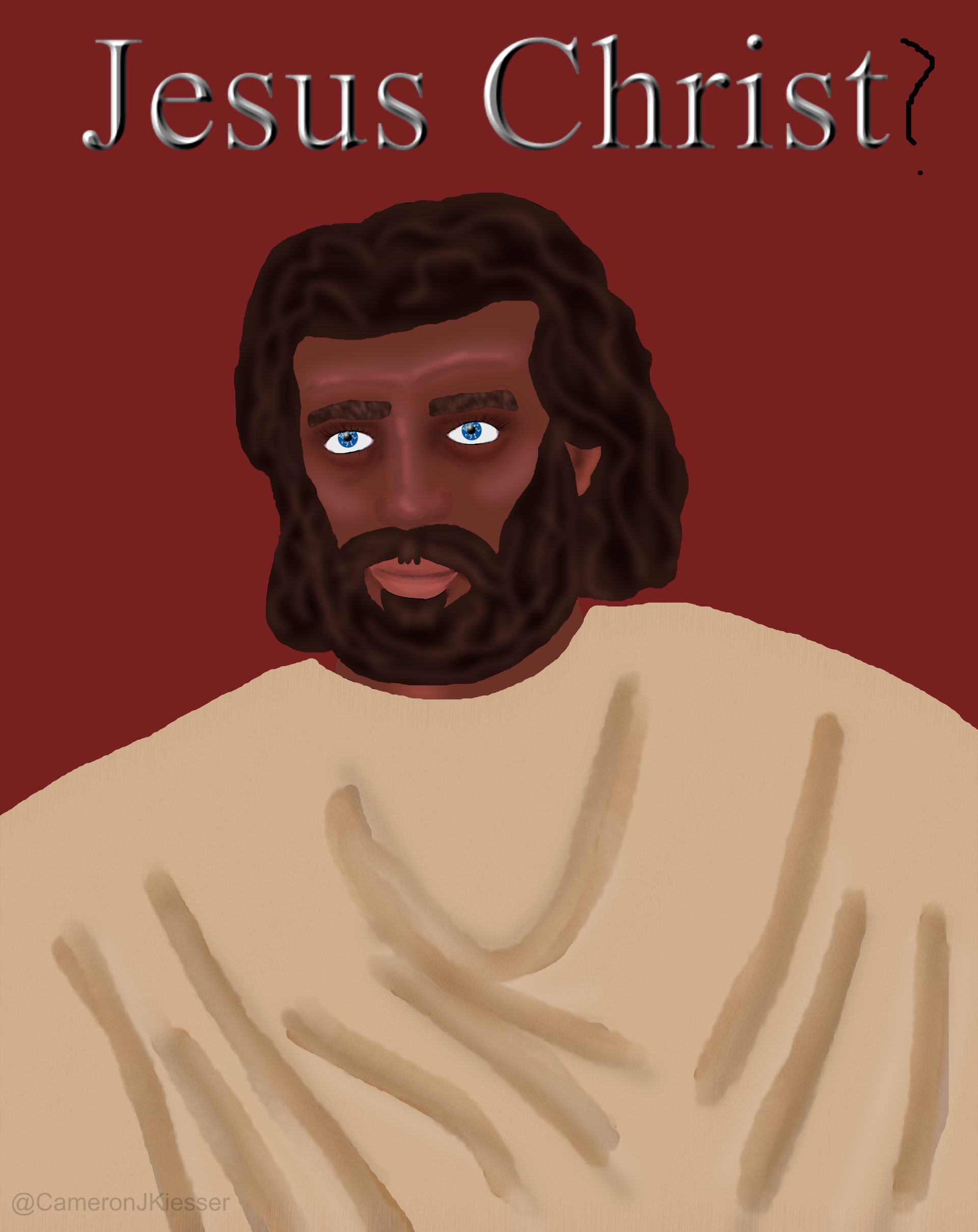
Jesus was black btw
this is actually true according to the bible interpretations of christians,the son of man was like burnished bronze in countenance,which is a black man in daniel the father is like jaspire in countenance which is a brown man in revelation.:lul:
 
this is actually true according to the bible interpretations of christians,the son of man was like burnished bronze in countenance,which is a black man in daniel the father is like jaspire in countenance which is a brown man in revelation.:lul:
Yeah dude I'm dead serious. Christianity was cucked from the very start like their literal god was BBC, like they literallu worship BBC
 
  • JFL
Reactions: yandex99
Yeah dude I'm dead serious. Christianity was cucked from the very start like their literal god was BBC, like they literallu worship BBC
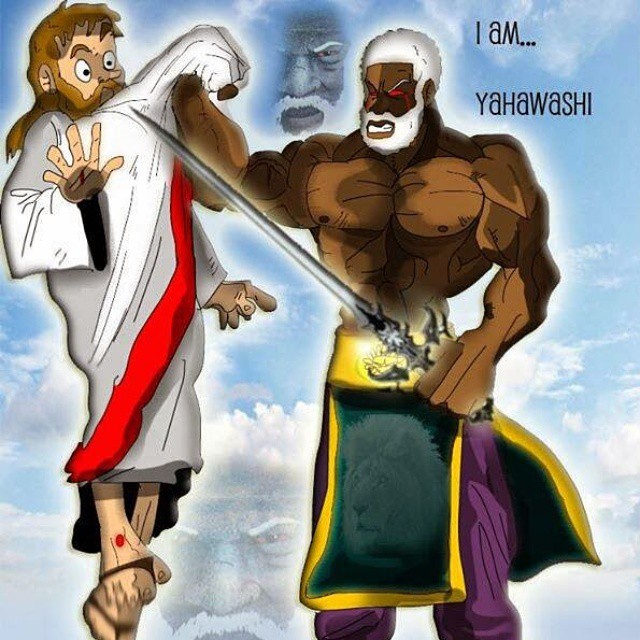
Black jesus christ   yahawashi   yashayah by cameron kiesser de0s4jm fullview
15701016404 2a1c953871 z
 
Yet you say, "Why does the son not bear with the sin of the father?" But the son has practiced justice and righteousness, he has kept all My laws and he carries them out; he shall surely live. יטוַֽאֲמַרְתֶּ֕ם מַדֻּ֛עַ לֹֽא־נָשָׂ֥א הַבֵּ֖ן בַּֽעֲו‍ֹ֣ן הָאָ֑ב וְהַבֵּ֞ן מִשְׁפָּ֧ט וּצְדָקָ֣ה עָשָׂ֗ה אֵ֣ת כָּל־חֻקּוֹתַ֥י שָׁמַ֛ר וַיַּֽעֲשֶׂ֥ה אֹתָ֖ם חָיֹ֥ה יִחְיֶֽה:
20The soul that sins, it shall die; a son shall not bear the iniquity of the father, and a father shall not bear the iniquity of the son; the righteousness of the righteous shall be upon himself, and the wickedness of the wicked shall be upon himself. כהַנֶּ֥פֶשׁ הַֽחֹטֵ֖את הִ֣יא תָמ֑וּת בֵּ֞ן לֹֽא־יִשָּׂ֣א | בַּֽעֲו‍ֹ֣ן הָאָ֗ב וְאָב֙ לֹ֚א יִשָּׂא֙ בַּֽעֲו‍ֹ֣ן הַבֵּ֔ן צִדְקַ֚ת הַצַּדִּיק֙ עָלָ֣יו תִּֽהְיֶ֔ה וְרִשְׁעַ֥ת הָֽרָשָׁ֖ע (כתיב רָשָׁ֖ע) עָלָ֥יו תִּֽהְיֶֽה:
21And if the wicked man repent of all his sins that he has committed and keeps all My laws and executes justice and righteousness, he shall surely live, he shall not die. כאוְהָֽרָשָׁ֗ע כִּ֚י יָשׁוּב֙ מִכָּל־חַטֹּאתָיו֙ (כתיב חַטֹּאתָו֙) אֲשֶׁ֣ר עָשָׂ֔ה וְשָׁמַר֙ אֶת־כָּל־חֻקּוֹתַ֔י וְעָשָׂ֥ה מִשְׁפָּ֖ט וּצְדָקָ֑ה חָיֹ֥ה יִחְיֶ֖ה לֹ֥א יָמֽוּת:
22All his transgressions that he has committed shall not be remembered regarding him: through his righteousness that he has done he shall live. כבכָּל־פְּשָׁעָיו֙ אֲשֶׁ֣ר עָשָׂ֔ה לֹ֥א יִזָּֽכְר֖וּ ל֑וֹ בְּצִדְקָת֥וֹ אֲשֶׁר־עָשָׂ֖ה יִֽחְיֶֽה:
23Do I desire the death of the wicked? says the Lord God. Is it not rather in his repenting of his ways that he may live? כגהֶֽחָפֹ֚ץ אֶחְפֹּץ֙ מ֣וֹת רָשָׁ֔ע נְאֻ֖ם אֲדֹנָ֣י יֱהֹוִ֑ה הֲל֛וֹא בְּשׁוּב֥וֹ מִדְּרָכָ֖יו (כתיב מִדְּרָכָ֖ו) וְחָיָֽה:
24And when the righteous repents of his righteousness and does wrong and does like all the abominations that the wicked man did, shall he live? All his righteous deeds that he has done shall not be remembered; in his treachery that he has perpetrated and in his sin that he has sinned, in them shall he die. כדוּבְשׁ֨וּב צַדִּ֚יק מִצִּדְקָתוֹ֙ וְעָ֣שָׂה עָ֔וֶל כְּכֹ֨ל הַתּוֹעֵב֜וֹת אֲשֶׁר־עָשָׂ֧ה הָֽרָשָׁ֛ע יַֽעֲשֶׂ֖ה וָחָ֑י כָּל־צִדְקֹתָ֚יו (כתיב צִדְקֹתָ֚ו) אֲשֶׁר־עָשָׂה֙ לֹ֣א תִזָּכַ֔רְנָה בְּמַֽעֲל֧וֹ אֲשֶׁר־מָעַ֛ל וּבְחַטָּאת֥וֹ אֲשֶׁר־חָטָ֖א בָּ֥ם יָמֽוּת:
25Yet you say, 'The way of the Lord is not right!' Hear now, O house of Israel: Is it My way that is not right? Is it not rather your ways that are not right? כהוַֽאֲמַרְתֶּ֕ם לֹ֥א יִתָּכֵ֖ן דֶּ֣רֶךְ אֲדֹנָ֑י שִׁמְעוּ־נָא֙ בֵּ֣ית יִשְׂרָאֵ֔ל הֲדַרְכִּי֙ לֹ֣א יִתָּכֵ֔ן הֲלֹ֥א דַרְכֵיכֶ֖ם לֹ֥א יִתָּכֵֽנוּ:
26When a righteous man repents of his righteousness and does wrong and dies on that account; for the wrong that he has done he should die. כובְּשֽׁוּב־צַדִּ֧יק מִצִּדְקָת֛וֹ וְעָ֥שָׂה עָ֖וֶל וּמֵ֣ת עֲלֵיהֶ֑ם בְּעַוְל֥וֹ אֲשֶׁר־עָשָׂ֖ה יָמֽוּת:
27And when a wicked man repents of his wickedness that he has done, and does justice and righteousness, he will keep his soul alive. כזוּבְשׁ֣וּב רָשָׁ֗ע מֵֽרִשְׁעָתוֹ֙ אֲשֶׁ֣ר עָשָׂ֔ה וַיַּ֥עַשׂ מִשְׁפָּ֖ט וּצְדָקָ֑ה ה֖וּא אֶת־נַפְשׁ֥וֹ יְחַיֶּֽה:
28He will see and repent of all his transgressions that he has committed-he shall surely live; he shall not die. כחוַיִּרְאֶ֣ה וַיָּ֔שָׁב (כתיב וַיָּ֔שָׁוב) מִכָּל־פְּשָׁעָ֖יו אֲשֶׁ֣ר עָשָׂ֑ה חָי֥וֹ יִחְיֶ֖ה לֹ֥א יָמֽוּת:
29And yet the house of Israel say, 'The way of the Lord is not right!' Is it My ways that are not right, O house of Israel? Is it not rather your ways that are not right? כטוְאָֽמְרוּ֙ בֵּ֣ית יִשְׂרָאֵ֔ל לֹ֥א יִתָּכֵ֖ן דֶּ֣רֶךְ אֲדֹנָ֑י הַדְּרָכַ֞י לֹ֚א יִתָּֽכְנוּ֙ בֵּ֣ית יִשְׂרָאֵ֔ל הֲלֹ֥א דַרְכֵיכֶ֖ם לֹ֥א יִתָּכֵֽן:
30Therefore, every man according to his ways I will judge you, O house of Israel, says the Lord God: repent and cause others to repent of all your transgressions, and it will not be a stumbling block of iniquity for you. ללָכֵן֩ אִ֨ישׁ כִּדְרָכָ֜יו אֶשְׁפֹּ֚ט אֶתְכֶם֙ בֵּ֣ית יִשְׂרָאֵ֔ל נְאֻ֖ם אֲדֹנָ֣י יֱהֹוִ֑ה שׁ֚וּבוּ וְהָשִׁ֙יבוּ֙ מִכָּל־פִּשְׁעֵיכֶ֔ם וְלֹא־יִֽהְיֶ֥ה לָכֶ֛ם לְמִכְשׁ֖וֹל עָו‍ֹֽן:
31Cast away from yourselves all your transgressions whereby you have transgressed, and make yourselves a new heart and a new spirit, and why should you die, O house of Israel! לאהַשְׁלִ֣יכוּ מֵֽעֲלֵיכֶ֗ם אֶת־כָּל־פִּשְׁעֵיכֶם֙ אֲשֶׁ֣ר פְּשַׁעְתֶּ֣ם בָּ֔ם וַֽעֲשׂ֥וּ לָכֶ֛ם לֵ֥ב חָדָ֖שׁ וְר֣וּחַ חֲדָשָׁ֑ה וְלָ֥מָּה תָמֻ֖תוּ בֵּ֥ית יִשְׂרָאֵֽל:
32For I do not desire the death of him who dies, says the Lord God: so turn away and live!" לבכִּ֣י לֹ֚א אֶחְפֹּץ֙ בְּמ֣וֹת הַמֵּ֔ת נְאֻ֖ם אֲדֹנָ֣י יֱהֹוִ֑ה וְהָשִׁ֖יבוּ וִֽחְיֽוּ:
« Previous
Chapter 17
Next »
Chapter 19


Genesis 4:7

KJ21
If thou doest well, shalt thou not be accepted? And if thou doest not well, sin lieth at the door. And unto thee shall be his desire, and thou shalt rule over him.

Psalm 40:6
KJ21
Sacrifice and offering Thou didst not desire; mine ears hast Thou opened; burnt offering and sin offering hast Thou not required.
ASV
Sacrifice and offering thou hast no delight in; Mine ears hast thou opened: Burnt-offering and sin-offering hast thou not required.
AMP
Sacrifice and meal offering You do not desire, nor do You delight in them; You have opened my ears and given me the capacity to hear [and obey Your word]; Burnt offerings and sin offerings You do not require.
AMPC
Sacrifice and offering You do not desire, nor have You delight in them; You have given me the capacity to hear and obey [Your law, a more valuable service than] burnt offerings and sin offerings [which] You do not require.
BRG
Sacrifice and offering thou didst not desire; mine ears hast thou opened: burnt offering and sin offering hast thou not required.

ome mistranslations are innocent -- and others appear self-serving.

Nowhere in Y'shayahu / Isaiah 53 is there a mention of sin -- yet various Christian translations use that word, perhaps because so many want to believe that Jesus was without sin, and yet a sin sacrifice and use this famous passage to support that belief.

They are being lied to, plain and simple.

Consider Y'shayahu / Isaiah 53:5 in the following Christian translations:

"He was wounded because of our rebellious deeds, crushed because of our sins; he endured punishment that made us well; because of his wounds we have been healed." NET Bible.

"But he was wounded for our iniquities, he was bruised for our sins: the chastisement of our peace was upon him, and by his bruises we are healed." Douay-Rheims Bible.

"He was wounded for our rebellious acts. He was crushed for our sins. He was punished so that we could have peace, and we received healing from his wounds." G-d's Word Translation.

Yet the word for "sin" does not appear in this verse.

The Hebrew is מֵעֲוֹנֹתֵ֑ינוּ (for our impulsive, lustful wrongdoings). Most Christian translations choose the word "iniquity" here, and that is more honest than the translations above. An avon / עוון / transgression is when a person does whatever he wants, but not to anger G‑d. The sinner is intent on enjoying forbidden things he desires -- he knows it is wrong but does it any way. . . Thus an avon is worse than "sin."

The Hebrew word translated as “sin” is חֵטְא / cheit -- a mistake (a missing of the mark). You tried to do the right thing (it wasn't willful or knowingly doing something wrong). "Sin” is a חֵטְא / cheit -- an unintentional sin through carelessness — a “missing of the mark."

Making mistakes (trying to do the right thing and missing aka sin) is all about learning from your mistakes and making up for them via apology, repayment, etc. G-d tells Cain way back in B'reshit / Genesis 4 that he can over come sin (this is "after" Adam and Chava (Eve) sinned, so OOPS there goes the idea of "original sin").

An avon / עוון is not a mistake (it is more serious than sin) -- it is a knowing violation of the rule of law -- the commission of a crime from an impulsive (think lustful) action.

Translating avon / עוון as "sin" is not only incorrect -- it has to be intentional as the words are not at all similar.

Note, too, that most Christian translations of verse five say: "he was pierced for our transgressions" NIV.

The Hebrew word translated as "pierced" is מְחֹלָ֣ל. It is conjugated in a singular 3rd-person masculine passive verb form commonly translated as "he was wounded". A similar term, - m'holelet, conjugated in a singular 3rd-person feminine active verb form is found in Isaiah 51:9. It is commonly translated as "[she] wounded." Pierced is a stretch -- but the general meaning has to do with being wounded by a sword, so pierced is a possible, but not a preferred, translation.

Far more misleading is "he was crushed for our iniquities" NIV.

The verse does not say, “He was wounded for our transgressions and iniquities -- which might lead a reader to "he died FOR my sins." The proper translation is “He was wounded because of our transgressions, and crushed because of our iniquities.” The servant is suffering because of the evil done by others, not "for" them as an act of vicarious atonement. Hebrew uses prepositional prefix-letters ב (b), כ (k), ל (l) and מ (m) to convey prepositions. In this passage the preposition is a מ (mem) in the word מִפְּשָׁעֵנוּ mip'sha'énu. It is never translated as “for” which would incorrectly indicate a vicarious atonement.

Mistranslation, misleading.

There are additional places in Y'shayahu / Isaiah 53 where many Christian translations use the word "sin" although it does not appear in the text.

"All of us, like sheep, have strayed away. We have left G-d's paths to follow our own. Yet the L-RD laid on him the sins of us all." New Living Translation, Isaiah 53:6.

Again, the word in verse 6 is עֲוֹ֥ן / avon (iniquity / impulsive wrongdoing) -- not חֵטְא / cheit (sin). The sentence itself (that G-d laid on him the sins of us all) infers vicarious atonement (e.g., Jesus dying for your sins) -- and it is yet another mistranslation. The verse actually says "We all went astray like sheep, we have turned, each one on his way, and the L-rd accepted his prayers for the iniquity of all of us."

The fact that prayers can atone for iniquity does not "fit" the Christian concept that Jesus has to die for your sins, ergo the passage is mistranslated.

Want proof? The verb לִפְגֹּֽעַ literally means “to encounter” or “to come across by chance”, but it can also mean “to beg”, “to plead [with]”or “to pray [to]”. It takes an indirect object governed by the preposition ב־ (compare the usage in B'réshıt / Genesis 28:11 and Y'rmyahu / Jeremiah 7:16). The word בּוֹ literally means “in him”, “with him”, “through him” (or, in the context of Y'shayahu / Isaiah 53, “in them”, “with them”, “through them”) etc, and the meaning of וַיְיָ הִפְגִּֽיעַ בּוֹ אֵת עֲוֺן כֻּלָּֽנוּ in verse 6 is “We all went astray like sheep, we have turned, each one on his way, and the L-rd accepted his prayers for the iniquity of all of us." See also Rashi's commentary.

Some Christian translations use the word "sin" in association with sacrifices in Y'shayahu / Isaiah 53:10.
This is perhaps the worst of the misuse of the term "sin" in all of Isaiah 53 as the word "sin" does not appear, let alone a sin sacrifice. Yet the NIV has: "the L-RD makes his life an offering for sin." and the KJV has "thou shalt make his soul an offering for sin."

This is translated to say that the servant is a SACRIFICE -- an offering for sin. This is totally unbiblical and a terrible distortion. Yet again the word for sin does not appear in the text at all.

The word mistranslated as "sin offering" is אָשָׁם֙ / asham. An אָשָׁם֙ / asham is not a "sin offering." The various sacrifices are discussed in the book of Vaykira / Leviticus. A sin sacrifice is the חַטָּאת / chatat was for a missing of the mark (you tried to do good but missed). It is discussed in Vayikra / Leviticus 4.

Y'shayahu / Isaiah 53:10 does not speak of the sin sacrifice at all. The word which is used is אָשָׁם / asham.

The word אָשָׁם / asham can be translated as "guilt" (as in you are guilty of something) or to speak of the guilt sacrifice. It is quite clear from the context of that the use of in this verse means "guilt" and not "guilt sacrifice."

How can we be so certain that Isaiah is not speaking of the guilt sacrifice? Because there are only a few violations that one could bring a guilt sacrifice to atone. None of them "fit" the suffering servant. An avon/ עוון (unless it falls under the אָשָׁם תָּלוּי / asham talui or or אָשָׁם גְּזֵל֣וֹת / asham g'zelot) cannot be rectified with a qorban (sacrifice). So what are these two sacrifices which can be brought for an avon/ עוון? They are discussed in Vayikra / Leviticus chapter 5.
An אָשָׁם תָּלוּי / asham talui s brought when it cannot be conclusively determined whether the act was, in fact, a transgression at all. Did you or did you not do something wrong? If you were unsure you brought this type of sacrifice.

Rashi (a great Torah commentator from the 11th century CE) gave the example that a person is given some prohibited animal fat and also permissible animal fat . The person thinks both are OK and eats both. After the fact the person is told they ate something prohibited. Before knowing for sure if they did something wrong (they were unsure) they would bring an asham talui sacrifice. Once the person knew for a fact that he had sinned (done something wrong by accident) by eating a piece of forbidden fat the person would now bring a chatat -- a sin sacrifice to atone for his mistake.

An אָשָׁם גְּזֵל֣וֹת / asham g'zelot (a sacrifice / guilt offering) was an offer for certain types of robbery since a g'zelah is the misappropriation of a person's property. This sacrifice (quorban) was brought by a person who initially denied wrongdoing, but later admitted to doing it (Vayikra / Leviticus 5:21-25). This person lied under oath after defrauding someone of his things or money. In this case again the guilty person had to return the stolen things and add 1/5th to it as well as bring the asham g'zelot (guilt) sacrifice (qorban).

Those were the only two types of Avon / עוון (translated by Christians as iniquity) which a person could bring a sacrifice for (an asham / guilt sacrifice). Any other type of Avon / עוון must be atoned for with other actions including charity, prayer, repentance.

Knowing this take a look at the use of the word אָשָׁם / asham in Y'shayahu / Isaiah 53:10. "G-d desired to oppress him and He afflicted him. If his soul would acknowledge guilt, he would see offspring and live long days, and G-d’s purpose would succeed in his hand."

One may now understand why Christian translations have either "offering for sin" or "guilt sacrifice" instead of the proper translation that the servant must admit his own guilt to have the reward of having children and living a long life.

Jesus did not admit guilt.

Jesus did not have children.

Jesus did not live a long life.

Read about the אָשָׁם / asham for yourself. Check the passage and see that the word used is in fact אָשָׁם / asham and not "sin." Look up the אָשָׁם / asham sacrifices for yourself and see if any of them fit the concept most Christians have about "sin" or Jesus atoning for sin. . .

In other words, folks, use this blog as a starting point. Do your own research.

If so many errors, so many seemingly on purpose and self-serving to make this passage seem to "fit" Jesus, in Isaiah 53 are apparent, how many more passages are being used to mislead innocent Christians seeking G-d into a form of idolatry worshiping a man as G-d?
dnr
 
  • +1
Reactions: tscoer
someone tag princeluenceur he has me on ignore.he is scared to debate me
 
Yet you say, "Why does the son not bear with the sin of the father?" But the son has practiced justice and righteousness, he has kept all My laws and he carries them out; he shall surely live. יטוַֽאֲמַרְתֶּ֕ם מַדֻּ֛עַ לֹֽא־נָשָׂ֥א הַבֵּ֖ן בַּֽעֲו‍ֹ֣ן הָאָ֑ב וְהַבֵּ֞ן מִשְׁפָּ֧ט וּצְדָקָ֣ה עָשָׂ֗ה אֵ֣ת כָּל־חֻקּוֹתַ֥י שָׁמַ֛ר וַיַּֽעֲשֶׂ֥ה אֹתָ֖ם חָיֹ֥ה יִחְיֶֽה:
20The soul that sins, it shall die; a son shall not bear the iniquity of the father, and a father shall not bear the iniquity of the son; the righteousness of the righteous shall be upon himself, and the wickedness of the wicked shall be upon himself. כהַנֶּ֥פֶשׁ הַֽחֹטֵ֖את הִ֣יא תָמ֑וּת בֵּ֞ן לֹֽא־יִשָּׂ֣א | בַּֽעֲו‍ֹ֣ן הָאָ֗ב וְאָב֙ לֹ֚א יִשָּׂא֙ בַּֽעֲו‍ֹ֣ן הַבֵּ֔ן צִדְקַ֚ת הַצַּדִּיק֙ עָלָ֣יו תִּֽהְיֶ֔ה וְרִשְׁעַ֥ת הָֽרָשָׁ֖ע (כתיב רָשָׁ֖ע) עָלָ֥יו תִּֽהְיֶֽה:
21And if the wicked man repent of all his sins that he has committed and keeps all My laws and executes justice and righteousness, he shall surely live, he shall not die. כאוְהָֽרָשָׁ֗ע כִּ֚י יָשׁוּב֙ מִכָּל־חַטֹּאתָיו֙ (כתיב חַטֹּאתָו֙) אֲשֶׁ֣ר עָשָׂ֔ה וְשָׁמַר֙ אֶת־כָּל־חֻקּוֹתַ֔י וְעָשָׂ֥ה מִשְׁפָּ֖ט וּצְדָקָ֑ה חָיֹ֥ה יִחְיֶ֖ה לֹ֥א יָמֽוּת:
22All his transgressions that he has committed shall not be remembered regarding him: through his righteousness that he has done he shall live. כבכָּל־פְּשָׁעָיו֙ אֲשֶׁ֣ר עָשָׂ֔ה לֹ֥א יִזָּֽכְר֖וּ ל֑וֹ בְּצִדְקָת֥וֹ אֲשֶׁר־עָשָׂ֖ה יִֽחְיֶֽה:
23Do I desire the death of the wicked? says the Lord God. Is it not rather in his repenting of his ways that he may live? כגהֶֽחָפֹ֚ץ אֶחְפֹּץ֙ מ֣וֹת רָשָׁ֔ע נְאֻ֖ם אֲדֹנָ֣י יֱהֹוִ֑ה הֲל֛וֹא בְּשׁוּב֥וֹ מִדְּרָכָ֖יו (כתיב מִדְּרָכָ֖ו) וְחָיָֽה:
24And when the righteous repents of his righteousness and does wrong and does like all the abominations that the wicked man did, shall he live? All his righteous deeds that he has done shall not be remembered; in his treachery that he has perpetrated and in his sin that he has sinned, in them shall he die. כדוּבְשׁ֨וּב צַדִּ֚יק מִצִּדְקָתוֹ֙ וְעָ֣שָׂה עָ֔וֶל כְּכֹ֨ל הַתּוֹעֵב֜וֹת אֲשֶׁר־עָשָׂ֧ה הָֽרָשָׁ֛ע יַֽעֲשֶׂ֖ה וָחָ֑י כָּל־צִדְקֹתָ֚יו (כתיב צִדְקֹתָ֚ו) אֲשֶׁר־עָשָׂה֙ לֹ֣א תִזָּכַ֔רְנָה בְּמַֽעֲל֧וֹ אֲשֶׁר־מָעַ֛ל וּבְחַטָּאת֥וֹ אֲשֶׁר־חָטָ֖א בָּ֥ם יָמֽוּת:
25Yet you say, 'The way of the Lord is not right!' Hear now, O house of Israel: Is it My way that is not right? Is it not rather your ways that are not right? כהוַֽאֲמַרְתֶּ֕ם לֹ֥א יִתָּכֵ֖ן דֶּ֣רֶךְ אֲדֹנָ֑י שִׁמְעוּ־נָא֙ בֵּ֣ית יִשְׂרָאֵ֔ל הֲדַרְכִּי֙ לֹ֣א יִתָּכֵ֔ן הֲלֹ֥א דַרְכֵיכֶ֖ם לֹ֥א יִתָּכֵֽנוּ:
26When a righteous man repents of his righteousness and does wrong and dies on that account; for the wrong that he has done he should die. כובְּשֽׁוּב־צַדִּ֧יק מִצִּדְקָת֛וֹ וְעָ֥שָׂה עָ֖וֶל וּמֵ֣ת עֲלֵיהֶ֑ם בְּעַוְל֥וֹ אֲשֶׁר־עָשָׂ֖ה יָמֽוּת:
27And when a wicked man repents of his wickedness that he has done, and does justice and righteousness, he will keep his soul alive. כזוּבְשׁ֣וּב רָשָׁ֗ע מֵֽרִשְׁעָתוֹ֙ אֲשֶׁ֣ר עָשָׂ֔ה וַיַּ֥עַשׂ מִשְׁפָּ֖ט וּצְדָקָ֑ה ה֖וּא אֶת־נַפְשׁ֥וֹ יְחַיֶּֽה:
28He will see and repent of all his transgressions that he has committed-he shall surely live; he shall not die. כחוַיִּרְאֶ֣ה וַיָּ֔שָׁב (כתיב וַיָּ֔שָׁוב) מִכָּל־פְּשָׁעָ֖יו אֲשֶׁ֣ר עָשָׂ֑ה חָי֥וֹ יִחְיֶ֖ה לֹ֥א יָמֽוּת:
29And yet the house of Israel say, 'The way of the Lord is not right!' Is it My ways that are not right, O house of Israel? Is it not rather your ways that are not right? כטוְאָֽמְרוּ֙ בֵּ֣ית יִשְׂרָאֵ֔ל לֹ֥א יִתָּכֵ֖ן דֶּ֣רֶךְ אֲדֹנָ֑י הַדְּרָכַ֞י לֹ֚א יִתָּֽכְנוּ֙ בֵּ֣ית יִשְׂרָאֵ֔ל הֲלֹ֥א דַרְכֵיכֶ֖ם לֹ֥א יִתָּכֵֽן:
30Therefore, every man according to his ways I will judge you, O house of Israel, says the Lord God: repent and cause others to repent of all your transgressions, and it will not be a stumbling block of iniquity for you. ללָכֵן֩ אִ֨ישׁ כִּדְרָכָ֜יו אֶשְׁפֹּ֚ט אֶתְכֶם֙ בֵּ֣ית יִשְׂרָאֵ֔ל נְאֻ֖ם אֲדֹנָ֣י יֱהֹוִ֑ה שׁ֚וּבוּ וְהָשִׁ֙יבוּ֙ מִכָּל־פִּשְׁעֵיכֶ֔ם וְלֹא־יִֽהְיֶ֥ה לָכֶ֛ם לְמִכְשׁ֖וֹל עָו‍ֹֽן:
31Cast away from yourselves all your transgressions whereby you have transgressed, and make yourselves a new heart and a new spirit, and why should you die, O house of Israel! לאהַשְׁלִ֣יכוּ מֵֽעֲלֵיכֶ֗ם אֶת־כָּל־פִּשְׁעֵיכֶם֙ אֲשֶׁ֣ר פְּשַׁעְתֶּ֣ם בָּ֔ם וַֽעֲשׂ֥וּ לָכֶ֛ם לֵ֥ב חָדָ֖שׁ וְר֣וּחַ חֲדָשָׁ֑ה וְלָ֥מָּה תָמֻ֖תוּ בֵּ֥ית יִשְׂרָאֵֽל:
32For I do not desire the death of him who dies, says the Lord God: so turn away and live!" לבכִּ֣י לֹ֚א אֶחְפֹּץ֙ בְּמ֣וֹת הַמֵּ֔ת נְאֻ֖ם אֲדֹנָ֣י יֱהֹוִ֑ה וְהָשִׁ֖יבוּ וִֽחְיֽוּ:
« Previous
Chapter 17
Next »
Chapter 19


Genesis 4:7

KJ21
If thou doest well, shalt thou not be accepted? And if thou doest not well, sin lieth at the door. And unto thee shall be his desire, and thou shalt rule over him.

Psalm 40:6
KJ21
Sacrifice and offering Thou didst not desire; mine ears hast Thou opened; burnt offering and sin offering hast Thou not required.
ASV
Sacrifice and offering thou hast no delight in; Mine ears hast thou opened: Burnt-offering and sin-offering hast thou not required.
AMP
Sacrifice and meal offering You do not desire, nor do You delight in them; You have opened my ears and given me the capacity to hear [and obey Your word]; Burnt offerings and sin offerings You do not require.
AMPC
Sacrifice and offering You do not desire, nor have You delight in them; You have given me the capacity to hear and obey [Your law, a more valuable service than] burnt offerings and sin offerings [which] You do not require.
BRG
Sacrifice and offering thou didst not desire; mine ears hast thou opened: burnt offering and sin offering hast thou not required.

ome mistranslations are innocent -- and others appear self-serving.

Nowhere in Y'shayahu / Isaiah 53 is there a mention of sin -- yet various Christian translations use that word, perhaps because so many want to believe that Jesus was without sin, and yet a sin sacrifice and use this famous passage to support that belief.

They are being lied to, plain and simple.

Consider Y'shayahu / Isaiah 53:5 in the following Christian translations:

"He was wounded because of our rebellious deeds, crushed because of our sins; he endured punishment that made us well; because of his wounds we have been healed." NET Bible.

"But he was wounded for our iniquities, he was bruised for our sins: the chastisement of our peace was upon him, and by his bruises we are healed." Douay-Rheims Bible.

"He was wounded for our rebellious acts. He was crushed for our sins. He was punished so that we could have peace, and we received healing from his wounds." G-d's Word Translation.

Yet the word for "sin" does not appear in this verse.

The Hebrew is מֵעֲוֹנֹתֵ֑ינוּ (for our impulsive, lustful wrongdoings). Most Christian translations choose the word "iniquity" here, and that is more honest than the translations above. An avon / עוון / transgression is when a person does whatever he wants, but not to anger G‑d. The sinner is intent on enjoying forbidden things he desires -- he knows it is wrong but does it any way. . . Thus an avon is worse than "sin."

The Hebrew word translated as “sin” is חֵטְא / cheit -- a mistake (a missing of the mark). You tried to do the right thing (it wasn't willful or knowingly doing something wrong). "Sin” is a חֵטְא / cheit -- an unintentional sin through carelessness — a “missing of the mark."

Making mistakes (trying to do the right thing and missing aka sin) is all about learning from your mistakes and making up for them via apology, repayment, etc. G-d tells Cain way back in B'reshit / Genesis 4 that he can over come sin (this is "after" Adam and Chava (Eve) sinned, so OOPS there goes the idea of "original sin").

An avon / עוון is not a mistake (it is more serious than sin) -- it is a knowing violation of the rule of law -- the commission of a crime from an impulsive (think lustful) action.

Translating avon / עוון as "sin" is not only incorrect -- it has to be intentional as the words are not at all similar.

Note, too, that most Christian translations of verse five say: "he was pierced for our transgressions" NIV.

The Hebrew word translated as "pierced" is מְחֹלָ֣ל. It is conjugated in a singular 3rd-person masculine passive verb form commonly translated as "he was wounded". A similar term, - m'holelet, conjugated in a singular 3rd-person feminine active verb form is found in Isaiah 51:9. It is commonly translated as "[she] wounded." Pierced is a stretch -- but the general meaning has to do with being wounded by a sword, so pierced is a possible, but not a preferred, translation.

Far more misleading is "he was crushed for our iniquities" NIV.

The verse does not say, “He was wounded for our transgressions and iniquities -- which might lead a reader to "he died FOR my sins." The proper translation is “He was wounded because of our transgressions, and crushed because of our iniquities.” The servant is suffering because of the evil done by others, not "for" them as an act of vicarious atonement. Hebrew uses prepositional prefix-letters ב (b), כ (k), ל (l) and מ (m) to convey prepositions. In this passage the preposition is a מ (mem) in the word מִפְּשָׁעֵנוּ mip'sha'énu. It is never translated as “for” which would incorrectly indicate a vicarious atonement.

Mistranslation, misleading.

There are additional places in Y'shayahu / Isaiah 53 where many Christian translations use the word "sin" although it does not appear in the text.

"All of us, like sheep, have strayed away. We have left G-d's paths to follow our own. Yet the L-RD laid on him the sins of us all." New Living Translation, Isaiah 53:6.

Again, the word in verse 6 is עֲוֹ֥ן / avon (iniquity / impulsive wrongdoing) -- not חֵטְא / cheit (sin). The sentence itself (that G-d laid on him the sins of us all) infers vicarious atonement (e.g., Jesus dying for your sins) -- and it is yet another mistranslation. The verse actually says "We all went astray like sheep, we have turned, each one on his way, and the L-rd accepted his prayers for the iniquity of all of us."

The fact that prayers can atone for iniquity does not "fit" the Christian concept that Jesus has to die for your sins, ergo the passage is mistranslated.

Want proof? The verb לִפְגֹּֽעַ literally means “to encounter” or “to come across by chance”, but it can also mean “to beg”, “to plead [with]”or “to pray [to]”. It takes an indirect object governed by the preposition ב־ (compare the usage in B'réshıt / Genesis 28:11 and Y'rmyahu / Jeremiah 7:16). The word בּוֹ literally means “in him”, “with him”, “through him” (or, in the context of Y'shayahu / Isaiah 53, “in them”, “with them”, “through them”) etc, and the meaning of וַיְיָ הִפְגִּֽיעַ בּוֹ אֵת עֲוֺן כֻּלָּֽנוּ in verse 6 is “We all went astray like sheep, we have turned, each one on his way, and the L-rd accepted his prayers for the iniquity of all of us." See also Rashi's commentary.

Some Christian translations use the word "sin" in association with sacrifices in Y'shayahu / Isaiah 53:10.
This is perhaps the worst of the misuse of the term "sin" in all of Isaiah 53 as the word "sin" does not appear, let alone a sin sacrifice. Yet the NIV has: "the L-RD makes his life an offering for sin." and the KJV has "thou shalt make his soul an offering for sin."

This is translated to say that the servant is a SACRIFICE -- an offering for sin. This is totally unbiblical and a terrible distortion. Yet again the word for sin does not appear in the text at all.

The word mistranslated as "sin offering" is אָשָׁם֙ / asham. An אָשָׁם֙ / asham is not a "sin offering." The various sacrifices are discussed in the book of Vaykira / Leviticus. A sin sacrifice is the חַטָּאת / chatat was for a missing of the mark (you tried to do good but missed). It is discussed in Vayikra / Leviticus 4.

Y'shayahu / Isaiah 53:10 does not speak of the sin sacrifice at all. The word which is used is אָשָׁם / asham.

The word אָשָׁם / asham can be translated as "guilt" (as in you are guilty of something) or to speak of the guilt sacrifice. It is quite clear from the context of that the use of in this verse means "guilt" and not "guilt sacrifice."

How can we be so certain that Isaiah is not speaking of the guilt sacrifice? Because there are only a few violations that one could bring a guilt sacrifice to atone. None of them "fit" the suffering servant. An avon/ עוון (unless it falls under the אָשָׁם תָּלוּי / asham talui or or אָשָׁם גְּזֵל֣וֹת / asham g'zelot) cannot be rectified with a qorban (sacrifice). So what are these two sacrifices which can be brought for an avon/ עוון? They are discussed in Vayikra / Leviticus chapter 5.
An אָשָׁם תָּלוּי / asham talui s brought when it cannot be conclusively determined whether the act was, in fact, a transgression at all. Did you or did you not do something wrong? If you were unsure you brought this type of sacrifice.

Rashi (a great Torah commentator from the 11th century CE) gave the example that a person is given some prohibited animal fat and also permissible animal fat . The person thinks both are OK and eats both. After the fact the person is told they ate something prohibited. Before knowing for sure if they did something wrong (they were unsure) they would bring an asham talui sacrifice. Once the person knew for a fact that he had sinned (done something wrong by accident) by eating a piece of forbidden fat the person would now bring a chatat -- a sin sacrifice to atone for his mistake.

An אָשָׁם גְּזֵל֣וֹת / asham g'zelot (a sacrifice / guilt offering) was an offer for certain types of robbery since a g'zelah is the misappropriation of a person's property. This sacrifice (quorban) was brought by a person who initially denied wrongdoing, but later admitted to doing it (Vayikra / Leviticus 5:21-25). This person lied under oath after defrauding someone of his things or money. In this case again the guilty person had to return the stolen things and add 1/5th to it as well as bring the asham g'zelot (guilt) sacrifice (qorban).

Those were the only two types of Avon / עוון (translated by Christians as iniquity) which a person could bring a sacrifice for (an asham / guilt sacrifice). Any other type of Avon / עוון must be atoned for with other actions including charity, prayer, repentance.

Knowing this take a look at the use of the word אָשָׁם / asham in Y'shayahu / Isaiah 53:10. "G-d desired to oppress him and He afflicted him. If his soul would acknowledge guilt, he would see offspring and live long days, and G-d’s purpose would succeed in his hand."

One may now understand why Christian translations have either "offering for sin" or "guilt sacrifice" instead of the proper translation that the servant must admit his own guilt to have the reward of having children and living a long life.

Jesus did not admit guilt.

Jesus did not have children.

Jesus did not live a long life.

Read about the אָשָׁם / asham for yourself. Check the passage and see that the word used is in fact אָשָׁם / asham and not "sin." Look up the אָשָׁם / asham sacrifices for yourself and see if any of them fit the concept most Christians have about "sin" or Jesus atoning for sin. . .

In other words, folks, use this blog as a starting point. Do your own research.

If so many errors, so many seemingly on purpose and self-serving to make this passage seem to "fit" Jesus, in Isaiah 53 are apparent, how many more passages are being used to mislead innocent Christians seeking G-d into a form of idolatry worshiping a man as G-d?
DNR:lul:
 
Yet you say, "Why does the son not bear with the sin of the father?" But the son has practiced justice and righteousness, he has kept all My laws and he carries them out; he shall surely live. יטוַֽאֲמַרְתֶּ֕ם מַדֻּ֛עַ לֹֽא־נָשָׂ֥א הַבֵּ֖ן בַּֽעֲו‍ֹ֣ן הָאָ֑ב וְהַבֵּ֞ן מִשְׁפָּ֧ט וּצְדָקָ֣ה עָשָׂ֗ה אֵ֣ת כָּל־חֻקּוֹתַ֥י שָׁמַ֛ר וַיַּֽעֲשֶׂ֥ה אֹתָ֖ם חָיֹ֥ה יִחְיֶֽה:
20The soul that sins, it shall die; a son shall not bear the iniquity of the father, and a father shall not bear the iniquity of the son; the righteousness of the righteous shall be upon himself, and the wickedness of the wicked shall be upon himself. כהַנֶּ֥פֶשׁ הַֽחֹטֵ֖את הִ֣יא תָמ֑וּת בֵּ֞ן לֹֽא־יִשָּׂ֣א | בַּֽעֲו‍ֹ֣ן הָאָ֗ב וְאָב֙ לֹ֚א יִשָּׂא֙ בַּֽעֲו‍ֹ֣ן הַבֵּ֔ן צִדְקַ֚ת הַצַּדִּיק֙ עָלָ֣יו תִּֽהְיֶ֔ה וְרִשְׁעַ֥ת הָֽרָשָׁ֖ע (כתיב רָשָׁ֖ע) עָלָ֥יו תִּֽהְיֶֽה:
21And if the wicked man repent of all his sins that he has committed and keeps all My laws and executes justice and righteousness, he shall surely live, he shall not die. כאוְהָֽרָשָׁ֗ע כִּ֚י יָשׁוּב֙ מִכָּל־חַטֹּאתָיו֙ (כתיב חַטֹּאתָו֙) אֲשֶׁ֣ר עָשָׂ֔ה וְשָׁמַר֙ אֶת־כָּל־חֻקּוֹתַ֔י וְעָשָׂ֥ה מִשְׁפָּ֖ט וּצְדָקָ֑ה חָיֹ֥ה יִחְיֶ֖ה לֹ֥א יָמֽוּת:
22All his transgressions that he has committed shall not be remembered regarding him: through his righteousness that he has done he shall live. כבכָּל־פְּשָׁעָיו֙ אֲשֶׁ֣ר עָשָׂ֔ה לֹ֥א יִזָּֽכְר֖וּ ל֑וֹ בְּצִדְקָת֥וֹ אֲשֶׁר־עָשָׂ֖ה יִֽחְיֶֽה:
23Do I desire the death of the wicked? says the Lord God. Is it not rather in his repenting of his ways that he may live? כגהֶֽחָפֹ֚ץ אֶחְפֹּץ֙ מ֣וֹת רָשָׁ֔ע נְאֻ֖ם אֲדֹנָ֣י יֱהֹוִ֑ה הֲל֛וֹא בְּשׁוּב֥וֹ מִדְּרָכָ֖יו (כתיב מִדְּרָכָ֖ו) וְחָיָֽה:
24And when the righteous repents of his righteousness and does wrong and does like all the abominations that the wicked man did, shall he live? All his righteous deeds that he has done shall not be remembered; in his treachery that he has perpetrated and in his sin that he has sinned, in them shall he die. כדוּבְשׁ֨וּב צַדִּ֚יק מִצִּדְקָתוֹ֙ וְעָ֣שָׂה עָ֔וֶל כְּכֹ֨ל הַתּוֹעֵב֜וֹת אֲשֶׁר־עָשָׂ֧ה הָֽרָשָׁ֛ע יַֽעֲשֶׂ֖ה וָחָ֑י כָּל־צִדְקֹתָ֚יו (כתיב צִדְקֹתָ֚ו) אֲשֶׁר־עָשָׂה֙ לֹ֣א תִזָּכַ֔רְנָה בְּמַֽעֲל֧וֹ אֲשֶׁר־מָעַ֛ל וּבְחַטָּאת֥וֹ אֲשֶׁר־חָטָ֖א בָּ֥ם יָמֽוּת:
25Yet you say, 'The way of the Lord is not right!' Hear now, O house of Israel: Is it My way that is not right? Is it not rather your ways that are not right? כהוַֽאֲמַרְתֶּ֕ם לֹ֥א יִתָּכֵ֖ן דֶּ֣רֶךְ אֲדֹנָ֑י שִׁמְעוּ־נָא֙ בֵּ֣ית יִשְׂרָאֵ֔ל הֲדַרְכִּי֙ לֹ֣א יִתָּכֵ֔ן הֲלֹ֥א דַרְכֵיכֶ֖ם לֹ֥א יִתָּכֵֽנוּ:
26When a righteous man repents of his righteousness and does wrong and dies on that account; for the wrong that he has done he should die. כובְּשֽׁוּב־צַדִּ֧יק מִצִּדְקָת֛וֹ וְעָ֥שָׂה עָ֖וֶל וּמֵ֣ת עֲלֵיהֶ֑ם בְּעַוְל֥וֹ אֲשֶׁר־עָשָׂ֖ה יָמֽוּת:
27And when a wicked man repents of his wickedness that he has done, and does justice and righteousness, he will keep his soul alive. כזוּבְשׁ֣וּב רָשָׁ֗ע מֵֽרִשְׁעָתוֹ֙ אֲשֶׁ֣ר עָשָׂ֔ה וַיַּ֥עַשׂ מִשְׁפָּ֖ט וּצְדָקָ֑ה ה֖וּא אֶת־נַפְשׁ֥וֹ יְחַיֶּֽה:
28He will see and repent of all his transgressions that he has committed-he shall surely live; he shall not die. כחוַיִּרְאֶ֣ה וַיָּ֔שָׁב (כתיב וַיָּ֔שָׁוב) מִכָּל־פְּשָׁעָ֖יו אֲשֶׁ֣ר עָשָׂ֑ה חָי֥וֹ יִחְיֶ֖ה לֹ֥א יָמֽוּת:
29And yet the house of Israel say, 'The way of the Lord is not right!' Is it My ways that are not right, O house of Israel? Is it not rather your ways that are not right? כטוְאָֽמְרוּ֙ בֵּ֣ית יִשְׂרָאֵ֔ל לֹ֥א יִתָּכֵ֖ן דֶּ֣רֶךְ אֲדֹנָ֑י הַדְּרָכַ֞י לֹ֚א יִתָּֽכְנוּ֙ בֵּ֣ית יִשְׂרָאֵ֔ל הֲלֹ֥א דַרְכֵיכֶ֖ם לֹ֥א יִתָּכֵֽן:
30Therefore, every man according to his ways I will judge you, O house of Israel, says the Lord God: repent and cause others to repent of all your transgressions, and it will not be a stumbling block of iniquity for you. ללָכֵן֩ אִ֨ישׁ כִּדְרָכָ֜יו אֶשְׁפֹּ֚ט אֶתְכֶם֙ בֵּ֣ית יִשְׂרָאֵ֔ל נְאֻ֖ם אֲדֹנָ֣י יֱהֹוִ֑ה שׁ֚וּבוּ וְהָשִׁ֙יבוּ֙ מִכָּל־פִּשְׁעֵיכֶ֔ם וְלֹא־יִֽהְיֶ֥ה לָכֶ֛ם לְמִכְשׁ֖וֹל עָו‍ֹֽן:
31Cast away from yourselves all your transgressions whereby you have transgressed, and make yourselves a new heart and a new spirit, and why should you die, O house of Israel! לאהַשְׁלִ֣יכוּ מֵֽעֲלֵיכֶ֗ם אֶת־כָּל־פִּשְׁעֵיכֶם֙ אֲשֶׁ֣ר פְּשַׁעְתֶּ֣ם בָּ֔ם וַֽעֲשׂ֥וּ לָכֶ֛ם לֵ֥ב חָדָ֖שׁ וְר֣וּחַ חֲדָשָׁ֑ה וְלָ֥מָּה תָמֻ֖תוּ בֵּ֥ית יִשְׂרָאֵֽל:
32For I do not desire the death of him who dies, says the Lord God: so turn away and live!" לבכִּ֣י לֹ֚א אֶחְפֹּץ֙ בְּמ֣וֹת הַמֵּ֔ת נְאֻ֖ם אֲדֹנָ֣י יֱהֹוִ֑ה וְהָשִׁ֖יבוּ וִֽחְיֽוּ:
« Previous
Chapter 17
Next »
Chapter 19


Genesis 4:7

KJ21
If thou doest well, shalt thou not be accepted? And if thou doest not well, sin lieth at the door. And unto thee shall be his desire, and thou shalt rule over him.

Psalm 40:6
KJ21
Sacrifice and offering Thou didst not desire; mine ears hast Thou opened; burnt offering and sin offering hast Thou not required.
ASV
Sacrifice and offering thou hast no delight in; Mine ears hast thou opened: Burnt-offering and sin-offering hast thou not required.
AMP
Sacrifice and meal offering You do not desire, nor do You delight in them; You have opened my ears and given me the capacity to hear [and obey Your word]; Burnt offerings and sin offerings You do not require.
AMPC
Sacrifice and offering You do not desire, nor have You delight in them; You have given me the capacity to hear and obey [Your law, a more valuable service than] burnt offerings and sin offerings [which] You do not require.
BRG
Sacrifice and offering thou didst not desire; mine ears hast thou opened: burnt offering and sin offering hast thou not required.

ome mistranslations are innocent -- and others appear self-serving.

Nowhere in Y'shayahu / Isaiah 53 is there a mention of sin -- yet various Christian translations use that word, perhaps because so many want to believe that Jesus was without sin, and yet a sin sacrifice and use this famous passage to support that belief.

They are being lied to, plain and simple.

Consider Y'shayahu / Isaiah 53:5 in the following Christian translations:

"He was wounded because of our rebellious deeds, crushed because of our sins; he endured punishment that made us well; because of his wounds we have been healed." NET Bible.

"But he was wounded for our iniquities, he was bruised for our sins: the chastisement of our peace was upon him, and by his bruises we are healed." Douay-Rheims Bible.

"He was wounded for our rebellious acts. He was crushed for our sins. He was punished so that we could have peace, and we received healing from his wounds." G-d's Word Translation.

Yet the word for "sin" does not appear in this verse.

The Hebrew is מֵעֲוֹנֹתֵ֑ינוּ (for our impulsive, lustful wrongdoings). Most Christian translations choose the word "iniquity" here, and that is more honest than the translations above. An avon / עוון / transgression is when a person does whatever he wants, but not to anger G‑d. The sinner is intent on enjoying forbidden things he desires -- he knows it is wrong but does it any way. . . Thus an avon is worse than "sin."

The Hebrew word translated as “sin” is חֵטְא / cheit -- a mistake (a missing of the mark). You tried to do the right thing (it wasn't willful or knowingly doing something wrong). "Sin” is a חֵטְא / cheit -- an unintentional sin through carelessness — a “missing of the mark."

Making mistakes (trying to do the right thing and missing aka sin) is all about learning from your mistakes and making up for them via apology, repayment, etc. G-d tells Cain way back in B'reshit / Genesis 4 that he can over come sin (this is "after" Adam and Chava (Eve) sinned, so OOPS there goes the idea of "original sin").

An avon / עוון is not a mistake (it is more serious than sin) -- it is a knowing violation of the rule of law -- the commission of a crime from an impulsive (think lustful) action.

Translating avon / עוון as "sin" is not only incorrect -- it has to be intentional as the words are not at all similar.

Note, too, that most Christian translations of verse five say: "he was pierced for our transgressions" NIV.

The Hebrew word translated as "pierced" is מְחֹלָ֣ל. It is conjugated in a singular 3rd-person masculine passive verb form commonly translated as "he was wounded". A similar term, - m'holelet, conjugated in a singular 3rd-person feminine active verb form is found in Isaiah 51:9. It is commonly translated as "[she] wounded." Pierced is a stretch -- but the general meaning has to do with being wounded by a sword, so pierced is a possible, but not a preferred, translation.

Far more misleading is "he was crushed for our iniquities" NIV.

The verse does not say, “He was wounded for our transgressions and iniquities -- which might lead a reader to "he died FOR my sins." The proper translation is “He was wounded because of our transgressions, and crushed because of our iniquities.” The servant is suffering because of the evil done by others, not "for" them as an act of vicarious atonement. Hebrew uses prepositional prefix-letters ב (b), כ (k), ל (l) and מ (m) to convey prepositions. In this passage the preposition is a מ (mem) in the word מִפְּשָׁעֵנוּ mip'sha'énu. It is never translated as “for” which would incorrectly indicate a vicarious atonement.

Mistranslation, misleading.

There are additional places in Y'shayahu / Isaiah 53 where many Christian translations use the word "sin" although it does not appear in the text.

"All of us, like sheep, have strayed away. We have left G-d's paths to follow our own. Yet the L-RD laid on him the sins of us all." New Living Translation, Isaiah 53:6.

Again, the word in verse 6 is עֲוֹ֥ן / avon (iniquity / impulsive wrongdoing) -- not חֵטְא / cheit (sin). The sentence itself (that G-d laid on him the sins of us all) infers vicarious atonement (e.g., Jesus dying for your sins) -- and it is yet another mistranslation. The verse actually says "We all went astray like sheep, we have turned, each one on his way, and the L-rd accepted his prayers for the iniquity of all of us."

The fact that prayers can atone for iniquity does not "fit" the Christian concept that Jesus has to die for your sins, ergo the passage is mistranslated.

Want proof? The verb לִפְגֹּֽעַ literally means “to encounter” or “to come across by chance”, but it can also mean “to beg”, “to plead [with]”or “to pray [to]”. It takes an indirect object governed by the preposition ב־ (compare the usage in B'réshıt / Genesis 28:11 and Y'rmyahu / Jeremiah 7:16). The word בּוֹ literally means “in him”, “with him”, “through him” (or, in the context of Y'shayahu / Isaiah 53, “in them”, “with them”, “through them”) etc, and the meaning of וַיְיָ הִפְגִּֽיעַ בּוֹ אֵת עֲוֺן כֻּלָּֽנוּ in verse 6 is “We all went astray like sheep, we have turned, each one on his way, and the L-rd accepted his prayers for the iniquity of all of us." See also Rashi's commentary.

Some Christian translations use the word "sin" in association with sacrifices in Y'shayahu / Isaiah 53:10.
This is perhaps the worst of the misuse of the term "sin" in all of Isaiah 53 as the word "sin" does not appear, let alone a sin sacrifice. Yet the NIV has: "the L-RD makes his life an offering for sin." and the KJV has "thou shalt make his soul an offering for sin."

This is translated to say that the servant is a SACRIFICE -- an offering for sin. This is totally unbiblical and a terrible distortion. Yet again the word for sin does not appear in the text at all.

The word mistranslated as "sin offering" is אָשָׁם֙ / asham. An אָשָׁם֙ / asham is not a "sin offering." The various sacrifices are discussed in the book of Vaykira / Leviticus. A sin sacrifice is the חַטָּאת / chatat was for a missing of the mark (you tried to do good but missed). It is discussed in Vayikra / Leviticus 4.

Y'shayahu / Isaiah 53:10 does not speak of the sin sacrifice at all. The word which is used is אָשָׁם / asham.

The word אָשָׁם / asham can be translated as "guilt" (as in you are guilty of something) or to speak of the guilt sacrifice. It is quite clear from the context of that the use of in this verse means "guilt" and not "guilt sacrifice."

How can we be so certain that Isaiah is not speaking of the guilt sacrifice? Because there are only a few violations that one could bring a guilt sacrifice to atone. None of them "fit" the suffering servant. An avon/ עוון (unless it falls under the אָשָׁם תָּלוּי / asham talui or or אָשָׁם גְּזֵל֣וֹת / asham g'zelot) cannot be rectified with a qorban (sacrifice). So what are these two sacrifices which can be brought for an avon/ עוון? They are discussed in Vayikra / Leviticus chapter 5.
An אָשָׁם תָּלוּי / asham talui s brought when it cannot be conclusively determined whether the act was, in fact, a transgression at all. Did you or did you not do something wrong? If you were unsure you brought this type of sacrifice.

Rashi (a great Torah commentator from the 11th century CE) gave the example that a person is given some prohibited animal fat and also permissible animal fat . The person thinks both are OK and eats both. After the fact the person is told they ate something prohibited. Before knowing for sure if they did something wrong (they were unsure) they would bring an asham talui sacrifice. Once the person knew for a fact that he had sinned (done something wrong by accident) by eating a piece of forbidden fat the person would now bring a chatat -- a sin sacrifice to atone for his mistake.

An אָשָׁם גְּזֵל֣וֹת / asham g'zelot (a sacrifice / guilt offering) was an offer for certain types of robbery since a g'zelah is the misappropriation of a person's property. This sacrifice (quorban) was brought by a person who initially denied wrongdoing, but later admitted to doing it (Vayikra / Leviticus 5:21-25). This person lied under oath after defrauding someone of his things or money. In this case again the guilty person had to return the stolen things and add 1/5th to it as well as bring the asham g'zelot (guilt) sacrifice (qorban).

Those were the only two types of Avon / עוון (translated by Christians as iniquity) which a person could bring a sacrifice for (an asham / guilt sacrifice). Any other type of Avon / עוון must be atoned for with other actions including charity, prayer, repentance.

Knowing this take a look at the use of the word אָשָׁם / asham in Y'shayahu / Isaiah 53:10. "G-d desired to oppress him and He afflicted him. If his soul would acknowledge guilt, he would see offspring and live long days, and G-d’s purpose would succeed in his hand."

One may now understand why Christian translations have either "offering for sin" or "guilt sacrifice" instead of the proper translation that the servant must admit his own guilt to have the reward of having children and living a long life.

Jesus did not admit guilt.

Jesus did not have children.

Jesus did not live a long life.

Read about the אָשָׁם / asham for yourself. Check the passage and see that the word used is in fact אָשָׁם / asham and not "sin." Look up the אָשָׁם / asham sacrifices for yourself and see if any of them fit the concept most Christians have about "sin" or Jesus atoning for sin. . .

In other words, folks, use this blog as a starting point. Do your own research.

If so many errors, so many seemingly on purpose and self-serving to make this passage seem to "fit" Jesus, in Isaiah 53 are apparent, how many more passages are being used to mislead innocent Christians seeking G-d into a form of idolatry worshiping a man as G-d?
 
  • JFL
Reactions: sonic55555
holy dnr
 
  • +1
Reactions: GillKoyim
Yet you say, "Why does the son not bear with the sin of the father?" But the son has practiced justice and righteousness, he has kept all My laws and he carries them out; he shall surely live. יטוַֽאֲמַרְתֶּ֕ם מַדֻּ֛עַ לֹֽא־נָשָׂ֥א הַבֵּ֖ן בַּֽעֲו‍ֹ֣ן הָאָ֑ב וְהַבֵּ֞ן מִשְׁפָּ֧ט וּצְדָקָ֣ה עָשָׂ֗ה אֵ֣ת כָּל־חֻקּוֹתַ֥י שָׁמַ֛ר וַיַּֽעֲשֶׂ֥ה אֹתָ֖ם חָיֹ֥ה יִחְיֶֽה:
20The soul that sins, it shall die; a son shall not bear the iniquity of the father, and a father shall not bear the iniquity of the son; the righteousness of the righteous shall be upon himself, and the wickedness of the wicked shall be upon himself. כהַנֶּ֥פֶשׁ הַֽחֹטֵ֖את הִ֣יא תָמ֑וּת בֵּ֞ן לֹֽא־יִשָּׂ֣א | בַּֽעֲו‍ֹ֣ן הָאָ֗ב וְאָב֙ לֹ֚א יִשָּׂא֙ בַּֽעֲו‍ֹ֣ן הַבֵּ֔ן צִדְקַ֚ת הַצַּדִּיק֙ עָלָ֣יו תִּֽהְיֶ֔ה וְרִשְׁעַ֥ת הָֽרָשָׁ֖ע (כתיב רָשָׁ֖ע) עָלָ֥יו תִּֽהְיֶֽה:
21And if the wicked man repent of all his sins that he has committed and keeps all My laws and executes justice and righteousness, he shall surely live, he shall not die. כאוְהָֽרָשָׁ֗ע כִּ֚י יָשׁוּב֙ מִכָּל־חַטֹּאתָיו֙ (כתיב חַטֹּאתָו֙) אֲשֶׁ֣ר עָשָׂ֔ה וְשָׁמַר֙ אֶת־כָּל־חֻקּוֹתַ֔י וְעָשָׂ֥ה מִשְׁפָּ֖ט וּצְדָקָ֑ה חָיֹ֥ה יִחְיֶ֖ה לֹ֥א יָמֽוּת:
22All his transgressions that he has committed shall not be remembered regarding him: through his righteousness that he has done he shall live. כבכָּל־פְּשָׁעָיו֙ אֲשֶׁ֣ר עָשָׂ֔ה לֹ֥א יִזָּֽכְר֖וּ ל֑וֹ בְּצִדְקָת֥וֹ אֲשֶׁר־עָשָׂ֖ה יִֽחְיֶֽה:
23Do I desire the death of the wicked? says the Lord God. Is it not rather in his repenting of his ways that he may live? כגהֶֽחָפֹ֚ץ אֶחְפֹּץ֙ מ֣וֹת רָשָׁ֔ע נְאֻ֖ם אֲדֹנָ֣י יֱהֹוִ֑ה הֲל֛וֹא בְּשׁוּב֥וֹ מִדְּרָכָ֖יו (כתיב מִדְּרָכָ֖ו) וְחָיָֽה:
24And when the righteous repents of his righteousness and does wrong and does like all the abominations that the wicked man did, shall he live? All his righteous deeds that he has done shall not be remembered; in his treachery that he has perpetrated and in his sin that he has sinned, in them shall he die. כדוּבְשׁ֨וּב צַדִּ֚יק מִצִּדְקָתוֹ֙ וְעָ֣שָׂה עָ֔וֶל כְּכֹ֨ל הַתּוֹעֵב֜וֹת אֲשֶׁר־עָשָׂ֧ה הָֽרָשָׁ֛ע יַֽעֲשֶׂ֖ה וָחָ֑י כָּל־צִדְקֹתָ֚יו (כתיב צִדְקֹתָ֚ו) אֲשֶׁר־עָשָׂה֙ לֹ֣א תִזָּכַ֔רְנָה בְּמַֽעֲל֧וֹ אֲשֶׁר־מָעַ֛ל וּבְחַטָּאת֥וֹ אֲשֶׁר־חָטָ֖א בָּ֥ם יָמֽוּת:
25Yet you say, 'The way of the Lord is not right!' Hear now, O house of Israel: Is it My way that is not right? Is it not rather your ways that are not right? כהוַֽאֲמַרְתֶּ֕ם לֹ֥א יִתָּכֵ֖ן דֶּ֣רֶךְ אֲדֹנָ֑י שִׁמְעוּ־נָא֙ בֵּ֣ית יִשְׂרָאֵ֔ל הֲדַרְכִּי֙ לֹ֣א יִתָּכֵ֔ן הֲלֹ֥א דַרְכֵיכֶ֖ם לֹ֥א יִתָּכֵֽנוּ:
26When a righteous man repents of his righteousness and does wrong and dies on that account; for the wrong that he has done he should die. כובְּשֽׁוּב־צַדִּ֧יק מִצִּדְקָת֛וֹ וְעָ֥שָׂה עָ֖וֶל וּמֵ֣ת עֲלֵיהֶ֑ם בְּעַוְל֥וֹ אֲשֶׁר־עָשָׂ֖ה יָמֽוּת:
27And when a wicked man repents of his wickedness that he has done, and does justice and righteousness, he will keep his soul alive. כזוּבְשׁ֣וּב רָשָׁ֗ע מֵֽרִשְׁעָתוֹ֙ אֲשֶׁ֣ר עָשָׂ֔ה וַיַּ֥עַשׂ מִשְׁפָּ֖ט וּצְדָקָ֑ה ה֖וּא אֶת־נַפְשׁ֥וֹ יְחַיֶּֽה:
28He will see and repent of all his transgressions that he has committed-he shall surely live; he shall not die. כחוַיִּרְאֶ֣ה וַיָּ֔שָׁב (כתיב וַיָּ֔שָׁוב) מִכָּל־פְּשָׁעָ֖יו אֲשֶׁ֣ר עָשָׂ֑ה חָי֥וֹ יִחְיֶ֖ה לֹ֥א יָמֽוּת:
29And yet the house of Israel say, 'The way of the Lord is not right!' Is it My ways that are not right, O house of Israel? Is it not rather your ways that are not right? כטוְאָֽמְרוּ֙ בֵּ֣ית יִשְׂרָאֵ֔ל לֹ֥א יִתָּכֵ֖ן דֶּ֣רֶךְ אֲדֹנָ֑י הַדְּרָכַ֞י לֹ֚א יִתָּֽכְנוּ֙ בֵּ֣ית יִשְׂרָאֵ֔ל הֲלֹ֥א דַרְכֵיכֶ֖ם לֹ֥א יִתָּכֵֽן:
30Therefore, every man according to his ways I will judge you, O house of Israel, says the Lord God: repent and cause others to repent of all your transgressions, and it will not be a stumbling block of iniquity for you. ללָכֵן֩ אִ֨ישׁ כִּדְרָכָ֜יו אֶשְׁפֹּ֚ט אֶתְכֶם֙ בֵּ֣ית יִשְׂרָאֵ֔ל נְאֻ֖ם אֲדֹנָ֣י יֱהֹוִ֑ה שׁ֚וּבוּ וְהָשִׁ֙יבוּ֙ מִכָּל־פִּשְׁעֵיכֶ֔ם וְלֹא־יִֽהְיֶ֥ה לָכֶ֛ם לְמִכְשׁ֖וֹל עָו‍ֹֽן:
31Cast away from yourselves all your transgressions whereby you have transgressed, and make yourselves a new heart and a new spirit, and why should you die, O house of Israel! לאהַשְׁלִ֣יכוּ מֵֽעֲלֵיכֶ֗ם אֶת־כָּל־פִּשְׁעֵיכֶם֙ אֲשֶׁ֣ר פְּשַׁעְתֶּ֣ם בָּ֔ם וַֽעֲשׂ֥וּ לָכֶ֛ם לֵ֥ב חָדָ֖שׁ וְר֣וּחַ חֲדָשָׁ֑ה וְלָ֥מָּה תָמֻ֖תוּ בֵּ֥ית יִשְׂרָאֵֽל:
32For I do not desire the death of him who dies, says the Lord God: so turn away and live!" לבכִּ֣י לֹ֚א אֶחְפֹּץ֙ בְּמ֣וֹת הַמֵּ֔ת נְאֻ֖ם אֲדֹנָ֣י יֱהֹוִ֑ה וְהָשִׁ֖יבוּ וִֽחְיֽוּ:
« Previous
Chapter 17
Next »
Chapter 19


Genesis 4:7

KJ21
If thou doest well, shalt thou not be accepted? And if thou doest not well, sin lieth at the door. And unto thee shall be his desire, and thou shalt rule over him.

Psalm 40:6
KJ21
Sacrifice and offering Thou didst not desire; mine ears hast Thou opened; burnt offering and sin offering hast Thou not required.
ASV
Sacrifice and offering thou hast no delight in; Mine ears hast thou opened: Burnt-offering and sin-offering hast thou not required.
AMP
Sacrifice and meal offering You do not desire, nor do You delight in them; You have opened my ears and given me the capacity to hear [and obey Your word]; Burnt offerings and sin offerings You do not require.
AMPC
Sacrifice and offering You do not desire, nor have You delight in them; You have given me the capacity to hear and obey [Your law, a more valuable service than] burnt offerings and sin offerings [which] You do not require.
BRG
Sacrifice and offering thou didst not desire; mine ears hast thou opened: burnt offering and sin offering hast thou not required.

ome mistranslations are innocent -- and others appear self-serving.

Nowhere in Y'shayahu / Isaiah 53 is there a mention of sin -- yet various Christian translations use that word, perhaps because so many want to believe that Jesus was without sin, and yet a sin sacrifice and use this famous passage to support that belief.

They are being lied to, plain and simple.

Consider Y'shayahu / Isaiah 53:5 in the following Christian translations:

"He was wounded because of our rebellious deeds, crushed because of our sins; he endured punishment that made us well; because of his wounds we have been healed." NET Bible.

"But he was wounded for our iniquities, he was bruised for our sins: the chastisement of our peace was upon him, and by his bruises we are healed." Douay-Rheims Bible.

"He was wounded for our rebellious acts. He was crushed for our sins. He was punished so that we could have peace, and we received healing from his wounds." G-d's Word Translation.

Yet the word for "sin" does not appear in this verse.

The Hebrew is מֵעֲוֹנֹתֵ֑ינוּ (for our impulsive, lustful wrongdoings). Most Christian translations choose the word "iniquity" here, and that is more honest than the translations above. An avon / עוון / transgression is when a person does whatever he wants, but not to anger G‑d. The sinner is intent on enjoying forbidden things he desires -- he knows it is wrong but does it any way. . . Thus an avon is worse than "sin."

The Hebrew word translated as “sin” is חֵטְא / cheit -- a mistake (a missing of the mark). You tried to do the right thing (it wasn't willful or knowingly doing something wrong). "Sin” is a חֵטְא / cheit -- an unintentional sin through carelessness — a “missing of the mark."

Making mistakes (trying to do the right thing and missing aka sin) is all about learning from your mistakes and making up for them via apology, repayment, etc. G-d tells Cain way back in B'reshit / Genesis 4 that he can over come sin (this is "after" Adam and Chava (Eve) sinned, so OOPS there goes the idea of "original sin").

An avon / עוון is not a mistake (it is more serious than sin) -- it is a knowing violation of the rule of law -- the commission of a crime from an impulsive (think lustful) action.

Translating avon / עוון as "sin" is not only incorrect -- it has to be intentional as the words are not at all similar.

Note, too, that most Christian translations of verse five say: "he was pierced for our transgressions" NIV.

The Hebrew word translated as "pierced" is מְחֹלָ֣ל. It is conjugated in a singular 3rd-person masculine passive verb form commonly translated as "he was wounded". A similar term, - m'holelet, conjugated in a singular 3rd-person feminine active verb form is found in Isaiah 51:9. It is commonly translated as "[she] wounded." Pierced is a stretch -- but the general meaning has to do with being wounded by a sword, so pierced is a possible, but not a preferred, translation.

Far more misleading is "he was crushed for our iniquities" NIV.

The verse does not say, “He was wounded for our transgressions and iniquities -- which might lead a reader to "he died FOR my sins." The proper translation is “He was wounded because of our transgressions, and crushed because of our iniquities.” The servant is suffering because of the evil done by others, not "for" them as an act of vicarious atonement. Hebrew uses prepositional prefix-letters ב (b), כ (k), ל (l) and מ (m) to convey prepositions. In this passage the preposition is a מ (mem) in the word מִפְּשָׁעֵנוּ mip'sha'énu. It is never translated as “for” which would incorrectly indicate a vicarious atonement.

Mistranslation, misleading.

There are additional places in Y'shayahu / Isaiah 53 where many Christian translations use the word "sin" although it does not appear in the text.

"All of us, like sheep, have strayed away. We have left G-d's paths to follow our own. Yet the L-RD laid on him the sins of us all." New Living Translation, Isaiah 53:6.

Again, the word in verse 6 is עֲוֹ֥ן / avon (iniquity / impulsive wrongdoing) -- not חֵטְא / cheit (sin). The sentence itself (that G-d laid on him the sins of us all) infers vicarious atonement (e.g., Jesus dying for your sins) -- and it is yet another mistranslation. The verse actually says "We all went astray like sheep, we have turned, each one on his way, and the L-rd accepted his prayers for the iniquity of all of us."

The fact that prayers can atone for iniquity does not "fit" the Christian concept that Jesus has to die for your sins, ergo the passage is mistranslated.

Want proof? The verb לִפְגֹּֽעַ literally means “to encounter” or “to come across by chance”, but it can also mean “to beg”, “to plead [with]”or “to pray [to]”. It takes an indirect object governed by the preposition ב־ (compare the usage in B'réshıt / Genesis 28:11 and Y'rmyahu / Jeremiah 7:16). The word בּוֹ literally means “in him”, “with him”, “through him” (or, in the context of Y'shayahu / Isaiah 53, “in them”, “with them”, “through them”) etc, and the meaning of וַיְיָ הִפְגִּֽיעַ בּוֹ אֵת עֲוֺן כֻּלָּֽנוּ in verse 6 is “We all went astray like sheep, we have turned, each one on his way, and the L-rd accepted his prayers for the iniquity of all of us." See also Rashi's commentary.

Some Christian translations use the word "sin" in association with sacrifices in Y'shayahu / Isaiah 53:10.
This is perhaps the worst of the misuse of the term "sin" in all of Isaiah 53 as the word "sin" does not appear, let alone a sin sacrifice. Yet the NIV has: "the L-RD makes his life an offering for sin." and the KJV has "thou shalt make his soul an offering for sin."

This is translated to say that the servant is a SACRIFICE -- an offering for sin. This is totally unbiblical and a terrible distortion. Yet again the word for sin does not appear in the text at all.

The word mistranslated as "sin offering" is אָשָׁם֙ / asham. An אָשָׁם֙ / asham is not a "sin offering." The various sacrifices are discussed in the book of Vaykira / Leviticus. A sin sacrifice is the חַטָּאת / chatat was for a missing of the mark (you tried to do good but missed). It is discussed in Vayikra / Leviticus 4.

Y'shayahu / Isaiah 53:10 does not speak of the sin sacrifice at all. The word which is used is אָשָׁם / asham.

The word אָשָׁם / asham can be translated as "guilt" (as in you are guilty of something) or to speak of the guilt sacrifice. It is quite clear from the context of that the use of in this verse means "guilt" and not "guilt sacrifice."

How can we be so certain that Isaiah is not speaking of the guilt sacrifice? Because there are only a few violations that one could bring a guilt sacrifice to atone. None of them "fit" the suffering servant. An avon/ עוון (unless it falls under the אָשָׁם תָּלוּי / asham talui or or אָשָׁם גְּזֵל֣וֹת / asham g'zelot) cannot be rectified with a qorban (sacrifice). So what are these two sacrifices which can be brought for an avon/ עוון? They are discussed in Vayikra / Leviticus chapter 5.
An אָשָׁם תָּלוּי / asham talui s brought when it cannot be conclusively determined whether the act was, in fact, a transgression at all. Did you or did you not do something wrong? If you were unsure you brought this type of sacrifice.

Rashi (a great Torah commentator from the 11th century CE) gave the example that a person is given some prohibited animal fat and also permissible animal fat . The person thinks both are OK and eats both. After the fact the person is told they ate something prohibited. Before knowing for sure if they did something wrong (they were unsure) they would bring an asham talui sacrifice. Once the person knew for a fact that he had sinned (done something wrong by accident) by eating a piece of forbidden fat the person would now bring a chatat -- a sin sacrifice to atone for his mistake.

An אָשָׁם גְּזֵל֣וֹת / asham g'zelot (a sacrifice / guilt offering) was an offer for certain types of robbery since a g'zelah is the misappropriation of a person's property. This sacrifice (quorban) was brought by a person who initially denied wrongdoing, but later admitted to doing it (Vayikra / Leviticus 5:21-25). This person lied under oath after defrauding someone of his things or money. In this case again the guilty person had to return the stolen things and add 1/5th to it as well as bring the asham g'zelot (guilt) sacrifice (qorban).

Those were the only two types of Avon / עוון (translated by Christians as iniquity) which a person could bring a sacrifice for (an asham / guilt sacrifice). Any other type of Avon / עוון must be atoned for with other actions including charity, prayer, repentance.

Knowing this take a look at the use of the word אָשָׁם / asham in Y'shayahu / Isaiah 53:10. "G-d desired to oppress him and He afflicted him. If his soul would acknowledge guilt, he would see offspring and live long days, and G-d’s purpose would succeed in his hand."

One may now understand why Christian translations have either "offering for sin" or "guilt sacrifice" instead of the proper translation that the servant must admit his own guilt to have the reward of having children and living a long life.

Jesus did not admit guilt.

Jesus did not have children.

Jesus did not live a long life.

Read about the אָשָׁם / asham for yourself. Check the passage and see that the word used is in fact אָשָׁם / asham and not "sin." Look up the אָשָׁם / asham sacrifices for yourself and see if any of them fit the concept most Christians have about "sin" or Jesus atoning for sin. . .

In other words, folks, use this blog as a starting point. Do your own research.

If so many errors, so many seemingly on purpose and self-serving to make this passage seem to "fit" Jesus, in Isaiah 53 are apparent, how many more passages are being used to mislead innocent Christians seeking G-d into a form of idolatry worshiping a man as G-d?
DNR :feelshah:
 
Yet you say, "Why does the son not bear with the sin of the father?" But the son has practiced justice and righteousness, he has kept all My laws and he carries them out; he shall surely live. יטוַֽאֲמַרְתֶּ֕ם מַדֻּ֛עַ לֹֽא־נָשָׂ֥א הַבֵּ֖ן בַּֽעֲו‍ֹ֣ן הָאָ֑ב וְהַבֵּ֞ן מִשְׁפָּ֧ט וּצְדָקָ֣ה עָשָׂ֗ה אֵ֣ת כָּל־חֻקּוֹתַ֥י שָׁמַ֛ר וַיַּֽעֲשֶׂ֥ה אֹתָ֖ם חָיֹ֥ה יִחְיֶֽה:
20The soul that sins, it shall die; a son shall not bear the iniquity of the father, and a father shall not bear the iniquity of the son; the righteousness of the righteous shall be upon himself, and the wickedness of the wicked shall be upon himself. כהַנֶּ֥פֶשׁ הַֽחֹטֵ֖את הִ֣יא תָמ֑וּת בֵּ֞ן לֹֽא־יִשָּׂ֣א | בַּֽעֲו‍ֹ֣ן הָאָ֗ב וְאָב֙ לֹ֚א יִשָּׂא֙ בַּֽעֲו‍ֹ֣ן הַבֵּ֔ן צִדְקַ֚ת הַצַּדִּיק֙ עָלָ֣יו תִּֽהְיֶ֔ה וְרִשְׁעַ֥ת הָֽרָשָׁ֖ע (כתיב רָשָׁ֖ע) עָלָ֥יו תִּֽהְיֶֽה:
21And if the wicked man repent of all his sins that he has committed and keeps all My laws and executes justice and righteousness, he shall surely live, he shall not die. כאוְהָֽרָשָׁ֗ע כִּ֚י יָשׁוּב֙ מִכָּל־חַטֹּאתָיו֙ (כתיב חַטֹּאתָו֙) אֲשֶׁ֣ר עָשָׂ֔ה וְשָׁמַר֙ אֶת־כָּל־חֻקּוֹתַ֔י וְעָשָׂ֥ה מִשְׁפָּ֖ט וּצְדָקָ֑ה חָיֹ֥ה יִחְיֶ֖ה לֹ֥א יָמֽוּת:
22All his transgressions that he has committed shall not be remembered regarding him: through his righteousness that he has done he shall live. כבכָּל־פְּשָׁעָיו֙ אֲשֶׁ֣ר עָשָׂ֔ה לֹ֥א יִזָּֽכְר֖וּ ל֑וֹ בְּצִדְקָת֥וֹ אֲשֶׁר־עָשָׂ֖ה יִֽחְיֶֽה:
23Do I desire the death of the wicked? says the Lord God. Is it not rather in his repenting of his ways that he may live? כגהֶֽחָפֹ֚ץ אֶחְפֹּץ֙ מ֣וֹת רָשָׁ֔ע נְאֻ֖ם אֲדֹנָ֣י יֱהֹוִ֑ה הֲל֛וֹא בְּשׁוּב֥וֹ מִדְּרָכָ֖יו (כתיב מִדְּרָכָ֖ו) וְחָיָֽה:
24And when the righteous repents of his righteousness and does wrong and does like all the abominations that the wicked man did, shall he live? All his righteous deeds that he has done shall not be remembered; in his treachery that he has perpetrated and in his sin that he has sinned, in them shall he die. כדוּבְשׁ֨וּב צַדִּ֚יק מִצִּדְקָתוֹ֙ וְעָ֣שָׂה עָ֔וֶל כְּכֹ֨ל הַתּוֹעֵב֜וֹת אֲשֶׁר־עָשָׂ֧ה הָֽרָשָׁ֛ע יַֽעֲשֶׂ֖ה וָחָ֑י כָּל־צִדְקֹתָ֚יו (כתיב צִדְקֹתָ֚ו) אֲשֶׁר־עָשָׂה֙ לֹ֣א תִזָּכַ֔רְנָה בְּמַֽעֲל֧וֹ אֲשֶׁר־מָעַ֛ל וּבְחַטָּאת֥וֹ אֲשֶׁר־חָטָ֖א בָּ֥ם יָמֽוּת:
25Yet you say, 'The way of the Lord is not right!' Hear now, O house of Israel: Is it My way that is not right? Is it not rather your ways that are not right? כהוַֽאֲמַרְתֶּ֕ם לֹ֥א יִתָּכֵ֖ן דֶּ֣רֶךְ אֲדֹנָ֑י שִׁמְעוּ־נָא֙ בֵּ֣ית יִשְׂרָאֵ֔ל הֲדַרְכִּי֙ לֹ֣א יִתָּכֵ֔ן הֲלֹ֥א דַרְכֵיכֶ֖ם לֹ֥א יִתָּכֵֽנוּ:
26When a righteous man repents of his righteousness and does wrong and dies on that account; for the wrong that he has done he should die. כובְּשֽׁוּב־צַדִּ֧יק מִצִּדְקָת֛וֹ וְעָ֥שָׂה עָ֖וֶל וּמֵ֣ת עֲלֵיהֶ֑ם בְּעַוְל֥וֹ אֲשֶׁר־עָשָׂ֖ה יָמֽוּת:
27And when a wicked man repents of his wickedness that he has done, and does justice and righteousness, he will keep his soul alive. כזוּבְשׁ֣וּב רָשָׁ֗ע מֵֽרִשְׁעָתוֹ֙ אֲשֶׁ֣ר עָשָׂ֔ה וַיַּ֥עַשׂ מִשְׁפָּ֖ט וּצְדָקָ֑ה ה֖וּא אֶת־נַפְשׁ֥וֹ יְחַיֶּֽה:
28He will see and repent of all his transgressions that he has committed-he shall surely live; he shall not die. כחוַיִּרְאֶ֣ה וַיָּ֔שָׁב (כתיב וַיָּ֔שָׁוב) מִכָּל־פְּשָׁעָ֖יו אֲשֶׁ֣ר עָשָׂ֑ה חָי֥וֹ יִחְיֶ֖ה לֹ֥א יָמֽוּת:
29And yet the house of Israel say, 'The way of the Lord is not right!' Is it My ways that are not right, O house of Israel? Is it not rather your ways that are not right? כטוְאָֽמְרוּ֙ בֵּ֣ית יִשְׂרָאֵ֔ל לֹ֥א יִתָּכֵ֖ן דֶּ֣רֶךְ אֲדֹנָ֑י הַדְּרָכַ֞י לֹ֚א יִתָּֽכְנוּ֙ בֵּ֣ית יִשְׂרָאֵ֔ל הֲלֹ֥א דַרְכֵיכֶ֖ם לֹ֥א יִתָּכֵֽן:
30Therefore, every man according to his ways I will judge you, O house of Israel, says the Lord God: repent and cause others to repent of all your transgressions, and it will not be a stumbling block of iniquity for you. ללָכֵן֩ אִ֨ישׁ כִּדְרָכָ֜יו אֶשְׁפֹּ֚ט אֶתְכֶם֙ בֵּ֣ית יִשְׂרָאֵ֔ל נְאֻ֖ם אֲדֹנָ֣י יֱהֹוִ֑ה שׁ֚וּבוּ וְהָשִׁ֙יבוּ֙ מִכָּל־פִּשְׁעֵיכֶ֔ם וְלֹא־יִֽהְיֶ֥ה לָכֶ֛ם לְמִכְשׁ֖וֹל עָו‍ֹֽן:
31Cast away from yourselves all your transgressions whereby you have transgressed, and make yourselves a new heart and a new spirit, and why should you die, O house of Israel! לאהַשְׁלִ֣יכוּ מֵֽעֲלֵיכֶ֗ם אֶת־כָּל־פִּשְׁעֵיכֶם֙ אֲשֶׁ֣ר פְּשַׁעְתֶּ֣ם בָּ֔ם וַֽעֲשׂ֥וּ לָכֶ֛ם לֵ֥ב חָדָ֖שׁ וְר֣וּחַ חֲדָשָׁ֑ה וְלָ֥מָּה תָמֻ֖תוּ בֵּ֥ית יִשְׂרָאֵֽל:
32For I do not desire the death of him who dies, says the Lord God: so turn away and live!" לבכִּ֣י לֹ֚א אֶחְפֹּץ֙ בְּמ֣וֹת הַמֵּ֔ת נְאֻ֖ם אֲדֹנָ֣י יֱהֹוִ֑ה וְהָשִׁ֖יבוּ וִֽחְיֽוּ:
« Previous
Chapter 17
Next »
Chapter 19


Genesis 4:7

KJ21
If thou doest well, shalt thou not be accepted? And if thou doest not well, sin lieth at the door. And unto thee shall be his desire, and thou shalt rule over him.

Psalm 40:6
KJ21
Sacrifice and offering Thou didst not desire; mine ears hast Thou opened; burnt offering and sin offering hast Thou not required.
ASV
Sacrifice and offering thou hast no delight in; Mine ears hast thou opened: Burnt-offering and sin-offering hast thou not required.
AMP
Sacrifice and meal offering You do not desire, nor do You delight in them; You have opened my ears and given me the capacity to hear [and obey Your word]; Burnt offerings and sin offerings You do not require.
AMPC
Sacrifice and offering You do not desire, nor have You delight in them; You have given me the capacity to hear and obey [Your law, a more valuable service than] burnt offerings and sin offerings [which] You do not require.
BRG
Sacrifice and offering thou didst not desire; mine ears hast thou opened: burnt offering and sin offering hast thou not required.

ome mistranslations are innocent -- and others appear self-serving.

Nowhere in Y'shayahu / Isaiah 53 is there a mention of sin -- yet various Christian translations use that word, perhaps because so many want to believe that Jesus was without sin, and yet a sin sacrifice and use this famous passage to support that belief.

They are being lied to, plain and simple.

Consider Y'shayahu / Isaiah 53:5 in the following Christian translations:

"He was wounded because of our rebellious deeds, crushed because of our sins; he endured punishment that made us well; because of his wounds we have been healed." NET Bible.

"But he was wounded for our iniquities, he was bruised for our sins: the chastisement of our peace was upon him, and by his bruises we are healed." Douay-Rheims Bible.

"He was wounded for our rebellious acts. He was crushed for our sins. He was punished so that we could have peace, and we received healing from his wounds." G-d's Word Translation.

Yet the word for "sin" does not appear in this verse.

The Hebrew is מֵעֲוֹנֹתֵ֑ינוּ (for our impulsive, lustful wrongdoings). Most Christian translations choose the word "iniquity" here, and that is more honest than the translations above. An avon / עוון / transgression is when a person does whatever he wants, but not to anger G‑d. The sinner is intent on enjoying forbidden things he desires -- he knows it is wrong but does it any way. . . Thus an avon is worse than "sin."

The Hebrew word translated as “sin” is חֵטְא / cheit -- a mistake (a missing of the mark). You tried to do the right thing (it wasn't willful or knowingly doing something wrong). "Sin” is a חֵטְא / cheit -- an unintentional sin through carelessness — a “missing of the mark."

Making mistakes (trying to do the right thing and missing aka sin) is all about learning from your mistakes and making up for them via apology, repayment, etc. G-d tells Cain way back in B'reshit / Genesis 4 that he can over come sin (this is "after" Adam and Chava (Eve) sinned, so OOPS there goes the idea of "original sin").

An avon / עוון is not a mistake (it is more serious than sin) -- it is a knowing violation of the rule of law -- the commission of a crime from an impulsive (think lustful) action.

Translating avon / עוון as "sin" is not only incorrect -- it has to be intentional as the words are not at all similar.

Note, too, that most Christian translations of verse five say: "he was pierced for our transgressions" NIV.

The Hebrew word translated as "pierced" is מְחֹלָ֣ל. It is conjugated in a singular 3rd-person masculine passive verb form commonly translated as "he was wounded". A similar term, - m'holelet, conjugated in a singular 3rd-person feminine active verb form is found in Isaiah 51:9. It is commonly translated as "[she] wounded." Pierced is a stretch -- but the general meaning has to do with being wounded by a sword, so pierced is a possible, but not a preferred, translation.

Far more misleading is "he was crushed for our iniquities" NIV.

The verse does not say, “He was wounded for our transgressions and iniquities -- which might lead a reader to "he died FOR my sins." The proper translation is “He was wounded because of our transgressions, and crushed because of our iniquities.” The servant is suffering because of the evil done by others, not "for" them as an act of vicarious atonement. Hebrew uses prepositional prefix-letters ב (b), כ (k), ל (l) and מ (m) to convey prepositions. In this passage the preposition is a מ (mem) in the word מִפְּשָׁעֵנוּ mip'sha'énu. It is never translated as “for” which would incorrectly indicate a vicarious atonement.

Mistranslation, misleading.

There are additional places in Y'shayahu / Isaiah 53 where many Christian translations use the word "sin" although it does not appear in the text.

"All of us, like sheep, have strayed away. We have left G-d's paths to follow our own. Yet the L-RD laid on him the sins of us all." New Living Translation, Isaiah 53:6.

Again, the word in verse 6 is עֲוֹ֥ן / avon (iniquity / impulsive wrongdoing) -- not חֵטְא / cheit (sin). The sentence itself (that G-d laid on him the sins of us all) infers vicarious atonement (e.g., Jesus dying for your sins) -- and it is yet another mistranslation. The verse actually says "We all went astray like sheep, we have turned, each one on his way, and the L-rd accepted his prayers for the iniquity of all of us."

The fact that prayers can atone for iniquity does not "fit" the Christian concept that Jesus has to die for your sins, ergo the passage is mistranslated.

Want proof? The verb לִפְגֹּֽעַ literally means “to encounter” or “to come across by chance”, but it can also mean “to beg”, “to plead [with]”or “to pray [to]”. It takes an indirect object governed by the preposition ב־ (compare the usage in B'réshıt / Genesis 28:11 and Y'rmyahu / Jeremiah 7:16). The word בּוֹ literally means “in him”, “with him”, “through him” (or, in the context of Y'shayahu / Isaiah 53, “in them”, “with them”, “through them”) etc, and the meaning of וַיְיָ הִפְגִּֽיעַ בּוֹ אֵת עֲוֺן כֻּלָּֽנוּ in verse 6 is “We all went astray like sheep, we have turned, each one on his way, and the L-rd accepted his prayers for the iniquity of all of us." See also Rashi's commentary.

Some Christian translations use the word "sin" in association with sacrifices in Y'shayahu / Isaiah 53:10.
This is perhaps the worst of the misuse of the term "sin" in all of Isaiah 53 as the word "sin" does not appear, let alone a sin sacrifice. Yet the NIV has: "the L-RD makes his life an offering for sin." and the KJV has "thou shalt make his soul an offering for sin."

This is translated to say that the servant is a SACRIFICE -- an offering for sin. This is totally unbiblical and a terrible distortion. Yet again the word for sin does not appear in the text at all.

The word mistranslated as "sin offering" is אָשָׁם֙ / asham. An אָשָׁם֙ / asham is not a "sin offering." The various sacrifices are discussed in the book of Vaykira / Leviticus. A sin sacrifice is the חַטָּאת / chatat was for a missing of the mark (you tried to do good but missed). It is discussed in Vayikra / Leviticus 4.

Y'shayahu / Isaiah 53:10 does not speak of the sin sacrifice at all. The word which is used is אָשָׁם / asham.

The word אָשָׁם / asham can be translated as "guilt" (as in you are guilty of something) or to speak of the guilt sacrifice. It is quite clear from the context of that the use of in this verse means "guilt" and not "guilt sacrifice."

How can we be so certain that Isaiah is not speaking of the guilt sacrifice? Because there are only a few violations that one could bring a guilt sacrifice to atone. None of them "fit" the suffering servant. An avon/ עוון (unless it falls under the אָשָׁם תָּלוּי / asham talui or or אָשָׁם גְּזֵל֣וֹת / asham g'zelot) cannot be rectified with a qorban (sacrifice). So what are these two sacrifices which can be brought for an avon/ עוון? They are discussed in Vayikra / Leviticus chapter 5.
An אָשָׁם תָּלוּי / asham talui s brought when it cannot be conclusively determined whether the act was, in fact, a transgression at all. Did you or did you not do something wrong? If you were unsure you brought this type of sacrifice.

Rashi (a great Torah commentator from the 11th century CE) gave the example that a person is given some prohibited animal fat and also permissible animal fat . The person thinks both are OK and eats both. After the fact the person is told they ate something prohibited. Before knowing for sure if they did something wrong (they were unsure) they would bring an asham talui sacrifice. Once the person knew for a fact that he had sinned (done something wrong by accident) by eating a piece of forbidden fat the person would now bring a chatat -- a sin sacrifice to atone for his mistake.

An אָשָׁם גְּזֵל֣וֹת / asham g'zelot (a sacrifice / guilt offering) was an offer for certain types of robbery since a g'zelah is the misappropriation of a person's property. This sacrifice (quorban) was brought by a person who initially denied wrongdoing, but later admitted to doing it (Vayikra / Leviticus 5:21-25). This person lied under oath after defrauding someone of his things or money. In this case again the guilty person had to return the stolen things and add 1/5th to it as well as bring the asham g'zelot (guilt) sacrifice (qorban).

Those were the only two types of Avon / עוון (translated by Christians as iniquity) which a person could bring a sacrifice for (an asham / guilt sacrifice). Any other type of Avon / עוון must be atoned for with other actions including charity, prayer, repentance.

Knowing this take a look at the use of the word אָשָׁם / asham in Y'shayahu / Isaiah 53:10. "G-d desired to oppress him and He afflicted him. If his soul would acknowledge guilt, he would see offspring and live long days, and G-d’s purpose would succeed in his hand."

One may now understand why Christian translations have either "offering for sin" or "guilt sacrifice" instead of the proper translation that the servant must admit his own guilt to have the reward of having children and living a long life.

Jesus did not admit guilt.

Jesus did not have children.

Jesus did not live a long life.

Read about the אָשָׁם / asham for yourself. Check the passage and see that the word used is in fact אָשָׁם / asham and not "sin." Look up the אָשָׁם / asham sacrifices for yourself and see if any of them fit the concept most Christians have about "sin" or Jesus atoning for sin. . .

In other words, folks, use this blog as a starting point. Do your own research.

If so many errors, so many seemingly on purpose and self-serving to make this passage seem to "fit" Jesus, in Isaiah 53 are apparent, how many more passages are being used to mislead innocent Christians seeking G-d into a form of idolatry worshiping a man as G-d?
Actual DNR
Jesus did not have children because he had an actual purpose to fufill unlike the average human
He was born for a purpose not to do normie stuff , but to lead the people of the world towards a better moral system
 
these passages refutre all 4 reasons christ had to die in christianity:

1.that original sin keeps us all from being able to overcome sin

2.that we bear the guilt of adam

3.that sacrifice is a requirment for atonement,or even a thing God wants or delights in

4.I will show that hebrews' the Law says that almost everything must be sprinkled with blood, and no sins can be forgiven unless blood is offered.'is false in the next post,this is a lie from satan
R u a Jew or Muslim
 
Why can’t we all just put our differences aside and believe in luciferian judeofascism
 
One true religion ✡️✡️✡️

Goya can suck it 💪🇮🇱🤥🫃🫃🦧‼️🫃🫃🫃
 

Similar threads

.𝐏𝐍𝐄𝐔𝐌𝐀𝐓.
Replies
6
Views
47
Kennedy_Ninja
Kennedy_Ninja
D
Replies
4
Views
40
slaviccartfiend
slaviccartfiend
speak
Replies
13
Views
85
jzo
jzo
Jesus_ist_König
Replies
1
Views
22
JporkFoid
JporkFoid

Users who are viewing this thread

Back
Top