



Orvik
Equinox
- Joined
- May 2, 2026
- Posts
- 2,565
- Reputation
- 3,292
KPV IS SUPERIOR TO GHK-CU FOR ACNE.

WHAT IS KPV?
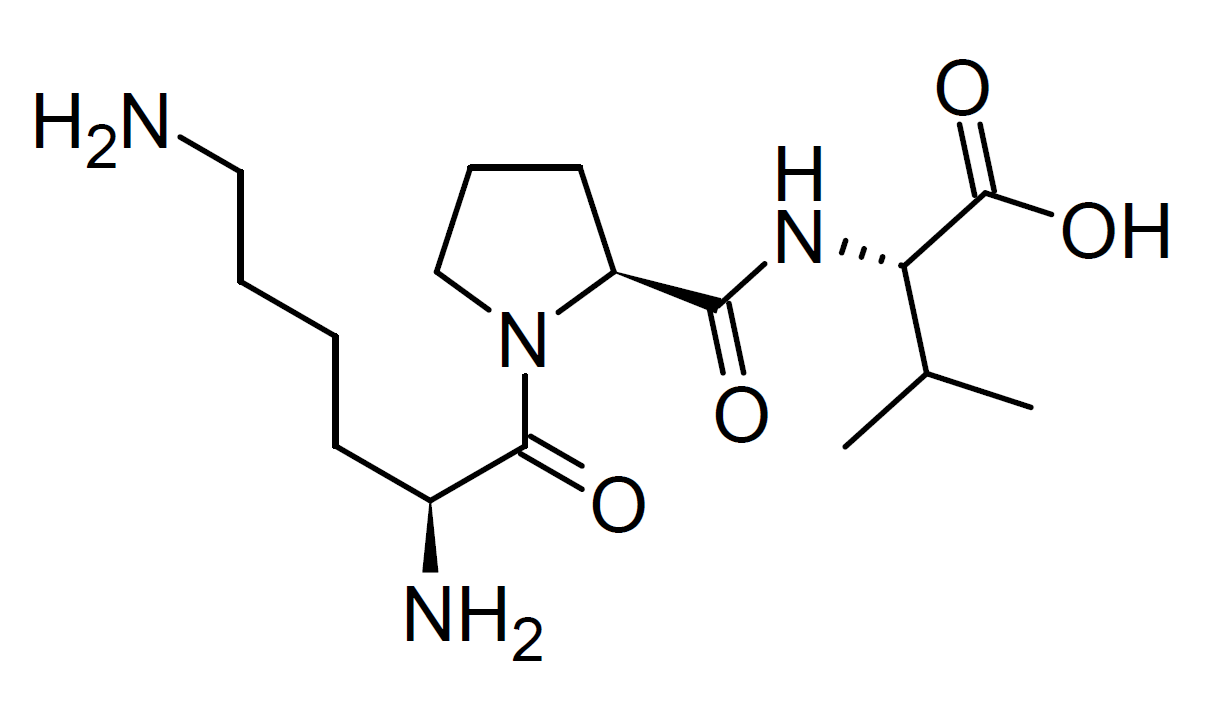
KPV is an ultra short tripeptide consisting of just three amino acids: Lysine, Proline, and Valine, that represents the active sequence of alpha melanocyte stimulating hormone (α-MSH), a naturally occurring peptide in the human body. Researchers think its compact size allows it to cross cell membranes more readily than larger peptides, leading to rapid anti-inflammatory effects in tissue. Once inside, it works through two distinct mechanisms simultaneously: KPV has demonstrated antimicrobial properties, inhibiting Staphylococcus aureus and Candida albicans at physiological concentrations, while also delivering anti-inflammatory and immunomodulating (the process of altering, regulating, or adjusting the immune system's response to achieve a therapeutic effect) effects, essentially calming the immune overreaction that turns a clogged pore into a red, swollen pustule while also directly suppressing the bacteria fueling it. An overwhelming body of clinical evidence suggests KPV exerts its strong anti-inflammatory properties through various important mechanisms, and research in wound healing shows it can speed healing, reduce infection, fight inflammation, and lead to better cosmetic results at physiologic concentrations.
KPV also targets your gut! But why does this matter?
The gut skin axis describes the two way connection between the digestive system and the skin. A healthy gut supports skin integrity, hydration, and protection, while digestive disruptions can trigger inflammation that shows up on the skin. Key ways your gut affects skin health include: Immune System Interaction, Gut Microbiome Influence, Nutrient Absorption. The gut contains a large portion of the body’s immune cells. When inflamed due to infections, food sensitivities, or digestive conditions, it can trigger inflammation that shows up on the skin as acne, redness, or flare ups of eczema and psoriasis. The trillions of gut bacteria help regulate inflammation and support nutrient production. An imbalance, called dysbiosis, can affect hormones, weaken the skin barrier, and contribute to dryness or excess oil, while restoring gut balance may improve skin clarity and texture. A healthy gut ensures vitamins and minerals reach the bloodstream to support skin health.
How KPV targets your gut:
KPV supports digestive health by repairing the intestinal lining and calming irritation caused by inflammatory bowel conditions by entering intestinal cells to block overactive inflammatory pathways, namely NF-κB and MAPK. By calming these signals, it stops pro inflammatory cytokine secretion, which allows the mucosal barrier to heal, calms gut irritation, and strengthens the intestinal lining.
What it reduced in studies:
- Pro-inflammatory cytokines: IL-6, IL-12, IL-1β, TNF-α, IFN-γ
- Neutrophil infiltration (measured by MPO activity) by ~30–50%
- Intestinal cell wall damage and tissue swelling
Animal model results:
- Reduced colitis severity in two separate mouse models (DSS and TNBS)
- Reduced weight loss, colon shortening, and inflammatory cell infiltration
- Worked through oral delivery — survived digestion.
- It suppresses NF-κB and MAPK — the same pathways responsible for inflammatory skin conditions (acne, eczema, psoriasis)
- It reduces IL-1β, TNF-α, and IL-8 — cytokines directly involved in skin inflammation and redness
- Works on immune cells (T cells), not just epithelial cells, meaning it can calm immune-driven skin flares
RESOURCE: https://pmc.ncbi.nlm.nih.gov/articles/PMC2431115/
Why KPV Beats GHK-Cu for Acne Specifically
GHK-Cu is fundamentally a downstream tool, meaning it helps rebuild and remodel skin after damage has already occurred, therefore scar and wrinkles repair. KPV operates upstream, interrupting the inflammatory and microbial cascade that causes acne in the first place, therefore targeting the root problem. KPV is also able to reduce the kind of inflammation that leads to hypertrophic scar formation, meaning it handles both the active breakout and the scarring risk simultaneously, which is something GHK-Cu can only address. KPV exhibits antimicrobial activity against Staphylococcus aureus and Candida albicans, accelerates wound healing, and reduces scarring when applied topically, whereas GHK-Cu has no meaningful antibacterial mechanism at all. And critically, unlike long term steroid therapy, KPV could be used for an extended period without risking unwanted complications, making it a sustainable and targeted acne intervention rather than a general-purpose skin rejuvenator being misapplied to a bacterial-inflammatory problem.
KPV + BPC-157 is a good combo.
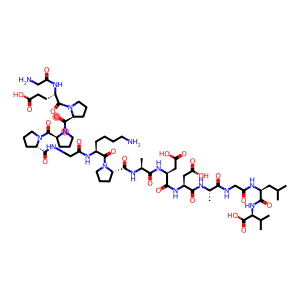
Why these two? BPC-157 (Body Protection Compound 157) focuses on tissue repair and regeneration by promoting new blood vessel growth, making it effective for repairing tendons, muscles, and the intestinal lining while KPV focuses on calming inflammation and modulating immune responses, which ensures that inflammation does not hinder the structural healing process.
SOURCE: https://www.laserskinsolutions.com/...ptides-bpc157-kpv-for-healing-and-gut-health/
WHAT DOES BPC-157 DO IN SIMPLE TERMS?
Wound healing mentions:
- BPC-157 accelerates healing in alkali-burn wound models via ERK1/2 signaling
- It promotes corneal wound healing (notably without causing unwanted neovascularization)
- It enhances fibroblast proliferation and collagen synthesis, which are relevant to skin repair generally
Anti-inflammatory mechanisms that could apply broadly:
- Shifts macrophages from pro-inflammatory (M1) to reparative (M2) phenotype
- Reduces TNF-α, IL-6, and IFN-γ
SOURCE: https://pmc.ncbi.nlm.nih.gov/articles/PMC12446177/
CONCLUSION: KPV directly attacks the root causes of acne by suppressing the inflammatory pathways (NF-κB and MAPK) and inhibiting acne-causing bacteria, while GHK-Cu only repairs damage after it has already occurred with no meaningful antibacterial mechanism. When paired with BPC-157, which drives structural tissue repair and collagen synthesis, the combination addresses both the cause and consequence of skin damage in a way GHK-Cu simply cannot match.
However, GHK-CU is not a bad peptide, it just does not directly attack acne its self. It is good for wrinkles and scars.
WHAT IS KPV?
KPV is an ultra short tripeptide consisting of just three amino acids: Lysine, Proline, and Valine, that represents the active sequence of alpha melanocyte stimulating hormone (α-MSH), a naturally occurring peptide in the human body. Researchers think its compact size allows it to cross cell membranes more readily than larger peptides, leading to rapid anti-inflammatory effects in tissue. Once inside, it works through two distinct mechanisms simultaneously: KPV has demonstrated antimicrobial properties, inhibiting Staphylococcus aureus and Candida albicans at physiological concentrations, while also delivering anti-inflammatory and immunomodulating (the process of altering, regulating, or adjusting the immune system's response to achieve a therapeutic effect) effects, essentially calming the immune overreaction that turns a clogged pore into a red, swollen pustule while also directly suppressing the bacteria fueling it. An overwhelming body of clinical evidence suggests KPV exerts its strong anti-inflammatory properties through various important mechanisms, and research in wound healing shows it can speed healing, reduce infection, fight inflammation, and lead to better cosmetic results at physiologic concentrations.
KPV also targets your gut! But why does this matter?
The gut skin axis describes the two way connection between the digestive system and the skin. A healthy gut supports skin integrity, hydration, and protection, while digestive disruptions can trigger inflammation that shows up on the skin. Key ways your gut affects skin health include: Immune System Interaction, Gut Microbiome Influence, Nutrient Absorption. The gut contains a large portion of the body’s immune cells. When inflamed due to infections, food sensitivities, or digestive conditions, it can trigger inflammation that shows up on the skin as acne, redness, or flare ups of eczema and psoriasis. The trillions of gut bacteria help regulate inflammation and support nutrient production. An imbalance, called dysbiosis, can affect hormones, weaken the skin barrier, and contribute to dryness or excess oil, while restoring gut balance may improve skin clarity and texture. A healthy gut ensures vitamins and minerals reach the bloodstream to support skin health.
How KPV targets your gut:
KPV supports digestive health by repairing the intestinal lining and calming irritation caused by inflammatory bowel conditions by entering intestinal cells to block overactive inflammatory pathways, namely NF-κB and MAPK. By calming these signals, it stops pro inflammatory cytokine secretion, which allows the mucosal barrier to heal, calms gut irritation, and strengthens the intestinal lining.
What it reduced in studies:
- Pro-inflammatory cytokines: IL-6, IL-12, IL-1β, TNF-α, IFN-γ
- Neutrophil infiltration (measured by MPO activity) by ~30–50%
- Intestinal cell wall damage and tissue swelling
Animal model results:
- Reduced colitis severity in two separate mouse models (DSS and TNBS)
- Reduced weight loss, colon shortening, and inflammatory cell infiltration
- Worked through oral delivery — survived digestion.
Skin Health Relevance:
- KPV comes from α-MSH, which is a well-established anti-inflammatory hormone in skin cells specifically- It suppresses NF-κB and MAPK — the same pathways responsible for inflammatory skin conditions (acne, eczema, psoriasis)
- It reduces IL-1β, TNF-α, and IL-8 — cytokines directly involved in skin inflammation and redness
- Works on immune cells (T cells), not just epithelial cells, meaning it can calm immune-driven skin flares
RESOURCE: https://pmc.ncbi.nlm.nih.gov/articles/PMC2431115/
Why KPV Beats GHK-Cu for Acne Specifically
GHK-Cu is fundamentally a downstream tool, meaning it helps rebuild and remodel skin after damage has already occurred, therefore scar and wrinkles repair. KPV operates upstream, interrupting the inflammatory and microbial cascade that causes acne in the first place, therefore targeting the root problem. KPV is also able to reduce the kind of inflammation that leads to hypertrophic scar formation, meaning it handles both the active breakout and the scarring risk simultaneously, which is something GHK-Cu can only address. KPV exhibits antimicrobial activity against Staphylococcus aureus and Candida albicans, accelerates wound healing, and reduces scarring when applied topically, whereas GHK-Cu has no meaningful antibacterial mechanism at all. And critically, unlike long term steroid therapy, KPV could be used for an extended period without risking unwanted complications, making it a sustainable and targeted acne intervention rather than a general-purpose skin rejuvenator being misapplied to a bacterial-inflammatory problem.
KPV + BPC-157 is a good combo.
Why these two? BPC-157 (Body Protection Compound 157) focuses on tissue repair and regeneration by promoting new blood vessel growth, making it effective for repairing tendons, muscles, and the intestinal lining while KPV focuses on calming inflammation and modulating immune responses, which ensures that inflammation does not hinder the structural healing process.
SOURCE: https://www.laserskinsolutions.com/...ptides-bpc157-kpv-for-healing-and-gut-health/
WHAT DOES BPC-157 DO IN SIMPLE TERMS?
Wound healing mentions:
- BPC-157 accelerates healing in alkali-burn wound models via ERK1/2 signaling
- It promotes corneal wound healing (notably without causing unwanted neovascularization)
- It enhances fibroblast proliferation and collagen synthesis, which are relevant to skin repair generally
Anti-inflammatory mechanisms that could apply broadly:
- Shifts macrophages from pro-inflammatory (M1) to reparative (M2) phenotype
- Reduces TNF-α, IL-6, and IFN-γ
SOURCE: https://pmc.ncbi.nlm.nih.gov/articles/PMC12446177/
CONCLUSION: KPV directly attacks the root causes of acne by suppressing the inflammatory pathways (NF-κB and MAPK) and inhibiting acne-causing bacteria, while GHK-Cu only repairs damage after it has already occurred with no meaningful antibacterial mechanism. When paired with BPC-157, which drives structural tissue repair and collagen synthesis, the combination addresses both the cause and consequence of skin damage in a way GHK-Cu simply cannot match.
However, GHK-CU is not a bad peptide, it just does not directly attack acne its self. It is good for wrinkles and scars.


