



vipul77
Iron
- Joined
- Apr 28, 2026
- Posts
- 9
- Reputation
- 7
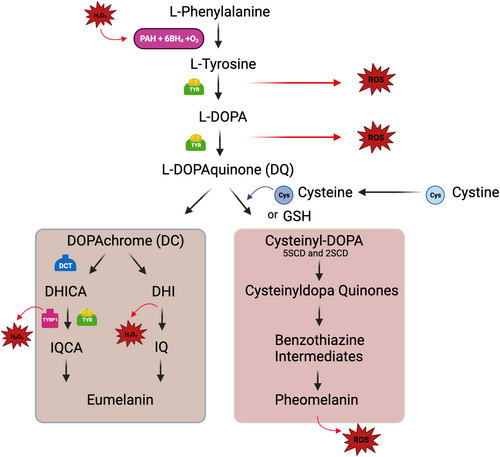
Tyrosinase is the rate-limiting enzyme in melanin synthesis. It catalyzes the oxidation of L-tyrosine into L-DOPA, and converts L-DOPA into L-dopaquinone (DQ). From there, the pathway splits into dark eumelanin or lighter pheomelanin.Traditional options like Hydroquinone, Kojic acid, and Thiamidol target this enzyme.
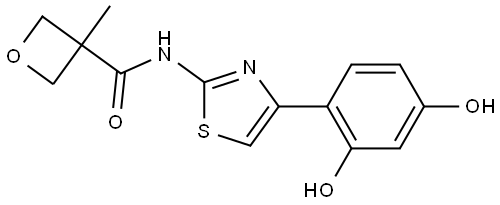
However, KT-939 is an emerging topical designed to provide elite tyrosinase inhibition without the cellular toxicity or side effects linked to older phenols.
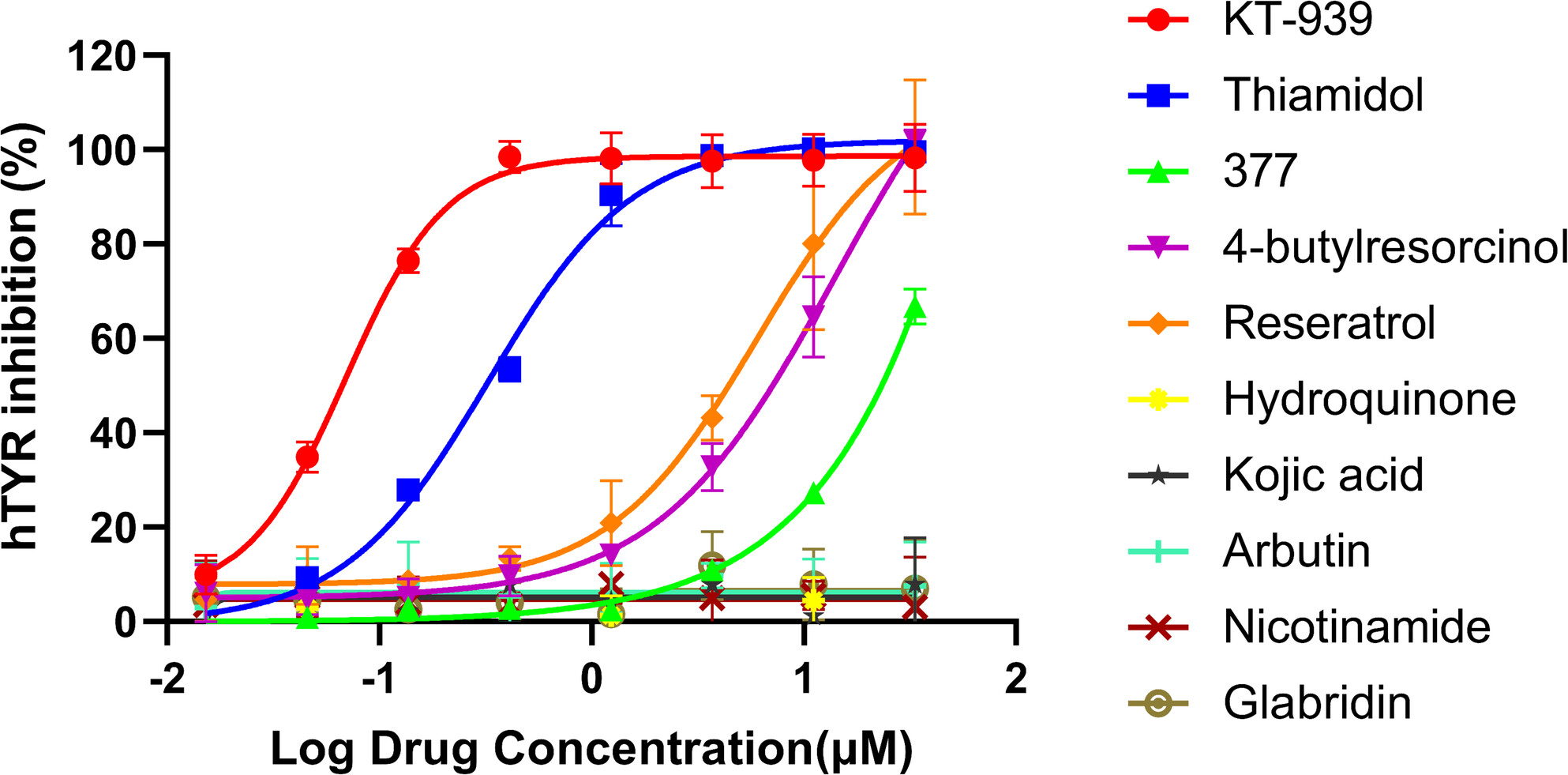
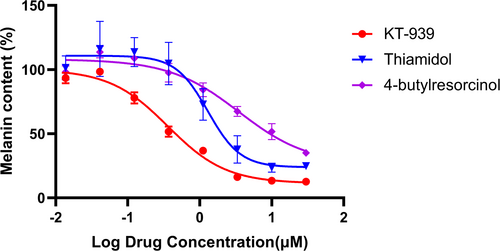
Quantitative data shows KT-939 significantly outperforms existing compounds:
• 4x more potent than Thiamidol.(Second strongest)
• 100x more potent than 4-Butylresorcinol (577).
• 300x more potent than SymWhite (377).
• Drastically outclasses Hydroquinone, Kojic Acid, Arbutin, Nicotinamide, and Glabridin at identical micromolar concentrations.
Structural Binding Advantage :
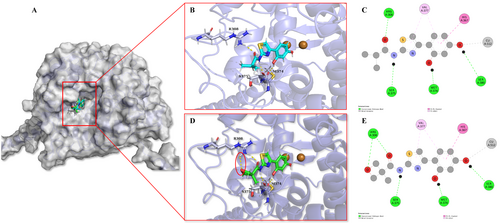
Molecular docking reveals that KT-939's oxetane substituent fits precisely into the human tyrosinase pocket. This forms a unique, supplementary hydrogen bond with the guanidinium group of Arg308. This specific interaction is completely absent in Thiamidol, explaining KT-939's four-fold increase in binding affinity.
Cellular Efficacy and Reversibility Profile:
In cellular assays, KT-939 shows a 3.6-fold greater capacity to reduce active pigmentation than Thiamidol, dropping total melanin content by up to 86.7% within 6 days.
Wash-Out and Safety Analysis:
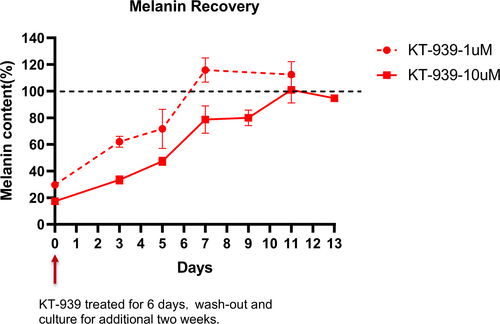
Unlike destructive agents (e.g., Monobenzone) that risk permanent chemical vitiligo, wash-out assays confirm KT-939 is safe and temporary. Baseline melanin production fully normalizes within 11 days of drug withdrawal, proving its inhibitory effect is completely reversible.
Secondary Benefits: Antioxidant & Anti-Inflammatory Pathways:
Post-inflammatory hyperpigmentation (PIH) is driven by oxidative stress and cytokines. KT-939 attacks these upstream triggers.
Radical Scavenging:
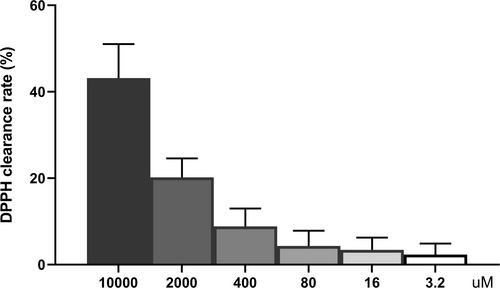
KT-939 exhibits dose-dependent antioxidant capacity, yielding DPPH radical clearance rates of 43.2%, 20.2%, and 8.9% at concentrations of 10mM, 2mM, and 0.4mM.
NRF2 Pathway Activation:
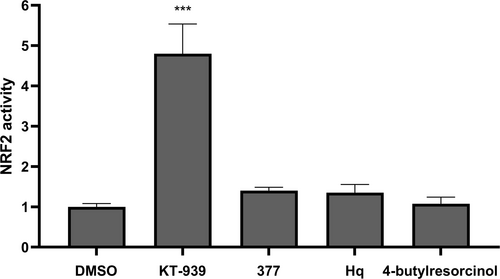
KT-939 strongly upregulates the NRF2 signaling pathway (nearly a 5-fold increase) to maintain cellular REDOX homeostasis and defense. Traditional options like SymWhite (377), Hydroquinone (Hq), and 4-butylresorcinol show no statistical effect on NRF2.
Downregulation of Cytokines(Anti-inflammatory):
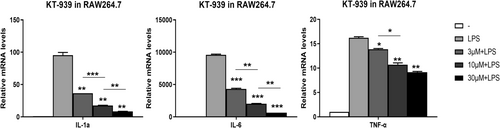
In LPS-induced inflammation models, KT-939 creates a dose-dependent reduction in key pro-inflammatory mediators, downregulating mRNA levels of IL-1α, IL-6, and TNF-α to halt PIH before it triggers melanocytes.
In Vitro Safety Profile & Cytotoxicity Screening:
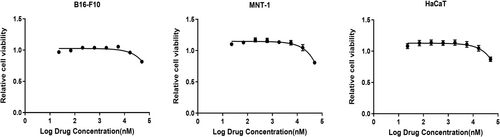
72-hour continuous exposure tests across B16-F10, HaCaT, and MNT-1 skin cell lines showed no significant cytotoxicity. Cell viability remained entirely unaffected at high concentrations up to 50µM.
Human Clinical Trial Outcomes:
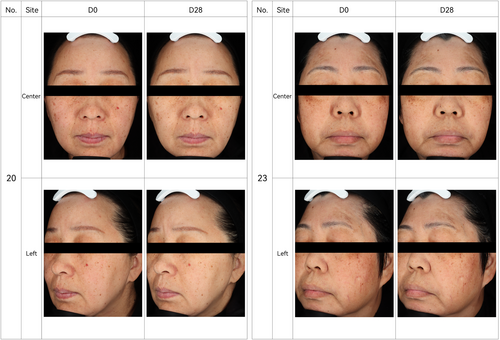
In a 28-day trial, subjects applied a topical formulation containing 0.2% KT-939 twice daily:
• Objective Metrics:
Significant improvements in skin evenness, gloss, color, and absolute melanin content reduction.
•Subjective Metrics:
Self-reported gains in skin whiteness, dark spot reduction, and decreased skin sensitivity.
• Tolerability:
Satisfaction hit 94%–100% with zero adverse effects. It carries no risk of exogenous ochronosis (permanent blue-black staining) associated with long-term Hydroquinone.
Below we can see the effect in just 28Days:
Biological Boundaries and Expectations:
Tyrosinase inhibitors only shut down active, induced melanogenesis. This molecule will not make you as white as a pale european; it simply brings your skin back to its completely untanned baseline by clearing facultative pigment. Your baseline skin tone is genetically fixed by total melanocyte count, constitutive activity, MC1R signaling, and ASIP expression.
Synergistic Stacking Strategy:
A.Epidermal Turnover Acceleration(Retinoids):
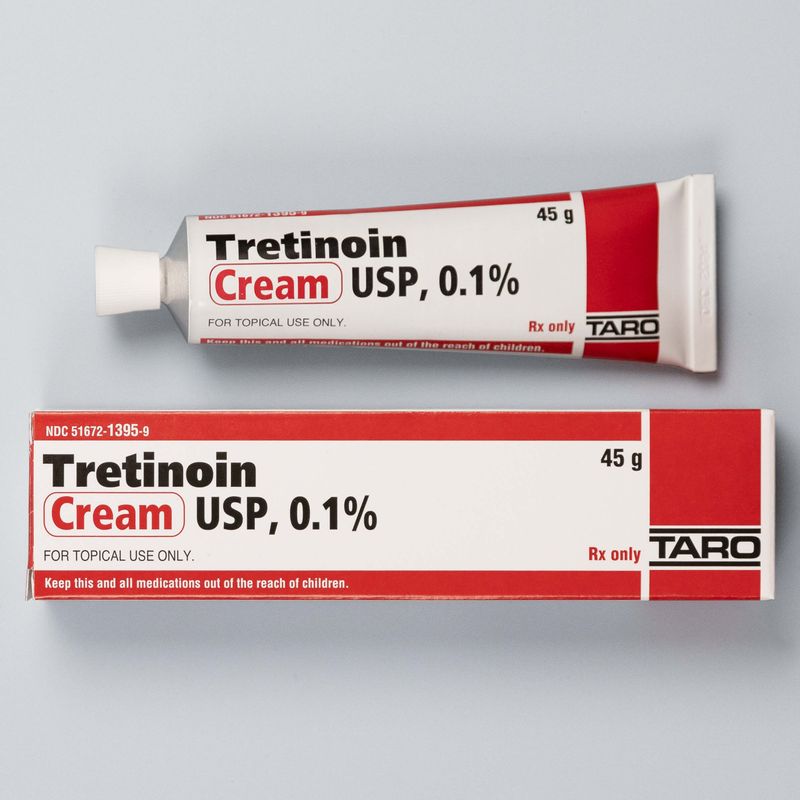
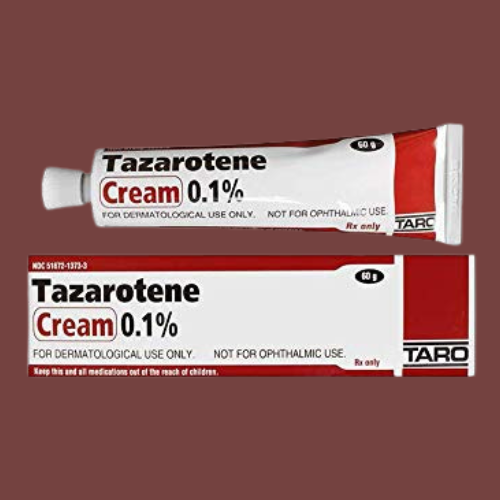
Mechanism: Speeds up skin cell turnover to shed existing, pigmented cells rapidly.
B. Melanosome Transfer Blockade:
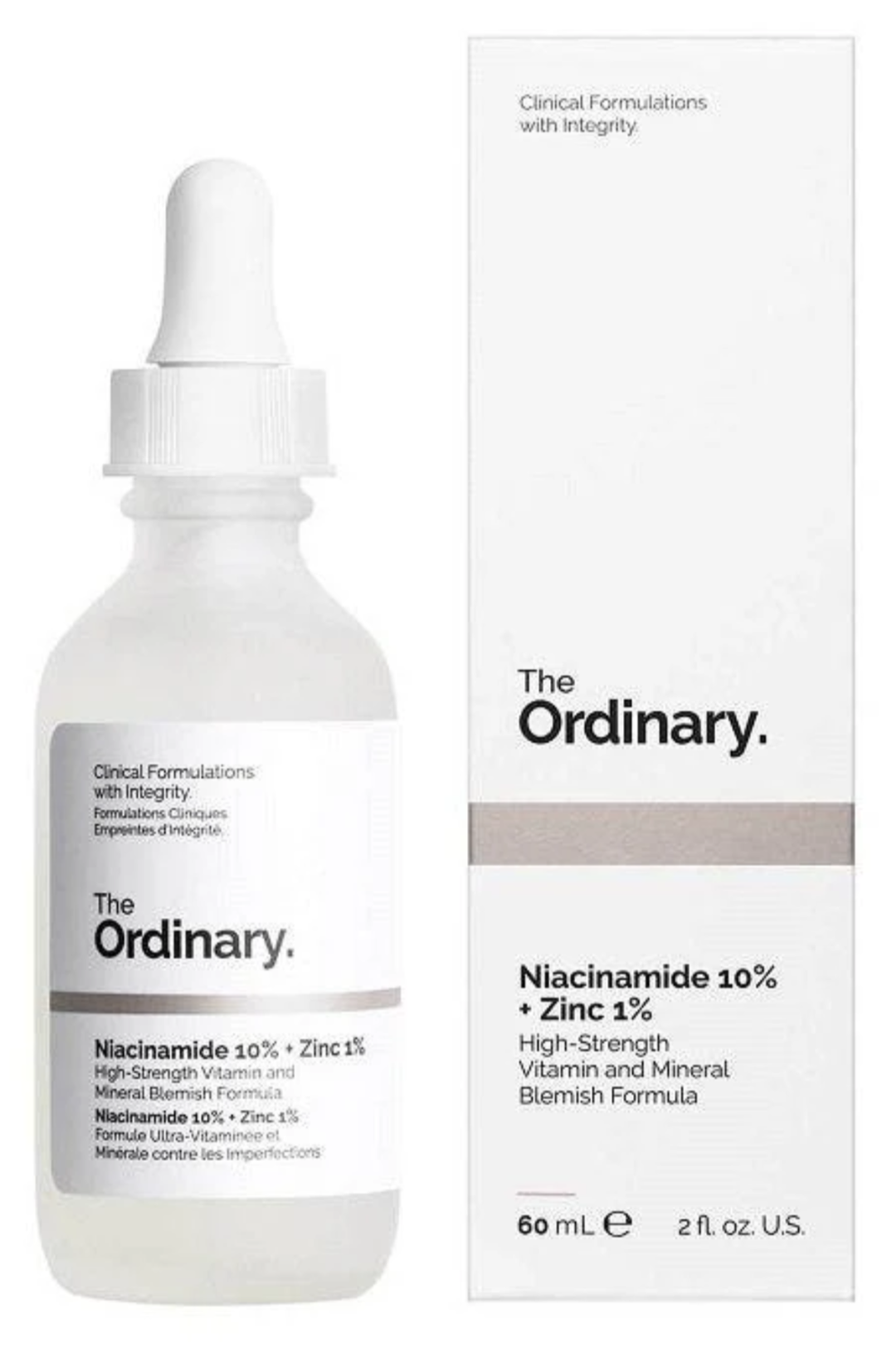
Mechanism: Disrupts the transfer of completed melanin from melanocytes into surrounding keratinocytes.
C. Plasmin Inhibition:
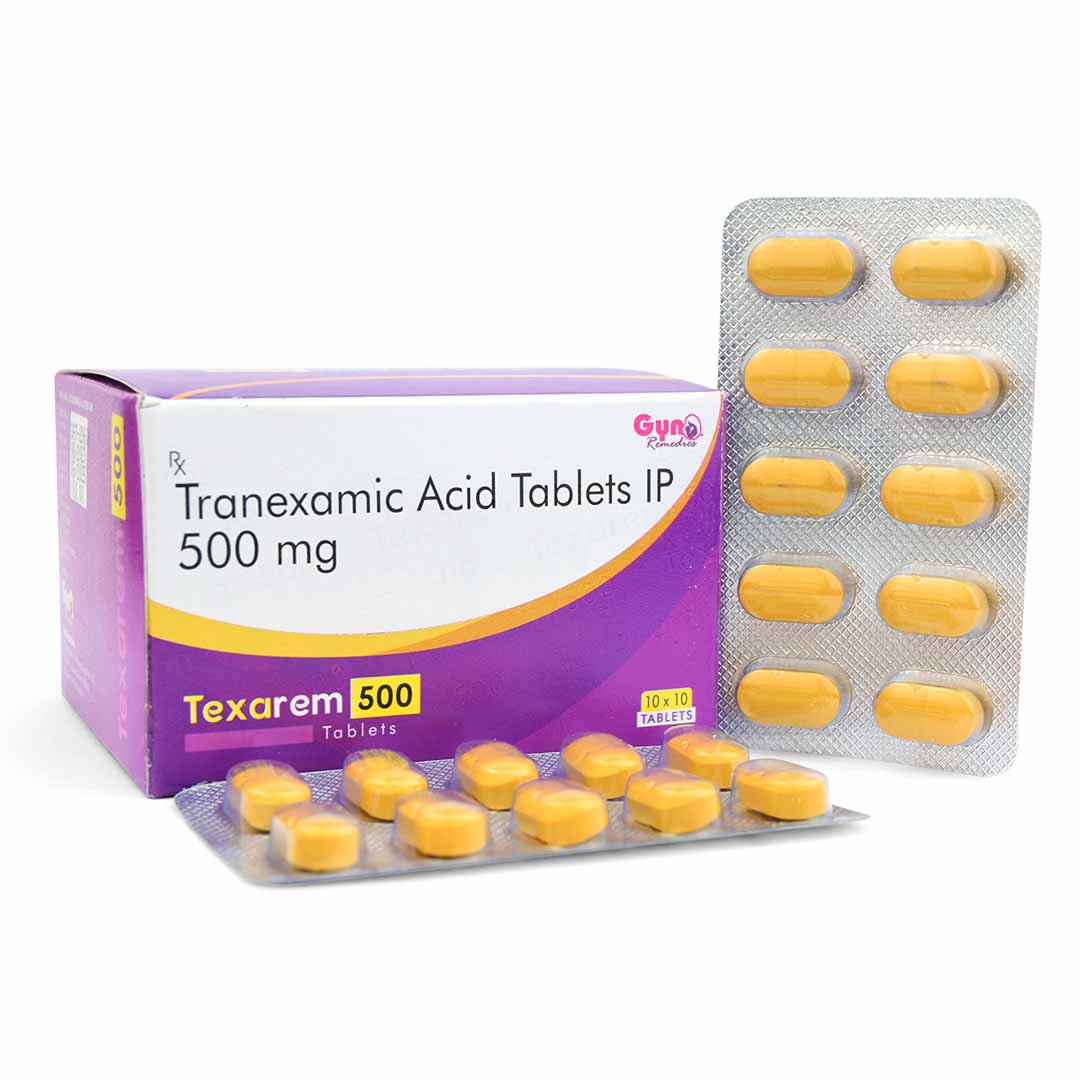
Mechanism: Blocks plasminogen conversion to plasmin, lowering prostaglandin E2 synthesis to halt upstream melanocyte stimulation.
However, KT-939 is an emerging topical designed to provide elite tyrosinase inhibition without the cellular toxicity or side effects linked to older phenols.
Quantitative data shows KT-939 significantly outperforms existing compounds:
• 4x more potent than Thiamidol.(Second strongest)
• 100x more potent than 4-Butylresorcinol (577).
• 300x more potent than SymWhite (377).
• Drastically outclasses Hydroquinone, Kojic Acid, Arbutin, Nicotinamide, and Glabridin at identical micromolar concentrations.
Structural Binding Advantage :
Molecular docking reveals that KT-939's oxetane substituent fits precisely into the human tyrosinase pocket. This forms a unique, supplementary hydrogen bond with the guanidinium group of Arg308. This specific interaction is completely absent in Thiamidol, explaining KT-939's four-fold increase in binding affinity.
Cellular Efficacy and Reversibility Profile:
In cellular assays, KT-939 shows a 3.6-fold greater capacity to reduce active pigmentation than Thiamidol, dropping total melanin content by up to 86.7% within 6 days.
Wash-Out and Safety Analysis:
Unlike destructive agents (e.g., Monobenzone) that risk permanent chemical vitiligo, wash-out assays confirm KT-939 is safe and temporary. Baseline melanin production fully normalizes within 11 days of drug withdrawal, proving its inhibitory effect is completely reversible.
Secondary Benefits: Antioxidant & Anti-Inflammatory Pathways:
Post-inflammatory hyperpigmentation (PIH) is driven by oxidative stress and cytokines. KT-939 attacks these upstream triggers.
Radical Scavenging:
KT-939 exhibits dose-dependent antioxidant capacity, yielding DPPH radical clearance rates of 43.2%, 20.2%, and 8.9% at concentrations of 10mM, 2mM, and 0.4mM.
NRF2 Pathway Activation:
KT-939 strongly upregulates the NRF2 signaling pathway (nearly a 5-fold increase) to maintain cellular REDOX homeostasis and defense. Traditional options like SymWhite (377), Hydroquinone (Hq), and 4-butylresorcinol show no statistical effect on NRF2.
Downregulation of Cytokines(Anti-inflammatory):
In LPS-induced inflammation models, KT-939 creates a dose-dependent reduction in key pro-inflammatory mediators, downregulating mRNA levels of IL-1α, IL-6, and TNF-α to halt PIH before it triggers melanocytes.
In Vitro Safety Profile & Cytotoxicity Screening:
72-hour continuous exposure tests across B16-F10, HaCaT, and MNT-1 skin cell lines showed no significant cytotoxicity. Cell viability remained entirely unaffected at high concentrations up to 50µM.
Human Clinical Trial Outcomes:
In a 28-day trial, subjects applied a topical formulation containing 0.2% KT-939 twice daily:
• Objective Metrics:
Significant improvements in skin evenness, gloss, color, and absolute melanin content reduction.
•Subjective Metrics:
Self-reported gains in skin whiteness, dark spot reduction, and decreased skin sensitivity.
• Tolerability:
Satisfaction hit 94%–100% with zero adverse effects. It carries no risk of exogenous ochronosis (permanent blue-black staining) associated with long-term Hydroquinone.
Below we can see the effect in just 28Days:
Biological Boundaries and Expectations:
Tyrosinase inhibitors only shut down active, induced melanogenesis. This molecule will not make you as white as a pale european; it simply brings your skin back to its completely untanned baseline by clearing facultative pigment. Your baseline skin tone is genetically fixed by total melanocyte count, constitutive activity, MC1R signaling, and ASIP expression.
Synergistic Stacking Strategy:
A.Epidermal Turnover Acceleration(Retinoids):
Mechanism: Speeds up skin cell turnover to shed existing, pigmented cells rapidly.
B. Melanosome Transfer Blockade:
Mechanism: Disrupts the transfer of completed melanin from melanocytes into surrounding keratinocytes.
C. Plasmin Inhibition:
Mechanism: Blocks plasminogen conversion to plasmin, lowering prostaglandin E2 synthesis to halt upstream melanocyte stimulation.


