LEGIT GUIDE ON HOW TO CHANGE EYE COLOR - T50CELS GTFIH!

LameAssNga

LameAssNga

im nothing like yall
Joined
Nov 22, 2025
Posts
765
Reputation
1,437

━━━━━━━━━━━━━━━━━━━━━━━━━━━━━━━━━━━━━━━━━━━━━━━━━━━━


CHANGE YOUR EYE COLOR
1000020410


THE COMPLETE, SIMPLE, EVIDENCE-BASED GUIDE

Contacts • eye drops • laser • keratopigmentation • implants • myths

━━━━━━━━━━━━━━━━━━━━━━━━━━━━━━━━━━━━━━━━━━━━━━━━━━━━


Yes, it is possible to change the appearance of your eye color.
But two identical-looking results in a photo can hide two completely different methods: one can be removed in seconds, while the other permanently alters healthy tissue.


What do we mean by "changing eye color"?

The word "change" when it comes to eye color hides several realities. A contact lens, a corneal tattoo, an iris laser treatment, and an implant can all give a new color in a photo, but the parts of the eye they affect are completely different. It's important to know the methods and their risks regarding the modified tissue, not just the before and after results

This thread explains the options and their risks; it is neither a diagnosis nor a tutorial for performing an intervention yourself. A sudden or asymmetric color change, especially with pain, redness, or reduced vision, requires an examination.

The visible result may look similar. The level of risk absolutely does not.


━━━━━━━━━━━━━━━━━━━━━━━━━━━━━━━━━━━━━━━━━━━━━━━━━━━━

TLDR

METHOD
RESULT
VERDICT
Prescription contact lensesTemporary and reversibleBest starting point
“Eye-lightening” dropsNo reliably proven lighteningAvoid
Iris laserPermanent lightening, poorly controllable colorExperimental
KeratopigmentationLong-lasting, customizable colorBest-documented permanent option, but risky
Cosmetic implantsImmediate changeDisproportionate risk — reject


01 Understanding color • 02 Contact lenses • 03 Drops and myths

04 Laser • 05 Keratopigmentation • 06 Implants and final verdict


━━━━━━━━━━━━━━━━━━━━━━━━━━━━━━━━━━━━━━━━━━━━━━━━━━━━

01 — BEFORE CHANGING YOUR EYE COLOR
First, you need to know what each method actually affects.

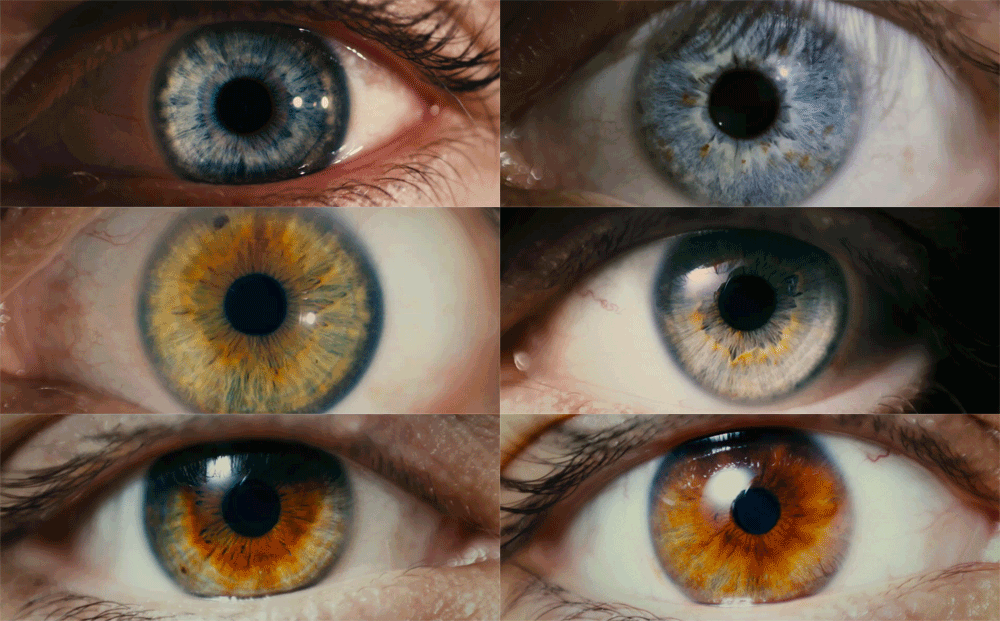
The color of the iris depends largely on the amount of a pigment called melanin in its anterior layers. Brown eyes generally contain more melanin. Eyes with less melanin appear blue this "color" arises primarily from the way light scatters within the iris structure, rather than from a blue pigment

genetic differences between individuals The colored part of the eye is called the iris, and the black circle in the center is called the pupil. The pupil is not just a black spot it is simply the opening where light enters

[SOURCE]

APPARENT CHANGE
DIRECT IRIS CHANGE
Contact lenses: a colored pattern placed in front of the iris.

Keratopigmentation: pigment placed in the cornea.

Implant: a device placed in front of the iris, inside the eye.
Laser: removes part of the visible pigment.

Some glaucoma medications: can gradually increase brown pigmentation as a side effect.

First rule: never judge a method solely by the before/after. Always ask which part of the eye was affected to obtain that result.

━━━━━━━━━━━━━━━━━━━━━━━━━━━━━━━━━━━━━━━━━━━━━━━━━━━━

02 — COLORED CONTACT LENSES
The only method that lets you test another color without making it permanent and my favorite.

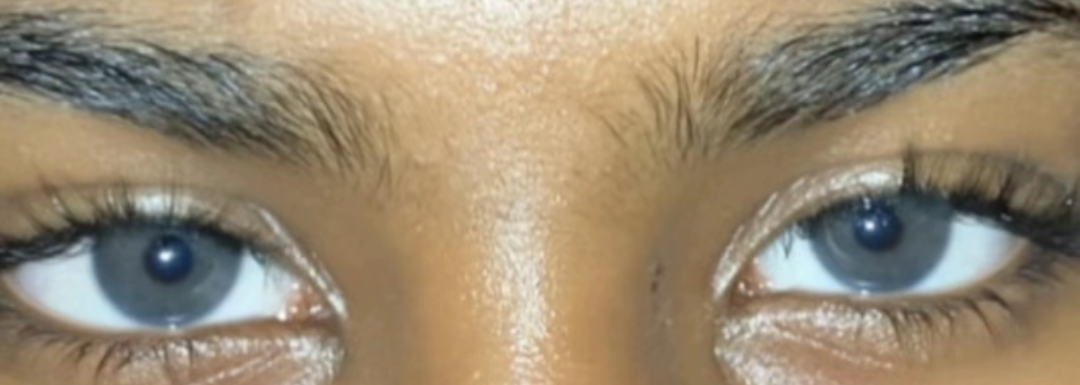
Contact lenses do not change the iris: they add a colored pattern in front of it. They are the most logical way to see whether a color genuinely suits you before considering anything irreversible.
1000019862

(Brown eyed dude wearing contacts)

STEPS

  1. Have your eyes examined and measured. A decorative lens is still a medical device, even without vision correction.
  2. Get a prescription with the brand and dimensions. Do not buy a universal pair from a seller who checks nothing.
  3. Test several patterns, not just several colors. On a dark iris, an opaque model covers better; a multitone pattern and a soft limbal ring often look less artificial.
  4. Check the result in four conditions: daylight, indoors, video, and low light. The pupil enlarges in darkness and can extend beyond the clear zone of some lenses.
  5. Follow the prescribed wear time and care routine exactly. Clean, dry hands, appropriate solution, no sharing, and no water on the lenses.


The FDA notes that a poor fit can cause abrasion, infection, vision loss, and, in severe cases, blindness. [FDA SOURCE] The CDC recommends removing them before sleeping, showering, or swimming; never reusing old solution; and replacing the case at least every three months. [CDC SOURCE]

  • Sleeping or napping with your lenses in;
  • rinsing them with tap water or saliva;
  • sharing them with someone else;
  • wearing them past their replacement schedule;
  • continuing to wear them despite pain, redness, discharge, light sensitivity, or blurred vision.

Sleeping in contact lenses increases the risk of contact-lens-related eye infection by roughly six to eight times. [CDC STUDY]

DOES IT WORK?
Yes, immediately, but the change is only visual and disappears as soon as the lens is removed. It is still the best first choice because you can compare several colors without permanently altering a healthy eye.

━━━━━━━━━━━━━━━━━━━━━━━━━━━━━━━━━━━━━━━━━━━━━━━━━━━━

03 — EYE DROPS, MEDICATIONS, AND COPE
When a method seems too easy, ask yourself the pigment is involved ? or its Cope

“Eye-lightening” drops

  1. The seller promises gradual lightening with honey, MSM, silver, or “natural” extracts.
  2. Look for official authorization and a controlled clinical study on the exact product.
  3. If neither exists, do not apply the product: a photo, testimonial, or the word “natural” proves neither sterility nor effectiveness.

There are no FDA-approved eye drops for changing iris color. The agency also warns that some unapproved products contain ingredients unsuitable for the eye, including silver compounds, MSM, honey, or CBD. [FDA SOURCE]

Medications that can darken the iris

Medications that can be prescribed for glaucoma, such as latanoprost or travoprost, have a chance of increasing the brown pigmentation in the iris. The result can be permanent and become asymmetrical across both eyes if the dosage is incorrect. It's not really a controllable technique, and you have to forget about getting green or blue eyes with it. [FDA LABEL]

Honey, lemon, sunlight, supplements, diet, and subliminals

No scientific proof or controlled human experiment really proves that these methods selectively lighten the iris. A photo can change because of the lighting, white balance, pupil size, or the contrast around the eye. Putting lemon, honey, or a homemade preparation in your eye is not very smart and mainly adds a risk of burns, irritation, or contamination. If you really believe this, you genuinly retarded.

If a product promises to remove melanin without a laser, surgery, a prescription, or a study of the exact product, it is not a hidden breakthrough: it is an unproven claim applied directly to a fragile organ.

━━━━━━━━━━━━━━━━━━━━━━━━━━━━━━━━━━━━━━━━━━━━━━━━━━━━

04 — LASER IRIS DEPIGMENTATION
The only cosmetic method that directly removes part of the iris’s visible pigment.

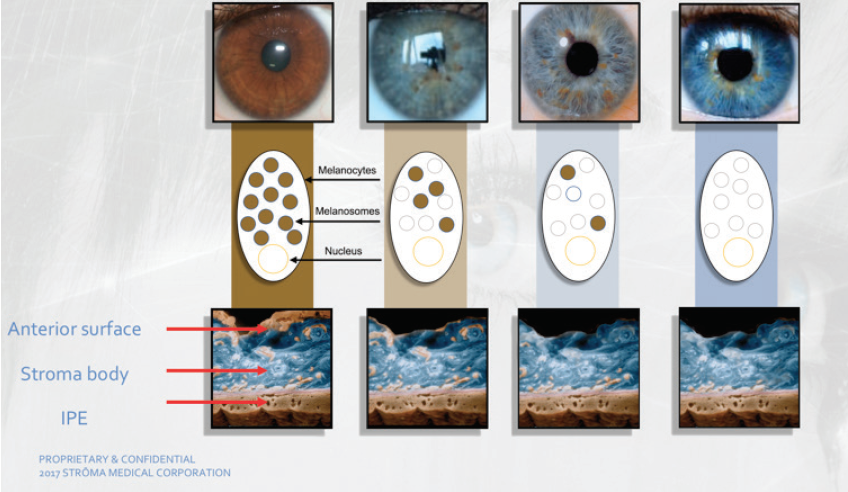
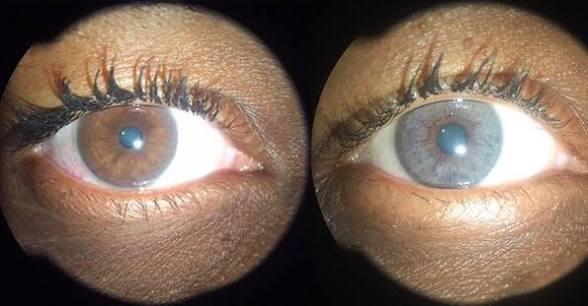
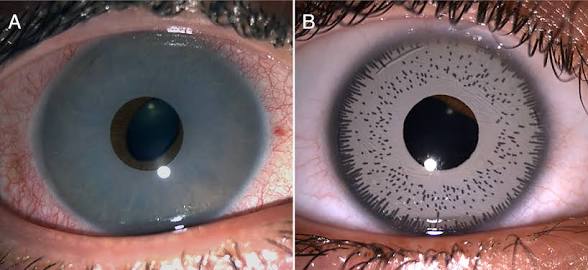
The laser targets the melanin located in front of the iris. By reducing the brown layer, it reveals more of the structure underneath, which can appear blue, gray, or greenish. Therefore, you do not freely choose a specific color: the result depends on your natural iris.

1000020356


STEP-BY-STEP PROCESS

  1. An independent ophthalmologist first examines the iris, eye pressure, drainage, cornea, and optic nerve.
  2. The clinic estimates the color that is actually possible; a promise of any exact shade is a red flag.
  3. A surgeon performs the treatment in several sessions to gradually remove superficial pigment.
  4. Follow-up checks then monitor inflammation, pressure, and the quality of the result. Removed pigment cannot be put back.

Does it work? Yes, the laser can truly lighten the iris without a doubt. A prospective study reported 1,176 treated eyes, about 87–95% efficiency, and 95% satisfaction. It found no significant mean variation in corrected vision or pressure, but reported a brief iritis in 25% of patients.[STUDY — 1,176 EYES]

Risks: inflammation, photophobia, an uneven result, pressure elevation, and pigmentary glaucoma. The central issue is simple: destroyed pigment is released into an area where the fluid inside the eye circulates and can disrupt its drainage. Severe glaucoma cases after cosmetic depigmentation have been published. [PUBLISHED CASE]

.A large series of favorable results shows that the laser can work in experienced hands. However, it does not prove lifetime safety in the long term, does not rule out a rare event, and does not erase the complications observed by other teams. A stable average eye pressure does not mean that glaucoma is impossible

Effective at genuinely lightening the iris, but permanent, not very customizable, and still insufficiently confirmed in the long term by independent teams.
1000020238

━━━━━━━━━━━━━━━━━━━━━━━━━━━━━━━━━━━━━━━━━━━━━━━━━━━━

05 — KERATOPIGMENTATION / FLAAK
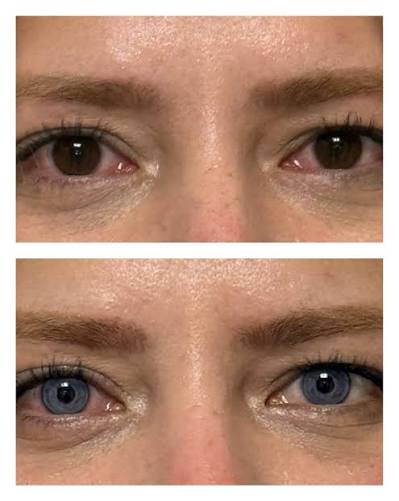
It does not recolor the iris: it creates a new color in the transparent cornea in front of it.
1000019662

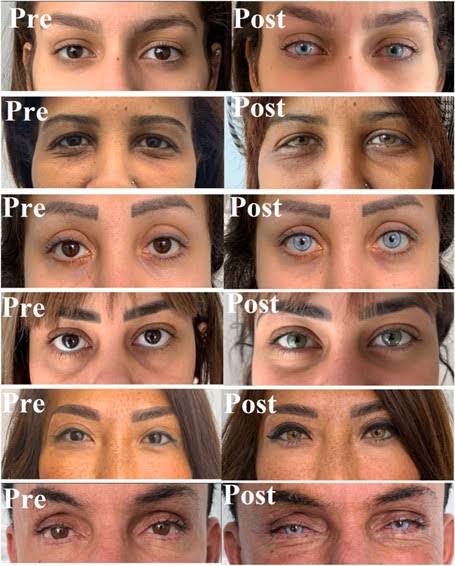
A femtosecond laser creates a ring-shaped tunnel in the cornea of the eye. The surgeon places a medical pigment there, leaving the center transparent to let the patient see. This method gives you much more choice over the color and pattern than iris depigmentation.

STEP-BY-STEP PROCESS

  1. Get an independent corneal evaluation: thickness, shape, dryness, endothelial cells, LASIK history, and pupil size.
  2. Compare a realistic simulation in several lighting conditions and ask for the exact diameter of the clear central zone.
  3. Ask for the pigment’s name, the regulatory status of its cosmetic use, the surgeon’s experience, and their plan if the color is wrong or a complication occurs.
  4. The surgeon creates the tunnel and distributes the pigment. Follow-ups monitor healing, vision, pressure, and corneal health.

Does it work? Yessir: The change is visible, lasting, and far more customizable than laser treatment. A recent prospective study involving 166 cosmetic cases followed patients for 12 months; key vision and pressure measurements remained generally stable, though contrast sensitivity decreased—while remaining within normal limits—and the mean endothelial cell count dropped slightly.. [STUDY — 166 EYES]

Risks: pain, dryness, redness, glare, photophobia, infection, an incorrect shade, pigment fading or migration, touch-ups, contrast loss, corneal damage, and future difficulty examining the drainage angle. The cornea is the main tissue that focuses light: altering it is never equivalent to getting a skin tattoo.

A 2025 medical review identifies keratopigmentation as the permanent option offering the best balance between evidence and customization compared to laser procedures and implants. However, the authors also note that this conclusion relies primarily on limited studies—often conducted at a single center—and requires confirmation through larger, independent studies. [2025 REVIEW]

VERDICT — The most customizable permanent method and the best-supported relative to the others, but not a procedure with proven lifelong safety.
1000020359

━━━━━━━━━━━━━━━━━━━━━━━━━━━━━━━━━━━━━━━━━━━━━━━━━━━━

06 — COSMETIC IRIS IMPLANTS
The most immediate result, achieved by the method with the worst risk-to-reward ratio.

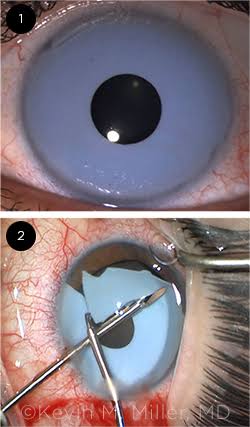
A colored implant is inserted through an incision and then unfolded inside the eye, in front of the natural iris. It does not recolor the iris; it conceals it. In this narrow space, the device can rub against the iris, impede drainage, and damage the cells that keep the cornea transparent..
1000019660


WHAT HAPPENS IN PRACTICE

  1. The clinic shows an immediate color change and may present the implant as “reversible” because it can be removed.
  2. The implant is placed in the anterior chamber, close to structures essential for drainage and corneal clarity.
  3. If it causes glaucoma, inflammation, cataracts, or corneal cell loss, explantation may become necessary.
  4. Removal takes out the device, but does not necessarily restore already damaged tissues; some people then need further operations.

A review of 128 eyes reported 88 explantations, 59 cases of glaucoma, 39 cases of uveitis, 22 cataracts, and 44 cases of severe endothelial loss or corneal decompensation. [REVIEW — 128 EYES]

“REMOVABLE” DOES NOT MEAN “REVERSIBLE”
An implant can be removed. It is not possible to guarantee the elimination of glaucoma, the regeneration of lost corneal cells, or the recovery of full vision. That is the difference between removing the cause and reversing the damage.

REJECT. No color gain justifies this complication profile in a healthy eye.
1000020361

━━━━━━━━━━━━━━━━━━━━━━━━━━━━━━━━━━━━━━━━━━━━━━━━━━━━

RANKING

A
Prescription colored contact lenses — the best aesthetic test: immediate and reversible, as long as fitting and hygiene are respected.
B
Keratopigmentation — the strongest relative level of evidence among permanent methods, but with real corneal limits and incomplete long-term follow-up.
C
Iris laser — it genuinely works, but the result is poorly controllable, irreversible, and lacks sufficiently established independent long-term

@Volpa #volpamogs
 
Last edited:
  • +1
  • Woah
  • JFL
Reactions: shedontluv-U, Askinov, jeremyy and 6 others
megadose aspirin and forget

1785635916019
1785635932059
 
Last edited:
  • +1
  • Woah
Reactions: raspberryfart, Fynn, LameAssNga and 2 others
any recommendations for universal contact lenses
 
  • +1
  • Hmm...
Reactions: Fynn, LameAssNga and 𝐚𝐯𝐞𝐫𝐚𝐠𝐞𝐭𝐨𝐭𝐚𝐥𝐮𝐬𝐞𝐫
@Fynn @Euron @bolinha @𝐚𝐯𝐞𝐫𝐚𝐠𝐞𝐭𝐨𝐭𝐚𝐥𝐮𝐬𝐞𝐫 @shedontluv-U
 
  • +1
Reactions: shedontluv-U, Fynn and 𝐚𝐯𝐞𝐫𝐚𝐠𝐞𝐭𝐨𝐭𝐚𝐥𝐮𝐬𝐞𝐫
  • JFL
  • +1
Reactions: Fynn, Kingly and LameAssNga
MIRIN :fire::fire::fire::fire:
 
  • +1
Reactions: LameAssNga, 𝐚𝐯𝐞𝐫𝐚𝐠𝐞𝐭𝐨𝐭𝐚𝐥𝐮𝐬𝐞𝐫 and Fynn

━━━━━━━━━━━━━━━━━━━━━━━━━━━━━━━━━━━━━━━━━━━━━━━━━━━━


CHANGE YOUR EYE COLOR

View attachment 5446581

THE COMPLETE, SIMPLE, EVIDENCE-BASED GUIDE

Contacts • eye drops • laser • keratopigmentation • implants • myths

━━━━━━━━━━━━━━━━━━━━━━━━━━━━━━━━━━━━━━━━━━━━━━━━━━━━


Yes, it is possible to change the appearance of your eye color.
But two identical-looking results in a photo can hide two completely different methods: one can be removed in seconds, while the other permanently alters healthy tissue.


What do we mean by "changing eye color"?

The word "change" when it comes to eye color hides several realities. A contact lens, a corneal tattoo, an iris laser treatment, and an implant can all give a new color in a photo, but the parts of the eye they affect are completely different. It's important to know the methods and their risks regarding the modified tissue, not just the before and after results

This thread explains the options and their risks; it is neither a diagnosis nor a tutorial for performing an intervention yourself. A sudden or asymmetric color change, especially with pain, redness, or reduced vision, requires an examination.

The visible result may look similar. The level of risk absolutely does not.


━━━━━━━━━━━━━━━━━━━━━━━━━━━━━━━━━━━━━━━━━━━━━━━━━━━━

TLDR

METHOD
RESULT
VERDICT
Prescription contact lensesTemporary and reversibleBest starting point
“Eye-lightening” dropsNo reliably proven lighteningAvoid
Iris laserPermanent lightening, poorly controllable colorExperimental
KeratopigmentationLong-lasting, customizable colorBest-documented permanent option, but risky
Cosmetic implantsImmediate changeDisproportionate risk — reject


01 Understanding color • 02 Contact lenses • 03 Drops and myths

04 Laser • 05 Keratopigmentation • 06 Implants and final verdict


━━━━━━━━━━━━━━━━━━━━━━━━━━━━━━━━━━━━━━━━━━━━━━━━━━━━

01 — BEFORE CHANGING YOUR EYE COLOR
First, you need to know what each method actually affects.

The color of the iris depends largely on the amount of a pigment called melanin in its anterior layers. Brown eyes generally contain more melanin. Eyes with less melanin appear blue this "color" arises primarily from the way light scatters within the iris structure, rather than from a blue pigment

genetic differences between individuals The colored part of the eye is called the iris, and the black circle in the center is called the pupil. The pupil is not just a black spot it is simply the opening where light enters

[SOURCE]

APPARENT CHANGE
DIRECT IRIS CHANGE
Contact lenses: a colored pattern placed in front of the iris.

Keratopigmentation: pigment placed in the cornea.

Implant: a device placed in front of the iris, inside the eye.
Laser: removes part of the visible pigment.

Some glaucoma medications: can gradually increase brown pigmentation as a side effect.

First rule: never judge a method solely by the before/after. Always ask which part of the eye was affected to obtain that result.

━━━━━━━━━━━━━━━━━━━━━━━━━━━━━━━━━━━━━━━━━━━━━━━━━━━━

02 — COLORED CONTACT LENSES
The only method that lets you test another color without making it permanent and my favorite.

Contact lenses do not change the iris: they add a colored pattern in front of it. They are the most logical way to see whether a color genuinely suits you before considering anything irreversible.

View attachment 5446615
(Brown eyed dude wearing contacts)

STEPS

  1. Have your eyes examined and measured. A decorative lens is still a medical device, even without vision correction.
  2. Get a prescription with the brand and dimensions. Do not buy a universal pair from a seller who checks nothing.
  3. Test several patterns, not just several colors. On a dark iris, an opaque model covers better; a multitone pattern and a soft limbal ring often look less artificial.
  4. Check the result in four conditions: daylight, indoors, video, and low light. The pupil enlarges in darkness and can extend beyond the clear zone of some lenses.
  5. Follow the prescribed wear time and care routine exactly. Clean, dry hands, appropriate solution, no sharing, and no water on the lenses.


The FDA notes that a poor fit can cause abrasion, infection, vision loss, and, in severe cases, blindness. [FDA SOURCE] The CDC recommends removing them before sleeping, showering, or swimming; never reusing old solution; and replacing the case at least every three months. [CDC SOURCE]

  • Sleeping or napping with your lenses in;
  • rinsing them with tap water or saliva;
  • sharing them with someone else;
  • wearing them past their replacement schedule;
  • continuing to wear them despite pain, redness, discharge, light sensitivity, or blurred vision.

Sleeping in contact lenses increases the risk of contact-lens-related eye infection by roughly six to eight times. [CDC STUDY]

DOES IT WORK?
Yes, immediately, but the change is only visual and disappears as soon as the lens is removed. It is still the best first choice because you can compare several colors without permanently altering a healthy eye.

━━━━━━━━━━━━━━━━━━━━━━━━━━━━━━━━━━━━━━━━━━━━━━━━━━━━

03 — EYE DROPS, MEDICATIONS, AND COPE
When a method seems too easy, ask yourself the pigment is involved ? or its Cope

“Eye-lightening” drops

  1. The seller promises gradual lightening with honey, MSM, silver, or “natural” extracts.
  2. Look for official authorization and a controlled clinical study on the exact product.
  3. If neither exists, do not apply the product: a photo, testimonial, or the word “natural” proves neither sterility nor effectiveness.

There are no FDA-approved eye drops for changing iris color. The agency also warns that some unapproved products contain ingredients unsuitable for the eye, including silver compounds, MSM, honey, or CBD. [FDA SOURCE]

Medications that can darken the iris

Medications that can be prescribed for glaucoma, such as latanoprost or travoprost, have a chance of increasing the brown pigmentation in the iris. The result can be permanent and become asymmetrical across both eyes if the dosage is incorrect. It's not really a controllable technique, and you have to forget about getting green or blue eyes with it. [FDA LABEL]

Honey, lemon, sunlight, supplements, diet, and subliminals

No scientific proof or controlled human experiment really proves that these methods selectively lighten the iris. A photo can change because of the lighting, white balance, pupil size, or the contrast around the eye. Putting lemon, honey, or a homemade preparation in your eye is not very smart and mainly adds a risk of burns, irritation, or contamination. If you really believe this, you genuinly retarded.

If a product promises to remove melanin without a laser, surgery, a prescription, or a study of the exact product, it is not a hidden breakthrough: it is an unproven claim applied directly to a fragile organ.

━━━━━━━━━━━━━━━━━━━━━━━━━━━━━━━━━━━━━━━━━━━━━━━━━━━━

04 — LASER IRIS DEPIGMENTATION
The only cosmetic method that directly removes part of the iris’s visible pigment.

The laser targets the melanin located in front of the iris. By reducing the brown layer, it reveals more of the structure underneath, which can appear blue, gray, or greenish. Therefore, you do not freely choose a specific color: the result depends on your natural iris.


View attachment 5446625


STEP-BY-STEP PROCESS

  1. An independent ophthalmologist first examines the iris, eye pressure, drainage, cornea, and optic nerve.
  2. The clinic estimates the color that is actually possible; a promise of any exact shade is a red flag.
  3. A surgeon performs the treatment in several sessions to gradually remove superficial pigment.
  4. Follow-up checks then monitor inflammation, pressure, and the quality of the result. Removed pigment cannot be put back.

Does it work? Yes, the laser can truly lighten the iris without a doubt. A prospective study reported 1,176 treated eyes, about 87–95% efficiency, and 95% satisfaction. It found no significant mean variation in corrected vision or pressure, but reported a brief iritis in 25% of patients.[STUDY — 1,176 EYES]

Risks: inflammation, photophobia, an uneven result, pressure elevation, and pigmentary glaucoma. The central issue is simple: destroyed pigment is released into an area where the fluid inside the eye circulates and can disrupt its drainage. Severe glaucoma cases after cosmetic depigmentation have been published. [PUBLISHED CASE]

.A large series of favorable results shows that the laser can work in experienced hands. However, it does not prove lifetime safety in the long term, does not rule out a rare event, and does not erase the complications observed by other teams. A stable average eye pressure does not mean that glaucoma is impossible

Effective at genuinely lightening the iris, but permanent, not very customizable, and still insufficiently confirmed in the long term by independent teams.

View attachment 5446627

━━━━━━━━━━━━━━━━━━━━━━━━━━━━━━━━━━━━━━━━━━━━━━━━━━━━

05 — KERATOPIGMENTATION / FLAAK
It does not recolor the iris: it creates a new color in the transparent cornea in front of it.

View attachment 5446608

A femtosecond laser creates a ring-shaped tunnel in the cornea of the eye. The surgeon places a medical pigment there, leaving the center transparent to let the patient see. This method gives you much more choice over the color and pattern than iris depigmentation.

STEP-BY-STEP PROCESS

  1. Get an independent corneal evaluation: thickness, shape, dryness, endothelial cells, LASIK history, and pupil size.
  2. Compare a realistic simulation in several lighting conditions and ask for the exact diameter of the clear central zone.
  3. Ask for the pigment’s name, the regulatory status of its cosmetic use, the surgeon’s experience, and their plan if the color is wrong or a complication occurs.
  4. The surgeon creates the tunnel and distributes the pigment. Follow-ups monitor healing, vision, pressure, and corneal health.

Does it work? Yessir: The change is visible, lasting, and far more customizable than laser treatment. A recent prospective study involving 166 cosmetic cases followed patients for 12 months; key vision and pressure measurements remained generally stable, though contrast sensitivity decreased—while remaining within normal limits—and the mean endothelial cell count dropped slightly.. [STUDY — 166 EYES]

Risks: pain, dryness, redness, glare, photophobia, infection, an incorrect shade, pigment fading or migration, touch-ups, contrast loss, corneal damage, and future difficulty examining the drainage angle. The cornea is the main tissue that focuses light: altering it is never equivalent to getting a skin tattoo.

A 2025 medical review identifies keratopigmentation as the permanent option offering the best balance between evidence and customization compared to laser procedures and implants. However, the authors also note that this conclusion relies primarily on limited studies—often conducted at a single center—and requires confirmation through larger, independent studies. [2025 REVIEW]

VERDICT — The most customizable permanent method and the best-supported relative to the others, but not a procedure with proven lifelong safety.

View attachment 5446610

━━━━━━━━━━━━━━━━━━━━━━━━━━━━━━━━━━━━━━━━━━━━━━━━━━━━

06 — COSMETIC IRIS IMPLANTS
The most immediate result, achieved by the method with the worst risk-to-reward ratio.

A colored implant is inserted through an incision and then unfolded inside the eye, in front of the natural iris. It does not recolor the iris; it conceals it. In this narrow space, the device can rub against the iris, impede drainage, and damage the cells that keep the cornea transparent..

View attachment 5446612

WHAT HAPPENS IN PRACTICE

  1. The clinic shows an immediate color change and may present the implant as “reversible” because it can be removed.
  2. The implant is placed in the anterior chamber, close to structures essential for drainage and corneal clarity.
  3. If it causes glaucoma, inflammation, cataracts, or corneal cell loss, explantation may become necessary.
  4. Removal takes out the device, but does not necessarily restore already damaged tissues; some people then need further operations.

A review of 128 eyes reported 88 explantations, 59 cases of glaucoma, 39 cases of uveitis, 22 cataracts, and 44 cases of severe endothelial loss or corneal decompensation. [REVIEW — 128 EYES]

“REMOVABLE” DOES NOT MEAN “REVERSIBLE”
An implant can be removed. It is not possible to guarantee the elimination of glaucoma, the regeneration of lost corneal cells, or the recovery of full vision. That is the difference between removing the cause and reversing the damage.

REJECT. No color gain justifies this complication profile in a healthy eye.

View attachment 5446614

━━━━━━━━━━━━━━━━━━━━━━━━━━━━━━━━━━━━━━━━━━━━━━━━━━━━

RANKING

A
Prescription colored contact lenses — the best aesthetic test: immediate and reversible, as long as fitting and hygiene are respected.
B
Keratopigmentation — the strongest relative level of evidence among permanent methods, but with real corneal limits and incomplete long-term follow-up.
C
Iris laser — it genuinely works, but the result is poorly controllable, irreversible, and lacks sufficiently established independent long-term

@Volpa #volpamogs

hmm i wonder how long this took you to make

mirin tho
 
  • Love it
Reactions: LameAssNga
any recommendations for universal contact lenses
Never bought contact lenses so i don't know any specific sellers, from what i've seen theres a lot online, just make sure they're a proper fit and i'm pretty sure you have to get them prescribed
 
  • +1
Reactions: sorib122 and shedontluv-U
bro omfg

im so fucking happy 🔥🔥🔥
 
  • Love it
Reactions: LameAssNga
OP I would've said this could be considered for BOTB but there's already some huge BOTB threads on changing eye color.

The advantage with yours is that it's recent, so you can respond to questions and comments. The authors of the existing BOTB eye color threads are long since dead to this forum :forcedsmile:
 
  • Hmm...
Reactions: LameAssNga
OP I would've said this could be considered for BOTB but there's already some huge BOTB threads on changing eye color.

The advantage with yours is that it's recent, so you can respond to questions and comments. The authors of the existing BOTB eye color threads are long since dead to this forum :forcedsmile:
Yeah i don't really know if this can get in BOTB since it's already a topic that is kinda known in the forum, i plan on expanding more into myths and at home methods in this forum for eye color in a future thread 😖
 
  • +1
Reactions: shedontluv-U
at home methods in this forum for eye color in a future thread 😖
This is what would be more interesting. But unfortunately much more difficult to do meaningful research on.
 
  • +1
Reactions: LameAssNga
This is what would be more interesting. But unfortunately much more difficult to do meaningful research on.
I already have some threads bookmarked rn, I guess I'll base my thread on those and then expand more on my opinion and research on those topics :feelsthink:
 
  • +1
Reactions: shedontluv-U
Cool but my main focus aint eye color tbh because its misc
 
  • +1
Reactions: LameAssNga

━━━━━━━━━━━━━━━━━━━━━━━━━━━━━━━━━━━━━━━━━━━━━━━━━━━━


CHANGE YOUR EYE COLOR

View attachment 5446581

THE COMPLETE, SIMPLE, EVIDENCE-BASED GUIDE

Contacts • eye drops • laser • keratopigmentation • implants • myths

━━━━━━━━━━━━━━━━━━━━━━━━━━━━━━━━━━━━━━━━━━━━━━━━━━━━


Yes, it is possible to change the appearance of your eye color.
But two identical-looking results in a photo can hide two completely different methods: one can be removed in seconds, while the other permanently alters healthy tissue.


What do we mean by "changing eye color"?

The word "change" when it comes to eye color hides several realities. A contact lens, a corneal tattoo, an iris laser treatment, and an implant can all give a new color in a photo, but the parts of the eye they affect are completely different. It's important to know the methods and their risks regarding the modified tissue, not just the before and after results

This thread explains the options and their risks; it is neither a diagnosis nor a tutorial for performing an intervention yourself. A sudden or asymmetric color change, especially with pain, redness, or reduced vision, requires an examination.

The visible result may look similar. The level of risk absolutely does not.


━━━━━━━━━━━━━━━━━━━━━━━━━━━━━━━━━━━━━━━━━━━━━━━━━━━━

TLDR

METHOD
RESULT
VERDICT
Prescription contact lensesTemporary and reversibleBest starting point
“Eye-lightening” dropsNo reliably proven lighteningAvoid
Iris laserPermanent lightening, poorly controllable colorExperimental
KeratopigmentationLong-lasting, customizable colorBest-documented permanent option, but risky
Cosmetic implantsImmediate changeDisproportionate risk — reject


01 Understanding color • 02 Contact lenses • 03 Drops and myths

04 Laser • 05 Keratopigmentation • 06 Implants and final verdict


━━━━━━━━━━━━━━━━━━━━━━━━━━━━━━━━━━━━━━━━━━━━━━━━━━━━

01 — BEFORE CHANGING YOUR EYE COLOR
First, you need to know what each method actually affects.

The color of the iris depends largely on the amount of a pigment called melanin in its anterior layers. Brown eyes generally contain more melanin. Eyes with less melanin appear blue this "color" arises primarily from the way light scatters within the iris structure, rather than from a blue pigment

genetic differences between individuals The colored part of the eye is called the iris, and the black circle in the center is called the pupil. The pupil is not just a black spot it is simply the opening where light enters

[SOURCE]

APPARENT CHANGE
DIRECT IRIS CHANGE
Contact lenses: a colored pattern placed in front of the iris.

Keratopigmentation: pigment placed in the cornea.

Implant: a device placed in front of the iris, inside the eye.
Laser: removes part of the visible pigment.

Some glaucoma medications: can gradually increase brown pigmentation as a side effect.

First rule: never judge a method solely by the before/after. Always ask which part of the eye was affected to obtain that result.

━━━━━━━━━━━━━━━━━━━━━━━━━━━━━━━━━━━━━━━━━━━━━━━━━━━━

02 — COLORED CONTACT LENSES
The only method that lets you test another color without making it permanent and my favorite.

Contact lenses do not change the iris: they add a colored pattern in front of it. They are the most logical way to see whether a color genuinely suits you before considering anything irreversible.

View attachment 5446615
(Brown eyed dude wearing contacts)

STEPS

  1. Have your eyes examined and measured. A decorative lens is still a medical device, even without vision correction.
  2. Get a prescription with the brand and dimensions. Do not buy a universal pair from a seller who checks nothing.
  3. Test several patterns, not just several colors. On a dark iris, an opaque model covers better; a multitone pattern and a soft limbal ring often look less artificial.
  4. Check the result in four conditions: daylight, indoors, video, and low light. The pupil enlarges in darkness and can extend beyond the clear zone of some lenses.
  5. Follow the prescribed wear time and care routine exactly. Clean, dry hands, appropriate solution, no sharing, and no water on the lenses.


The FDA notes that a poor fit can cause abrasion, infection, vision loss, and, in severe cases, blindness. [FDA SOURCE] The CDC recommends removing them before sleeping, showering, or swimming; never reusing old solution; and replacing the case at least every three months. [CDC SOURCE]

  • Sleeping or napping with your lenses in;
  • rinsing them with tap water or saliva;
  • sharing them with someone else;
  • wearing them past their replacement schedule;
  • continuing to wear them despite pain, redness, discharge, light sensitivity, or blurred vision.

Sleeping in contact lenses increases the risk of contact-lens-related eye infection by roughly six to eight times. [CDC STUDY]

DOES IT WORK?
Yes, immediately, but the change is only visual and disappears as soon as the lens is removed. It is still the best first choice because you can compare several colors without permanently altering a healthy eye.

━━━━━━━━━━━━━━━━━━━━━━━━━━━━━━━━━━━━━━━━━━━━━━━━━━━━

03 — EYE DROPS, MEDICATIONS, AND COPE
When a method seems too easy, ask yourself the pigment is involved ? or its Cope

“Eye-lightening” drops

  1. The seller promises gradual lightening with honey, MSM, silver, or “natural” extracts.
  2. Look for official authorization and a controlled clinical study on the exact product.
  3. If neither exists, do not apply the product: a photo, testimonial, or the word “natural” proves neither sterility nor effectiveness.

There are no FDA-approved eye drops for changing iris color. The agency also warns that some unapproved products contain ingredients unsuitable for the eye, including silver compounds, MSM, honey, or CBD. [FDA SOURCE]

Medications that can darken the iris

Medications that can be prescribed for glaucoma, such as latanoprost or travoprost, have a chance of increasing the brown pigmentation in the iris. The result can be permanent and become asymmetrical across both eyes if the dosage is incorrect. It's not really a controllable technique, and you have to forget about getting green or blue eyes with it. [FDA LABEL]

Honey, lemon, sunlight, supplements, diet, and subliminals

No scientific proof or controlled human experiment really proves that these methods selectively lighten the iris. A photo can change because of the lighting, white balance, pupil size, or the contrast around the eye. Putting lemon, honey, or a homemade preparation in your eye is not very smart and mainly adds a risk of burns, irritation, or contamination. If you really believe this, you genuinly retarded.

If a product promises to remove melanin without a laser, surgery, a prescription, or a study of the exact product, it is not a hidden breakthrough: it is an unproven claim applied directly to a fragile organ.

━━━━━━━━━━━━━━━━━━━━━━━━━━━━━━━━━━━━━━━━━━━━━━━━━━━━

04 — LASER IRIS DEPIGMENTATION
The only cosmetic method that directly removes part of the iris’s visible pigment.

The laser targets the melanin located in front of the iris. By reducing the brown layer, it reveals more of the structure underneath, which can appear blue, gray, or greenish. Therefore, you do not freely choose a specific color: the result depends on your natural iris.


View attachment 5446625


STEP-BY-STEP PROCESS

  1. An independent ophthalmologist first examines the iris, eye pressure, drainage, cornea, and optic nerve.
  2. The clinic estimates the color that is actually possible; a promise of any exact shade is a red flag.
  3. A surgeon performs the treatment in several sessions to gradually remove superficial pigment.
  4. Follow-up checks then monitor inflammation, pressure, and the quality of the result. Removed pigment cannot be put back.

Does it work? Yes, the laser can truly lighten the iris without a doubt. A prospective study reported 1,176 treated eyes, about 87–95% efficiency, and 95% satisfaction. It found no significant mean variation in corrected vision or pressure, but reported a brief iritis in 25% of patients.[STUDY — 1,176 EYES]

Risks: inflammation, photophobia, an uneven result, pressure elevation, and pigmentary glaucoma. The central issue is simple: destroyed pigment is released into an area where the fluid inside the eye circulates and can disrupt its drainage. Severe glaucoma cases after cosmetic depigmentation have been published. [PUBLISHED CASE]

.A large series of favorable results shows that the laser can work in experienced hands. However, it does not prove lifetime safety in the long term, does not rule out a rare event, and does not erase the complications observed by other teams. A stable average eye pressure does not mean that glaucoma is impossible

Effective at genuinely lightening the iris, but permanent, not very customizable, and still insufficiently confirmed in the long term by independent teams.

View attachment 5446627

━━━━━━━━━━━━━━━━━━━━━━━━━━━━━━━━━━━━━━━━━━━━━━━━━━━━

05 — KERATOPIGMENTATION / FLAAK
It does not recolor the iris: it creates a new color in the transparent cornea in front of it.

View attachment 5446608

A femtosecond laser creates a ring-shaped tunnel in the cornea of the eye. The surgeon places a medical pigment there, leaving the center transparent to let the patient see. This method gives you much more choice over the color and pattern than iris depigmentation.

STEP-BY-STEP PROCESS

  1. Get an independent corneal evaluation: thickness, shape, dryness, endothelial cells, LASIK history, and pupil size.
  2. Compare a realistic simulation in several lighting conditions and ask for the exact diameter of the clear central zone.
  3. Ask for the pigment’s name, the regulatory status of its cosmetic use, the surgeon’s experience, and their plan if the color is wrong or a complication occurs.
  4. The surgeon creates the tunnel and distributes the pigment. Follow-ups monitor healing, vision, pressure, and corneal health.

Does it work? Yessir: The change is visible, lasting, and far more customizable than laser treatment. A recent prospective study involving 166 cosmetic cases followed patients for 12 months; key vision and pressure measurements remained generally stable, though contrast sensitivity decreased—while remaining within normal limits—and the mean endothelial cell count dropped slightly.. [STUDY — 166 EYES]

Risks: pain, dryness, redness, glare, photophobia, infection, an incorrect shade, pigment fading or migration, touch-ups, contrast loss, corneal damage, and future difficulty examining the drainage angle. The cornea is the main tissue that focuses light: altering it is never equivalent to getting a skin tattoo.

A 2025 medical review identifies keratopigmentation as the permanent option offering the best balance between evidence and customization compared to laser procedures and implants. However, the authors also note that this conclusion relies primarily on limited studies—often conducted at a single center—and requires confirmation through larger, independent studies. [2025 REVIEW]

VERDICT — The most customizable permanent method and the best-supported relative to the others, but not a procedure with proven lifelong safety.

View attachment 5446610

━━━━━━━━━━━━━━━━━━━━━━━━━━━━━━━━━━━━━━━━━━━━━━━━━━━━

06 — COSMETIC IRIS IMPLANTS
The most immediate result, achieved by the method with the worst risk-to-reward ratio.

A colored implant is inserted through an incision and then unfolded inside the eye, in front of the natural iris. It does not recolor the iris; it conceals it. In this narrow space, the device can rub against the iris, impede drainage, and damage the cells that keep the cornea transparent..

View attachment 5446612

WHAT HAPPENS IN PRACTICE

  1. The clinic shows an immediate color change and may present the implant as “reversible” because it can be removed.
  2. The implant is placed in the anterior chamber, close to structures essential for drainage and corneal clarity.
  3. If it causes glaucoma, inflammation, cataracts, or corneal cell loss, explantation may become necessary.
  4. Removal takes out the device, but does not necessarily restore already damaged tissues; some people then need further operations.

A review of 128 eyes reported 88 explantations, 59 cases of glaucoma, 39 cases of uveitis, 22 cataracts, and 44 cases of severe endothelial loss or corneal decompensation. [REVIEW — 128 EYES]

“REMOVABLE” DOES NOT MEAN “REVERSIBLE”
An implant can be removed. It is not possible to guarantee the elimination of glaucoma, the regeneration of lost corneal cells, or the recovery of full vision. That is the difference between removing the cause and reversing the damage.

REJECT. No color gain justifies this complication profile in a healthy eye.

View attachment 5446614

━━━━━━━━━━━━━━━━━━━━━━━━━━━━━━━━━━━━━━━━━━━━━━━━━━━━

RANKING

A
Prescription colored contact lenses — the best aesthetic test: immediate and reversible, as long as fitting and hygiene are respected.
B
Keratopigmentation — the strongest relative level of evidence among permanent methods, but with real corneal limits and incomplete long-term follow-up.
C
Iris laser — it genuinely works, but the result is poorly controllable, irreversible, and lacks sufficiently established independent long-term

@Volpa #volpamogs


━━━━━━━━━━━━━━━━━━━━━━━━━━━━━━━━━━━━━━━━━━━━━━━━━━━━


CHANGE YOUR EYE COLOR

View attachment 5446581

THE COMPLETE, SIMPLE, EVIDENCE-BASED GUIDE

Contacts • eye drops • laser • keratopigmentation • implants • myths

━━━━━━━━━━━━━━━━━━━━━━━━━━━━━━━━━━━━━━━━━━━━━━━━━━━━


Yes, it is possible to change the appearance of your eye color.
But two identical-looking results in a photo can hide two completely different methods: one can be removed in seconds, while the other permanently alters healthy tissue.


What do we mean by "changing eye color"?

The word "change" when it comes to eye color hides several realities. A contact lens, a corneal tattoo, an iris laser treatment, and an implant can all give a new color in a photo, but the parts of the eye they affect are completely different. It's important to know the methods and their risks regarding the modified tissue, not just the before and after results

This thread explains the options and their risks; it is neither a diagnosis nor a tutorial for performing an intervention yourself. A sudden or asymmetric color change, especially with pain, redness, or reduced vision, requires an examination.

The visible result may look similar. The level of risk absolutely does not.


━━━━━━━━━━━━━━━━━━━━━━━━━━━━━━━━━━━━━━━━━━━━━━━━━━━━

TLDR

METHOD
RESULT
VERDICT
Prescription contact lensesTemporary and reversibleBest starting point
“Eye-lightening” dropsNo reliably proven lighteningAvoid
Iris laserPermanent lightening, poorly controllable colorExperimental
KeratopigmentationLong-lasting, customizable colorBest-documented permanent option, but risky
Cosmetic implantsImmediate changeDisproportionate risk — reject


01 Understanding color • 02 Contact lenses • 03 Drops and myths

04 Laser • 05 Keratopigmentation • 06 Implants and final verdict


━━━━━━━━━━━━━━━━━━━━━━━━━━━━━━━━━━━━━━━━━━━━━━━━━━━━

01 — BEFORE CHANGING YOUR EYE COLOR
First, you need to know what each method actually affects.

The color of the iris depends largely on the amount of a pigment called melanin in its anterior layers. Brown eyes generally contain more melanin. Eyes with less melanin appear blue this "color" arises primarily from the way light scatters within the iris structure, rather than from a blue pigment

genetic differences between individuals The colored part of the eye is called the iris, and the black circle in the center is called the pupil. The pupil is not just a black spot it is simply the opening where light enters

[SOURCE]

APPARENT CHANGE
DIRECT IRIS CHANGE
Contact lenses: a colored pattern placed in front of the iris.

Keratopigmentation: pigment placed in the cornea.

Implant: a device placed in front of the iris, inside the eye.
Laser: removes part of the visible pigment.

Some glaucoma medications: can gradually increase brown pigmentation as a side effect.

First rule: never judge a method solely by the before/after. Always ask which part of the eye was affected to obtain that result.

━━━━━━━━━━━━━━━━━━━━━━━━━━━━━━━━━━━━━━━━━━━━━━━━━━━━

02 — COLORED CONTACT LENSES
The only method that lets you test another color without making it permanent and my favorite.

Contact lenses do not change the iris: they add a colored pattern in front of it. They are the most logical way to see whether a color genuinely suits you before considering anything irreversible.

View attachment 5446615
(Brown eyed dude wearing contacts)

STEPS

  1. Have your eyes examined and measured. A decorative lens is still a medical device, even without vision correction.
  2. Get a prescription with the brand and dimensions. Do not buy a universal pair from a seller who checks nothing.
  3. Test several patterns, not just several colors. On a dark iris, an opaque model covers better; a multitone pattern and a soft limbal ring often look less artificial.
  4. Check the result in four conditions: daylight, indoors, video, and low light. The pupil enlarges in darkness and can extend beyond the clear zone of some lenses.
  5. Follow the prescribed wear time and care routine exactly. Clean, dry hands, appropriate solution, no sharing, and no water on the lenses.


The FDA notes that a poor fit can cause abrasion, infection, vision loss, and, in severe cases, blindness. [FDA SOURCE] The CDC recommends removing them before sleeping, showering, or swimming; never reusing old solution; and replacing the case at least every three months. [CDC SOURCE]

  • Sleeping or napping with your lenses in;
  • rinsing them with tap water or saliva;
  • sharing them with someone else;
  • wearing them past their replacement schedule;
  • continuing to wear them despite pain, redness, discharge, light sensitivity, or blurred vision.

Sleeping in contact lenses increases the risk of contact-lens-related eye infection by roughly six to eight times. [CDC STUDY]

DOES IT WORK?
Yes, immediately, but the change is only visual and disappears as soon as the lens is removed. It is still the best first choice because you can compare several colors without permanently altering a healthy eye.

━━━━━━━━━━━━━━━━━━━━━━━━━━━━━━━━━━━━━━━━━━━━━━━━━━━━

03 — EYE DROPS, MEDICATIONS, AND COPE
When a method seems too easy, ask yourself the pigment is involved ? or its Cope

“Eye-lightening” drops

  1. The seller promises gradual lightening with honey, MSM, silver, or “natural” extracts.
  2. Look for official authorization and a controlled clinical study on the exact product.
  3. If neither exists, do not apply the product: a photo, testimonial, or the word “natural” proves neither sterility nor effectiveness.

There are no FDA-approved eye drops for changing iris color. The agency also warns that some unapproved products contain ingredients unsuitable for the eye, including silver compounds, MSM, honey, or CBD. [FDA SOURCE]

Medications that can darken the iris

Medications that can be prescribed for glaucoma, such as latanoprost or travoprost, have a chance of increasing the brown pigmentation in the iris. The result can be permanent and become asymmetrical across both eyes if the dosage is incorrect. It's not really a controllable technique, and you have to forget about getting green or blue eyes with it. [FDA LABEL]

Honey, lemon, sunlight, supplements, diet, and subliminals

No scientific proof or controlled human experiment really proves that these methods selectively lighten the iris. A photo can change because of the lighting, white balance, pupil size, or the contrast around the eye. Putting lemon, honey, or a homemade preparation in your eye is not very smart and mainly adds a risk of burns, irritation, or contamination. If you really believe this, you genuinly retarded.

If a product promises to remove melanin without a laser, surgery, a prescription, or a study of the exact product, it is not a hidden breakthrough: it is an unproven claim applied directly to a fragile organ.

━━━━━━━━━━━━━━━━━━━━━━━━━━━━━━━━━━━━━━━━━━━━━━━━━━━━

04 — LASER IRIS DEPIGMENTATION
The only cosmetic method that directly removes part of the iris’s visible pigment.

The laser targets the melanin located in front of the iris. By reducing the brown layer, it reveals more of the structure underneath, which can appear blue, gray, or greenish. Therefore, you do not freely choose a specific color: the result depends on your natural iris.


View attachment 5446625


STEP-BY-STEP PROCESS

  1. An independent ophthalmologist first examines the iris, eye pressure, drainage, cornea, and optic nerve.
  2. The clinic estimates the color that is actually possible; a promise of any exact shade is a red flag.
  3. A surgeon performs the treatment in several sessions to gradually remove superficial pigment.
  4. Follow-up checks then monitor inflammation, pressure, and the quality of the result. Removed pigment cannot be put back.

Does it work? Yes, the laser can truly lighten the iris without a doubt. A prospective study reported 1,176 treated eyes, about 87–95% efficiency, and 95% satisfaction. It found no significant mean variation in corrected vision or pressure, but reported a brief iritis in 25% of patients.[STUDY — 1,176 EYES]

Risks: inflammation, photophobia, an uneven result, pressure elevation, and pigmentary glaucoma. The central issue is simple: destroyed pigment is released into an area where the fluid inside the eye circulates and can disrupt its drainage. Severe glaucoma cases after cosmetic depigmentation have been published. [PUBLISHED CASE]

.A large series of favorable results shows that the laser can work in experienced hands. However, it does not prove lifetime safety in the long term, does not rule out a rare event, and does not erase the complications observed by other teams. A stable average eye pressure does not mean that glaucoma is impossible

Effective at genuinely lightening the iris, but permanent, not very customizable, and still insufficiently confirmed in the long term by independent teams.

View attachment 5446627

━━━━━━━━━━━━━━━━━━━━━━━━━━━━━━━━━━━━━━━━━━━━━━━━━━━━

05 — KERATOPIGMENTATION / FLAAK
It does not recolor the iris: it creates a new color in the transparent cornea in front of it.

View attachment 5446608

A femtosecond laser creates a ring-shaped tunnel in the cornea of the eye. The surgeon places a medical pigment there, leaving the center transparent to let the patient see. This method gives you much more choice over the color and pattern than iris depigmentation.

STEP-BY-STEP PROCESS

  1. Get an independent corneal evaluation: thickness, shape, dryness, endothelial cells, LASIK history, and pupil size.
  2. Compare a realistic simulation in several lighting conditions and ask for the exact diameter of the clear central zone.
  3. Ask for the pigment’s name, the regulatory status of its cosmetic use, the surgeon’s experience, and their plan if the color is wrong or a complication occurs.
  4. The surgeon creates the tunnel and distributes the pigment. Follow-ups monitor healing, vision, pressure, and corneal health.

Does it work? Yessir: The change is visible, lasting, and far more customizable than laser treatment. A recent prospective study involving 166 cosmetic cases followed patients for 12 months; key vision and pressure measurements remained generally stable, though contrast sensitivity decreased—while remaining within normal limits—and the mean endothelial cell count dropped slightly.. [STUDY — 166 EYES]

Risks: pain, dryness, redness, glare, photophobia, infection, an incorrect shade, pigment fading or migration, touch-ups, contrast loss, corneal damage, and future difficulty examining the drainage angle. The cornea is the main tissue that focuses light: altering it is never equivalent to getting a skin tattoo.

A 2025 medical review identifies keratopigmentation as the permanent option offering the best balance between evidence and customization compared to laser procedures and implants. However, the authors also note that this conclusion relies primarily on limited studies—often conducted at a single center—and requires confirmation through larger, independent studies. [2025 REVIEW]

VERDICT — The most customizable permanent method and the best-supported relative to the others, but not a procedure with proven lifelong safety.

View attachment 5446610

━━━━━━━━━━━━━━━━━━━━━━━━━━━━━━━━━━━━━━━━━━━━━━━━━━━━

06 — COSMETIC IRIS IMPLANTS
The most immediate result, achieved by the method with the worst risk-to-reward ratio.

A colored implant is inserted through an incision and then unfolded inside the eye, in front of the natural iris. It does not recolor the iris; it conceals it. In this narrow space, the device can rub against the iris, impede drainage, and damage the cells that keep the cornea transparent..

View attachment 5446612

WHAT HAPPENS IN PRACTICE

  1. The clinic shows an immediate color change and may present the implant as “reversible” because it can be removed.
  2. The implant is placed in the anterior chamber, close to structures essential for drainage and corneal clarity.
  3. If it causes glaucoma, inflammation, cataracts, or corneal cell loss, explantation may become necessary.
  4. Removal takes out the device, but does not necessarily restore already damaged tissues; some people then need further operations.

A review of 128 eyes reported 88 explantations, 59 cases of glaucoma, 39 cases of uveitis, 22 cataracts, and 44 cases of severe endothelial loss or corneal decompensation. [REVIEW — 128 EYES]

“REMOVABLE” DOES NOT MEAN “REVERSIBLE”
An implant can be removed. It is not possible to guarantee the elimination of glaucoma, the regeneration of lost corneal cells, or the recovery of full vision. That is the difference between removing the cause and reversing the damage.

REJECT. No color gain justifies this complication profile in a healthy eye.

View attachment 5446614

━━━━━━━━━━━━━━━━━━━━━━━━━━━━━━━━━━━━━━━━━━━━━━━━━━━━

RANKING

A
Prescription colored contact lenses — the best aesthetic test: immediate and reversible, as long as fitting and hygiene are respected.
B
Keratopigmentation — the strongest relative level of evidence among permanent methods, but with real corneal limits and incomplete long-term follow-up.
C
Iris laser — it genuinely works, but the result is poorly controllable, irreversible, and lacks sufficiently established independent long-term

@Volpa #volpamogs

I wish I was old enough to get the laser
 
Last edited:
  • So Sad
Reactions: LameAssNga

Similar threads

GHXST11
Replies
4
Views
90
britadeirajunior999
britadeirajunior999
anon231
Replies
7
Views
52
anon231
anon231
jflframe69
Replies
4
Views
74
mulattoviking
mulattoviking
wraplmao
Replies
5
Views
115
lesnar
lesnar
Looksmax.meOg2019
Replies
34
Views
177
Looksmax.meOg2019
Looksmax.meOg2019

Users who are viewing this thread

  • vincmog
Back
Top
Sponsored
Stake.us
America's #1 Social Casino
Slots, Poker & More
Join Now →