Liberal Millennials are finally having their midlife crises

Seth Walsh

Seth Walsh

Iconoclast
Contributor
Joined
Jan 12, 2020
Posts
11,032
Reputation
22,545
1787650443093


Liberal Millennials Are Finally Having Midlife Crises​

There is something extremely funny happening to the urban liberal millennial.

For roughly 15 years, an entire professional-class subculture managed to convert economic stagnation into a personality.

Now they're approaching 35–45 and some of the coping mechanisms are beginning to expire.

Not everyone, obviously. I'm talking about a very specific archetype.

You know him.

He's 38. Works in the same broadly interchangeable corporate job he's had since 2016. Has changed companies four times but somehow remained on exactly the same rung of the class hierarchy.

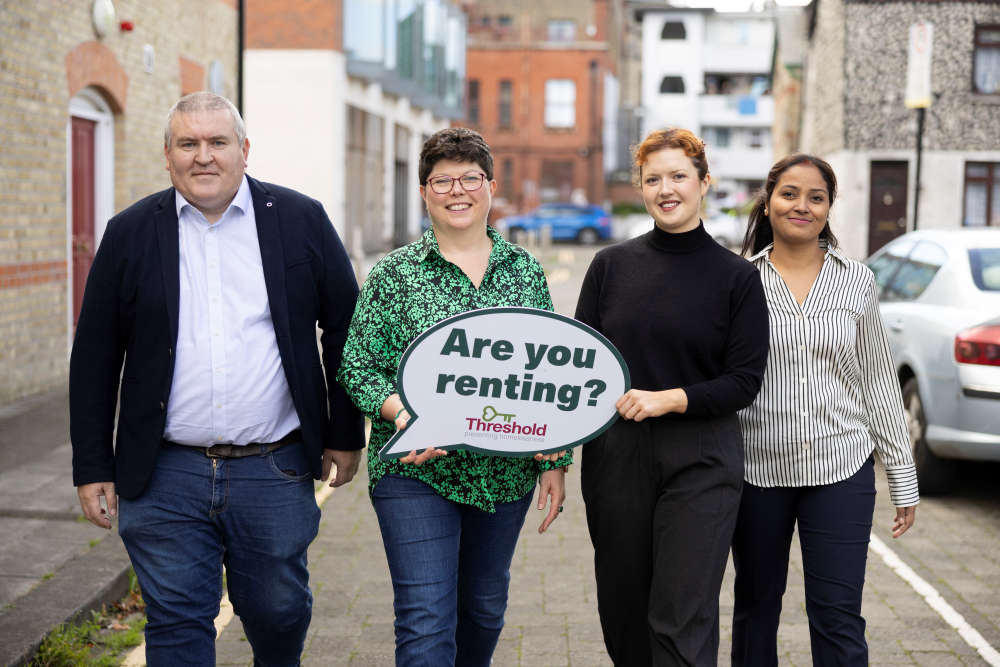
He rents a room in a house with Alan, Max, Other Max, Australian Max, Sarah, Sarah's boyfriend and some bloke nobody has actually seen since February.

But don't worry.

He's living his best life.

1787650779150
1787650807899


1. Renting became an ideology​

At 27:

"Why would I buy? I don't want to be tied down."
At 31:

"Property is such a boomer obsession."
At 35:

"I value experiences over possessions."
At 39:

"The housing market is fundamentally immoral."
Meanwhile his landlord bought the property in 2009 and has been quietly converting his salary into equity for fifteen years.

The greatest millennial cope wasn't avocado toast.

It was convincing themselves that not owning capital was somehow spiritually superior to owning capital.

The landlord wasn't doing discourse.

The landlord was compounding.


1787650831009


2. "Experiences" replaced accumulation​

This generation became obsessed with experiences.

Bali.

Berlin.

Lisbon.

Vietnam.

Thailand.

A festival in Croatia.

A six-week sabbatical because "I just needed to reset."

There is nothing wrong with travelling.

The cope appears when consumption gets rhetorically upgraded into capital.

€5,000 disappears.

But you didn't spend €5,000.

You "invested in memories."

Twenty years later the memories are lovely.

The €5,000 invested into productive assets at 28 would also have produced some fairly lovely memories.

Possibly involving a house.

1787650846091


3. Hobbies became substitute progression​

Climbing.

Running clubs.

Gaming.

CrossFit.

Craft beer.

Coffee.

Photography.

Festivals.

Fantasy football.

Cycling.

Dungeons & Dragons.

A podcast nobody listens to.

Again: hobbies are good.

But there is an enormous difference between:

"I have hobbies because my life is progressing."

and

"My hobbies are where I go so I don't have to notice my life isn't progressing."

You can become incredibly busy without actually moving anywhere.

That distinction becomes harder to ignore at 40.

1787650860724


4. Alcohol was rebranded as personality​

Millennial drinking culture deserves its own anthropological study.

Nobody was drinking because they were bored, lonely or stressed.

They were:

"into natural wine."

"checking out a new brewery."

"doing bottomless brunch."

"meeting the gang for a few."

Every coping mechanism becomes respectable once you give it sufficiently expensive branding.

Four pints after work because you hate your job = depressing.

Four €8.50 IPAs because you're exploring Dublin's craft beer scene = culture.

1787650871689


5. Career stagnation was disguised by job-title inflation​

This one is brutal.

Analyst.

Senior Analyst.

Associate.

Senior Associate.

Manager.

Senior Manager.

Lead.

Head of Something Nobody Can Explain.

Your title changed six times.

Your relationship to capital didn't change once.

You're still selling labour.

Your employer still owns the productive system.

Your landlord still owns the house.

Your pension fund owns the equities.

Your bank owns the debt.

You own a standing desk and 14,000 LinkedIn connections.

The modern professional class became extremely sophisticated at measuring career movement without measuring balance-sheet movement.

1787650886618


6. Politics became psychological hedging​

This is where it gets interesting.

Political identity can become a way of narrating your personal economic position without confronting it directly.

If you're 37, renting, have limited savings and feel further from family formation than you expected, there are two psychologically available stories.

Story A:

"I made a series of choices inside a difficult economic environment, some good and some bad, and path dependence has now accumulated."
Story B:

"The entire system is broken."
The second story may contain a lot of truth.

Housing genuinely became less affordable.

Asset prices genuinely outran wages.

The post-2008 economy genuinely produced horrible intergenerational timing effects.

But structural explanations can simultaneously be true and psychologically useful.

Politics becomes cope when explanation turns into absolution from strategy.

You can correctly identify a broken housing system and still need somewhere to live.

1787650900585


7. "I don't want kids anyway"​

Maybe you genuinely don't.

Fine.

But there is an obvious cultural pattern where preferences mysteriously adapt to whatever has become financially inaccessible.

House too expensive?

"I prefer renting."

Car too expensive?

"Cars are terrible for cities."

Children economically difficult?

"I never really wanted them."

Marriage delayed indefinitely?

"Marriage is an outdated institution."

Career plateaued?

"I don't live to work."

Wealth unavailable?

"Money doesn't make you happy."

Human beings are unbelievably good at transforming constraints into preferences.

It protects the ego.

It also makes constraints harder to solve.

1787650908946


8. Doomscrolling created simulated agency​

This might be the funniest part.

Hours per week spent reading about:

Trump.

Brexit.

Musk.

Climate.

Boomers.

Landlords.

AI.

Capitalism.

Late-stage capitalism.

Whatever Elon tweeted at 2:17am.

You feel politically engaged.

You feel informed.

You feel like you're participating in enormous historical forces.

Meanwhile your actual personal balance sheet has moved €14 since Tuesday.

Modern media gives people the sensation of agency while extracting attention from the tiny number of variables over which they actually possess agency.

Income.

Savings.

Ownership.

Skills.

Location.

Relationships.

Health.

Time.

1787650918347


9. The midlife crisis arrives when optionality collapses​

At 25, nearly every future remains imaginable.

You could move abroad.

Change career.

Start a company.

Get married.

Buy a house.

Become wealthy.

Have children.

Completely reinvent yourself.

This creates psychological optionality even when you aren't actually exercising any options.

Then time passes.


Suddenly the imaginary option set begins shrinking.

That's when the crisis starts.

Not because 40 is old.

Because path dependence becomes visible.

The choices you repeatedly made at 27, 29, 31 and 34 have now become your circumstances.

Your life has acquired inertia.


1787650927649


10. Social class was accumulating quietly the entire time​

This is the part millennials were culturally terrible at understanding.

Class isn't just salary.

It's:

income + assets + family capital + housing position + partner economics + inheritance expectations + occupational security + network access + time.

Two people earning €70k can inhabit completely different social classes.

Person A:

Owns property.

Partner earns €60k.

Parents own assets.

€150k invested.

Low housing costs.

Strong professional network.

Person B:

Rents.

Single income.

Parents rent.

€8k savings.

High fixed costs.

No meaningful assets.

Same salary.

Completely different trajectory.

Because class compounds.

1787650935836


11. The real divide wasn't "boomers vs millennials"​

It increasingly became:

people connected to appreciating assets vs people permanently paying them.

Owners watched housing and equities compound.

Non-owners watched wages compound much more slowly.

Then ownership itself became hereditary.

Parents help with deposits.

Parents provide housing.

Parents transfer businesses.

Parents fund education.

Parents eventually transfer estates.

Suddenly two supposedly identical 35-year-old professionals diverge massively.

One receives €200k.

The other receives nothing.

The spreadsheet does not care that both enjoy oat milk.

1787651087960


12. And this is why the millennial midlife crisis is going to be spectacular​

The classic midlife crisis was:

"I achieved everything society told me to achieve and I'm still unhappy."
The millennial midlife crisis is increasingly:

"I did everything my culture told me was an acceptable substitute for achievement and I've just realised the substitutions weren't equivalent."
Travel wasn't ownership.

Consumption wasn't wealth.

A job title wasn't capital.

Political awareness wasn't agency.

Being busy wasn't progression.

Renting wasn't freedom forever.

Experiences weren't a pension.

Doomscrolling wasn't participation.

Therapy vocabulary wasn't a balance sheet.

And "I'm only 30" eventually becomes "how the fuck am I 41?"

That doesn't mean millennials uniquely failed.

They entered adulthood through the financial crisis, housing scarcity, collapsing affordability and extraordinary asset-price inflation.

They were dealt a strange hand.

But the cultural response was often even stranger:

instead of admitting that ownership and class mattered enormously, they developed an elaborate moral vocabulary explaining why everything they couldn't obtain was actually cringe anyway.

Now the first large cohort is entering middle age.

The avocado toast jokes were never really about avocado toast.

They were about a generation trying to build an identity around life without capital while capital was quietly determining more and more of everyone's life.

The coping phase is ending.

The compounding phase isn't.

1787651105456
 
  • +1
  • Woah
  • JFL
Reactions: Resonance, looksmaxxer29, Macan and 5 others
They should've learned to give up at 21 like a real conservative man. Also jfl at writing all that
 
  • JFL
  • +1
Reactions: Seth Walsh and Latinolooksmaxxer
Holy dnr
 
  • Woah
Reactions: Seth Walsh
  • +1
  • JFL
Reactions: vision_n, Seth Walsh and romanstock
View attachment 5561965

Liberal Millennials Are Finally Having Midlife Crises​

There is something extremely funny happening to the urban liberal millennial.

For roughly 15 years, an entire professional-class subculture managed to convert economic stagnation into a personality.

Now they're approaching 35–45 and some of the coping mechanisms are beginning to expire.

Not everyone, obviously. I'm talking about a very specific archetype.

You know him.

He's 38. Works in the same broadly interchangeable corporate job he's had since 2016. Has changed companies four times but somehow remained on exactly the same rung of the class hierarchy.

He rents a room in a house with Alan, Max, Other Max, Australian Max, Sarah, Sarah's boyfriend and some bloke nobody has actually seen since February.

But don't worry.

He's living his best life.

View attachment 5561980View attachment 5561981


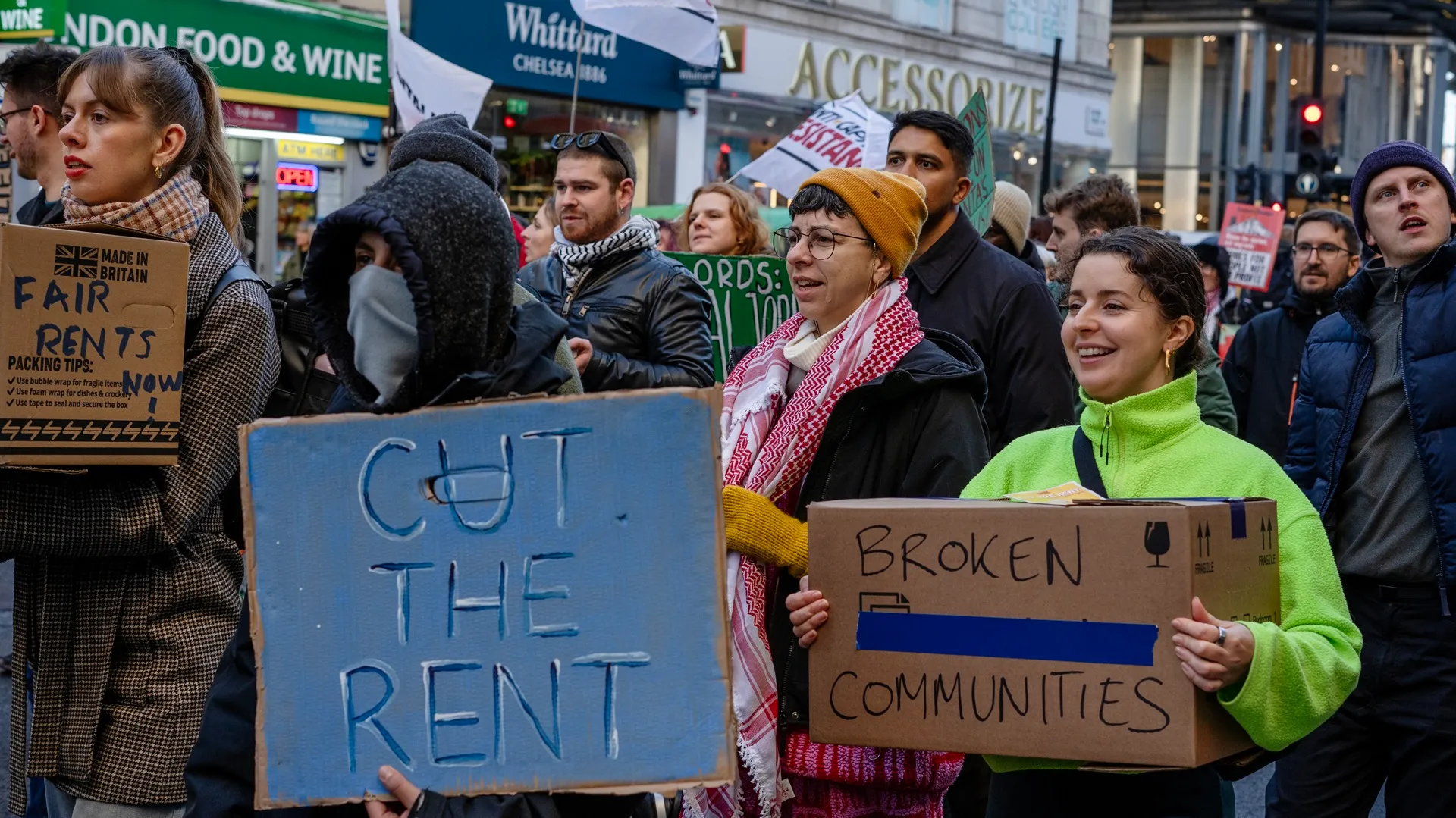
1. Renting became an ideology​

At 27:


At 31:


At 35:


At 39:


Meanwhile his landlord bought the property in 2009 and has been quietly converting his salary into equity for fifteen years.

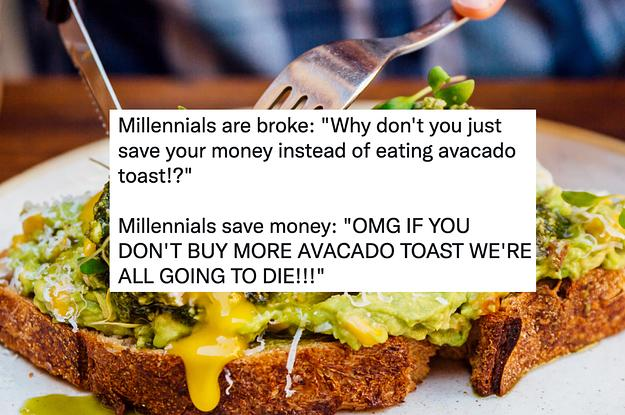
The greatest millennial cope wasn't avocado toast.

It was convincing themselves that not owning capital was somehow spiritually superior to owning capital.

The landlord wasn't doing discourse.

The landlord was compounding.


View attachment 5561982

2. "Experiences" replaced accumulation​

This generation became obsessed with experiences.

Bali.

Berlin.

Lisbon.

Vietnam.

Thailand.

A festival in Croatia.

A six-week sabbatical because "I just needed to reset."

There is nothing wrong with travelling.

The cope appears when consumption gets rhetorically upgraded into capital.

€5,000 disappears.

But you didn't spend €5,000.

You "invested in memories."

Twenty years later the memories are lovely.

The €5,000 invested into productive assets at 28 would also have produced some fairly lovely memories.

Possibly involving a house.
View attachment 5561986


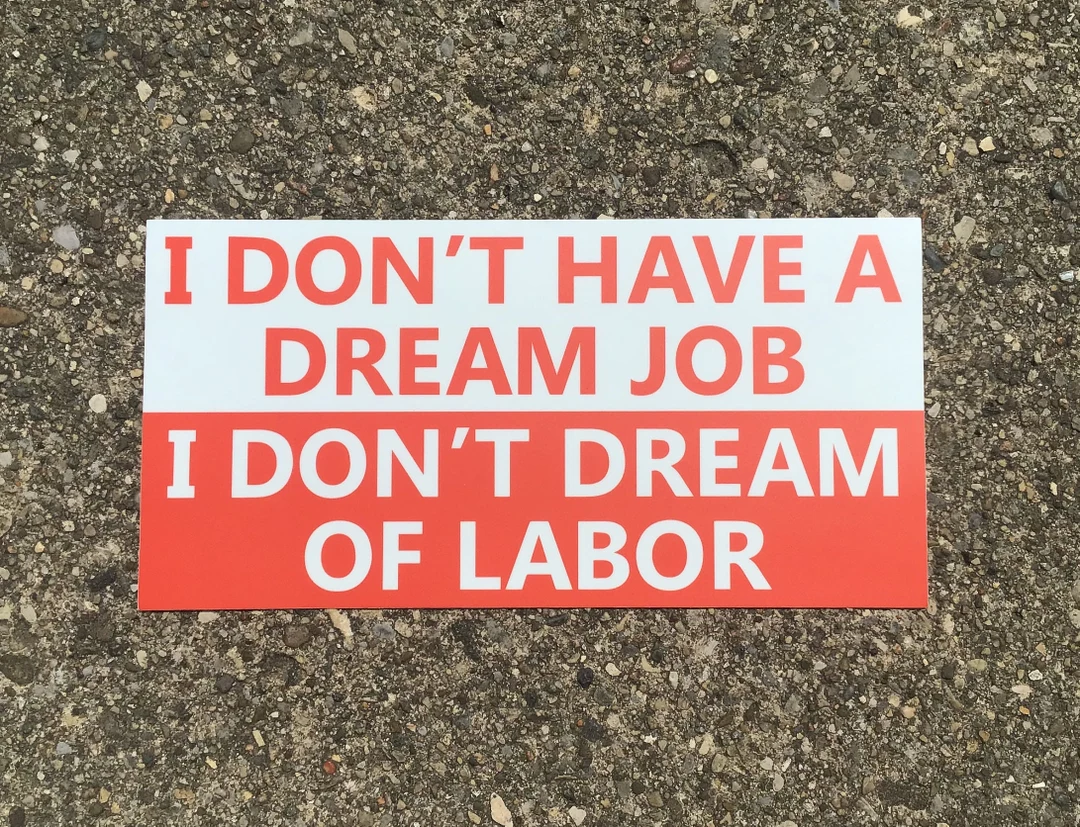
3. Hobbies became substitute progression​

Climbing.

Running clubs.

Gaming.

CrossFit.

Craft beer.

Coffee.

Photography.

Festivals.

Fantasy football.

Cycling.

Dungeons & Dragons.

A podcast nobody listens to.

Again: hobbies are good.

But there is an enormous difference between:

"I have hobbies because my life is progressing."

and

"My hobbies are where I go so I don't have to notice my life isn't progressing."

You can become incredibly busy without actually moving anywhere.

That distinction becomes harder to ignore at 40.
View attachment 5561987


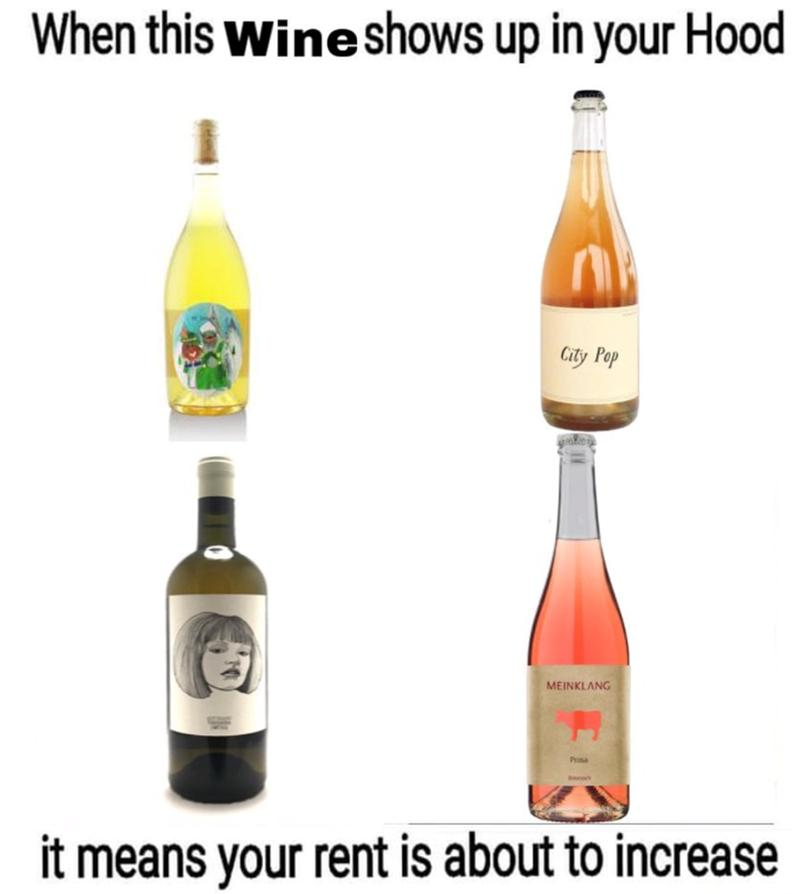
4. Alcohol was rebranded as personality​

Millennial drinking culture deserves its own anthropological study.

Nobody was drinking because they were bored, lonely or stressed.

They were:

"into natural wine."

"checking out a new brewery."

"doing bottomless brunch."

"meeting the gang for a few."

Every coping mechanism becomes respectable once you give it sufficiently expensive branding.

Four pints after work because you hate your job = depressing.

Four €8.50 IPAs because you're exploring Dublin's craft beer scene = culture.
View attachment 5561988


5. Career stagnation was disguised by job-title inflation​

This one is brutal.

Analyst.

Senior Analyst.

Associate.

Senior Associate.

Manager.

Senior Manager.

Lead.

Head of Something Nobody Can Explain.

Your title changed six times.

Your relationship to capital didn't change once.

You're still selling labour.

Your employer still owns the productive system.

Your landlord still owns the house.

Your pension fund owns the equities.

Your bank owns the debt.

You own a standing desk and 14,000 LinkedIn connections.

The modern professional class became extremely sophisticated at measuring career movement without measuring balance-sheet movement.
View attachment 5561989

6. Politics became psychological hedging​

This is where it gets interesting.

Political identity can become a way of narrating your personal economic position without confronting it directly.

If you're 37, renting, have limited savings and feel further from family formation than you expected, there are two psychologically available stories.

Story A:


Story B:


The second story may contain a lot of truth.

Housing genuinely became less affordable.

Asset prices genuinely outran wages.

The post-2008 economy genuinely produced horrible intergenerational timing effects.

But structural explanations can simultaneously be true and psychologically useful.

Politics becomes cope when explanation turns into absolution from strategy.

You can correctly identify a broken housing system and still need somewhere to live.
View attachment 5561992


7. "I don't want kids anyway"​

Maybe you genuinely don't.

Fine.

But there is an obvious cultural pattern where preferences mysteriously adapt to whatever has become financially inaccessible.

House too expensive?

"I prefer renting."

Car too expensive?

"Cars are terrible for cities."

Children economically difficult?

"I never really wanted them."

Marriage delayed indefinitely?

"Marriage is an outdated institution."

Career plateaued?

"I don't live to work."

Wealth unavailable?

"Money doesn't make you happy."

Human beings are unbelievably good at transforming constraints into preferences.

It protects the ego.

It also makes constraints harder to solve.

View attachment 5561993


8. Doomscrolling created simulated agency​

This might be the funniest part.

Hours per week spent reading about:

Trump.

Brexit.

Musk.

Climate.

Boomers.

Landlords.

AI.

Capitalism.

Late-stage capitalism.

Whatever Elon tweeted at 2:17am.

You feel politically engaged.

You feel informed.

You feel like you're participating in enormous historical forces.

Meanwhile your actual personal balance sheet has moved €14 since Tuesday.

Modern media gives people the sensation of agency while extracting attention from the tiny number of variables over which they actually possess agency.

Income.

Savings.

Ownership.

Skills.

Location.

Relationships.

Health.

Time.
View attachment 5561994


9. The midlife crisis arrives when optionality collapses​

At 25, nearly every future remains imaginable.

You could move abroad.

Change career.

Start a company.

Get married.

Buy a house.

Become wealthy.

Have children.

Completely reinvent yourself.

This creates psychological optionality even when you aren't actually exercising any options.

Then time passes.


Suddenly the imaginary option set begins shrinking.

That's when the crisis starts.

Not because 40 is old.

Because path dependence becomes visible.

The choices you repeatedly made at 27, 29, 31 and 34 have now become your circumstances.

Your life has acquired inertia.


View attachment 5561995

10. Social class was accumulating quietly the entire time​

This is the part millennials were culturally terrible at understanding.

Class isn't just salary.

It's:

income + assets + family capital + housing position + partner economics + inheritance expectations + occupational security + network access + time.

Two people earning €70k can inhabit completely different social classes.

Person A:

Owns property.

Partner earns €60k.

Parents own assets.

€150k invested.

Low housing costs.

Strong professional network.

Person B:

Rents.

Single income.

Parents rent.

€8k savings.

High fixed costs.

No meaningful assets.

Same salary.

Completely different trajectory.

Because class compounds.

View attachment 5561996

11. The real divide wasn't "boomers vs millennials"​

It increasingly became:

people connected to appreciating assets vs people permanently paying them.

Owners watched housing and equities compound.

Non-owners watched wages compound much more slowly.

Then ownership itself became hereditary.

Parents help with deposits.

Parents provide housing.

Parents transfer businesses.

Parents fund education.

Parents eventually transfer estates.

Suddenly two supposedly identical 35-year-old professionals diverge massively.

One receives €200k.

The other receives nothing.

The spreadsheet does not care that both enjoy oat milk.
View attachment 5562004


12. And this is why the millennial midlife crisis is going to be spectacular​

The classic midlife crisis was:


The millennial midlife crisis is increasingly:


Travel wasn't ownership.

Consumption wasn't wealth.

A job title wasn't capital.

Political awareness wasn't agency.

Being busy wasn't progression.

Renting wasn't freedom forever.

Experiences weren't a pension.

Doomscrolling wasn't participation.

Therapy vocabulary wasn't a balance sheet.

And "I'm only 30" eventually becomes "how the fuck am I 41?"

That doesn't mean millennials uniquely failed.

They entered adulthood through the financial crisis, housing scarcity, collapsing affordability and extraordinary asset-price inflation.

They were dealt a strange hand.

But the cultural response was often even stranger:

instead of admitting that ownership and class mattered enormously, they developed an elaborate moral vocabulary explaining why everything they couldn't obtain was actually cringe anyway.

Now the first large cohort is entering middle age.

The avocado toast jokes were never really about avocado toast.

They were about a generation trying to build an identity around life without capital while capital was quietly determining more and more of everyone's life.

The coping phase is ending.

The compounding phase isn't.

View attachment 5562006
🧐
 
  • Love it
Reactions: Seth Walsh
They should've learned to give up at 21 like a real conservative man. Also jfl at writing all that
instead of admitting that ownership and class mattered enormously, they developed an elaborate moral vocabulary explaining why everything they couldn't obtain was actually cringe anyway.
^ So incredibly brutal.

I think it's over for mid 30s to early 40s Vausch/Buzz feed non owner liberal type guys. Like TheTryGuys pheno, coping with communism and "muh my landlord" while renting with 11 guys all called "Alan".


Below are some copes to look out for to make sure you avoid becoming one......


  • Croissant Run Club. Not merely running. You run 5K specifically to an artisanal bakery and photograph the pastry afterward. This is literally a thing.
  • Supper club in somebody’s rented flat. €48 to sit on mismatched chairs beside twelve strangers while someone serves butter beans on a handmade ceramic plate. Supper clubs are currently booming.
  • “I’ve started doing ceramics.” Inevitably produces one crooked mug that becomes the household’s most photographed possession.
  • Pottery-painting night with the girls. £38 to paint cherries onto a little dish that says good things are coming.
  • Life drawing. Tuesday night. Warehouse. Warm canned beer. Nude stranger. Everyone suddenly owns charcoal.
  • A clothes-swap event. Brings £600 worth of clothes they regret buying and leaves with someone else’s regrets.
  • A natural-dye workshop. Paying money to make a white T-shirt vaguely beige using onion skins.
  • A fermentation workshop. Suddenly there are three jars of kimchi in the shared fridge and nobody can move them.
  • The sourdough starter. Has a name. Receives more consistent care than the pension.
  • Coffee cupping. Coffee can no longer simply taste like coffee. “I'm getting bergamot, fermented peach and a really interesting acidity.”
  • Listening bar. You cannot speak because somebody is playing a Japanese jazz pressing from 1977 through €20,000 speakers.
  • A vinyl DJ set inside a coffee shop at 2 p.m.
  • Record-store launch party for an artist nobody involved actually listens to.
  • “I’ve gotten really into skin-contact wine.” Natural wine was merely gateway cringe.
  • Pet-nat. Ordering sparkling wine becomes an ideological statement.
  • Wine bar where the menu contains no grape varieties, only words like funky, alive, mineral, feral.
  • Orange-wine tasting followed by a discussion about landlords.
  • Reformer Pilates. Then straight to matcha.
  • Matcha. Not drinking tea. Having a £7.20 iced strawberry matcha while discussing how expensive the city has become.
  • Community sauna. Paying €25 to sit inside a shipping container beside strangers.
  • Sauna + sea dip. Must happen at 7:15 a.m. and must generate photographic evidence.
  • Wild swimming. Swimming, except announced repeatedly for the preceding three days.
  • Cold-water swimming club. Someone inevitably owns one of those enormous changing robes.
  • Breathwork. Paying somebody to supervise breathing.
  • Sound bath. Lying on the floor while somebody hits an expensive bowl.
  • Cacao ceremony. Drinking hot chocolate has been successfully financialised into an €35 spiritual event.
  • Ecstatic dance. Clubbing stripped of alcohol and somehow made more embarrassing.
  • “Somatic movement.” Nobody can tell you what actually happens.
  • A Sunday morning sober rave.
  • Bouldering. Absolute cornerstone. £14 entry, chalk bag, tiny beanie, tote bag, devastating forearm strength, zero property.
  • Padel. Tennis became insufficiently discoverable.
  • Pickleball. Same principle but Americanised.
  • Urban hiking. Walking has acquired branding.
  • A women’s walking club / men’s walking club / creatives’ walking club. Ordinary friendship now requires Eventbrite.
  • “Community” everything. Community dinner. Community sauna. Community coffee. Community walk. Community garden. Community ceramics.
  • The “third-space” obsession. Followed inevitably by someone announcing that we actually need fourth spaces. That terminology is now genuinely appearing around activity clubs.
  • Book club where approximately 20% read the book.
  • Book club specifically for Sally Rooney.
  • Silent reading party. Paying admission to perform the activity previously known as reading.
  • Substack launch. Three essays published. Title something like Notes From Somewhere.
  • Personal newsletter documenting ordinary life as though dispatched from the Bloomsbury Group.
  • Zine-making workshop.
  • Independent magazine fair.
  • Risograph printing. Absolutely devastating tell.
  • Film photography walk. £18 roll of film to photograph a laundrette.
  • Disposable-camera dinner party.
  • Photo booth obsession.
  • Tiny digital camera from 2007 purchased for €180 because “the flash is so good.”
  • Digicam photos uploaded six weeks later in a 19-image Instagram carousel captioned merely recently <3.
  • No Instagram caption at all. Because captions became too mainstream.
  • “Photo dump.” Twenty images, six blurry, one grapefruit, one road sign.
  • A picture of a half-eaten dinner photographed with direct flash.
  • The annual festival in Tisno, Croatia. This is substantially more archetypal than simply saying “festival.”
  • Albania before everyone else discovers Albania.
  • Georgia because “Tbilisi is basically what Berlin used to be.”
  • Vietnam for three weeks followed by references to “when I was living in Asia.”
  • A month working remotely from Lisbon.
  • Mexico City accompanied by a solemn declaration that it has “such an incredible creative scene.”
  • Copenhagen primarily to photograph bakeries.
  • Berlin without visiting a single conventional tourist attraction.
  • Interrailing through the Balkans at 33.
  • Bikepacking. Cycling somewhere unpleasant while carrying tiny bags attached to every geometrically possible part of the bicycle.
  • A hiking holiday in Slovenia.
  • Surf camp in Portugal.
  • Yoga retreat somewhere requiring two connecting flights.
  • “I’m thinking of doing a season.” Person is 31.
  • Working remotely from a hostel because “I just needed a change of energy.”
  • House-sitting in Barcelona.
  • Dog-sitting as an accommodation strategy described as “slow travel.”
  • No car because cars are unnecessary. Zipcar account, Uber account and three friends with cars doing enormous unseen labour.
  • Cargo bike evangelism.
  • Fixie bike. No brakes. €1,600.
  • Bike maintenance workshop.
  • Critical Mass / social cycle followed by six pints.
  • Farmers’ market every Saturday. £23 expenditure produces bread, mushrooms and approximately four carrots.
  • The micro-bakery pop-up. Queue 45 minutes outside somebody’s garage for a cardamom bun.
  • Cardamom bun specifically. Cinnamon rolls became suspiciously conventional.
  • Focaccia sandwich costing €14.
  • Tinned-fish night. Sardines have undergone full gentrification.
  • “Small plates.” Three friends spend €147 and everyone remains hungry.
  • Sharing plates despite every person secretly wanting their own dinner.
  • Anchovies becoming a personality trait.
  • Olive-oil tasting.
  • Chilli-oil side business.
  • Mushroom foraging. Someone attended one workshop and now makes confident fungal decisions.
  • Urban foraging. Picking leaves beside a dual carriageway but making it pastoral.
  • Flower arranging. More specifically: seasonal bouquet workshop. This exact sort of activity is part of the new “fourth-space” club ecosystem.
  • Community gardening despite renting a bedroom with no garden.
  • Allotment waiting list.
  • Houseplant propagation station. Thirty-seven glasses containing cuttings on the windowsill.
  • Plant swap.
  • Terrarium workshop.
  • Mushroom-growing kit sitting beside the Monstera.
  • Vintage furniture Facebook Marketplace expedition. Requires borrowing somebody else’s car.
  • Chair found on street described as “mid-century.”
  • Everything must be “vintage,” “reclaimed,” “found,” or “pre-loved.” Never second-hand.
  • Sunday flea market.
  • Car-boot sale content creation.
  • Depop as both consumption habit and imagined small business.
  • Vinted parcels permanently occupying the hallway.
  • Jewellery-making workshop.
  • Tufting workshop. Paying £70 to manufacture a tiny rug.
  • Candle-making workshop.
  • Soap-making workshop.
  • Screen-printing workshop.
  • Repair café. Fixing one toaster becomes resistance to consumer capitalism.
  • Visible mending. Your torn jumper must now have deliberately contrasting stitches so everyone understands that it was repaired.
  • Crochet. Specifically a tiny colourful balaclava that makes the wearer resemble an escaped children's television character.
  • Knitting circle in a pub.
  • Chess night at a wine bar.
  • Board-game café first date.
  • Pub quiz where everybody works in media, NGOs, tech-adjacent operations or “creative strategy.”
  • “Pints after work with the gang.” Somehow €74 disappears without anybody having eaten dinner.
  • Sunday roast reservation made five weeks in advance.
  • Guinness obsession despite having ignored Guinness until approximately 2024.
  • Perfectly ordinary old-man pub suddenly becoming “iconic.” London trend coverage is now explicitly discussing heavily geotagged pubs and their imitators.
  • Seeking an “authentic pub” while being the demographic that causes the pub to start selling £9 focaccia.
  • Members’ club membership while complaining about class hierarchy.
  • Coworking from Soho House while describing corporate offices as dystopian.
  • Working on a laptop in a £6-coffee café for four hours because “I just can't work from home.”
  • Co-working day pass because the actual rented bedroom contains the bed, desk and drying rack within arm's reach.
  • The shared-flat dinner where everybody Venmos/Revoluts €3.84 afterward.
  • Splitwise dispute over one bottle of olive oil.
  • Seven adults sharing one fridge but somebody has allocated an entire shelf to kombucha fermentation.
  • WhatsApp group named House Fam <3.
  • Household meeting concerning bins.
  • A chore rota designed in Notion.
  • Shared Notion workspace.
  • Notion template for “intentional living.”
  • Annual personal “reset.”
  • Sunday reset.
  • Quarterly reset.
  • Digital detox weekend announced through Instagram.
  • Deleting Instagram but maintaining an extremely active Instagram account explaining why Instagram is unhealthy.
  • Oura Ring monitoring recovery from spending until 2 a.m. drinking natural wine.
  • WHOOP subscription despite never competing in anything.
  • Strava run titled easy miles w/ lovely people.
  • Run-club photograph where 37 people are holding identical coffees.
  • **Run club ending at a brewery. Again, genuinely current. **
  • “Pints, pizzas and PBs.” Also literally a run-club motto reported in London.
  • Half marathon as personality transition.
  • Hyrox. The corporate 10K received private-equity funding and became an identity.
  • Training for Hyrox while possessing no intention whatsoever of lifting a mortgage deposit.
  • “Movement” instead of exercise.
  • “Nourishment” instead of lunch.
  • “Rest” instead of spending all Saturday hungover.
  • “Community” instead of acquaintances.
  • “Creative practice” instead of hobby.
  • “Holding space” instead of listening.
  • “Season of life” instead of current circumstances.
  • “I’m protecting my peace.”
  • “I’m leaning into softness.”
  • “I’m trying to live more intentionally.”
  • “I’ve been craving community.”
  • “I want to build a life that feels aligned.”
  • “I don't really believe in the traditional timeline.”
  • Then attends approximately fourteen weddings that summer.
  • The ultimate combo: Saturday farmers’ market → ceramics workshop → natural wine → Sunday Croissant Run Club → sauna/sea dip → update Substack about rejecting hustle culture → Monday morning complain that buying a house is mathematically impossible.
  • The nuclear version: €300 rent because there are fifteen housemates, €600 monthly lifestyle burn on “community” activities, three foreign trips, five festivals, four tote bags, six hobbies, no pension contribution, no productive assets — followed by an Instagram infographic about how capitalism has made accumulation impossible.
  • And perhaps the single most archetypal sentence:
    “I don't really care about owning stuff. I'd rather spend my money on experiences.”

    Spoken while surrounded by £9,000 of cameras, bicycles, plants, ceramics, outdoor gear, vinyl, clothes and Apple products in a room owned by somebody else.
 
  • JFL
Reactions: vision_n
people who are coping in general are subhumans for me

this one is just on an example of personal wealth's stagnation
 
  • +1
Reactions: Seth Walsh
people who are coping in general are subhumans for me

this one is just on an example of personal wealth's stagnation
True but it's kinda sad.
 
water like always
 
  • Love it
Reactions: Seth Walsh
read everything.
They entered adulthood through the financial crisis, housing scarcity, collapsing affordability and extraordinary asset-price inflation.

They were dealt a strange hand.

But the cultural response was often even stranger:

instead of admitting that ownership and class mattered enormously, they developed an elaborate moral vocabulary explaining why everything they couldn't obtain was actually cringe anyway.
humans are excellent at finding ways to cope with their surroundings to help us survive. It's amazing how many people i've seen in my life who are so satisfied with staying in the same economic spot for 10-20 years with absolute no self-awareness.
 
  • Love it
Reactions: Seth Walsh
read everything.

humans are excellent at finding ways to cope with their surroundings to help us survive. It's amazing how many people i've seen in my life who are so satisfied with staying in the same economic spot for 10-20 years with absolute no self-awareness.
Yep.


It's over for whatever

this "
1787667977862
" is
 

Similar threads

BlackSilence
Replies
1
Views
17
Lefty Rankin
Lefty Rankin
Sayori
Replies
2
Views
52
Morgan
Morgan
joao23
Replies
8
Views
97
donald joe
donald joe
dhusc
Replies
27
Views
129
IronMike
IronMike

Users who are viewing this thread

  • Xazzy
  • kelpo720
  • looksmaxxer29
Back
Top