LIP CUTTING FULL GUIDE

Askinov

Askinov

𝖋𝖚𝖙𝖚𝖗𝖊 𝟔'𝟏 𝖍𝖙𝖓 𝖘𝖑𝖆𝖞𝖊𝖗
Joined
Oct 31, 2025
Posts
4,355
Reputation
10,119
6548993_Bazaart_42936054-33C4-4472-ADB1-BC1CDD6A5842.png


ASKINOV GUIDE

EXTENDED VERSION OF TS

Click here ts is old version


:KirbDance::KirbDance::KirbDance:


So we all sigma right ?? sigma boys never go and do the real surgery instead we do it ourselves that's why here is my cheap knock off of lateral commissuroplasty

he he

if you are from my old you it looks like ts

Do not open this spoiler if you are from my old thread
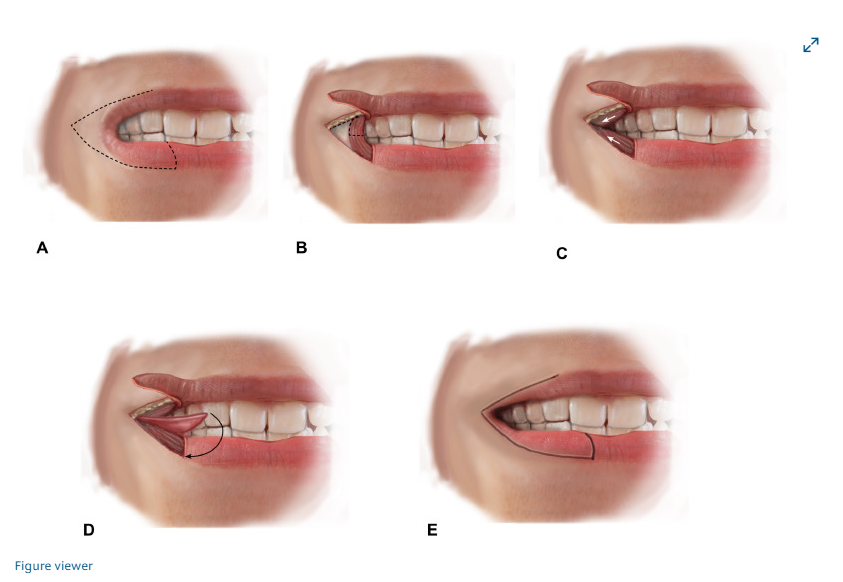

Screenshot 2026 05 11 193646

why not view more videos ??

although this is a lift that le op wanted to add but the surgical process is identical so you can take a rough idea
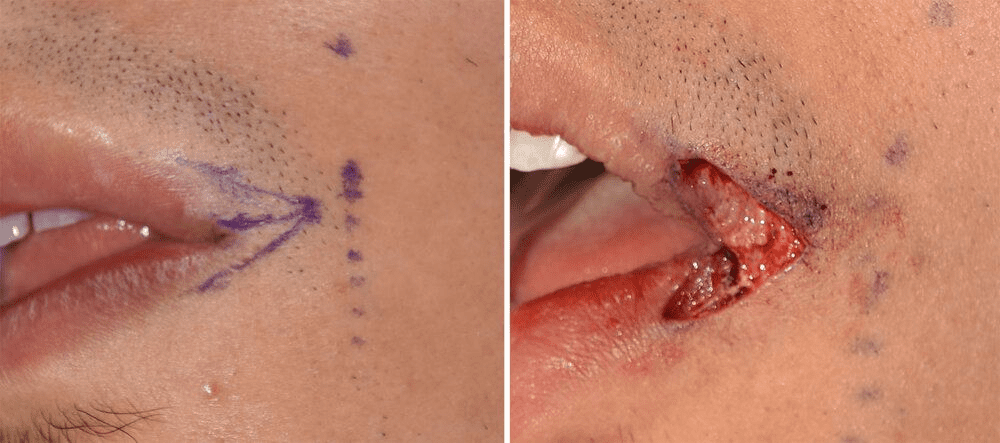
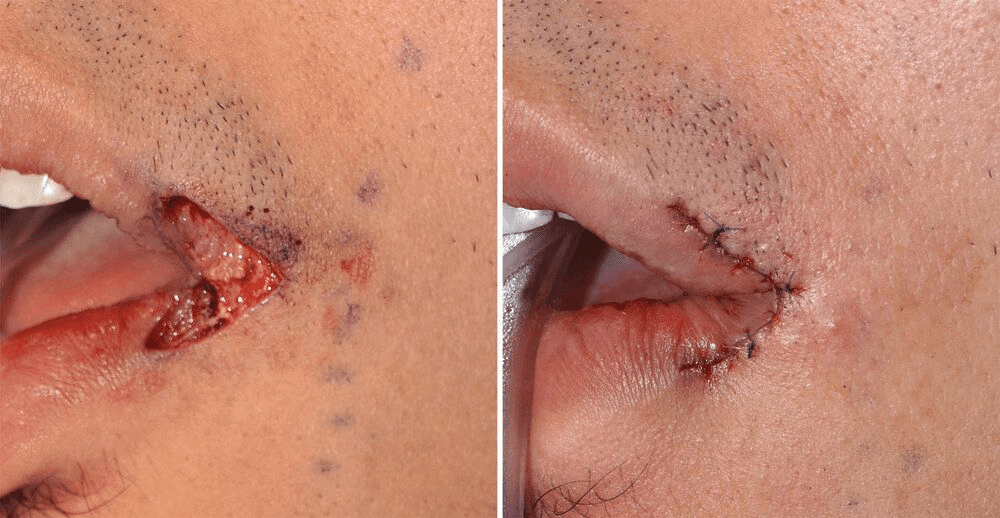
IMG 3229


IMG 3230


IMG 3231


as always since the op is lazy he gonna copy paste how this procedure is done from his old guide
The surgeon identifies the desired new width for the mouth. A common aesthetic landmark is the mid-pupillary line (a vertical line dropped from the center of the pupil).


A horizontal incision is made starting from the existing corner of the mouth and extending outward to the new marked position.
Tissue Excision: Small triangular segments of skin are removed above and below the horizontal incision line. This creates a "gap" or defect that allows the corner of the mouth to be moved outward.

Muscle Adjustment: A small wedge of the orbicularis oris muscle (the muscle surrounding the lips) is often excised to create space for the new corner and prevent the mouth from "relapsing" to its original smaller size.

The inner lining of the mouth (buccal mucosa) is mobilized and pulled forward (advanced) to cover the newly created gap. This creates the new pink "vermilion" part of the lip in the widened area.


Layered Closure: The surgeon uses fine, permanent, or dissolvable sutures to close the wound in multiple layers—internal mucosa, muscle, and external skin—to ensure strength and minimize scarring


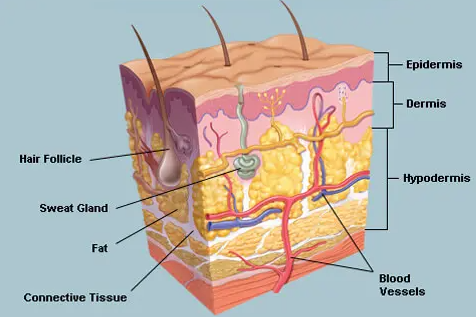
So bhai you know our skin is divided into various section ?? .It consist of

1st layer epi dermis

2nd dermis

3rd hypodermis

so water right
1786339317642

you know where does the scar actually becomes a problem ?


jfl at this muh research paper just google it bhai :feelsgood:

and so yeah don't cut after dermis just go up to middle of dermis you must be fine

+ you don't wanna go deep cause there are veins and tissue if damage occurs in them it can lead to permanent scarring and will look bad ofc

the problem is you never know which blade to choose so you can go up to middle dermis dwbi chad askinov is here to help ya

1st thing you need to keep on mind is that there is no blade that can cut only up to dermis to cut only up to dermis we can get precision blades that can control up to dermis see not cut up to dermis only but with these blade you can control up to dermis

imo surgical blades are op in this situation

eg

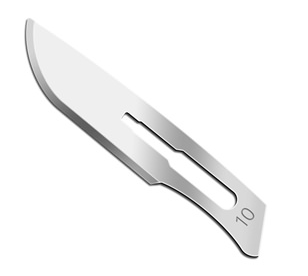
1. #10 scalpel blade

1786414485717


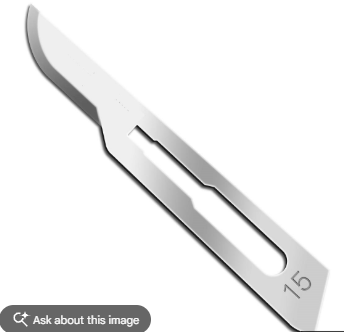
2.#15 scalpel blade

1786414439980


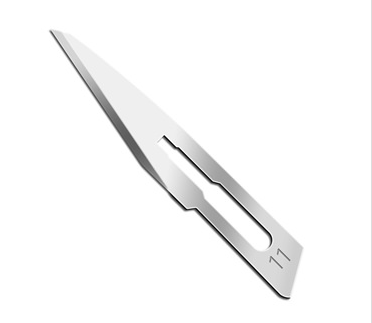
3.#11 scalpel blade
1786414461858


4.Dermatome Blades

5.Humby/Cobbett Knife Blades
Trust me you are not using the last two blades :hnghn: instead you also can use a sharp kitchen kife lightly with almost to no control in depth

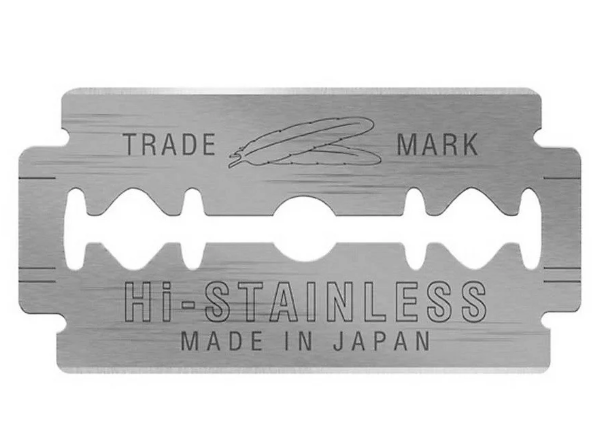
and you can also use your grandpa blade shaving blade ig but you also can not control the depth in here use it very lightly and don't use rusty one ofc like sayori told

1786414698503


Facial Antiseptics

There are few option available eh we use antiseptics to ensure the site you are cutting at is free of bacteria ( water )
so no future risk of infection can occur i have few examples of Antiseptics which can be used at face
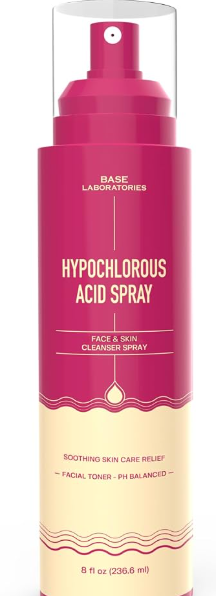
1. Hypochlorous acid ( 0.005% to 0.02% )
1786415597670

2.Diluted povidone-iodine ( 0.35% to 1% )
1786415620850

3.dettol for our indian brahs :ogre:
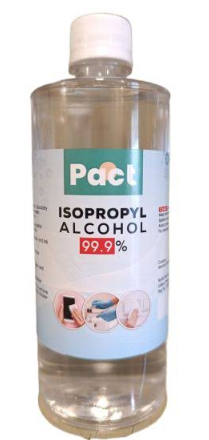
4.Isopropyl (rubbing) alcohol
1786415686303

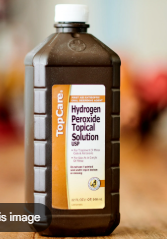
5.Hydrogen peroxide ( 1% to 3% )
1786415650085

Problem with some antiseptics is that some burns like h202 and rubbing alcohol so after cutting you can get high level of irritation and pain while cutting so i will say to avoid these
how to apply antiseptics then ??
1st wash your face with warm water
2nd let it dry
3rd use a cotton pad to apply these just apply a bit use this cotton pad
1786415925541


these can also be used to soak up excess blood

apply with these


CUTTING

At 1st mark it with surgical marker using scale mark this site only up to 1 to 2 mm length
1786416160752

1786416342217


After doing ts at 1st cut only up to epi dermis and after a correct line is formed then deepen up to dermis and cut at the corner and start from where the line starts
done with ts
now use that cotton pad fresh to soak up the blood
and at final use this 3m micropore surgical tape to let it heal place it vertically tho
1786416983600


now the question comes here is what after repeated cutting ??


How to manage hypertrophic fibrosis

you know what is fibrosis right ??
slop about fibrosis ( aka bulging scar line )

So fibrosis comes in two types localized skin fibrosis and medical fibrosis which is caused by skin condition and autoimmune diseases ,

Note : These medical fibrosis are uncontrolled and this requires a medical supervision so asking me about this won't help you .
And now clearing this stuff we can actually move on to the
main topic

Step 1 ; at 1st the skin experiences a damage any kind of damage it may be major or minor

Damaged epithelial cells (keratinocytes) and endothelial cells (lining local blood vessels) release inflammatory molecules called damage-associated molecular patterns (DAMPs)


Screenshot 2026 08 03 090747


2. Influx of Profibrotic Macrophages

The cellular alarm signals recruit inflammatory white blood cells, mainly M2 macrophages.

In normal healing, M1 macrophages clean the wound and then switch to M2 cells to lay down a repair patch.

In fibrosis, these M2 macrophages stay locked in place, continuously secreting massive amounts of cytokines (cell-signaling proteins).


Screenshot 2026 08 03 085902


3. TGF-β Hyper-Activation Loop

The most critical driver of fibrosis is a master-regulator protein called Transforming Growth Factor-Beta 1 (TGF-β1).

M2 macrophages and damaged cells flood the area with latent TGF-β1.

Mechanical tension in the stiffening tissue activates this latent TGF-β1.

Once active, TGF-β1 binds to receptor proteins on the surface of local resting cells, initiating an intense internal signaling cascade (primarily through the Smad2/3 pathway).

Screenshot 2026 08 03 090513


Step4 ; Phenotypic Phenotype Switch: Myofibroblast Differentiation

The TGF-β1 signaling forces local fibroblasts to undergo a dramatic genetic change. They differentiate into myofibroblasts.

Myofibroblasts express a protein called Alpha-Smooth Muscle Actin (α-SMA).

α-SMA gives cells internal muscle-like cables, allowing them to physically grip the surrounding tissue and pull it tightly together.

This cell contraction creates a cycle: more tissue tension → more TGF-β1 activation → more myofibroblasts.


1785774296291


Step5 ; Extracellular Matrix (ECM) Synthesis and Cross-Linking

The hyper-activated myofibroblasts begin synthesizing structural materials at a rate the body cannot keep up with, flooding the Extracellular Matrix (ECM).

Collagen Shift: Production of Collagen Type III drops which are replaced by massive quantitiy of rigid and dense Collagen Type I.

Cross-Linking: Cells secrete an enzyme called Lysyl Oxidase (LOX). LOX chemically cross-linking the parallel
collagen fibers tightly that the body's natural recycling enzymes MMPs can no longer break them down.


1785774925504


6. Structural Rigidity and Loss of Function

As the densely cross-linked Collagen Type I crowd out the normal cellular space, the microenvironment becomes choked. Blood capillaries are compressed, leading to localized hypoxia (low oxygen), which triggers even more TGF-β1 release.

it just a permanent scar formation which is bright and looks not nice and is more denser than skin due to regular cutting and healing

Use tret to not get this tret goes with keratinocyte differentiation which makes the scar tissue less visible in time if you don't want scar tissue
thats all
if you want the fibrosis then just increase the cutting frequency and increase collagen


1785776551829


blood vessel to avoid ? = dwbi bhai you are not going deep than dermis so no need :feelsgood:

now cut ts safely
USER WHO HAVE TRIED THE SAME PROCESS


@buccalfatremoval @Sayori @Sycophant @Navity @Hernan
 
Last edited:
  • +1
  • Love it
Reactions: lordway, Dancin, buccalfatremoval and 18 others
67 % AI
 
  • +1
Reactions: Brava, 76.1, Tesarossa and 1 other person
DNR grey :ROFLMAO:
 
  • +1
  • Hmm...
Reactions: freakb0b69, yushmaxx, 76.1 and 2 others
icl dude bad time to post lol
 
  • +1
Reactions: 76.1, Tesarossa and Askinov
6548993_Bazaart_42936054-33C4-4472-ADB1-BC1CDD6A5842.png


ASKINOV GUIDE

EXTENDED VERSION OF TS

Click here ts is old version


:KirbDance::KirbDance::KirbDance:


So we all sigma right ?? sigma boys never go and do the real surgery instead we do it ourselves that's why here is my cheap knock off of lateral commissuroplasty

he he

if you are from my old you it looks like ts

Do not open this spoiler if you are from my old thread


Screenshot 2026 05 11 193646

why not view more videos ??

although this is a lift that le op wanted to add but the surgical process is identical so you can take a rough idea
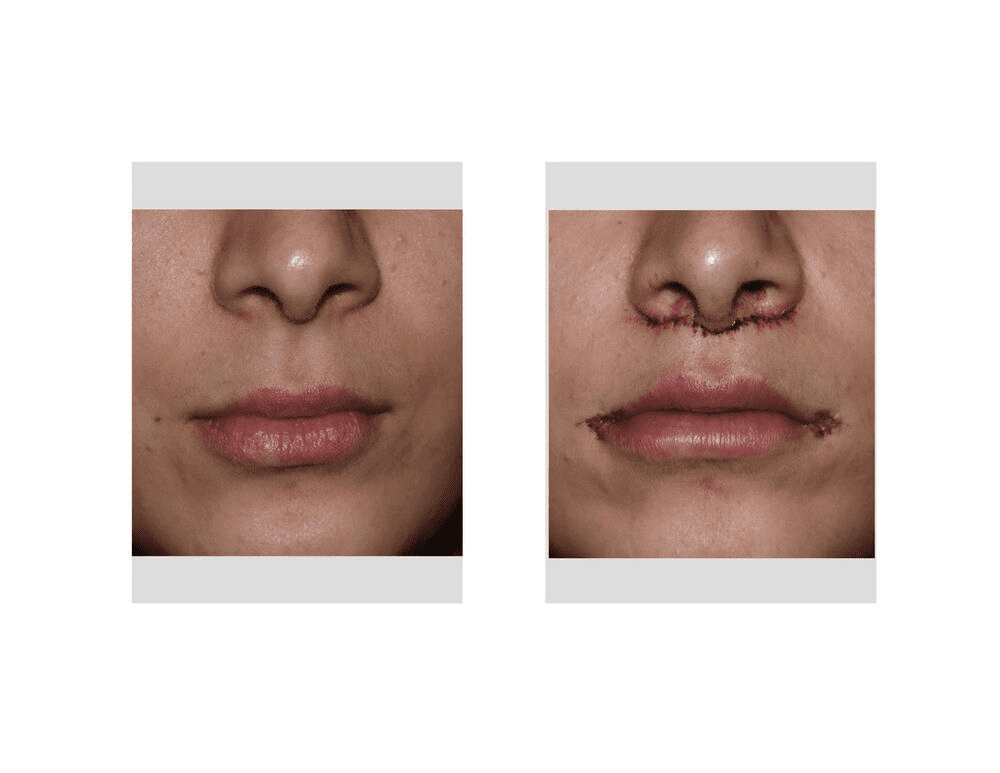
IMG 3229


IMG 3230


IMG 3231


as always since the op is lazy he gonna copy paste how this procedure is done from his old guide
The surgeon identifies the desired new width for the mouth. A common aesthetic landmark is the mid-pupillary line (a vertical line dropped from the center of the pupil).


A horizontal incision is made starting from the existing corner of the mouth and extending outward to the new marked position.
Tissue Excision: Small triangular segments of skin are removed above and below the horizontal incision line. This creates a "gap" or defect that allows the corner of the mouth to be moved outward.

Muscle Adjustment: A small wedge of the orbicularis oris muscle (the muscle surrounding the lips) is often excised to create space for the new corner and prevent the mouth from "relapsing" to its original smaller size.

The inner lining of the mouth (buccal mucosa) is mobilized and pulled forward (advanced) to cover the newly created gap. This creates the new pink "vermilion" part of the lip in the widened area.


Layered Closure: The surgeon uses fine, permanent, or dissolvable sutures to close the wound in multiple layers—internal mucosa, muscle, and external skin—to ensure strength and minimize scarring


So bhai you know our skin is divided into various section ?? .It consist of

1st layer epi dermis

2nd dermis

3rd hypodermis

so water right
1786339317642

you know where does the scar actually becomes a problem ?


jfl at this muh research paper just google it bhai :feelsgood:

and so yeah don't cut after dermis just go up to middle of dermis you must be fine

+ you don't wanna go deep cause there are veins and tissue if damage occurs in them it can lead to permanent scarring and will look bad ofc

the problem is you never know which blade to choose so you can go up to middle dermis dwbi chad askinov is here to help ya

1st thing you need to keep on mind is that there is no blade that can cut only up to dermis to cut only up to dermis we can get precision blades that can control up to dermis see not cut up to dermis only but with these blade you can control up to dermis

imo surgical blades are op in this situation

eg

1. #10 scalpel blade
View attachment 5497374

2.#15 scalpel blade

View attachment 5497369

3.#11 scalpel blade
View attachment 5497370

4.Dermatome Blades

5.Humby/Cobbett Knife Blades
Trust me you are not using the last two blades :hnghn: instead you also can use a sharp kitchen kife lightly with almost to no control in depth

and you can also use your grandpa blade shaving blade ig but you also can not control the depth in here use it very lightly and don't use rusty one ofc like sayori told
View attachment 5497379


Facial Antiseptics

There are few option available eh we use antiseptics to ensure the site you are cutting at is free of bacteria ( water )
so no future risk of infection can occur i have few examples of Antiseptics which can be used at face
1. Hypochlorous acid ( 0.005% to 0.02% )
View attachment 5497412
2.Diluted povidone-iodine ( 0.35% to 1% )
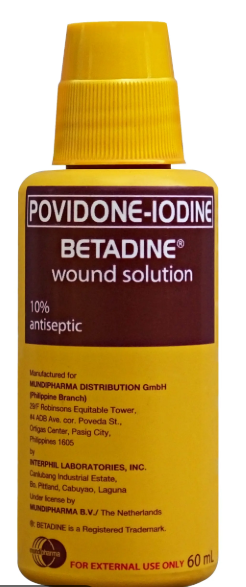
View attachment 5497413
3.dettol for our indian brahs :ogre:
4.Isopropyl (rubbing) alcohol
View attachment 5497416
5.Hydrogen peroxide ( 1% to 3% )
View attachment 5497414
Problem with some antiseptics is that some burns like h202 and rubbing alcohol so after cutting you can get high level of irritation and pain while cutting so i will say to avoid these
how to apply antiseptics then ??
1st wash your face with warm water
2nd let it dry
3rd use a cotton pad to apply these just apply a bit use this cotton pad
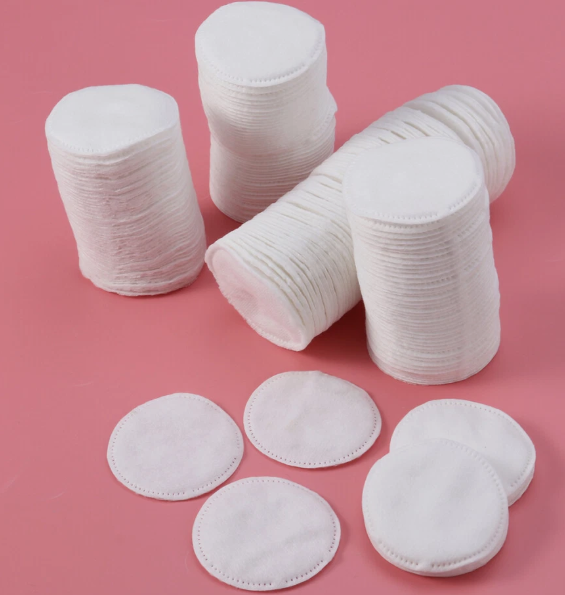
View attachment 5497431

these can also be used to soak up excess blood

apply with these


CUTTING

At 1st mark it with surgical marker using scale mark this site only up to 1 to 2 mm length
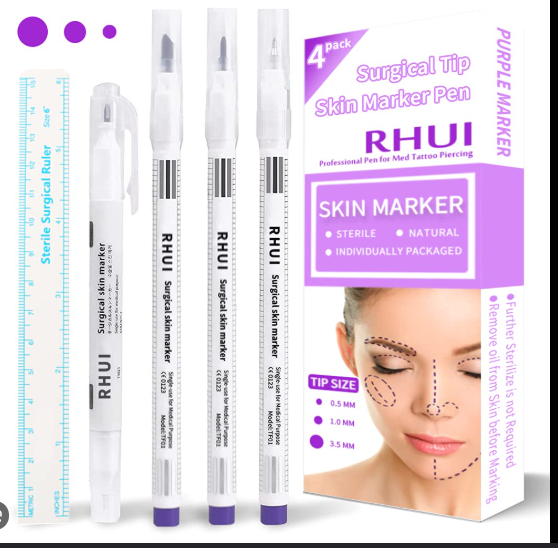
View attachment 5497441

View attachment 5497448


After doing ts at 1st cut only up to epi dermis and after a correct line is formed then deepen up to dermis and cut at the corner and start from where the line starts
done with ts
now use that cotton pad fresh to soak up the blood
and at final use this 3m micropore surgical tape to let it heal place it vertically tho
View attachment 5497463

now the question comes here is what after repeated cutting ??


How to manage hypertrophic fibrosis

you know what is fibrosis right ??
slop about fibrosis ( aka bulging scar line )

So fibrosis comes in two types localized skin fibrosis and medical fibrosis which is caused by skin condition and autoimmune diseases ,

Note : These medical fibrosis are uncontrolled and this requires a medical supervision so asking me about this won't help you .
And now clearing this stuff we can actually move on to the
main topic

Step 1 ; at 1st the skin experiences a damage any kind of damage it may be major or minor

Damaged epithelial cells (keratinocytes) and endothelial cells (lining local blood vessels) release inflammatory molecules called damage-associated molecular patterns (DAMPs)


Screenshot 2026 08 03 090747


2. Influx of Profibrotic Macrophages

The cellular alarm signals recruit inflammatory white blood cells, mainly M2 macrophages.

In normal healing, M1 macrophages clean the wound and then switch to M2 cells to lay down a repair patch.

In fibrosis, these M2 macrophages stay locked in place, continuously secreting massive amounts of cytokines (cell-signaling proteins).


Screenshot 2026 08 03 085902


3. TGF-β Hyper-Activation Loop

The most critical driver of fibrosis is a master-regulator protein called Transforming Growth Factor-Beta 1 (TGF-β1).

M2 macrophages and damaged cells flood the area with latent TGF-β1.

Mechanical tension in the stiffening tissue activates this latent TGF-β1.

Once active, TGF-β1 binds to receptor proteins on the surface of local resting cells, initiating an intense internal signaling cascade (primarily through the Smad2/3 pathway).

Screenshot 2026 08 03 090513


Step4 ; Phenotypic Phenotype Switch: Myofibroblast Differentiation

The TGF-β1 signaling forces local fibroblasts to undergo a dramatic genetic change. They differentiate into myofibroblasts.

Myofibroblasts express a protein called Alpha-Smooth Muscle Actin (α-SMA).

α-SMA gives cells internal muscle-like cables, allowing them to physically grip the surrounding tissue and pull it tightly together.

This cell contraction creates a cycle: more tissue tension → more TGF-β1 activation → more myofibroblasts.


1785774296291


Step5 ; Extracellular Matrix (ECM) Synthesis and Cross-Linking

The hyper-activated myofibroblasts begin synthesizing structural materials at a rate the body cannot keep up with, flooding the Extracellular Matrix (ECM).

Collagen Shift: Production of Collagen Type III drops which are replaced by massive quantitiy of rigid and dense Collagen Type I.

Cross-Linking: Cells secrete an enzyme called Lysyl Oxidase (LOX). LOX chemically cross-linking the parallel
collagen fibers tightly that the body's natural recycling enzymes MMPs can no longer break them down.


1785774925504


6. Structural Rigidity and Loss of Function

As the densely cross-linked Collagen Type I crowd out the normal cellular space, the microenvironment becomes choked. Blood capillaries are compressed, leading to localized hypoxia (low oxygen), which triggers even more TGF-β1 release.

it just a permanent scar formation which is bright and looks not nice and is more denser than skin due to regular cutting and healing

Use tret to not get this tret goes with keratinocyte differentiation which makes the scar tissue less visible in time if you don't want scar tissue
thats all
if you want the fibrosis then just increase the cutting frequency and increase collagen


1785776551829


blood vessel to avoid ? = dwbi bhai you are not going deep than dermis so no need :feelsgood:

now cut ts safely


@buccalfatremoval @Sayori @Sycophant @Navity @Hernan

mirin tho love the high effort ❤️
 
  • +1
Reactions: 76.1, Askinov and Tesarossa
ugh i just did that shit on myself and this nigga is gonna get more views because he put fancy lettering and shit
 
  • JFL
  • +1
  • Hmm...
Reactions: Stalker, 76.1, Askinov and 2 others
Thank you Mr Askinov I'll try this later
 
  • +1
Reactions: Stalker, 76.1, 𝐚𝐯𝐞𝐫𝐚𝐠𝐞𝐭𝐨𝐭𝐚𝐥𝐮𝐬𝐞𝐫 and 2 others
  • +1
  • Hmm...
Reactions: Stalker, 76.1, 𝐚𝐯𝐞𝐫𝐚𝐠𝐞𝐭𝐨𝐭𝐚𝐥𝐮𝐬𝐞𝐫 and 2 others
@Volpa @Menas @Sadist @psltristan1 @Gargantuan
 
  • +1
Reactions: Histy, Stalker, Tesarossa and 1 other person
@Orion's Eclipse @Mr. Squarepants

@N1kolai @Histy
 
  • +1
Reactions: Histy, Stalker, Tesarossa and 2 others

@Sujumh @goku21 @chang cypionate @Jason Voorhees @76.1

 
  • +1
  • Love it
Reactions: chang cypionate, Stalker, Tesarossa and 2 others
Perfect timing mane.

Thanks a lot :02Pat:
 
  • +1
  • Love it
Reactions: Stalker, Tesarossa and Askinov
@shedontluv-U and @Shirobon
 
  • +1
  • Hmm...
Reactions: Stalker and Tesarossa
@illusion @Atra bhai mistakely posted on offtopic
 
  • JFL
Reactions: Stalker
@Mast Reich
 
  • +1
Reactions: Stalker
nigga posted this in offtopic
 
  • +1
  • Woah
Reactions: mangotimer, DrawnyXD and Askinov
wrong section boyo
 
  • +1
Reactions: Stalker and Tesarossa
@OrionTheGreat
 
  • +1
Reactions: OrionTheGreat
@Panchitosbroncs YE YE
 
6548993_Bazaart_42936054-33C4-4472-ADB1-BC1CDD6A5842.png


ASKINOV GUIDE

EXTENDED VERSION OF TS

Click here ts is old version


:KirbDance::KirbDance::KirbDance:


So we all sigma right ?? sigma boys never go and do the real surgery instead we do it ourselves that's why here is my cheap knock off of lateral commissuroplasty

he he

if you are from my old you it looks like ts

Do not open this spoiler if you are from my old thread


Screenshot 2026 05 11 193646

why not view more videos ??

although this is a lift that le op wanted to add but the surgical process is identical so you can take a rough idea

IMG 3229


IMG 3230


IMG 3231


as always since the op is lazy he gonna copy paste how this procedure is done from his old guide
The surgeon identifies the desired new width for the mouth. A common aesthetic landmark is the mid-pupillary line (a vertical line dropped from the center of the pupil).


A horizontal incision is made starting from the existing corner of the mouth and extending outward to the new marked position.
Tissue Excision: Small triangular segments of skin are removed above and below the horizontal incision line. This creates a "gap" or defect that allows the corner of the mouth to be moved outward.

Muscle Adjustment: A small wedge of the orbicularis oris muscle (the muscle surrounding the lips) is often excised to create space for the new corner and prevent the mouth from "relapsing" to its original smaller size.

The inner lining of the mouth (buccal mucosa) is mobilized and pulled forward (advanced) to cover the newly created gap. This creates the new pink "vermilion" part of the lip in the widened area.


Layered Closure: The surgeon uses fine, permanent, or dissolvable sutures to close the wound in multiple layers—internal mucosa, muscle, and external skin—to ensure strength and minimize scarring


So bhai you know our skin is divided into various section ?? .It consist of

1st layer epi dermis

2nd dermis

3rd hypodermis

so water right
1786339317642

you know where does the scar actually becomes a problem ?


jfl at this muh research paper just google it bhai :feelsgood:

and so yeah don't cut after dermis just go up to middle of dermis you must be fine

+ you don't wanna go deep cause there are veins and tissue if damage occurs in them it can lead to permanent scarring and will look bad ofc

the problem is you never know which blade to choose so you can go up to middle dermis dwbi chad askinov is here to help ya

1st thing you need to keep on mind is that there is no blade that can cut only up to dermis to cut only up to dermis we can get precision blades that can control up to dermis see not cut up to dermis only but with these blade you can control up to dermis

imo surgical blades are op in this situation

eg

1. #10 scalpel blade

View attachment 5497374

2.#15 scalpel blade

View attachment 5497369

3.#11 scalpel blade
View attachment 5497370

4.Dermatome Blades

5.Humby/Cobbett Knife Blades
Trust me you are not using the last two blades :hnghn: instead you also can use a sharp kitchen kife lightly with almost to no control in depth

and you can also use your grandpa blade shaving blade ig but you also can not control the depth in here use it very lightly and don't use rusty one ofc like sayori told

View attachment 5497379


Facial Antiseptics

There are few option available eh we use antiseptics to ensure the site you are cutting at is free of bacteria ( water )
so no future risk of infection can occur i have few examples of Antiseptics which can be used at face
1. Hypochlorous acid ( 0.005% to 0.02% )
View attachment 5497412
2.Diluted povidone-iodine ( 0.35% to 1% )
View attachment 5497413
3.dettol for our indian brahs :ogre:
4.Isopropyl (rubbing) alcohol
View attachment 5497416
5.Hydrogen peroxide ( 1% to 3% )
View attachment 5497414
Problem with some antiseptics is that some burns like h202 and rubbing alcohol so after cutting you can get high level of irritation and pain while cutting so i will say to avoid these
how to apply antiseptics then ??
1st wash your face with warm water
2nd let it dry
3rd use a cotton pad to apply these just apply a bit use this cotton pad
View attachment 5497431

these can also be used to soak up excess blood

apply with these


CUTTING

At 1st mark it with surgical marker using scale mark this site only up to 1 to 2 mm length
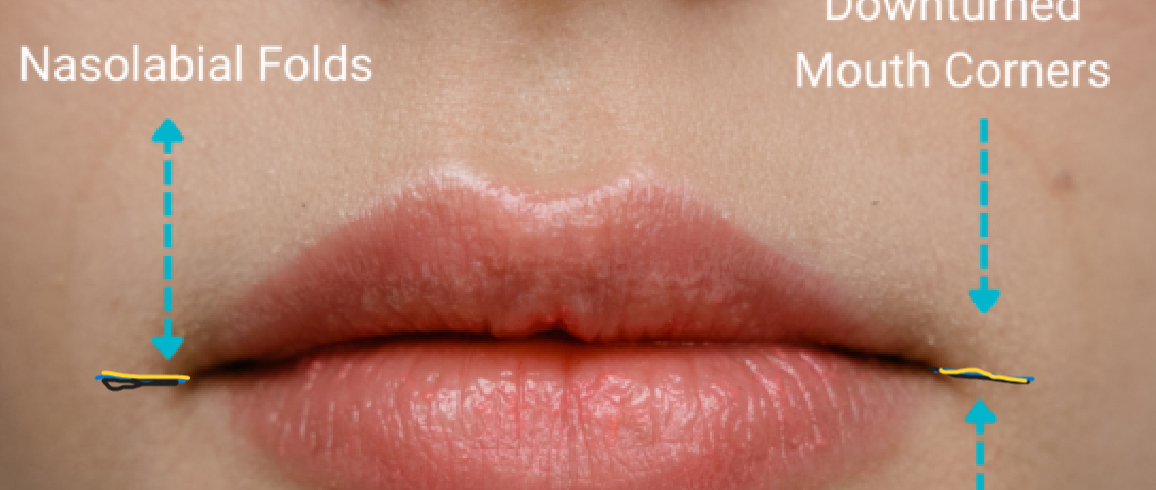
View attachment 5497441

View attachment 5497448


After doing ts at 1st cut only up to epi dermis and after a correct line is formed then deepen up to dermis and cut at the corner and start from where the line starts
done with ts
now use that cotton pad fresh to soak up the blood
and at final use this 3m micropore surgical tape to let it heal place it vertically tho
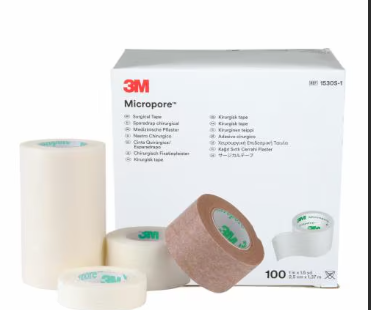
View attachment 5497463

now the question comes here is what after repeated cutting ??


How to manage hypertrophic fibrosis

you know what is fibrosis right ??
slop about fibrosis ( aka bulging scar line )

So fibrosis comes in two types localized skin fibrosis and medical fibrosis which is caused by skin condition and autoimmune diseases ,

Note : These medical fibrosis are uncontrolled and this requires a medical supervision so asking me about this won't help you .
And now clearing this stuff we can actually move on to the
main topic

Step 1 ; at 1st the skin experiences a damage any kind of damage it may be major or minor

Damaged epithelial cells (keratinocytes) and endothelial cells (lining local blood vessels) release inflammatory molecules called damage-associated molecular patterns (DAMPs)


Screenshot 2026 08 03 090747


2. Influx of Profibrotic Macrophages

The cellular alarm signals recruit inflammatory white blood cells, mainly M2 macrophages.

In normal healing, M1 macrophages clean the wound and then switch to M2 cells to lay down a repair patch.

In fibrosis, these M2 macrophages stay locked in place, continuously secreting massive amounts of cytokines (cell-signaling proteins).


Screenshot 2026 08 03 085902


3. TGF-β Hyper-Activation Loop

The most critical driver of fibrosis is a master-regulator protein called Transforming Growth Factor-Beta 1 (TGF-β1).

M2 macrophages and damaged cells flood the area with latent TGF-β1.

Mechanical tension in the stiffening tissue activates this latent TGF-β1.

Once active, TGF-β1 binds to receptor proteins on the surface of local resting cells, initiating an intense internal signaling cascade (primarily through the Smad2/3 pathway).

Screenshot 2026 08 03 090513


Step4 ; Phenotypic Phenotype Switch: Myofibroblast Differentiation

The TGF-β1 signaling forces local fibroblasts to undergo a dramatic genetic change. They differentiate into myofibroblasts.

Myofibroblasts express a protein called Alpha-Smooth Muscle Actin (α-SMA).

α-SMA gives cells internal muscle-like cables, allowing them to physically grip the surrounding tissue and pull it tightly together.

This cell contraction creates a cycle: more tissue tension → more TGF-β1 activation → more myofibroblasts.


1785774296291


Step5 ; Extracellular Matrix (ECM) Synthesis and Cross-Linking

The hyper-activated myofibroblasts begin synthesizing structural materials at a rate the body cannot keep up with, flooding the Extracellular Matrix (ECM).

Collagen Shift: Production of Collagen Type III drops which are replaced by massive quantitiy of rigid and dense Collagen Type I.

Cross-Linking: Cells secrete an enzyme called Lysyl Oxidase (LOX). LOX chemically cross-linking the parallel
collagen fibers tightly that the body's natural recycling enzymes MMPs can no longer break them down.


1785774925504


6. Structural Rigidity and Loss of Function

As the densely cross-linked Collagen Type I crowd out the normal cellular space, the microenvironment becomes choked. Blood capillaries are compressed, leading to localized hypoxia (low oxygen), which triggers even more TGF-β1 release.

it just a permanent scar formation which is bright and looks not nice and is more denser than skin due to regular cutting and healing

Use tret to not get this tret goes with keratinocyte differentiation which makes the scar tissue less visible in time if you don't want scar tissue
thats all
if you want the fibrosis then just increase the cutting frequency and increase collagen
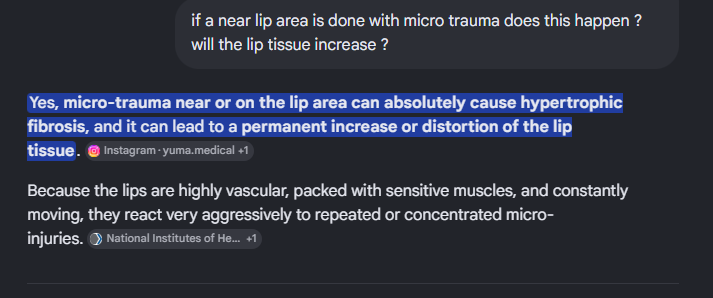

1785776551829


blood vessel to avoid ? = dwbi bhai you are not going deep than dermis so no need :feelsgood:

now cut ts safely


@buccalfatremoval @Sayori @Sycophant @Navity @Hernan

I just cut my shit with a knife and let it crust😭
 
  • +1
  • JFL
Reactions: Sayori and Askinov
I do the same lol, keep in kind I already have an existing eye infection why I do this shii lol
I lwk just wanted to self harm without being called a faggot
But damn eye infection? why
 
  • +1
  • Woah
Reactions: Sayori and Askinov
mirin
 
  • +1
  • Love it
Reactions: Sayori and Askinov
6548993_Bazaart_42936054-33C4-4472-ADB1-BC1CDD6A5842.png


ASKINOV GUIDE

EXTENDED VERSION OF TS

Click here ts is old version


:KirbDance::KirbDance::KirbDance:


So we all sigma right ?? sigma boys never go and do the real surgery instead we do it ourselves that's why here is my cheap knock off of lateral commissuroplasty

he he

if you are from my old you it looks like ts

Do not open this spoiler if you are from my old thread


Screenshot 2026 05 11 193646

why not view more videos ??

although this is a lift that le op wanted to add but the surgical process is identical so you can take a rough idea

IMG 3229


IMG 3230


IMG 3231


as always since the op is lazy he gonna copy paste how this procedure is done from his old guide
The surgeon identifies the desired new width for the mouth. A common aesthetic landmark is the mid-pupillary line (a vertical line dropped from the center of the pupil).


A horizontal incision is made starting from the existing corner of the mouth and extending outward to the new marked position.
Tissue Excision: Small triangular segments of skin are removed above and below the horizontal incision line. This creates a "gap" or defect that allows the corner of the mouth to be moved outward.

Muscle Adjustment: A small wedge of the orbicularis oris muscle (the muscle surrounding the lips) is often excised to create space for the new corner and prevent the mouth from "relapsing" to its original smaller size.

The inner lining of the mouth (buccal mucosa) is mobilized and pulled forward (advanced) to cover the newly created gap. This creates the new pink "vermilion" part of the lip in the widened area.


Layered Closure: The surgeon uses fine, permanent, or dissolvable sutures to close the wound in multiple layers—internal mucosa, muscle, and external skin—to ensure strength and minimize scarring


So bhai you know our skin is divided into various section ?? .It consist of

1st layer epi dermis

2nd dermis

3rd hypodermis

so water right
1786339317642

you know where does the scar actually becomes a problem ?


jfl at this muh research paper just google it bhai :feelsgood:

and so yeah don't cut after dermis just go up to middle of dermis you must be fine

+ you don't wanna go deep cause there are veins and tissue if damage occurs in them it can lead to permanent scarring and will look bad ofc

the problem is you never know which blade to choose so you can go up to middle dermis dwbi chad askinov is here to help ya

1st thing you need to keep on mind is that there is no blade that can cut only up to dermis to cut only up to dermis we can get precision blades that can control up to dermis see not cut up to dermis only but with these blade you can control up to dermis

imo surgical blades are op in this situation

eg

1. #10 scalpel blade

View attachment 5497374

2.#15 scalpel blade

View attachment 5497369

3.#11 scalpel blade
View attachment 5497370

4.Dermatome Blades

5.Humby/Cobbett Knife Blades
Trust me you are not using the last two blades :hnghn: instead you also can use a sharp kitchen kife lightly with almost to no control in depth

and you can also use your grandpa blade shaving blade ig but you also can not control the depth in here use it very lightly and don't use rusty one ofc like sayori told

View attachment 5497379


Facial Antiseptics

There are few option available eh we use antiseptics to ensure the site you are cutting at is free of bacteria ( water )
so no future risk of infection can occur i have few examples of Antiseptics which can be used at face
1. Hypochlorous acid ( 0.005% to 0.02% )
View attachment 5497412
2.Diluted povidone-iodine ( 0.35% to 1% )
View attachment 5497413
3.dettol for our indian brahs :ogre:
4.Isopropyl (rubbing) alcohol
View attachment 5497416
5.Hydrogen peroxide ( 1% to 3% )
View attachment 5497414
Problem with some antiseptics is that some burns like h202 and rubbing alcohol so after cutting you can get high level of irritation and pain while cutting so i will say to avoid these
how to apply antiseptics then ??
1st wash your face with warm water
2nd let it dry
3rd use a cotton pad to apply these just apply a bit use this cotton pad
View attachment 5497431

these can also be used to soak up excess blood

apply with these


CUTTING

At 1st mark it with surgical marker using scale mark this site only up to 1 to 2 mm length
View attachment 5497441

View attachment 5497448


After doing ts at 1st cut only up to epi dermis and after a correct line is formed then deepen up to dermis and cut at the corner and start from where the line starts
done with ts
now use that cotton pad fresh to soak up the blood
and at final use this 3m micropore surgical tape to let it heal place it vertically tho
View attachment 5497463

now the question comes here is what after repeated cutting ??


How to manage hypertrophic fibrosis

you know what is fibrosis right ??
slop about fibrosis ( aka bulging scar line )

So fibrosis comes in two types localized skin fibrosis and medical fibrosis which is caused by skin condition and autoimmune diseases ,

Note : These medical fibrosis are uncontrolled and this requires a medical supervision so asking me about this won't help you .
And now clearing this stuff we can actually move on to the
main topic

Step 1 ; at 1st the skin experiences a damage any kind of damage it may be major or minor

Damaged epithelial cells (keratinocytes) and endothelial cells (lining local blood vessels) release inflammatory molecules called damage-associated molecular patterns (DAMPs)
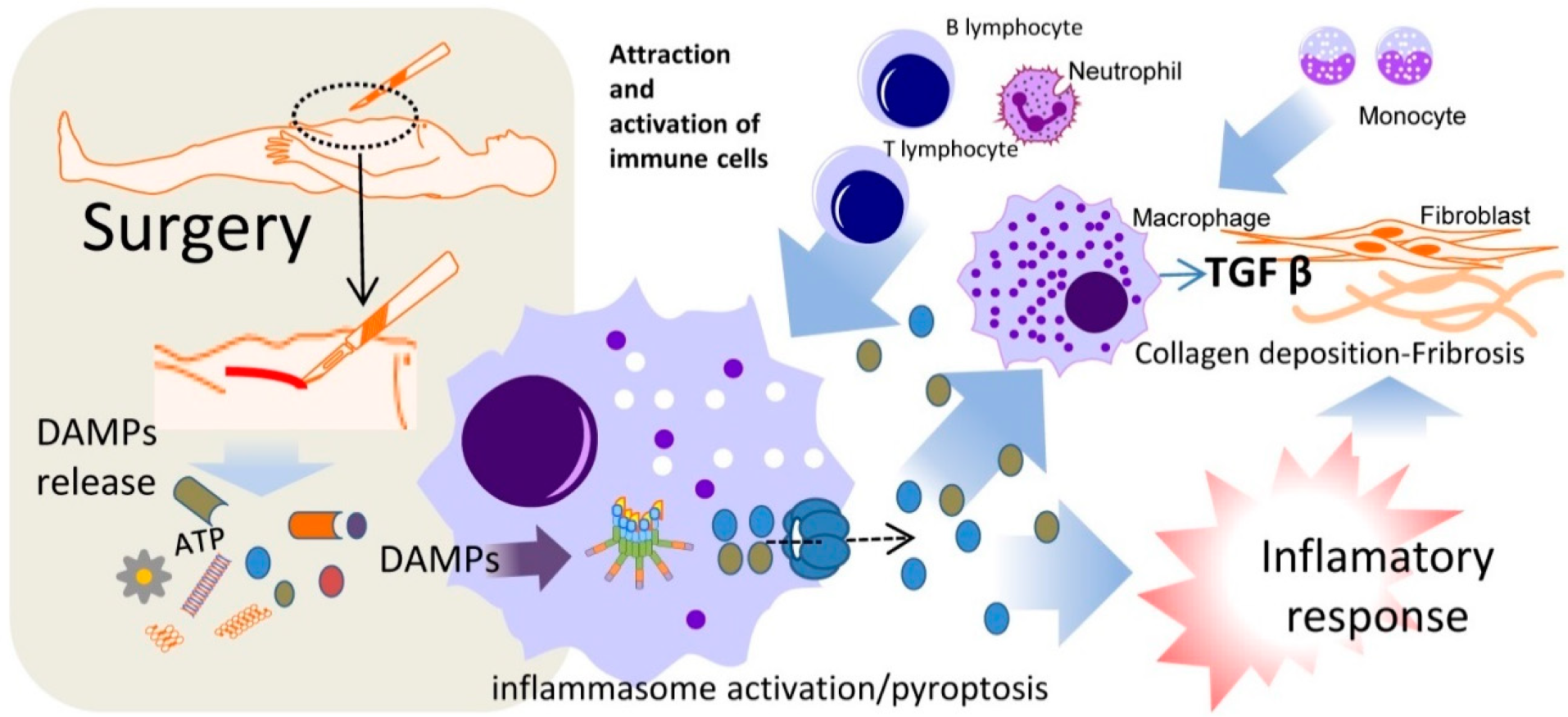


Screenshot 2026 08 03 090747


2. Influx of Profibrotic Macrophages

The cellular alarm signals recruit inflammatory white blood cells, mainly M2 macrophages.

In normal healing, M1 macrophages clean the wound and then switch to M2 cells to lay down a repair patch.

In fibrosis, these M2 macrophages stay locked in place, continuously secreting massive amounts of cytokines (cell-signaling proteins).
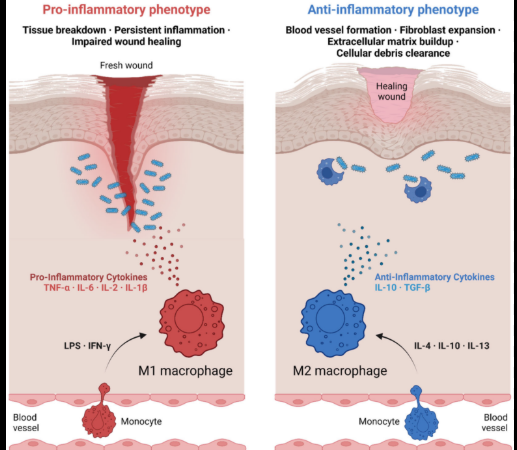

Screenshot 2026 08 03 085902


3. TGF-β Hyper-Activation Loop

The most critical driver of fibrosis is a master-regulator protein called Transforming Growth Factor-Beta 1 (TGF-β1).

M2 macrophages and damaged cells flood the area with latent TGF-β1.

Mechanical tension in the stiffening tissue activates this latent TGF-β1.

Once active, TGF-β1 binds to receptor proteins on the surface of local resting cells, initiating an intense internal signaling cascade (primarily through the Smad2/3 pathway).
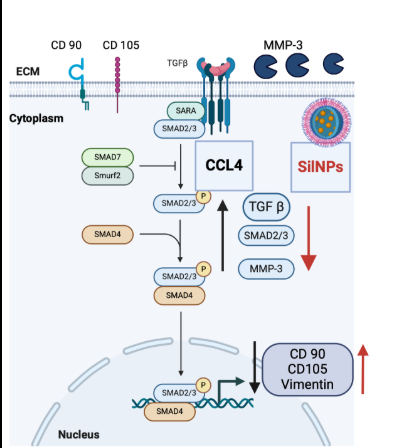
Screenshot 2026 08 03 090513


Step4 ; Phenotypic Phenotype Switch: Myofibroblast Differentiation

The TGF-β1 signaling forces local fibroblasts to undergo a dramatic genetic change. They differentiate into myofibroblasts.

Myofibroblasts express a protein called Alpha-Smooth Muscle Actin (α-SMA).

α-SMA gives cells internal muscle-like cables, allowing them to physically grip the surrounding tissue and pull it tightly together.

This cell contraction creates a cycle: more tissue tension → more TGF-β1 activation → more myofibroblasts.
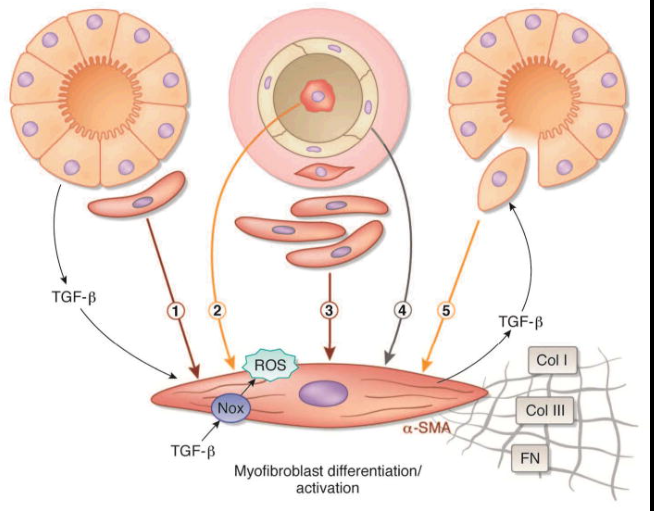

1785774296291


Step5 ; Extracellular Matrix (ECM) Synthesis and Cross-Linking

The hyper-activated myofibroblasts begin synthesizing structural materials at a rate the body cannot keep up with, flooding the Extracellular Matrix (ECM).

Collagen Shift: Production of Collagen Type III drops which are replaced by massive quantitiy of rigid and dense Collagen Type I.

Cross-Linking: Cells secrete an enzyme called Lysyl Oxidase (LOX). LOX chemically cross-linking the parallel
collagen fibers tightly that the body's natural recycling enzymes MMPs can no longer break them down.
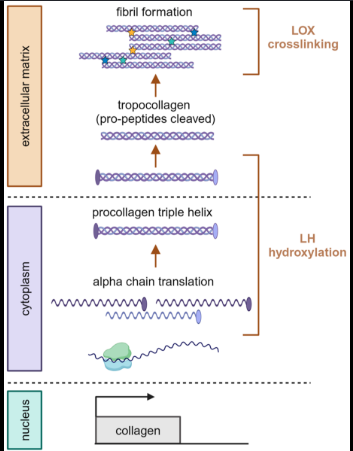

1785774925504


6. Structural Rigidity and Loss of Function

As the densely cross-linked Collagen Type I crowd out the normal cellular space, the microenvironment becomes choked. Blood capillaries are compressed, leading to localized hypoxia (low oxygen), which triggers even more TGF-β1 release.

it just a permanent scar formation which is bright and looks not nice and is more denser than skin due to regular cutting and healing

Use tret to not get this tret goes with keratinocyte differentiation which makes the scar tissue less visible in time if you don't want scar tissue
thats all
if you want the fibrosis then just increase the cutting frequency and increase collagen


1785776551829


blood vessel to avoid ? = dwbi bhai you are not going deep than dermis so no need :feelsgood:

now cut ts safely


@buccalfatremoval @Sayori @Sycophant @Navity @Hernan

Amazing thread

Mirin the effort
 
  • +1
  • Love it
Reactions: Sayori and Askinov
  • +1
Reactions: Histy
I lwk just wanted to self harm without being called a faggot
But damn eye infection? why
I get eye infection mad easy from just being up on my phone late lolol, but the cuts don't infect
 
  • +1
  • JFL
Reactions: Askinov and Panchitosbroncs
I get eye infection mad easy from just being up on my phone late lolol, but the cuts don't infect
I havent slept more than 5 hours in 4 days
I'm scared now tf
 
  • +1
Reactions: Askinov and Sayori
@buccalfatremoval
 
6548993_Bazaart_42936054-33C4-4472-ADB1-BC1CDD6A5842.png


ASKINOV GUIDE

EXTENDED VERSION OF TS

Click here ts is old version


:KirbDance::KirbDance::KirbDance:


So we all sigma right ?? sigma boys never go and do the real surgery instead we do it ourselves that's why here is my cheap knock off of lateral commissuroplasty

he he

if you are from my old you it looks like ts

Do not open this spoiler if you are from my old thread


Screenshot 2026 05 11 193646

why not view more videos ??

although this is a lift that le op wanted to add but the surgical process is identical so you can take a rough idea

IMG 3229


IMG 3230


IMG 3231


as always since the op is lazy he gonna copy paste how this procedure is done from his old guide
The surgeon identifies the desired new width for the mouth. A common aesthetic landmark is the mid-pupillary line (a vertical line dropped from the center of the pupil).


A horizontal incision is made starting from the existing corner of the mouth and extending outward to the new marked position.
Tissue Excision: Small triangular segments of skin are removed above and below the horizontal incision line. This creates a "gap" or defect that allows the corner of the mouth to be moved outward.

Muscle Adjustment: A small wedge of the orbicularis oris muscle (the muscle surrounding the lips) is often excised to create space for the new corner and prevent the mouth from "relapsing" to its original smaller size.

The inner lining of the mouth (buccal mucosa) is mobilized and pulled forward (advanced) to cover the newly created gap. This creates the new pink "vermilion" part of the lip in the widened area.


Layered Closure: The surgeon uses fine, permanent, or dissolvable sutures to close the wound in multiple layers—internal mucosa, muscle, and external skin—to ensure strength and minimize scarring


So bhai you know our skin is divided into various section ?? .It consist of

1st layer epi dermis

2nd dermis

3rd hypodermis

so water right
1786339317642

you know where does the scar actually becomes a problem ?


jfl at this muh research paper just google it bhai :feelsgood:

and so yeah don't cut after dermis just go up to middle of dermis you must be fine

+ you don't wanna go deep cause there are veins and tissue if damage occurs in them it can lead to permanent scarring and will look bad ofc

the problem is you never know which blade to choose so you can go up to middle dermis dwbi chad askinov is here to help ya

1st thing you need to keep on mind is that there is no blade that can cut only up to dermis to cut only up to dermis we can get precision blades that can control up to dermis see not cut up to dermis only but with these blade you can control up to dermis

imo surgical blades are op in this situation

eg

1. #10 scalpel blade

View attachment 5497374

2.#15 scalpel blade

View attachment 5497369

3.#11 scalpel blade
View attachment 5497370

4.Dermatome Blades

5.Humby/Cobbett Knife Blades
Trust me you are not using the last two blades :hnghn: instead you also can use a sharp kitchen kife lightly with almost to no control in depth

and you can also use your grandpa blade shaving blade ig but you also can not control the depth in here use it very lightly and don't use rusty one ofc like sayori told

View attachment 5497379


Facial Antiseptics

There are few option available eh we use antiseptics to ensure the site you are cutting at is free of bacteria ( water )
so no future risk of infection can occur i have few examples of Antiseptics which can be used at face
1. Hypochlorous acid ( 0.005% to 0.02% )
View attachment 5497412
2.Diluted povidone-iodine ( 0.35% to 1% )
View attachment 5497413
3.dettol for our indian brahs :ogre:
4.Isopropyl (rubbing) alcohol
View attachment 5497416
5.Hydrogen peroxide ( 1% to 3% )
View attachment 5497414
Problem with some antiseptics is that some burns like h202 and rubbing alcohol so after cutting you can get high level of irritation and pain while cutting so i will say to avoid these
how to apply antiseptics then ??
1st wash your face with warm water
2nd let it dry
3rd use a cotton pad to apply these just apply a bit use this cotton pad
View attachment 5497431

these can also be used to soak up excess blood

apply with these


CUTTING

At 1st mark it with surgical marker using scale mark this site only up to 1 to 2 mm length
View attachment 5497441

View attachment 5497448


After doing ts at 1st cut only up to epi dermis and after a correct line is formed then deepen up to dermis and cut at the corner and start from where the line starts
done with ts
now use that cotton pad fresh to soak up the blood
and at final use this 3m micropore surgical tape to let it heal place it vertically tho
View attachment 5497463

now the question comes here is what after repeated cutting ??


How to manage hypertrophic fibrosis

you know what is fibrosis right ??
slop about fibrosis ( aka bulging scar line )

So fibrosis comes in two types localized skin fibrosis and medical fibrosis which is caused by skin condition and autoimmune diseases ,

Note : These medical fibrosis are uncontrolled and this requires a medical supervision so asking me about this won't help you .
And now clearing this stuff we can actually move on to the
main topic

Step 1 ; at 1st the skin experiences a damage any kind of damage it may be major or minor

Damaged epithelial cells (keratinocytes) and endothelial cells (lining local blood vessels) release inflammatory molecules called damage-associated molecular patterns (DAMPs)


Screenshot 2026 08 03 090747


2. Influx of Profibrotic Macrophages

The cellular alarm signals recruit inflammatory white blood cells, mainly M2 macrophages.

In normal healing, M1 macrophages clean the wound and then switch to M2 cells to lay down a repair patch.

In fibrosis, these M2 macrophages stay locked in place, continuously secreting massive amounts of cytokines (cell-signaling proteins).


Screenshot 2026 08 03 085902


3. TGF-β Hyper-Activation Loop

The most critical driver of fibrosis is a master-regulator protein called Transforming Growth Factor-Beta 1 (TGF-β1).

M2 macrophages and damaged cells flood the area with latent TGF-β1.

Mechanical tension in the stiffening tissue activates this latent TGF-β1.

Once active, TGF-β1 binds to receptor proteins on the surface of local resting cells, initiating an intense internal signaling cascade (primarily through the Smad2/3 pathway).

Screenshot 2026 08 03 090513


Step4 ; Phenotypic Phenotype Switch: Myofibroblast Differentiation

The TGF-β1 signaling forces local fibroblasts to undergo a dramatic genetic change. They differentiate into myofibroblasts.

Myofibroblasts express a protein called Alpha-Smooth Muscle Actin (α-SMA).

α-SMA gives cells internal muscle-like cables, allowing them to physically grip the surrounding tissue and pull it tightly together.

This cell contraction creates a cycle: more tissue tension → more TGF-β1 activation → more myofibroblasts.


1785774296291


Step5 ; Extracellular Matrix (ECM) Synthesis and Cross-Linking

The hyper-activated myofibroblasts begin synthesizing structural materials at a rate the body cannot keep up with, flooding the Extracellular Matrix (ECM).

Collagen Shift: Production of Collagen Type III drops which are replaced by massive quantitiy of rigid and dense Collagen Type I.

Cross-Linking: Cells secrete an enzyme called Lysyl Oxidase (LOX). LOX chemically cross-linking the parallel
collagen fibers tightly that the body's natural recycling enzymes MMPs can no longer break them down.


1785774925504


6. Structural Rigidity and Loss of Function

As the densely cross-linked Collagen Type I crowd out the normal cellular space, the microenvironment becomes choked. Blood capillaries are compressed, leading to localized hypoxia (low oxygen), which triggers even more TGF-β1 release.

it just a permanent scar formation which is bright and looks not nice and is more denser than skin due to regular cutting and healing

Use tret to not get this tret goes with keratinocyte differentiation which makes the scar tissue less visible in time if you don't want scar tissue
thats all
if you want the fibrosis then just increase the cutting frequency and increase collagen


1785776551829


blood vessel to avoid ? = dwbi bhai you are not going deep than dermis so no need :feelsgood:

now cut ts safely


@buccalfatremoval @Sayori @Sycophant @Navity @Hernan

@valentine these goyim are actually getting children to cut their mouth with a razor
@Volpa @Menas @Sadist @psltristan1 @Gargantuan

@Sujumh @goku21 @chang cypionate @Jason Voorhees @76.1

Tagging everyone for this joke a of a guide didn't even show any results roflmao
 
  • Woah
Reactions: Askinov
@valentine these goyim are actually getting children to cut their mouth with a razor


Tagging everyone for this joke a of a guide didn't even show any results roflmao
ask @Sayori nigga done the same process :peepoEvil: me doing ts today
i mma post my result in evening let my mom go outside today
 
  • +1
Reactions: pony

Similar threads

G
Blackpill Cutting lip
Replies
13
Views
210
geneticsLotteryLose
G
unknown010287
Replies
10
Views
260
Deleted member 498814
D
geekr
Replies
0
Views
47
geekr
geekr
incel777
Replies
2
Views
113
incel777
incel777
Azurial
Replies
7
Views
67
Azurial
Azurial

Users who are viewing this thread

  • knut1
  • Tall midwit
  • Wurttzcope_.
  • lifeishell88
  • puffinator
  • lordway
  • SD:)
  • Comzzzy
  • rpdhzz
  • luhgeek01
  • 48okay
  • Dancin
  • Askinov
  • Mast Reich
Back
Top
Sponsored
Stake.us
America's #1 Social Casino
Slots, Poker & More
Join Now →