THE LIVER HARM REDUCTION COOKBOOK
॰═════════════════════════॰
MECHANISM OF STEROID INDUCED HEPATOTOXICITY
॰═════════════════════════॰
17 alpha alkylated AAS are the primary hepatotoxic compounds. The 17 alpha alkylation prevents first-pass hepatic metabolism, allowing oral bioavailability, but creates oxidative stress within hepatocytes.
This leads to:
Cholestatic injury
impaired bile flow and bile acid accumulation
Hepatocellular damage
elevated AST and ALT from hepatocyte membrane disruption
Mitochondrial dysfunction
impaired ATP production and increased reactive oxygen specie
s
Peliosis hepatis
blood-filled cystic spaces within the liver parenchyma
Hepatic adenomas benign vascular tumors with malignant potential
The most hepatotoxic oral steroids include methyltestosterone, oxymetholone, stanozolol, methandrostenolone (Dianabol), and oxandrolone. Injectable compounds bypass the first pass metabolism and carry minimal hepatotoxic risk.
॰═════════════════════════॰
N-ACETYLCYSTEINE NAC
॰═════════════════════════॰
Mechanism
NAC is the precursor to glutathione, the body's primary intracellular antioxidant. It replenishes hepatic glutathione stores depleted by reactive oxygen species generated during steroid metabolism. NAC also provides direct scavenging of free radicals and supports phase II detoxification pathways in the liver.
Pathway
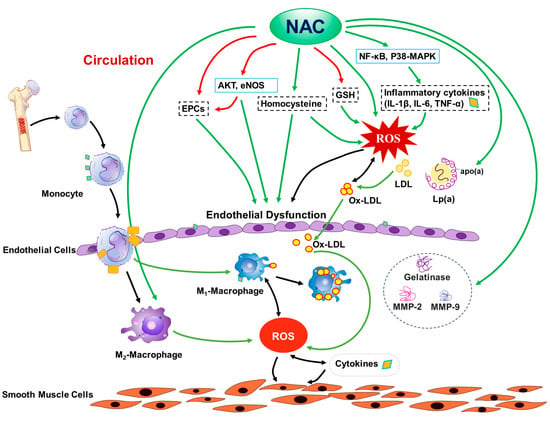
Dosing
Preventive 600 to 1200 mg per day divided into two doses
During hepatotoxic cycle (like dnp) 1200 to 2400 mg per day
Acute toxicity - 600 mg IV or 140 mg per kg oral loading dose, then 70 mg per kg every 4 hours for 17 doses
Side Effects
Nausea and gastrointestinal upset at higher doses
Diarrhea
Skin rash
Bronchospasm in asthmatics rare
Notes
NAC is the standard of care for acetaminophen overdose and shows hepatoprotective effects in various drug induced liver injury models. It is widely available, inexpensive, and has a strong safety profile. Best taken on an empty stomach for absorption.
(mine coming tomorrow)
॰═════════════════════════॰
TAUROURSODEOXYCHOLIC ACID TUDCA
॰═════════════════════════॰
Mechanism
TUDCA is a conjugated bile acid that stabilizes mitochondrial membranes, reduces endoplasmic reticulum stress, and improves bile flow. It protects hepatocytes from apoptosis by inhibiting the mitochondrial permeability transition pore and preventing cytochrome c release. TUDCA also activates AMPK and AKT signaling pathways, promoting cell survival.
Pathway
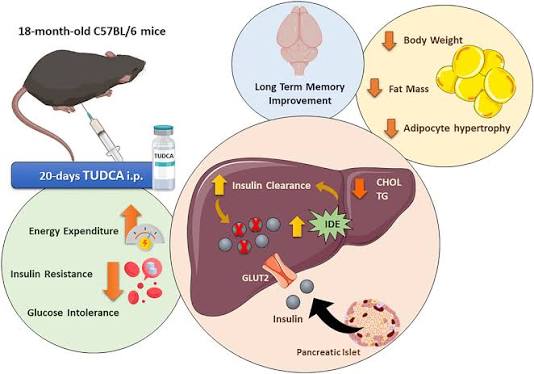
Dosing
Preventive 250 to 500 mg per day
During hepatotoxic cycle 500 to 1500 mg per day
Post-cycle recovery 500 to 1000 mg per day for 4 to 8 weeks
Side Effects
Diarrhea at doses above 1500 mg per day
Mild stomach discomfort
Notes
TUDCA at 500 to 1500 mg per day significantly reduces liver enzymes AST and ALT in individuals using hepatotoxic compounds. It is considered the gold standard among oral hepatoprotectants for AAS users. Quality varies significantly between suppliers due to manufacturing complexity.
॰═════════════════════════॰
MILK THISTLE SILYMARIN
॰═════════════════════════॰
Mechanism
Silymarin is a flavonolignan complex extracted from milk thistle seeds. It acts through multiple hepatoprotective mechanisms: antioxidant activity via free radical scavenging, stabilization of hepatocyte membranes preventing toxin entry, stimulation of protein synthesis accelerating regeneration, and inhibition of hepatic stellate cell activation reducing fibrosis.
Pathway
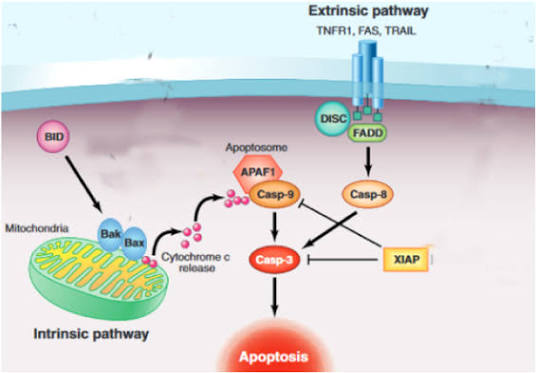
Dosing
Standardized extract 140 to 420 mg silymarin per day
During hepatotoxic cycle 420 to 600 mg silymarin per day
Look for products standardized to 70 to 80 percent silymarin content
Side Effects
Minimal at therapeutic doses
Allergic reactions in individuals sensitive to ragweed family
Mild laxative effect
Notes
Meta-analyses show modest benefit in alcoholic and viral hepatitis. Evidence in AAS induced hepatotoxicity is largely anecdotal but it remains widely used due to excellent safety profile and low cost. Best combined with NAC and TUDCA rather than used alone.
॰═════════════════════════॰
GLUTATHIONE
॰═════════════════════════॰
Mechanism
Glutathione is the master antioxidant synthesized in hepatocytes. It directly neutralizes reactive oxygen species via enzymatic reactions catalyzed by glutathione peroxidase. It also participates in phase II conjugation, binding to toxic metabolites and facilitating their excretion. Oral glutathione has poor bioavailability but liposomal and sublingal forms show improved absorption.
Pathway
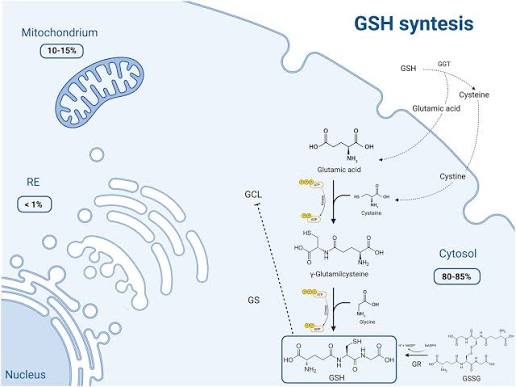
Dosing
Oral reduced glutathione 250 to 500 mg per day limited benefit
Liposomal glutathione 250 to 500 mg per day preferred form
Sublingual 100 to 200 mg per day
IV glutathione 600 to 1200 mg
Side Effects
Minimal
Mild sulfur odor from breath or urine
Rare allergic reactions to IV form
Notes
NAC is generally preferred over oral glutathione due to superior bioavailability and lower cost. Liposomal glutathione is the only oral form with meaningful systemic elevation. Best used as adjunct to NAC rather than primary therapy.
॰═════════════════════════॰
VITAMIN E
॰═════════════════════════॰
Mechanism
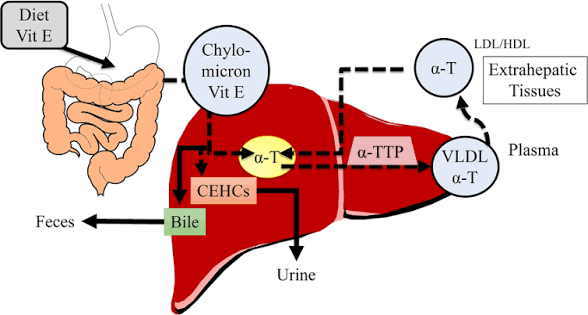
Vitamin E is a lipid soluble antioxidant that protects cellular membranes from lipid peroxidation. It donates electrons to neutralize free radicals before they damage polyunsaturated fatty acids in hepatocyte membranes. Vitamin E also modulates NFkB signaling, reducing inflammatory cytokine production in the liver.
Pathway
Dosing
Mixed tocopherols 400 to 800 IU per day
Gamma-tocopherol 200 to 400 mg per day preferred form for inflammation
Tocotrienols 100 to 200 mg per day more potent antioxidant form
Side Effects
Increased bleeding risk at high doses above 1000 IU per day
Nausea
Fatigue
Notes
Natural mixed tocopherols are preferred over synthetic dl-alpha-tocopherol. High-dose vitamin E supplementation has been associated with increased mortality in some studies, so doses should remain moderate. Useful as adjunct antioxidant but not a primary hepatoprotectant.
॰═════════════════════════॰
S-ADENOSYLMETHIONINE SAMe
॰═════════════════════════॰
Mechanism
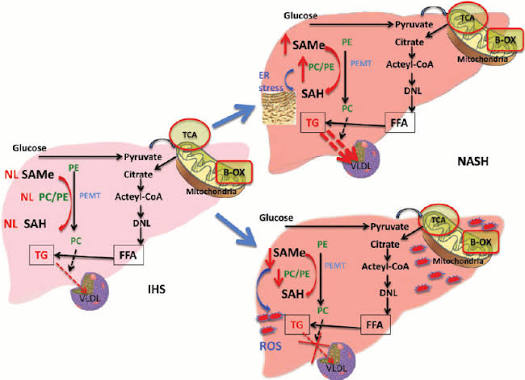
SAMe is a universal methyl donor involved in transmethylation, transsulfuration, and aminopropylation pathways. In the liver, it restores glutathione synthesis, improves membrane fluidity, and has antidepressant properties via dopamine and serotonin modulation. It is particularly beneficial for cholestatic liver diseases.
Pathway
Dosing
Standard 400 to 1200 mg per day divided into two or three doses
Enteric-coated tablets preferred for stability
Take on empty stomach for best absorption
Side Effects
Nausea
Diarrhea
Anxiety or insomnia if taken late in day
Notes
SAMe is unstable at room temperature and degrades rapidly. Expensive compared to other hepatoprotectants. Best reserved for individuals with cholestatic patterns on liver enzymes or concurrent mood issues.
॰═════════════════════════॰
LIV-52
॰════════════════════════════॰
Mechanism
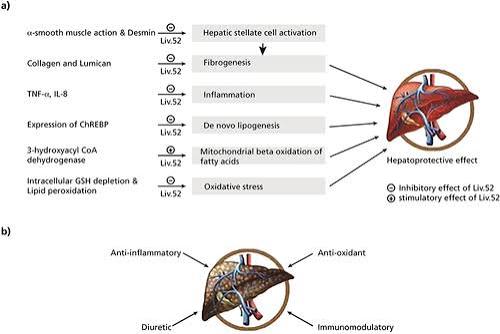
Liv 52 is an Ayurvedic herbal formulation containing multiple hepatoprotective botanicals including Capparis spinosa, Cichorium intybus, Solanum nigrum, Cassia occidentalis, Achillea millefolium, and Tamarix gallica. It is claimed to improve appetite, digestion, and liver function through antioxidant and antiinflammatory effects.
Pathway
Side Effects
Minimal
Rare gastrointestinal upset
Notes
Liv52 has a large following in bodybuilding communities. Some studies suggest benefit in alcoholic liver disease and drug induced hepatotoxicity, but quality is variable. Consider it a secondary adjunct rather than primary protection. Quality control varies significantly between manufacturers.
॰═════════════════════════॰
GENERAL MONITORING AND BLOODWORK
॰═════════════════════════॰
Baseline Before Cycle
AST normal 10 to 40 U per L
ALT normal 7 to 56 U per L
ALP normal 44 to 147 U per L
GGT normal 9 to 48 U per L
Total bilirubin normal 0.1 to 1.2 mg per dL
Direct bilirubin normal 0 to 0.3 mg per dL
Albumin normal 3.5 to 5.0 g per dL
PT and INR assess synthetic function
Hepatitis panel rule out viral hepatitis
During Cycle Monitoring
Week 2 - first check to establish trend
Week 4 - peak hepatotoxicity window for most orals
Week 6 - mid cycle assessment
Week 8 to 12 - depending on cycle length
Frequency - every 2 to 4 weeks during oral cycles
Injectable only cycles - every 4 to 6 weeks sufficient
Post-Cycle Recovery Monitoring
Continue monitoring every 2 weeks until enzymes normalize
Most oral.induced enzyme elevations resolve within 4 to 8 weeks post cessation
Persistent elevation beyond 12 weeks warrants hepatology
Mechanism of Steroid-Induced Hepatotoxicity
N-Acetylcysteine NAC
Tauroursodeoxycholic Acid TUDCA
Milk Thistle Silymarin
Glutathione
Vitamin E
SAMe S-Adenosylmethionine
Liv-52
General Monitoring and Bloodwork
N-Acetylcysteine NAC
Tauroursodeoxycholic Acid TUDCA
Milk Thistle Silymarin
Glutathione
Vitamin E
SAMe S-Adenosylmethionine
Liv-52
General Monitoring and Bloodwork
॰═════════════════════════॰
MECHANISM OF STEROID INDUCED HEPATOTOXICITY
॰═════════════════════════॰
17 alpha alkylated AAS are the primary hepatotoxic compounds. The 17 alpha alkylation prevents first-pass hepatic metabolism, allowing oral bioavailability, but creates oxidative stress within hepatocytes.
This leads to:
Cholestatic injury
impaired bile flow and bile acid accumulation
Hepatocellular damage
elevated AST and ALT from hepatocyte membrane disruption
Mitochondrial dysfunction
impaired ATP production and increased reactive oxygen specie
s
Peliosis hepatis
blood-filled cystic spaces within the liver parenchyma
Hepatic adenomas benign vascular tumors with malignant potential
The most hepatotoxic oral steroids include methyltestosterone, oxymetholone, stanozolol, methandrostenolone (Dianabol), and oxandrolone. Injectable compounds bypass the first pass metabolism and carry minimal hepatotoxic risk.
॰═════════════════════════॰
N-ACETYLCYSTEINE NAC
॰═════════════════════════॰
Mechanism
NAC is the precursor to glutathione, the body's primary intracellular antioxidant. It replenishes hepatic glutathione stores depleted by reactive oxygen species generated during steroid metabolism. NAC also provides direct scavenging of free radicals and supports phase II detoxification pathways in the liver.
Pathway
Dosing
Preventive 600 to 1200 mg per day divided into two doses
During hepatotoxic cycle (like dnp) 1200 to 2400 mg per day
Acute toxicity - 600 mg IV or 140 mg per kg oral loading dose, then 70 mg per kg every 4 hours for 17 doses
Side Effects
Nausea and gastrointestinal upset at higher doses
Diarrhea
Skin rash
Bronchospasm in asthmatics rare
Notes
NAC is the standard of care for acetaminophen overdose and shows hepatoprotective effects in various drug induced liver injury models. It is widely available, inexpensive, and has a strong safety profile. Best taken on an empty stomach for absorption.
(mine coming tomorrow)
॰═════════════════════════॰
TAUROURSODEOXYCHOLIC ACID TUDCA
॰═════════════════════════॰
Mechanism
TUDCA is a conjugated bile acid that stabilizes mitochondrial membranes, reduces endoplasmic reticulum stress, and improves bile flow. It protects hepatocytes from apoptosis by inhibiting the mitochondrial permeability transition pore and preventing cytochrome c release. TUDCA also activates AMPK and AKT signaling pathways, promoting cell survival.
Pathway
Dosing
Preventive 250 to 500 mg per day
During hepatotoxic cycle 500 to 1500 mg per day
Post-cycle recovery 500 to 1000 mg per day for 4 to 8 weeks
Side Effects
Diarrhea at doses above 1500 mg per day
Mild stomach discomfort
Notes
TUDCA at 500 to 1500 mg per day significantly reduces liver enzymes AST and ALT in individuals using hepatotoxic compounds. It is considered the gold standard among oral hepatoprotectants for AAS users. Quality varies significantly between suppliers due to manufacturing complexity.
॰═════════════════════════॰
MILK THISTLE SILYMARIN
॰═════════════════════════॰
Mechanism
Silymarin is a flavonolignan complex extracted from milk thistle seeds. It acts through multiple hepatoprotective mechanisms: antioxidant activity via free radical scavenging, stabilization of hepatocyte membranes preventing toxin entry, stimulation of protein synthesis accelerating regeneration, and inhibition of hepatic stellate cell activation reducing fibrosis.
Pathway
Dosing
Standardized extract 140 to 420 mg silymarin per day
During hepatotoxic cycle 420 to 600 mg silymarin per day
Look for products standardized to 70 to 80 percent silymarin content
Side Effects
Minimal at therapeutic doses
Allergic reactions in individuals sensitive to ragweed family
Mild laxative effect
Notes
Meta-analyses show modest benefit in alcoholic and viral hepatitis. Evidence in AAS induced hepatotoxicity is largely anecdotal but it remains widely used due to excellent safety profile and low cost. Best combined with NAC and TUDCA rather than used alone.
॰═════════════════════════॰
GLUTATHIONE
॰═════════════════════════॰
Mechanism
Glutathione is the master antioxidant synthesized in hepatocytes. It directly neutralizes reactive oxygen species via enzymatic reactions catalyzed by glutathione peroxidase. It also participates in phase II conjugation, binding to toxic metabolites and facilitating their excretion. Oral glutathione has poor bioavailability but liposomal and sublingal forms show improved absorption.
Pathway
Dosing
Oral reduced glutathione 250 to 500 mg per day limited benefit
Liposomal glutathione 250 to 500 mg per day preferred form
Sublingual 100 to 200 mg per day
IV glutathione 600 to 1200 mg
Side Effects
Minimal
Mild sulfur odor from breath or urine
Rare allergic reactions to IV form
Notes
NAC is generally preferred over oral glutathione due to superior bioavailability and lower cost. Liposomal glutathione is the only oral form with meaningful systemic elevation. Best used as adjunct to NAC rather than primary therapy.
॰═════════════════════════॰
VITAMIN E
॰═════════════════════════॰
Mechanism
Vitamin E is a lipid soluble antioxidant that protects cellular membranes from lipid peroxidation. It donates electrons to neutralize free radicals before they damage polyunsaturated fatty acids in hepatocyte membranes. Vitamin E also modulates NFkB signaling, reducing inflammatory cytokine production in the liver.
Pathway
Dosing
Mixed tocopherols 400 to 800 IU per day
Gamma-tocopherol 200 to 400 mg per day preferred form for inflammation
Tocotrienols 100 to 200 mg per day more potent antioxidant form
Side Effects
Increased bleeding risk at high doses above 1000 IU per day
Nausea
Fatigue
Notes
Natural mixed tocopherols are preferred over synthetic dl-alpha-tocopherol. High-dose vitamin E supplementation has been associated with increased mortality in some studies, so doses should remain moderate. Useful as adjunct antioxidant but not a primary hepatoprotectant.
॰═════════════════════════॰
S-ADENOSYLMETHIONINE SAMe
॰═════════════════════════॰
Mechanism
SAMe is a universal methyl donor involved in transmethylation, transsulfuration, and aminopropylation pathways. In the liver, it restores glutathione synthesis, improves membrane fluidity, and has antidepressant properties via dopamine and serotonin modulation. It is particularly beneficial for cholestatic liver diseases.
Pathway
Dosing
Standard 400 to 1200 mg per day divided into two or three doses
Enteric-coated tablets preferred for stability
Take on empty stomach for best absorption
Side Effects
Nausea
Diarrhea
Anxiety or insomnia if taken late in day
Notes
SAMe is unstable at room temperature and degrades rapidly. Expensive compared to other hepatoprotectants. Best reserved for individuals with cholestatic patterns on liver enzymes or concurrent mood issues.
॰═════════════════════════॰
LIV-52
॰════════════════════════════॰
Mechanism
Liv 52 is an Ayurvedic herbal formulation containing multiple hepatoprotective botanicals including Capparis spinosa, Cichorium intybus, Solanum nigrum, Cassia occidentalis, Achillea millefolium, and Tamarix gallica. It is claimed to improve appetite, digestion, and liver function through antioxidant and antiinflammatory effects.
Pathway
Side Effects
Minimal
Rare gastrointestinal upset
Notes
Liv52 has a large following in bodybuilding communities. Some studies suggest benefit in alcoholic liver disease and drug induced hepatotoxicity, but quality is variable. Consider it a secondary adjunct rather than primary protection. Quality control varies significantly between manufacturers.
॰═════════════════════════॰
GENERAL MONITORING AND BLOODWORK
॰═════════════════════════॰
Baseline Before Cycle
AST normal 10 to 40 U per L
ALT normal 7 to 56 U per L
ALP normal 44 to 147 U per L
GGT normal 9 to 48 U per L
Total bilirubin normal 0.1 to 1.2 mg per dL
Direct bilirubin normal 0 to 0.3 mg per dL
Albumin normal 3.5 to 5.0 g per dL
PT and INR assess synthetic function
Hepatitis panel rule out viral hepatitis
During Cycle Monitoring
Week 2 - first check to establish trend
Week 4 - peak hepatotoxicity window for most orals
Week 6 - mid cycle assessment
Week 8 to 12 - depending on cycle length
Frequency - every 2 to 4 weeks during oral cycles
Injectable only cycles - every 4 to 6 weeks sufficient
Post-Cycle Recovery Monitoring
Continue monitoring every 2 weeks until enzymes normalize
Most oral.induced enzyme elevations resolve within 4 to 8 weeks post cessation
Persistent elevation beyond 12 weeks warrants hepatology
Last edited: