



Sstark
LTB Slayer
- Joined
- Nov 5, 2024
- Posts
- 225
- Reputation
- 150
What is "Local Adipogenesis"?
It is controlled primarily by the master gene switch PPARγ, when activated locally it drives both new fat cell formation (hyperplasia) and greater lipid storage in those cells (hypertrophy), producing actual volume gain at the treated site.
How can we use this to improve our looks?
Infra-orbital hollowing, midface deflation and temple loss make the face look older and sunken. Local adipogenesis restores actual fat tissue in those areas instead of temporary fillers or surgeries such as fat grafts.Activating and localizing adipogenesis
- Rosiglitazone
- Pioglitazone.
- 15d-PGJ2
- BMP-7
- BMP-4
The most potent are the pharmaceutical thiazolidinediones, particularly rosiglitazone and to a lesser extent pioglitazone. These are direct PPARγ agonists originally developed for diabetes, they reliably promote both new adipocyte formation and increased lipid storage, with a preference for subcutaneous over visceral fat. Rosiglitazone stands out as the most practical option for local use. It's a potent activator of the pathway, widely available as a research chemical or generic pharmaceutical, and has the strongest supporting data for localized effects.
In studies on minipigs, one flank of each animal received daily topical 1% rosiglitazone in a penetrating vehicle (a base that carries the drug through the skin into the fat layer), while the other received only the vehicle. After several weeks, the treated side had about 48% more subcutaneous fat than the control side, with negligible drug levels in the blood.
Yes, pig butt skin is not that different from human skin
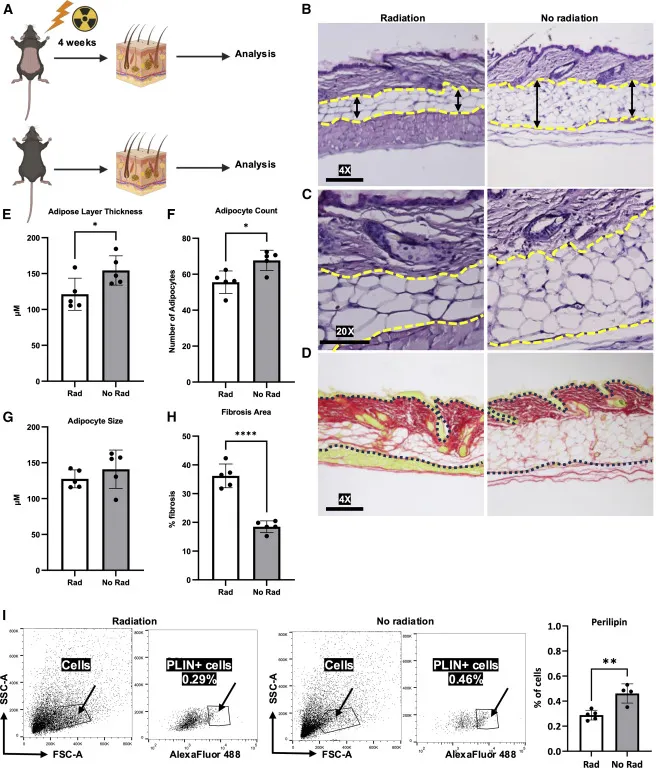
The vehicle used in the research was essentially an ethanol/propylene glycol/oleic acid system. Ethanol and propylene glycol act as solvents/carriers, while oleic acid helps increase penetration through the skin and into the underlying fat. These are all easily acquired chemicals and not restricted in anyway. An example of a usable final formula would look something like this:
| Component | Typical % | Role |
| Rosiglitazone (preferably maleate) | 0.1 – 1.0% | Active |
| Anhydrous ethanol | 65 – 70% | Solvent + penetration |
| Propylene glycol | 25 – 30% | Co-solvent + humectant (keeps skin hydrated) |
| Oleic acid | 1 – 5% | Critical penetration enhancer |
| Hydroxypropylcellulose | 1 – 2% | Thickener |
| (Optional) α-tocopherol | ~0.002% | Antioxidant |
-
- Dissolve the rosiglitazone in the ethanol.
- Add propylene glycol + oleic acid and mix.
- Add the hydroxypropylcellulose and mix until a uniform gel forms.
Cost and Sourcing [HYPOTHETICAL]
Active
- Rosiglitazone maleate: (research powder ≥98%):
100 mg ≈ $40–80
500 mg ≈ $150–250
1 g ≈ $50–350 (cheaper bulk chinese sources)
For a 1% gel you need 1 g active per 100 g finished product. A few hundred mg is enough for multiple small test batches.
Vehicle components
- Anhydrous ethanol (200 proof / absolute):
1 Liter ≈ $20–80
You need ~70 g per 100g of gel, a liter lasts a long time.
- Propylene glycol USP:
1 Liter ≈ $30-80
You need ~25–30 g per 100 g gel.
- Oleic acid (cosmetic grade or ≥90–99%):
100–500 mL ≈ $10–40
You need 3 g per 100 g gel
- Hydroxypropyl cellulose:
100 g ≈ $15–40
You need 1–2 g per 100 g gel.
Total estimate per 100-200g of 1% gel:
$200-$300
Potential risks
[IMPORTANT]
Skin irritation / dermatitis$200-$300
Potential risks
[IMPORTANT]
A penetrating vehicle containing ethanol and oleic acid can irritate the thin skin around the eyes. Periocular dermatitis can cause redness, burning, itching, swelling, and sometimes secondary infection.
Management: avoid irritated or damaged skin, stop exposure if a reaction develops, and have persistent reactions evaluated by a dermatologist rather than trying to treat them yourself.
Uneven or excessive fat growth
Adipogenesis isn't perfectly controllable. Instead of producing a smooth amount of tissue, it could theoretically create asymmetry, lumps, puffiness, or an overfilled appearance. The under eye region is particularly unforgiving because even small irregularities can be visible. The anatomy is also extremely thin and close to important vessels and orbital structures.
This can also cause proptosis, where the eye bulges outward


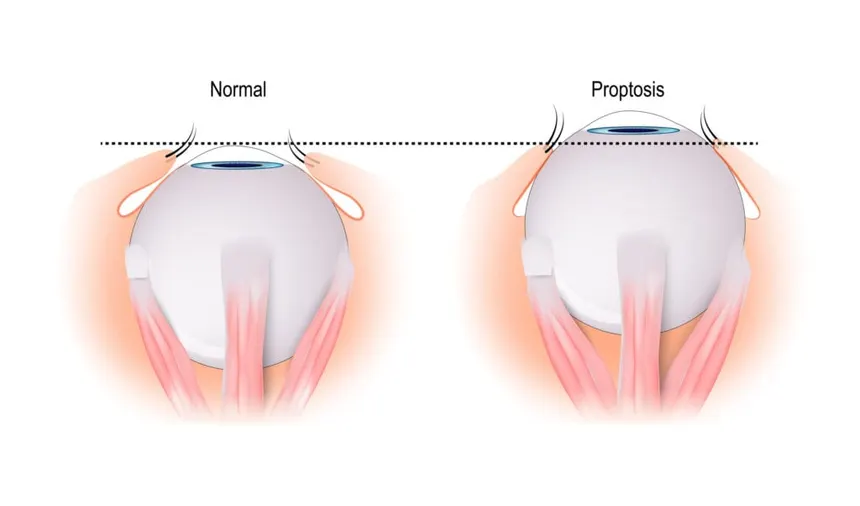
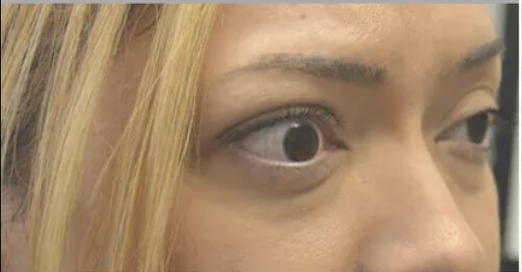
Prolonged swelling or edema
Rosiglitazone can cause fluid retention systemically, and the eyelid/infraorbital region is particularly prone to visible swelling. The FDA prescribing information specifically warns about edema, rapid weight gain, and heart failure with rosiglitazone.
Systemic absorption
Even when the objective is local delivery, some drug can enter the circulation. The mini pig patent results showing negligible blood concentrations don't establish that the same thing would happen with human facial skin.
Accidental eye exposure
A formulation containing penetration enhancers and rosiglitazone isn't designed to be safe if it comes in contact with your eyes. Accidental migration into the eye could cause irritation or inflammation.
Long term unknown sides
The biggest scientific gap is simply that long term human safety data for local adipogenesis don't exist. The animal results establish that it causes local fat growth, not that repeated treatment around human eyes is safe.
There are currently no reliable percentages for the complication rates of topical rosiglitazone under the eyes. Animal studies demonstrate local fat growth with negligible to non existent side effects. These are POTENTIAL side effects and there is no established data on how humans may react, and how likely these complications are.
This thread is for informational and research purposes only. Nothing presented here constitutes medical advice, medical treatment, or instructions for self-experimentation or drug use. The information is based on available research, patents, and scientific literature and may be incomplete or inapplicable to humans. Experimental use of any drug or formulation carries potential risks, particularly around sensitive areas such as the eyes. I do not recommend or encourage anyone to reproduce, modify, or perform the procedures discussed here, and I cannot accept responsibility or liability for any injury, adverse effect, damage, or other consequences resulting from how anyone chooses to use or act on the information in this thread.
This thread is for informational and research purposes only. Nothing presented here constitutes medical advice, medical treatment, or instructions for self-experimentation or drug use. The information is based on available research, patents, and scientific literature and may be incomplete or inapplicable to humans. Experimental use of any drug or formulation carries potential risks, particularly around sensitive areas such as the eyes. I do not recommend or encourage anyone to reproduce, modify, or perform the procedures discussed here, and I cannot accept responsibility or liability for any injury, adverse effect, damage, or other consequences resulting from how anyone chooses to use or act on the information in this thread.
@plumbus
AIslop TL;DR:
Local adipogenesis is the experimental idea of stimulating new or enlarged fat cells in a specific area, potentially restoring volume to hollow regions such as the under-eyes, temples, or midface. Although animal studies suggest agents like rosiglitazone can increase localized fat, human safety and effectiveness—especially around the eyes—have not been established, with risks including irritation, swelling, uneven growth, systemic absorption, and unknown long-term effects.
Pls rep and bump bhais

Topokine Therapeutics — US8883834B2, “Methods and compositions for locally increasing body fat”
This is the primary patent for the local rosiglitazone approach, including the mouse studies, local subcutaneous fat increase, and the concept of percutaneous delivery.
Topokine Therapeutics — US8778981
This is the earlier related patent in the same patent family describing methods for locally increasing body fat using thiazolidinediones such as rosiglitazone. The US8883834 patent explicitly identifies it as the parent application.
Topokine Therapeutics — WO2015179282A1, “Topical compositions comprising a thiazolidinedione”
Particularly relevant to the formulation/penetration discussion. It describes topical TZD compositions containing an alcohol and oleic acid and explains the distinction between superficial, transdermal, and percutaneous delivery.
Topokine patent Example 3 — topical rosiglitazone formulation
This is the source for the specific experimental composition involving rosiglitazone, ethanol, propylene glycol, oleic acid, hydroxypropylcellulose and α-tocopherol.
Sarsasapogenin / Volufiline — US8361516B2, “Composition comprising sarsasapogenin”
This contains the manufacturer-associated human study of topical 5% sarsasapogenin, including the 28 evaluable subjects, 56-day application period, and reported 2.2% mean breast-volume increase.
WO2008015639A2 — Composition comprising sarsasapogenin
Another publication of the sarsasapogenin data, including the 56-day breast-volume measurements and study results.
This is the primary patent for the local rosiglitazone approach, including the mouse studies, local subcutaneous fat increase, and the concept of percutaneous delivery.
Topokine Therapeutics — US8778981
This is the earlier related patent in the same patent family describing methods for locally increasing body fat using thiazolidinediones such as rosiglitazone. The US8883834 patent explicitly identifies it as the parent application.
Topokine Therapeutics — WO2015179282A1, “Topical compositions comprising a thiazolidinedione”
Particularly relevant to the formulation/penetration discussion. It describes topical TZD compositions containing an alcohol and oleic acid and explains the distinction between superficial, transdermal, and percutaneous delivery.
Topokine patent Example 3 — topical rosiglitazone formulation
This is the source for the specific experimental composition involving rosiglitazone, ethanol, propylene glycol, oleic acid, hydroxypropylcellulose and α-tocopherol.
Sarsasapogenin / Volufiline — US8361516B2, “Composition comprising sarsasapogenin”
This contains the manufacturer-associated human study of topical 5% sarsasapogenin, including the 28 evaluable subjects, 56-day application period, and reported 2.2% mean breast-volume increase.
WO2008015639A2 — Composition comprising sarsasapogenin
Another publication of the sarsasapogenin data, including the 56-day breast-volume measurements and study results.


