LOWERING THE CONC OF HYDROQUINONE (chill out guide )

Askinov

Askinov

*π’π“π”π…π…Μπ“πŽπ†π€πˆπ*
Joined
Oct 31, 2025
Posts
3,358
Reputation
7,408

FOR EDUCATION PURPOSE


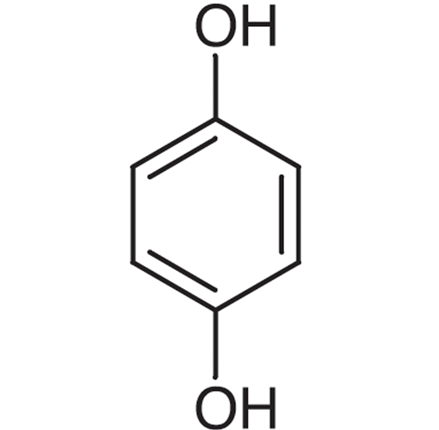
Hydroquinone is a phenolic compound it consists of a benzene ring and two OH ion group attached in para position its another name is ( benzene 1-4 diol ) the OH has two lone pair one attached to resonance structure and other chillin out so the lone pair is actually attached to pi bond and pi bond is a weak bond so its unstable because it is attached to pi bond its highly unstable cause the bond may break any time and the hydroquinone goes to oxidation at any time when exposed to air and light making it 1,4 benzoquinone which is also highly unstable ok it will turn brown dark brown or black in color when oxidized . it is sp2 hybridized 3 sigma bond and one lone pair wont count cause it is attached to resonance structure and one is not bonded

Hydroquinone is highly stable in acidic condition as you can see why

Hydroquinone is stable in acidic conditions because the high concentration of protons H+ suppresses its ionization and prevents oxidation into p-benzoquinone. Acids neutralize the reactive, easily oxidized phenoxide ions and semiquinone intermediates, locking hydroquinone in its neutral, stable form and preventing further degradation into p - benzoquinone or 1,4 benzoquinone

so what's the PH of this 3.5 to 5.5 lets not get its PH above 6

so is it unstable in basic condition well see it

Hydroquinone is unstable in basic conditions because its hydroxyl groups readily deprotonate, forming highly reactive phenoxide ions. These ions are incredibly sensitive to oxygen and easily undergo rapid auto-oxidation to form p-benzoquinone, which causes the solution to darken and lose its chemical effectiveness


rxn is this keep in mind C6H6O2 + O2 -------(LIGHT)--------- C6H4O2 + H202 RXN is already balanced so lets get to a real deal
1779255604892


so how to lower its conc this is imp

SO what do we know now sir we can dilute hydroquinone in 3.5 to 5.5 PH condition id say put it 3.5 so we can do a PH test but nah its unnecessary

never mix with peroxides ( etc hydrogen peroxide or benzoyl peroxide ) with phenol

SO day to day life compound with this PH what r these there are many but at 1st

Cetomacrogol Cream( basic cream )

basic cream ? we need to buffer this cream down its pretty neutral ill say but we have easy shi so we get down to other

Hyaluronic Acid Serums

so this is over the counter thing we can get this at any place ig this has PH of 4.5 to 4 lets say the only risk is to mix and this should be done in dim light ok yeah and if yo ass sees sum dark brown shi throw that away


To calculate how to dilute your 4% hydroquinone into a 1%, 2%, or 3% solution, you use the standard chemistry dilution formula taught (C1V1 = C2V2).
C1 = Initial concentration 4%
V1 = Volume of the 4% cream/solution you start with
C2 = Target concentration 1% .2%, or 3%
V2= Final volume of the mixture (V1+ amount of diluent added)


To make a 2% Solution (a 1:2 dilution)

4%* 10g=2% * V2 V2=20 total weight.
Take 10g OF 4% Hydroquinone and add 10g of Ha. 1 % is actually we need soo

to make a 1 % conc

10 g of 4 % hydroquinone and add 30g of ha

to make 3 %

unnecessary ig

NOW we add powerful anti oxidants cause Ros is created in hydroquinone via auto oxidation on free state

i got a few option l-vitamin c, vitamin e ,citric acid butylated Hydroxytoluene but i see Sodium Metabisulfite is a good one
or we can add all yk what i mean

.Sodium Metabisulfite 0.2–0.3% + Ascorbic Acid 1% + Citric Acid 0.2–0.5%


sodium Metabisulfite: 0.1 g per 40 g of final cream (0.25%)
Ascorbic Acid: 0.4 g per 40 g of final cream (1%)
Citric Acid: 0.1 g per 40 g of final cream (0.25%)

1st dissolve these in to propylene glycol small amount and then mix with HA the amount i told ok then mix the HA with HQ final verdict

niggas my HQ is finished ill try it when ill buy it next time

CONSIDERATION

work on dim light

mix everything quick but 1st prepare the HA with antioxidant solution

then add HQ mix quick store it in air tight shi in fridge


@Navity @Sycophant @kdev @BigBallsHisty @teddy101


GRADE 12 CHEMISTRY BTW


Last edited:

  • +1
  • Love it
Reactions: Ibl4meinfras, anshumangupta0004, Nodal and 11 others
Been waiting for this one
 
  • +1
Reactions: Sycophant, Deleted member 351479, Orion's Eclipse and 3 others
@Disturbed @Jason Voorhees yo iit ass tell me if its right or wrong
 
  • +1
Reactions: Disturbed, Histy, Sycophant and 5 others
Nice thread
 
  • +1
Reactions: Sycophant, Deleted member 351479, Orion's Eclipse and 2 others
Dnr, all this trouble for nothing, while ranjit from indiamart sells it for half a dollar a pop
 
  • JFL
  • +1
Reactions: fraudster#1, Orion's Eclipse, Askinov and 1 other person
  • +1
Reactions: Sycophant, Deleted member 351479, Orion's Eclipse and 2 others
Dnr, all this trouble for nothing, while ranjit from indiamart sells it for half a dollar a pop
yeah not even guide have you heard just for fun
 
  • +1
Reactions: Sycophant, Deleted member 351479, Orion's Eclipse and 2 others
Dnr, all this trouble for nothing, while ranjit from indiamart sells it for half a dollar a pop
funny enough i applied what i learned tho but rep me pls
 
  • +1
  • Woah
Reactions: Sycophant, Deleted member 351479, Orion's Eclipse and 2 others
@Sayori not for botb but check out this drama i caused @literallytaxidriver @Vireon

@β˜„ πŽπ‘πˆπ‚π‡π€π‹π‚πŽπ β˜„

@reda2010

 
  • +1
Reactions: Deleted member 159945, reda2010, Sycophant and 4 others

@sivsiii @nazarX

@slaviccartfiend

@anshumangupta0004

@jeoyw9192

 
  • +1
Reactions: sivsiii, Sycophant, Deleted member 351479 and 2 others
  • +1
Reactions: Sycophant, Deleted member 351479, Orion's Eclipse and 1 other person
@xXXxZeusxXXx @N1kolai @Jesus_ist_KΓΆnig
 
  • +1
Reactions: xXXxZeusxXXx, Sycophant, Deleted member 351479 and 2 others
  • +1
Reactions: Sycophant, Deleted member 351479, Orion's Eclipse and 1 other person

FOR EDUCATION PURPOSE


Hydroquinone is a phenolic compound it consists of a benzene ring and two OH ion group attached in para position its another name is ( benzene 1-4 diol ) the OH has two lone pair one attached to resonance structure and other chillin out so the lone pair is actually attached to pi bond and pi bond is a weak bond so its unstable because it is attached to pi bond its highly unstable cause the bond may break any time and the hydroquinone goes to oxidation at any time when exposed to air and light making it 1,4 benzoquinone which is also highly unstable ok it will turn brown dark brown or black in color when oxidized . it is sp2 hybridized 3 sigma bond and one lone pair wont count cause it is attached to resonance structure and one is not bonded

Hydroquinone is highly stable in acidic condition as you can see why

Hydroquinone is stable in acidic conditions because the high concentration of protons H+ suppresses its ionization and prevents oxidation into p-benzoquinone. Acids neutralize the reactive, easily oxidized phenoxide ions and semiquinone intermediates, locking hydroquinone in its neutral, stable form and preventing further degradation into p - benzoquinone or 1,4 benzoquinone

so what's the PH of this 3.5 to 5.5 lets not get its PH above 6

so is it unstable in basic condition well see it

Hydroquinone is unstable in basic conditions because its hydroxyl groups readily deprotonate, forming highly reactive phenoxide ions. These ions are incredibly sensitive to oxygen and easily undergo rapid auto-oxidation to form p-benzoquinone, which causes the solution to darken and lose its chemical effectiveness


rxn is this keep in mind C6H6O2 + O2 -------(LIGHT)--------- C6H4O2 + H202 RXN is already balanced so lets get to a real deal

View attachment 5089987

so how to lower its conc this is imp

SO what do we know now sir we can dilute hydroquinone in 3.5 to 5.5 PH condition id say put it 3.5 so we can do a PH test but nah its unnecessary

never mix with peroxides ( etc hydrogen peroxide or benzoyl peroxide ) with phenol

SO day to day life compound with this PH what r these there are many but at 1st

Cetomacrogol Cream( basic cream )

basic cream ? we need to buffer this cream down its pretty neutral ill say but we have easy shi so we get down to other

Hyaluronic Acid Serums

so this is over the counter thing we can get this at any place ig this has PH of 4.5 to 4 lets say the only risk is to mix and this should be done in dim light ok yeah and if yo ass sees sum dark brown shi throw that away


To calculate how to dilute your 4% hydroquinone into a 1%, 2%, or 3% solution, you use the standard chemistry dilution formula taught (C1V1 = C2V2).
C1 = Initial concentration 4%
V1 = Volume of the 4% cream/solution you start with
C2 = Target concentration 1% .2%, or 3%
V2= Final volume of the mixture (V1+ amount of diluent added)


To make a 2% Solution (a 1:2 dilution)

4%* 10g=2% * V2 V2=20 total weight.
Take 10g OF 4% Hydroquinone and add 10g of Ha. 1 % is actually we need soo

to make a 1 % conc

10 g of 4 % hydroquinone and add 30g of ha

to make 3 %

unnecessary ig

NOW we add powerful anti oxidants cause Ros is created in hydroquinone via auto oxidation on free state

i got a few option l-vitamin c, vitamin e ,citric acid butylated Hydroxytoluene but i see Sodium Metabisulfite is a good one
or we can add all yk what i mean

.Sodium Metabisulfite 0.2–0.3% + Ascorbic Acid 1% + Citric Acid 0.2–0.5%


sodium Metabisulfite: 0.1 g per 40 g of final cream (0.25%)
Ascorbic Acid: 0.4 g per 40 g of final cream (1%)
Citric Acid: 0.1 g per 40 g of final cream (0.25%)

1st dissolve these in to propylene glycol small amount and then mix with HA the amount i told ok then mix the HA with HQ final verdict

niggas my HQ is finished ill try it when ill buy it next time

CONSIDERATION

work on dim light

mix everything quick but 1st prepare the HA with antioxidant solution

then add HQ mix quick store it in air tight shi in fridge


@Navity @Sycophant @kdev @BigBallsHisty @teddy101


I skimmed I forgot everything

= Dnr monobenzone or rot as ethnic
 
  • +1
Reactions: Sycophant, Deleted member 351479, Orion's Eclipse and 1 other person
I skimmed I forgot everything

= Dnr monobenzone or rot as ethnic
Its for lips and under eye area where you cant apply hydroquinone or powerful compund
 
  • +1
Reactions: bloatmonster, Sycophant, Deleted member 351479 and 2 others
I skimmed I forgot everything

= Dnr monobenzone or rot as ethnic
Wait but rep it plus my after my next guide is monobenzone
 
  • +1
Reactions: Sycophant, Deleted member 351479, Orion's Eclipse and 1 other person
DNR
 
  • +1
Reactions: Sycophant, Deleted member 351479 and Orion's Eclipse
Mirin the effort bhai:feelshmm:
 
  • +1
Reactions: Sycophant, Deleted member 351479 and Askinov
  • +1
Reactions: Orion's Eclipse and Deleted member 351479
Thanks for the tag, bhai, also mirin this thread:feelsez:
 
  • +1
Reactions: Sayori, Orion's Eclipse and Askinov
good shit, will read
 
  • +1
Reactions: claudemogyami, rolqof, Deleted member 351479 and 1 other person
  • +1
Reactions: Deleted member 351479 and literallytaxidriver

FOR EDUCATION PURPOSE


Hydroquinone is a phenolic compound it consists of a benzene ring and two OH ion group attached in para position its another name is ( benzene 1-4 diol ) the OH has two lone pair one attached to resonance structure and other chillin out so the lone pair is actually attached to pi bond and pi bond is a weak bond so its unstable because it is attached to pi bond its highly unstable cause the bond may break any time and the hydroquinone goes to oxidation at any time when exposed to air and light making it 1,4 benzoquinone which is also highly unstable ok it will turn brown dark brown or black in color when oxidized . it is sp2 hybridized 3 sigma bond and one lone pair wont count cause it is attached to resonance structure and one is not bonded

Hydroquinone is highly stable in acidic condition as you can see why

Hydroquinone is stable in acidic conditions because the high concentration of protons H+ suppresses its ionization and prevents oxidation into p-benzoquinone. Acids neutralize the reactive, easily oxidized phenoxide ions and semiquinone intermediates, locking hydroquinone in its neutral, stable form and preventing further degradation into p - benzoquinone or 1,4 benzoquinone

so what's the PH of this 3.5 to 5.5 lets not get its PH above 6

so is it unstable in basic condition well see it

Hydroquinone is unstable in basic conditions because its hydroxyl groups readily deprotonate, forming highly reactive phenoxide ions. These ions are incredibly sensitive to oxygen and easily undergo rapid auto-oxidation to form p-benzoquinone, which causes the solution to darken and lose its chemical effectiveness


rxn is this keep in mind C6H6O2 + O2 -------(LIGHT)--------- C6H4O2 + H202 RXN is already balanced so lets get to a real deal

View attachment 5089987

so how to lower its conc this is imp

SO what do we know now sir we can dilute hydroquinone in 3.5 to 5.5 PH condition id say put it 3.5 so we can do a PH test but nah its unnecessary

never mix with peroxides ( etc hydrogen peroxide or benzoyl peroxide ) with phenol

SO day to day life compound with this PH what r these there are many but at 1st

Cetomacrogol Cream( basic cream )

basic cream ? we need to buffer this cream down its pretty neutral ill say but we have easy shi so we get down to other

Hyaluronic Acid Serums

so this is over the counter thing we can get this at any place ig this has PH of 4.5 to 4 lets say the only risk is to mix and this should be done in dim light ok yeah and if yo ass sees sum dark brown shi throw that away


To calculate how to dilute your 4% hydroquinone into a 1%, 2%, or 3% solution, you use the standard chemistry dilution formula taught (C1V1 = C2V2).
C1 = Initial concentration 4%
V1 = Volume of the 4% cream/solution you start with
C2 = Target concentration 1% .2%, or 3%
V2= Final volume of the mixture (V1+ amount of diluent added)


To make a 2% Solution (a 1:2 dilution)

4%* 10g=2% * V2 V2=20 total weight.
Take 10g OF 4% Hydroquinone and add 10g of Ha. 1 % is actually we need soo

to make a 1 % conc

10 g of 4 % hydroquinone and add 30g of ha

to make 3 %

unnecessary ig

NOW we add powerful anti oxidants cause Ros is created in hydroquinone via auto oxidation on free state

i got a few option l-vitamin c, vitamin e ,citric acid butylated Hydroxytoluene but i see Sodium Metabisulfite is a good one
or we can add all yk what i mean

.Sodium Metabisulfite 0.2–0.3% + Ascorbic Acid 1% + Citric Acid 0.2–0.5%


sodium Metabisulfite: 0.1 g per 40 g of final cream (0.25%)
Ascorbic Acid: 0.4 g per 40 g of final cream (1%)
Citric Acid: 0.1 g per 40 g of final cream (0.25%)

1st dissolve these in to propylene glycol small amount and then mix with HA the amount i told ok then mix the HA with HQ final verdict

niggas my HQ is finished ill try it when ill buy it next time

CONSIDERATION

work on dim light

mix everything quick but 1st prepare the HA with antioxidant solution

then add HQ mix quick store it in air tight shi in fridge


@Navity @Sycophant @kdev @BigBallsHisty @teddy101


GRADE 12 CHEMISTRY BTW


When you purchase hydroquinone it comes in a cream that is already formulated for performance, however this is a great start if you want to make your own cream nice job

I suggest making a new thread titled " how to make your own hydroquinone cream at home " make the title all caps of course

Then teach users a great formula for creating it that includes cost
 
Last edited:
  • +1
Reactions: Deleted member 351479, Histy and Askinov
When you purchase hydroquinone it comes in a cream that is already formulated for performance, however this is a great start if you want to make your own cream nice jon

I suggest making a new thread titled " how to make your own hydroquinone cream at home " make the title all caps of course

Then teach users a great formula for creating it that includes cost
High iq idea but let me edit my eye area nd lip area guide for botb then since monobezone is samw family of hq ill cover that too
 
  • +1
Reactions: Deleted member 351479 and Sayori
When you purchase hydroquinone it comes in a cream that is already formulated for performance, however this is a great start if you want to make your own cream nice job

I suggest making a new thread titled " how to make your own hydroquinone cream at home " make the title all caps of course

Then teach users a great formula for creating it that includes cost
But from this research i found Hq needs to be made on high controlled area and condition and in controlled time when yo expose hq in air be sure its gonna oxidised fast . might be hard but ill try it any way:Smoge:
 
  • +1
Reactions: Deleted member 351479
Bump
 
  • +1
Reactions: Deleted member 351479

FOR EDUCATION PURPOSE


Hydroquinone is a phenolic compound it consists of a benzene ring and two OH ion group attached in para position its another name is ( benzene 1-4 diol ) the OH has two lone pair one attached to resonance structure and other chillin out so the lone pair is actually attached to pi bond and pi bond is a weak bond so its unstable because it is attached to pi bond its highly unstable cause the bond may break any time and the hydroquinone goes to oxidation at any time when exposed to air and light making it 1,4 benzoquinone which is also highly unstable ok it will turn brown dark brown or black in color when oxidized . it is sp2 hybridized 3 sigma bond and one lone pair wont count cause it is attached to resonance structure and one is not bonded

Hydroquinone is highly stable in acidic condition as you can see why

Hydroquinone is stable in acidic conditions because the high concentration of protons H+ suppresses its ionization and prevents oxidation into p-benzoquinone. Acids neutralize the reactive, easily oxidized phenoxide ions and semiquinone intermediates, locking hydroquinone in its neutral, stable form and preventing further degradation into p - benzoquinone or 1,4 benzoquinone

so what's the PH of this 3.5 to 5.5 lets not get its PH above 6

so is it unstable in basic condition well see it

Hydroquinone is unstable in basic conditions because its hydroxyl groups readily deprotonate, forming highly reactive phenoxide ions. These ions are incredibly sensitive to oxygen and easily undergo rapid auto-oxidation to form p-benzoquinone, which causes the solution to darken and lose its chemical effectiveness


rxn is this keep in mind C6H6O2 + O2 -------(LIGHT)--------- C6H4O2 + H202 RXN is already balanced so lets get to a real deal

View attachment 5089987

so how to lower its conc this is imp

SO what do we know now sir we can dilute hydroquinone in 3.5 to 5.5 PH condition id say put it 3.5 so we can do a PH test but nah its unnecessary

never mix with peroxides ( etc hydrogen peroxide or benzoyl peroxide ) with phenol

SO day to day life compound with this PH what r these there are many but at 1st

Cetomacrogol Cream( basic cream )

basic cream ? we need to buffer this cream down its pretty neutral ill say but we have easy shi so we get down to other

Hyaluronic Acid Serums

so this is over the counter thing we can get this at any place ig this has PH of 4.5 to 4 lets say the only risk is to mix and this should be done in dim light ok yeah and if yo ass sees sum dark brown shi throw that away


To calculate how to dilute your 4% hydroquinone into a 1%, 2%, or 3% solution, you use the standard chemistry dilution formula taught (C1V1 = C2V2).
C1 = Initial concentration 4%
V1 = Volume of the 4% cream/solution you start with
C2 = Target concentration 1% .2%, or 3%
V2= Final volume of the mixture (V1+ amount of diluent added)


To make a 2% Solution (a 1:2 dilution)

4%* 10g=2% * V2 V2=20 total weight.
Take 10g OF 4% Hydroquinone and add 10g of Ha. 1 % is actually we need soo

to make a 1 % conc

10 g of 4 % hydroquinone and add 30g of ha

to make 3 %

unnecessary ig

NOW we add powerful anti oxidants cause Ros is created in hydroquinone via auto oxidation on free state

i got a few option l-vitamin c, vitamin e ,citric acid butylated Hydroxytoluene but i see Sodium Metabisulfite is a good one
or we can add all yk what i mean

.Sodium Metabisulfite 0.2–0.3% + Ascorbic Acid 1% + Citric Acid 0.2–0.5%


sodium Metabisulfite: 0.1 g per 40 g of final cream (0.25%)
Ascorbic Acid: 0.4 g per 40 g of final cream (1%)
Citric Acid: 0.1 g per 40 g of final cream (0.25%)

1st dissolve these in to propylene glycol small amount and then mix with HA the amount i told ok then mix the HA with HQ final verdict

niggas my HQ is finished ill try it when ill buy it next time

CONSIDERATION

work on dim light

mix everything quick but 1st prepare the HA with antioxidant solution

then add HQ mix quick store it in air tight shi in fridge


@Navity @Sycophant @kdev @BigBallsHisty @teddy101


GRADE 12 CHEMISTRY BTW
Amazing thread boyo , mirin
When you purchase hydroquinone it comes in a cream that is already formulated for performance, however this is a great start if you want to make your own cream nice job

I suggest making a new thread titled " how to make your own hydroquinone cream at home " make the title all caps of course

Then teach users a great formula for creating it that includes cost
I support also what Sayori said as well.
 
  • +1
  • Love it
Reactions: Navity, Deleted member 351479, Askinov and 1 other person
But from this research i found Hq needs to be made on high controlled area and condition and in controlled time when yo expose hq in air be sure its gonna oxidised fast . might be hard but ill try it any way:Smoge:
Amazing thread boyo , mirin

I support also what Sayori said as well.
Will do it any way cause im cool
Art Illustration GIF
 
  • +1
  • Love it
Reactions: Navity, Sayori, Deleted member 351479 and 1 other person

FOR EDUCATION PURPOSE


Hydroquinone is a phenolic compound it consists of a benzene ring and two OH ion group attached in para position its another name is ( benzene 1-4 diol ) the OH has two lone pair one attached to resonance structure and other chillin out so the lone pair is actually attached to pi bond and pi bond is a weak bond so its unstable because it is attached to pi bond its highly unstable cause the bond may break any time and the hydroquinone goes to oxidation at any time when exposed to air and light making it 1,4 benzoquinone which is also highly unstable ok it will turn brown dark brown or black in color when oxidized . it is sp2 hybridized 3 sigma bond and one lone pair wont count cause it is attached to resonance structure and one is not bonded

Hydroquinone is highly stable in acidic condition as you can see why

Hydroquinone is stable in acidic conditions because the high concentration of protons H+ suppresses its ionization and prevents oxidation into p-benzoquinone. Acids neutralize the reactive, easily oxidized phenoxide ions and semiquinone intermediates, locking hydroquinone in its neutral, stable form and preventing further degradation into p - benzoquinone or 1,4 benzoquinone

so what's the PH of this 3.5 to 5.5 lets not get its PH above 6

so is it unstable in basic condition well see it

Hydroquinone is unstable in basic conditions because its hydroxyl groups readily deprotonate, forming highly reactive phenoxide ions. These ions are incredibly sensitive to oxygen and easily undergo rapid auto-oxidation to form p-benzoquinone, which causes the solution to darken and lose its chemical effectiveness


rxn is this keep in mind C6H6O2 + O2 -------(LIGHT)--------- C6H4O2 + H202 RXN is already balanced so lets get to a real deal

View attachment 5089987

so how to lower its conc this is imp

SO what do we know now sir we can dilute hydroquinone in 3.5 to 5.5 PH condition id say put it 3.5 so we can do a PH test but nah its unnecessary

never mix with peroxides ( etc hydrogen peroxide or benzoyl peroxide ) with phenol

SO day to day life compound with this PH what r these there are many but at 1st

Cetomacrogol Cream( basic cream )

basic cream ? we need to buffer this cream down its pretty neutral ill say but we have easy shi so we get down to other

Hyaluronic Acid Serums

so this is over the counter thing we can get this at any place ig this has PH of 4.5 to 4 lets say the only risk is to mix and this should be done in dim light ok yeah and if yo ass sees sum dark brown shi throw that away


To calculate how to dilute your 4% hydroquinone into a 1%, 2%, or 3% solution, you use the standard chemistry dilution formula taught (C1V1 = C2V2).
C1 = Initial concentration 4%
V1 = Volume of the 4% cream/solution you start with
C2 = Target concentration 1% .2%, or 3%
V2= Final volume of the mixture (V1+ amount of diluent added)


To make a 2% Solution (a 1:2 dilution)

4%* 10g=2% * V2 V2=20 total weight.
Take 10g OF 4% Hydroquinone and add 10g of Ha. 1 % is actually we need soo

to make a 1 % conc

10 g of 4 % hydroquinone and add 30g of ha

to make 3 %

unnecessary ig

NOW we add powerful anti oxidants cause Ros is created in hydroquinone via auto oxidation on free state

i got a few option l-vitamin c, vitamin e ,citric acid butylated Hydroxytoluene but i see Sodium Metabisulfite is a good one
or we can add all yk what i mean

.Sodium Metabisulfite 0.2–0.3% + Ascorbic Acid 1% + Citric Acid 0.2–0.5%


sodium Metabisulfite: 0.1 g per 40 g of final cream (0.25%)
Ascorbic Acid: 0.4 g per 40 g of final cream (1%)
Citric Acid: 0.1 g per 40 g of final cream (0.25%)

1st dissolve these in to propylene glycol small amount and then mix with HA the amount i told ok then mix the HA with HQ final verdict

niggas my HQ is finished ill try it when ill buy it next time

CONSIDERATION

work on dim light

mix everything quick but 1st prepare the HA with antioxidant solution

then add HQ mix quick store it in air tight shi in fridge


@Navity @Sycophant @kdev @BigBallsHisty @teddy101


GRADE 12 CHEMISTRY BTW


SRY FOR 1%ITS 40 GM OF HA
 
  • +1
Reactions: Deleted member 351479
  • Woah
  • JFL
Reactions: Navity and Askinov
  • +1
Reactions: Disturbed and Navity

FOR EDUCATION PURPOSE


Hydroquinone is a phenolic compound it consists of a benzene ring and two OH ion group attached in para position its another name is ( benzene 1-4 diol ) the OH has two lone pair one attached to resonance structure and other chillin out so the lone pair is actually attached to pi bond and pi bond is a weak bond so its unstable because it is attached to pi bond its highly unstable cause the bond may break any time and the hydroquinone goes to oxidation at any time when exposed to air and light making it 1,4 benzoquinone which is also highly unstable ok it will turn brown dark brown or black in color when oxidized . it is sp2 hybridized 3 sigma bond and one lone pair wont count cause it is attached to resonance structure and one is not bonded

Hydroquinone is highly stable in acidic condition as you can see why

Hydroquinone is stable in acidic conditions because the high concentration of protons H+ suppresses its ionization and prevents oxidation into p-benzoquinone. Acids neutralize the reactive, easily oxidized phenoxide ions and semiquinone intermediates, locking hydroquinone in its neutral, stable form and preventing further degradation into p - benzoquinone or 1,4 benzoquinone

so what's the PH of this 3.5 to 5.5 lets not get its PH above 6

so is it unstable in basic condition well see it

Hydroquinone is unstable in basic conditions because its hydroxyl groups readily deprotonate, forming highly reactive phenoxide ions. These ions are incredibly sensitive to oxygen and easily undergo rapid auto-oxidation to form p-benzoquinone, which causes the solution to darken and lose its chemical effectiveness


rxn is this keep in mind C6H6O2 + O2 -------(LIGHT)--------- C6H4O2 + H202 RXN is already balanced so lets get to a real deal

View attachment 5089987

so how to lower its conc this is imp

SO what do we know now sir we can dilute hydroquinone in 3.5 to 5.5 PH condition id say put it 3.5 so we can do a PH test but nah its unnecessary

never mix with peroxides ( etc hydrogen peroxide or benzoyl peroxide ) with phenol

SO day to day life compound with this PH what r these there are many but at 1st

Cetomacrogol Cream( basic cream )

basic cream ? we need to buffer this cream down its pretty neutral ill say but we have easy shi so we get down to other

Hyaluronic Acid Serums

so this is over the counter thing we can get this at any place ig this has PH of 4.5 to 4 lets say the only risk is to mix and this should be done in dim light ok yeah and if yo ass sees sum dark brown shi throw that away


To calculate how to dilute your 4% hydroquinone into a 1%, 2%, or 3% solution, you use the standard chemistry dilution formula taught (C1V1 = C2V2).
C1 = Initial concentration 4%
V1 = Volume of the 4% cream/solution you start with
C2 = Target concentration 1% .2%, or 3%
V2= Final volume of the mixture (V1+ amount of diluent added)


To make a 2% Solution (a 1:2 dilution)

4%* 10g=2% * V2 V2=20 total weight.
Take 10g OF 4% Hydroquinone and add 10g of Ha. 1 % is actually we need soo

to make a 1 % conc

10 g of 4 % hydroquinone and add 30g of ha

to make 3 %

unnecessary ig

NOW we add powerful anti oxidants cause Ros is created in hydroquinone via auto oxidation on free state

i got a few option l-vitamin c, vitamin e ,citric acid butylated Hydroxytoluene but i see Sodium Metabisulfite is a good one
or we can add all yk what i mean

.Sodium Metabisulfite 0.2–0.3% + Ascorbic Acid 1% + Citric Acid 0.2–0.5%


sodium Metabisulfite: 0.1 g per 40 g of final cream (0.25%)
Ascorbic Acid: 0.4 g per 40 g of final cream (1%)
Citric Acid: 0.1 g per 40 g of final cream (0.25%)

1st dissolve these in to propylene glycol small amount and then mix with HA the amount i told ok then mix the HA with HQ final verdict

niggas my HQ is finished ill try it when ill buy it next time

CONSIDERATION

work on dim light

mix everything quick but 1st prepare the HA with antioxidant solution

then add HQ mix quick store it in air tight shi in fridge


@Navity @Sycophant @kdev @BigBallsHisty @teddy101


GRADE 12 CHEMISTRY BTW


Wrong subforum bro
 
  • +1
Reactions: Askinov
  • +1
Reactions: Disturbed
  • +1
Reactions: Nodal and Divineincel
blud approaching me in posts:ogre:
 
  • +1
Reactions: Askinov
Fuck im being nerd
 

FOR EDUCATION PURPOSE


Hydroquinone is a phenolic compound it consists of a benzene ring and two OH ion group attached in para position its another name is ( benzene 1-4 diol ) the OH has two lone pair one attached to resonance structure and other chillin out so the lone pair is actually attached to pi bond and pi bond is a weak bond so its unstable because it is attached to pi bond its highly unstable cause the bond may break any time and the hydroquinone goes to oxidation at any time when exposed to air and light making it 1,4 benzoquinone which is also highly unstable ok it will turn brown dark brown or black in color when oxidized . it is sp2 hybridized 3 sigma bond and one lone pair wont count cause it is attached to resonance structure and one is not bonded

Hydroquinone is highly stable in acidic condition as you can see why

Hydroquinone is stable in acidic conditions because the high concentration of protons H+ suppresses its ionization and prevents oxidation into p-benzoquinone. Acids neutralize the reactive, easily oxidized phenoxide ions and semiquinone intermediates, locking hydroquinone in its neutral, stable form and preventing further degradation into p - benzoquinone or 1,4 benzoquinone

so what's the PH of this 3.5 to 5.5 lets not get its PH above 6

so is it unstable in basic condition well see it

Hydroquinone is unstable in basic conditions because its hydroxyl groups readily deprotonate, forming highly reactive phenoxide ions. These ions are incredibly sensitive to oxygen and easily undergo rapid auto-oxidation to form p-benzoquinone, which causes the solution to darken and lose its chemical effectiveness


rxn is this keep in mind C6H6O2 + O2 -------(LIGHT)--------- C6H4O2 + H202 RXN is already balanced so lets get to a real deal

View attachment 5089987

so how to lower its conc this is imp

SO what do we know now sir we can dilute hydroquinone in 3.5 to 5.5 PH condition id say put it 3.5 so we can do a PH test but nah its unnecessary

never mix with peroxides ( etc hydrogen peroxide or benzoyl peroxide ) with phenol

SO day to day life compound with this PH what r these there are many but at 1st

Cetomacrogol Cream( basic cream )

basic cream ? we need to buffer this cream down its pretty neutral ill say but we have easy shi so we get down to other

Hyaluronic Acid Serums

so this is over the counter thing we can get this at any place ig this has PH of 4.5 to 4 lets say the only risk is to mix and this should be done in dim light ok yeah and if yo ass sees sum dark brown shi throw that away


To calculate how to dilute your 4% hydroquinone into a 1%, 2%, or 3% solution, you use the standard chemistry dilution formula taught (C1V1 = C2V2).
C1 = Initial concentration 4%
V1 = Volume of the 4% cream/solution you start with
C2 = Target concentration 1% .2%, or 3%
V2= Final volume of the mixture (V1+ amount of diluent added)


To make a 2% Solution (a 1:2 dilution)

4%* 10g=2% * V2 V2=20 total weight.
Take 10g OF 4% Hydroquinone and add 10g of Ha. 1 % is actually we need soo

to make a 1 % conc

10 g of 4 % hydroquinone and add 30g of ha

to make 3 %

unnecessary ig

NOW we add powerful anti oxidants cause Ros is created in hydroquinone via auto oxidation on free state

i got a few option l-vitamin c, vitamin e ,citric acid butylated Hydroxytoluene but i see Sodium Metabisulfite is a good one
or we can add all yk what i mean

.Sodium Metabisulfite 0.2–0.3% + Ascorbic Acid 1% + Citric Acid 0.2–0.5%


sodium Metabisulfite: 0.1 g per 40 g of final cream (0.25%)
Ascorbic Acid: 0.4 g per 40 g of final cream (1%)
Citric Acid: 0.1 g per 40 g of final cream (0.25%)

1st dissolve these in to propylene glycol small amount and then mix with HA the amount i told ok then mix the HA with HQ final verdict

niggas my HQ is finished ill try it when ill buy it next time

CONSIDERATION

work on dim light

mix everything quick but 1st prepare the HA with antioxidant solution

then add HQ mix quick store it in air tight shi in fridge


@Navity @Sycophant @kdev @BigBallsHisty @teddy101


GRADE 12 CHEMISTRY BTW


Bookmarked
 
  • Love it
Reactions: Askinov

FOR EDUCATION PURPOSE


Hydroquinone is a phenolic compound it consists of a benzene ring and two OH ion group attached in para position its another name is ( benzene 1-4 diol ) the OH has two lone pair one attached to resonance structure and other chillin out so the lone pair is actually attached to pi bond and pi bond is a weak bond so its unstable because it is attached to pi bond its highly unstable cause the bond may break any time and the hydroquinone goes to oxidation at any time when exposed to air and light making it 1,4 benzoquinone which is also highly unstable ok it will turn brown dark brown or black in color when oxidized . it is sp2 hybridized 3 sigma bond and one lone pair wont count cause it is attached to resonance structure and one is not bonded

Hydroquinone is highly stable in acidic condition as you can see why

Hydroquinone is stable in acidic conditions because the high concentration of protons H+ suppresses its ionization and prevents oxidation into p-benzoquinone. Acids neutralize the reactive, easily oxidized phenoxide ions and semiquinone intermediates, locking hydroquinone in its neutral, stable form and preventing further degradation into p - benzoquinone or 1,4 benzoquinone

so what's the PH of this 3.5 to 5.5 lets not get its PH above 6

so is it unstable in basic condition well see it

Hydroquinone is unstable in basic conditions because its hydroxyl groups readily deprotonate, forming highly reactive phenoxide ions. These ions are incredibly sensitive to oxygen and easily undergo rapid auto-oxidation to form p-benzoquinone, which causes the solution to darken and lose its chemical effectiveness


rxn is this keep in mind C6H6O2 + O2 -------(LIGHT)--------- C6H4O2 + H202 RXN is already balanced so lets get to a real deal

View attachment 5089987

so how to lower its conc this is imp

SO what do we know now sir we can dilute hydroquinone in 3.5 to 5.5 PH condition id say put it 3.5 so we can do a PH test but nah its unnecessary

never mix with peroxides ( etc hydrogen peroxide or benzoyl peroxide ) with phenol

SO day to day life compound with this PH what r these there are many but at 1st

Cetomacrogol Cream( basic cream )

basic cream ? we need to buffer this cream down its pretty neutral ill say but we have easy shi so we get down to other

Hyaluronic Acid Serums

so this is over the counter thing we can get this at any place ig this has PH of 4.5 to 4 lets say the only risk is to mix and this should be done in dim light ok yeah and if yo ass sees sum dark brown shi throw that away


To calculate how to dilute your 4% hydroquinone into a 1%, 2%, or 3% solution, you use the standard chemistry dilution formula taught (C1V1 = C2V2).
C1 = Initial concentration 4%
V1 = Volume of the 4% cream/solution you start with
C2 = Target concentration 1% .2%, or 3%
V2= Final volume of the mixture (V1+ amount of diluent added)


To make a 2% Solution (a 1:2 dilution)

4%* 10g=2% * V2 V2=20 total weight.
Take 10g OF 4% Hydroquinone and add 10g of Ha. 1 % is actually we need soo

to make a 1 % conc

10 g of 4 % hydroquinone and add 30g of ha

to make 3 %

unnecessary ig

NOW we add powerful anti oxidants cause Ros is created in hydroquinone via auto oxidation on free state

i got a few option l-vitamin c, vitamin e ,citric acid butylated Hydroxytoluene but i see Sodium Metabisulfite is a good one
or we can add all yk what i mean

.Sodium Metabisulfite 0.2–0.3% + Ascorbic Acid 1% + Citric Acid 0.2–0.5%


sodium Metabisulfite: 0.1 g per 40 g of final cream (0.25%)
Ascorbic Acid: 0.4 g per 40 g of final cream (1%)
Citric Acid: 0.1 g per 40 g of final cream (0.25%)

1st dissolve these in to propylene glycol small amount and then mix with HA the amount i told ok then mix the HA with HQ final verdict

niggas my HQ is finished ill try it when ill buy it next time

CONSIDERATION

work on dim light

mix everything quick but 1st prepare the HA with antioxidant solution

then add HQ mix quick store it in air tight shi in fridge


@Navity @Sycophant @kdev @BigBallsHisty @teddy101


GRADE 12 CHEMISTRY BTW


bumpppp
 
  • +1
Reactions: Askinov

FOR EDUCATION PURPOSE


Hydroquinone is a phenolic compound it consists of a benzene ring and two OH ion group attached in para position its another name is ( benzene 1-4 diol ) the OH has two lone pair one attached to resonance structure and other chillin out so the lone pair is actually attached to pi bond and pi bond is a weak bond so its unstable because it is attached to pi bond its highly unstable cause the bond may break any time and the hydroquinone goes to oxidation at any time when exposed to air and light making it 1,4 benzoquinone which is also highly unstable ok it will turn brown dark brown or black in color when oxidized . it is sp2 hybridized 3 sigma bond and one lone pair wont count cause it is attached to resonance structure and one is not bonded

Hydroquinone is highly stable in acidic condition as you can see why

Hydroquinone is stable in acidic conditions because the high concentration of protons H+ suppresses its ionization and prevents oxidation into p-benzoquinone. Acids neutralize the reactive, easily oxidized phenoxide ions and semiquinone intermediates, locking hydroquinone in its neutral, stable form and preventing further degradation into p - benzoquinone or 1,4 benzoquinone

so what's the PH of this 3.5 to 5.5 lets not get its PH above 6

so is it unstable in basic condition well see it

Hydroquinone is unstable in basic conditions because its hydroxyl groups readily deprotonate, forming highly reactive phenoxide ions. These ions are incredibly sensitive to oxygen and easily undergo rapid auto-oxidation to form p-benzoquinone, which causes the solution to darken and lose its chemical effectiveness


rxn is this keep in mind C6H6O2 + O2 -------(LIGHT)--------- C6H4O2 + H202 RXN is already balanced so lets get to a real deal

View attachment 5089987

so how to lower its conc this is imp

SO what do we know now sir we can dilute hydroquinone in 3.5 to 5.5 PH condition id say put it 3.5 so we can do a PH test but nah its unnecessary

never mix with peroxides ( etc hydrogen peroxide or benzoyl peroxide ) with phenol

SO day to day life compound with this PH what r these there are many but at 1st

Cetomacrogol Cream( basic cream )

basic cream ? we need to buffer this cream down its pretty neutral ill say but we have easy shi so we get down to other

Hyaluronic Acid Serums

so this is over the counter thing we can get this at any place ig this has PH of 4.5 to 4 lets say the only risk is to mix and this should be done in dim light ok yeah and if yo ass sees sum dark brown shi throw that away


To calculate how to dilute your 4% hydroquinone into a 1%, 2%, or 3% solution, you use the standard chemistry dilution formula taught (C1V1 = C2V2).
C1 = Initial concentration 4%
V1 = Volume of the 4% cream/solution you start with
C2 = Target concentration 1% .2%, or 3%
V2= Final volume of the mixture (V1+ amount of diluent added)


To make a 2% Solution (a 1:2 dilution)

4%* 10g=2% * V2 V2=20 total weight.
Take 10g OF 4% Hydroquinone and add 10g of Ha. 1 % is actually we need soo

to make a 1 % conc

10 g of 4 % hydroquinone and add 30g of ha

to make 3 %

unnecessary ig

NOW we add powerful anti oxidants cause Ros is created in hydroquinone via auto oxidation on free state

i got a few option l-vitamin c, vitamin e ,citric acid butylated Hydroxytoluene but i see Sodium Metabisulfite is a good one
or we can add all yk what i mean

.Sodium Metabisulfite 0.2–0.3% + Ascorbic Acid 1% + Citric Acid 0.2–0.5%


sodium Metabisulfite: 0.1 g per 40 g of final cream (0.25%)
Ascorbic Acid: 0.4 g per 40 g of final cream (1%)
Citric Acid: 0.1 g per 40 g of final cream (0.25%)

1st dissolve these in to propylene glycol small amount and then mix with HA the amount i told ok then mix the HA with HQ final verdict

niggas my HQ is finished ill try it when ill buy it next time

CONSIDERATION

work on dim light

mix everything quick but 1st prepare the HA with antioxidant solution

then add HQ mix quick store it in air tight shi in fridge


@Navity @Sycophant @kdev @BigBallsHisty @teddy101


GRADE 12 CHEMISTRY BTW


Fucking beautiful, sorry for being late, was off 😭


mirin bro, fav guide maker out rn :love:
 
  • Love it
Reactions: Askinov
  • +1
Reactions: Deleted member 159945
Bump for no reason
 
  • +1
Reactions: Deleted member 159945

FOR EDUCATION PURPOSE


Hydroquinone is a phenolic compound it consists of a benzene ring and two OH ion group attached in para position its another name is ( benzene 1-4 diol ) the OH has two lone pair one attached to resonance structure and other chillin out so the lone pair is actually attached to pi bond and pi bond is a weak bond so its unstable because it is attached to pi bond its highly unstable cause the bond may break any time and the hydroquinone goes to oxidation at any time when exposed to air and light making it 1,4 benzoquinone which is also highly unstable ok it will turn brown dark brown or black in color when oxidized . it is sp2 hybridized 3 sigma bond and one lone pair wont count cause it is attached to resonance structure and one is not bonded

Hydroquinone is highly stable in acidic condition as you can see why

Hydroquinone is stable in acidic conditions because the high concentration of protons H+ suppresses its ionization and prevents oxidation into p-benzoquinone. Acids neutralize the reactive, easily oxidized phenoxide ions and semiquinone intermediates, locking hydroquinone in its neutral, stable form and preventing further degradation into p - benzoquinone or 1,4 benzoquinone

so what's the PH of this 3.5 to 5.5 lets not get its PH above 6

so is it unstable in basic condition well see it

Hydroquinone is unstable in basic conditions because its hydroxyl groups readily deprotonate, forming highly reactive phenoxide ions. These ions are incredibly sensitive to oxygen and easily undergo rapid auto-oxidation to form p-benzoquinone, which causes the solution to darken and lose its chemical effectiveness


rxn is this keep in mind C6H6O2 + O2 -------(LIGHT)--------- C6H4O2 + H202 RXN is already balanced so lets get to a real deal

View attachment 5089987

so how to lower its conc this is imp

SO what do we know now sir we can dilute hydroquinone in 3.5 to 5.5 PH condition id say put it 3.5 so we can do a PH test but nah its unnecessary

never mix with peroxides ( etc hydrogen peroxide or benzoyl peroxide ) with phenol

SO day to day life compound with this PH what r these there are many but at 1st

Cetomacrogol Cream( basic cream )

basic cream ? we need to buffer this cream down its pretty neutral ill say but we have easy shi so we get down to other

Hyaluronic Acid Serums

so this is over the counter thing we can get this at any place ig this has PH of 4.5 to 4 lets say the only risk is to mix and this should be done in dim light ok yeah and if yo ass sees sum dark brown shi throw that away


To calculate how to dilute your 4% hydroquinone into a 1%, 2%, or 3% solution, you use the standard chemistry dilution formula taught (C1V1 = C2V2).
C1 = Initial concentration 4%
V1 = Volume of the 4% cream/solution you start with
C2 = Target concentration 1% .2%, or 3%
V2= Final volume of the mixture (V1+ amount of diluent added)


To make a 2% Solution (a 1:2 dilution)

4%* 10g=2% * V2 V2=20 total weight.
Take 10g OF 4% Hydroquinone and add 10g of Ha. 1 % is actually we need soo

to make a 1 % conc

10 g of 4 % hydroquinone and add 30g of ha

to make 3 %

unnecessary ig

NOW we add powerful anti oxidants cause Ros is created in hydroquinone via auto oxidation on free state

i got a few option l-vitamin c, vitamin e ,citric acid butylated Hydroxytoluene but i see Sodium Metabisulfite is a good one
or we can add all yk what i mean

.Sodium Metabisulfite 0.2–0.3% + Ascorbic Acid 1% + Citric Acid 0.2–0.5%


sodium Metabisulfite: 0.1 g per 40 g of final cream (0.25%)
Ascorbic Acid: 0.4 g per 40 g of final cream (1%)
Citric Acid: 0.1 g per 40 g of final cream (0.25%)

1st dissolve these in to propylene glycol small amount and then mix with HA the amount i told ok then mix the HA with HQ final verdict

niggas my HQ is finished ill try it when ill buy it next time

CONSIDERATION

work on dim light

mix everything quick but 1st prepare the HA with antioxidant solution

then add HQ mix quick store it in air tight shi in fridge


@Navity @Sycophant @kdev @BigBallsHisty @teddy101


GRADE 12 CHEMISTRY BTW


DNR I’m too low iq
 
  • +1
Reactions: Askinov
  • +1
Reactions: Ibl4meinfras
Mirin iq bhai
 
  • Love it
Reactions: Askinov
@Subhuman
 
  • +1
Reactions: Subhuman

Similar threads

ghoulmania
Replies
9
Views
68
pleasevanity
pleasevanity
starzy
Replies
2
Views
38
manlet prettyboy
manlet prettyboy
KD6Imp33
Replies
0
Views
23
KD6Imp33
KD6Imp33
fearoffoids2.0
Replies
10
Views
99
bluebandz
bluebandz
Rick_bozo
Replies
23
Views
146
Rick_bozo
Rick_bozo

Users who are viewing this thread

Back
Top
Sponsored
Stake.us
America's #1 Social Casino
Slots, Poker & More
Join Now β†’