bombacha
Iron
- Joined
- Jun 1, 2026
- Posts
- 10
- Reputation
- 10
The human face is a statue and the maxilla (the upper jawbone) is its keystone. The maxilla does forms the floor of the orbits (eye sockets), the sides of the nasal cavity and the foundation of the cheeks
1. Maxilla
A forward grown maxilla pushes the cheekbones high and supports the under eye area - but when the maxilla is recessed (flat or down-swung), the entire face collapses inward.
You cannot have a top-tier lower third without a developed maxilla..
The mandible hinges upon the spatial limits set by the maxilla. A recessed maxilla forces the mandible to swing downward and backward which ruins the jawline. Therefore, the lower third is entirely biologically subservient to the development of the middle third.
2. Eye Area
Human interaction is OVERWHELMINGLY driven by eye contact. Evolutionarily, we assess threat, fertility, health, intelligence and what not by looking at the eyes first. The eyes are housed entirely within the middle third.
Aesthetically dominant eyes are characterized by specific osseous (bone) and soft-tissue alignments, all governed by the midface:
• Positive Vector eye: When viewed from the side, the cheekbone must project further forward than the cornea of the eye. This provides vital soft-tissue support, preventing under-eye bags and scleral show (visible white beneath the iris)
• Canthal tilt and IPD: The tilt from the medial canthus (inner corner) to the lateral canthus (outer corner) should be neutral to slightly positive. Combined with an optimal Interpupillary Distance (IPD), this creates a dense, highly focused ocular area.
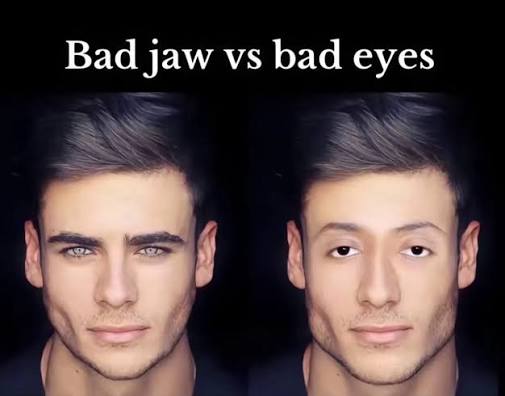
A weak middle third often results in a negative orbital vector and a negative canthal tilt, creating a perpetually tired, low-energy appearance that no jawline can fix.
3. The Midface Ratio
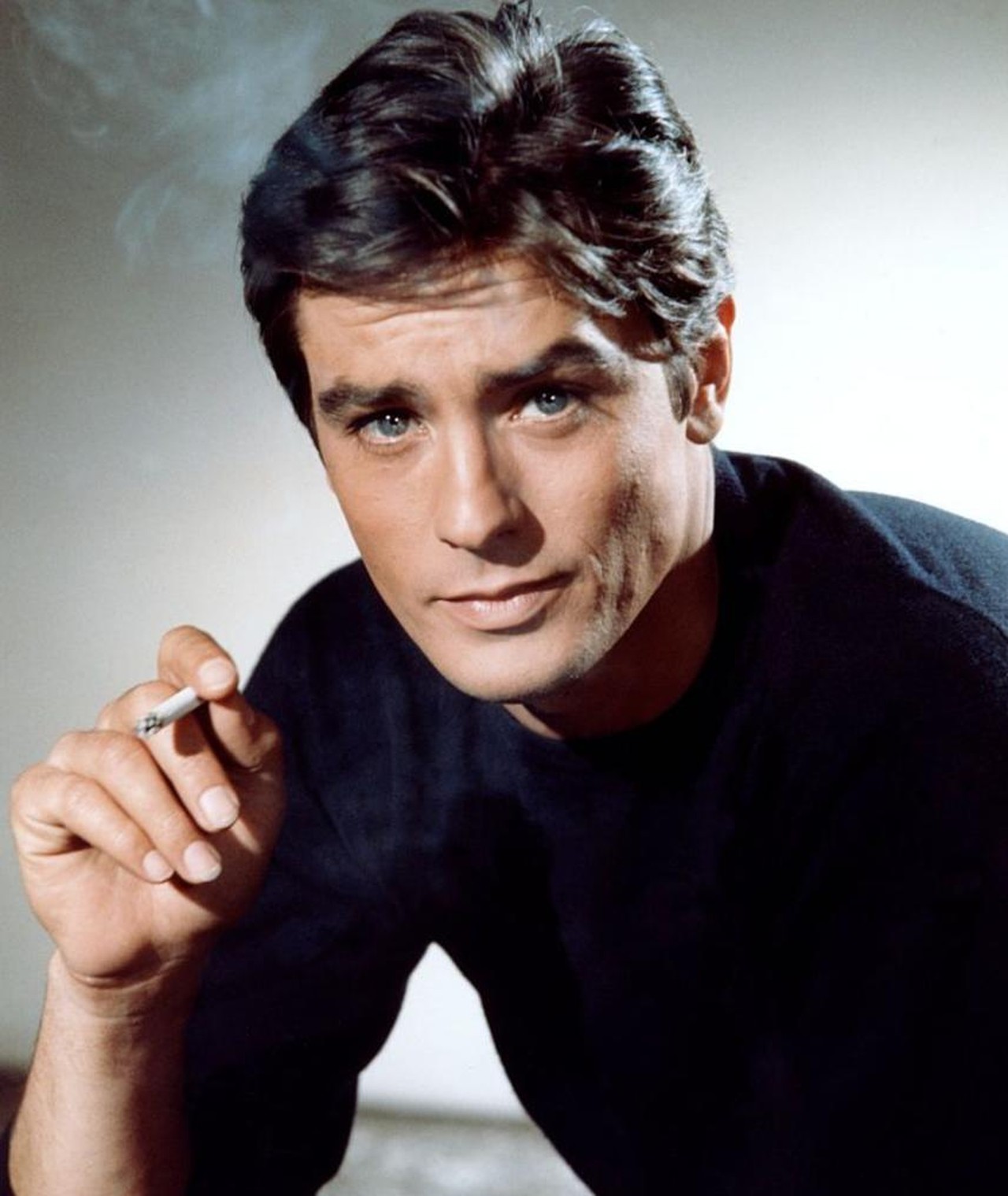
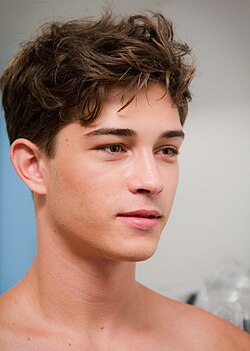
The most mathematically precise indicator of facial attractiveness is the Midface Ratio, which is the relationship between the width of the eyes (Interpupillary Distance) and the height of the midface (from the center of the pupils to the upper lip).
The universally attractive midface ratio is approximately 1:1 (the distance between the pupils is roughly equal to the distance from the pupils to the upper lip).
But you can get a pass if your a supermodel with the Midface length of a horse or a mice.
4. CHEEKBONESSSS BABY
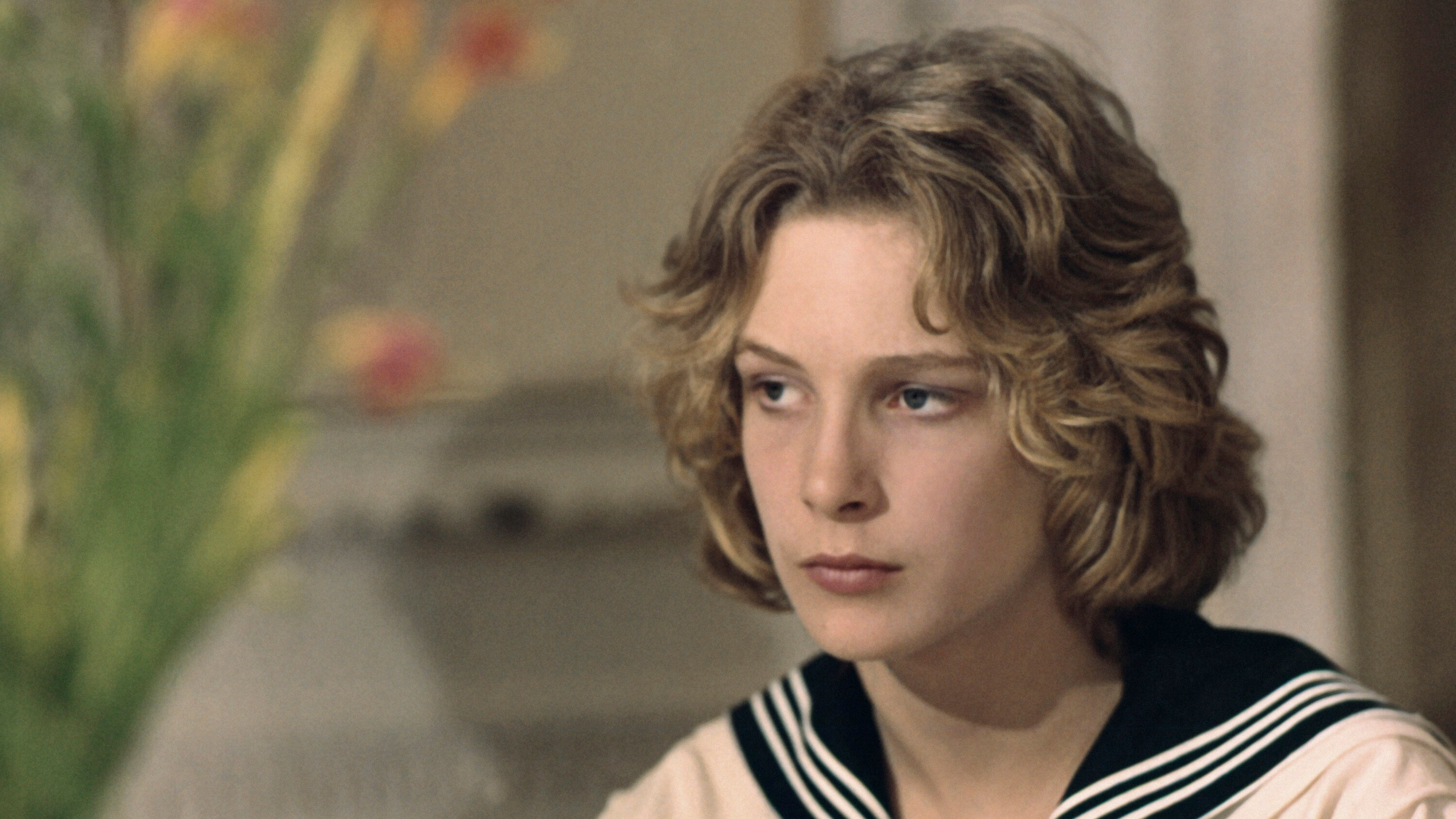
Le cheekbones define the width of the face. In theory, facial width is just as important as forward growth.
A high, wide cheekbones create the "Ogee Curve''
Zygomatic width creates the illusion of a more compact midface and provides the necessary contrast to make the jawline pop. If the bizygomatic width (width across the cheekbones) is narrower than the bigonial width (width across the jaw), the face takes on a heavy, bottom-heavy, "pear" shape. The middle third must b the widest point of the face to maintain top-tier aesthetics.
Why Middle Third is "LAW"
The assertion rests on the concept of irreducibility
1. The Lower Third is easily spoofed: Beards, jaw-clenching, lighting, and low body fat can simulate a strong lower third.
2. The Upper Third is easily hidden Hairlines can be altered, fringes can hide large foreheads, and hats exist.
3. The Middle Third is naked
You cannot hide a long midface, a recessed maxilla, negative canthal tilt, or deep nasolabial folds. It is the rawest, most exposed display of a person's underlying skeletal geometry.
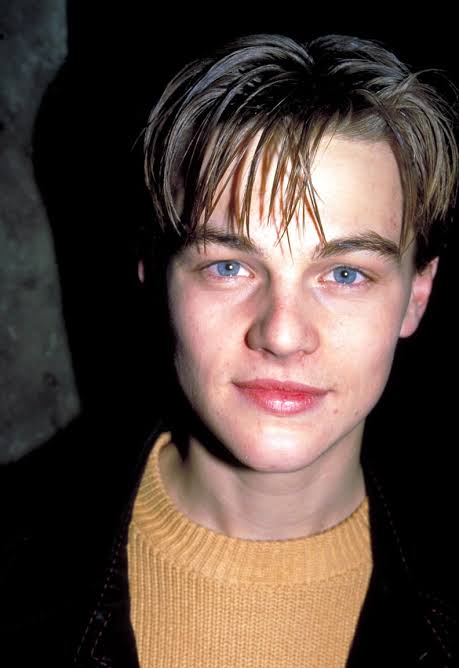
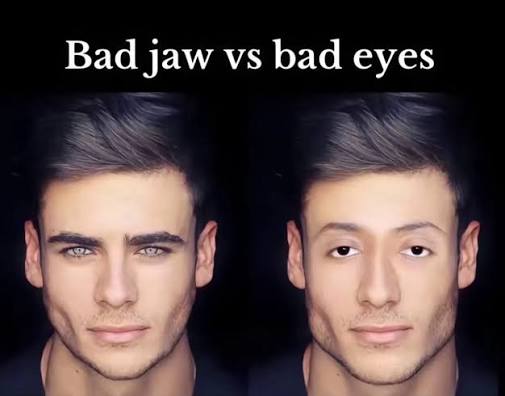
TLDR: If you superimpose a perfect jawline onto a face with a long, recessed middle third and poor eye area, the result is uncanny and unattractive. However, if you take a face with a flawless, compact, forward-grown middle third and pair it with an average jawline, the face remains highly attractive. The middle third carries the face like how Dirk Nowitzki did in the 2011 NBA Finals, or how Diego Militio carried Inter Milan to the 2009-10 Treble.
1. Maxilla
A forward grown maxilla pushes the cheekbones high and supports the under eye area - but when the maxilla is recessed (flat or down-swung), the entire face collapses inward.
You cannot have a top-tier lower third without a developed maxilla..
The mandible hinges upon the spatial limits set by the maxilla. A recessed maxilla forces the mandible to swing downward and backward which ruins the jawline. Therefore, the lower third is entirely biologically subservient to the development of the middle third.
2. Eye Area
Human interaction is OVERWHELMINGLY driven by eye contact. Evolutionarily, we assess threat, fertility, health, intelligence and what not by looking at the eyes first. The eyes are housed entirely within the middle third.
Aesthetically dominant eyes are characterized by specific osseous (bone) and soft-tissue alignments, all governed by the midface:
• Positive Vector eye: When viewed from the side, the cheekbone must project further forward than the cornea of the eye. This provides vital soft-tissue support, preventing under-eye bags and scleral show (visible white beneath the iris)
• Canthal tilt and IPD: The tilt from the medial canthus (inner corner) to the lateral canthus (outer corner) should be neutral to slightly positive. Combined with an optimal Interpupillary Distance (IPD), this creates a dense, highly focused ocular area.
A weak middle third often results in a negative orbital vector and a negative canthal tilt, creating a perpetually tired, low-energy appearance that no jawline can fix.
3. The Midface Ratio
The most mathematically precise indicator of facial attractiveness is the Midface Ratio, which is the relationship between the width of the eyes (Interpupillary Distance) and the height of the midface (from the center of the pupils to the upper lip).
The universally attractive midface ratio is approximately 1:1 (the distance between the pupils is roughly equal to the distance from the pupils to the upper lip).
But you can get a pass if your a supermodel with the Midface length of a horse or a mice.
4. CHEEKBONESSSS BABY
Le cheekbones define the width of the face. In theory, facial width is just as important as forward growth.
A high, wide cheekbones create the "Ogee Curve''
Zygomatic width creates the illusion of a more compact midface and provides the necessary contrast to make the jawline pop. If the bizygomatic width (width across the cheekbones) is narrower than the bigonial width (width across the jaw), the face takes on a heavy, bottom-heavy, "pear" shape. The middle third must b the widest point of the face to maintain top-tier aesthetics.
Why Middle Third is "LAW"
The assertion rests on the concept of irreducibility
1. The Lower Third is easily spoofed: Beards, jaw-clenching, lighting, and low body fat can simulate a strong lower third.
2. The Upper Third is easily hidden Hairlines can be altered, fringes can hide large foreheads, and hats exist.
3. The Middle Third is naked
You cannot hide a long midface, a recessed maxilla, negative canthal tilt, or deep nasolabial folds. It is the rawest, most exposed display of a person's underlying skeletal geometry.
TLDR: If you superimpose a perfect jawline onto a face with a long, recessed middle third and poor eye area, the result is uncanny and unattractive. However, if you take a face with a flawless, compact, forward-grown middle third and pair it with an average jawline, the face remains highly attractive. The middle third carries the face like how Dirk Nowitzki did in the 2011 NBA Finals, or how Diego Militio carried Inter Milan to the 2009-10 Treble.