



PirateSorra
Illyrian-Uralic Kingpin of Steel
- Joined
- Sep 23, 2025
- Posts
- 97
- Reputation
- 100
Clarification: (My own writing however I used JewGPT to organize it also for Tiktokcels with low attention spans spam DNR for engagement)
Table of Contents.
“Muh hereditary disease ”:
”:

The risk of genetic deformities is relatively low. For example, first cousins share about 12.5% of their DNA on average. The general population has a 3-4% risk of birth defects, while for first cousins this risk is estimated at 5-8%, meaning it’s about 1.5 to 2 times higher. This risk decreases when we consider second or third cousins or even half-cousins. However, compare this to someone with a hereditary, dominant genetic defect having a child with a healthy, non-blood-related person. In that case the risk of passing on the defect jumps to 50%, which is astronomically higher than the risk for cousins.
The increased risk for cousins is only due to the chance that both parents carry the same recessive gene mutation. If those mutations aren’t present, the child will be perfectly healthy, since not all recessive genes are harmful; in fact many are neutral, and some could even be beneficial. Consanguinity only becomes a significant problem if it occurs over multiple generations, so if getting together with cousins isn’t a tradition and is just a one-off, it should be fine.
Also, if genetic risks are such a concern to prevent cousins from being together, why don’t we prohibit people who already have defects like sickle cell anemia, Down syndrome, or dwarfism from procreating? It seems like a strange double standard. Additionally, the genetic argument can be nullified by choosing not to have kids at all.
“Muh Westermarck effect and disrupting family structure”
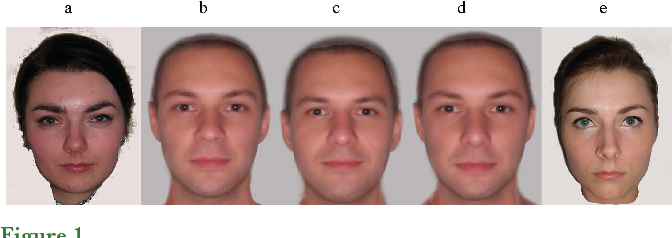
Some argue that cousin relationships are problematic because they disrupt close family ties, citing the Westermarck effect (a theory suggesting people raised together develop an aversion to romantic attraction). However, this ignores that family dynamics vary widely. Many people grow up with close bonds to childhood friends who feel just as familial, while others have family members they barely interact with at all, so the Westermarck effect isn’t a universal justification for opposing such relationships. First-cousin marriage is legal without restrictions in approximately 19 U.S. states, legal with restrictions in 7 additional states, and second-cousin marriage is legal in all U.S. states. In Europe, first-cousin marriage is legal in the vast majority of countries, while second-cousin marriage is legal in all European countries.
First we gotta establish what Cultural Consanguinity is.
We all know about the infamous stereotype of Alabama. Almost always the butt of an incest joke as much as Pakistan although this doesn’t make as much sense since the laws in Alabama are the same as many other states in the US and the birth defects there are due to poverty, limited healthcare access, and maternal health issues, not consanguinity. I’ve noticed something as well. There’s only been evidence of high birth defects for places that have cultural traditions of repeated consanguinity over generations (e.g., Pakistan at 50-67%, Saudi Arabia at 40-58%) however in places like Europe or even America there’s no evidence of this.
TLDR: Basically the effects of inbreeding have almost nothing to do with one-off intercourse but the cultural norms of that particular country or place. I know. Water.
Source: https://worldpopulationreview.com/country-rankings/inbreeding-by-country
Operation Lebensborn
Now that we have established the ethical dilemma and explained the biological factors as to why the effects inbreeding causes genetic deformities which is mainly cultural, I will now explain how it can actually be a looksmax for your potential offspring.
You may be asking “even if inbreeding won’t likely cause my child to get genetic deformity it’s still a net negative”
Which makes sense however the mechanism behind what causes genetic deformities is due to recessive traits getting multiplied however what most people don’t acknowledge is that not all recessive traits are negative. Think about it. Imagine somewhere in your lineage that you had Haplogroup R1b (R-M343) which is a chromosome strongly linked to blue eyes. Hypothetically if you were to breed with your fertile first cousin and replicate recessive genes you could pop a child with A-10 eyes of an Icelandic mogger.
Table of Contents.
- 1. Arguments against “inbreeding” with your cousins from ethical and biological standpoint
- 2. Law of Cultural Consanguinity
- 3. How inbreeding can give you mogger babies
“Muh hereditary disease
”:
The risk of genetic deformities is relatively low. For example, first cousins share about 12.5% of their DNA on average. The general population has a 3-4% risk of birth defects, while for first cousins this risk is estimated at 5-8%, meaning it’s about 1.5 to 2 times higher. This risk decreases when we consider second or third cousins or even half-cousins. However, compare this to someone with a hereditary, dominant genetic defect having a child with a healthy, non-blood-related person. In that case the risk of passing on the defect jumps to 50%, which is astronomically higher than the risk for cousins.
The increased risk for cousins is only due to the chance that both parents carry the same recessive gene mutation. If those mutations aren’t present, the child will be perfectly healthy, since not all recessive genes are harmful; in fact many are neutral, and some could even be beneficial. Consanguinity only becomes a significant problem if it occurs over multiple generations, so if getting together with cousins isn’t a tradition and is just a one-off, it should be fine.
Also, if genetic risks are such a concern to prevent cousins from being together, why don’t we prohibit people who already have defects like sickle cell anemia, Down syndrome, or dwarfism from procreating? It seems like a strange double standard. Additionally, the genetic argument can be nullified by choosing not to have kids at all.
“Muh Westermarck effect and disrupting family structure
”
Some argue that cousin relationships are problematic because they disrupt close family ties, citing the Westermarck effect (a theory suggesting people raised together develop an aversion to romantic attraction). However, this ignores that family dynamics vary widely. Many people grow up with close bonds to childhood friends who feel just as familial, while others have family members they barely interact with at all, so the Westermarck effect isn’t a universal justification for opposing such relationships. First-cousin marriage is legal without restrictions in approximately 19 U.S. states, legal with restrictions in 7 additional states, and second-cousin marriage is legal in all U.S. states. In Europe, first-cousin marriage is legal in the vast majority of countries, while second-cousin marriage is legal in all European countries.
First we gotta establish what Cultural Consanguinity is.
We all know about the infamous stereotype of Alabama. Almost always the butt of an incest joke as much as Pakistan although this doesn’t make as much sense since the laws in Alabama are the same as many other states in the US and the birth defects there are due to poverty, limited healthcare access, and maternal health issues, not consanguinity. I’ve noticed something as well. There’s only been evidence of high birth defects for places that have cultural traditions of repeated consanguinity over generations (e.g., Pakistan at 50-67%, Saudi Arabia at 40-58%) however in places like Europe or even America there’s no evidence of this.
TLDR: Basically the effects of inbreeding have almost nothing to do with one-off intercourse but the cultural norms of that particular country or place. I know. Water.
Source: https://worldpopulationreview.com/country-rankings/inbreeding-by-country
Operation Lebensborn
Now that we have established the ethical dilemma and explained the biological factors as to why the effects inbreeding causes genetic deformities which is mainly cultural, I will now explain how it can actually be a looksmax for your potential offspring.
You may be asking “even if inbreeding won’t likely cause my child to get genetic deformity it’s still a net negative”
Which makes sense however the mechanism behind what causes genetic deformities is due to recessive traits getting multiplied however what most people don’t acknowledge is that not all recessive traits are negative. Think about it. Imagine somewhere in your lineage that you had Haplogroup R1b (R-M343) which is a chromosome strongly linked to blue eyes. Hypothetically if you were to breed with your fertile first cousin and replicate recessive genes you could pop a child with A-10 eyes of an Icelandic mogger.


