


Coffeebackwards
Iron
- Joined
- Sep 1, 2025
- Posts
- 225
- Reputation
- 216
Neuroaesthetics:
How YOUR brain decides attractiveness:
1) Processing Fluency
2) Symmetry
3) Averageness
4) Sexual Dimorphism
5) Eye Tracking
6) Halo Effect
7) Lighting
Conclusion
Sources:

 doi.org
How YOUR brain decides attractiveness:
1) Processing Fluency
Definition: the brain prefers stimuli that are easy and fast to process. Faces that are processed fluently feel more pleasant = rated more attractive.
Mechanism (cognitive + neural):
Reduced prediction error in visual cortex (V1–V4)
Faster pattern matching in the fusiform face area (FFA)
Positive affect tagged by orbitofrontal cortex when processing is effortless
What increases fluency:
Uniform skin tone (low visual noise)
Clear feature boundaries (brows, lips, jawline)
Consistent lighting (stable shadows = stable shape cues)
Takeaway:
Skin clarity, contrast, clean grooming directly increase processing speed, That leads to higher perceived attractiveness.
Mechanism (cognitive + neural):
Reduced prediction error in visual cortex (V1–V4)
Faster pattern matching in the fusiform face area (FFA)
Positive affect tagged by orbitofrontal cortex when processing is effortless
What increases fluency:
Uniform skin tone (low visual noise)
Clear feature boundaries (brows, lips, jawline)
Consistent lighting (stable shadows = stable shape cues)
Takeaway:
Skin clarity, contrast, clean grooming directly increase processing speed, That leads to higher perceived attractiveness.
2) Symmetry
humans don’t compute exact symmetry, we judge coherence.

The brain tolerates asymmetry within a threshold. Large deviations increase cognitive load = lower ratings

Perfect symmetry can look uncanny, the brain expects slight natural variation
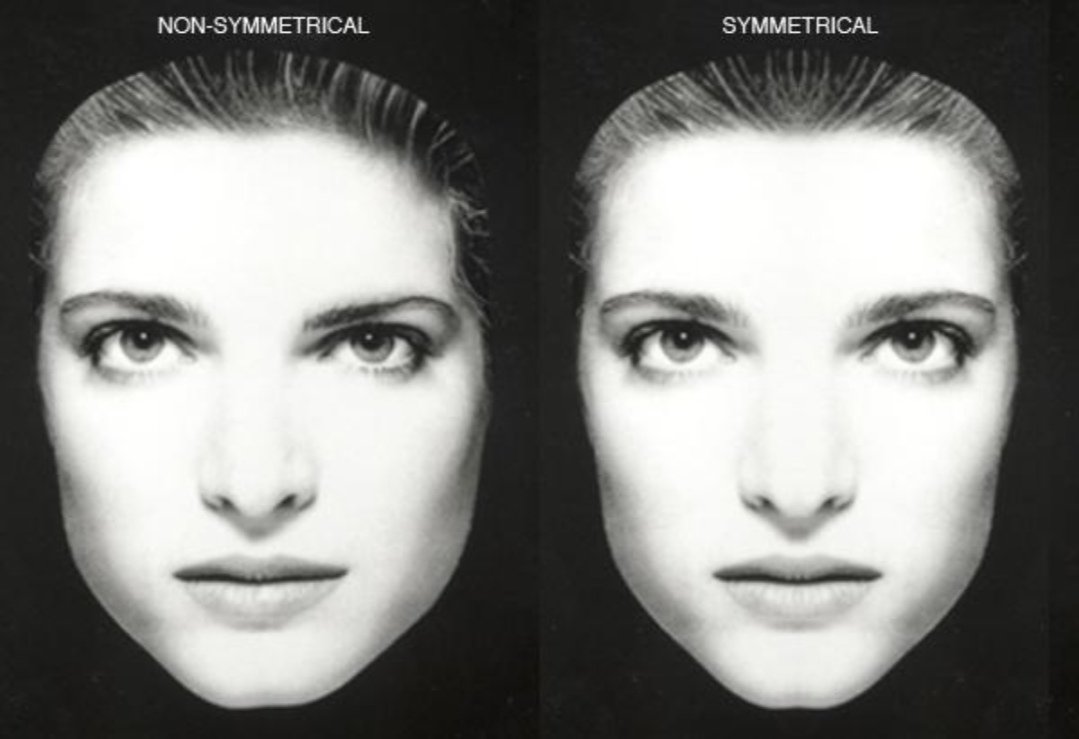
The brain tolerates asymmetry within a threshold. Large deviations increase cognitive load = lower ratings
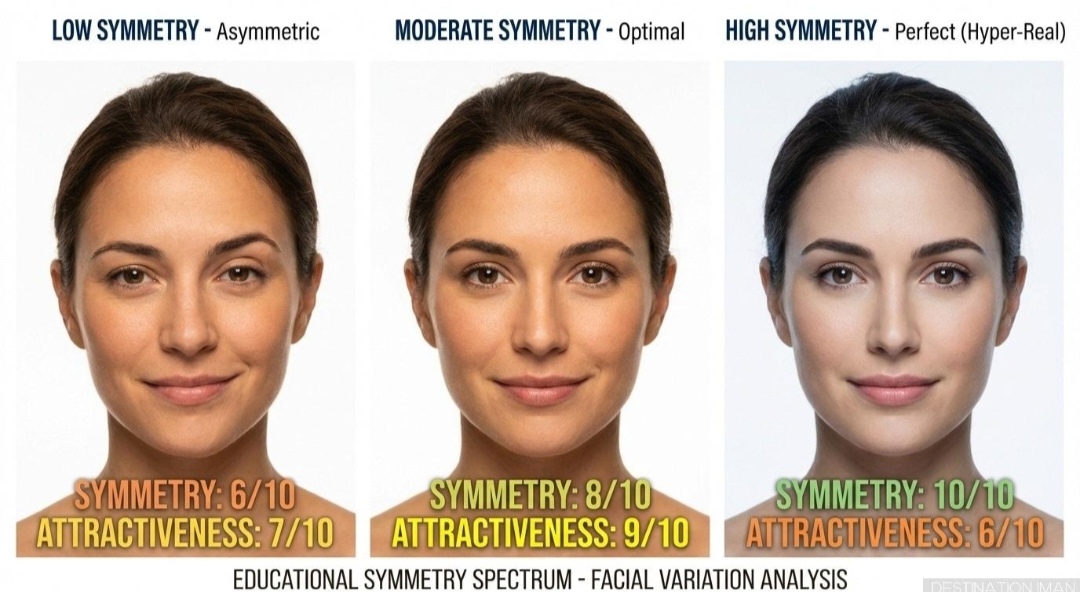
Perfect symmetry can look uncanny, the brain expects slight natural variation
3) Averageness
Attractive faces are closer to the brain’s internal prototype.
Mechanism:
The brain stores a statistical average of faces you’ve seen. Faces near that mean = faster recognition and that leads to higher fluency

clarification:
Average doesn't mean boring.

Best faces = average base + distinct high-value traits
Takeaway:
Fix extremes (acne, puffiness, poor grooming) move toward average, then enhance standout features.
Mechanism:
The brain stores a statistical average of faces you’ve seen. Faces near that mean = faster recognition and that leads to higher fluency
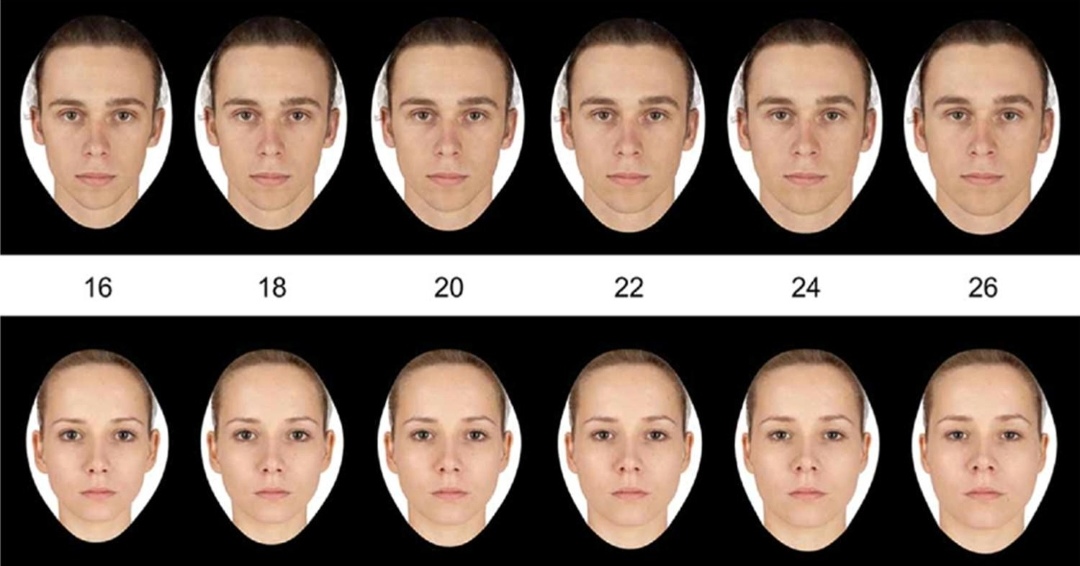
clarification:
Average doesn't mean boring.
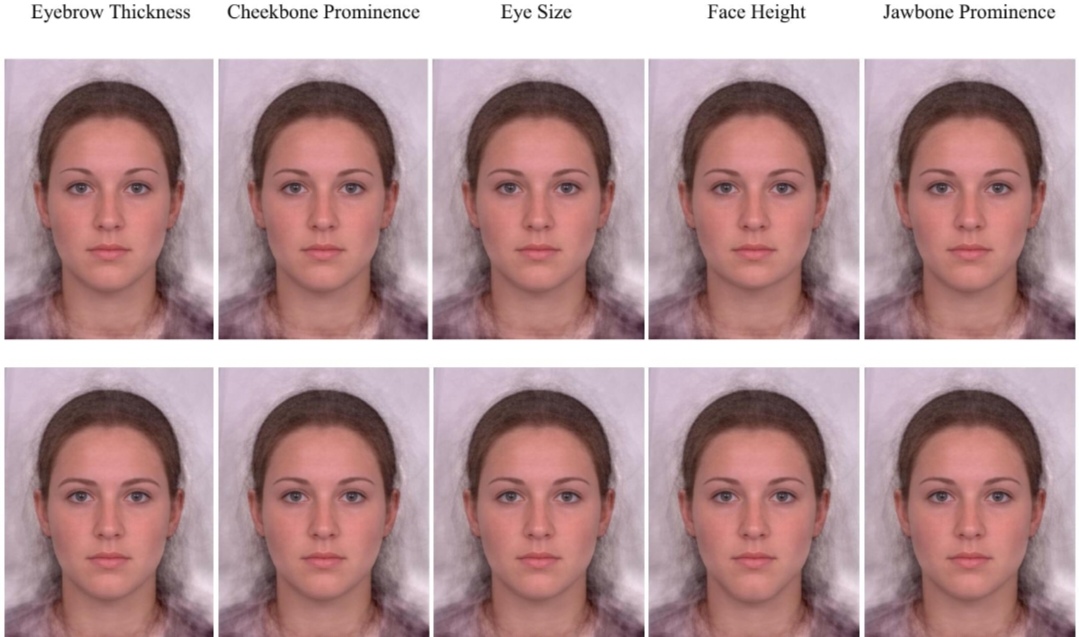
Best faces = average base + distinct high-value traits
Takeaway:
Fix extremes (acne, puffiness, poor grooming) move toward average, then enhance standout features.
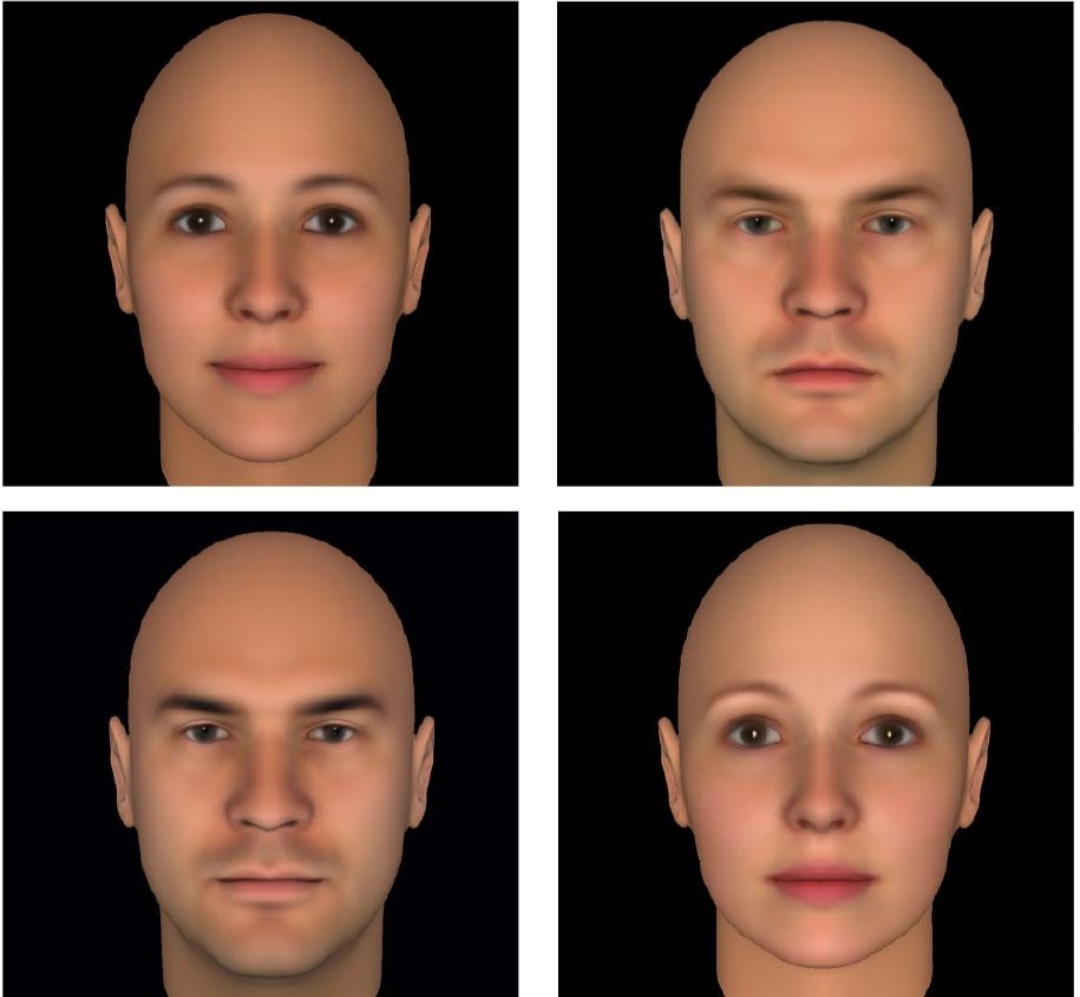
4) Sexual Dimorphism
What the brain reads:
Male: jaw width, brow ridge, cheekbones

Female: lip fullness, eye size, softness
Signals tied to hormonal markers (testosterone, estrogen)

Evaluated for mate selection + social dominance cues
Nuance:
Excess masculinity = perceived aggression
Too little = low dominance
Takeaway:
Optimize balance, not extremes (lean face, defined but not overdone features).
Male: jaw width, brow ridge, cheekbones
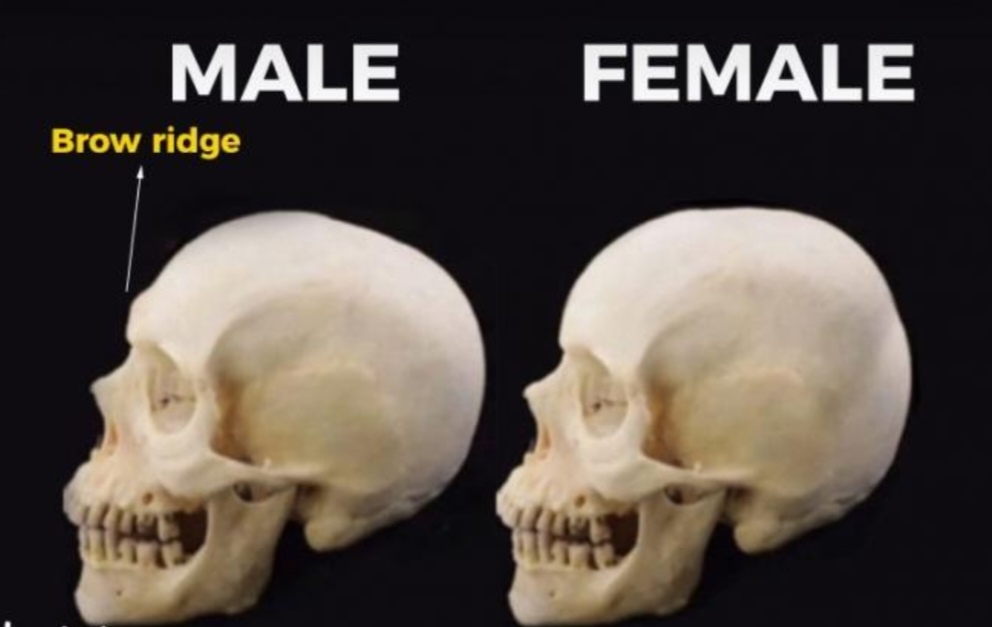
Female: lip fullness, eye size, softness
Signals tied to hormonal markers (testosterone, estrogen)
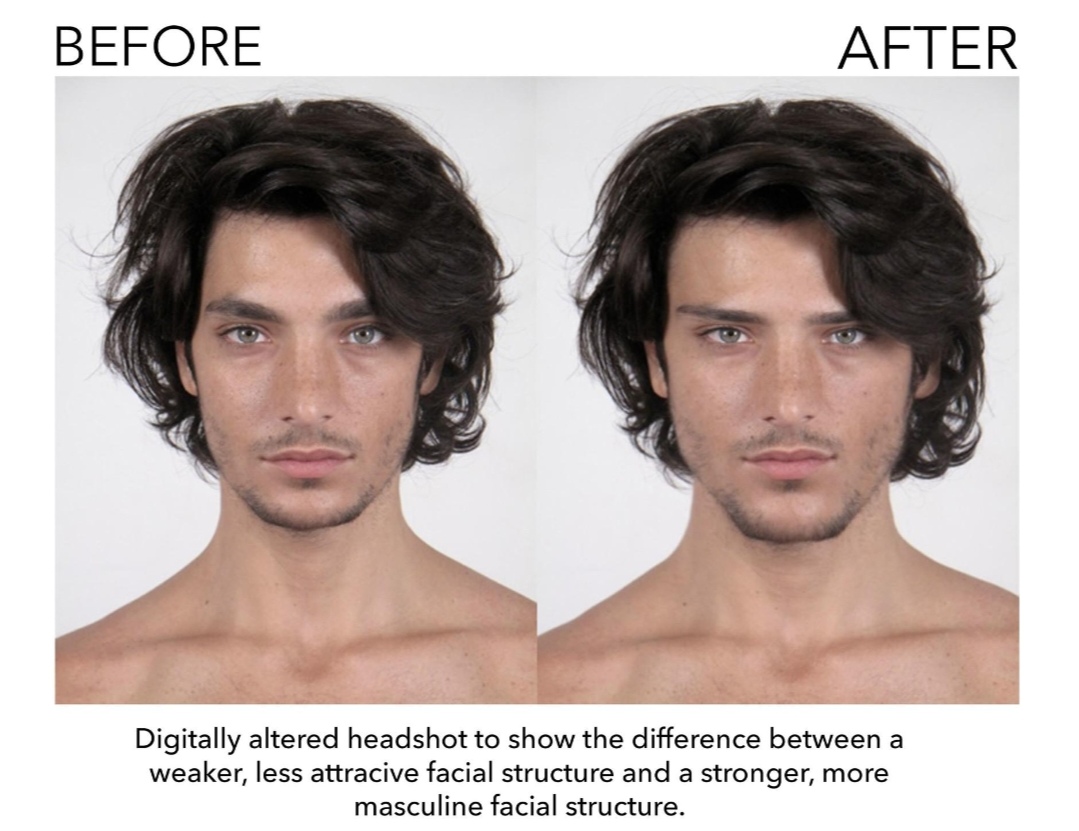
Evaluated for mate selection + social dominance cues
Nuance:
Excess masculinity = perceived aggression
Too little = low dominance
Takeaway:
Optimize balance, not extremes (lean face, defined but not overdone features).
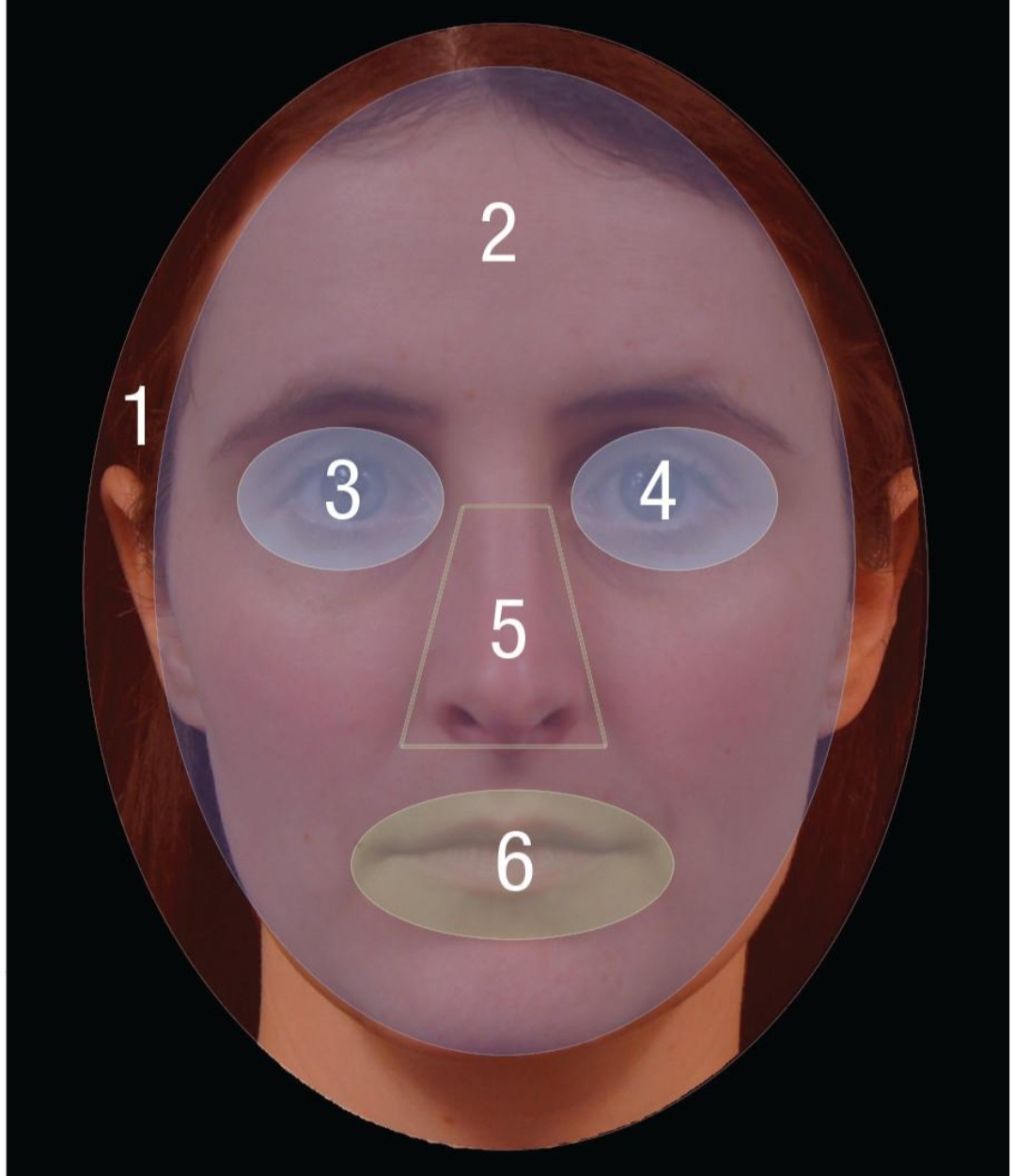
5) Eye Tracking
Viewers fixate on:
1. Eyes
2. Skin quality
3. Jawline / mouth

Mechanism:
Rapid scanning: 200–300 ms initial judgment

Attention amplifies flaws in key zones
Takeaway:
Fix the highest attention flaw first (usually acne, eye bags, or jaw definition)
1. Eyes
2. Skin quality
3. Jawline / mouth
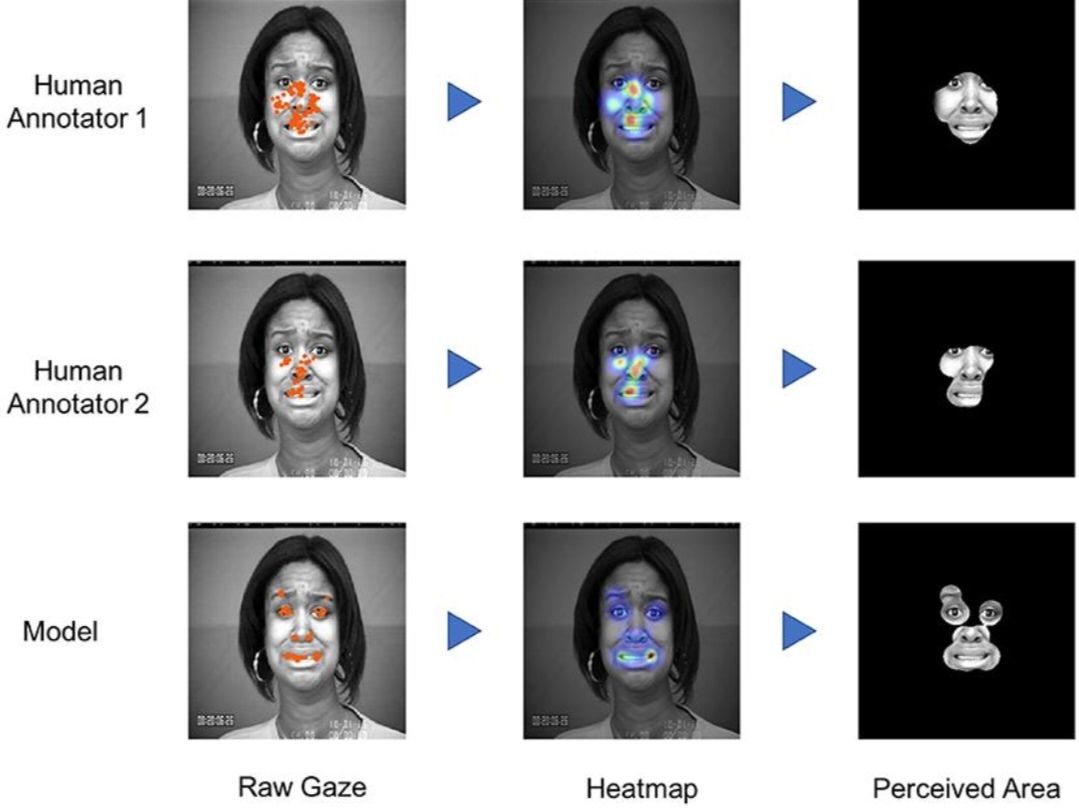
Mechanism:
Rapid scanning: 200–300 ms initial judgment
Attention amplifies flaws in key zones
Takeaway:
Fix the highest attention flaw first (usually acne, eye bags, or jaw definition)
6) Halo Effect
Definition: attractive people are judged as better in unrelated traits.

Mechanism:
Brain uses visual input > shortcuts (heuristics)
Attractiveness = proxy for good genes / competence

Takeaway:
Small visual improvements lead to disproportionate social benefits.
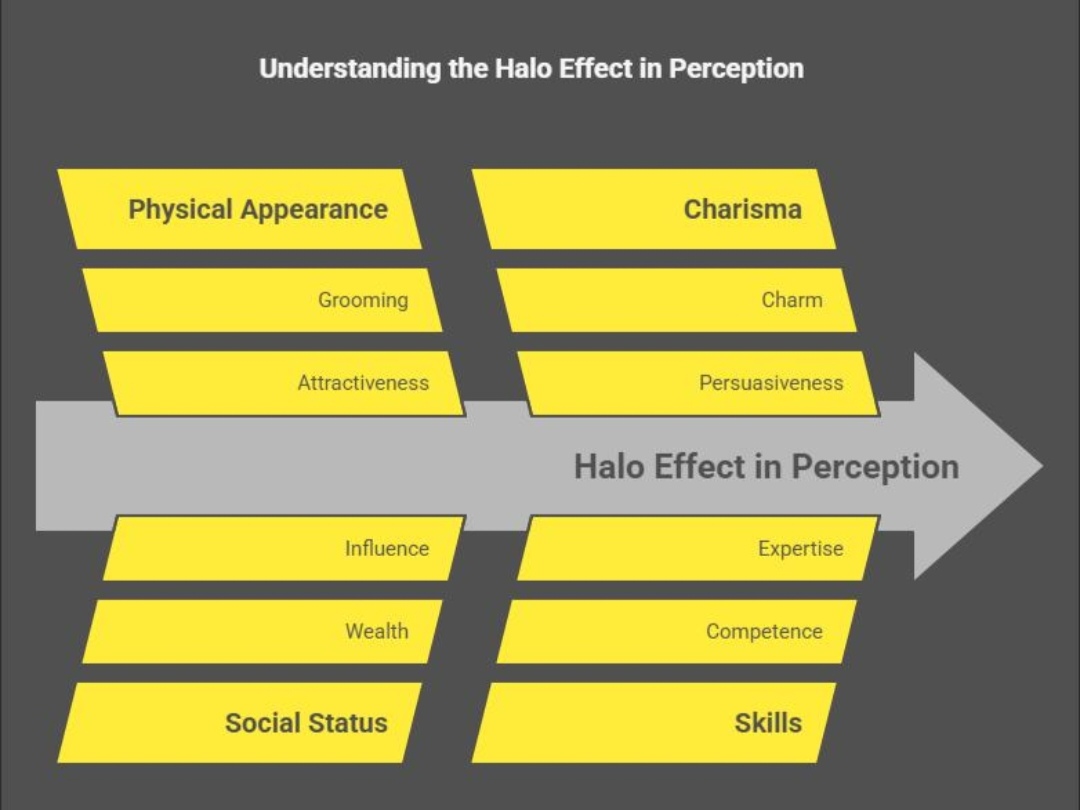
Mechanism:
Brain uses visual input > shortcuts (heuristics)
Attractiveness = proxy for good genes / competence
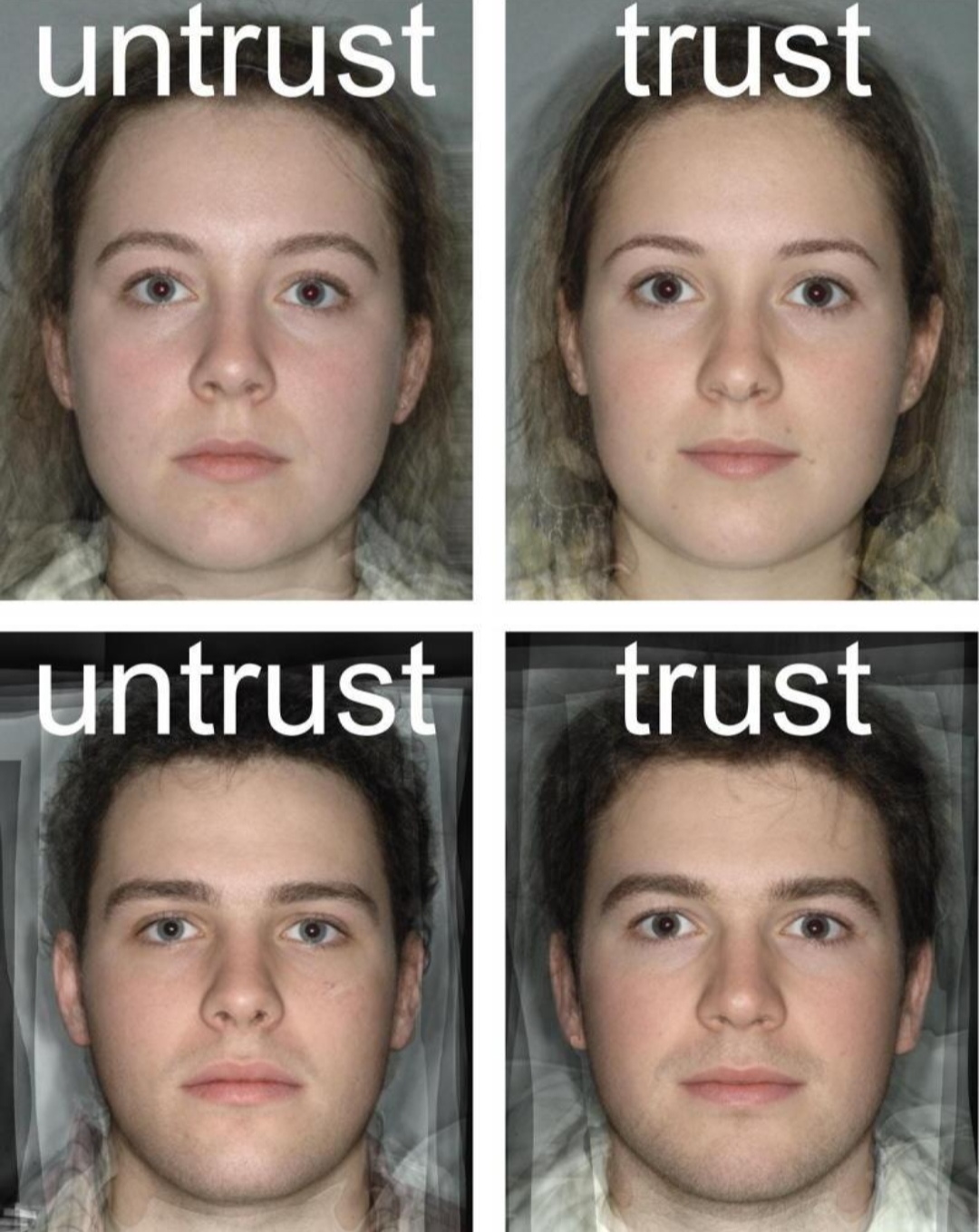
Takeaway:
Small visual improvements lead to disproportionate social benefits.
7) Lighting
How it works:
The brain reconstructs 3D shape from shadows + contrast

Lighting alters perceived:
Jaw sharpness
Skin smoothness
Symmetry
Mechanism:
Shading processed in visual cortex > inferred structure
Strong directional light = stronger structure cues

Takeaway:
Lighting can simulate better bone structure.
The brain reconstructs 3D shape from shadows + contrast
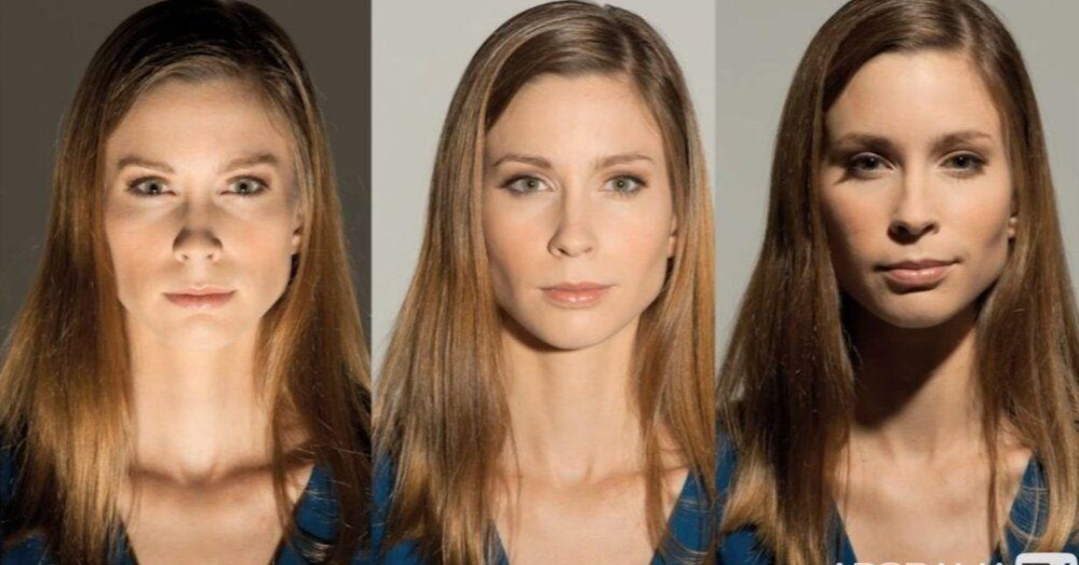
Lighting alters perceived:
Jaw sharpness
Skin smoothness
Symmetry
Mechanism:
Shading processed in visual cortex > inferred structure
Strong directional light = stronger structure cues
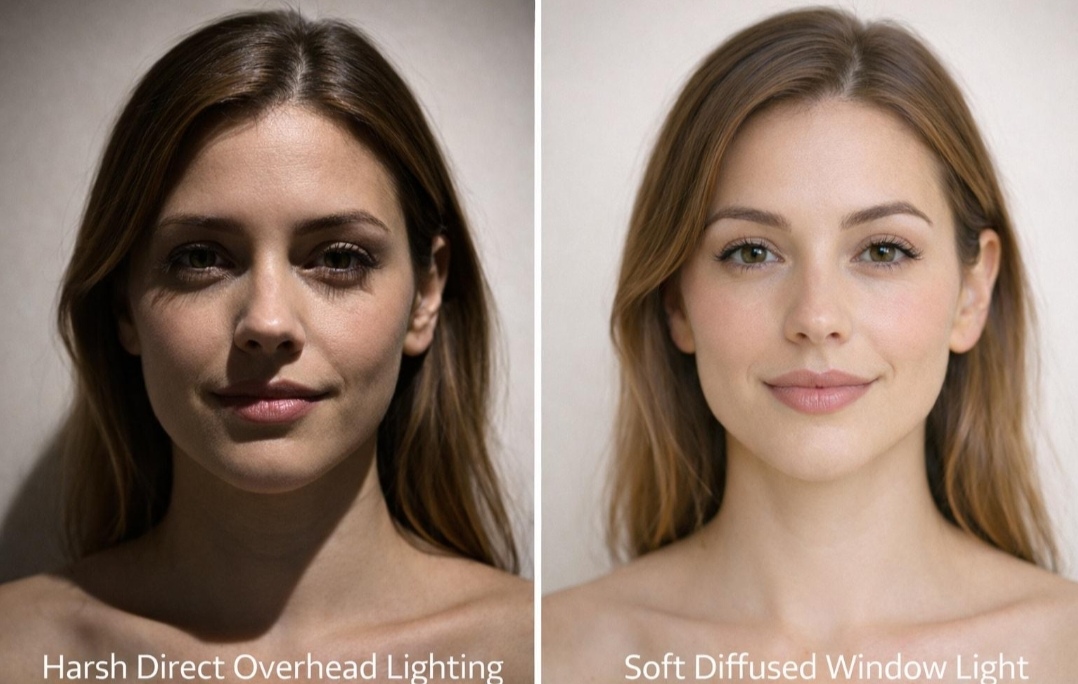
Takeaway:
Lighting can simulate better bone structure.
Conclusion
Attractiveness = Processing Fluency + Signal Clarity + Balanced Dimorphism
NOT:
Perfect genetics
One trait (zygos, eye area, etc.)

Practical Optimization (High ROI Order)
1. Skin quality, biggest fluency gain
2. Lighting awareness, immediate perception boost
3. Hair + grooming, reduces visual noise
4. Body fat control (face leanness), reveals structure
5. Sleep + inflammation control, reduces puffiness
NOT:
Perfect genetics
One trait (zygos, eye area, etc.)
Practical Optimization (High ROI Order)
1. Skin quality, biggest fluency gain
2. Lighting awareness, immediate perception boost
3. Hair + grooming, reduces visual noise
4. Body fat control (face leanness), reveals structure
5. Sleep + inflammation control, reduces puffiness
Sources:
The Evolutionary Psychology of Facial Beauty
What makes a face attractive and why do we have the preferences we do? Emergence of preferences early in development and cross-cultural agreement on attractiveness challenge a long-held view that our preferences reflect arbitrary standards of beauty set by cultures. Averageness, symmetry, and...


