







lacobus
Up in the clouds, far from the crowds.
- Joined
- Aug 18, 2026
- Posts
- 1,337
- Reputation
- 1,574
I came across a cosmetic peptide called Acetyl Hexapeptide-38 (aka Adifyline).
Unlike most “anti-aging” peptides, it’s claimed to raise PGC-1α expression, a coactivator that works with PPARγ in fat cell development. The manufacturer’s own write up says it acts by “stimulating adipogenesis and leading to lipid storage and volume increase.”
A cream containing 2% Adifyline solution was tested on the fine asses of 22 women aged 50–60.
“After 14 days, areas treated with the cream containing acetyl hexapeptide-38 had a significant volume growth of 11.9% versus initial time, and 79% of volunteers experienced a visible volume enhancement.”
A summary of the brochure claims about a 12% increase in cheek volume.
Researchers tested Acetyl Hexapeptide-38 on human subcutaneous preadipocytes.
At 0.1 mg/mL:
“Preadipocytes treated with acetyl hexapeptide-38 increased their expression by 25.6%.”
At 0.5 mg/mL:
“Preadipocytes treated with acetyl hexapeptide-38 increased their expression by 61.1%.”
The measurement was PGC-1α expression. More importantly, they also measured actual lipid accumulation in the resulting adipocytes.
At 0.1 mg/mL:
“Enhanced lipid accumulation by 27.9%.”
At 0.5 mg/mL:
“Enhanced lipid accumulation by 32.4%.”
So what does this mean my niggas?

Increases fat storage in the cells it’s applied to. The peptide raised PGC-1α in fat cell precursors, and those cells went on to store about 28–32% more lipid. Gaunt cells won’t have to suffer anymore.
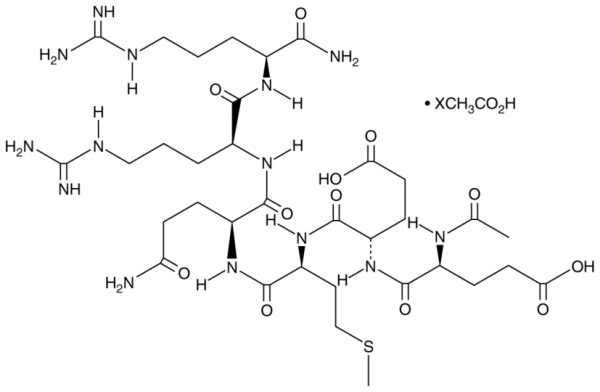
Unlike most “anti-aging” peptides, it’s claimed to raise PGC-1α expression, a coactivator that works with PPARγ in fat cell development. The manufacturer’s own write up says it acts by “stimulating adipogenesis and leading to lipid storage and volume increase.”
A cream containing 2% Adifyline solution was tested on the fine asses
of 22 women aged 50–60.“After 14 days, areas treated with the cream containing acetyl hexapeptide-38 had a significant volume growth of 11.9% versus initial time, and 79% of volunteers experienced a visible volume enhancement.”
A summary of the brochure claims about a 12% increase in cheek volume.
Researchers tested Acetyl Hexapeptide-38 on human subcutaneous preadipocytes.
At 0.1 mg/mL:
“Preadipocytes treated with acetyl hexapeptide-38 increased their expression by 25.6%.”
At 0.5 mg/mL:
“Preadipocytes treated with acetyl hexapeptide-38 increased their expression by 61.1%.”
The measurement was PGC-1α expression. More importantly, they also measured actual lipid accumulation in the resulting adipocytes.
At 0.1 mg/mL:
“Enhanced lipid accumulation by 27.9%.”
At 0.5 mg/mL:
“Enhanced lipid accumulation by 32.4%.”
So what does this mean my niggas?
Increases fat storage in the cells it’s applied to. The peptide raised PGC-1α in fat cell precursors, and those cells went on to store about 28–32% more lipid. Gaunt cells won’t have to suffer anymore.