


T-virus
Iron
- Joined
- Mar 27, 2026
- Posts
- 16
- Reputation
- 4
I am back (no one cares tho) and i still remember what i said on my last thread about peptides and that i will make a new natural formula.
i did it yaaaaaaaay haha.
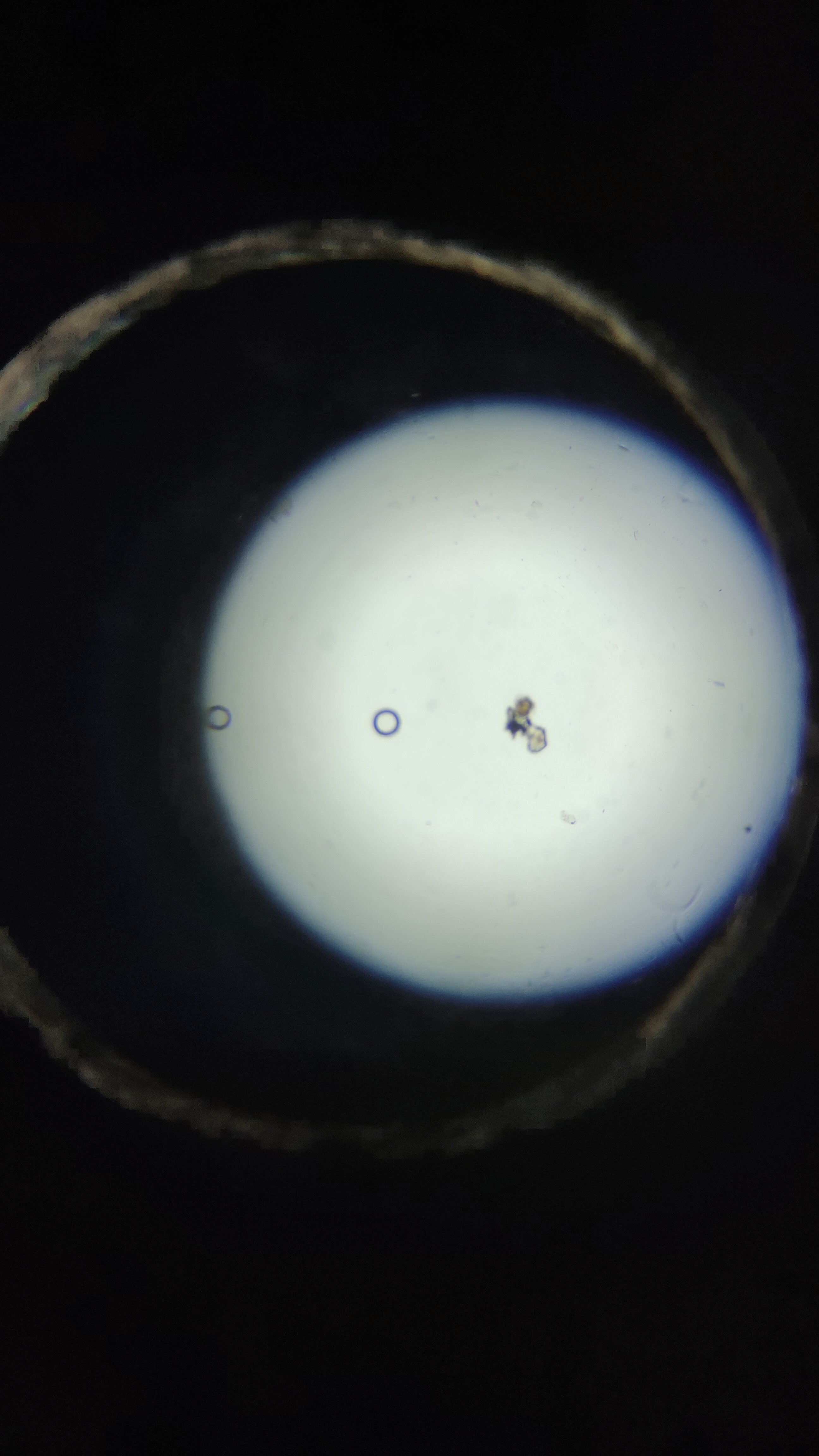 The innovative solution presented in this study, PExHGS-12 (Phyto-Exosomes Human Growth Stimulator-12), or PGHS, represents a significant development in biotechnology. These "natural smart messengers" have the potential to transform regenerative medicine. This study examines the potential impact of the product on growth processes during adolescence. It also analyzes its possible role as an alternative auxiliary agent compared to traditional peptide compounds. Furthermore, the study explores how physical and psychological developmental factors in adolescents influence stress levels and social well-being. PGHS is designed for medical applications, specifically for individuals with achondroplasia and pituitary dwarfism, as well as for the general adolescent population.
The concept is based on plant-derived exosomes, specifically those extracted from ginger roots in this case. Plant exosomes are nano-sized extracellular vesicles, approximately 50 to 200 nm in diameter, characterized by a lipid bilayer shell. Unlike synthetic liposomes, they possess natural biological activity and contain functional molecules capable of facilitating intercellular communication. These exosomes carry a biological cargo that includes microRNA (miRNA), bioactive proteins, and secondary metabolites.
MicroRNAs are short nucleotide sequences with the potential to regulate gene expression, which includes both the suppression and activation of specific cellular pathways related to growth and regeneration. Bioactive proteins and peptides can perform enzymatic and protective functions, contributing to cellular homeostasis. Secondary metabolites, such as antioxidants, polyphenols, and vitamins, are present in concentrated forms and can provide protective effects by reducing oxidative stress levels.
Within this proposed injectable biotechnological complex, the use of exosomes derived from plant meristematic cells (plant stem cells) is considered. It is hypothesized that such exosomes contain biologically active molecules, including miRNAs and signaling metabolites, capable of participating in the regulation of human cellular processes.
One of the primary proposed mechanisms is the influence on the Wnt/beta-catenin signaling pathway, which plays a crucial role in regulating cell division, differentiation, and tissue regeneration. In this theoretical model, it is suggested that certain plant miRNAs may reduce the activity of inhibitors within this signaling pathway, thereby indirectly enhancing its function. This, in turn, may be linked to the accelerated proliferation of osteoblasts (bone tissue cells) and chondrocytes (cartilage tissue cells) involved in skeletal growth and formation.
Additionally, the model explores the hypothetical impact on the Insulin-like Growth Factor 1 (IGF-1) system, a major regulator of somatic growth. This approach assumes that exosomes do not introduce the IGF-1 peptide directly but rather stimulate the endogenous production of this factor within the body, such as in the liver or bone growth plates. Theoretically, this method could provide a more physiological and gradual regulation of growth processes without the sharp hormonal spikes typical of exogenous hormone administration.
The objective of PGHS is to reduce the prevalence of dangerous injectable peptide preparations among the younger generation and to introduce this formula as a safer, more physiological approach to supporting growth processes during adolescence.
I wont be revealing my experiments or how i did this and blah blah blah
BUT I DID A TEST ON BEANS IN THE POT AND THEY GREW 42% LONGER AND 19% FASTER THAN USUAL ONE WITH PGHS.
i did it yaaaaaaaay haha.
The concept is based on plant-derived exosomes, specifically those extracted from ginger roots in this case. Plant exosomes are nano-sized extracellular vesicles, approximately 50 to 200 nm in diameter, characterized by a lipid bilayer shell. Unlike synthetic liposomes, they possess natural biological activity and contain functional molecules capable of facilitating intercellular communication. These exosomes carry a biological cargo that includes microRNA (miRNA), bioactive proteins, and secondary metabolites.
MicroRNAs are short nucleotide sequences with the potential to regulate gene expression, which includes both the suppression and activation of specific cellular pathways related to growth and regeneration. Bioactive proteins and peptides can perform enzymatic and protective functions, contributing to cellular homeostasis. Secondary metabolites, such as antioxidants, polyphenols, and vitamins, are present in concentrated forms and can provide protective effects by reducing oxidative stress levels.
Within this proposed injectable biotechnological complex, the use of exosomes derived from plant meristematic cells (plant stem cells) is considered. It is hypothesized that such exosomes contain biologically active molecules, including miRNAs and signaling metabolites, capable of participating in the regulation of human cellular processes.
One of the primary proposed mechanisms is the influence on the Wnt/beta-catenin signaling pathway, which plays a crucial role in regulating cell division, differentiation, and tissue regeneration. In this theoretical model, it is suggested that certain plant miRNAs may reduce the activity of inhibitors within this signaling pathway, thereby indirectly enhancing its function. This, in turn, may be linked to the accelerated proliferation of osteoblasts (bone tissue cells) and chondrocytes (cartilage tissue cells) involved in skeletal growth and formation.
Additionally, the model explores the hypothetical impact on the Insulin-like Growth Factor 1 (IGF-1) system, a major regulator of somatic growth. This approach assumes that exosomes do not introduce the IGF-1 peptide directly but rather stimulate the endogenous production of this factor within the body, such as in the liver or bone growth plates. Theoretically, this method could provide a more physiological and gradual regulation of growth processes without the sharp hormonal spikes typical of exogenous hormone administration.
The objective of PGHS is to reduce the prevalence of dangerous injectable peptide preparations among the younger generation and to introduce this formula as a safer, more physiological approach to supporting growth processes during adolescence.
I wont be revealing my experiments or how i did this and blah blah blah
BUT I DID A TEST ON BEANS IN THE POT AND THEY GREW 42% LONGER AND 19% FASTER THAN USUAL ONE WITH PGHS.
Last edited:


