D
Deleted member 283752
Iron
- Joined
- Nov 29, 2025
- Posts
- 159
- Reputation
- 115
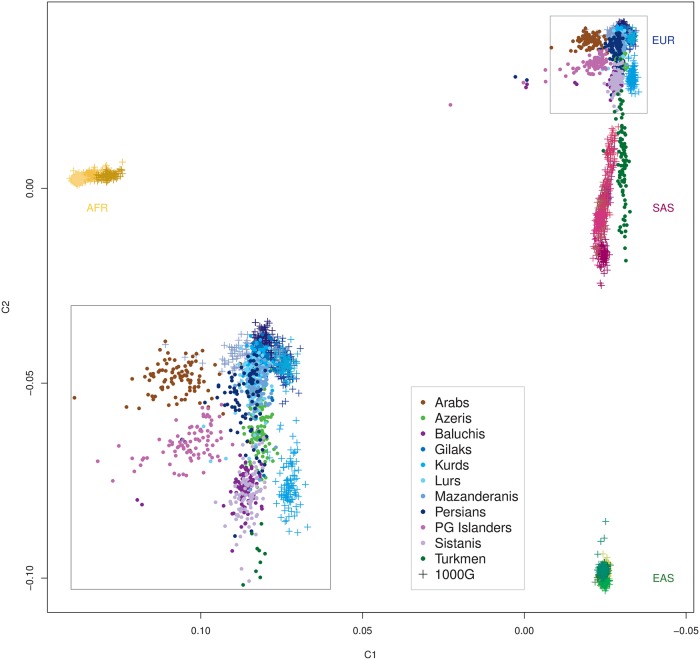
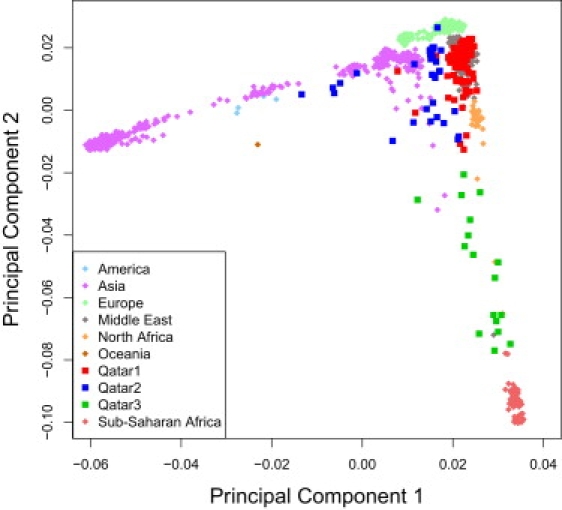
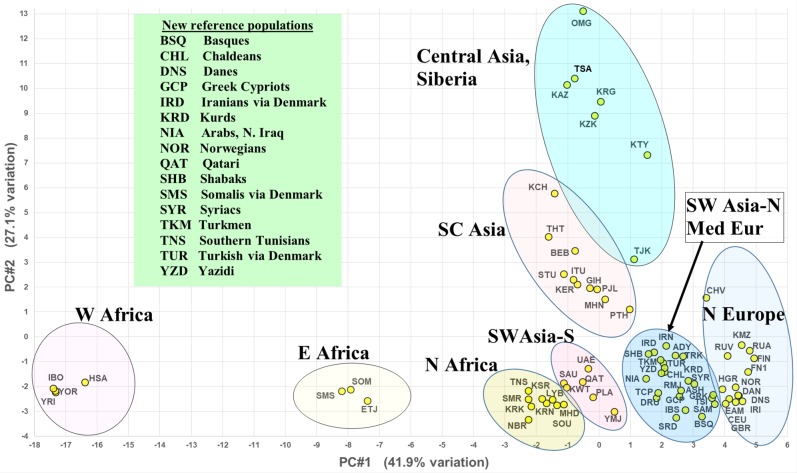
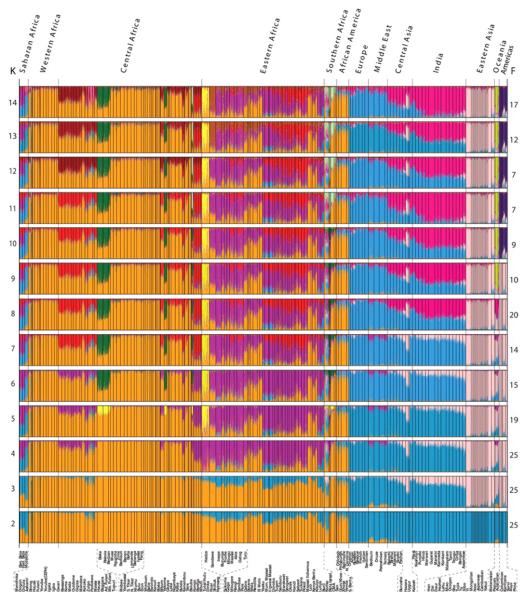
1. "Europeans" CAN and in many cases ARE closer to "Middle Easterners" than to "other Europeans".
2. "Middle Easterners" CAN and in many cases, ARE closer to "Europeans" than to "other Middle Easterners".
3. What about so-called "Middle Eastern" and "European" populations with substantial amounts of "both ancestries"? Armenians, Greeks, Italians, Azerbaijanis, Turks, Albanians, Kurds and so forth? Where do they lie?
4. Related to 1 and 2, genetic nearness is determined by drift, bottlenecks (or lack thereof), population sizes and admixture alone plays only some part. This is why (many) Finns are NOT closer to Germans than Germans are to Turks. This is why Lebanese are NOT closer to Druze than to Sicilians. Finns and Druze may have "predominantly European/Levantine ancestries respectively" but drift, endogamy, population sizes, founder effects and bottlenecks meant their alleles changed and became distinctive regardless of admixture.
2. "Middle Easterners" CAN and in many cases, ARE closer to "Europeans" than to "other Middle Easterners".
3. What about so-called "Middle Eastern" and "European" populations with substantial amounts of "both ancestries"? Armenians, Greeks, Italians, Azerbaijanis, Turks, Albanians, Kurds and so forth? Where do they lie?
4. Related to 1 and 2, genetic nearness is determined by drift, bottlenecks (or lack thereof), population sizes and admixture alone plays only some part. This is why (many) Finns are NOT closer to Germans than Germans are to Turks. This is why Lebanese are NOT closer to Druze than to Sicilians. Finns and Druze may have "predominantly European/Levantine ancestries respectively" but drift, endogamy, population sizes, founder effects and bottlenecks meant their alleles changed and became distinctive regardless of admixture.