davidlazaryako
#1 effort posts
- Joined
- Aug 3, 2026
- Posts
- 38
- Reputation
- 100
Exposing Bullshit Nootropics
some of you wont like to hear this, but it has to be said. stop wasting your money on bullshit nootropics
most of the “nootropic stack” shit people run is pure midwit optimization. caffeine, l-theanine, ashwagandha, bacopa, rhodiola, lion’s mane, racetams, creatine, modafinil, and even newer ones like TAK-653 all get treated like advanced cognitive enhancement when the effects are small as fuck compared to actual hard prescription stimulants.
im not saying these things do nothing. they do something. they just dont do much relative to the real stuff.
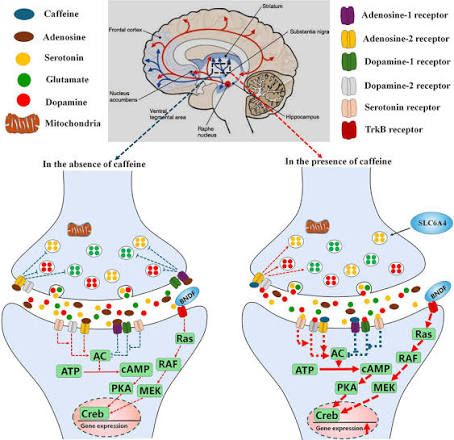
caffeine works through adenosine blockade so you feel more awake and slightly more locked in, but once tolerance builds (happens fast) youre mostly just removing withdrawal. sleep quality drops if you dose late and anxiety/cortisol rise in a lot of people. the “focus” is mostly just not being tired. studies consistently show the cognitive benefit is modest and largely disappears with regular use. l-theanine is the classic “smooth the caffeine” add-on, it reduces some jitters and can feel calmer but the actual cognitive benefit is small and inconsistent across trials. ashwagandha is the cortisol cope, some human studies show modest reductions in stress and anxiety scores while the testosterone and cognitive enhancement claims are mostly marketing. effects are real but weak and often fade with continued use.
bacopa has some slow mild memory data in trials but takes months and GI sides are common. rhodiola gives slight fatigue reduction in a few studies. lion’s mane has NGF hype with almost no strong human cognitive data. creatine is one of the few with decent evidence for small cognitive benefits especially if deficient or vegetarian. racetams are mostly underwhelming in healthy people according to the better controlled studies.
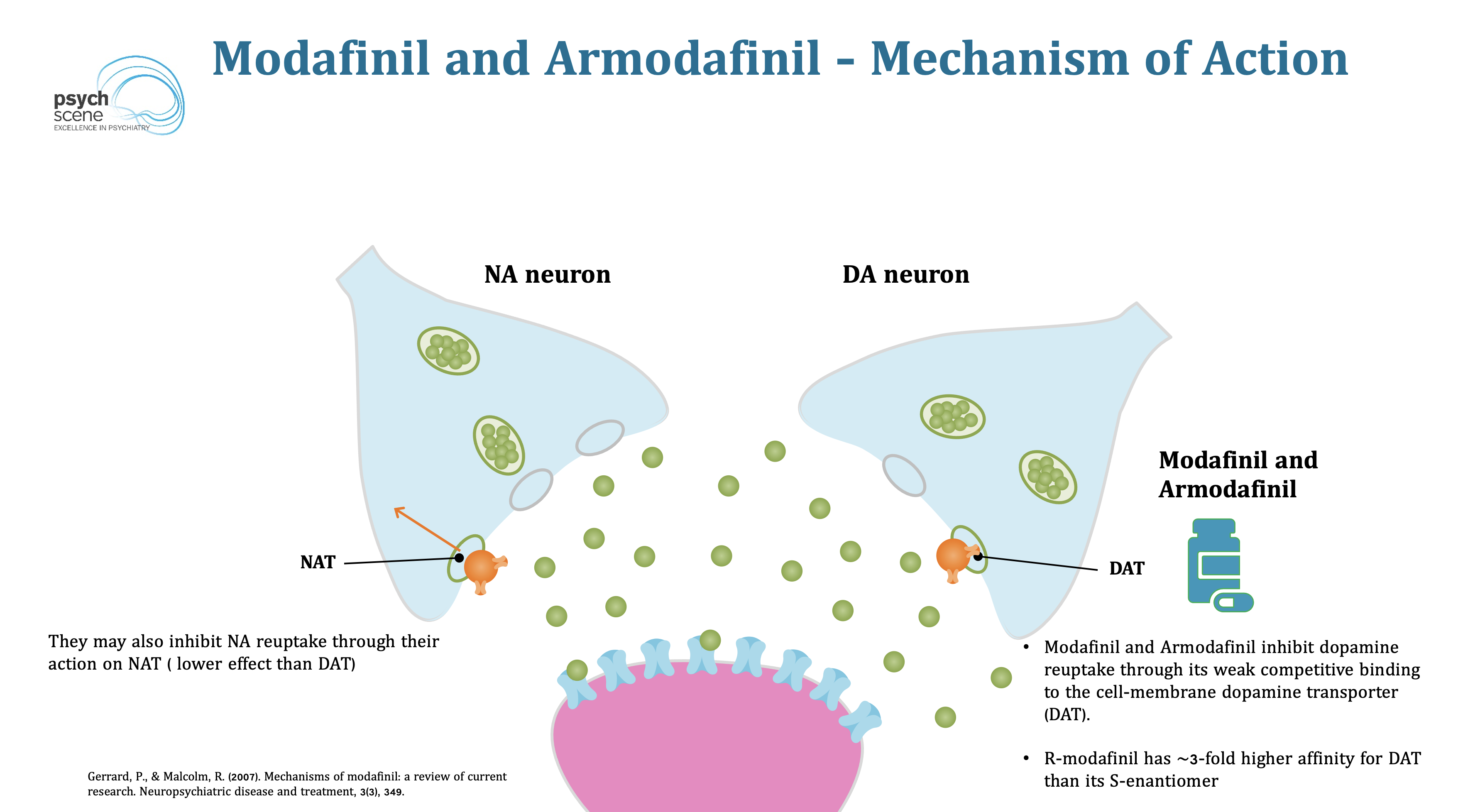
modafinil is the same shit. there is no motivation and raw drive compared to amphetamines because it promotes wakefulness more than it forces dopamine the way adderall or vyvanse do. the research backs a solid wake-promoting effect but the “smart drug” claims dont exist for healthy users.
TAK-653 (osavampator / NBI-1065845) is one of the more interesting newer ones. AMPA receptor positive allosteric modulator with basically zero direct agonism so it only boosts the signal when glutamate is already present. animal data looks decent for cognition and antidepressant-like effects. healthy human volunteer studies showed some stimulant-like pharmacodynamic effects (better tracking performance, increased saccadic peak velocity etc). its in proper clinical development for depression with phase 2 data. still not in the same league as hard stimulants for raw focus, motivation, and cognitive endurance in healthy users.
semax is the russian peptide people hype for focus and neuroprotection. its an ACTH(4-10) analog that upregulates BDNF and NGF in the hippocampus and cortex in animal studies, and one small human fMRI study showed changes in the default mode network after intranasal dosing. russian clinical use exists mainly for stroke recovery and cognitive impairment with some positive reports, but western-style controlled cognitive trials in healthy people are basically nonexistent. the BDNF mechanism is interesting and the effects feel real to some users, but its still mild to moderate at best and nowhere near the reliable drive and cognitive endurance of hard stimulants.
TAK-653 (osavampator / NBI-1065845) is one of the more interesting newer ones. AMPA receptor positive allosteric modulator with basically zero direct agonism so it only boosts the signal when glutamate is already present. animal data looks decent for cognition and antidepressant-like effects. healthy human volunteer studies showed some stimulant-like pharmacodynamic effects (better tracking performance, increased saccadic peak velocity etc). its in proper clinical development for depression with phase 2 data. still not in the same league as hard stimulants for raw focus, motivation, and cognitive endurance in healthy users.
all of the above give small to moderate, temporary, or highly individual effects. prescription stimulants like adderall and vyvanse hit dopamine and norepinephrine hard and deliver large, reliable, all-day changes in focus, motivation, and cognitive endurance for most responders. the gap is massive and the research on stimulant effect sizes in ADHD and healthy populations makes this obvious.
people run the basic stacks and modafinil because theyre more accessible and feel like theyre doing something. its not pure placebo, but calling any of this serious cognitive enhancement next to the hard stimulants is cope.
sleep, training, diet, and not being a coomer will still outperform most of this. the mild and moderate nootropics are just the entry to mid level. the real difference starts when you move into compounds that actually hit the catecholamine systems hard.
@resting @Stalker @tansel @foidslayer5000
some of you wont like to hear this, but it has to be said. stop wasting your money on bullshit nootropics
most of the “nootropic stack” shit people run is pure midwit optimization. caffeine, l-theanine, ashwagandha, bacopa, rhodiola, lion’s mane, racetams, creatine, modafinil, and even newer ones like TAK-653 all get treated like advanced cognitive enhancement when the effects are small as fuck compared to actual hard prescription stimulants.
im not saying these things do nothing. they do something. they just dont do much relative to the real stuff.
caffeine works through adenosine blockade so you feel more awake and slightly more locked in, but once tolerance builds (happens fast) youre mostly just removing withdrawal. sleep quality drops if you dose late and anxiety/cortisol rise in a lot of people. the “focus” is mostly just not being tired. studies consistently show the cognitive benefit is modest and largely disappears with regular use. l-theanine is the classic “smooth the caffeine” add-on, it reduces some jitters and can feel calmer but the actual cognitive benefit is small and inconsistent across trials. ashwagandha is the cortisol cope, some human studies show modest reductions in stress and anxiety scores while the testosterone and cognitive enhancement claims are mostly marketing. effects are real but weak and often fade with continued use.
bacopa has some slow mild memory data in trials but takes months and GI sides are common. rhodiola gives slight fatigue reduction in a few studies. lion’s mane has NGF hype with almost no strong human cognitive data. creatine is one of the few with decent evidence for small cognitive benefits especially if deficient or vegetarian. racetams are mostly underwhelming in healthy people according to the better controlled studies.
modafinil is the same shit. there is no motivation and raw drive compared to amphetamines because it promotes wakefulness more than it forces dopamine the way adderall or vyvanse do. the research backs a solid wake-promoting effect but the “smart drug” claims dont exist for healthy users.
TAK-653 (osavampator / NBI-1065845) is one of the more interesting newer ones. AMPA receptor positive allosteric modulator with basically zero direct agonism so it only boosts the signal when glutamate is already present. animal data looks decent for cognition and antidepressant-like effects. healthy human volunteer studies showed some stimulant-like pharmacodynamic effects (better tracking performance, increased saccadic peak velocity etc). its in proper clinical development for depression with phase 2 data. still not in the same league as hard stimulants for raw focus, motivation, and cognitive endurance in healthy users.
semax is the russian peptide people hype for focus and neuroprotection. its an ACTH(4-10) analog that upregulates BDNF and NGF in the hippocampus and cortex in animal studies, and one small human fMRI study showed changes in the default mode network after intranasal dosing. russian clinical use exists mainly for stroke recovery and cognitive impairment with some positive reports, but western-style controlled cognitive trials in healthy people are basically nonexistent. the BDNF mechanism is interesting and the effects feel real to some users, but its still mild to moderate at best and nowhere near the reliable drive and cognitive endurance of hard stimulants.
TAK-653 (osavampator / NBI-1065845) is one of the more interesting newer ones. AMPA receptor positive allosteric modulator with basically zero direct agonism so it only boosts the signal when glutamate is already present. animal data looks decent for cognition and antidepressant-like effects. healthy human volunteer studies showed some stimulant-like pharmacodynamic effects (better tracking performance, increased saccadic peak velocity etc). its in proper clinical development for depression with phase 2 data. still not in the same league as hard stimulants for raw focus, motivation, and cognitive endurance in healthy users.
all of the above give small to moderate, temporary, or highly individual effects. prescription stimulants like adderall and vyvanse hit dopamine and norepinephrine hard and deliver large, reliable, all-day changes in focus, motivation, and cognitive endurance for most responders. the gap is massive and the research on stimulant effect sizes in ADHD and healthy populations makes this obvious.
people run the basic stacks and modafinil because theyre more accessible and feel like theyre doing something. its not pure placebo, but calling any of this serious cognitive enhancement next to the hard stimulants is cope.
sleep, training, diet, and not being a coomer will still outperform most of this. the mild and moderate nootropics are just the entry to mid level. the real difference starts when you move into compounds that actually hit the catecholamine systems hard.
@resting @Stalker @tansel @foidslayer5000
Last edited: