





PEPTIDE THAT GROWS FACIAL BONES (HIGH IQ USERS GTFIH)

For over a year now, I have been looking for a way to grow my facial bones, lurking on org, buying and reading medical books about biochemistry and anatomy, but never found a way to stimulate meaningful effects without hardmaxing or orthodontics. I had seen enough of all the “just use hgh” on org with no evidence whatsoever, and decided to dive deeper in it one last time.
Consequently, a week or two ago, I was doing some research with Grok (the best ai to looksmax)
I was doing research about growth plate maturity ages for some important growth plates, when grok suddenly said something that stuck out to me.
PTH analogs (e.g., teriparatide, abaloparatide): These are potent osteoanabolic agents that increase bone formation and density more dramatically than GH in some osteoporosis models.
I had to read that again.
A peptide that increases bone formation and density more dramatically than GH?
I couldn’t believe my eyes, so i immediately had to hook back on that. I asked grok to cite me the studies that have studied this peptide immediately, and sure it was, as clear as light, definitive proof that these peptides, can actually increase bone formation and density. I immediately went on org to see if any of the PTH analogues that have been studied where mentioned, but there were no thorough articles ever written there about them.
I figured that this could be my chance to bless the looksmaxing community, so tune in for some High Iq article by me.
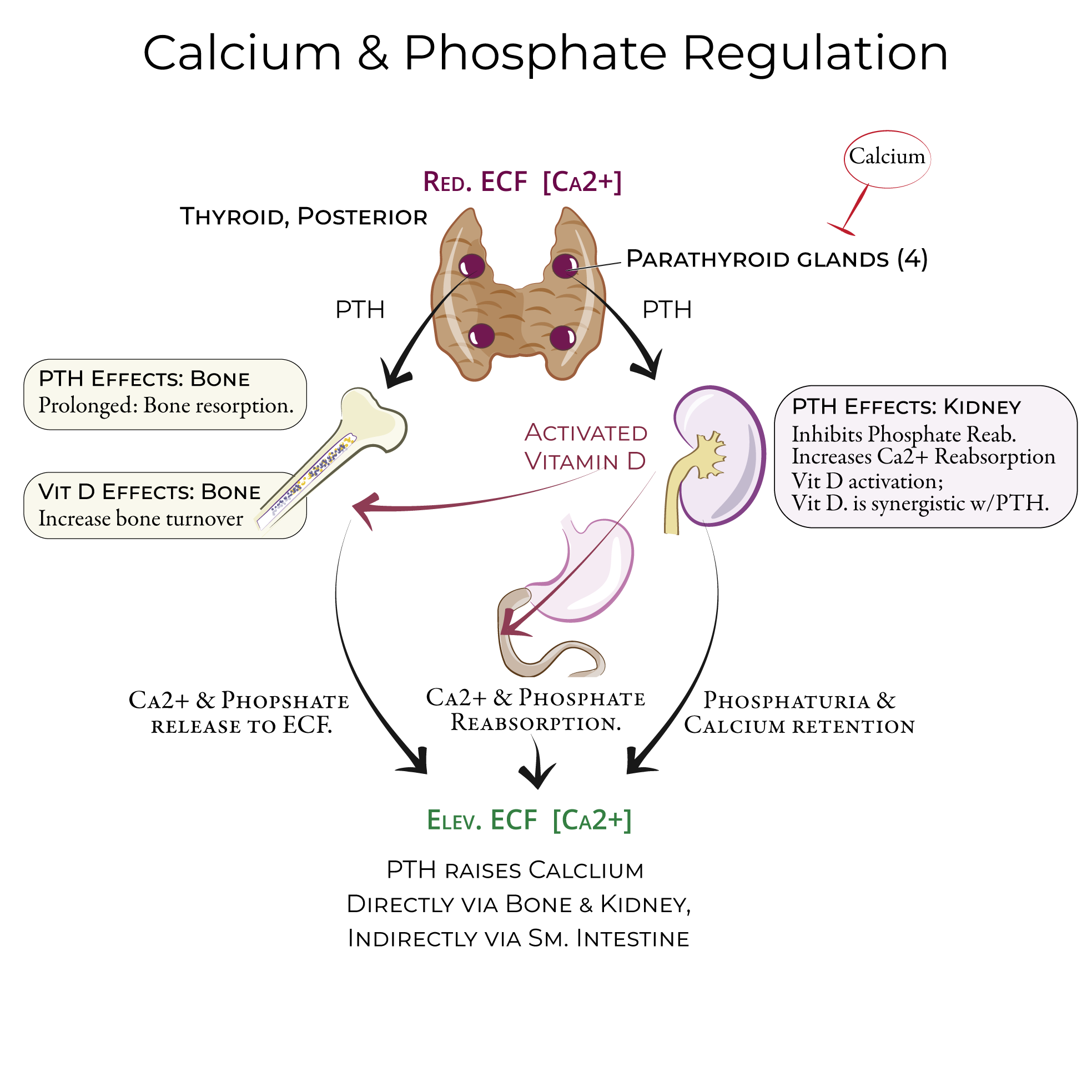
What is the PTH?
Parathyroid hormone (PTH) is a hormone made by the parathyroid glands in the neck. It helps control calcium levels in the blood by increasing calcium release from bones, improving calcium absorption in the intestines, and reducing calcium loss in urine. When PTH is given in short and controlled pulses, it becomes osteoanabolic. If given in too high doses it tends to break down bones, so dosing is important.


IMG 0767


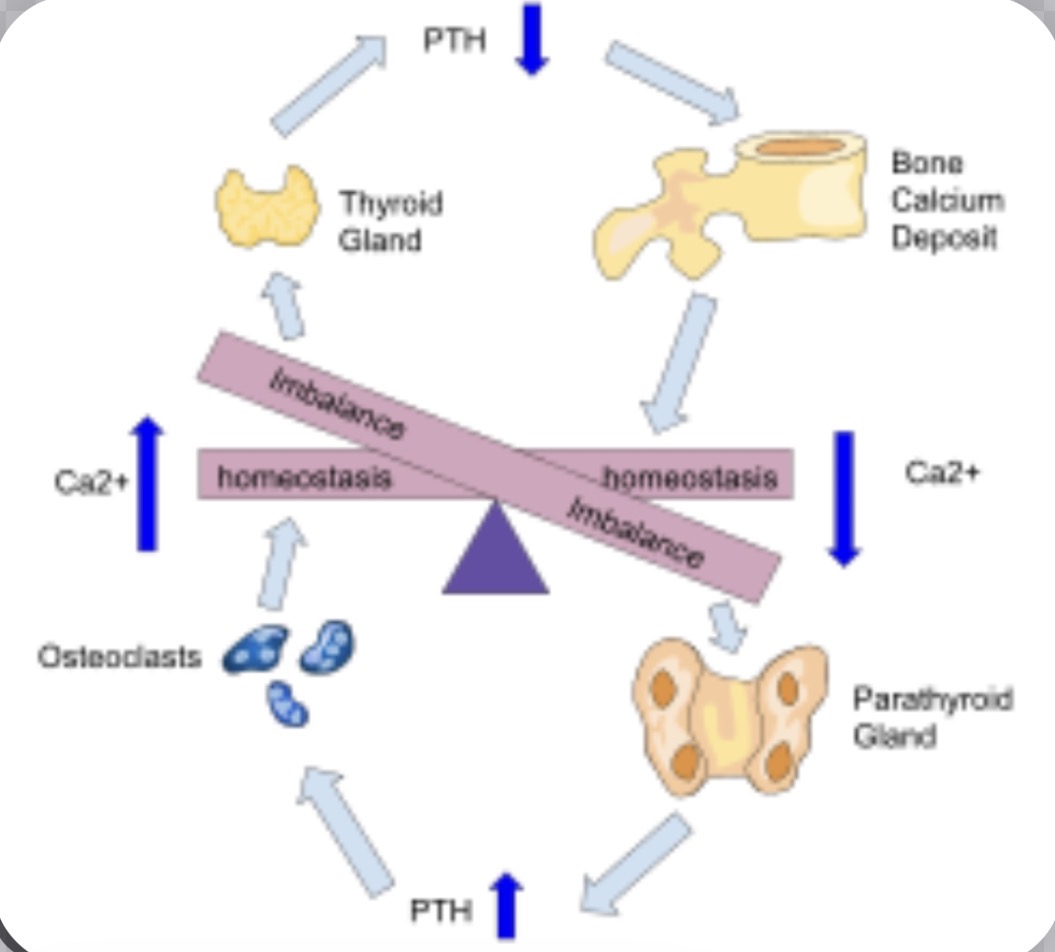
How is it osteoanabolic (or How does it build bones?)
PTH binds to PTH1 receptors on osteoblasts and osteocytes, which promotes osteoblast differentiation, increases osteoblast lifespan, enhances Collagen type 1 and bone matric production.
It also reduces sclerostin, which removed inhibition of the Wnt signaling pathway, which consequently results in strong stimulation of bone formation.
IMG 0769

What are PTH analogues?
PTH analogues are synthetic versions of parathyroid hormone or its fragments designed to replicate its biological actions in the body. They work primarily by stimulating osteoblasts, which are the cells responsible for building new bone tissue. This leads to increased bone formation and improved bone density, making them valuable treatments for severe osteoporosis, especially in postmenopausal women and individuals at high risk of fractures. Unlike some other osteoporosis drugs that only slow bone loss, these analogues actively promote bone growth when used in short courses. Common examples include teriparatide and abaloparatide, which are administered by daily injection.

Now that we should have cleared up most questions, I am going to continue to examples of Working PTH Analogues.
The most famous one is probably Abaloparatide.
Abaloparatide is a synthetic peptide analogue of parathyroid hormone-related protein (PTHrP) that selectively activates the parathyroid hormone type 1 receptor (PTH1R) in a way that favors bone formation. It is primarily used to treat osteoporosis in postmenopausal women and men at high risk of fractures by stimulating osteoblast activity, which increases bone mineral density and bone strength. Administered as a daily subcutaneous injection, it promotes new bone growth more than resorption when used in short treatment courses, typically up to two years. Clinical studies show it effectively reduces the risk of vertebral and non-vertebral fractures.
Abaloparatide has been shown in actual studies to increase actual bone density. They used it on Rats in a lab and came to the result:
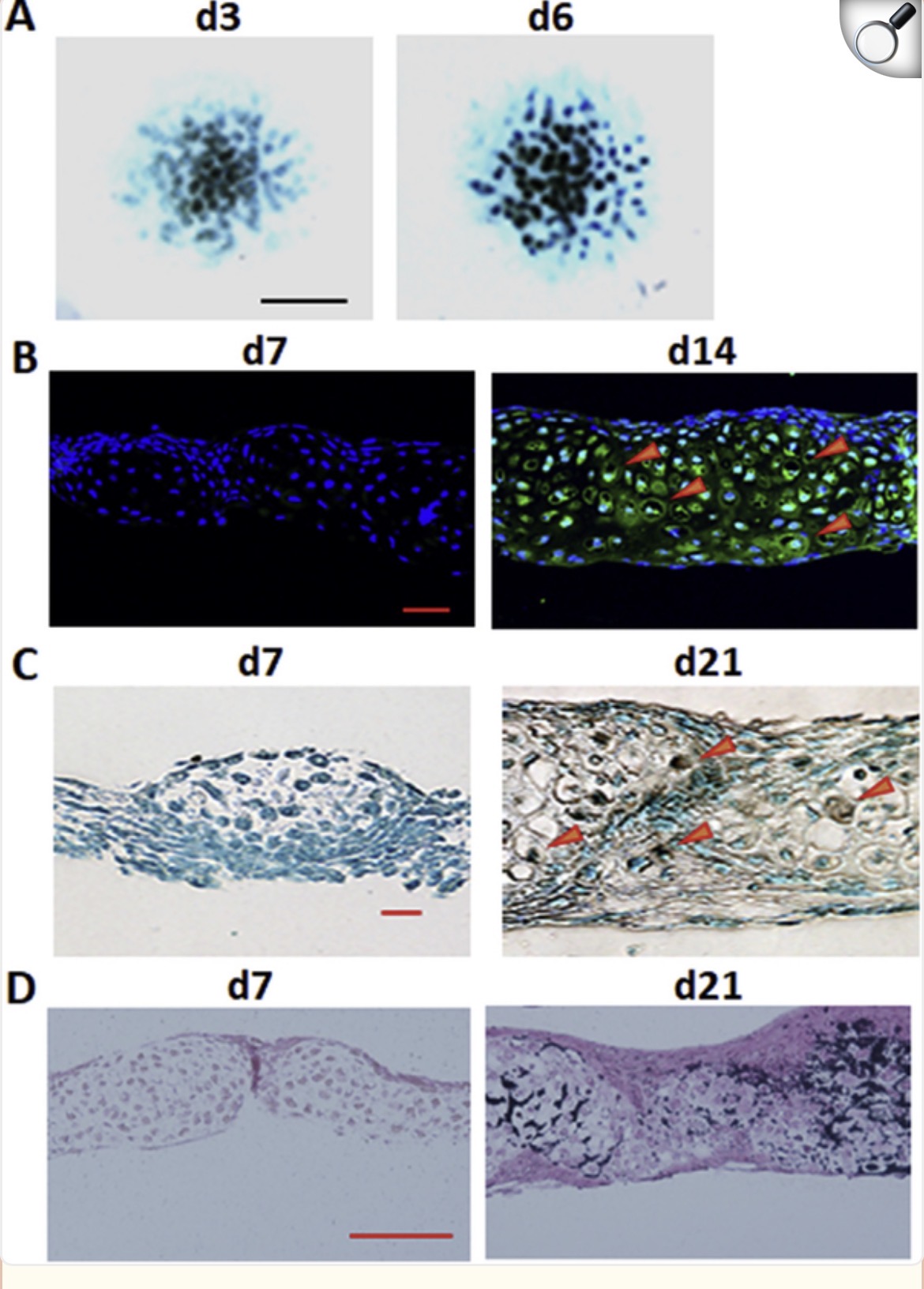
The cartilaginous tissue progressively thickened and was manually removed for histologic evaluation.
IMG 0770

This Study proved that Abaloparatide significantly enhances the formation of new cartilage.
Now onto the second Drug:Pro-Pro-[Arg(11)]hPTH(1-34)-Pro-Pro-Asp
(Hell of a name isnt it)
Pro-Pro-[Arg(11)]hPTH(1-34)-Pro-Pro-Asp, also known as hPTH', is a synthetic, genetically engineered version of human parathyroid hormone designed to treat osteoporosis.
Natural parathyroid hormone regulates calcium and bone growth, and scientists previously discovered that only the first 34 amino acids of the molecule are needed to effectively stimulate bone formation. To create hPTH', researchers modified this essential segment by replacing the eleventh amino acid with arginine. They also added protective chemical "caps" made of proline and aspartic acid to both ends of the chain.
These structural modifications allow the drug to be mass-produced efficiently in laboratory bacteria without being broken down by destructive cellular enzymes. Once injected into the body, natural enzymes clip off the protective caps to release the active medication. Medical studies show that this specific formulation is highly effective, leading to significant increases in bone mineral density and stronger overall bone structure compared to standard hormone treatments.
This Drug is significantly more effective than Abaloparatide.
Both of these Drugs and most other PTH Analogues are usually injected subcutaneously.

But now lets get to the best part: How do they Grow facial bones?
Researchers treated adolescent rats with two bone-building drugs, teriparatide and abaloparatide, while using a specialized splint to pull the lower jaw forward. They then examined how these medications affected jaw cartilage and bone growth over a four-week period. They injected the rats with the drugs into their TMJs.
The results showed that both drugs successfully stimulated jaw growth, but their specific impact depended on the location. While the medications increased cartilage thickness in the jaw joint when used alone, combining them with the physical splint actually reduced cartilage growth at that specific site. However, at other areas of the jaw, the drugs worked together with the physical stretching to significantly increase both jaw length and bone width, proving that these treatments enhance skeletal growth by responding to mechanical pressure.
And now the best Part: Their Ramuses grew taller and when they paired the drugs with the physical splint, even the length of the mandibled increased.

This is huge news for boneless chickens like many of us sitting on these forums.
I am not advising or condoning the use of research drugs under any circumstances, talk to your doctor to get informed for risks.
If these drugs were to be taken, a drug like Hydrochlorothiazide would be recommended due to the increased kidney stone risk.


Cheers!
 
  • +1
  • Woah
  • Hmm...
Reactions: cvskll, bluebandz, kaistillover and 11 others
Greetings from Vatican City (DNR)
 
Last edited:
  • Love it
Reactions: ropemaxxer00
IMG 0214
 
  • JFL
  • +1
Reactions: Iblamelarper, davidlaidisme67, GcNgClZnDx and 2 others
Dnr + Cope
 
  • JFL
  • Woah
  • +1
Reactions: lenvoalt, polarpop and 6footislaw
delete ur acc
 
  • +1
Reactions: Ahmed88 and polarpop
typical low iq thread for "facial bones"
 
  • +1
Reactions: stonecold trucel and Ahmed88
Bookmarked but fix formatting hard to read
 
Read it all
1000016756
 
Last edited:
  • +1
  • JFL
Reactions: truecatboyoo, hughie5503, gallo and 3 others
Read it all
Giving helpful information to org rotters is like giving gold to a pig
I could swear to god not a single one of these tards read it:lul::hnghn:
 
  • +1
Reactions: 81xa
Did you read it.
yeah but the rats of the study that were injected with stuff were adolescent rats do you think even in holder ones it can grow facial bones plus. do you think is the with humans? i mean it could be able to help grow bones in teens not adults i would say. and what is the extent of the growth. i think you did a very good thread but i dont think Abaloparatide could give you jaw angle implants results. and if it works they way we want wouldnt that cause an overbite of the mandible since the mandible grows much faster than the midface?
 
  • +1
Reactions: Tonyy_xg
For over a year now, I have been looking for a way to grow my facial bones, lurking on org, buying and reading medical books about biochemistry and anatomy, but never found a way to stimulate meaningful effects without hardmaxing or orthodontics. I had seen enough of all the “just use hgh” on org with no evidence whatsoever, and decided to dive deeper in it one last time.
Consequently, a week or two ago, I was doing some research with Grok (the best ai to looksmax)
I was doing research about growth plate maturity ages for some important growth plates, when grok suddenly said something that stuck out to me.

I had to read that again.
A peptide that increases bone formation and density more dramatically than GH?
I couldn’t believe my eyes, so i immediately had to hook back on that. I asked grok to cite me the studies that have studied this peptide immediately, and sure it was, as clear as light, definitive proof that these peptides, can actually increase bone formation and density. I immediately went on org to see if any of the PTH analogues that have been studied where mentioned, but there were no thorough articles ever written there about them.
I figured that this could be my chance to bless the looksmaxing community, so tune in for some High Iq article by me.

What is the PTH?
Parathyroid hormone (PTH) is a hormone made by the parathyroid glands in the neck. It helps control calcium levels in the blood by increasing calcium release from bones, improving calcium absorption in the intestines, and reducing calcium loss in urine. When PTH is given in short and controlled pulses, it becomes osteoanabolic. If given in too high doses it tends to break down bones, so dosing is important.


View attachment 5088308

How is it osteoanabolic (or How does it build bones?)
PTH binds to PTH1 receptors on osteoblasts and osteocytes, which promotes osteoblast differentiation, increases osteoblast lifespan, enhances Collagen type 1 and bone matric production.
It also reduces sclerostin, which removed inhibition of the Wnt signaling pathway, which consequently results in strong stimulation of bone formation.
View attachment 5088315

What are PTH analogues?
PTH analogues are synthetic versions of parathyroid hormone or its fragments designed to replicate its biological actions in the body. They work primarily by stimulating osteoblasts, which are the cells responsible for building new bone tissue. This leads to increased bone formation and improved bone density, making them valuable treatments for severe osteoporosis, especially in postmenopausal women and individuals at high risk of fractures. Unlike some other osteoporosis drugs that only slow bone loss, these analogues actively promote bone growth when used in short courses. Common examples include teriparatide and abaloparatide, which are administered by daily injection.

Now that we should have cleared up most questions, I am going to continue to examples of Working PTH Analogues.
The most famous one is probably Abaloparatide.
Abaloparatide is a synthetic peptide analogue of parathyroid hormone-related protein (PTHrP) that selectively activates the parathyroid hormone type 1 receptor (PTH1R) in a way that favors bone formation. It is primarily used to treat osteoporosis in postmenopausal women and men at high risk of fractures by stimulating osteoblast activity, which increases bone mineral density and bone strength. Administered as a daily subcutaneous injection, it promotes new bone growth more than resorption when used in short treatment courses, typically up to two years. Clinical studies show it effectively reduces the risk of vertebral and non-vertebral fractures.
Abaloparatide has been shown in actual studies to increase actual bone density. They used it on Rats in a lab and came to the result:

View attachment 5088323
This Study proved that Abaloparatide significantly enhances the formation of new cartilage.
Now onto the second Drug:Pro-Pro-[Arg(11)]hPTH(1-34)-Pro-Pro-Asp
(Hell of a name isnt it)
Pro-Pro-[Arg(11)]hPTH(1-34)-Pro-Pro-Asp, also known as hPTH', is a synthetic, genetically engineered version of human parathyroid hormone designed to treat osteoporosis.
Natural parathyroid hormone regulates calcium and bone growth, and scientists previously discovered that only the first 34 amino acids of the molecule are needed to effectively stimulate bone formation. To create hPTH', researchers modified this essential segment by replacing the eleventh amino acid with arginine. They also added protective chemical "caps" made of proline and aspartic acid to both ends of the chain.
These structural modifications allow the drug to be mass-produced efficiently in laboratory bacteria without being broken down by destructive cellular enzymes. Once injected into the body, natural enzymes clip off the protective caps to release the active medication. Medical studies show that this specific formulation is highly effective, leading to significant increases in bone mineral density and stronger overall bone structure compared to standard hormone treatments.
This Drug is significantly more effective than Abaloparatide.
Both of these Drugs and most other PTH Analogues are usually injected subcutaneously.

But now lets get to the best part: How do they Grow facial bones?
Researchers treated adolescent rats with two bone-building drugs, teriparatide and abaloparatide, while using a specialized splint to pull the lower jaw forward. They then examined how these medications affected jaw cartilage and bone growth over a four-week period. They injected the rats with the drugs into their TMJs.
The results showed that both drugs successfully stimulated jaw growth, but their specific impact depended on the location. While the medications increased cartilage thickness in the jaw joint when used alone, combining them with the physical splint actually reduced cartilage growth at that specific site. However, at other areas of the jaw, the drugs worked together with the physical stretching to significantly increase both jaw length and bone width, proving that these treatments enhance skeletal growth by responding to mechanical pressure.
And now the best Part: Their Ramuses grew taller and when they paired the drugs with the physical splint, even the length of the mandibled increased.

This is huge news for boneless chickens like many of us sitting on these forums.
I am not advising or condoning the use of research drugs under any circumstances, talk to your doctor to get informed for risks.
If these drugs were to be taken, a drug like Hydrochlorothiazide would be recommended due to the increased kidney stone risk.


Cheers!
It’s been discussed for a very long while
Very interesting but from what I’ve seen results differentiate from person to person
I might hop on a stack of vasoritide romosozumab and abaloparatide. Just to experiment
 
It’s been discussed for a very long while
Very interesting but from what I’ve seen results differentiate from person to person
I might hop on a stack of vasoritide romosozumab and abaloparatide. Just to experiment
True but people didnt ever write a thorough article like i did. Good luck with the stack cause getting pth analogues is hard as fuck
 
  • +1
Reactions: buccalfatremoval
yeah but the rats of the study that were injected with stuff were adolescent rats do you think even in holder ones it can grow facial bones plus. do you think is the with humans? i mean it could be able to help grow bones in teens not adults i would say. and what is the extent of the growth. i think you did a very good thread but i dont think Abaloparatide could give you jaw angle implants results. and if it works they way we want wouldnt that cause an overbite of the mandible since the mandible grows much faster than the midface?
it doesnt matter the the rats were adolescent pth analogues worker on adult humans too
 
For over a year now, I have been looking for a way to grow my facial bones, lurking on org, buying and reading medical books about biochemistry and anatomy, but never found a way to stimulate meaningful effects without hardmaxing or orthodontics. I had seen enough of all the “just use hgh” on org with no evidence whatsoever, and decided to dive deeper in it one last time.
Consequently, a week or two ago, I was doing some research with Grok (the best ai to looksmax)
I was doing research about growth plate maturity ages for some important growth plates, when grok suddenly said something that stuck out to me.

I had to read that again.
A peptide that increases bone formation and density more dramatically than GH?
I couldn’t believe my eyes, so i immediately had to hook back on that. I asked grok to cite me the studies that have studied this peptide immediately, and sure it was, as clear as light, definitive proof that these peptides, can actually increase bone formation and density. I immediately went on org to see if any of the PTH analogues that have been studied where mentioned, but there were no thorough articles ever written there about them.
I figured that this could be my chance to bless the looksmaxing community, so tune in for some High Iq article by me.

What is the PTH?
Parathyroid hormone (PTH) is a hormone made by the parathyroid glands in the neck. It helps control calcium levels in the blood by increasing calcium release from bones, improving calcium absorption in the intestines, and reducing calcium loss in urine. When PTH is given in short and controlled pulses, it becomes osteoanabolic. If given in too high doses it tends to break down bones, so dosing is important.


View attachment 5088308

How is it osteoanabolic (or How does it build bones?)
PTH binds to PTH1 receptors on osteoblasts and osteocytes, which promotes osteoblast differentiation, increases osteoblast lifespan, enhances Collagen type 1 and bone matric production.
It also reduces sclerostin, which removed inhibition of the Wnt signaling pathway, which consequently results in strong stimulation of bone formation.
View attachment 5088315

What are PTH analogues?
PTH analogues are synthetic versions of parathyroid hormone or its fragments designed to replicate its biological actions in the body. They work primarily by stimulating osteoblasts, which are the cells responsible for building new bone tissue. This leads to increased bone formation and improved bone density, making them valuable treatments for severe osteoporosis, especially in postmenopausal women and individuals at high risk of fractures. Unlike some other osteoporosis drugs that only slow bone loss, these analogues actively promote bone growth when used in short courses. Common examples include teriparatide and abaloparatide, which are administered by daily injection.

Now that we should have cleared up most questions, I am going to continue to examples of Working PTH Analogues.
The most famous one is probably Abaloparatide.
Abaloparatide is a synthetic peptide analogue of parathyroid hormone-related protein (PTHrP) that selectively activates the parathyroid hormone type 1 receptor (PTH1R) in a way that favors bone formation. It is primarily used to treat osteoporosis in postmenopausal women and men at high risk of fractures by stimulating osteoblast activity, which increases bone mineral density and bone strength. Administered as a daily subcutaneous injection, it promotes new bone growth more than resorption when used in short treatment courses, typically up to two years. Clinical studies show it effectively reduces the risk of vertebral and non-vertebral fractures.
Abaloparatide has been shown in actual studies to increase actual bone density. They used it on Rats in a lab and came to the result:

View attachment 5088323
This Study proved that Abaloparatide significantly enhances the formation of new cartilage.
Now onto the second Drug:Pro-Pro-[Arg(11)]hPTH(1-34)-Pro-Pro-Asp
(Hell of a name isnt it)
Pro-Pro-[Arg(11)]hPTH(1-34)-Pro-Pro-Asp, also known as hPTH', is a synthetic, genetically engineered version of human parathyroid hormone designed to treat osteoporosis.
Natural parathyroid hormone regulates calcium and bone growth, and scientists previously discovered that only the first 34 amino acids of the molecule are needed to effectively stimulate bone formation. To create hPTH', researchers modified this essential segment by replacing the eleventh amino acid with arginine. They also added protective chemical "caps" made of proline and aspartic acid to both ends of the chain.
These structural modifications allow the drug to be mass-produced efficiently in laboratory bacteria without being broken down by destructive cellular enzymes. Once injected into the body, natural enzymes clip off the protective caps to release the active medication. Medical studies show that this specific formulation is highly effective, leading to significant increases in bone mineral density and stronger overall bone structure compared to standard hormone treatments.
This Drug is significantly more effective than Abaloparatide.
Both of these Drugs and most other PTH Analogues are usually injected subcutaneously.

But now lets get to the best part: How do they Grow facial bones?
Researchers treated adolescent rats with two bone-building drugs, teriparatide and abaloparatide, while using a specialized splint to pull the lower jaw forward. They then examined how these medications affected jaw cartilage and bone growth over a four-week period. They injected the rats with the drugs into their TMJs.
The results showed that both drugs successfully stimulated jaw growth, but their specific impact depended on the location. While the medications increased cartilage thickness in the jaw joint when used alone, combining them with the physical splint actually reduced cartilage growth at that specific site. However, at other areas of the jaw, the drugs worked together with the physical stretching to significantly increase both jaw length and bone width, proving that these treatments enhance skeletal growth by responding to mechanical pressure.
And now the best Part: Their Ramuses grew taller and when they paired the drugs with the physical splint, even the length of the mandibled increased.

This is huge news for boneless chickens like many of us sitting on these forums.
I am not advising or condoning the use of research drugs under any circumstances, talk to your doctor to get informed for risks.
If these drugs were to be taken, a drug like Hydrochlorothiazide would be recommended due to the increased kidney stone risk.


Cheers!
masai jumps and raw milk (dnr)
 
  • WTF
Reactions: ropemaxxer00
True but people didnt ever write a thorough article like i did. Good luck with the stack cause getting pth analogues is hard as fuck
cap indiamart got you
 
  • Hmm...
Reactions: ropemaxxer00
For over a year now, I have been looking for a way to grow my facial bones, lurking on org, buying and reading medical books about biochemistry and anatomy, but never found a way to stimulate meaningful effects without hardmaxing or orthodontics. I had seen enough of all the “just use hgh” on org with no evidence whatsoever, and decided to dive deeper in it one last time.
Consequently, a week or two ago, I was doing some research with Grok (the best ai to looksmax)
I was doing research about growth plate maturity ages for some important growth plates, when grok suddenly said something that stuck out to me.

I had to read that again.
A peptide that increases bone formation and density more dramatically than GH?
I couldn’t believe my eyes, so i immediately had to hook back on that. I asked grok to cite me the studies that have studied this peptide immediately, and sure it was, as clear as light, definitive proof that these peptides, can actually increase bone formation and density. I immediately went on org to see if any of the PTH analogues that have been studied where mentioned, but there were no thorough articles ever written there about them.
I figured that this could be my chance to bless the looksmaxing community, so tune in for some High Iq article by me.

What is the PTH?
Parathyroid hormone (PTH) is a hormone made by the parathyroid glands in the neck. It helps control calcium levels in the blood by increasing calcium release from bones, improving calcium absorption in the intestines, and reducing calcium loss in urine. When PTH is given in short and controlled pulses, it becomes osteoanabolic. If given in too high doses it tends to break down bones, so dosing is important.


View attachment 5088308

How is it osteoanabolic (or How does it build bones?)
PTH binds to PTH1 receptors on osteoblasts and osteocytes, which promotes osteoblast differentiation, increases osteoblast lifespan, enhances Collagen type 1 and bone matric production.
It also reduces sclerostin, which removed inhibition of the Wnt signaling pathway, which consequently results in strong stimulation of bone formation.
View attachment 5088315

What are PTH analogues?
PTH analogues are synthetic versions of parathyroid hormone or its fragments designed to replicate its biological actions in the body. They work primarily by stimulating osteoblasts, which are the cells responsible for building new bone tissue. This leads to increased bone formation and improved bone density, making them valuable treatments for severe osteoporosis, especially in postmenopausal women and individuals at high risk of fractures. Unlike some other osteoporosis drugs that only slow bone loss, these analogues actively promote bone growth when used in short courses. Common examples include teriparatide and abaloparatide, which are administered by daily injection.

Now that we should have cleared up most questions, I am going to continue to examples of Working PTH Analogues.
The most famous one is probably Abaloparatide.
Abaloparatide is a synthetic peptide analogue of parathyroid hormone-related protein (PTHrP) that selectively activates the parathyroid hormone type 1 receptor (PTH1R) in a way that favors bone formation. It is primarily used to treat osteoporosis in postmenopausal women and men at high risk of fractures by stimulating osteoblast activity, which increases bone mineral density and bone strength. Administered as a daily subcutaneous injection, it promotes new bone growth more than resorption when used in short treatment courses, typically up to two years. Clinical studies show it effectively reduces the risk of vertebral and non-vertebral fractures.
Abaloparatide has been shown in actual studies to increase actual bone density. They used it on Rats in a lab and came to the result:

View attachment 5088323
This Study proved that Abaloparatide significantly enhances the formation of new cartilage.
Now onto the second Drug:Pro-Pro-[Arg(11)]hPTH(1-34)-Pro-Pro-Asp
(Hell of a name isnt it)
Pro-Pro-[Arg(11)]hPTH(1-34)-Pro-Pro-Asp, also known as hPTH', is a synthetic, genetically engineered version of human parathyroid hormone designed to treat osteoporosis.
Natural parathyroid hormone regulates calcium and bone growth, and scientists previously discovered that only the first 34 amino acids of the molecule are needed to effectively stimulate bone formation. To create hPTH', researchers modified this essential segment by replacing the eleventh amino acid with arginine. They also added protective chemical "caps" made of proline and aspartic acid to both ends of the chain.
These structural modifications allow the drug to be mass-produced efficiently in laboratory bacteria without being broken down by destructive cellular enzymes. Once injected into the body, natural enzymes clip off the protective caps to release the active medication. Medical studies show that this specific formulation is highly effective, leading to significant increases in bone mineral density and stronger overall bone structure compared to standard hormone treatments.
This Drug is significantly more effective than Abaloparatide.
Both of these Drugs and most other PTH Analogues are usually injected subcutaneously.

But now lets get to the best part: How do they Grow facial bones?
Researchers treated adolescent rats with two bone-building drugs, teriparatide and abaloparatide, while using a specialized splint to pull the lower jaw forward. They then examined how these medications affected jaw cartilage and bone growth over a four-week period. They injected the rats with the drugs into their TMJs.
The results showed that both drugs successfully stimulated jaw growth, but their specific impact depended on the location. While the medications increased cartilage thickness in the jaw joint when used alone, combining them with the physical splint actually reduced cartilage growth at that specific site. However, at other areas of the jaw, the drugs worked together with the physical stretching to significantly increase both jaw length and bone width, proving that these treatments enhance skeletal growth by responding to mechanical pressure.
And now the best Part: Their Ramuses grew taller and when they paired the drugs with the physical splint, even the length of the mandibled increased.

This is huge news for boneless chickens like many of us sitting on these forums.
I am not advising or condoning the use of research drugs under any circumstances, talk to your doctor to get informed for risks.
If these drugs were to be taken, a drug like Hydrochlorothiazide would be recommended due to the increased kidney stone risk.


Cheers!
bump
 
For over a year now, I have been looking for a way to grow my facial bones, lurking on org, buying and reading medical books about biochemistry and anatomy, but never found a way to stimulate meaningful effects without hardmaxing or orthodontics. I had seen enough of all the “just use hgh” on org with no evidence whatsoever, and decided to dive deeper in it one last time.
Consequently, a week or two ago, I was doing some research with Grok (the best ai to looksmax)
I was doing research about growth plate maturity ages for some important growth plates, when grok suddenly said something that stuck out to me.

I had to read that again.
A peptide that increases bone formation and density more dramatically than GH?
I couldn’t believe my eyes, so i immediately had to hook back on that. I asked grok to cite me the studies that have studied this peptide immediately, and sure it was, as clear as light, definitive proof that these peptides, can actually increase bone formation and density. I immediately went on org to see if any of the PTH analogues that have been studied where mentioned, but there were no thorough articles ever written there about them.
I figured that this could be my chance to bless the looksmaxing community, so tune in for some High Iq article by me.

What is the PTH?
Parathyroid hormone (PTH) is a hormone made by the parathyroid glands in the neck. It helps control calcium levels in the blood by increasing calcium release from bones, improving calcium absorption in the intestines, and reducing calcium loss in urine. When PTH is given in short and controlled pulses, it becomes osteoanabolic. If given in too high doses it tends to break down bones, so dosing is important.


View attachment 5088308

How is it osteoanabolic (or How does it build bones?)
PTH binds to PTH1 receptors on osteoblasts and osteocytes, which promotes osteoblast differentiation, increases osteoblast lifespan, enhances Collagen type 1 and bone matric production.
It also reduces sclerostin, which removed inhibition of the Wnt signaling pathway, which consequently results in strong stimulation of bone formation.
View attachment 5088315

What are PTH analogues?
PTH analogues are synthetic versions of parathyroid hormone or its fragments designed to replicate its biological actions in the body. They work primarily by stimulating osteoblasts, which are the cells responsible for building new bone tissue. This leads to increased bone formation and improved bone density, making them valuable treatments for severe osteoporosis, especially in postmenopausal women and individuals at high risk of fractures. Unlike some other osteoporosis drugs that only slow bone loss, these analogues actively promote bone growth when used in short courses. Common examples include teriparatide and abaloparatide, which are administered by daily injection.

Now that we should have cleared up most questions, I am going to continue to examples of Working PTH Analogues.
The most famous one is probably Abaloparatide.
Abaloparatide is a synthetic peptide analogue of parathyroid hormone-related protein (PTHrP) that selectively activates the parathyroid hormone type 1 receptor (PTH1R) in a way that favors bone formation. It is primarily used to treat osteoporosis in postmenopausal women and men at high risk of fractures by stimulating osteoblast activity, which increases bone mineral density and bone strength. Administered as a daily subcutaneous injection, it promotes new bone growth more than resorption when used in short treatment courses, typically up to two years. Clinical studies show it effectively reduces the risk of vertebral and non-vertebral fractures.
Abaloparatide has been shown in actual studies to increase actual bone density. They used it on Rats in a lab and came to the result:

View attachment 5088323
This Study proved that Abaloparatide significantly enhances the formation of new cartilage.
Now onto the second Drug:Pro-Pro-[Arg(11)]hPTH(1-34)-Pro-Pro-Asp
(Hell of a name isnt it)
Pro-Pro-[Arg(11)]hPTH(1-34)-Pro-Pro-Asp, also known as hPTH', is a synthetic, genetically engineered version of human parathyroid hormone designed to treat osteoporosis.
Natural parathyroid hormone regulates calcium and bone growth, and scientists previously discovered that only the first 34 amino acids of the molecule are needed to effectively stimulate bone formation. To create hPTH', researchers modified this essential segment by replacing the eleventh amino acid with arginine. They also added protective chemical "caps" made of proline and aspartic acid to both ends of the chain.
These structural modifications allow the drug to be mass-produced efficiently in laboratory bacteria without being broken down by destructive cellular enzymes. Once injected into the body, natural enzymes clip off the protective caps to release the active medication. Medical studies show that this specific formulation is highly effective, leading to significant increases in bone mineral density and stronger overall bone structure compared to standard hormone treatments.
This Drug is significantly more effective than Abaloparatide.
Both of these Drugs and most other PTH Analogues are usually injected subcutaneously.

But now lets get to the best part: How do they Grow facial bones?
Researchers treated adolescent rats with two bone-building drugs, teriparatide and abaloparatide, while using a specialized splint to pull the lower jaw forward. They then examined how these medications affected jaw cartilage and bone growth over a four-week period. They injected the rats with the drugs into their TMJs.
The results showed that both drugs successfully stimulated jaw growth, but their specific impact depended on the location. While the medications increased cartilage thickness in the jaw joint when used alone, combining them with the physical splint actually reduced cartilage growth at that specific site. However, at other areas of the jaw, the drugs worked together with the physical stretching to significantly increase both jaw length and bone width, proving that these treatments enhance skeletal growth by responding to mechanical pressure.
And now the best Part: Their Ramuses grew taller and when they paired the drugs with the physical splint, even the length of the mandibled increased.

This is huge news for boneless chickens like many of us sitting on these forums.
I am not advising or condoning the use of research drugs under any circumstances, talk to your doctor to get informed for risks.
If these drugs were to be taken, a drug like Hydrochlorothiazide would be recommended due to the increased kidney stone risk.


Cheers!
mirin
 

Similar threads

L1nk10
Replies
11
Views
130
RAFAPAPA
R
petko
Replies
6
Views
109
petko
petko
thegever
Replies
4
Views
84
napoleonic
napoleonic
AtrophicPyra
Replies
2
Views
52
AtrophicPyra
AtrophicPyra
oliverblackpillgod
Replies
10
Views
65
sharkboa
sharkboa

Users who are viewing this thread

  • 818
Back
Top
Sponsored
Stake.us
America's #1 Social Casino
Slots, Poker & More
Join Now →