Seth Walsh

Iconoclast
Contributor
- Joined
- Jan 12, 2020
- Posts
- 10,888
- Reputation
- 22,237
Ok so,
The lie isn't that class differences exist, it's lying about it "not mattering". Or not acknowledging the magnitude of the effect of social class differences at all.


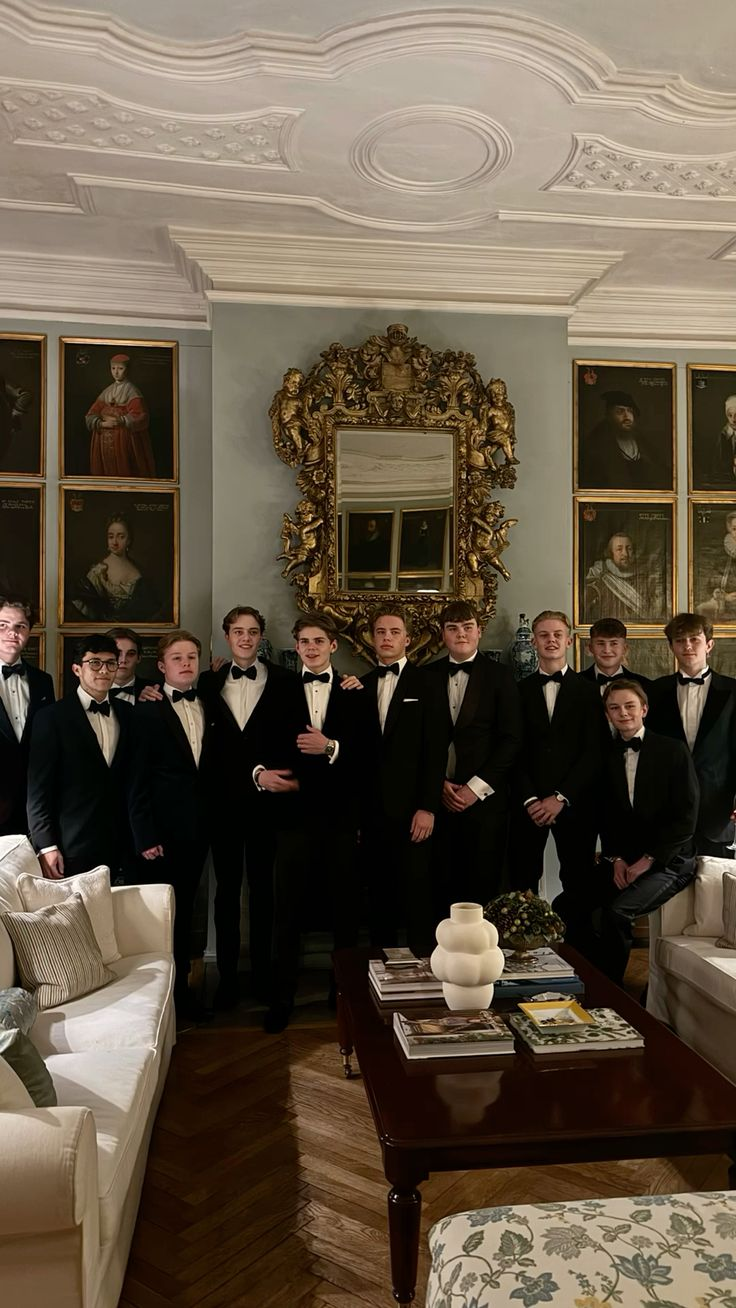
Social class shapes your brain on a level upstream of the brain stem. It is responsible for you nervous system wiring. Good class = calm affect. Lower class = panic, hypervigilance. Lower trust.
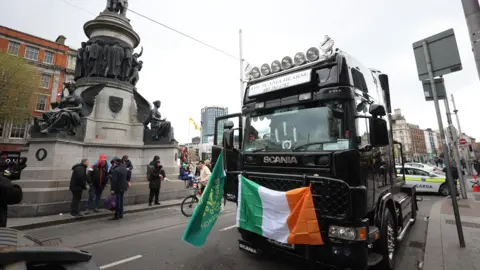

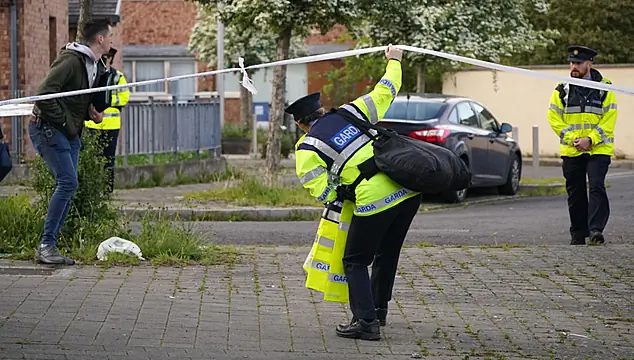
Why do the underclass support Conor McGregor? Why are they called "alt right"?
In the UK, 55% of middle-class graduates have done an internship, versus 36% of working-class graduates.
Young people from higher professional backgrounds in the UK earn about 13% more than peers from lower working-class backgrounds with the same qualification level.
It buys the postcode, the school, the fallback plan, the rent cover, the internship, the cleaner CV gaps, the better teeth, the calmer nervous system, the social fluency, and the confidence that comes from seeing the world catch you when you fall.
In Britain, only around 7% of people attend private school, but people in top jobs are still about five times more likely than the general population to have gone private.
In America, students from high-income families are more than twice as likely to get into Ivy-plus colleges as low- and middle-income peers.
Social Class Blackpill 1 backed with fact: Internships and early career advantage (and permanence)
Stats/examples used above: UK internship participation gaps and the role of professional connections come from Sutton Trust polling; middle-class graduates were more likely than working-class graduates to do internships (55% vs 36%), and graduates with at least one professional connection were more likely to have done one (60% vs 33%).
The point about background still affecting pay even with the same qualification level is backed by UK Social Mobility Commission data: 25–29 year olds from higher professional backgrounds earned about 13% more than those from lower working-class backgrounds with the same qualification level in 2020–2022.
 social-mobility.data.gov.uk
The line about private-school overrepresentation is grounded in Sutton Trust’s Elitist Britain work: about 7% of the UK population attends private school, yet people in top jobs are still about five times more likely than the general population to have gone private.

 www.suttontrust.com
The Ivy-plus example is based on David Deming’s research summary via Harvard Kennedy School: students from high-income families are more than twice as likely to be admitted to Ivy-plus colleges as low- and middle-income peers.

The broader claim that cross-class connections matter for upward mobility is consistent with Opportunity Insights research showing economic connectedness is a strong predictor of upward mobility.

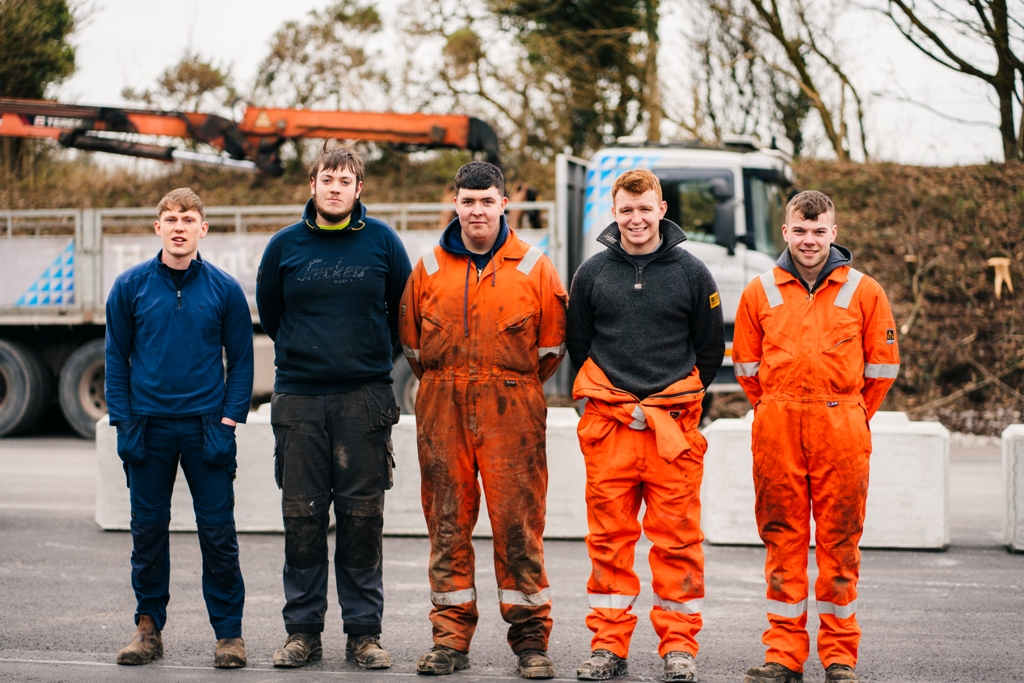
Interesting perspective: Why do the Irish underclass support Conor McGregor, then get called alt-right by high class individuals for supporting him?
Some poorer or socially alienated Irish people back McGregor because he feels like a revenge fantasy against the people they think look down on them. He is rich, aggressive, shameless, Irish, male, anti-elite in style, and he says out loud what they think they are not allowed to say about immigration, status, and national decline. That does not mean all of them are ideological fascists. A lot of it is class resentment, masculine identification, and anti-establishment anger wearing a political costume.
 www.esri.ie
Why upper-class people call them “alt right”: because McGregor’s rhetoric now clearly overlaps with the modern far-right template — anti-immigration alarmism, nationalist posturing, Trump proximity, anti-establishment grievance, and a “the elites betrayed the natives” frame. Reuters notes he used a White House visit to attack Irish immigration policy, and Reuters has also tied anti-immigrant unrest in Ireland to far-right activists and organising. So the label is not coming from nowhere.
But the upper-class use of “alt right” also does class work for them. It lets them collapse three different things into one bucket: genuine racism, understandable local resentment, and broader anti-elite anger. That is convenient, because once everyone angry is branded “alt right,” they no longer have to seriously engage with why some communities feel abandoned, culturally displaced, or permanently second-tier. Reuters has reported repeated protests around asylum accommodation and a lack of community engagement being cited as a factor.

VERSUS
 (left leaning liberal rich father with liberated, educated, and provisioned daughter)
BRUTAL TRUTH BELOW
McGregor support is often a mix of class rage, male identity, anti-elite resentment, and immigration backlash.
The “alt-right” label is partly accurate for the rhetoric and the fringe around it.
It is also partly a status label used by higher-status people to morally dismiss a population they already view as crude.
The lie isn't that class differences exist, it's lying about it "not mattering". Or not acknowledging the magnitude of the effect of social class differences at all.
Social class shapes your brain on a level upstream of the brain stem. It is responsible for you nervous system wiring. Good class = calm affect. Lower class = panic, hypervigilance. Lower trust.
Why do the underclass support Conor McGregor? Why are they called "alt right"?
In the UK, 55% of middle-class graduates have done an internship, versus 36% of working-class graduates.
Young people from higher professional backgrounds in the UK earn about 13% more than peers from lower working-class backgrounds with the same qualification level.
It buys the postcode, the school, the fallback plan, the rent cover, the internship, the cleaner CV gaps, the better teeth, the calmer nervous system, the social fluency, and the confidence that comes from seeing the world catch you when you fall.
In Britain, only around 7% of people attend private school, but people in top jobs are still about five times more likely than the general population to have gone private.
In America, students from high-income families are more than twice as likely to get into Ivy-plus colleges as low- and middle-income peers.
Social Class Blackpill 1 backed with fact: Internships and early career advantage (and permanence)
Stats/examples used above: UK internship participation gaps and the role of professional connections come from Sutton Trust polling; middle-class graduates were more likely than working-class graduates to do internships (55% vs 36%), and graduates with at least one professional connection were more likely to have done one (60% vs 33%).
The point about background still affecting pay even with the same qualification level is backed by UK Social Mobility Commission data: 25–29 year olds from higher professional backgrounds earned about 13% more than those from lower working-class backgrounds with the same qualification level in 2020–2022.
Direct effect of social origin on earnings - Social Mobility Commission State of the Nation - GOV.UK
The line about private-school overrepresentation is grounded in Sutton Trust’s Elitist Britain work: about 7% of the UK population attends private school, yet people in top jobs are still about five times more likely than the general population to have gone private.
Elitist Britain 2025 - The Sutton Trust
Landmark research on the educational backgrounds of Britain's most powerful people.
www.suttontrust.com
The Ivy-plus example is based on David Deming’s research summary via Harvard Kennedy School: students from high-income families are more than twice as likely to be admitted to Ivy-plus colleges as low- and middle-income peers.
The broader claim that cross-class connections matter for upward mobility is consistent with Opportunity Insights research showing economic connectedness is a strong predictor of upward mobility.
Interesting perspective: Why do the Irish underclass support Conor McGregor, then get called alt-right by high class individuals for supporting him?
Some poorer or socially alienated Irish people back McGregor because he feels like a revenge fantasy against the people they think look down on them. He is rich, aggressive, shameless, Irish, male, anti-elite in style, and he says out loud what they think they are not allowed to say about immigration, status, and national decline. That does not mean all of them are ideological fascists. A lot of it is class resentment, masculine identification, and anti-establishment anger wearing a political costume.
Are community characteristics linked to people’s attitudes to immigration in Ireland?
This Bulletin summaries the findings from: Laurence, J., McGinnity, F. & Murphy, K. (2025). Community-level drivers of attitudes towards immigration in Ireland Journal of Ethnic and Migration Studies, https://www.tandfonline.com/doi/full/10.1080/1369183X.2025.2487198 Introduction Migrants come...
www.esri.ie
Why upper-class people call them “alt right”: because McGregor’s rhetoric now clearly overlaps with the modern far-right template — anti-immigration alarmism, nationalist posturing, Trump proximity, anti-establishment grievance, and a “the elites betrayed the natives” frame. Reuters notes he used a White House visit to attack Irish immigration policy, and Reuters has also tied anti-immigrant unrest in Ireland to far-right activists and organising. So the label is not coming from nowhere.
But the upper-class use of “alt right” also does class work for them. It lets them collapse three different things into one bucket: genuine racism, understandable local resentment, and broader anti-elite anger. That is convenient, because once everyone angry is branded “alt right,” they no longer have to seriously engage with why some communities feel abandoned, culturally displaced, or permanently second-tier. Reuters has reported repeated protests around asylum accommodation and a lack of community engagement being cited as a factor.
VERSUS
BRUTAL TRUTH BELOW
McGregor support is often a mix of class rage, male identity, anti-elite resentment, and immigration backlash.
The “alt-right” label is partly accurate for the rhetoric and the fringe around it.
It is also partly a status label used by higher-status people to morally dismiss a population they already view as crude.