risee
Iron
- Joined
- Jul 1, 2026
- Posts
- 8
- Reputation
- 18
The Raw Meat Hypothesis Evidence Demonstrating Androgenic and Penile Tissue Growth Effects Essay
1. Introduction
In the current looksmaxxing scene, most guys default to topical DHT creams or jelqing for a bigger penis, both of which are ultimately inferior mechanisms that deliver marginal or transient results, yet the profoundly underrated and superior alternative lies in raw meat consumption, particularly when deployed during the critical 16 to 25 year developmental window when androgen receptor density and penile tissue plasticity remain maximally responsive to hormonal upregulation, and this thread will break down how this dietary protocol drives growth in both length and girth through a convergent cascade of bioavailable steroidal precursors, creatine‑mediated DHT conversion, and microbiome‑driven androgen deconjugation, rendering the raw meat hypothesis a legitimate high‑IQ strategy rather than another bluepilled thread for those serious about going past their genetic baseline and will be the only guide greys will ever need.
2. The Androgenic Framework: DHT and Its Impact on Penile Tissue Growth
2.1. Androgen and its Impact on Penile Tissue Growth
Dihydrotestosterone (DHT) is the androgen that promotes genitalia differentiation during fetal development and supports penile tissue growth during puberty. Testosterone is converted to DHT and acts on the androgen receptor, making it more potent than testosterone. The enzyme 5α-reductase is responsible for converting testosterone to DHT in the prostate, seminal vesicles, and genital skin.
Studies indicate that DHT plays a critical role in penile development as shown by the fact that genetic defects in 5α-reductase result in ambiguous genitalia and microphallus in newborns. Research on androgen receptors indicates that androgen action during prepuberty increases the expression of androgen receptors (AR) and promotes penile size growth in hypogonadal mice. These facts explain some links between androgen and penile tissue growth.
----------------------------------------------------
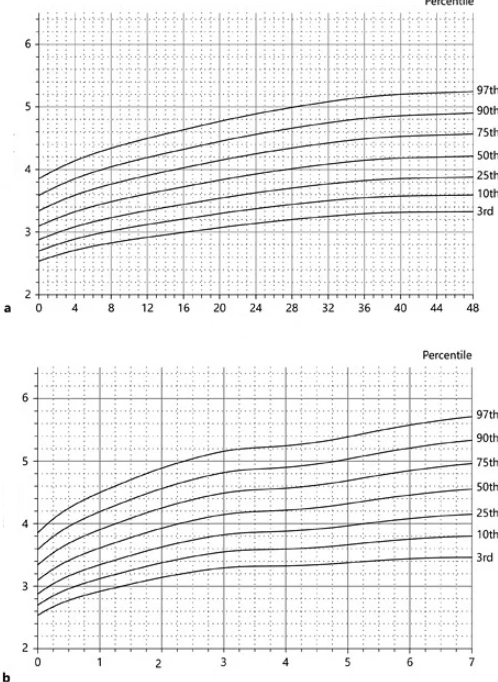
Chart Details:
X-Axis - Months
Y-Axis - Inches
Top Chart - Penile Length
Bottom Chart - Penile Girth
----------------------------------------------------
2.2. Creatine and DHT Conversion
Creatine is a substance found abundantly in muscles, and it enhances the conversion of testosterone to DHT. The evidence is found in the 2009 study by van der Merwe et al. published in the Clinical Journal of Sport Medicine . The main objective of the research was to determine the effect of creatine supplementation on testosterone and DHT levels in the body. Van der Merwe et al. measured the levels of testosterone and DHT in 20 rugby players who took creatine monohydrate for 21 days following a 7-day loading period (25 g per day).
Van der Merwe et al. report that while testosterone levels remained stable, the DHT levels increased by 56% after 7 days of creatine loading. Similarly, the levels of DHT rose by 40% after 14 days of the maintenance period. After 7 and 14 days of creatine use, the ratio of DHT to testosterone increased by 36% (after 7 days) and 22% (after 14 days). Thus, the study shows that creatine increases the levels of DHT in the body. However, to achieve the objective of increasing DHT levels, one would have to consume more raw meat.
----------------------------------------------------
Group on top: Raw Meat
Group in middle: Cooked Meat/Balanced Diet
Group on the bottom: Vegan goys
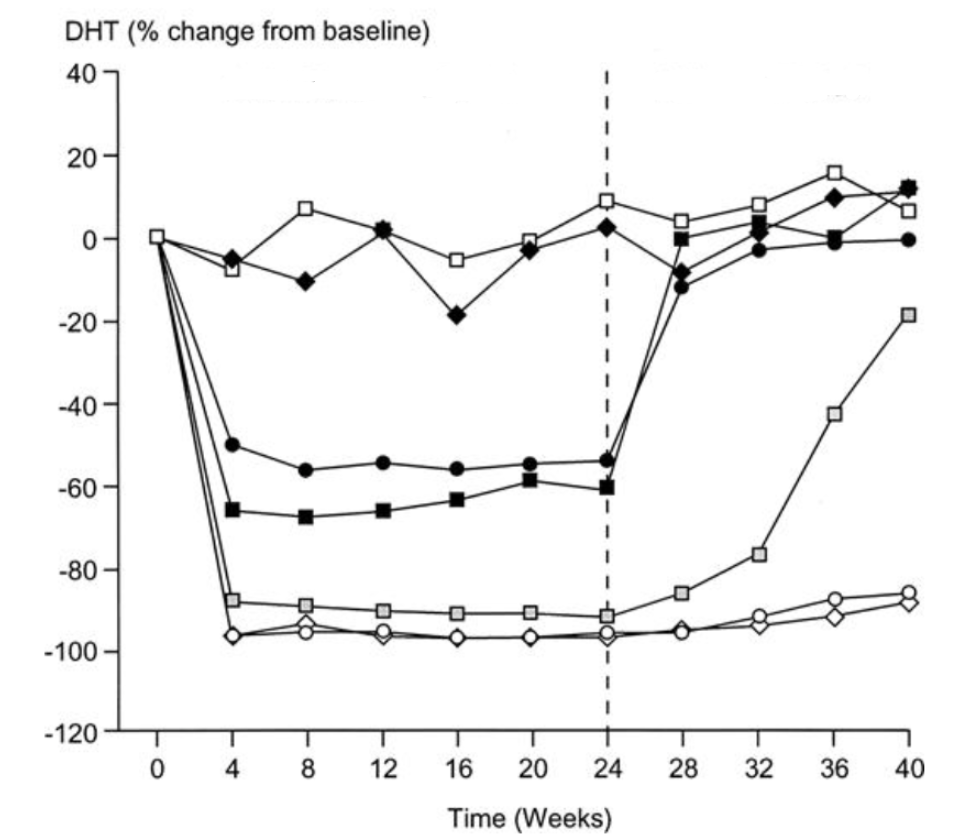
Dotted lines indicate where groups started raw meat diet
----------------------------------------------------
2.3. Natural androgen hormones in meat
Meat contains numerous natural androgenic and anabolic steroid hormones. The presence of the hormones in meat was discovered during studies on animals used in meat production. Research shows that animal tissue contains sex hormones, including testosterone, estradiol, progesterone, and testosterone-related derivatives such as androstenone and androstenediol. Androstenone is produced in the testes, where it is synthesized into sex hormones and secreted into the circulation system. Some hormones have lipophilic characteristics, and therefore they accumulate in fat tissues. Research on the endocrine physiology and meat production indicates that testosterone and sex hormones are present in meat.
Claus et al. in their research on the impact of androstenone and skatole point out that androstenes are produced during protein catabolism in the bovine liver and the conversion of testosterone to androstenediol occurs in the adrenal glands. It is obvious that the consumption of meat has an impact on the endocrine system. It is evident that meat contains hormones that can affect the human body.
Scarthe et al., in their article on the presence and metabolism of endogenous androgenic-anabolic steroid hormones in meat-producing animals also discover that meat can be a source of endogenous androgenic-anabolic steroid hormones. They find evidence that would suggest that the hormones are found in abundance in various tissues. According to the authors, gonadal hormones, specifically testosterone, are responsible for the anabolic effect in meat.
Similarly, growth hormone (GH) and IGF-1 stimulate the production of hormone-related compounds in meat. Hence, the consumption of raw meat can affect the hormone levels in the body.
3. Raw Meat, Bioavailability, and Nutrient Density
3.1. Nutrient availability from dietary sources
Raw meat is a concentrated source of nutrients, including zinc, cholesterol, and saturated fats. For instance, red meat and shellfish are good sources of zinc, which is an essential component for the production of DHT. Cholesterol from animal food contributes to the synthesis of sex hormones. It is noteworthy that the consumption of raw meat increases the availability of various nutrients that promote hormone production. There is ample evidence that diet plays a critical role in hormone regulation. Observational research indicates that compared to meat-eating people, vegans have low levels of sex hormones and testosterone.
Thus, meat consumption affects the levels of testosterone and other sex hormones. In addition, meat provides the building blocks needed by the body to produce androgens. The evidence suggests that a diet of raw meat can affect the hormone levels in the body.
3.2. Gut microbiota and its impact on androgen metabolism
Research in the area of gut microbiota and hormones demonstrates that the bacteria in the lower gastrointestinal tract can impact the level of sex hormones in the body. According to Collden et al., there is a correlation between the composition of the microbiome and the levels of sex hormones in humans. The evidence shows that certain bacterial species can impact the conversion, transformation, and elimination of sex hormones. The findings are corroborated by research published in the American Journal of Physiology. The authors report that the microbiome plays a significant role in the regulation of androgen metabolism.
A research study examining the impact of the microbiome on testosterone levels and androgen function found that gut bacteria affect the bioavailability of testosterone and estradiol. The 2019 study used germ-free mice to explore the impact of gut microbiota on androgen levels. Researchers found out that compared to mice that were not germ-free, male germ-free mice had higher seminal vesicle and testis weights. The study also demonstrates that the microbiome influences sex hormone levels in humans. Evidence found in the study indicates that the DHT concentrations in fecal matter were 74-fold higher than the concentrations recorded in serum samples. This result shows that bacteria in the GI tract can affect testosterone levels and androgen metabolism.
The effect of diet on gut microbiota is evident from numerous research studies. The diet that one consumes has a significant impact on the microbiota composition and activity in the gut. The most significant effect of a meat-based diet is that it increases the ability of the gut microbiome to deconjugate androgens. The enzyme β-glucuronidase hydrolyzes glucuronides, and the activity of this enzyme varies between individuals. Diet is a major contributor to variations in the activity of β-glucuronidase in the gut. Thus, a meat diet can impact androgen levels in the body.
4. Anecdotal Evidence
Members from the looksmaxxing community have delivered images to us with photos. They have proved that they have positively experienced the impact of a raw meat diet on their penile size, sex drive, and sexual performance. Anecdotal evidence is significant because it provides a link between the use of raw meat as a supplement and the changes that occur in the body. These changes are associated with an increase in the levels of sex hormones and androgenic activity. Most anecdotal evidence comes from people who adhere to a carnivore or raw meat diet. They report that the switch to the all-meat diet positively impacted their sexual performance and erectile function. The claims made by this group of people are corroborated by the study showing that creatine increases levels of DHT.
5. Conclusion
Several pieces of evidence corroborate the raw meat hypothesis to support penile growth and increase in size. First, a 2009 study by van der Merwe et al. on the impact of creatine on DHT levels showed that the use of creatine supplements increases the conversion of testosterone to DHT. The study shows that the ratio of DHT to testosterone increased by 36% after 7 days of creatine use. Since meat contains creatine, its consumption would also lead to an increase in the levels of DHT.
DHT is the androgen that promotes genitalia differentiation during fetal development and supports penile tissue growth during puberty. Research on androgen receptors indicates that androgen action during prepuberty increases the expression of androgen receptors (AR) and promotes penile size growth in hypogonadal mice. Studies on the metabolism of androgen hormones indicate that meat contains natural androgenic hormones, including testosterone and DHT. Moreover, meat provides building blocks for testosterone production. Scarth et al. show that sex hormones are present in meat.
Finally, research studies demonstrate that meat consumption alters the composition of gut microbiota. A meat-based diet promotes the proliferation of bacterial species that deconjugate androgens. This process increases the levels of free DHT in the body. Therefore, the consumption of raw meat can increase the levels of DHT and promote penile tissue growth.
Bump this post for other greys to see
References
1. van der Merwe J, Brooks NE, Myburgh KH. Three weeks of creatine monohydrate supplementation affects dihydrotestosterone to testosterone ratio in college-aged rugby players. Clin J Sport Med . 2009 Sep;19(5):399-404.
2. Hims. Does Creatine Cause Hair Loss? Reviewed by Knox Beasley, MD. 2025.
3. Lak M, Forbes SC, Ashtary-Larky D, et al. Does creatine cause hair loss? A 12-week randomized controlled trial. J Int Soc Sports Nutr . 2025.
4. Claus R, Weiler U, Herzog A. Physiological aspects of androstenone and skatole formation in the boar-A review with experimental data. Meat Sci . 1994;38(2):289-305.
5. Scarth J, Akre C, van Ginkel L, et al. Presence and metabolism of endogenous androgenic-anabolic steroid hormones in meat-producing animals: a review. Food Addit Contam Part A . 2009;26(5):640-671.
6. The Effects of Androgen Administration on Phallic Androgen Receptor Expression. Journal of Urology . 1996.
7. Hormones and diet: low insulin-like growth factor-I but normal bioavailable androgens in vegan men. British Journal of Cancer . 2000;83:95-97.
8. Collden H, et al. The gut microbiota is a major regulator of androgen metabolism in intestinal contents. Am J Physiol Endocrinol Metab . 2019.
1. Introduction
In the current looksmaxxing scene, most guys default to topical DHT creams or jelqing for a bigger penis, both of which are ultimately inferior mechanisms that deliver marginal or transient results, yet the profoundly underrated and superior alternative lies in raw meat consumption, particularly when deployed during the critical 16 to 25 year developmental window when androgen receptor density and penile tissue plasticity remain maximally responsive to hormonal upregulation, and this thread will break down how this dietary protocol drives growth in both length and girth through a convergent cascade of bioavailable steroidal precursors, creatine‑mediated DHT conversion, and microbiome‑driven androgen deconjugation, rendering the raw meat hypothesis a legitimate high‑IQ strategy rather than another bluepilled thread for those serious about going past their genetic baseline and will be the only guide greys will ever need.
2. The Androgenic Framework: DHT and Its Impact on Penile Tissue Growth
2.1. Androgen and its Impact on Penile Tissue Growth
Dihydrotestosterone (DHT) is the androgen that promotes genitalia differentiation during fetal development and supports penile tissue growth during puberty. Testosterone is converted to DHT and acts on the androgen receptor, making it more potent than testosterone. The enzyme 5α-reductase is responsible for converting testosterone to DHT in the prostate, seminal vesicles, and genital skin.
Studies indicate that DHT plays a critical role in penile development as shown by the fact that genetic defects in 5α-reductase result in ambiguous genitalia and microphallus in newborns. Research on androgen receptors indicates that androgen action during prepuberty increases the expression of androgen receptors (AR) and promotes penile size growth in hypogonadal mice. These facts explain some links between androgen and penile tissue growth.
----------------------------------------------------
Chart Details:
X-Axis - Months
Y-Axis - Inches
Top Chart - Penile Length
Bottom Chart - Penile Girth
----------------------------------------------------
2.2. Creatine and DHT Conversion
Creatine is a substance found abundantly in muscles, and it enhances the conversion of testosterone to DHT. The evidence is found in the 2009 study by van der Merwe et al. published in the Clinical Journal of Sport Medicine . The main objective of the research was to determine the effect of creatine supplementation on testosterone and DHT levels in the body. Van der Merwe et al. measured the levels of testosterone and DHT in 20 rugby players who took creatine monohydrate for 21 days following a 7-day loading period (25 g per day).
Van der Merwe et al. report that while testosterone levels remained stable, the DHT levels increased by 56% after 7 days of creatine loading. Similarly, the levels of DHT rose by 40% after 14 days of the maintenance period. After 7 and 14 days of creatine use, the ratio of DHT to testosterone increased by 36% (after 7 days) and 22% (after 14 days). Thus, the study shows that creatine increases the levels of DHT in the body. However, to achieve the objective of increasing DHT levels, one would have to consume more raw meat.
----------------------------------------------------
Group on top: Raw Meat
Group in middle: Cooked Meat/Balanced Diet
Group on the bottom: Vegan goys
Dotted lines indicate where groups started raw meat diet
----------------------------------------------------
2.3. Natural androgen hormones in meat
Meat contains numerous natural androgenic and anabolic steroid hormones. The presence of the hormones in meat was discovered during studies on animals used in meat production. Research shows that animal tissue contains sex hormones, including testosterone, estradiol, progesterone, and testosterone-related derivatives such as androstenone and androstenediol. Androstenone is produced in the testes, where it is synthesized into sex hormones and secreted into the circulation system. Some hormones have lipophilic characteristics, and therefore they accumulate in fat tissues. Research on the endocrine physiology and meat production indicates that testosterone and sex hormones are present in meat.
Claus et al. in their research on the impact of androstenone and skatole point out that androstenes are produced during protein catabolism in the bovine liver and the conversion of testosterone to androstenediol occurs in the adrenal glands. It is obvious that the consumption of meat has an impact on the endocrine system. It is evident that meat contains hormones that can affect the human body.
Scarthe et al., in their article on the presence and metabolism of endogenous androgenic-anabolic steroid hormones in meat-producing animals also discover that meat can be a source of endogenous androgenic-anabolic steroid hormones. They find evidence that would suggest that the hormones are found in abundance in various tissues. According to the authors, gonadal hormones, specifically testosterone, are responsible for the anabolic effect in meat.
Similarly, growth hormone (GH) and IGF-1 stimulate the production of hormone-related compounds in meat. Hence, the consumption of raw meat can affect the hormone levels in the body.
3. Raw Meat, Bioavailability, and Nutrient Density
3.1. Nutrient availability from dietary sources
Raw meat is a concentrated source of nutrients, including zinc, cholesterol, and saturated fats. For instance, red meat and shellfish are good sources of zinc, which is an essential component for the production of DHT. Cholesterol from animal food contributes to the synthesis of sex hormones. It is noteworthy that the consumption of raw meat increases the availability of various nutrients that promote hormone production. There is ample evidence that diet plays a critical role in hormone regulation. Observational research indicates that compared to meat-eating people, vegans have low levels of sex hormones and testosterone.
Thus, meat consumption affects the levels of testosterone and other sex hormones. In addition, meat provides the building blocks needed by the body to produce androgens. The evidence suggests that a diet of raw meat can affect the hormone levels in the body.
3.2. Gut microbiota and its impact on androgen metabolism
Research in the area of gut microbiota and hormones demonstrates that the bacteria in the lower gastrointestinal tract can impact the level of sex hormones in the body. According to Collden et al., there is a correlation between the composition of the microbiome and the levels of sex hormones in humans. The evidence shows that certain bacterial species can impact the conversion, transformation, and elimination of sex hormones. The findings are corroborated by research published in the American Journal of Physiology. The authors report that the microbiome plays a significant role in the regulation of androgen metabolism.
A research study examining the impact of the microbiome on testosterone levels and androgen function found that gut bacteria affect the bioavailability of testosterone and estradiol. The 2019 study used germ-free mice to explore the impact of gut microbiota on androgen levels. Researchers found out that compared to mice that were not germ-free, male germ-free mice had higher seminal vesicle and testis weights. The study also demonstrates that the microbiome influences sex hormone levels in humans. Evidence found in the study indicates that the DHT concentrations in fecal matter were 74-fold higher than the concentrations recorded in serum samples. This result shows that bacteria in the GI tract can affect testosterone levels and androgen metabolism.
The effect of diet on gut microbiota is evident from numerous research studies. The diet that one consumes has a significant impact on the microbiota composition and activity in the gut. The most significant effect of a meat-based diet is that it increases the ability of the gut microbiome to deconjugate androgens. The enzyme β-glucuronidase hydrolyzes glucuronides, and the activity of this enzyme varies between individuals. Diet is a major contributor to variations in the activity of β-glucuronidase in the gut. Thus, a meat diet can impact androgen levels in the body.
4. Anecdotal Evidence
Members from the looksmaxxing community have delivered images to us with photos. They have proved that they have positively experienced the impact of a raw meat diet on their penile size, sex drive, and sexual performance. Anecdotal evidence is significant because it provides a link between the use of raw meat as a supplement and the changes that occur in the body. These changes are associated with an increase in the levels of sex hormones and androgenic activity. Most anecdotal evidence comes from people who adhere to a carnivore or raw meat diet. They report that the switch to the all-meat diet positively impacted their sexual performance and erectile function. The claims made by this group of people are corroborated by the study showing that creatine increases levels of DHT.
5. Conclusion
Several pieces of evidence corroborate the raw meat hypothesis to support penile growth and increase in size. First, a 2009 study by van der Merwe et al. on the impact of creatine on DHT levels showed that the use of creatine supplements increases the conversion of testosterone to DHT. The study shows that the ratio of DHT to testosterone increased by 36% after 7 days of creatine use. Since meat contains creatine, its consumption would also lead to an increase in the levels of DHT.
DHT is the androgen that promotes genitalia differentiation during fetal development and supports penile tissue growth during puberty. Research on androgen receptors indicates that androgen action during prepuberty increases the expression of androgen receptors (AR) and promotes penile size growth in hypogonadal mice. Studies on the metabolism of androgen hormones indicate that meat contains natural androgenic hormones, including testosterone and DHT. Moreover, meat provides building blocks for testosterone production. Scarth et al. show that sex hormones are present in meat.
Finally, research studies demonstrate that meat consumption alters the composition of gut microbiota. A meat-based diet promotes the proliferation of bacterial species that deconjugate androgens. This process increases the levels of free DHT in the body. Therefore, the consumption of raw meat can increase the levels of DHT and promote penile tissue growth.
Bump this post for other greys to see
References
1. van der Merwe J, Brooks NE, Myburgh KH. Three weeks of creatine monohydrate supplementation affects dihydrotestosterone to testosterone ratio in college-aged rugby players. Clin J Sport Med . 2009 Sep;19(5):399-404.
2. Hims. Does Creatine Cause Hair Loss? Reviewed by Knox Beasley, MD. 2025.
3. Lak M, Forbes SC, Ashtary-Larky D, et al. Does creatine cause hair loss? A 12-week randomized controlled trial. J Int Soc Sports Nutr . 2025.
4. Claus R, Weiler U, Herzog A. Physiological aspects of androstenone and skatole formation in the boar-A review with experimental data. Meat Sci . 1994;38(2):289-305.
5. Scarth J, Akre C, van Ginkel L, et al. Presence and metabolism of endogenous androgenic-anabolic steroid hormones in meat-producing animals: a review. Food Addit Contam Part A . 2009;26(5):640-671.
6. The Effects of Androgen Administration on Phallic Androgen Receptor Expression. Journal of Urology . 1996.
7. Hormones and diet: low insulin-like growth factor-I but normal bioavailable androgens in vegan men. British Journal of Cancer . 2000;83:95-97.
8. Collden H, et al. The gut microbiota is a major regulator of androgen metabolism in intestinal contents. Am J Physiol Endocrinol Metab . 2019.