



Shirobon
l̸̷̷̷̷̷̷̷̷̡̠͖̺̫͍̞̻̐̀̚͜ o̴̷̷̷̷̷̷̷̷̦͔̟͇͍̼͔͆͘
- Joined
- Aug 12, 2024
- Posts
- 3,747
- Reputation
- 4,563
Prerequisites to this guide:
MOBILE USERS PLEASE USE DESKTOP SITE OPTION IN SETTINGS OR ZOOM OUT It's fucking unreadable if you dont I have NOT tested the Formulations myself found later in the guide please use with discretion First Guide guys formatting and writing all over the place chill on me  anyways enjoy reading  |
| Explanation of SIK |
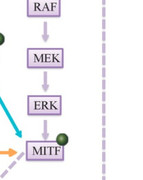
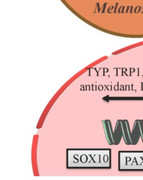
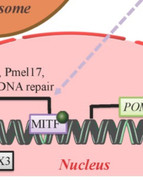
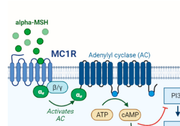
| Melanogenesis Overview & Relation to SIK |
| SIK Inhibition |
| Trials & Findings |
| Topical Formulation |
Salt-inducible kinases:
☲☲☲☲☲☲☲☲☲☲☲☲☲☲☲☲☲☲☲☲☲☲☲☲☲☲☲☲☲☲☲☲☲☲☲☲☲☲☲☲☲☲☲☲☲☲☲☲☲☲☲☲☲☲☲☲☲☲☲☲☲☲☲☲☲☲☲☲☲☲☲☲☲☲☲☲☲☲☲☲☲☲☲☲☲☲☲☲☲☲☲☲

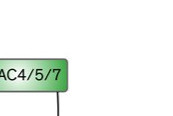
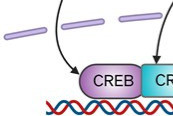
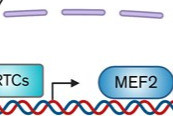
TL;DR:
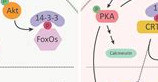
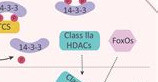
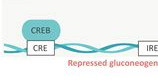
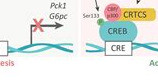
SIK is a family of proteins found in our bodies that regulates lots of stuf including SIK2's regulation of tanning proccess luh bruh

Process of Melanogenesis:
☲☲☲☲☲☲☲☲☲☲☲☲☲☲☲☲☲☲☲☲☲☲☲☲☲☲☲☲☲☲☲☲☲☲☲ ☲☲☲☲☲☲☲☲☲☲☲☲☲☲☲☲☲☲☲☲☲☲☲☲☲☲☲☲☲☲☲☲☲☲☲☲☲☲☲☲☲☲☲☲☲☲☲☲☲☲☲☲☲☲☲☲☲☲☲☲
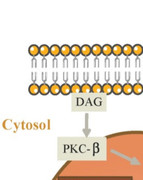
TL;DR:
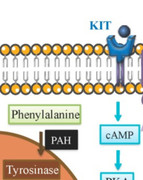
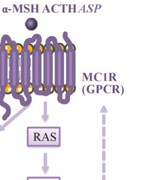
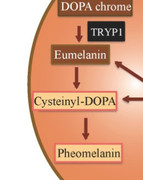
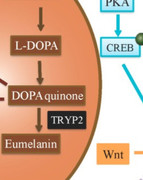
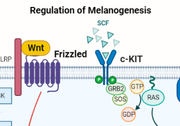
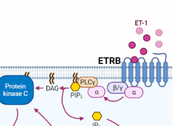
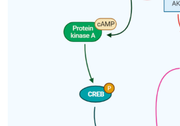
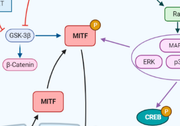
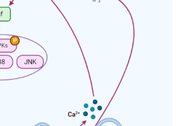
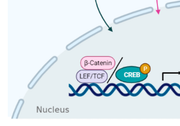
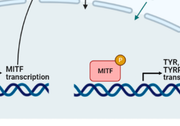
melanogenesis is process that make u tan
Now that you understand the basic overview of Salt-inducible kinases(SIK) and the process of melanin production,
how does SIK2 factor into the regulation of Melanogenesis and what does SIK Inhibition overall mean for Pharmacotherapy?

(nigga holding queef juice)
how does SIK2 factor into the regulation of Melanogenesis and what does SIK Inhibition overall mean for Pharmacotherapy?
(nigga holding queef juice)
SIK Inhibition:
| ☲☲☲☲☲☲☲☲☲☲☲☲☲☲☲☲☲☲☲☲☲☲ | ☲☲☲☲☲☲☲☲☲☲☲☲☲☲☲☲☲☲☲☲☲☲☲☲☲☲☲☲☲☲☲☲☲☲☲☲☲☲☲☲☲☲☲☲☲☲☲☲☲☲☲☲☲☲☲☲☲☲☲ | ||||||||
 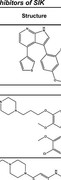 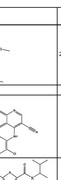 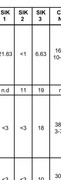  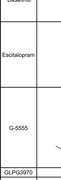 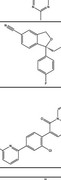 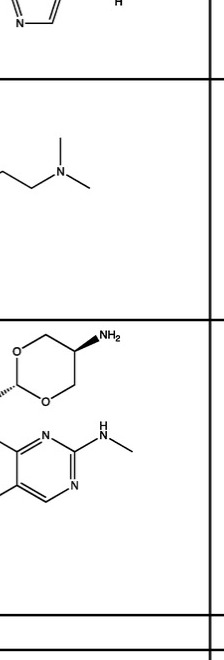  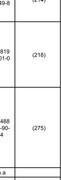 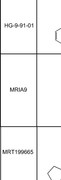 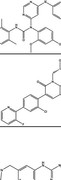 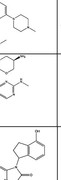 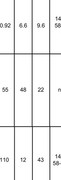 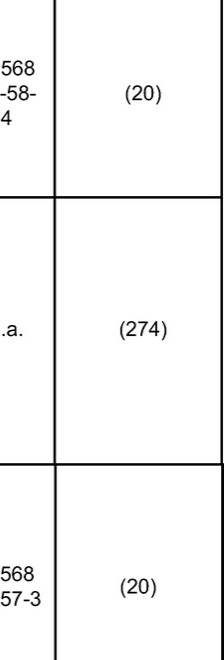 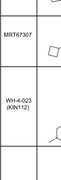 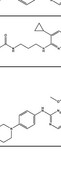 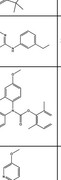 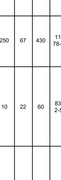  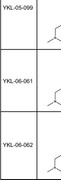 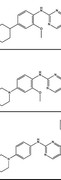 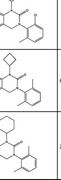   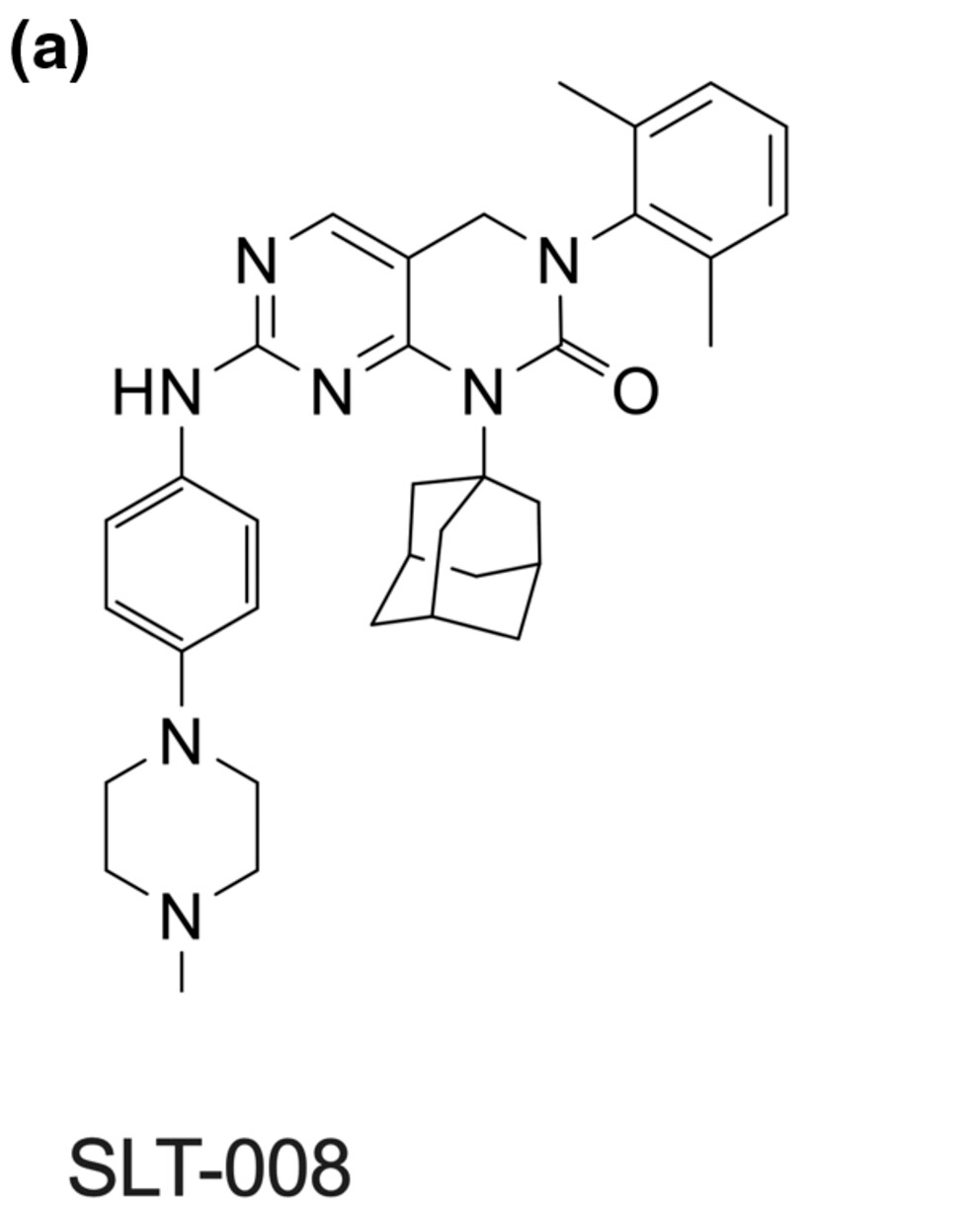
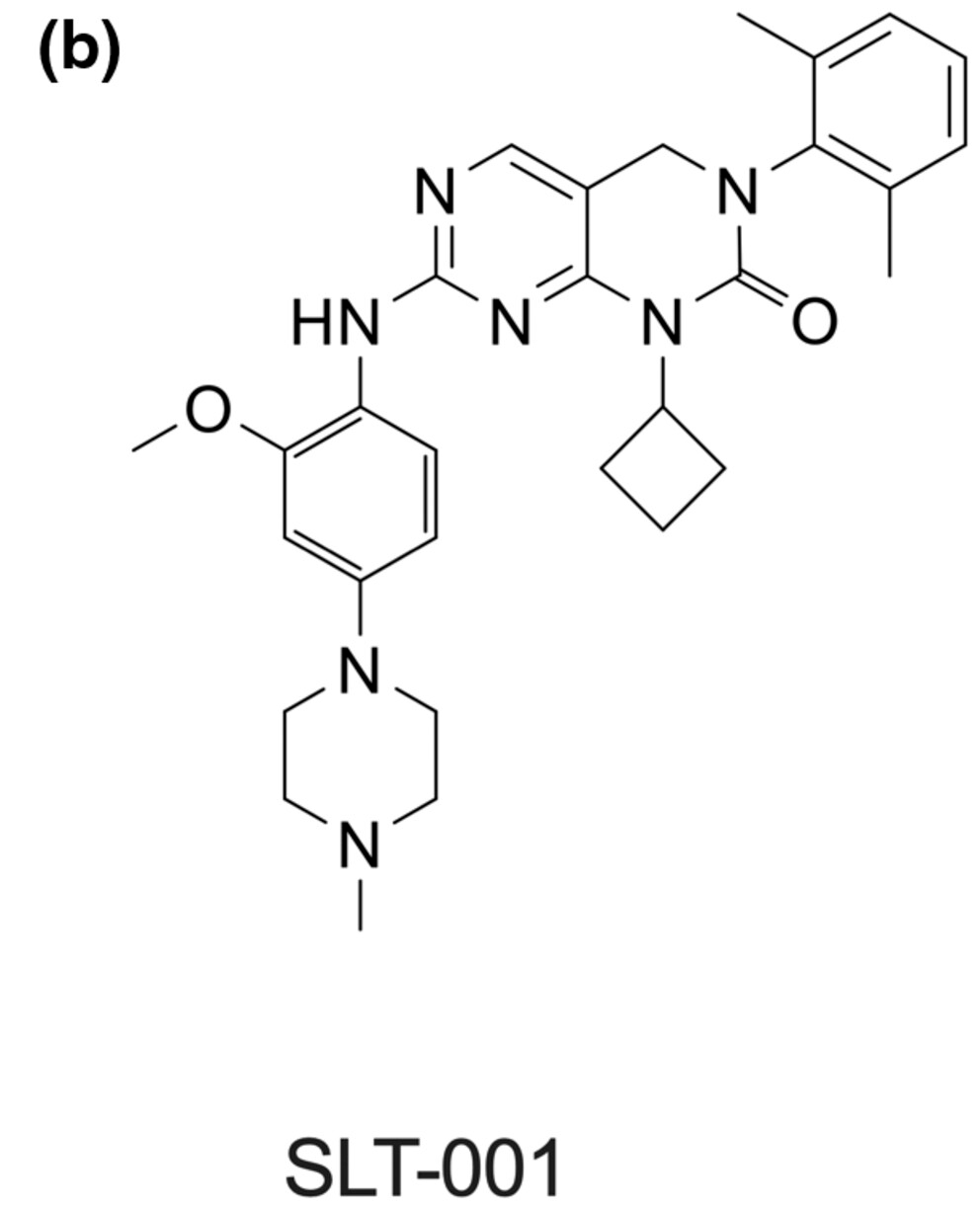
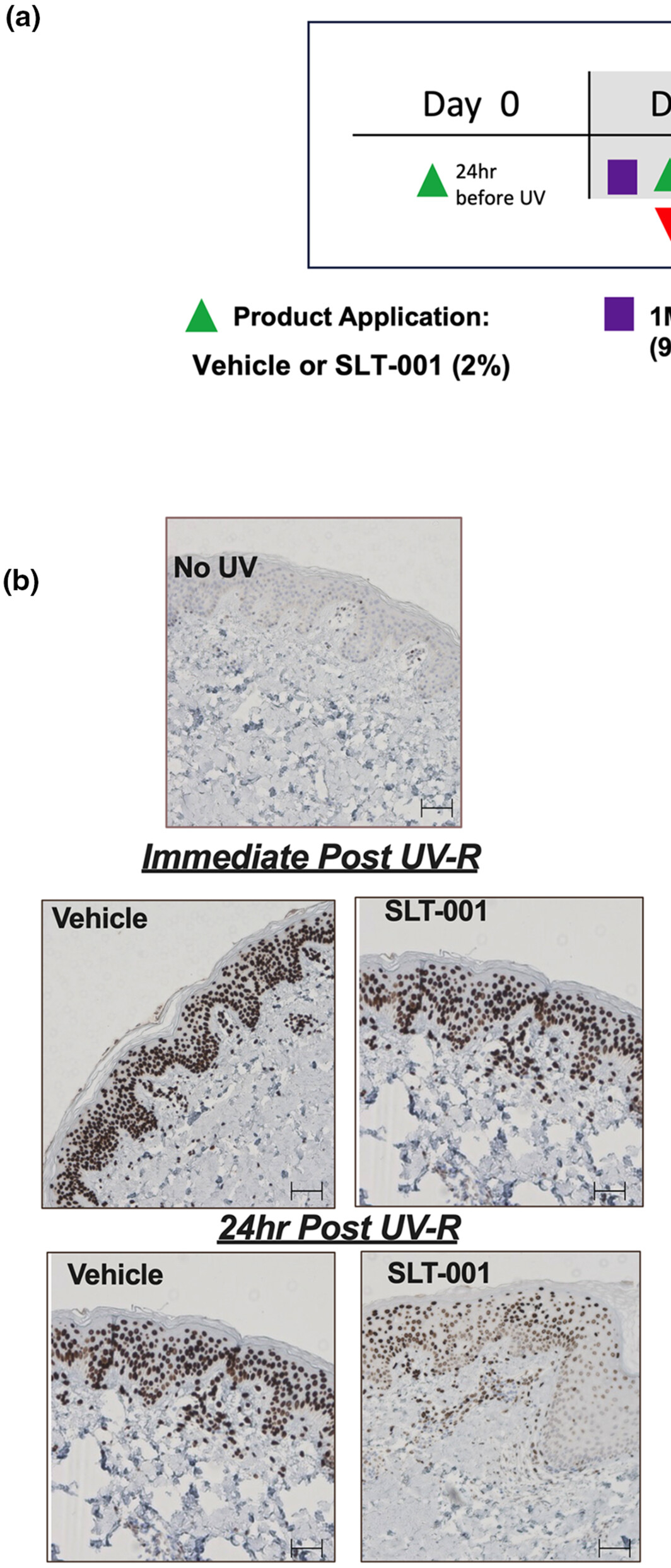
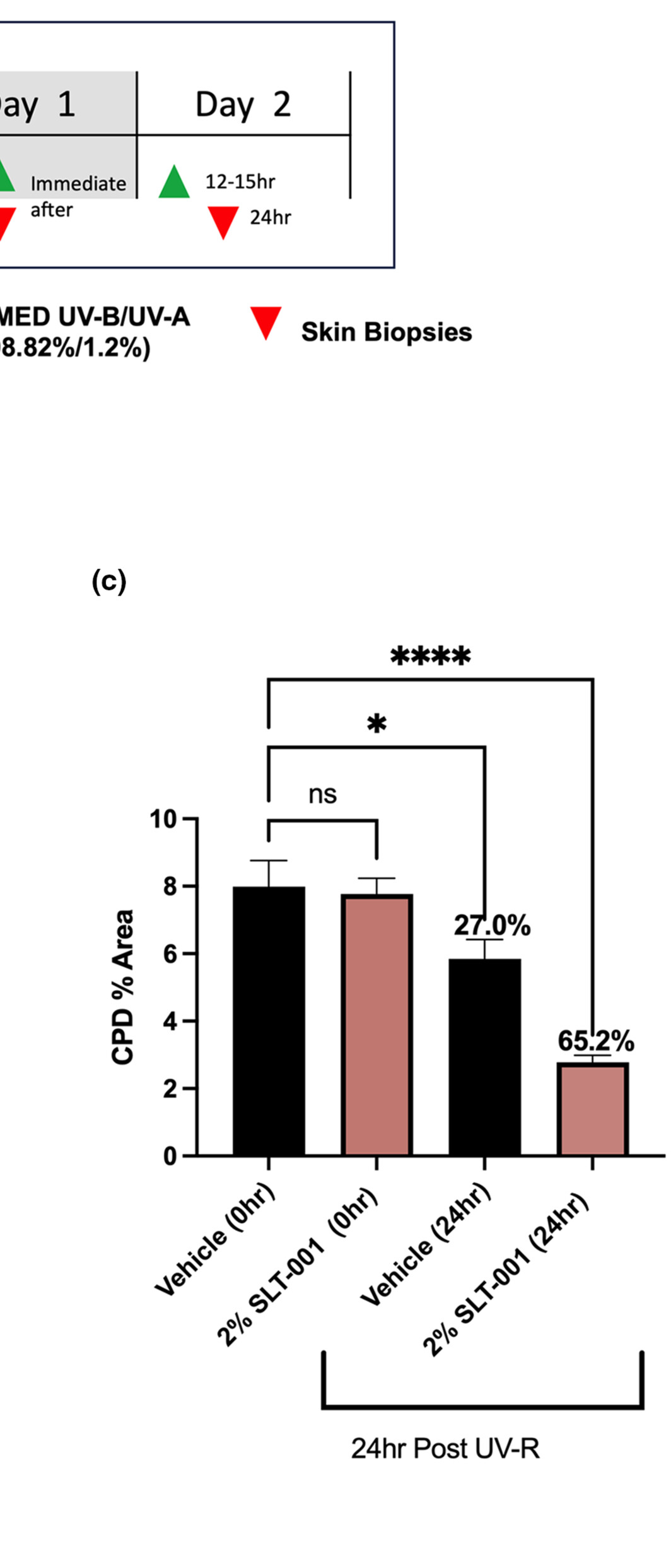
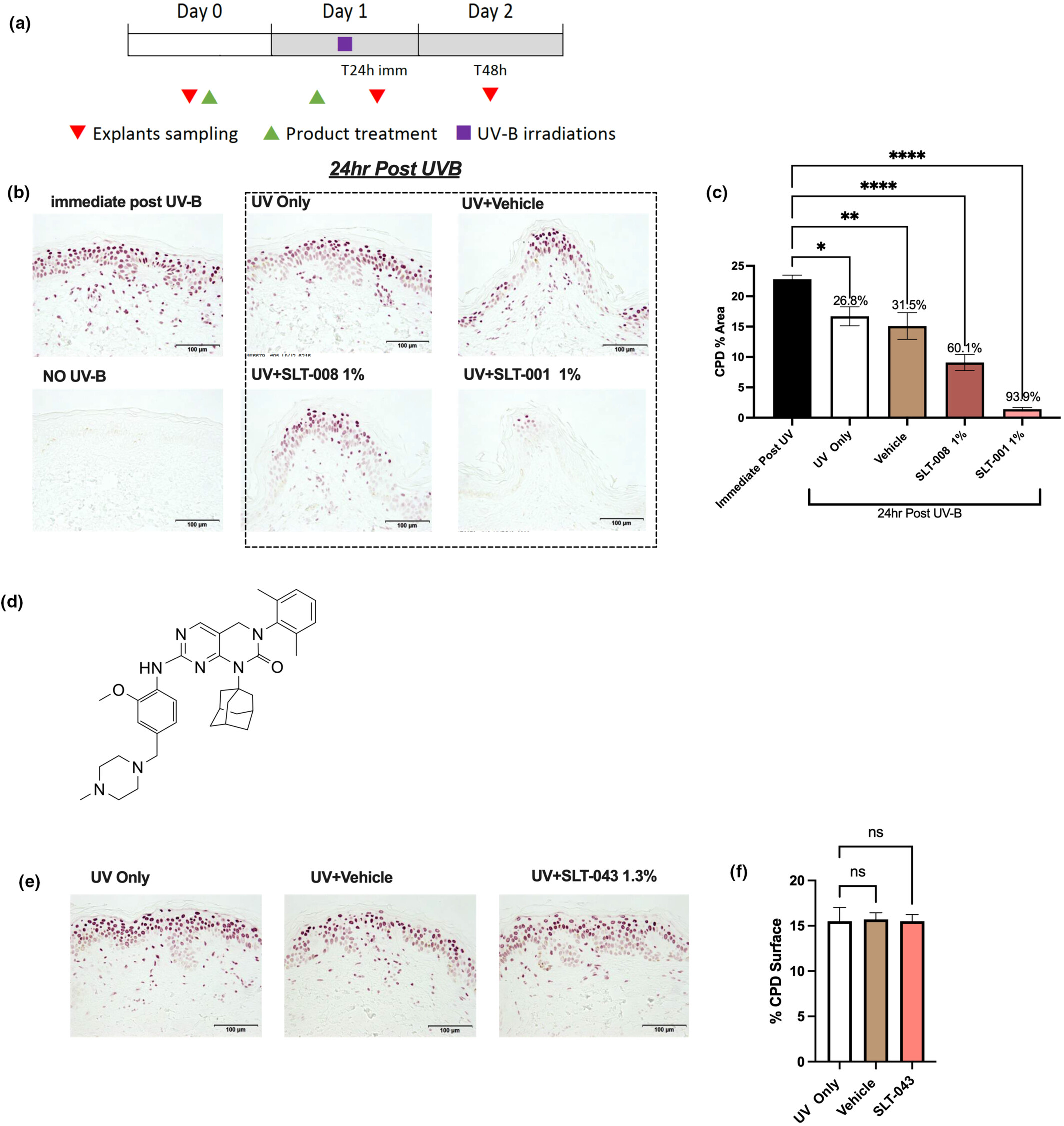
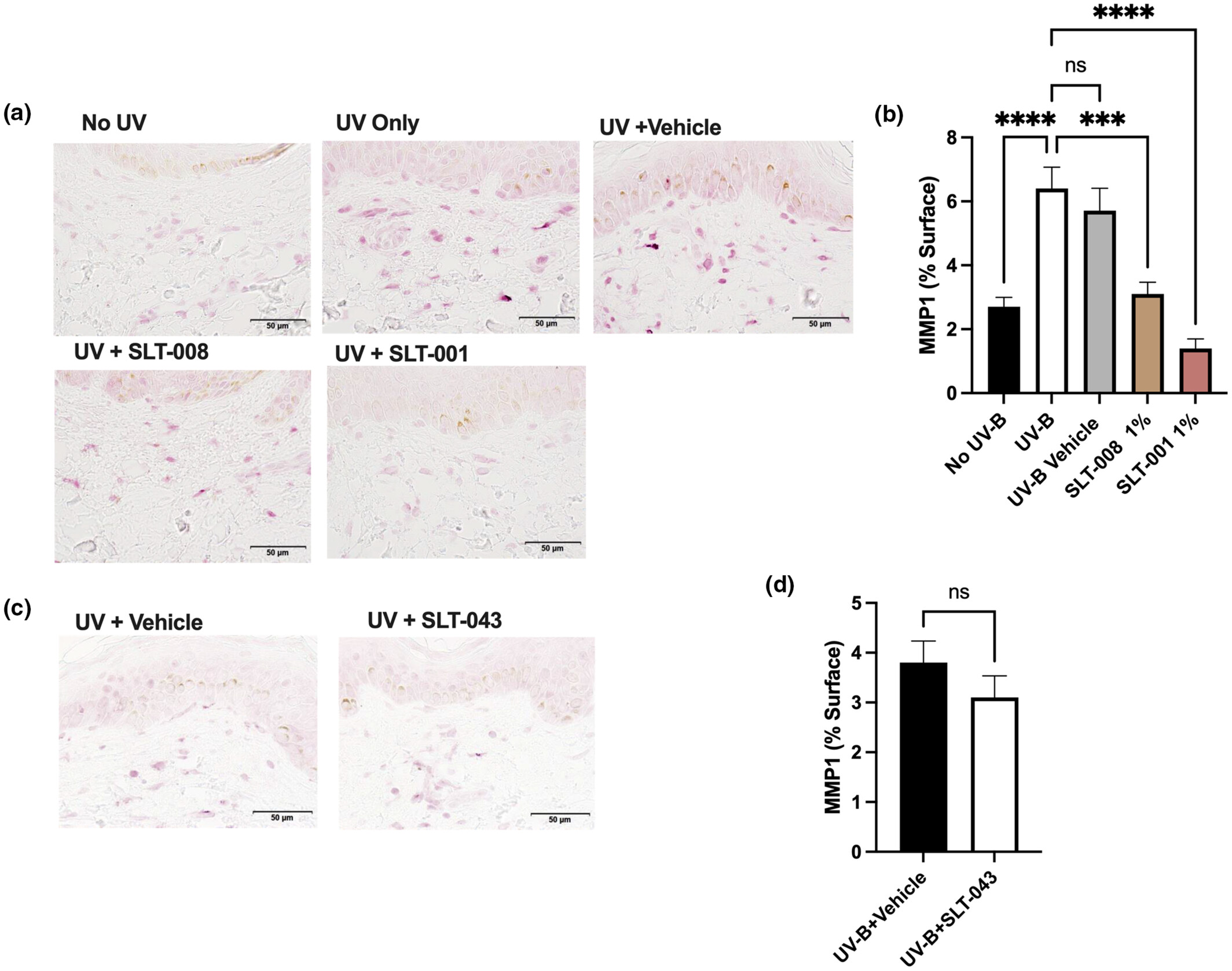
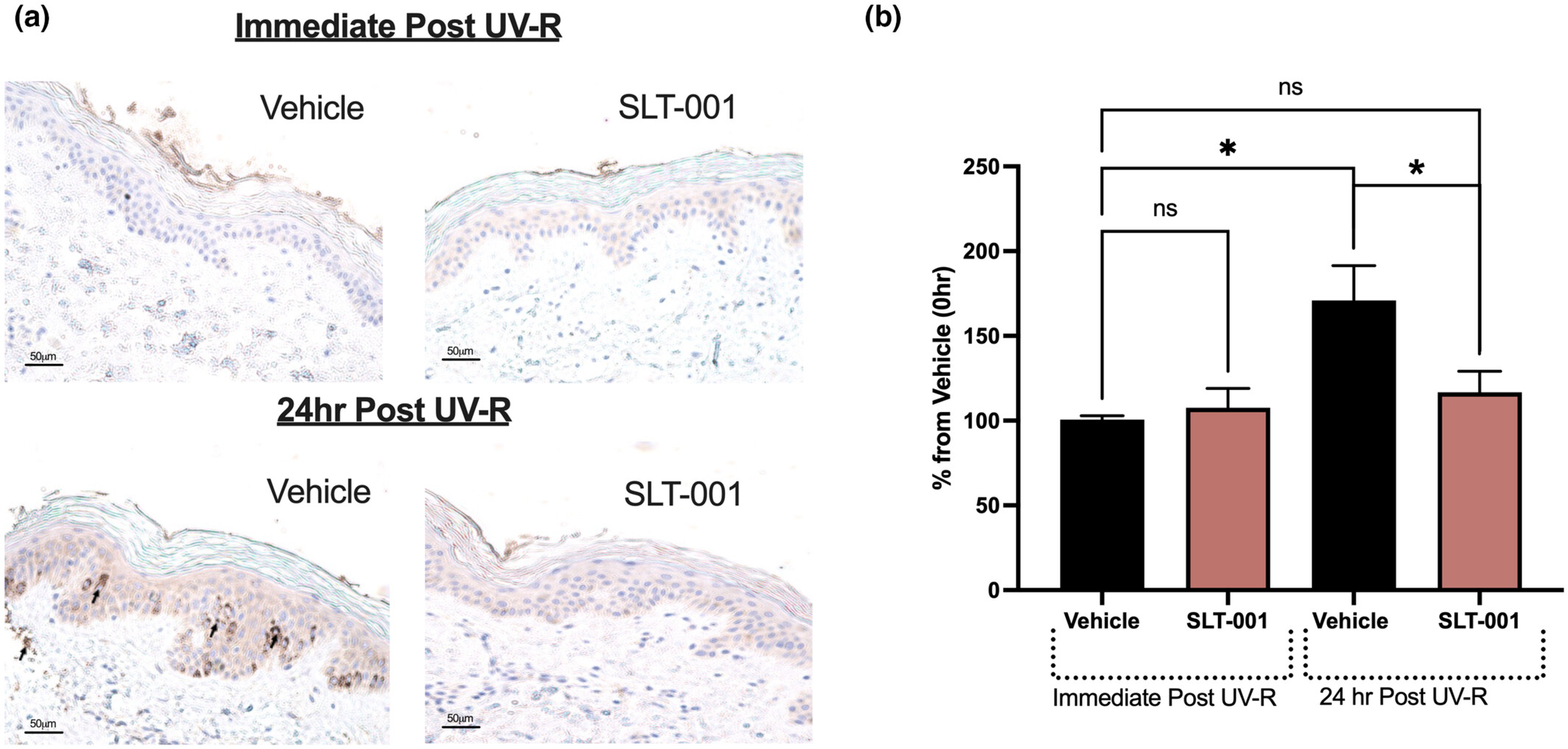
| To Start, SIK Inhibitors were originally developed to explore the biological functions of the SIK family without the need of Gene Manipulation, A notable Inhibitor like HG-9-91-01 was first deployed to inhibit all three isoforms of the family, with differentiating levels of inhibition, Many others were developed after with the same goal in mind. An interesting use case of a separate SIK inhibitor, specifically YKL-05-099(Derived from HG-9-91-09) in a study was shown to have an effect on osteocytes due to it's higher selectivity through PKA-dependent phosphorylation downregulation(PTH signaling cascade) although more specifically the reduction of HDAC4/5 phosphorlation in osteocytes, as a result downregulating the SOST protein expression in osteocytes, YKL-05-099 also inhibits the CSF1R Receptor for M-CSF inducing appositional growth without increasing osteocytes activity(Bone Resorption). A Similar selective Inhibitor(SK-124), SIK2/3 Inhibitor, was found to be far more Potent than YKL-05-099 in Osteogenesis with the addition of net zero short term toxicity recorded. It works in an analogous approach to YKL-05-099, both suppressing phosphorylation of HDAC4/5 but also CRTC2. For both YKL-05-099 and SK-124 were shown improved bone formation and mass, mimicking PTH1R Signaling of Osteogenesis, although most trials were done in vivo of animals some were done on humans and showed no difference in effects. 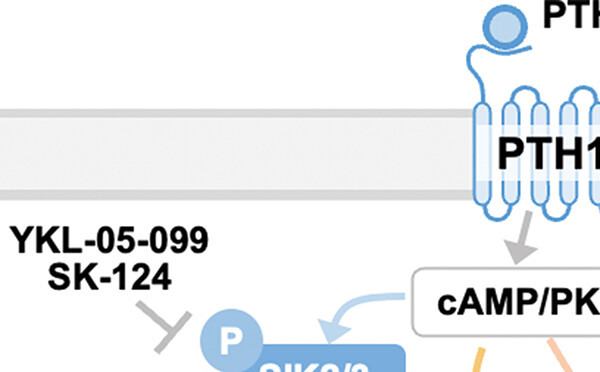 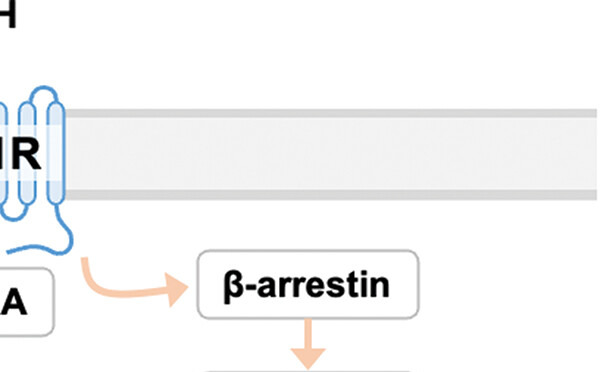 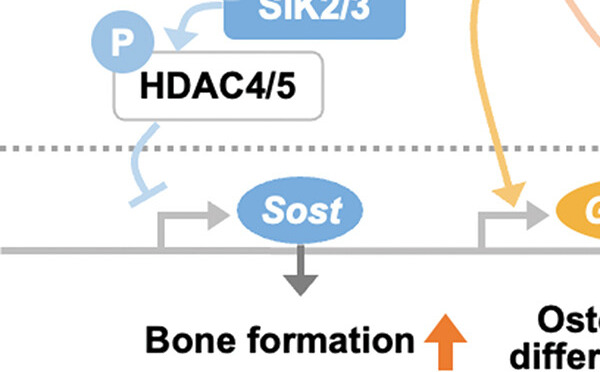 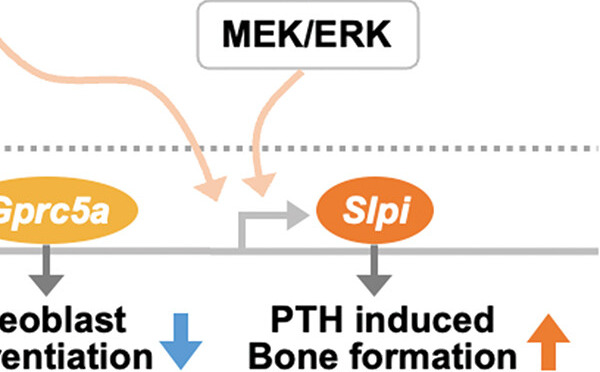 SIK1 and SIK2 both have Important Roles in the Regulation of lipogenesis. SIK1 acts through the inhibition of the sterol regulatory element-binding protein(SREBP-1c), which is a main factor in fatty-acid and triglyceride synthesis, Inhibiting this protein Surpresses the expression of Fatty acid and Acetyl-CoA carboxylase synthesis, using an Inhibitor for this purpose will likely slow the process of fat creation, furthermore SIK Inhibition has potential implications for future Metabolic therapies for fat loss beyond the Current GLP-1 Based agonists I.e (Retatrutide, Semaglutide, Tirzepatide). SIK2 Inhibition: In almost all cases of SIK Inhibition cAMP/PKA are present, SIK2 Inhibition in regards to pharmaceutical targeting of Melanin Synthesis is no different, earlier in the thread i mentioned the MC1R regulator and the other important pathways in Melanogenesis, SIK2's role in this system is by directly controlling the activity of cAMP-regulated transcriptional coactivators(CTRCs) and CREB (cAMP response element-binding protein), a key transcription factor. The promotion of these responses enhances the MITF expression sequentially upregulating melanin synthesis(Melanogenesis), In other words, usage of a SIK2 Inhibitor can make you more tan. In former studies Topical SIK2 Inhibitors were unlikely to work effectively as the Outer Skin Barrier in humans are far harder to penetrate than the animal skin used in vivo studies, however one named YKL-06-061 showed more promise than others, eventually recent advancements led to 2nd Generation SIK2 Inhibitors being developed which had far better Penetration Capabilities. Those being: SLT-008 and SLT-001, Moreover usage of said Inhibitors after UV-Based DNA Damage led to promoted tissue repair and collagen protection. The suppression of the MMP-1 enzyme which is a main factor in aging caused by UV Damage, was identified to be present in Both Inhibitors aswell. Key:
|
Trials & Findings:
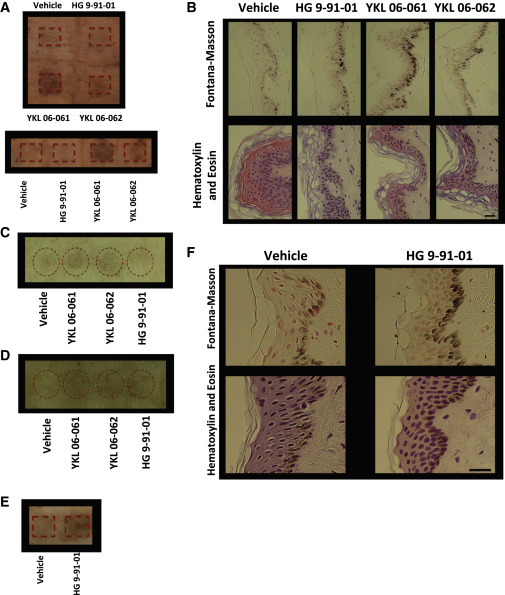
Study 1(IN VIVO HUMAN): | Study 2(IN VIVO MICE, EX VIVO HUMAN SKIN): |
|---|---|
| ☲☲☲☲☲☲☲☲☲☲☲☲☲☲☲☲☲☲☲☲☲☲☲☲☲☲☲☲☲☲☲☲☲☲☲☲☲☲☲☲ | ☲☲☲☲☲☲☲☲☲☲☲☲☲☲☲☲☲☲☲☲☲☲☲☲☲☲☲☲☲☲☲☲☲☲☲☲☲☲ |
In summary, we provide evidence that SIK inhibitors, SLT-001 and SLT-008, offer protection against UV-induced photodamage. Topical application of these cosmetic ingredients represents a powerful approach to mitigate UV-induced damage and photoageing, while potentially delivering broader cosmetic benefits. Inbal Rachmin, Le Varlet, B., Regazzetti, C., Thierry Passeron, Wang, J., Fisher, D. E., Philippe Schaison, & Braham Shroot. (2025). A novel approach to target skin photodamage: Topical application of salt inducible kinase inhibitors. International Journal of Cosmetic Science, 48(1), 1–15. https://doi.org/10.1111/ics.70003 |
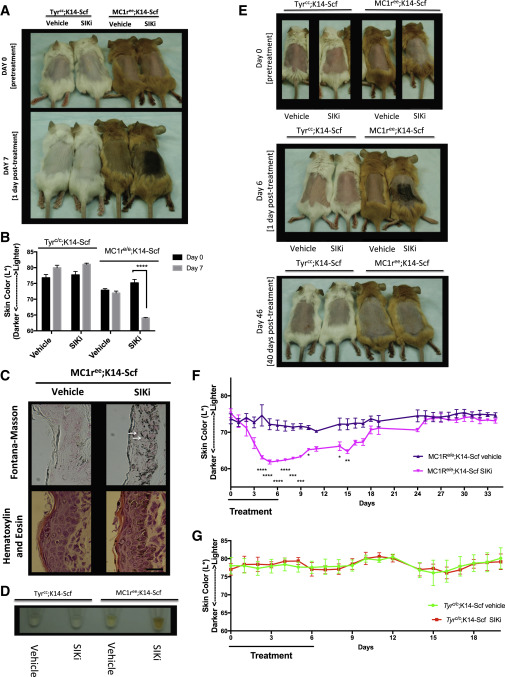
Here, we describe the development of small-molecule SIK inhibitors that were optimized for human skin penetration, resulting in MITF upregulation and induction of melanogenesis. When topically applied, pigment production was induced in Mc1r-deficient mice and normal human skin. These findings demonstrate a realistic pathway toward UV-independent topical modulation of human skin pigmentation, potentially impacting UV protection and skin cancer risk. Mujahid, Nisma. “(PDF) a UV-Independent Topical Small-Molecule Approach for Melanin Production in Human Skin.” Research Gate, 13 June 2017, www.researchgate.net/publication/317576045_A_UV-Independent_Topical_Small-Molecule_Approach_for_Melanin_Production_in_Human_Skin. |
Topical Formulation:
ANOTHER DISCLAIMER
I AM IN NO WAY AN EXPERT ON PHARAMCUETICAL VEHICLES/TOPICAL AGENT DEVELOPMENT, IF YOU PLAN TO DIY PLEASE USE DISCRETION  | ||||||||||||||||||||||||||||||||
From all that was gathered from this Guide along with the Studies, the choice for a Topical agent goes down to SLT-001 and SLT-008, both with similar benefits although they differ in Lipophilicity and Molecular weight, which are thing to consider when Formulation is undergoing. SLT-001 was found to be more compatible and had a slightly higher reduction of UV Based Skin Damage, and was optimized solely for Clinical Trials(Human Testing). In my opinion this would be the main choice as it is the most promising and seemingly compatible Topical SIK Inhibitor currently available. | ||||||||||||||||||||||||||||||||
SLT-001 and SLT-008 Skin Safety Profile:
| ||||||||||||||||||||||||||||||||
No adverse events were reported throughout the studies. SLT-001 was well tolerated with no clinical signs of intolerance and reports of discomfort at any of the studies. Excipients and Bases:
Numerous Topical Carriers are available in the realm of Pharmaceuticals, Topical Drug formulas are complex because of the need for a Vehicle Formula tailored specifically to the API, In our case SLT-001 or SLT-008. Each Carrier is usually a multitude of Excipients That are formulated alongside the active ingredient. Orientating our Carrier around the API(Active Pharmaceutical Ingredient) Requires us to know the solubility of the molecule, Lipophilicity, Molecular weight and polarity, and Place of Application, Each of these are crucial in verifying the Stability of the API. Luckily, This has been done for us so all we need to do is find the most optimized vehicle is look it up lulz
Now that we know the API Profile for SLT-001 and have over-viewed what specific Vehicle Types will work we can develop a Formula.
|
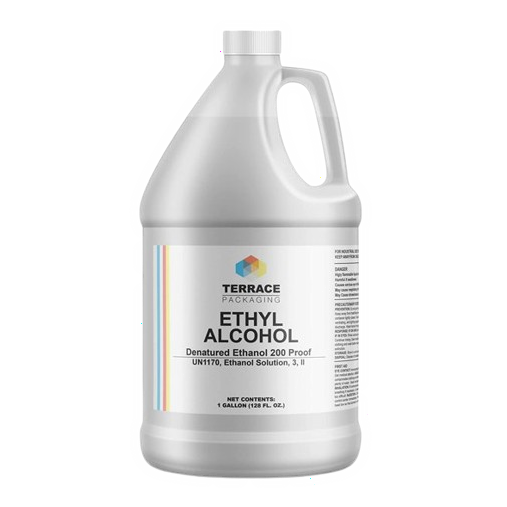
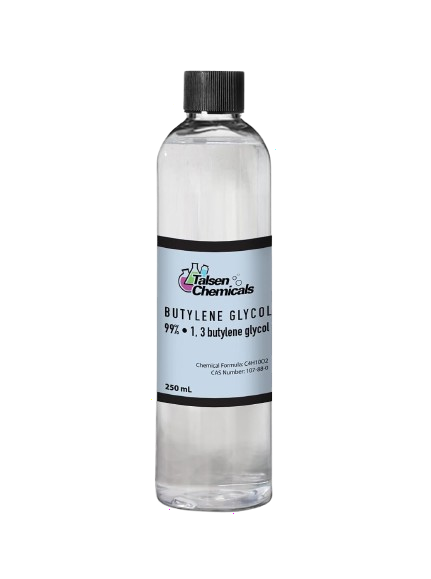
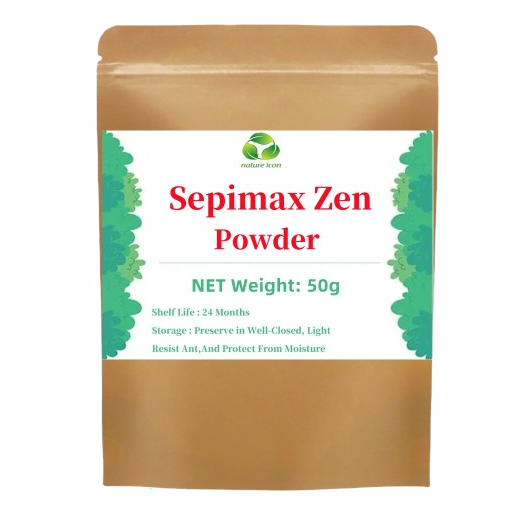
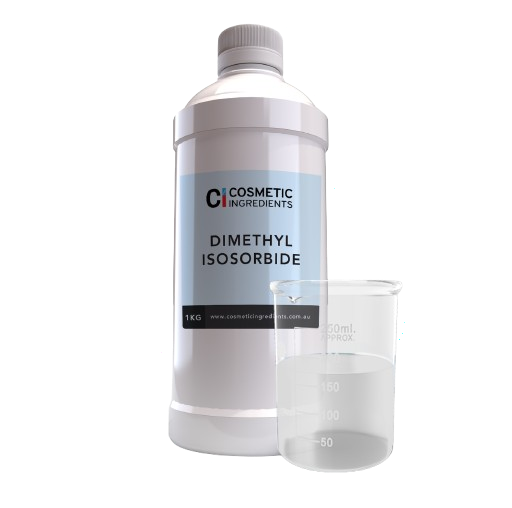
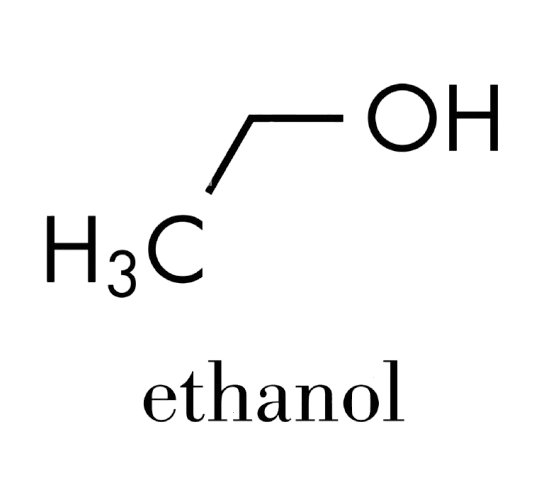
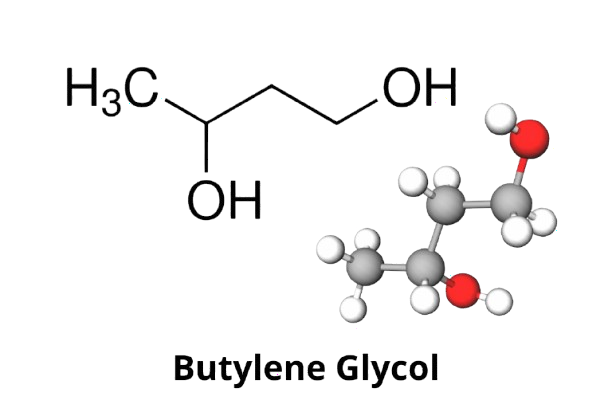

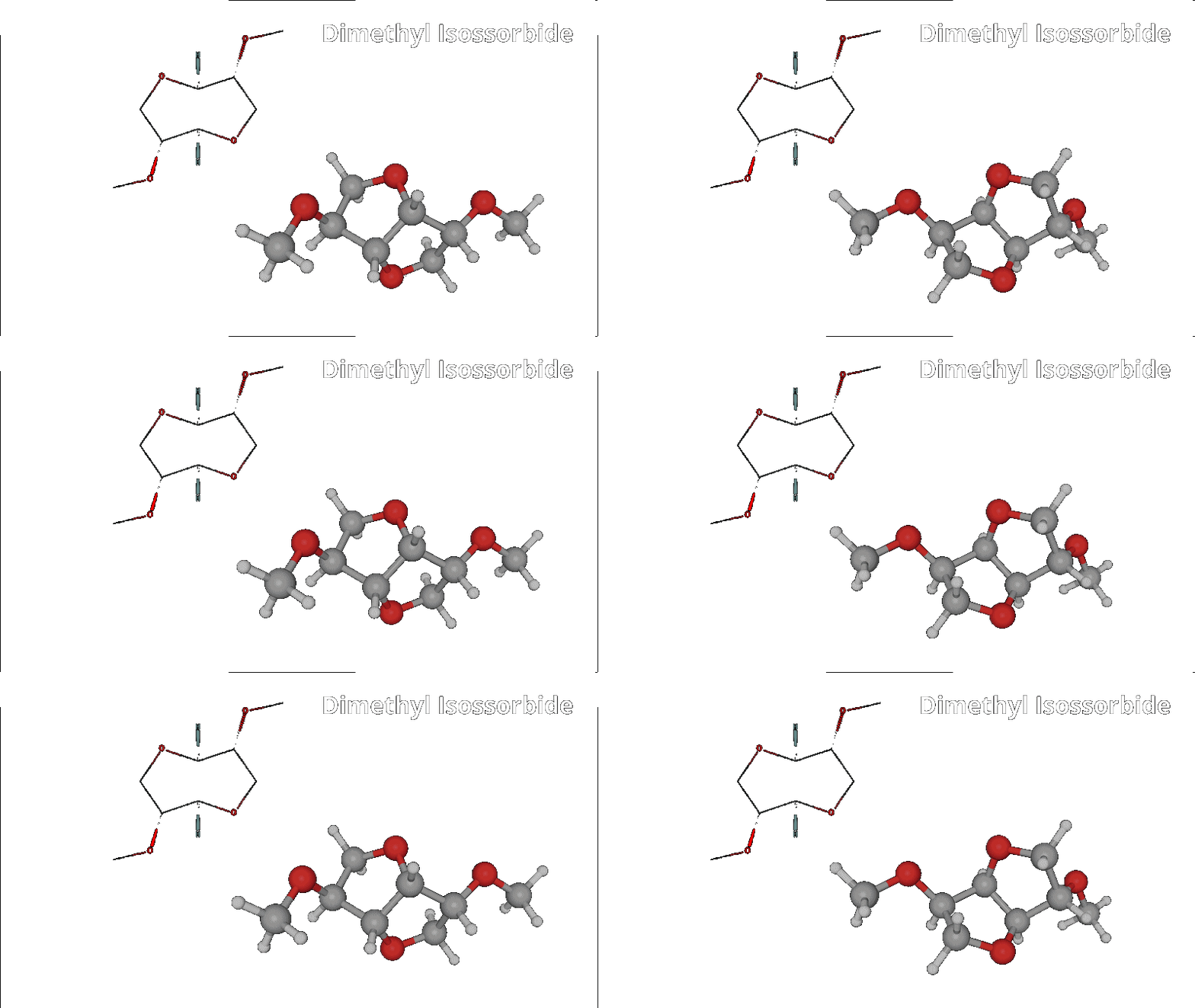
(Formula A and B listing Differ for ingredients, simply based off the Clinical Trial, only difference is DMI is added and the water concentration is dropped to 15% in Formula B
Formula B might be preferred for enhanced Penetration)
Formulation Instructions:
☲☲☲☲☲☲☲ ☲☲☲☲☲☲☲☲☲☲☲☲☲☲☲☲☲☲☲☲☲☲☲☲☲☲☲☲☲☲☲☲☲☲☲☲☲☲☲☲☲☲☲☲