

D
Deleted member 388465
Iron
- Joined
- Apr 2, 2026
- Posts
- 17
- Reputation
- 2
Growing up, I always had perfectly clear skin, but everything changed during my sophomore year of high school when I started breaking out severely. From that point until the end of my junior year, I dealt with severe acne that made me incredibly insecure. Now, entering my sophomore year of college, the active breakouts are gone, but I am still dealing with the leftover hurdle: stubborn PIE (Post-Inflammatory Erythema).
A lot of people confuse general hyperpigmentation, PIH, and PIE. If you want to treat your skin effectively, you have to know exactly what you are dealing with.
Now for the routine itself
This routine was heavily inspired by Clav’s old skincare routine, but I tweaked it specifically to target PIE rather than active, inflammatory acne.
A lot of people confuse general hyperpigmentation, PIH, and PIE. If you want to treat your skin effectively, you have to know exactly what you are dealing with.
Hyperpigmentation is simply when parts of your skin become darker than other parts because of the overproduction of melanin

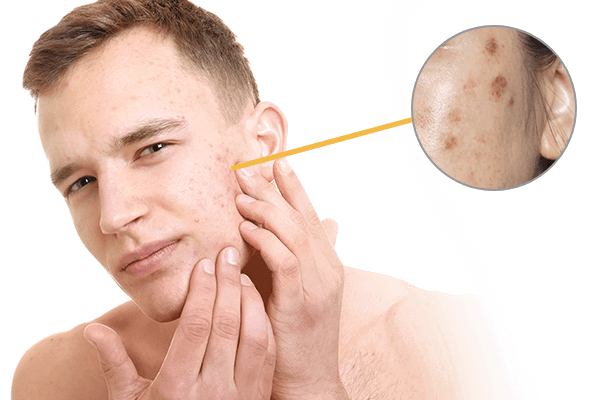
PIH stands for post inflammatory hyperpigmentation which again means it is a melanin issue. It leaves behind brown/dark spots after a pimple heals. However, this is a lot more common in darker skin tones (can happen even if you have a lighter skin tone though).


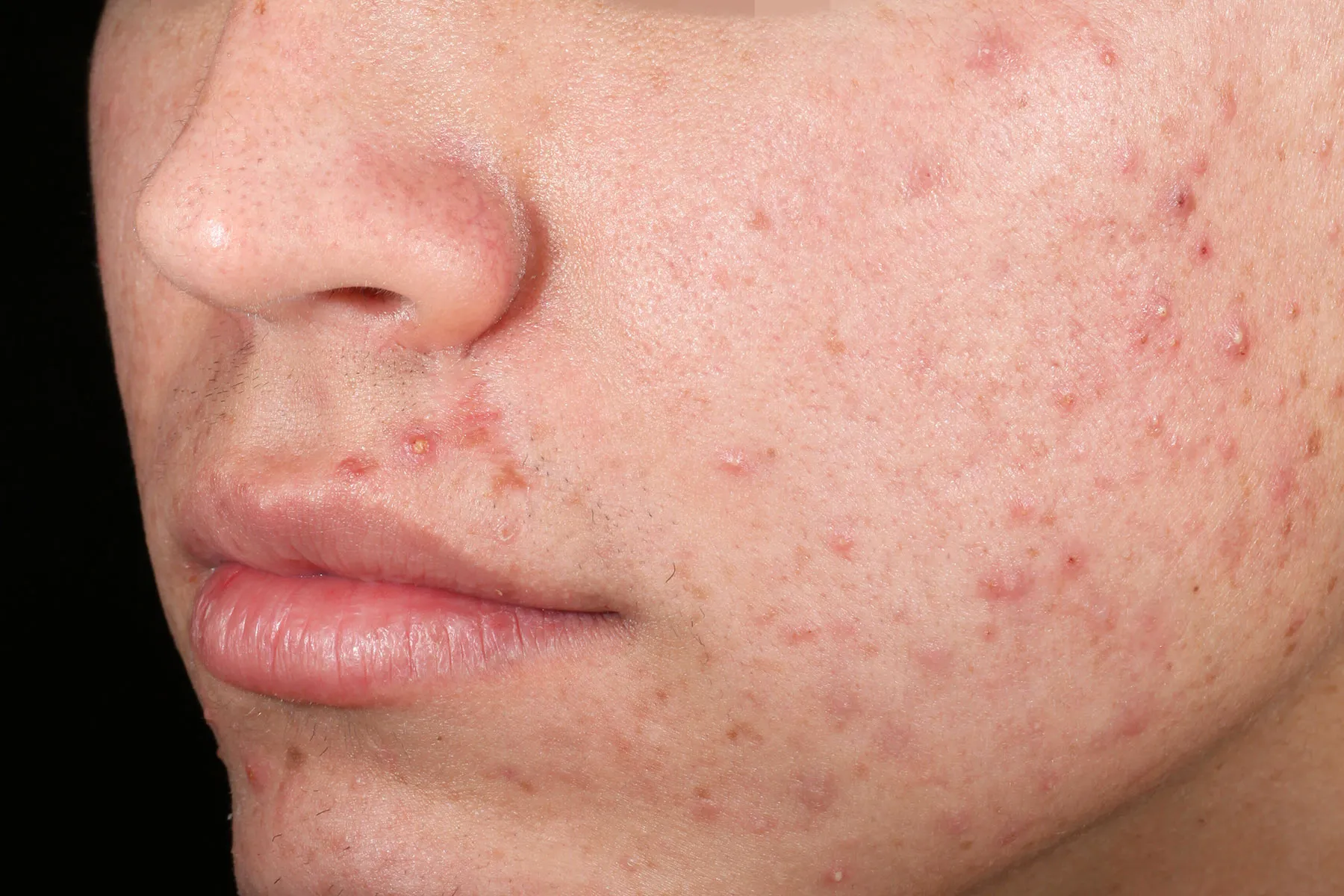
PIE stands for post inflammatory erythema. Unlike PIH, this is not an issue with melanin. Rather, it is a vascular issue. PIE leaves pink, red, or purple marks that are caused by damaged cappilaries (microscopic blood vessels). This is what we are targeting here, although it could work just as well for PIH.

Now for the routine itself
This routine was heavily inspired by Clav’s old skincare routine, but I tweaked it specifically to target PIE rather than active, inflammatory acne.
AM:
- Rinse & Dry Face
- Niacinamide + Zinc
- Mist + Hyaluronic Acid
- Caffeinated Eye Cream
- Moisturizer
- Tinted SPF
PM:
- Double Cleanse
- Dry Face
- Azelaic Acid
- Moisturizer
- Sub Q GHK-Cu
Topical products only do half the work. To see actual results, you need to optimize your daily habits.
- Change Pillowcase Every 3 Nights: Reduces the buildup of bacteria, oils, and dead skin cells contacting your face
- Clean Diet (No Processed Sugars): Sugar spikes insulin and triggers systemic inflammation
- Dermastamping (Once a Month): Do not use a derma roller. Rollers enter and exit the skin at an angle, creating micro-tears and scratching the tissue. A derma stamp goes straight down, creating clean micro-channels that stimulate collagen production and skin remodeling. (will leave your skin red and inflamed for about 24 hours)
- 4 Liters of Water Daily: Keeps the skin hydrated from the inside out (aids cellular turnover)
- Good Sleep: Deep sleep is when your body undergoes optimal tissue repair
- Sauna: Flushes out the pores and boosts healthy blood flow
Last edited:


