Seth Walsh

Iconoclast
Contributor
- Joined
- Jan 12, 2020
- Posts
- 10,992
- Reputation
- 22,465
THE ULTIMATE SOCIAL CLASS THREAD
CLASS IS THE RIGHT NOT TO BE FORCED
Social class in 2026 finally explained properly.
━━━━━━━━━━━━━━━━━━━━━━━━━━━━━━━━━━━━

CLASS IS THE RIGHT NOT TO BE FORCED
Social class in 2026 finally explained properly.
━━━━━━━━━━━━━━━━━━━━━━━━━━━━━━━━━━━━
Forget salary for a second.
Forget the Rolex.
Forget whether somebody says "toilet" or "loo."
Forget whether their dad is a barrister.
Forget whether they wear Loro Piana.
Forget the stupid internet arguments about whether £100k makes you "rich."
I think there is a much cleaner way to understand social class.
HOW MUCH REALITY CAN HIT YOU
BEFORE YOUR LIFE IS FORCED TO CHANGE?
BEFORE YOUR LIFE IS FORCED TO CHANGE?
Read that again.
Because THAT is where class becomes brutally visible.
Two 28-year-old men can:
• earn the exact same salary
• wear the same clothes
• have the same degree
• live in the same city
• go to the same restaurants
• have similar IQ
• look equally successful on Instagram
and yet inhabit completely different social classes.
Why?
Because one person's life is sitting on concrete.
The other's is sitting on stilts.
━━━━━━━━━━━━━━━━━━━━━━━━━━━━━━━━━━━━
1. INCOME IS A FLOW. CLASS IS A SYSTEM.
Imagine two guys earning £90,000.
On paper:
Identical.
Guy A loses his job.
His parents own their house outright.
There is a spare bedroom.
His father knows three people in the industry.
His mother says:
"Don't rush into something you hate. Take a few months."
His rent disappears.
His parents have savings.
There is no pressure to send money home.
He can spend four months interviewing.
He rejects two mediocre jobs.
He flies to another city for interviews.
He builds a project while unemployed.
A family friend introduces him to somebody.
Eight months later he has a better job than before.
His unemployment becomes:
"I took some time out and reconsidered what I wanted to do."
Now Guy B loses the exact same job.
His parents rent.
One has health problems.
They have little liquidity.
He is paying £2,000 a month to live.
He has consumer debt.
Nobody in his family understands his industry.
Nobody can introduce him anywhere.
Moving home means returning somewhere with almost no relevant jobs.
Within six weeks he takes the first acceptable offer because he has to.
Same salary.
Same layoff.
Different event.
For A:
volatility created optionality.
For B:
volatility created coercion.
That is social class.
INCOME IS WHAT ARRIVES EACH MONTH.
CLASS IS WHAT REMAINS
WHEN THE INCOME STOPS.
CLASS IS WHAT REMAINS
WHEN THE INCOME STOPS.
━━━━━━━━━━━━━━━━━━━━━━━━━━━━━━━━━━━━
2. THE INVISIBLE SALARY: FAMILY BALANCE SHEET
This is where people get completely confused.
Someone earning £55k whose parents own a £1.5m house outright, have pensions, savings, healthy relationships and spare space
can have more REAL economic security than someone earning £120k whose entire family system depends on him.
Yet LinkedIn will tell you the £120k guy is winning.
Wrong measurement.
The first person may possess:
• free emergency accommodation
• inheritance expectancy
• deposit assistance
• childcare
• access to a car
• emergency liquidity
• parents who can travel to help
• professional advice
• introductions
• storage space
• family holidays
• food
• furniture
• wedding support
• education support
• a place to recover after divorce
• a place to recover after illness
• somewhere to live between jobs
• somebody who can lend £20,000 without it becoming a crisis
Almost none of this appears in salary statistics.
But it changes every decision.

The Bank of Mum and Dad is normally discussed as though it means:
"Daddy gave Oliver £60k for his deposit."
That is the cartoon version.
The real advantage is broader.
It is knowing that there is a floor beneath you.
And because there is a floor beneath you, you can climb higher.
You can:
quit.
wait.
move.
experiment.
negotiate.
say no.
start something.
take a lower-paying prestigious role.
survive a bad year.
leave a bad relationship.
leave a bad employer.
take career risk.
recover.
The family balance sheet doesn't merely transfer money.
It changes behaviour before any transfer happens.
That is MUCH more important.
━━━━━━━━━━━━━━━━━━━━━━━━━━━━━━━━━━━━
3. CLASS CHANGES THE MEANING OF THE SAME EVENT
This is perhaps the easiest way to understand everything.
A failed startup:
Person A:
interesting story at dinner.
Person B:
three years of destroyed finances.
A master's degree:
Person A:
intellectual exploration.
Person B:
£40,000 gamble.
Moving to London:
Person A:
career opportunity.
Person B:
financial emergency.
Losing a job:
Person A:
sabbatical.
Person B:
countdown.
A relationship breakup:
Person A:
emotional pain.
Person B:
emotional pain + housing crisis.
An unpaid internship:
Person A:
CV investment.
Person B:
literally impossible.
Starting a company:
Person A:
asymmetric bet.
Person B:
potential ruin.
Taking six months to find the correct career:
Person A:
good judgement.
Person B:
"employment gap."
Same decision.
Different payoff distribution.
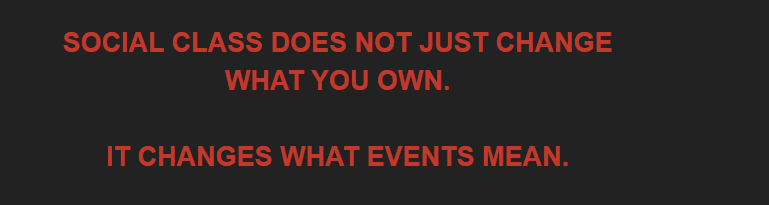
SOCIAL CLASS DOES NOT JUST CHANGE
WHAT YOU OWN.
IT CHANGES WHAT EVENTS MEAN.
WHAT YOU OWN.
IT CHANGES WHAT EVENTS MEAN.
━━━━━━━━━━━━━━━━━━━━━━━━━━━━━━━━━━━━
4. HOUSING IS NOT A PURCHASE.
IT IS AN OPERATING SYSTEM.
People still discuss housing as:
"Is property a good investment?"
Way too narrow.
A house determines:
• school catchment
• neighbours
• friends
• safety
• commute
• sleep
• privacy
• whether children can bring friends home
• where adults socialise
• access to parks
• sports clubs
• universities
• internships
• dating pool
• professional network
• expectations
• architecture
• ambient behaviour
• what children perceive as normal
Location doesn't simply appreciate.
Location trains you.
A child growing up around professionals does not need a lecture called
"How Professionals Behave 101."
He watches them every day.
He hears how adults disagree.
How they speak to teachers.
How they talk about university.
How they deal with bureaucracy.
How they host.
How they negotiate.
How they ask favours.
How they respond to setbacks.
What careers they even know exist.
The environment silently installs a model of reality.

This is why the sentence
"Just send your child to a good school"
misses half the mechanism.
The school does not end at 3:30pm.
The school is:
the street.
the parents.
the friends' parents.
the houses.
the sports clubs.
the birthday parties.
the holidays.
the expectations.
the conversations overheard in kitchens.
The entire environment is teaching.
The OECD now reports that younger households face materially heavier housing burdens than older households, and rental costs exceed owner-occupier housing costs in 34 of 37 OECD countries measured.
OECD source
Housing inequality therefore becomes:
educational inequality
+ geographic inequality
+ network inequality
+ time inequality
+ family-formation inequality.
━━━━━━━━━━━━━━━━━━━━━━━━━━━━━━━━━━━━
5. WEALTH IS NOT JUST MORE CONSUMPTION.
WEALTH IS LESS FRAGILITY.
This might be the single biggest misconception people have about rich families.
They imagine the advantage like this:
Poor family:
Toyota.
Rich family:
Porsche.
Poor family:
Spain.
Rich family:
Maldives.
Poor family:
Zara.
Rich family:
Brunello Cucinelli.
That stuff exists.
But it is superficial.
The real difference is what happens during the bad years.
Recession.
Illness.
Divorce.
Redundancy.
Business failure.
Housing shock.
Bad boss.
Legal problem.
Child needs help.
Parent becomes sick.
Market crash.
Career mistake.
Wealth buys survival time.
And survival time protects future upside.
ONS's latest published Great Britain household-wealth round estimated median wealth at:
£647,400 for outright homeowners.
£404,700 for mortgaged homeowners.
£40,800 for renters.
There are important survey-quality caveats, but look at the order of magnitude.
ONS source
People notice the rich child's skiing holiday.
They often don't notice the much more consequential thing:
his family can absorb a five-year mistake without destroying the next twenty years.
━━━━━━━━━━━━━━━━━━━━━━━━━━━━━━━━━━━━
6. THE MOST EXPENSIVE LUXURY IS TIME
Think about what low optionality actually feels like.
You have to answer the landlord.
You have to answer the manager.
You have to take the shift.
You have to stay in the relationship.
You have to accept the offer.
You have to live near the job.
You have to commute.
You have to sell.
You have to borrow.
You have to return home.
You have to make the decision now.
Now think about the opposite.
"I'll wait."
"No."
"That job isn't right."
"I'll take six months."
"I'll move."
"I'll walk away."
"I don't need to sell."
"I don't need the client."
"I don't need his approval."
"I'll recover first."
"I'll think about it."
That is what wealth eventually turns into.
Not handbags.
Not tasting menus.
Not first class.
Control over your own time horizon.
The higher your resilience, the further into the future you can optimise.
The more fragile your position, the more reality collapses into:
THIS MONTH.
Rent.
Food.
Debt.
Deadline.
Boss.
Emergency.
This is why two equally intelligent people can appear to have completely different levels of patience and strategic thinking.
One may literally be able to think ten years out.
The other is solving Thursday.
━━━━━━━━━━━━━━━━━━━━━━━━━━━━━━━━━━━━
7. SOCIAL CAPITAL IS REAL CAPITAL
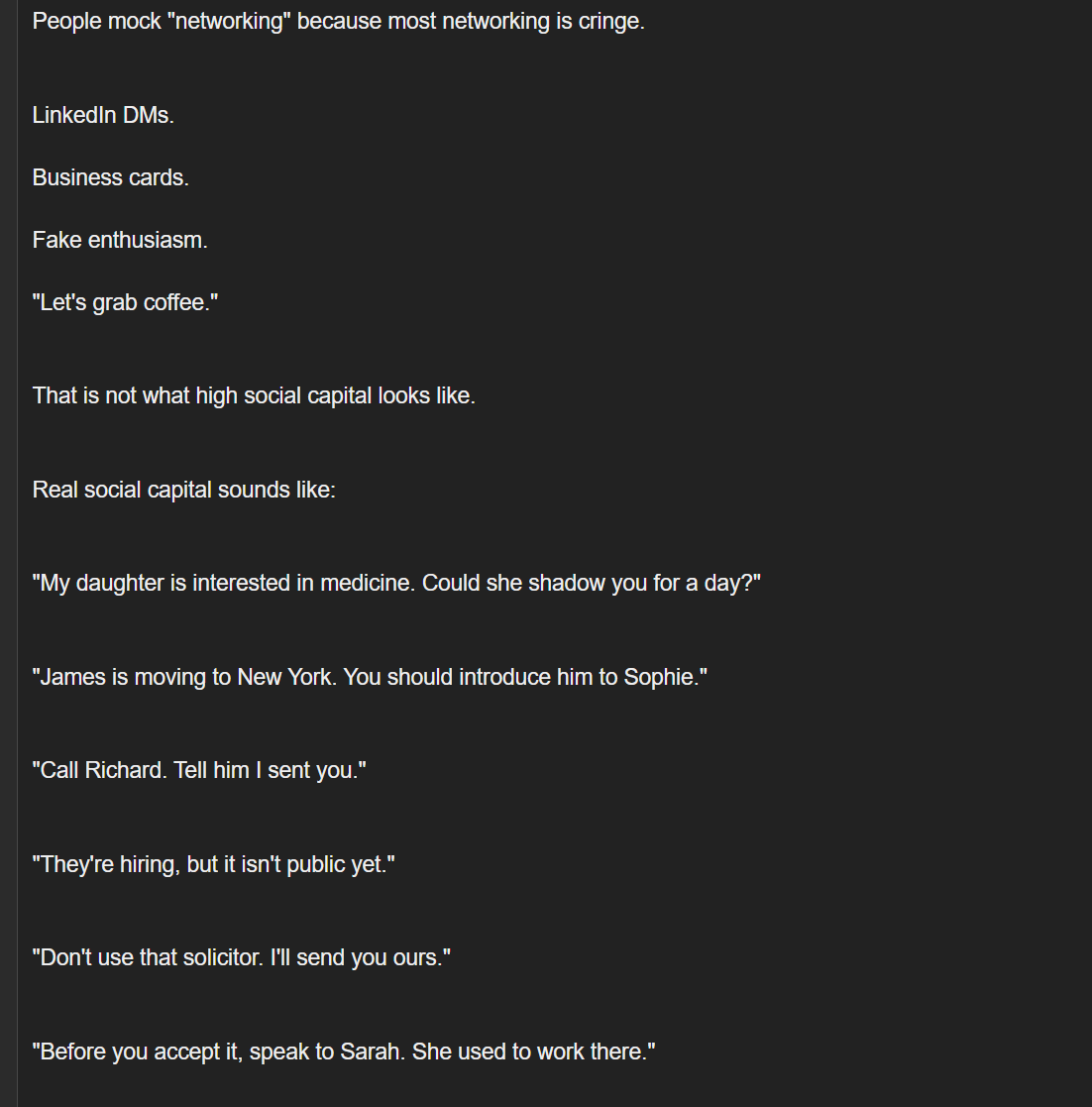
People mock "networking" because most networking is cringe.
LinkedIn DMs.
Business cards.
Fake enthusiasm.
"Let's grab coffee."
That is not what high social capital looks like.
Real social capital sounds like:
"My daughter is interested in medicine. Could she shadow you for a day?"
"James is moving to New York. You should introduce him to Sophie."
"Call Richard. Tell him I sent you."
"They're hiring, but it isn't public yet."
"Don't use that solicitor. I'll send you ours."
"Before you accept it, speak to Sarah. She used to work there."
"Come to dinner on Saturday."
No application portal.
No cold outreach.
No SEO.
No personal branding.
Just trusted edges in a network.
And this is not merely a forum theory.
Opportunity Insights analysed friendship networks at enormous scale and found that the share of higher-SES friends among lower-SES people — what the researchers call economic connectedness — is among the strongest predictors of upward income mobility they identified.
Opportunity Insights source
Read the implication carefully.
It is not merely:
"rich friends give you jobs."
It is deeper.
Networks transfer:
• information
• norms
• ambition
• references
• credibility
• introductions
• vocabulary
• opportunity discovery
• relationship markets
• institutional knowledge
• behavioural calibration
The person standing next to you changes what information reaches you.
And therefore what futures you can even see.
━━━━━━━━━━━━━━━━━━━━━━━━━━━━━━━━━━━━
8. HIGH CLASS IS OFTEN INVISIBLE BECAUSE IT FEELS NORMAL TO THE PERSON WHO HAS IT
This explains something people constantly misunderstand.
The strongest class signals are often NOT deliberate signals.
They are absences.
No fear around authority.
No fascination with expensive objects.
No frantic need to prove intelligence.
No obsession with salaries.
No anxiety about entering certain spaces.
No surprise that a friend owns a large house.
No feeling that university professors are a different species.
No feeling that a lawyer, banker, doctor, politician or CEO is inaccessible.
No need to constantly announce success.
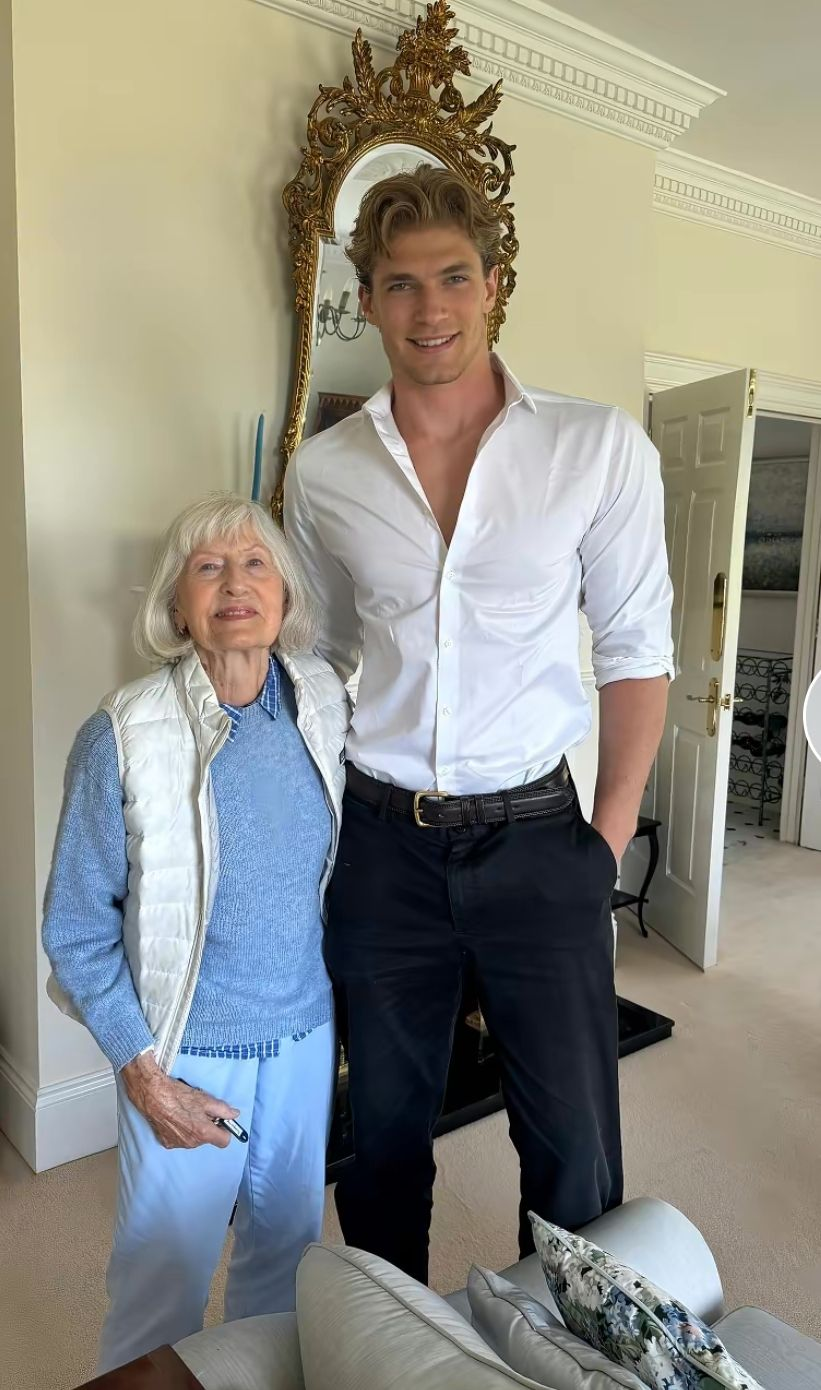
Because when something has always surrounded you,
you do not experience it as status.
You experience it as Tuesday.
The person entering that world from outside may be analysing every detail.
What do I wear?
What do I say?
Who pays?
Do I shake his hand?
Can I make that joke?
Should I email afterwards?
Was that invitation genuine?
Am I overdressed?
Am I underdressed?
The insider is eating dinner.
That difference is a tax.
I would call it:
THE PSYCHIC TAX OF NON-BELONGING.
And repeated thousands of times,
it matters.
━━━━━━━━━━━━━━━━━━━━━━━━━━━━━━━━━━━━
9. SOCIAL CLASS IS A DEFAULT-SETTING MACHINE
Nobody sits a six-year-old down and says:
"Hello Theodore.
Welcome to the upper-middle class.
Module one will cover delayed gratification and institutional navigation."
Obviously.
Instead he absorbs defaults.
University?
Of course.
Travel?
Normal.
Reading?
Normal.
Exercise?
Normal.
Adults with professional careers?
Normal.
A quiet bedroom?
Normal.
Parents helping with homework?
Normal.
Going abroad?
Normal.
Applying for competitive things?
Normal.
Calling adults by their first names?
Normal.
Questioning a teacher respectfully?
Normal.
Taking an internship in London?
Possible.
Starting a company?
Someone we know did that.
Becoming a surgeon?
My friend's mum is one.
Working in finance?
Dad knows somebody.
The decisive word here is:
NORMAL.
Your class background defines the set of outcomes that do not feel psychologically exotic.
And people systematically underestimate the power of that.
━━━━━━━━━━━━━━━━━━━━━━━━━━━━━━━━━━━━
10. 2026 HAS MADE THIS MORE IMPORTANT, NOT LESS
For decades the respectable middle-class formula was incredibly legible.
Do well in school.
Go to university.
Get credential.
Enter graduate scheme.
Work hard.
Move up hierarchy.
Buy house.
Build pension.
Retire.
That ladder has not disappeared.
But the bottom rungs are becoming less comfortable.
The 2026 youth labour market is weaker.
AI is automating or compressing some junior tasks.
Employers can demand more output from fewer people.
Entry-level workers increasingly compete with machines, contractors, experienced workers and enormous applicant pools.
Traditional white-collar training funnels are becoming less predictable.
The ILO's August 2026 youth report describes rising youth unemployment and technological change, including AI, as a major force reshaping young people's opportunities.
ILO source
Now consider who this environment advantages.
The graduate who must monetise immediately?
Or the graduate who can:
live at home,
build,
intern,
network,
experiment,
move cities,
learn AI tools,
start a company,
work for equity,
take a prestigious low-paying opportunity,
wait nine months for the correct role?
The more uncertain the labour market becomes,
the more valuable private downside protection becomes.
This is the paradox.
Technology can democratise capability
while simultaneously making family optionality more valuable.
A laptop may give both children the same AI model.
It does not give them the same runway.
━━━━━━━━━━━━━━━━━━━━━━━━━━━━━━━━━━━━
11. THE NEW CLASS DIVIDE IS OWNER VS DEPENDENT
This is where I think the conversation is heading.
The old language:
working class
middle class
upper-middle class
upper class
still captures culture.
But economically, another divide is becoming more important:
PEOPLE WHO MUST SELL THEIR LABOUR
TO PRESERVE THEIR LIFE
VS
PEOPLE WHO OWN CLAIMS
ON OTHER PRODUCTION.
TO PRESERVE THEIR LIFE
VS
PEOPLE WHO OWN CLAIMS
ON OTHER PRODUCTION.
Salary can make you comfortable.
Ownership changes the game.
Equity.
Business ownership.
Property.
Intellectual property.
Partnership economics.
Carried interest.
Capital.
Royalties.
Land.
Family trusts.
Pensions.
Investment portfolios.
The Federal Reserve has found that equity wealth accounts for much of the long-run increase in US wealth concentration, including nearly all of the continued increase since 2009 in its decomposition.
Federal Reserve source
This matters because labour income stops when labour stops.
Assets do not necessarily.
A £180k employee with:
£170k annual expenditure
no assets
three dependants
large mortgage
and no family backstop
may be more fragile than outsiders realise.
A £70k employee with:
paid-off housing access
£500k inherited capital
low burn
stable family
and investment ownership
can have dramatically more autonomy.
Again:
salary is not the state variable.
━━━━━━━━━━━━━━━━━━━━━━━━━━━━━━━━━━━━
12. CLASS IS ALSO WHO YOU CAN AFFORD TO LOVE
People hate discussing this.
Too bad.
Long-term relationships merge systems.
Not just bodies.
Not just personalities.
Families.
Friend groups.
Locations.
Housing.
Debt.
Childcare.
Inheritance.
Norms.
Education.
Career flexibility.
Health behaviour.
Spending behaviour.
Networks.
Conflict styles.
Marriage is partly a merger of balance sheets and social graphs.
That does NOT mean:
"marry the richest person possible."
That is juvenile.
A chaotic wealthy family can be a nightmare.
A stable modest family can be extraordinarily valuable.
The point is that partner choice changes:
the entire future operating environment of your children.

Think about two couples earning the same household income.
Couple A has:
four healthy grandparents nearby
two owned homes between parents
stable marriages on both sides
professional networks
childcare availability
low family conflict
good financial habits.
Couple B has:
family debt
unstable housing
parents requiring financial assistance
no childcare
high conflict
little savings.
Same household salary.
Completely different reproductive economics.
This is social class reproducing itself without anybody consciously designing it.
━━━━━━━━━━━━━━━━━━━━━━━━━━━━━━━━━━━━
13. CLASS DETERMINES THE QUALITY OF YOUR MISTAKES
This deserves its own section.
A high-optionality person gets to make small mistakes.
Wrong internship.
Bad first job.
Gap year.
Failed company.
Wrong degree.
Six months travelling.
Relationship doesn't work.
Moves city and dislikes it.
Their system absorbs the error.
A fragile person may experience the same mistake as a cascade.
Bad job
→ cannot save
→ cannot move
→ relationship deteriorates
→ debt
→ worse housing
→ longer commute
→ worse health
→ less energy
→ fewer opportunities.
This is why class differences compound.
Not because one group never makes mistakes.
Often because their mistakes are allowed to remain mistakes.
They do not become catastrophes.
That may be the most underrated privilege on earth.
━━━━━━━━━━━━━━━━━━━━━━━━━━━━━━━━━━━━
14. AND THIS IS WHY "JUST WORK HARDER" IS AN INCOMPLETE MODEL
Effort matters.
Intelligence matters.
Beauty matters.
Education matters.
Personality matters.
Luck matters.
Risk tolerance matters.
Of course.
But people constantly compare individual characteristics while pretending the surrounding system is fixed.
It isn't.
Imagine two equally talented people.
One gets ten attempts.
The other gets one.
Who is more likely to eventually look "gifted"?
One can leave five mediocre jobs until he finds his niche.
The other must stay.
One can launch three companies.
The other cannot survive one failure.
One can date until 32 without housing anxiety.
The other is calculating rent.
One can spend years developing a rare skill.
The other needs cash flow now.
Optionality compounds talent.
And lack of optionality can suffocate it.
━━━━━━━━━━━━━━━━━━━━━━━━━━━━━━━━━━━━
15. THE FUNNIEST CLASS SIGNAL IS TRYING TOO HARD TO SIGNAL CLASS
This is where internet aesthetics become hilarious.
Loro Piana.
Quarter zips.
Old-money TikTok.
Ralph Lauren.
Signet rings.
Loafers.
Skiing.
Tennis.
Linen.
"Quiet luxury."
Country clubs.
Wine.
Oxford shirts.
None of these things are social class.
They are objects and activities associated with certain populations.
The insecure person's mistake is trying to purchase the output of a system without possessing the system.
A £900 sweater does not produce:
a stable family.
a childhood.
a network.
an education.
property.
confidence.
good health.
social calibration.
institutional familiarity.
financial resilience.
time.
This is why real class can look surprisingly boring.
Old jumper.
Normal car.
Twenty-year-old kitchen.
No logo.
Family house worth £2m.
Parents married for 35 years.
Three children at good universities.
Huge pension.
Friends everywhere.
No consumer debt.
Everyone healthy.
Sunday lunch.
The internet notices the jumper.
It misses the machine.
━━━━━━━━━━━━━━━━━━━━━━━━━━━━━━━━━━━━
16. SOCIAL MOBILITY IS REAL.
BUT IT IS PATH-DEPENDENT.
This thread is NOT saying:
"You were born somewhere. Give up."
That is stupid.
People move.
Fortunes change.
Cultures change.
Families rise and fall.
People learn.
Networks expand.
Businesses succeed.
Careers explode upward.
Marriage changes trajectories.
Migration changes trajectories.
Technology creates new elites.
But class mobility is usually more complicated than:
earn more money → class changed.
A first-generation high earner may need to build several things simultaneously:
1. Capital
Assets that survive employment shocks.
2. Geography
Physical proximity to high-opportunity environments.
3. Network
Trusted relationships, not followers.
4. Institutional fluency
Knowing how high-value organisations actually work.
5. Cultural fluency
Being comfortable without performing.
6. Family stability
Reducing chaos transmitted into the next generation.
7. Health
A functioning body is a form of capital.
8. Low fragility
Avoiding debts, addictions, obligations and risks capable of destroying everything.
9. Ownership
Gradually converting labour income into claims on assets.
10. Time
Letting all of this compound.
This is why genuine upward mobility can feel slower than getting rich.
You are not merely increasing a number.
You are rebuilding an environment.
━━━━━━━━━━━━━━━━━━━━━━━━━━━━━━━━━━━━
17. THE ACTUAL SOCIAL-CLASS MAXXING GUIDE
If somebody genuinely wanted to raise the long-run class trajectory of his family, I would care much less about pretending to be aristocratic and much more about this:
STOP MAXXING CONSUMPTION.
START MAXXING OPTIONALITY.
Acquire assets.
Keep fixed costs controlled.
Avoid ruin.
Live around opportunity.
Protect your health.
Learn institutional behaviour.
Become useful to high-quality people.
Build real friendships.
Host people.
Introduce people.
Learn how capital works.
Learn how bureaucracy works.
Learn how contracts work.
Learn how schools work.
Learn how property works.
Learn how hiring really works.
Learn how businesses actually make money.
Choose your partner carefully.
Make the household peaceful.
Maintain family relationships worth maintaining.
Build an emergency buffer.
Own things.
Teach your children everything nobody explicitly taught you.
Put them around competent adults.
Give them sport.
Give them privacy.
Give them books.
Give them travel.
Give them confidence speaking to adults.
Let them fail safely.
Let them see ambitious futures up close.
Do not make them carry your financial anxiety.
Do not make every decision an emergency.
And above all:
BUILD A FAMILY SYSTEM
IN WHICH ONE BAD YEAR
DOES NOT DESTROY TEN GOOD ONES.
IN WHICH ONE BAD YEAR
DOES NOT DESTROY TEN GOOD ONES.
That is class-maxxing.
Not buying loafers.
━━━━━━━━━━━━━━━━━━━━━━━━━━━━━━━━━━━━
18. THE FINAL PILL
I think people spend their whole lives looking at the visible outputs of class.
The house.
The school.
The accent.
The clothes.
The holidays.
The job.
The wedding.
The neighbourhood.
But underneath all of those things is something much simpler.
Freedom from forced action.
The freedom to wait.
The freedom to leave.
The freedom to fail.
The freedom to recover.
The freedom to reject.
The freedom to experiment.
The freedom to choose the better long-term option.
The freedom to protect your children from your own bad year.
The freedom to say:
"No. I don't have to."
That is why social class is so powerful.
It changes the probability distribution around your entire life.
It changes which risks you can take.
Which mistakes you survive.
Which people you meet.
Which places you inhabit.
Which partners you encounter.
Which careers are visible.
Which opportunities you can wait for.
Which shocks propagate.
Which shocks disappear.
And eventually it changes what your children think life itself is supposed to feel like.
THE ULTIMATE LUXURY IS NOT HAVING MORE.
IT IS NEEDING LESS FROM ANY
ONE PERSON, EMPLOYER, LANDLORD,
INSTITUTION OR EVENT.
THE HIGHEST FORM OF SOCIAL CLASS
IS LOW COERCION.
━━━━━━━━━━━━━━━━━━━━━━━━━━━━━━━━━━━━
"Income tells you how somebody is doing today.
Social class tells you how difficult it is
for tomorrow to destroy them."
IT IS NEEDING LESS FROM ANY
ONE PERSON, EMPLOYER, LANDLORD,
INSTITUTION OR EVENT.
THE HIGHEST FORM OF SOCIAL CLASS
IS LOW COERCION.
━━━━━━━━━━━━━━━━━━━━━━━━━━━━━━━━━━━━
"Income tells you how somebody is doing today.
Social class tells you how difficult it is
for tomorrow to destroy them."
ONS — Household total wealth in Great Britain
OECD Employment Outlook 2025 — housing and intergenerational inequality
Opportunity Insights — Social Capital and Economic Mobility
ILO — Youth Employment / Global Employment Trends for Youth 2026
 www.ilo.org
Federal Reserve — Wealth Heterogeneity and Consumer Spending

Household total wealth in Great Britain - Office for National Statistics
Household wealth in Great Britain from the Wealth and Assets Survey for the April 2020 to March 2022 period.
www.ons.gov.uk
OECD Employment Outlook 2025 — housing and intergenerational inequality
Opportunity Insights — Social Capital and Economic Mobility
ILO — Youth Employment / Global Employment Trends for Youth 2026
Youth employment
Federal Reserve — Wealth Heterogeneity and Consumer Spending
Wealth Heterogeneity and Consumer Spending
The Federal Reserve Board of Governors in Washington DC.
www.federalreserve.gov