





dextroamphetamine
Iron
- Joined
- Jun 6, 2026
- Posts
- 31
- Reputation
- 26
THE COMPLETE THC GUIDE 
Cannabis is one of the most judged and demonized substances in the world; in this comprehensive guide, we will teach you everything about cannabinoids—including how to ascend with cannabis—while debunking common myths and showing you how to counteract any negative effects.
THREAD MUSIC:

DISCLAIMER
This thread was made for chronic cannabis users
and for people that had bad experiences
100% Legal in 34+ states (U.S) +21
1. Introduction to THC
Cannabis plants produce over 100 different cannabinoids, but the two primary ones are THC and CBD. In the plant's dried flowers, THC usually ranges from 15% to 30%, while CBD can range from 10% to 25%. Other cannabinoids like CBG or CBN are usually present in quantities of less than 1% by dry weight.
Delta-9-tetrahydrocannabinol (THC) is one of over 100 Cannabinoids identified in the Cannabis sativaplant, distinguishing itself as the primary component responsible for the plant's psychoactive and psychotropic properties.
To understand THC, you must first understand the Endocannabinoid System (ECS), a complex cell-signaling network that regulates homeostasis (biological balance). It controls mood, memory, appetite, sleep, and pain.
What Happens When THC is Used?
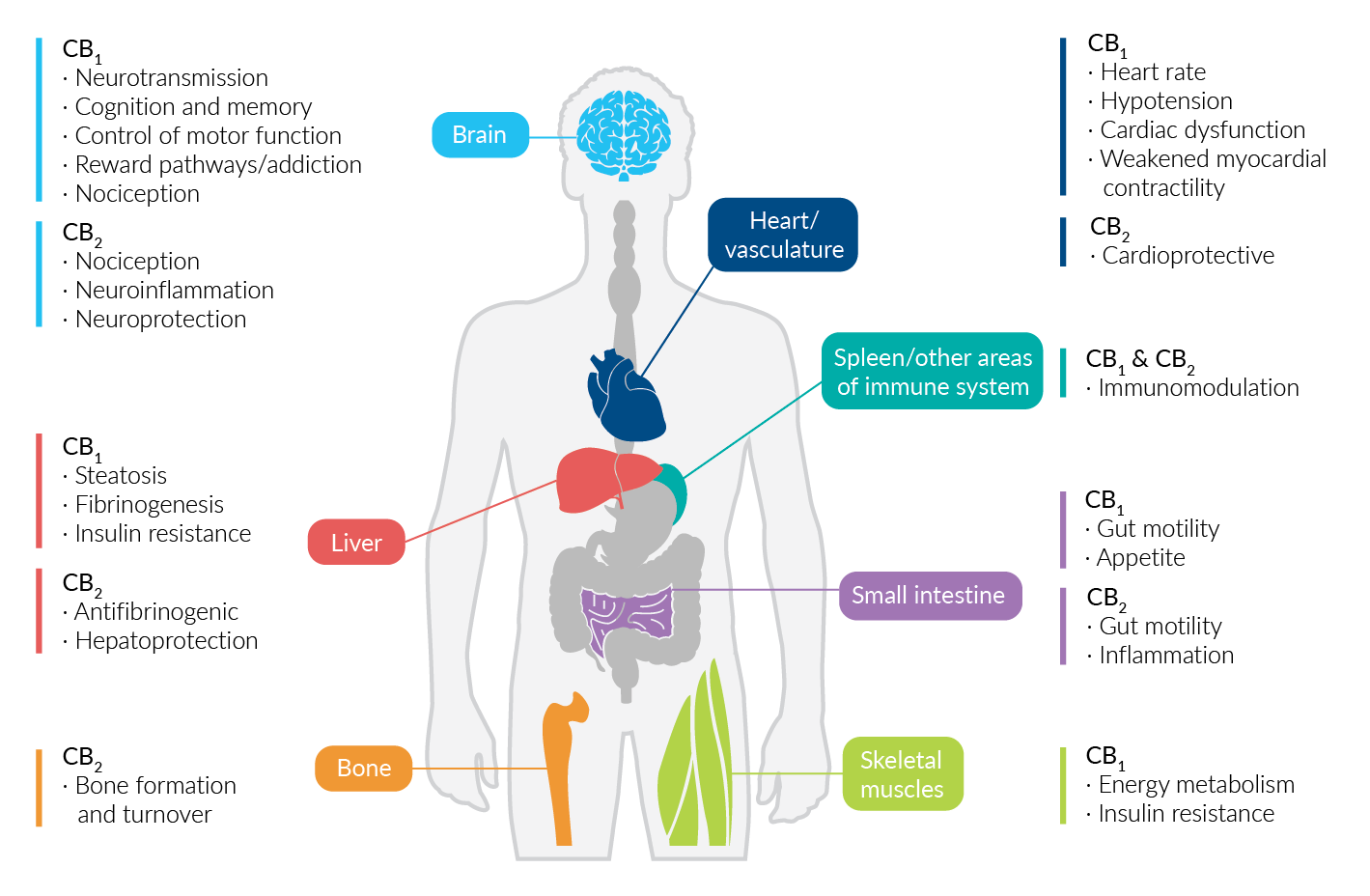
THC (Delta-9-tetrahydrocannabinol) fits into the brain's CB1 receptors just like a key in a lock. However, unlike natural endocannabinoids, which are released on demand and clear out quickly, THC floods and overstimulates these receptors, overriding your natural neural regulation.
Endocannabinoids are lipid-based molecules produced naturally by your body that act as an ancient biological signaling system, controlling everything from memory to appetite. THC hijacks this system, overriding the body's natural "dimmer switches" for brain chemicals, most notably GABA, Glutamate, and Dopamine, to create a widespread, localized neurological "high".
The interactions of THC within the central nervous system represent a complex, systemic reorganization of how neural networks process, filter, and transmit data. By functioning as a widespread presynaptic modulator, THC fundamentally shifts the electrical and chemical equilibrium of the entire brain.
Presynaptic Inhibition: The Core Cellular Mechanism
Receptor Affinity: THC acts as a partial agonist with a high affinity for CB1 receptors, which are G-protein coupled receptors predominantly localized on presynaptic axon terminals throughout the central nervous system.
- Disrupting Retrograde Signaling: Under basal conditions, postsynaptic neurons synthesize endocannabinoids (like Anandamide) on-demand to travel backward across the synaptic cleft and temporarily curb over-excitation. THC mimics this structure but evades rapid enzymatic breakdown, leading to prolonged, widespread activation of CB1 receptors.
- The Universal Dimmer Switch: Once bound, THC triggers an intracellular cascade that closes calcium channels and opens potassium channels. This hyperpolarizes the presynaptic cell, universally suppressing the exocytosis (release) of whatever neurotransmitter that specific neuron houses.
Comprehensive Neurotransmitter Cascades
Because CB1 receptors sit on various types of neurons, flooding the system with THC simultaneously triggers several major chemical shifts:
1. GABA Suppression
- The Mechanism: CB1 receptors are highly concentrated on GABAergic interneurons. Gamma-Aminobutyric Acid (GABA) is the brain’s primary inhibitory neurotransmitter, responsible for acting as a regulatory brake on neural networks. THC suppresses the release of GABA.
- The Neurological Efficacy: Within the mesolimbic reward system , dopamine-producing neurons are typically kept under strict, continuous inhibition by these GABAergic cells. By shutting off the GABA brake—a process called disinhibition—THC allows dopaminergic neurons to fire at an accelerated rate, resulting in a substantial surge of Dopamine. This induces intense euphoria, heightened reward perception, and a psychological sense of novelty.

2. Glutamate Suppression
- The Mechanism: THC concurrently binds to CB1 receptors on glutamatergic terminals, directly blocking the release of Glutamate, the principal excitatory neurotransmitter driving mental sharpness, processing speed, and synaptic firing.
- The Neurological Efficacy: The sudden drop in available glutamate slows down overall synaptic transmission across neocortical networks. This creates a state of profound mental calming and alleviates racing thoughts, but it also delays physical reaction times and compromises information-processing speeds.
3. Acetylcholine Suppression
- The Mechanism: Within the Hippocampus—the locus for memory formation—THC heavily suppresses the release of Acetylcholine, a neurotransmitter critical for focus, cognitive shifting, and spatial memory.
- The Neurological Efficacy: Encoding a real-time experience requires a process called Long-Term Potentiation (LTP), where hippocampal neurons utilize glutamate and acetylcholine to strengthen physical synaptic connections. Because THC blocks both transmitters, the hippocampus fails to establish LTP. While consolidated long-term memories stored in the cortex remain fully accessible, the brain's real-time working memory buffer is temporarily disabled, leading to immediate short-term memory fragmentation.

- The Mechanism: The endocannabinoid system acts in tandem with monoaminergic networks. THC modulates 5-HT1A Serotonin receptors and stimulates the downstream release of endogenous opioids (endorphins) in the periaqueductal gray area of the spinal cord.
- The Neurological Efficacy: This dual interaction stabilizes serotonergic firing in the prefrontal cortex and amygdala, resulting in acute stress attenuation, mood elevation, and anxiolytic (anti-anxiety) effects. Concurrently, the elevated endorphins block incoming nociceptive (pain) signals before they reach conscious awareness in the cerebral cortex, providing potent systemic analgesia and muscle relaxation.

 Localized Regional Impacts on the Nervous System
The physical and psychological manifestations of THC are dictated by which specific brain structures are being modulated by CB1 activation:
- The Cerebellum and Basal Ganglia: These areas manage motor control, habit loops, and temporal processing. THC suppresses regular neurotransmission here, impairing fine motor coordination and disrupting the internal neural clock. Because the brain processes fewer external inputs per second due to glutamate suppression, the internal perception of time stretches, making minutes feel objectively longer.
- The Hypothalamus: Responsible for metabolic homeostasis, the hypothalamus is hacked when THC binds to its specialized pro-opiomelanocortin (POMC) neurons. Normally responsible for signaling satiety (fullness), these neurons are inverted by THC to release appetite-stimulating endorphins. Coupled with CB1 activation in the olfactory bulb (which sharpens smell and taste), this drives intense hunger.
- The Amygdala: Operating as the brain's emotional threat-detector, the amygdala's response to THC is dose-dependent. At baseline, CB1 binding calms emotional over-activity. However, if the receptors become completely saturated by high doses of THC, the normal emotional filtering breaks down, causing the amygdala to misinterpret standard internal or external stimuli as immediate threats, which can precipitate acute anxiety or paranoia.
2. Why is Cannabis so demonized?
Weed has always been heavily demonized due to industrial, political, and racist reasons. This is mainly because it is a highly accessible plant, easy to find and grow anywhere.
Because of its many uses and benefits and accessibility, business leaders from various industries (clothing, alcohol, Big Pharma...) have always been against it.
A lot of money was invested in anti-marijuana propaganda all over the U.S., and the stigma spread from generation to generation. Weed is seen as a drug for losers and poor people (which is not a lie, due to its accessibility).
But what actually happens is quite the opposite; many people from the elite (and 80% of celebrities) use marijuana or have had experiences with the plant, but not the same marijuana you find at a gas shop or with your school plug.
Article #1 (CLICK)
Article #2 (CLICK)
COMMOM MYTHS
1. "Marijuana kills brain cells"
- The Myth: Using the plant permanently destroys brain cells and lowers intelligence.
- The Scientific Reality: Cannabis does not kill brain cells. This myth originated from a methodologically flawed 1970s study (the "Heath/Tulane Study") on monkeys, where the animals were suffocated with smoke. Cell death occurred due to lack of oxygen (hypoxia), not the plant.
- Science Today: The main psychotropic compound (THC) temporarily alters how neurons communicate through the Endocannabinoid System, but it does not destroy them. Furthermore, other compounds in the plant, such as CBD (cannabidiol), have demonstrated neuroprotective properties, aiding brain cell survival in degenerative conditions.
2. "Marijuana causes schizophrenia"
- The Myth: Anyone who smokes marijuana will develop schizophrenia or severe psychotic breaks.
- The Scientific Reality: Cannabis does not create schizophrenia out of nowhere. The actual relationship acts as a trigger in individuals who already possess a hereditary genetic predisposition to the disorder.
- Science Today: Studies show that heavy use of high-THC strains during adolescence can accelerate the onset of the first psychotic episode in genetically vulnerable individuals. However, in populations without this predisposition, the risk is extremely low. Global rates of schizophrenia have remained stable for decades despite the massive increase in cannabis consumption worldwide, disproving direct causality.
3. "It is the gateway drug to harder substances"
- The Myth: Anyone who consumes cannabis will inevitably move on to cocaine, heroin, or crack.
- The Scientific Reality: The "Gateway Drug" theory has been thoroughly debunked by the World Health Organization (WHO) and the US National Academy of Sciences.
- Science Today: The vast majority of people who use cannabis never progress to harder drugs. Statistically, alcohol, tobacco, and even refined sugar are consumed much earlier in life. What truly acts as a "gateway" is the illegal market: by buying from drug dealers, users are exposed to illicit substances. In regulated markets, this transition drops drastically.
4. "Marijuana smoke has more tar and damages lungs more than tobacco"
- The Myth: Smoking marijuana destroys your lungs much faster than smoking conventional cigarettes.
- The Scientific Reality: Smoke from any burned organic matter contains tar and toxins. However, the consumption pattern is completely different.
- Science Today: A daily tobacco smoker consumes between 10 to 20 cigarettes a day, whereas a heavy cannabis user smokes significantly less in volume. Longitudinal studies (such as one published in the Journal of the American Medical Association - JAMA) tracked users for 20 years and found no association with the steep decline in lung function seen in heavy tobacco smokers. Furthermore, THC is a natural bronchodilator. Lung damage risks drop to zero with the use of dry herb vaporizers or edibles.
5. "It causes Amotivational Syndrome (makes people permanently lazy)"
- The Myth: The user loses all ambition, stops working or studying, and becomes a useless member of society.
- The Scientific Reality: There is no clinical basis for the existence of an "amotivational syndrome" caused exclusively by the plant.
- Science Today: THC can induce a temporary state of deep relaxation and lethargy while the effects are active. However, neuroimaging studies show that chronic lack of motivation is generally linked to pre-existing conditions like depression, anxiety, or burnout, rather than the plant itself. Thousands of high-performance athletes, CEOs, and scientists use cannabis functionally in their daily routines.
6. "You can die from a marijuana overdose"
- The Myth: Consuming too much cannabis at once can lead to cardiac arrest or death.
- The Scientific Reality: It is biologically impossible to suffer a fatal overdose from natural cannabis.
- Science Today: For a substance to cause a fatal overdose, it must bind to receptors in the brainstem, which controls vital functions like breathing and heart rate (which is how opioids cause death). The human brain has virtually no cannabinoid receptors (CB1) in the brainstem. It is estimated that a human would need to consume roughly 1,500 pounds (680 kg) of cannabis within 15 minutes to reach a lethal dose, dying from carbon monoxide poisoning, not cannabinoids.
7. "Today's marijuana is a mutant GMO created in a lab" (Not 100% wrong)
- The Myth: Modern marijuana has such bizarre, artificial levels of THC that it has become a completely different chemical drug compared to the 1970s.
- The Scientific Reality: The increase in THC levels is real, but it is the result of traditional botanical selective breeding (artificial selection), not laboratory genetic modifications.
- Science Today: Growers selected plants with more trichomes (where cannabinoids are produced). While today's herb is stronger, user behavior adjusts: users need to consume a much smaller amount of smoke or vapor to achieve the desired effect. It is equivalent to the difference between a beer and a shot of whiskey; potency simply requires dosage moderation.
8. "It destroys male and female fertility"
- The Myth: Frequent users become sterile because the plant zeroes out sperm count and disrupts ovulation.
- The Scientific Reality: There are temporary, reversible changes, but no evidence of chronic sterility.
- Science Today: Acute use of high doses of THC can temporarily lower sperm motility and affect testosterone levels for a few hours. However, epidemiological studies tracking large populations of frequent users have found no higher rates of infertility or sexual dysfunction. Reproductive parameters return to baseline a few weeks after discontinuing use.
9. "It causes permanent memory loss"
- The Myth: Frequent use erases old memories and leaves a person permanently forgetful.
- The Scientific Reality: The impact occurs strictly on short-term (working) memory during the period of intoxication.
- Science Today: THC affects the hippocampus (the area responsible for forming new memories) while the substance is active in the body, making immediate facts harder to retain (like "where did I leave my keys?"). However, rigorous cognitive studies prove that after a period of abstinence (usually 2 to 4 weeks), cognitive function and long-term memory retention return exactly to the user's original baseline.
10. "Marijuana is more addictive than cigarettes and alcohol"
- The Myth: It is a highly addictive substance that hooks the user from the very first puff.
- The Scientific Reality: The physical and chemical dependence potential of cannabis is significantly lower than that of legal drugs.
- Science Today: According to data from the US National Institute on Drug Abuse (NIDA), the dependency rate (Cannabis Use Disorder) affects about 9% of lifetime users. For comparison, the dependency rate for tobacco (nicotine) is 32%, alcohol is 15%, and cocaine is 17%. Cannabis withdrawal causes mild irritability and insomnia for a few days, whereas severe alcohol withdrawal (Delirium tremens) can be fatal.
3. First things first
 Because it is a dopaminergic and psychoactive substance, naturally lazy normies who can't be productive or maintain good habits naturally won't have self-control and will end up addicted sooner or later, in an endless repetitive cycle of bad choices and habits.
It is mandatory to have a routine and have your whole life organized (even if it's through notes), to know how much and in what ways cannabis affects you, and which points you need to be careful with, pay attention to, and improve.
You need to understand that having control is resisting the thought of "I can stop whenever I want," you are only in controlwhen you follow your routine 100% and are not controlled by quick impulses. Do you have to do something? Get your black ass up and do it fast bitch. You cannot let laziness have a voice during productive moments, just do everything you were too lazy to do before.
You don't need to create your routine based on some TikTok coach, just do things that make you feel productive, like cleaning your room, reading a book, research, anything that doesn't give you a quick dopamine spike. IF YOU FORCE YOURSELF ENOUGH to do physical tasks you didn't like before, while high, you start to like it or simply "don't mind" doing it, you just get up, do it, and slowly start to like it.
It is important for you to have a schedule and decide in which places you can or cannot be high, what times of the day, and how many times a week you use it,
you DON'T need to do something like:
| Monday | Tuesday | Wednesday | Thursday | Weekends |
| 1 Joint for hangover | 0 Joints | 0 Joint | 1 Joints | THC Vape allowed |
You just need to map out the times of day when you CAN get high without any issues and just vibe; choose the days when you can have moments to relax (listening to music, binge-eating, rotting your brain) versus the days when you can't, and stick strictly to your schedule. ITS IMPORTANT TO NOT SMOKE EVERYDAY
Think of weed as a cycle; 3-5 weeks on 2-3 weeks off or 2 weekends on 4 weekends off
4. THC %, TERPENES, STRAINS, What is good and bad weed, Delta 9 THC, Delta 8 THC, THCP.....
Cannabis Terpenes:
Cannabis terpenes are volatile hydrocarbon compounds built from repeating chains of a five-carbon molecule called isoprene, they are produced naturally within the sticky resin glands (trichomes) of the cannabis flower.
Terpenes are the direct cause of taste and smell. When you consume cannabis, it is this specific molecular combination that coats your palate, providing the distinct flavor notes—such as citrus, pine, pepper, or floral tones.
Without terpenes, pure cannabinoids like THC are completely flavorless, odorless, and provide a flat, one-dimensional high. While THC acts as the raw engine to get you stoned, terpenes act as the steering wheel that directs the effects.

Major Cannabis Terpenes, Flavors & Effects
Myrcene (The Couch-Locker)
- Taste/Aroma: Earthy, musky, herbal, like cloves or ripe mangoes.
- The Vibe: Heavy relaxation and sedation. This is the dominant terpene in Indica strains. If a high-THC distillate vape makes you melt into the couch, it is packed with Myrcene.
Limonene (The Energy Boost)
- Taste/Aroma: Sharp, fresh citrus, lemon, and orange.
- The Vibe: Uplifting, euphoric, and anti-anxiety. It is heavily found in Sativa strains. It cuts through the heavy head-high of pure THC to keep you focused and energized.
Pinene (The Focus Finder)
- Taste/Aroma: Sharp pine needles, forest earth, and cedar.
- The Vibe: Sharp alertness and mental clarity. Pinene is great for countering the short-term memory "fog" or paranoia that pure, high-percentage THC can sometimes trigger.
Caryophyllene (The Stress Reliever)
- Taste/Aroma: Spicy, woody, sharp black pepper.
- The Vibe: Physical body relief and intense anxiety melting. It is unique because it physically binds to cannabinoid receptors in the body to soothe stress.
Linalool (The Calm Mind)
- Taste/Aroma: Floral, sweet lavender, with a hint of spice.
- The Vibe: Deep mental peace and sleep induction. It takes the racing thoughts out of a massive THC dose and replaces them with pure calm.
So basically, certain distillate cartridges from famous brands are just pure THC distillate (usually 89–99% THC) with fake terpenes added, and not actually from a specific strain (which I will explain soon). So never go for distillate unless your budget is low (don't smoke if you're broke)
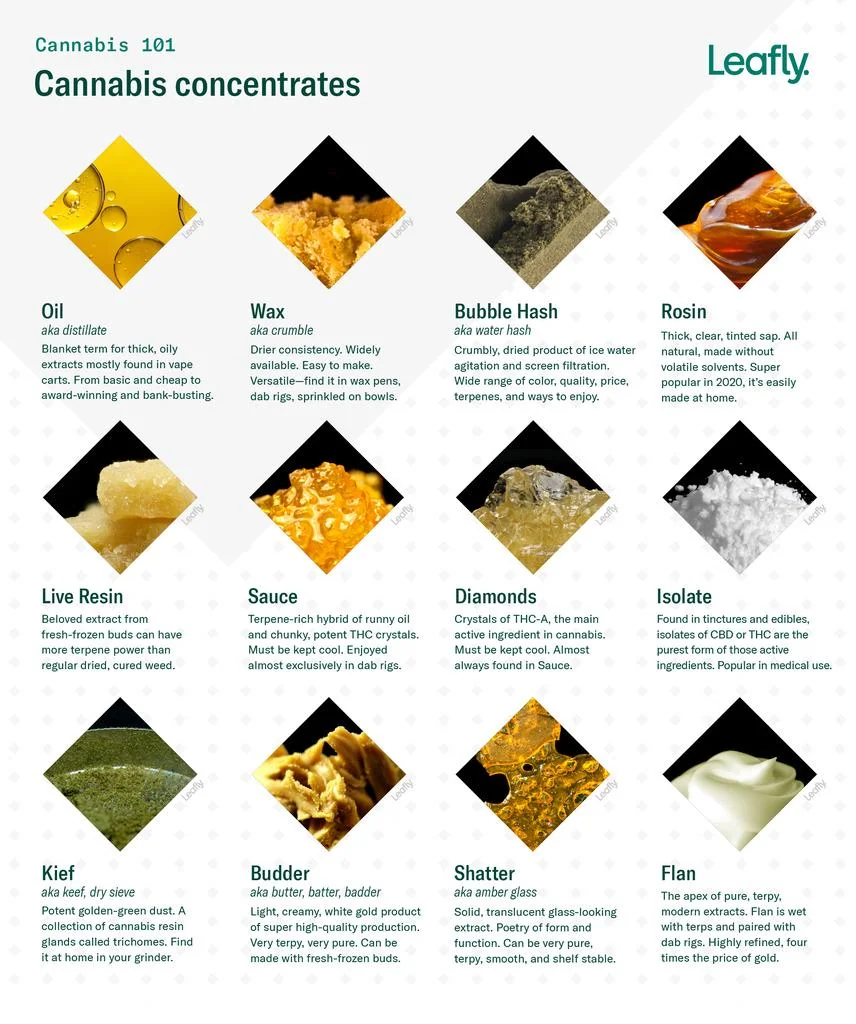
If you choose to use vapes instead of smoking flower, don't buy based on the THC percentage. Instead, always go for Live Rosin, Live Resin, or Full Spectrum from trusted brands that provide lab tests, and of course, from reliable dispensaries or legalized online retailers.
- Live Resin: Made from flash-frozen fresh cannabis rather than dried and cured buds. It preserves the plant's natural terpenes and offers a robust, strain-specific flavor and a well-rounded high.
- Distillate: Highly refined, potent THC oil. The extraction process strips away almost all plant matter and terpenes. Terpenes are often re-introduced later for flavor, providing a strong, straightforward high.
- Live Rosin: A premium, solventless extract. Instead of using solvents, it relies on ice, heat, and pressure to extract trichomes from fresh-frozen flower. Highly valued for its purity and authentic taste.
- Liquid Diamonds: Made by melting down pure THCA crystalline (the "diamonds" in concentrates) and mixing them with live resin sauce. This creates an incredibly high-potency vape with a strong flavor profile.
- Full-Spectrum & CO₂ Oil: These extracts preserve a wide array of the plant's natural cannabinoids and terpenes to promote the entourage effect, a synergistic high. CO₂ extraction is known for delivering a clean, natural taste.
What is a Cannabis "Strain" (Cultivar)?
From a botanical perspective, "strain" is a colloquial term. In laboratory settings, cannabis plants are categorized by their chemical profile (chemotype) rather than just their name. A cultivar's specific traits are determined by its:
- Genotype: The inherited genetic code from parent plants.
- Phenotype: How those genes actually express themselves (looks, smell, potency) based on environmental factors like light, soil, and nutrients.
The Scientific Truth About Indica vs. Sativa
The historical classification of Indica and Sativa is largely outdated in modern pharmacology.
- Morphological Only: Originally, Sativa (tall, narrow leaves) and Indica (short, broad leaves) only described the plant's physical structure and geographic origin.
- The Hybrid Reality: Due to decades of cross-breeding, almost all modern cannabis is technically a polyhybrid.
- The Chemical Engine: A plant's effects are not dictated by its shape (Indica/Sativa), but by the synergy between cannabinoids and terpenes (known as the Entourage Effect).
The Chemical Compounds That Matter
- Cannabinoids: Active chemical compounds that interact with the human Endocannabinoid System (ECS).
- THC (Tetrahydrocannabinol): The primary psychoactive compound responsible for the "high."
- CBD (Cannabidiol): Non-intoxicating compound studied for anti-inflammatory, anti-anxiety, and seizure-reduction properties.
- Terpenes: Aromatic compounds that give each cultivar its distinct smell (citrus, pine, earth) and modulate the effects of THC. For example:
- Myrcene: Often found in high amounts in plants labeled "Indica"; promotes sedation.
- Limonene: Often found in plants labeled "Sativa"; elevates mood and reduces stress.
So basically:
THCA --> THC --> Connects to Endocannabinoid System --> Gets you high
TERPENES ----> Defines your high
The THC Percentage is actually not that important for the high to be good;
Scientifically, the THC (Tetrahydrocannabinol) percentage indicates the concentration of the main psychoactive molecule in cannabis relative to the total weight of the product (for example, 20% THC in 1 gram of flower equals exactly 200 mg of THC).
As this percentage increases, the saturation of cannabinoid receptors (CB1) in the central nervous system changes drastically, altering the body's chemical and neurological response.
Here is what happens in the body and brain according to different percentage brackets:
1. Low THC (1% to 9%) — Mild Activation and Homeostasis
This range is common in medical cannabis flowers or products with a balanced THC-to-CBD ratio. The activation of CB1 receptors in the brain remains moderate.
- What happens chemically: There is a mild modulation in the release of neurotransmitters such as GABA and glutamate.
- Scientific effect: It reduces anxiety (anxiolytic effect), subtly stimulates dopamine, and promotes physical relaxation without overwhelming the central nervous system. The statistical risk of paranoia episodes is exceptionally low at this dosage.
2. Moderate THC (10% to 19%) — Standard Dopaminergic Stimulus
This represents the traditional biological average for many naturally grown or greenhouse flower strains.
- What happens chemically: The occupancy rate of CB1 receptors increases significantly. This triggers a sharper spike of dopamine in the brain's reward system (the nucleus accumbens).
- Scientific effect: This induces the classic alteration in time perception, sensory enhancement (tactile, visual, and auditory), and increased appetite (caused by the stimulation of POMC neurons in the hypothalamus). Short-term cognitive functions and processing speed begin to temporarily decline.
3. High THC (20% to 30%+) — Receptor Saturation and Biphase Risk
This is frequently found in modern, highly selected indoor-grown genetic strains.
- What happens chemically: An almost total saturation of CB1 receptors occurs. At these concentrations, THC begins to exhibit a biphasic effect: while it calms at lower doses, it reverses its action at ultra-high concentrations by blocking GABA signaling and triggering the stress system (HPA axis).
- Scientific effect: This leads to an excessive release of cortisol and adrenaline. (Easy to fix )
4. Concentrates (60% to 90%+) — Intermittent Synaptic Overload
This includes products like vaporization oils, wax, shatter, or live resins.
- What happens chemically: The brain receives a massive, instantaneous flood of isolated cannabinoids, an intensity that does not occur in nature.
- Scientific effect: Beyond the immediate risk of panic attacks and dizziness due to drop in blood pressure, frequent exposure to these percentages leads to the downregulation of CB1 receptors. The brain pulls back and hides these receptors to protect itself from overstimulation, causing rapid chemical tolerance and, over time, potential withdrawal symptoms or apathy when sober.
The "Entourage Effect"
Cannabis science demonstrates that the THC percentage does not determine the experience on its own. The profile of terpenes (aromatic molecules like myrcene, limoneno, and linalool) and other cannabinoids (such as CBD and CBG) act as allosteric modulators. They alter how THC binds to its receptors, which can either smooth out the anxiety of a high THC percentage or boost the relaxation of a low one.
Good vs Bad Weed
It's always a good idea to be cautious with synthetic things, especially psychoactive substances. So, always opt for naturally occurring cannabinoids like THCA and Delta-9 THC. Anything beyond that (excluding CBD, CBG...) with high concentrations is considered synthetic. Always do your research before
Key Cannabinoids Compared
Cannabinoid Source Type Psychoactive? Key Characteristics THCA Natural (Raw plant) No (Unheated) Turns into Delta-9 THC when heated; non-intoxicating. THCP Natural (Trace) / Semi-Synthetic Yes (Extreme) Binds up to 33x stronger to CB1 receptors than regular THC. HHC Semi-Synthetic (Hydrogenated) Yes (Moderate) Chemically stable; offers a smoother, clear-headed high. Delta-8 THC Semi-Synthetic (From Hemp CBD) Yes (Mild) Roughly 50-70% as potent as regular Delta-9 THC; less anxiety.


5. GYMMAXXING
 Performance Mentality and Focus
- Induction of Flow State: THC temporarily alters the brain's Default Mode Network (DMN), silencing intrusive thoughts and enhancing deep immersion during exercise.
- Dopamine Elevation: The compound stimulates dopamine release in the striatum, increasing initial motivation and the sense of pleasure during heavy physical exertion.
- Anxiety Reduction: In controlled doses, THC reduces amygdala hyperactivity, lessening performance anxiety before lifting heavy loads.
- Rhythmic Synchronization: It modifies time perception, helping maintain constant, repetitive cadences during endurance or high-volume resistance training.
 Physical Adaptation and Exertion Tolerance
- Pain Signal Blockade: THC activates receptors in the spinal cord's nociceptive pathways, blocking pain signals generated by intense mechanical stress.
- Increased Exhaustion Threshold: By interacting with the endogenous opioid system, the compound raises tolerance to the muscular burn caused by metabolite accumulation.
- Peripheral Vasodilation: It promotes the relaxation of blood vessels, which can facilitate the initial transport of nutrients via blood flow to the muscles.
- Bronchodilation Action: It relaxes smooth muscles in the airways, reducing respiratory resistance during the beginning of physical activity.
 Recovery Processes and Tissue Building
- Facilitated Caloric Surplus: THC binds to CB1 receptors in the hypothalamus and olfactory bulb, intensifying taste and activating hunger hormones to aid weight-gain diets.
- Post-Workout Cortisol Reduction: It helps rapidly lower stress hormone levels after an intense session, shifting the body into an anabolic state sooner.
- Acute Inflammatory Modulation: It interacts with immune cells to reduce the production of excessive pro-inflammatory cytokines, shortening fiber regeneration time.
- Deep Sleep Induction: It facilitates falling asleep faster and prolongs slow-wave sleep phases, the crucial stage for protein synthesis and tissue repair.
- Direct Muscle Relaxation: It reduces residual post-exertion muscle tone and stiffness, acting as a central muscle relaxant to lower the risk of spasms.
 Scientific Benefits in Cardio Training (Aerobic and HIIT)
- Enhanced Ventilatory Efficiency: THC acts as a fast-acting bronchodilator by relaxing the smooth muscles of the bronchioles, reducing airway resistance and facilitating oxygen flow into the alveoli at the start of exercise.
- Attenuation of Rated Perceived Exertion (RPE): By interacting with CB1 receptors in the central nervous system, the compound alters how the brain processes signals of lung and muscle fatigue, making intense paces feel mechanically easier.
- Cadence and Rhythm Maintenance: The modulation of time perception helps the athlete enter a state of automated repetition, which is ideal for maintaining steady strides, pedal strokes, or swimming strokes during long-duration activities.
- Vasodilation and Oxygenation: It promotes the relaxation of arterial walls, which reduces initial cardiac afterload and optimizes peripheral blood flow to the most active muscle groups.
 Scientific Benefits in Strength and Hypertrophy Training (Anaerobic)
- Maximization of Fiber Breakage Threshold: The analgesia induced by THC allows the lifter to push past the lactic acid burn, reaching true mechanical failure and stimulating greater recruitment of high-threshold motor units.
- Optimization of Mechanical Tension: Increased internal focus improves conscious muscle recruitment, allowing for a cleaner and more concentrated movement trajectory during the eccentric phase of the exercise (a crucial factor for hypertrophic micro-tears).
- Suppression of Cortisol-Induced Catabolism: THC helps brake the excessive post-workout adrenergic response, signaling to the body that the state of alert is over and accelerating the transition into the anabolic window for protein repair.
- Chemical Signaling of Appetite (Muscle Hypertrophy): Strong activation of POMC neurons and ghrelin receptors by THC ensures the massive intake of macronutrients needed to hit daily caloric goals in weight-gain diets.
- Reduction of Defensive Tone (Stiffness): It relaxes spasms and excessive protective tension that the body adopts after lifting heavy loads, restoring natural joint mobility.
6. Lifemaxxing
The High-IQ THC Counter-Protocol (Neuro-Restoration & Anti-DPDR)
Substance Primary Target / Mechanism Efficacy Price / Cost Pregnenolone Natural CB1 brake system; kills acute panic/dissociation Alpha-GPC
Restores hippocampal acetylcholine; fixes short-term memory Negative allosteric CB1 modulator; physically displaces THC Glutamate modulator; stops intrusive thoughts & paranoia Melanocortin peptide; extreme BDNF/NGF spike to vaporize fog Anxiolytic peptide; stabilizes enkephalins to crush THC anxiety NGF synthesis; repairs dendritic pruning caused by chronic use Cerebrolysin Direct neurogenesis in dentate gyrus; repairs structural damage Emoxypine GABA receptor binding affinity enhancer; stops emotional loops Dihexa HGF agonist; ultra-potent synaptic repair for cognitive decline
Substances marked with a
next to their name are the most recommended and common; the others are recommended only for severe cases of long-term abuse (dating back to adolescence). However, always do your own research before using anything, and check for potential interactions with any other substances you are taking.7. How to go through withdrawals or TBreaks
Like any other psychoactive and dopaminergic substance, excessive daily use of high-potency THC for several months can cause withdrawals that suck, but they are much better than those from alcohol, stimulants, nicotine, and other well-known substances.
You just have to keep yourself busy and force yourself to eat as healthy as possible, taking mass gainers or whey protein if you can't eat much, drinking plenty of water, and sweating a lot to help your metabolism.
It’s not that hard to kick the addiction. Even if you've been smoking heavy since middle school, you just need to have a lot of determination and self-control, and you must find something that isn't a bad habit to replace the smoking habit with.
It feels fucking delicious after 1 week when you feel sober and lucid, and even more delicious when you smoke again with a low tolerance.
Withdrawal & Neuro-Restoration Protocol
Substance Neurological Target & Anti-Withdrawal Effect Efficacy CBD Isolate (High Dose) Eases the sudden drop in endocannabinoid tone; mimics THC at CB1 receptors without the high; crushes physical cravings and sweating. Agmatine Sulfate NMDA antagonist; prevents cannabis tolerance/withdrawal symptoms; acts as a powerful neuroprotective agent against glutamate storms. N-Acetyl Cysteine (NAC) Regulates glutamate in the nucleus accumbens; clinically proven to drastically reduce cannabis dependency, intrusive cravings, and irritability. Anxiolytic peptide; stabilizes enkephalins and dopamine to completely eliminate the severe anxiety, anger, and emotional instability of withdrawal. Actoprotector; up-regulates tyrosine hydroxylase to permanently restore the dopamine system; cures the intense lethargy, brain fog, and anhedonia. 9-Me-BC Unrivaled dopaminergic repair; stimulates, protects, and regenerates damaged dopamine neurons caused by chronic substance down-regulation. Pregnenolone Neurosteroid that buffers the nervous system; acts as a signaling specific inhibitor of CB1, smoothing out the transition while receptors up-regulate. Palmitoylethanolamide (PEA) Fatty acid amide that enhances endogenous anandamide levels via FAAH inhibition; acts as a gentle, natural bridge to fix your endocannabinoid system. Oleamide Natural sleep aid molecule; accumulates in the brain during sleep deprivation; interacts with CB1 to mimic cannabis sleep without disrupting REM. Magnolia Bark Extract (Honokiol) Allosteric GABA-A modulator and cannabinoid ligand; instantly stops the baseline panic, physical shakes, and jaw-clenching during the first 72 hours. High-Dose Vitamin C (Liposomal) Massive antioxidant protocol; flushes cortisol spikes caused by withdrawal; stabilizes the sympathetic nervous system to stop hot/cold flashes. Forces rapid lipolysis (fat burning); THC is fat-soluble, so sweating and burning fat flushes remaining metabolites out of your cells to reset receptors faster.
7. How to buy legally (U.S Only)
You can legally buy hemp-derived THCa in the U.S. online or in local smoke shops by purchasing it from reputable vendors. Due to the 2018 Farm Bill, THCa is shipped directly to your door in most states.
Ordering online allows you to review third-party laboratory safety reports (Certificates of Analysis) before buying.
Tiktok Stoners usually buy online from places like Everything420, D8gas (Requires ID), AltSuperStore, but I recommend buying from expensive places that have high reputation, like Luckyelk or Leafly.
Always know what you are buying, always do a background check on the brand, and look for lab reports and product authentication.
8. How to never get caught
- Always make sure to smoke away from private property or families, unless it's YOUR HOUSE or a normal smoking spot
- Avoid blowing smoke into your hair or onto your clothes
- Always know your limits
- Wash your hands with dish soap or hand soap until the smell is gone
- Brush your teeth and chew any kind of gum or Halls (or Listerine spray)
- Use a mild-scented women's deodorant spray on your clothes (or a body splash)
- For red eyes: Lumify Brimonidine tartrate (0.025%) (100% efficiency)
- Just don't be a Jester
8. Studymaxx everything using weed
Self explanatory
Share
Last edited:





 "
"


 . Fucking gross


