Milktard
Got Milk?
- Joined
- Jan 19, 2026
- Posts
- 656
- Reputation
- 498
I ONLY USED AI TO HELP ME EASILY FIND RESEARCH ARTICLES. EVERYTHING ELSE IS MY KNOWLEDGE I GOT FROM NURSING SCHOOL
Hi,
I will be covering Aspirin (generic for acetylsalicylic acid). Hopefully, as I am developing this post, it will turn out to be a trvthnuke. I will be simplifying a lot of the mechanisms and try my best to explain it in layman's terms because I am assuming not everybody here is well-versed in medicine and human anatomy.
I wanted to write a thread about this because I have been seeing Aspirin being promoted a lot on TikTok and other social media platforms because of Ray Peat (RIP). I will be covering the mechanisms, what Ray Peat has claimed, and how it relates to looksmaxxing. Words that I bold out from now on are important and relevant to the title of this post.
I will do my best to provide sources, but if I do not provide sources for a claim, then that means it is something that is widely known, so I am not going to bother, so you'll have to trust me.
Ex: Aspirin is a nonsteroidal anti-inflammatory drug (NSAID) used to relieve pain, reduce fever, and prevent blood clots.
Core Mechanism of Aspirin (Simplified)
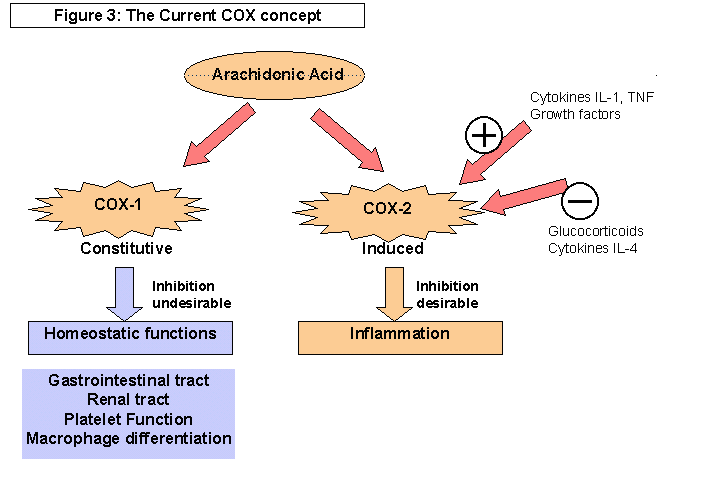
1. Cell membranes store a fatty acid called arachidonic acid (a polyunsaturated fat or PUFA)
2. Injury/inflammation triggers its release, and the enzyme COX converts it into prostaglandins (this causes pain, swelling, and fever) and thromboxane (clotting)
3. Aspirin permanently blocks COX by sticking an acetyl group onto its active site, so it can't process arachidonic acid anymore.
4. This results in less pain, less inflammation, less fever, and less clotting.
Claims from Ray Peat

Ray Peat claimed that aspirin acts as a powerful, pro-metabolic multitasker that mimics thyroid function by lowering stress, reducing inflammation, and boosting cellular energy production.
I will be going over whether his claims are true, false, or overstated.
"Lowers free fatty acids (FFA)":
True, aspirin shifts your muscles to burn more glucose instead of fat and calms down a few stress-related/inflammatory processes from FFA. PMID: 26504148
"Supports mitochondrial respiration":
Misleading; aspirin at high doses is classically known to uncouple oxidative phosphorylation, which is the exact opposite of what he claims. At low doses, there is no significant effect either way. PMID: 1019575
"Inhibits harmful prostaglandins":
True but nuanced, aspirin blocks COX-1 and COX-2, which are required to produce prostaglandins from arachidonic acid. PGE2 is the main prostaglandin produced through this pathway, and it is the driver of inflammation by increasing blood flow and vascular permeability (redness/swelling). PGE2 also promotes osteoclast activity (bone reabsorption).
Here is the nuance: PGE2 and PGI2 are prostaglandins, which also have protective roles. PGI2 protects blood vessels and inhibits clotting; PGE2 helps maintain the stomach's mucus lining and supports kidney blood flow. This is why taking aspirin every day at high doses can destroy the stomach lining and irritate your gut.
"Anti-estrogen":
True, but overstated. It is biologically plausible since COX-2 drives aromatase expression and aspirin blocks that, but the human effect is small. In a randomized controlled trial (RCT), they found that postmenopausal women who took 100mg/day of aspirin over 6 weeks had a ~3.5pg/ml estradiol reduction. The trial behind this supports his claim, but in reality it is modest at best. PMID 24924486.
It is very hard to say how it affects men; however, the science is very plausible.
"Anti-prolactin":
Unproven; I can't find any evidence that aspirin affects prolactin. I believe that it shouldn't.
"Protects against lipid peroxidation":
True, aspirin reduces raw material for peroxidation via COX inhibition; the salicylic acid acts as a direct radical scavenger; it is able to donate electrons to neutralize free radicals and other reactive species. Salicylate also has some capacity to bind to free iron, which blunts lipid peroxidation. Lipid peroxidation and inflammation feed each other (a loop), so reducing COX/prostaglandin pathways reduces oxidative burden that inflammation itself creates.
Lipid peroxidation causes skin aging and UV-driven skin damage.
"Reduces stress":
True, and false; Ray Peat throws the word stress around ambiguously through different contexts, which is rather confusing and something I disliked reading about in his article. However, in the specific context of exercise-induced pituitary/stress-hormone response, aspirin does blunt it. PMID 11740295 This is not good if you're trying to build muscle! Because of this, I would advise not taking aspirin after a workout.
There is no study on whether taking aspirin before a workout affects hypertrophy. But it is worth noting that there was a randomized trial where young adults either took ibuprofen 1200mg/day or aspirin 75mg/day for 8 weeks while resistance training, and the aspirin group built muscle twice as much as the ibuprofen group.
PMID 28834248
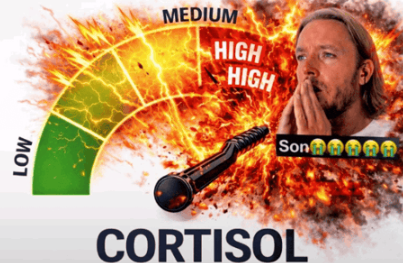
For psychological stress cortisol response, aspirin does not blunt it. PMID 18259090
"Stomach develops a tolerance for aspirin":
True, gastric adaptation is genuine and well documented. Your stomach lining does adapt and toughen up against acute erosions, but visible healing doesn't mean the underlying risk is gone. Despite increased cell turnover and visible erosions more resistant to forming, the gastric mucosal barrier remained damaged and leaky, and continued microscopic bleeding that did not improve in human subjets that took 650 mg of aspirin regularly.
PMID 3260568 (I would recommend reading this study)
Is it Useful to Take Every Day? Good for Looksmax?
This is where it gets pretty difficult. Assuming you're completely healthy, taking it at 81-325 mg is not harmful, but the benefits are minimal. Additionally, it is recommended to have a set protocol when taking aspirin regularly to reduce the negative side effects.
The anti-estrogen properties he claims are unlikely to delay growth-plate closure because of its very minimal effects, so don't use it to substitute as an AI

It is very true that he says our modern lifestyle, especially our diet, has made us very inflamed. Taking aspirin to prevent inflammation DOES NOT WORK. Aspirin treats inflammation symptoms. Living in a locked-in lifestyle is probably not for everybody, so this is where aspirin is most helpful.
Aspirin can blunt some post-meal bloating/puffiness since it is the same COX pathway I mentioned earlier. But I would not take aspirin with every meal because it doesn't actually address the inflammation + irritation problems.
Is it good for looksmax? Most likely not, but that does not mean it is useless. It just gets overshadowed by drugs that actually address inflammation in your face, such as iso(tretinoin), azelaic acid, and etc.
Fun fact: Aspirin can be absorbed through the skin; rheumatic problems can be treated by adding the drug to a bath.
Safety
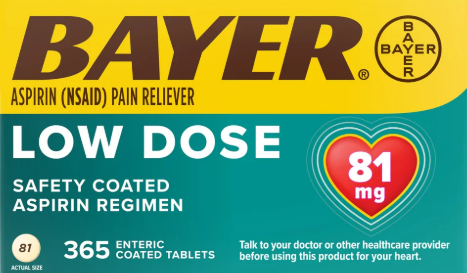
If you do plan to take it every day or regularly, dissolving/crushing aspirin is recommended so it doesn't irritate the gut as much; take it with a snack or a meal (fats in your food are important). Try to get aspirin with the least amount of additives (like starches) to reduce irritation (it should only be ASA for active ingredients). I recommend starting at a lower dose like 81-100 mg. If you take it no more than 2-3 times a week, then 325 mg is completely fine.
Final Thoughts
I know that I didn't cover all of Ray Peat's claims; I only chose the ones that were most talked about on the internet or what I thought was most beneficial. Ray Peat's heavily overstates what aspirin does in your body. I personally believe that there is no harm in taking aspirin if you're doing it correctly. IMO, the benefits inferred from research show that it is very minimal.
I am not discrediting Ray Peat, and I believe a lot of what he says is quite useful, but on the topic of aspirin, he describes it as a miracle drug, and there are many things he overstates or says that are just not true about it.
Thanks for reading!
Last edited: