DownwardGrowthCel

Total Forward Growth Death
- Joined
- Sep 22, 2025
- Posts
- 3,784
- Reputation
- 7,396
5 ways smoking may affect testosterone
There is a weird contradiction in the research on smoking and testosterone.
Even though smoking is obviously harmful, smokers often show higher measured testosterone levels than non smokers.
So what could actually be causing this?
Here are 5 possible mechanisms.
TL;DR:
KEEP SMOKING FOR TEST BOOST
1. SHBG
Smoking can change how testosterone is carried in the blood.
SHBG is a protein that binds to testosterone and affects how much testosterone is available in the bloodstream.
Several studies have found that smokers tend to have higher SHBG levels.
This can partly explain why smokers show higher total testosterone, without necessarily meaning that they are producing much more testosterone.
Higher total testosterone does not automatically mean more biologically active testosterone.
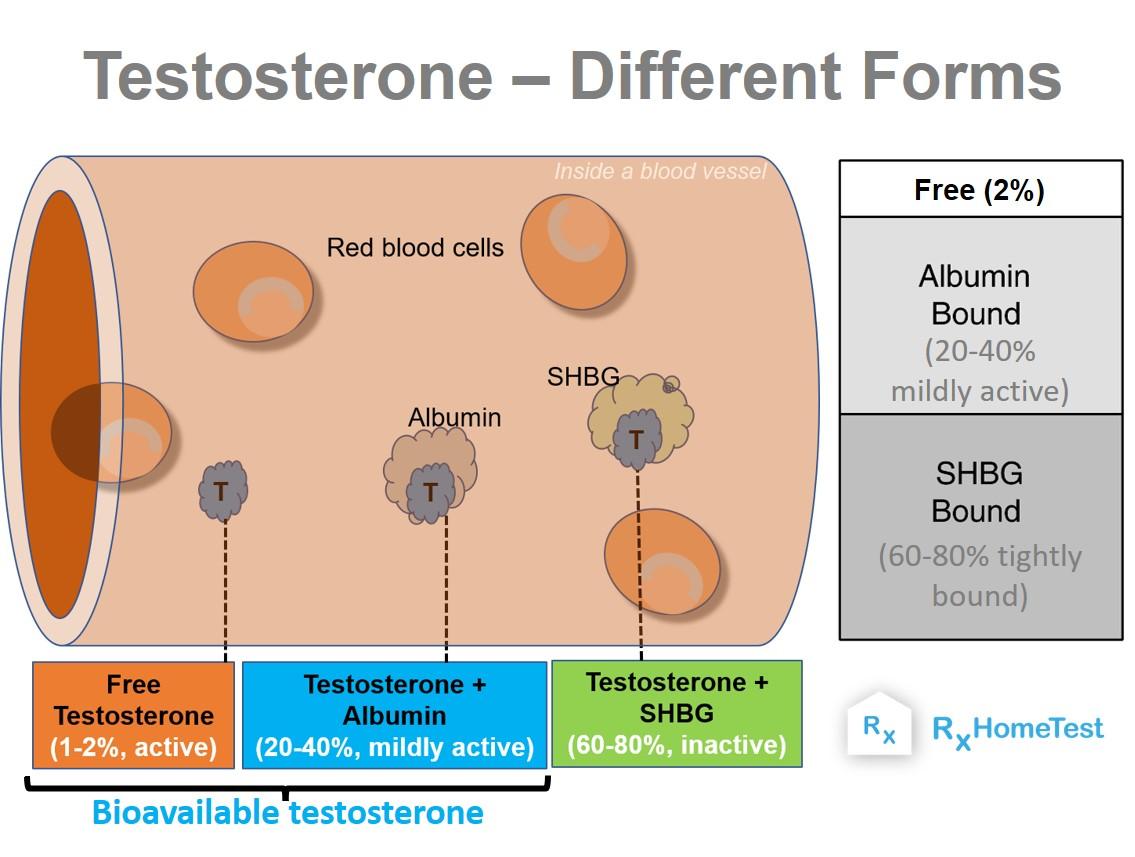
(The image shows testosterone being carried through the blood by SHBG)
2. SLOWER TESTOSTERONE BREAKDOWN
This may be one of the most interesting explanations.
Nicotine is converted into a compound called cotinine.
Researchers have suggested that cotinine may interfere with the normal breakdown of testosterone.
In simple terms, the body may not necessarily be producing much more testosterone.
It may simply be getting rid of it more slowly.
This could allow more testosterone to remain circulating in the blood.
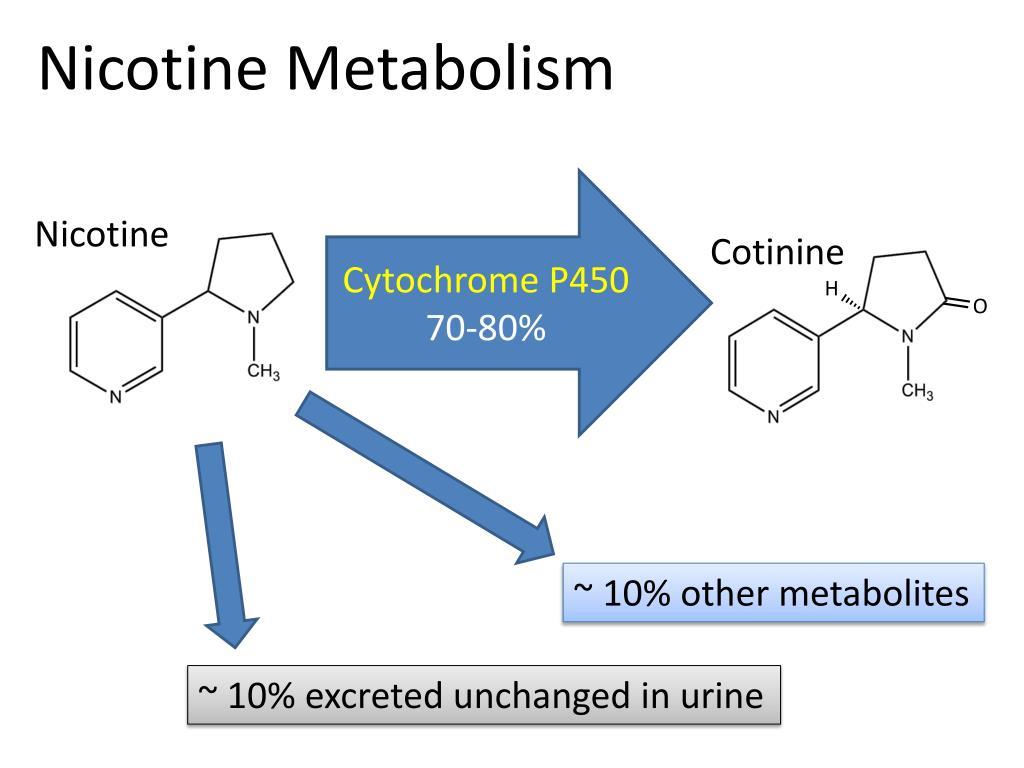
(The image shows nicotine being converted into cotinine in the body)
03. LH AND THE HPG AXIS
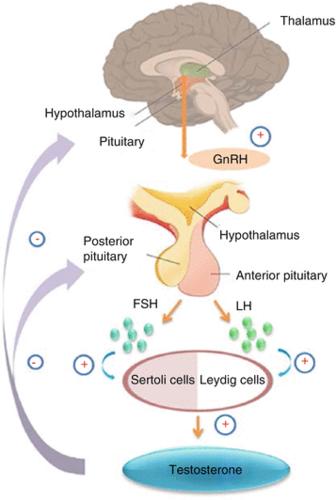
Smoking may also affect the system that controls testosterone production.
LH is one of the main hormones responsible for telling the testicles to produce testosterone.
Some large studies have found that smokers have higher LH levels than non smokers.
This creates a possible pathway where smoking affects the HPG axis, which then increases the signal going to the Leydig cells.
More LH means more stimulation of testosterone production.
The exact mechanism is still unclear, but the association is interesting.
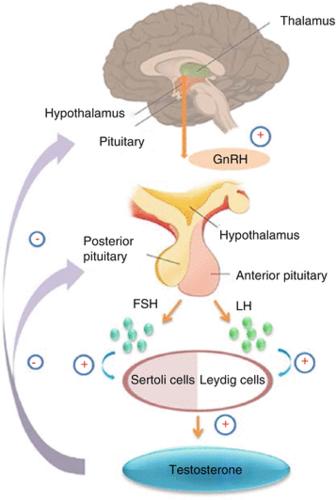
(The image shows the hormonal pathway that controls testosterone production)
04. AROMATASE
Testosterone can also be converted into estrogen.
An enzyme called aromatase converts testosterone into estradiol.
Some researchers have proposed that smoking or nicotine may interfere with this process.
If less testosterone is being converted into estradiol, this could potentially contribute to higher circulating testosterone.
However, this mechanism is much less certain than the others.
It is a possible explanation, not a proven fact.
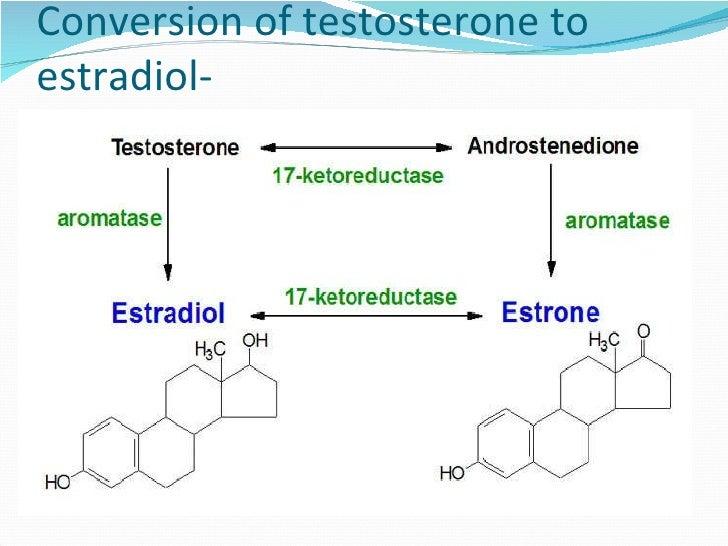
(The image shows testosterone being converted into estradiol by the aromatase enzyme)
05. THE TESTICLES THEMSELVES
This is where things get complicated.
You might assume nicotine simply stimulates the testicles and makes them produce more testosterone.
Experimental research actually suggests the opposite.
In some laboratory experiments, nicotine and cotinine have been shown to reduce testosterone production in Leydig cells.
So we end up with an interesting contradiction.
Smoking can be associated with higher testosterone in human studies, while nicotine can directly inhibit testosterone production in experimental models.
This suggests that the higher testosterone seen in smokers may have more to do with hormone regulation, metabolism and clearance than simply making the testicles produce more testosterone.
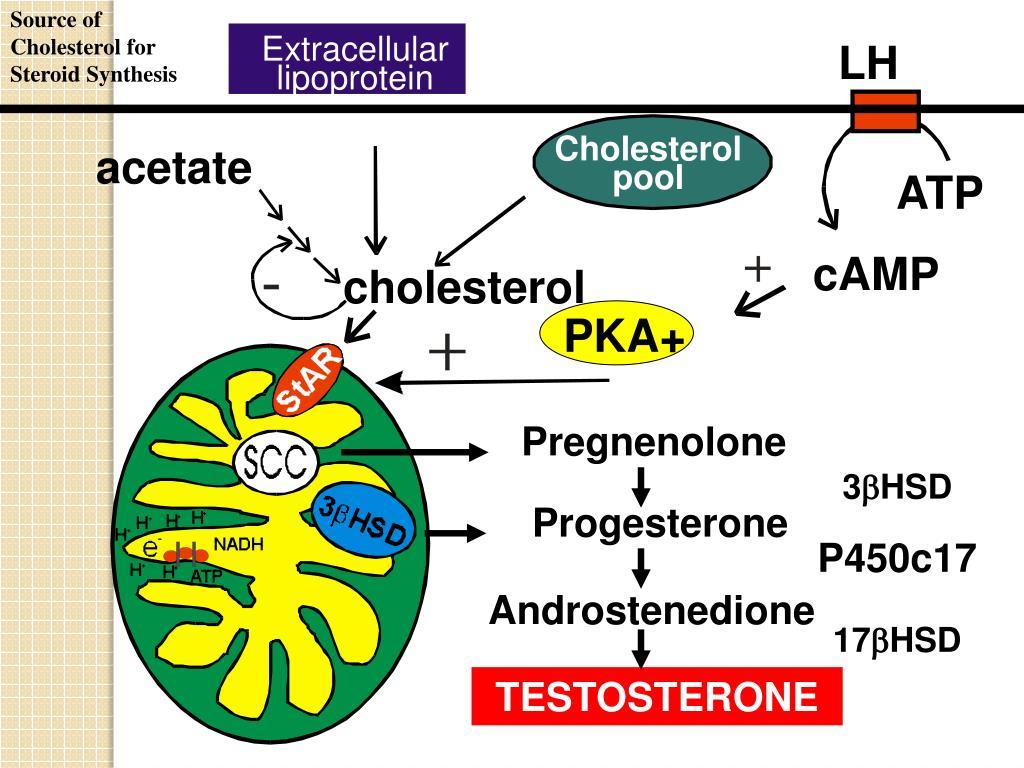
(The image shows how Leydig cells produce testosterone inside the testes)
THE BIGGER PICTURE
The important thing is that there probably isn't one single explanation.
Smoking appears to interact with several parts of the hormonal system at once.
SHBG can change.
Testosterone breakdown may change.
LH can change.
Aromatase may be affected.
And direct testicular effects may actually go in the opposite direction.
So "smoking raises testosterone" is probably far too simple.
The more interesting question is why smokers repeatedly show higher testosterone in blood tests despite smoking being harmful to the body.
That is where the research gets interesting.
downwardgrowthcel's out with a marlboro red in his mouth