P
pslturi
- Joined
- Jun 15, 2025
- Posts
- 6,598
- Reputation
- 14,683
What Is Facial Contrast?
Facial contrast is the difference in brightness and color between your facial features (eyes, eyebrows, eyelashes, lips, hair) and your skin Higher contrast makes features stand out more, while lower contrast creates a softer, more blended appearanceWhile most discussions focus on proportions.. contrast plays a major role in how noticeable and defined someone's features appear
two people can have similar facial structures, but the person with stronger feature definition may appear more striking because their features stand out more clearly
The main contributors are:
Hair color compared to skin
Eyebrow darkness compared to skin
Eyelash visibility
Eye definition
Lip pigmentation
Skin clarity
Facial hair contrast
a face with strong differences between these elements has higher contrast
a face where these elements blend together has lower contrast
For example:
Dark hair + dark eyebrows + light skin = higher contrast
Light hair + light eyebrows + fair skin = lower contrast
Neither is automatically better.. BUT they simply create different visual effects
Humans recognize faces through patterns, shapes, and differences between facial regions.
Contrast helps separate important facial features:
Eyes become easier to notice
Eyebrows become more defined
Lips become more visible
Facial structure appears clearer (one of the best parts)
Hair is one of the strongest contributors to overall facial contrast
Dark hair against lighter skin creates a strong separation
Light hair against lighter skin creates a softer appearance
Hair color can influence how noticeable:
eyes
eyebrows
cheekbones
jaw
a common mistake is assuming darker hair always improves appearance the best hair color is usually the one that creates harmony with your existing features
Eyebrows & Lashes
Eyebrows are one of the most important areas because they frame the eyes.Factors that affect eyebrow contrast:
Color, Thickness, Density and Shape
Very light eyebrows can make the eye area appear softer
Darker eyebrows can create stronger eye framing
However making eyebrows artificially too dark can create an unnatural appearance
The goal is definition not simply darkness
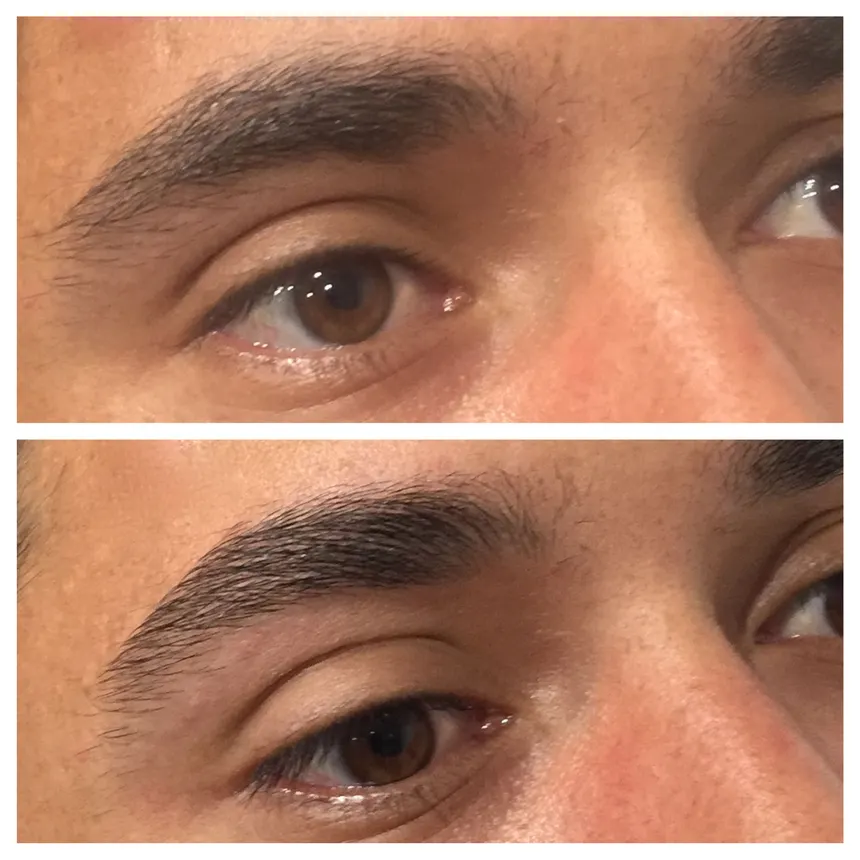
Eyebrows and lashes provide strong luminance contrast.
Ideal: Dark, thick, well-defined eyebrows against lighter skin. Straight or slightly arched for men (avoid overly thin or high arches)
Impact: Higher brow contrast makes eyes appear deeper/more hooded and the face more masculine/alert. Low contrast brows can make you look tired or older
What to do:
Groom/shape naturally (threading or tweezing for clean edges)
Dye eyebrows darker if they’re light (common for blondes/redheads)
Lashes: Longer, darker lashes increase eye contrast dramatically Use lash serum (castor oil and Latisse if advanced)
Minoxidil on brows/lashes (with caution!!)
Hair Color
Hair color sets the overall contrast tone for your headHigh Contrast Examples: Dark brown/black hair with fair-to-medium skin and light eyes
Medium Contrast: Brown hair on olive/tan skin
Low Contrast: Blonde hair on very fair skin.. can look washed out. black hair on very dark skin (harmonious but lower feature pop)
What to do:
Choose hair colors that complement your skin undertone and create contrast with your eyes/skin
Avoid colors that blend too much with skin (such as ashy blonde on pale skin)
Hair transplants or dyeing for density and color optimization
Hairstyle
The right hairstyle can increase facial definition by:
framing the face, exposing features and creating better feature balance
a hairstyle should work with your natural contrast rather than fight against it
Skin Tone
Skin is the "canvas" its lightness/darkness determines how much other features stand outLighter skin tones means Higher potential contrast with dark hair/eyes/lips
Darker skin tones means Need strong lip/eye definition for contrast; hyperpigmentation or uneven tone reduces it
Tanning: A light-to-medium tan can enhance contrast for many (makes teeth/whites of eyes pop), but avoid extremes that damage skin or create unevenness
What to do:
Achieve even, clear skin (foundation of everything) Skincare routine (cleanser, moisturizer, SPF, retinoids and so on)
Address redness, sallowness, or darkness with vitamin C, niacinamide, or professional treatments
Lips
Lip contrast depends on:Natural lip pigmentation, Skin tone, Lip hydration, Surrounding facial colors, Healthy, hydrated lips naturally appear more defined.
Dry or pale lips can reduce facial definition.
Ideal: Lips that stand out but remain masculine, fuller, defined and healthy pink/red tint without being too glossy
Studies show higher lip contrast (redder lips) increases female attractiveness and can signal health in both sexes For menmoderate contrast is often better than very low
What to do:
Exfoliate + moisturize lips daily
Lip balms with tint or subtle enhancement
Hydration and overall health (lips infact reflect circulation)
Avoid very pale lips (can age the face!)
fillers for volume if needed
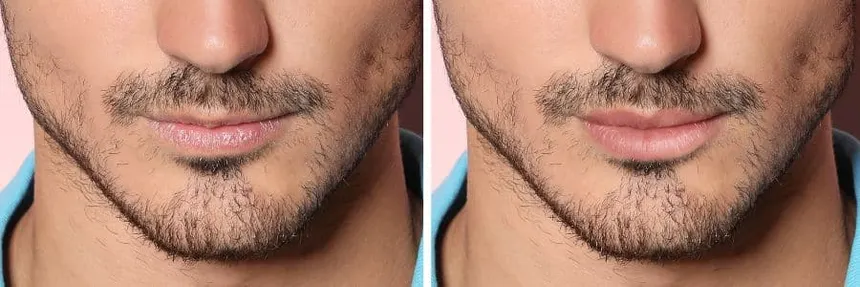
Facial Hair Contrast
For men facial hair can dramatically change facial contrastFor examples:
Dark beard + lighter skin creates strong contrast
Light beard + similar skin tone creates softer contrast
Facial hair can also change how the jawline is perceived by adding visual framing
Color Matching:
Ideally, facial hair should be dark (or darkened) for maximum contrast against skin Light facial hair on pale skin often looks patchy and low-contrast dye it if needed.
Stubble (easy but fits VERY well for some):
Keep a clean 1–3 day shadow (trim the neckline and cheeks for sharpness)
Use beard trimmer with guard for even density
Minoxidil + dermarolling for patchy areas to achieve fuller coverage
Contrast Hacks:
Pair with tanned or clear skin for pop
Keep skin smooth underneath (exfoliate, moisturize) so hair stands out cleanly
Avoid unkempt or patchy beards they reduce contrast and look messy
For Low Growth:
Focus on upper face contrast (eyes/brows/hair) instead
Or commit to transplants + minoxidil for a permanent beard..
Eye Contrast
The eye area is highly important because humans naturally focus on the eyes during interactionEye contrast comes from:
Iris color, Sclera brightness, Eyelash visibility, Eyebrow framing and Under-eye area
Examples:
A strong difference between the iris, whites of the eyes, and surrounding features can make eyes appear more noticeable
what to do:
Fix dark circles/hollowness (sleep, allergy management, caffeine eye creams and even fillers if needed)
Lower eyelid support makes whites pop more.
Avoid puffy eyes reduce salt, sleep elevated
Brow Contrast Synergy:
Keep brows dark and dense Dye them if naturally light
Avoid over-plucking a fuller brow ridge + dark color frames the eyes perfectly
PUT THIS, EYEBROWS & LASHES TOGETHER!
High, Medium, and Low Facial Contrast
High Contrast
includes:Strong difference between hair and skin
Visible eyebrows
Defined eye area
Noticeable facial features
Common effects:
More dramatic appearance
Features appear sharper
Photos may look more striking
Medium Contrast
A balance between definition and softnessFeatures are noticeable but not extremely separated
Many people naturally fall into this category
Low Contrast
includes:Similar hair and skin brightness
Softer eyebrows
Less separation between features
Common effects:
Softer appearance
More youthful or gentle appearance
Less dramatic facial impression
More Facial Contrast
Improving contrast does not mean changing your geneticsThe goal is maximizing what you already have
Grooming, Hairstyle and even Clothing Colors.
Two Common Mistakes
"Everyone should have darker features."
Wrong.a person with naturally soft features may look worse forcing extreme contrast
"Changing hair color always improves appearance."
Wrong.a hair color that looks good on one person may clash with another person's natural coloring.
Now to end this thread off..
How To Determine Your Facial Contrast:
The easiest method:
Step 1:
Take a clear photo in natural lighting.Avoid:
filters, harsh artificial lighting and extreme angles
Step 2:
Convert the image to grayscaleColor can hide contrast differences
Step 3:
..Look at:Hair vs skin difference
Eyebrows vs skin difference
Eye visibility
Lip definition
Ask:
"Do my features separate clearly or do they blend together?"
Conclusion
Facial contrast is an underrated factor in aestheticsIt does not determine attractiveness by itself, but it influences how visible and memorable facial features appear
The goal is not to copy another person's contrast level
The goal is to understand your own features and create better harmony through grooming, styling, and presentation
Maximize your natural features instead of fighting them..
@Mr. Squarepants @callard @Jenson @nothing @Emolifta
Last edited: