


Seth Walsh

Iconoclast
Contributor
- Joined
- Jan 12, 2020
- Posts
- 11,045
- Reputation
- 22,607
THE GHOST BALANCE SHEET
Why some people look high-value before they do anything.

Why some people look high-value before they do anything.
The deepest class advantage is not the watch.
It is not the accent.
It is not the school tie.
It is not the holiday photo.
Those are shadows.
The real advantage is the ghost balance sheet behind the person.
Some people enter the world carrying invisible sponsorship. Their rent is softened. Their mistakes are interpreted kindly. Their career can be slow because the family capital is patient. Their confidence looks natural because reality has been catching them for years.
Other people enter the same room alone.
Same age. Same city. Same job title. Same "young professional" costume.
Completely different physics.
1. The same job can mean opposite things.
This is the finance and consulting pill no one wants to say out loud.
Two people can work the same underpaid prestige job.
Person A is paying market rent, commuting, saving nothing, living under constant pressure, and hoping the brand name pays off before burnout arrives.
Person B has parents covering the flat, no real fear of being fired, family introductions in the background, and the job mainly functions as a social wrapper.
On LinkedIn, they look identical.
In reality, one is buying a lottery ticket with his nervous system. The other is being parked inside a respectable institution until inherited position matures.
The job is not only a job.
It is:
- a status receipt
- a marriage-market signal
- a social alibi for family wealth
- a networking lounge
- a way to keep the surname circulating near power
This is why copying elite career paths can destroy outsiders. The path was not designed to feed itself. It was designed to be subsidized.
A low-paid prestigious role is romantic if your downside is covered.
It is predatory if your downside is rent.
2. Class is not a ladder. It is latency.
People talk about social mobility like everyone is standing at the bottom of a ladder.
Wrong image.
Class is latency.
It decides how long it takes you to recover, reply, move, heal, learn, prepare, network, and try again.
The upper-class kid can wait. Waiting is a weapon.
He can take the internship.
He can move city.
He can study for another year.
He can do the unpaid thing that becomes the paid thing.
He can reject bad offers.
He can fail quietly.
The lower-class kid is told to be realistic, because every month has teeth.
Rent bites.
Debt bites.
Family obligations bite.
Bad transport bites.
Bad sleep bites.
The cheap room with no quiet bites.
The crisis at home bites.
Then people compare outcomes and call the difference "discipline."
No.
One person had time that stayed still.
The other had time that attacked him.
3. Ages 9 to 22 are where class installs the operating system.
By adulthood, people think they are judging personality.
They are often judging environment fossilized into behavior.
A high-class child learns early that adults can be negotiated with. He sees emails written properly. He hears calm phone calls with institutions. He watches parents treat banks, schools, doctors, lawyers, recruiters, and landlords as navigable systems.
This becomes posture.
A lower-class child may learn that institutions are hostile weather. Forms are threats. Bills are emergencies. Authority is unpredictable. Silence is rare. Asking can feel like begging. Planning can feel naive because the next crisis may erase the plan.
This also becomes posture.
At 19, the first kid looks composed.
The second kid looks reactive.
Society calls one "leadership material" and the other "rough around the edges."
But those are not just traits.
They are childhood conditions wearing adult clothes.

4. The body remembers the balance sheet.
This is where class becomes physical.
People want to believe appearance is only genetics and effort. Both matter. But class also writes itself into the body through:
- orthodontics
- sleep
- protein
- sports access
- stress hormones
- skin care
- dental care
- posture
- time outdoors
- safe neighborhoods
- less emergency eating
- less humiliation
- fewer years of low-grade panic
The rich do not simply buy better products.
They buy fewer interruptions.
They buy an environment where maintenance is normal before repair becomes urgent.
That is why class can leak through a photo even when obvious signals are removed. Not because anyone has magic vision. Not because faces should be morally ranked. Because the body stores years of margin or exposure.
Dating apps did not create this.
They just flattened human beings into rapid class-pattern recognition.
The tragedy is not that people notice signals.
The tragedy is that so many signals are scars.

5. "Taste" is often a password system.
High class rarely announces itself by screaming money.
It prefers controlled ease.
The right jacket.
The right sport.
The right restaurant.
The right restraint.
The right joke.
The right kind of holiday.
The right way to disagree.
The right silence after a question.
This is why pure consumption fails as class imitation.
Luxury goods are easy.
Legibility is hard.
A person can buy the bag, the watch, the car, the apartment backdrop, and still broadcast desperation because the timing is wrong. The code is not the object. The code is the relationship to the object.
This is also why certain activities become social passwords.
Pilates is not always just exercise.
Skiing is not always just a holiday.
Rugby is not always just a sport.
Art openings are not always about art.
Certain universities are not only schools.
They are filters. They prove you had the time, money, confidence, and childhood proximity to treat refinement as normal.
The cruel part is that insiders do not experience this as signaling.
They experience it as "just what people like us do."
That is how class hides: it calls itself preference.
6. Norms are the security system of status.
Every class has rules, but upper classes turn rules into invisible fencing.
Speech.
Dress.
Dating behavior.
Political expression.
Alcohol control.
Discretion.
How loudly you want things.
How quickly you reveal pain.
How much you explain.
How you enter a room.
Break the wrong norm and you may not be punished directly.
You will simply stop being invited.
That is the genius of class power. It does not need to say no. It just lets the phone stop ringing.
The outsider thinks he was rejected for competence.
Often he was rejected for making someone's nervous system say "not one of us."

7. Ownership is calm. Rent is weather.
Income is not class.
Income is rain.
Ownership is climate.
If you live on wages, you must repeatedly expose yourself to the market. You sell hours, mood, attention, health, and obedience. You ask permission to rest. You ask permission to travel. You ask permission to earn more. You ask permission to stop.
If you own appreciating assets, the game changes.
You can borrow instead of sell.
You can hold instead of panic.
You can wait instead of chase.
You can compound before tax.
You can let the asset do what the body cannot.
This is why "just get a higher salary" is incomplete advice.
A high salary with no assets can still be decorated exposure.
Better apartment.
Better clothes.
Better restaurants.
Same dependency.
The real shift is from being priced as labor to controlling something that keeps working when you stop.
8. Family is not just emotion. Family is infrastructure.
People treat "stable family" like a moral slogan.
It is more technical than that.
A stable family is pooled risk.
Shared housing logic.
Reputation memory.
Childcare.
Emergency liquidity.
Emotional regulation.
Behavioral modeling.
Long-term planning.
An inheritance machine.
This is why class reproduces through marriage and household formation.
Two stable people do not just love each other. They merge buffers.
Two chaotic people do not just struggle emotionally. They merge exposures.
The child born into the first home inherits rhythm.
The child born into the second home inherits reaction.
That is not a moral judgment.
It is a society-level warning.
If we want better families, we cannot only preach values at people whose material lives are permanently on fire.
You cannot build long-term culture on short-term panic.
9. The real trap is misdiagnosis.
The poor man thinks he needs only confidence.
The outsider thinks he needs only another qualification.
The lonely man thinks he needs only a sharper jawline.
The worker thinks he needs only more effort.
The high earner thinks he has escaped because the salary is finally respectable.
But class is not beaten by cosmetics alone.
You need buffers.
Real buffers:
- lower fixed costs
- fewer catastrophic relationships
- skills tied to scarce value
- ownership, however small at first
- clean reputation
- emotional control
- basic health maintenance
- literacy in institutions
- friends who are not also drowning
- mentors who can translate rooms
- the ability to leave bad environments
- enough savings to say no once in a while
The first move is not to cosplay old money.
The first move is to stop bleeding.
Then build margin.
Then build taste.
Then build trust.
Then build assets.
Then build a network.
Then build a family culture that does not transmit panic as inheritance.
10. The point is not resentment. The point is responsibility with clear eyes.
Hating rich people will not give you a deposit.
Mocking poor people will not make society healthier.
Pretending class does not matter only protects the people already benefiting from it.
The honest position is colder and more humane:
People are not equal in starting position.
But people are also not only their starting position.
The game is unfair, but it is not imaginary.
The task is to see which parts of your life are costumes and which parts are infrastructure.
Do not worship prestige if it leaves you exposed.
Do not chase signals before buffers.
Do not confuse attention with belonging.
Do not confuse salary with ownership.
Do not confuse dating access with family stability.
Do not confuse looking elite with being free.
The highest-status move is not flexing consumption.
It is becoming hard to break.
And then, if you ever get strong enough, making other people harder to break too.
Final thought:
Class is the ghost sponsor behind many things society calls merit.
It sponsors calm.
It sponsors confidence.
It sponsors "good choices."
It sponsors beauty maintenance.
It sponsors patience.
It sponsors taste.
It sponsors career risk.
It sponsors love that can afford to be selective.
When the sponsor is missing, life charges full price for every lesson.
So the goal is not to become bitter.
The goal is to become accurate.
See the hidden subsidy.
See the hidden tax.
See the room behind the room.
Then build the one thing no costume can replace:
a life with enough margin that your children inherit peace before they inherit advice.
Image credits:
1. Canary Wharf from Limehouse London June 2016 HDR, King of Hearts / Wikimedia Commons, CC BY-SA 4.0: https://commons.wikimedia.org/wiki/File:Canary_Wharf_from_Limehouse_London_June_2016_HDR.jpg
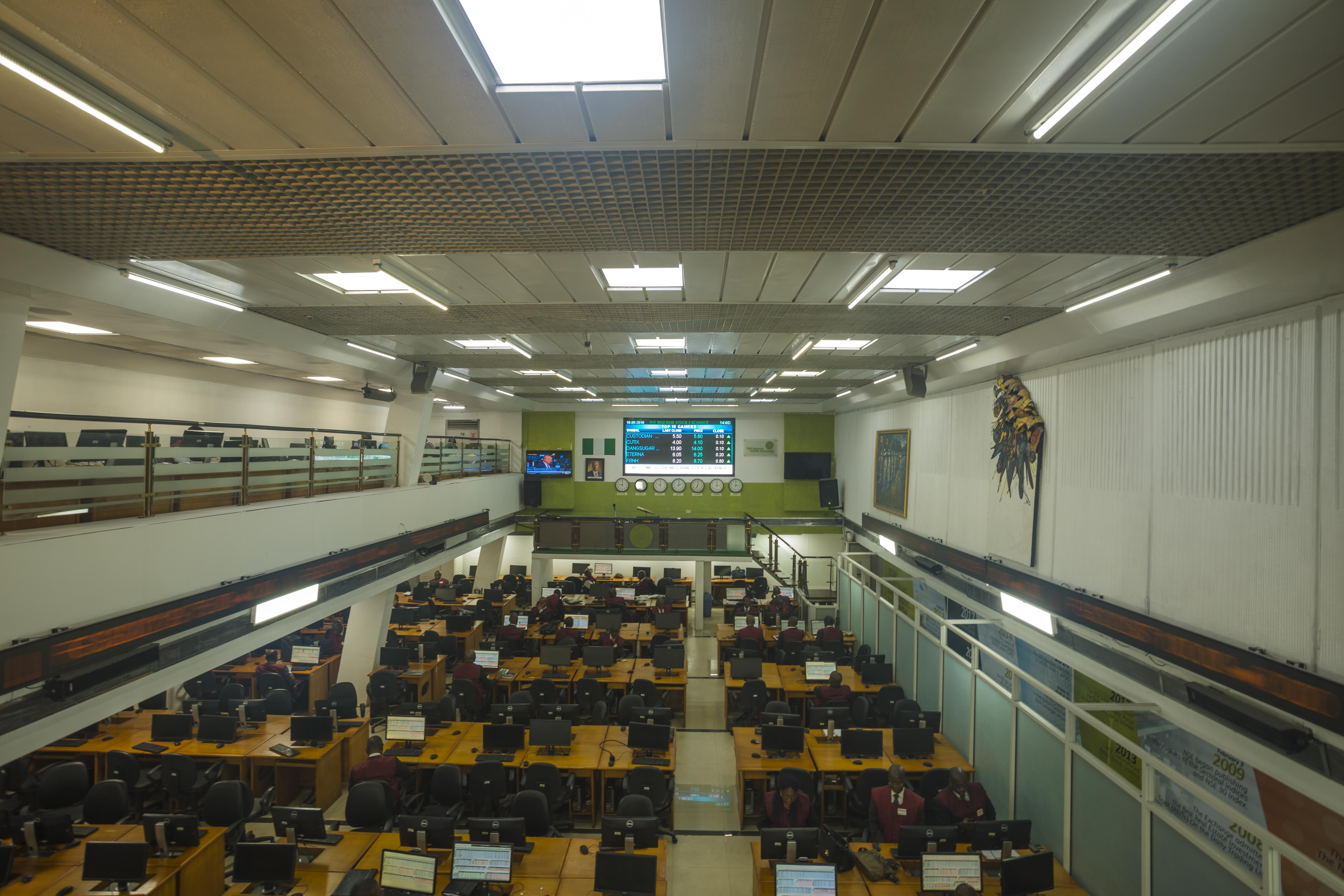
2. Stock-exchange-trading-floor.jpg, S.aderogba / Wikimedia Commons, CC BY-SA 4.0: https://commons.wikimedia.org/wiki/File:Stock-exchange-trading-floor.jpg
3. Eton College classroom, National Archives / Wikimedia Commons: https://commons.wikimedia.org/wiki/...ed_thereon_by_the_pupils"_-_NARA_-_298013.jpg
4. Recife, the Brazilian capital of social inequality, Wilfredor / Wikimedia Commons, CC0: https://commons.wikimedia.org/wiki/File:Recife,_the_Brazilian_capital_of_social_inequality.jpg
5. Row Houses in Washington D.C., Erol Ahmed / Wikimedia Commons, CC0: https://commons.wikimedia.org/wiki/File:Row_Houses_in_Washington_D.C._(Unsplash).jpg
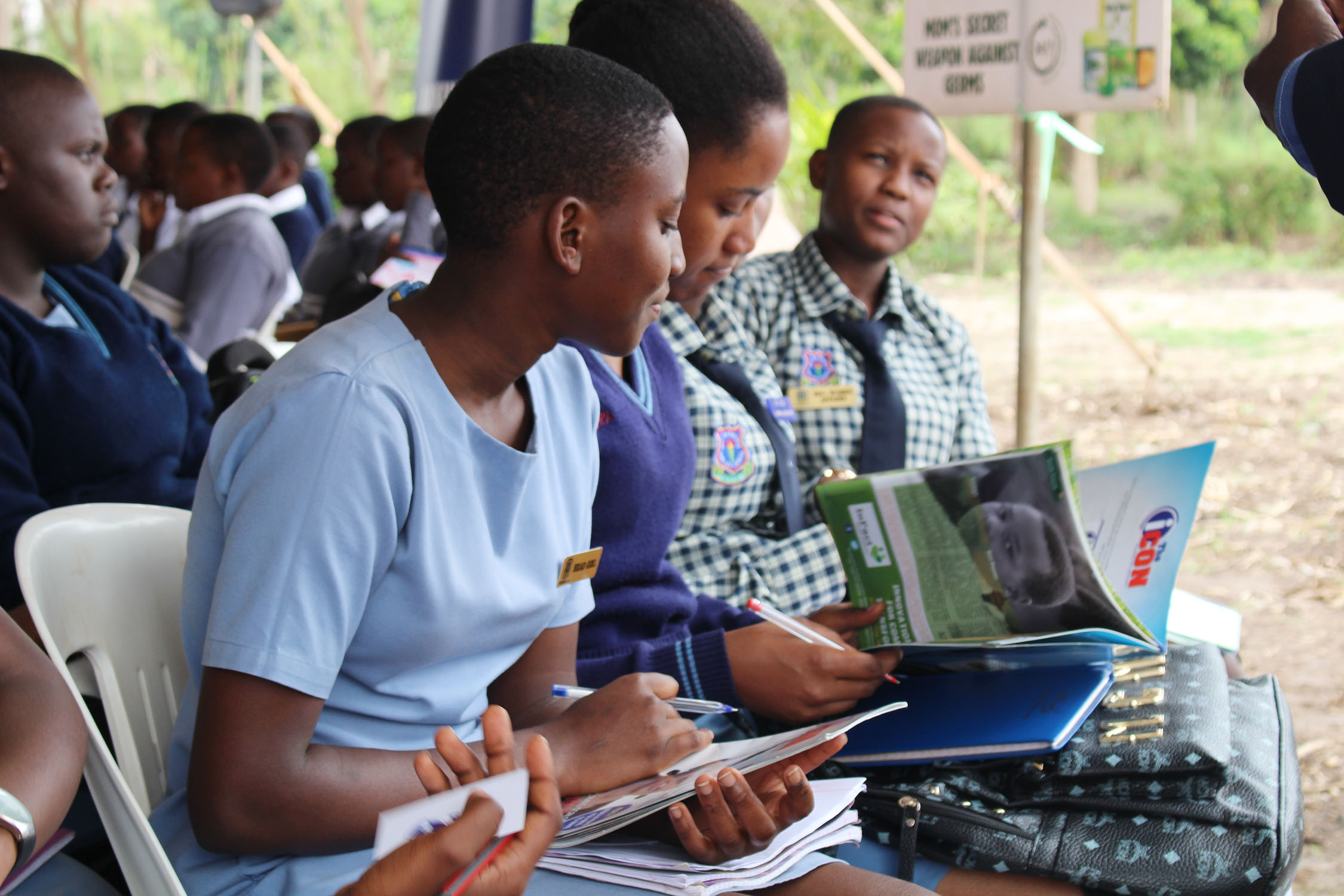
6. Children learning, Joshua Musasizi / Wikimedia Commons, CC BY-SA 4.0: https://commons.wikimedia.org/wiki/File:Children_learning.jpg


