Askinov

𝙱𝚅𝙻𝙻 | 𝓦.𝓓 - 𝓢𝓾𝓫 𝓻𝓸𝓼𝓪 ® |
- Joined
- Oct 31, 2025
- Posts
- 5,648
- Reputation
- 13,618
i have this undertones guide that iam working on so ill write this here and link to that thread when needed cause this guide is water for experienced users here and i don't want to add water there
1st lets get ideal coloring
fitzpatrick - lvl 2..5 to 3
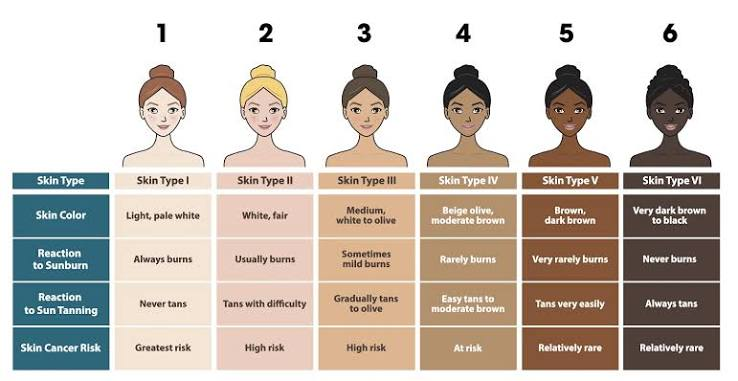
reddish undertone
blue eyes
jet black hair eye brow and lash
to bleach our skin we have these option
monobenzone
hydroquinone
azelaic acid
glycolic acid
kojic acid
retinoids ( tret , taz these are enough )
trust me you don't need more than these i have bunch of tyrosinase inhibitors i can list of but these are the best and yeah ik glycolic acid is not tyrosianse inhibitors along with retinoids ( no shit nigga )
how do they work ?
tyrosinase is a multi copper enzyme located at melanocytes ( melanin producing cell ) in simple terms ~ the tyrosinase enzyme is converted into melanin and few of the compound listed here inhibits the tyrosinase activity ( hydroquinone ( more potent ) , azelaic acid , kojic acid )
ill also tell why exogenous ochronosis occurs with these
Monobenzone
extremely potent it will go inside melanocytes present it self as a substrate for tyrosinase then the tyrosinase oxidizes monobenzone and produces a extremely potent compound called ortho quinone ( o - quinone )
o - quinone binds to glutathione and massive amount of ros is formed ( creating heavy amount of oxidative damage to cell structure )
it will also bind to thiol group in tyrosinase and alter the shape of protein so the your own body won't recognizes these cell and starts to digest it lwky
the result from monobenzone are permanent and sides are also really bad ill tell later
Glycolic acid
well its not that potent but it brakes the bond between two cell and it will increase skin cell turn over causing causing old cells to wash out and replace old pigmented cell with less pigmented cells so its great for basic detan not a game changer
Retinoids ( tret , taz )
acts on melanocytes by reducing tyrosinase . It also accelerates keratinocyte turnover so melanin-loaded cells are shed faster, breaking up the clustered melanin deposits that cause hyperpigmentation
same as glycolic acid but two ways
lets talk about how to get to fitzpatrick 3 for those who are above 3
at 3.5 ~ tret 0.025 % ( at night pea sized) + kojic acid ( soap version up to 1.5 month 3times a day ) + azelaic acid ( 1.5 month 2 times a day pea sized amount 10 to 20 % conc ) + sunscreen 1 times a day
at 4 ~ tret 0.025 % ( at night pea sized ) + kojic acid ( soap version up to 2 month 3times a day ) + azelaic acid ( 2 month 2 times a day pea sized amount 10 to 20 % conc ) + hydroquinone 2 to 4 % ( 2 times a day for 2 months in 2 months out ) + sunscreen every time you can a day + moisturizer
at 4.5 ~ tret 0.025 % ( at night pea sized ) + kojic acid ( soap version up to 3 month 3times a day ) + azelaic acid ( 3 month 2 times a day pea sized amount 10 to 20 % conc ) + hydroquinone 4 % ( 2 times a day for 2 months in 2 months out ) + sunscreen is your life now + moisturizer
at 5 + ~ hydroquinone 4 % ( 2 times a day for 2 months in 2 months out ) for 8 months + sunscreen is your life now + moisturizer + add glutathione + you can do the normal cycle of koic and azelaic acid
at 6 ~ hydroquinone 6 % or monobenzone + chemical peels + laser treatment
consult a doctor for that yo
+ i don't think you need glycolic but you can add it or swap out with azelaic acid do the glycolic acid 5 to 10 % tho for a month at night
ill explain chemical peel and laser treatment tho
do only when you are 4 + for skin lightening
chemical peel
A chemical peel applies an acid solution to the skin that:
Breaks down the bonds between dead skin cells
Controlled damage triggers the skin's wound-healing response
The body produces new collagen and elastin
Old, damaged skin sheds and is replaced by new skin
Result: smoother texture, more even tone, reduced fine lines
The deeper the peel, the more the results but also the higher the risk, especially near the eyes.
used ai for this im lazy rn so
Lactic Acid The gold standard for this area. It's a mild AHA that hydrates while gently exfoliating, brightens dark circles, and is unlikely to cause irritation. (20% – 30%) A gentle, large-molecule alpha-hydroxy acid (AHA). It draws moisture into the skin while exfoliating, making it the premier choice for dry or sensitive skin. Clinical studies show 30% lactic acid often outperforms other AHAs for periorbital hyperpigmentation.
Mandelic Acid Another gentle AHA with a larger molecular size, meaning it penetrates slowly and is less irritating. Great for sensitive skin and targeting fine lines and pigmentation under the eyes. This makes it the safest acid choice for individuals with deeper skin tones, as it minimizes the risk of triggering rebound pigmentation.
Glycolic Acid (low concentration only)Effective for fine lines and dullness, but only at very low percentages (5% or less) near the eye area. Higher concentrations are too harsh here .A small-molecule AHA that penetrates deep and fast. While effective at boosting collagen and fading stubborn spots, its concentration must be strictly monitored to prevent irritation.
TCA (trichloroacetic acid)Used by dermatologists for deeper concerns like creepy skin or persistent dark circles. never DIY around the eyes.
next is
laser ( best is co2 laser )
The Fractional CO2 laser is a powerful, ablative skin resurfacing treatment that uses targeted light energy to vaporize the top layer of skin. It triggers the body’s natural healing process, stimulating collagen production to smooth fine lines, reduce scars, and even out skin tone and texture with less downtime than traditional lasers. it works by
The laser divides its energy into thousands of tiny, microscopic beams
It treats a fraction of the skin at a time, leaving surrounding healthy tissue intact to promote rapid healing.
Heat penetrates the deeper skin layers, tightening the skin and encouraging new, healthy cell turnover
CO2 laser is one of the most widely used lasers in the dermatology field. With its wavelength in the mid-infrared at 10,600 nm
CO2 laser energy is well absorbed in water. As skin contains a very high water percentage, this makes the CO2 laser ideal for precise, safe ablation with good hemostasis
lol its just that simple to just fucking detan !!
lets see get to how to go to level 3 from 1
simple method ~ just get a tanning bed go to sun for 30 in for a week ola
don't wanna risk it ? getting ros from sun fear of losing collagen blah blah blah enters
melanotan 1 > melanotan 2
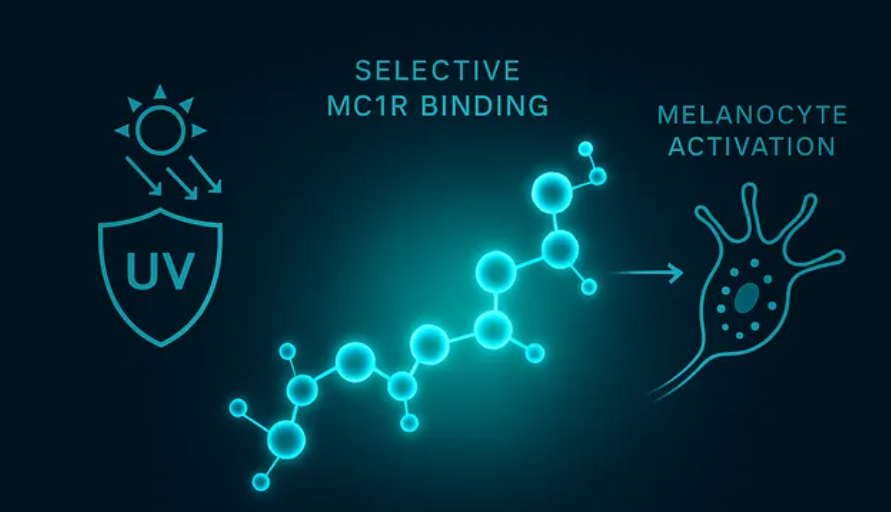
Melanotan 1 is a synthetic analog of the alpha-melanocyte-stimulating hormone (α-MSH) that binds to melanocortin 1 receptors (MC1R) to stimulate melanin production in the skin simple as that .
How It Works ?
Receptor Selectivity: It targets the MC1R receptor on skin melanocytes more selectively than Melanotan 2, primarily driving pigmentation .
Melanin Synthesis: It increases cyclic AMP production and activates tyrosinase, resulting in eumelanin production .
that's and all dosing ? ~ this article has everything for you to know if i was going to write here it would have been from this article
 thepeptidecatalog.com
this also a interesting thread you can view this

 looksmax.org
@cold_nano @buccalfatremoval @BigBallsLarry @Sayori
1st lets get ideal coloring
fitzpatrick - lvl 2..5 to 3
reddish undertone
blue eyes
jet black hair eye brow and lash
to bleach our skin we have these option
monobenzone
hydroquinone
azelaic acid
glycolic acid
kojic acid
retinoids ( tret , taz these are enough )
trust me you don't need more than these i have bunch of tyrosinase inhibitors i can list of but these are the best and yeah ik glycolic acid is not tyrosianse inhibitors along with retinoids ( no shit nigga )
how do they work ?
tyrosinase is a multi copper enzyme located at melanocytes ( melanin producing cell ) in simple terms ~ the tyrosinase enzyme is converted into melanin and few of the compound listed here inhibits the tyrosinase activity ( hydroquinone ( more potent ) , azelaic acid , kojic acid )
ill also tell why exogenous ochronosis occurs with these
Monobenzone
extremely potent it will go inside melanocytes present it self as a substrate for tyrosinase then the tyrosinase oxidizes monobenzone and produces a extremely potent compound called ortho quinone ( o - quinone )
o - quinone binds to glutathione and massive amount of ros is formed ( creating heavy amount of oxidative damage to cell structure )
it will also bind to thiol group in tyrosinase and alter the shape of protein so the your own body won't recognizes these cell and starts to digest it lwky
the result from monobenzone are permanent and sides are also really bad ill tell later
Glycolic acid
well its not that potent but it brakes the bond between two cell and it will increase skin cell turn over causing causing old cells to wash out and replace old pigmented cell with less pigmented cells so its great for basic detan not a game changer
Retinoids ( tret , taz )
acts on melanocytes by reducing tyrosinase . It also accelerates keratinocyte turnover so melanin-loaded cells are shed faster, breaking up the clustered melanin deposits that cause hyperpigmentation
same as glycolic acid but two ways
lets talk about how to get to fitzpatrick 3 for those who are above 3
at 3.5 ~ tret 0.025 % ( at night pea sized) + kojic acid ( soap version up to 1.5 month 3times a day ) + azelaic acid ( 1.5 month 2 times a day pea sized amount 10 to 20 % conc ) + sunscreen 1 times a day
at 4 ~ tret 0.025 % ( at night pea sized ) + kojic acid ( soap version up to 2 month 3times a day ) + azelaic acid ( 2 month 2 times a day pea sized amount 10 to 20 % conc ) + hydroquinone 2 to 4 % ( 2 times a day for 2 months in 2 months out ) + sunscreen every time you can a day + moisturizer
at 4.5 ~ tret 0.025 % ( at night pea sized ) + kojic acid ( soap version up to 3 month 3times a day ) + azelaic acid ( 3 month 2 times a day pea sized amount 10 to 20 % conc ) + hydroquinone 4 % ( 2 times a day for 2 months in 2 months out ) + sunscreen is your life now + moisturizer
at 5 + ~ hydroquinone 4 % ( 2 times a day for 2 months in 2 months out ) for 8 months + sunscreen is your life now + moisturizer + add glutathione + you can do the normal cycle of koic and azelaic acid
at 6 ~ hydroquinone 6 % or monobenzone + chemical peels + laser treatment
consult a doctor for that yo
+ i don't think you need glycolic but you can add it or swap out with azelaic acid do the glycolic acid 5 to 10 % tho for a month at night
ill explain chemical peel and laser treatment tho
do only when you are 4 + for skin lightening
chemical peel
A chemical peel applies an acid solution to the skin that:
Breaks down the bonds between dead skin cells
Controlled damage triggers the skin's wound-healing response
The body produces new collagen and elastin
Old, damaged skin sheds and is replaced by new skin
Result: smoother texture, more even tone, reduced fine lines
The deeper the peel, the more the results but also the higher the risk, especially near the eyes.
used ai for this im lazy rn so
Lactic Acid The gold standard for this area. It's a mild AHA that hydrates while gently exfoliating, brightens dark circles, and is unlikely to cause irritation. (20% – 30%) A gentle, large-molecule alpha-hydroxy acid (AHA). It draws moisture into the skin while exfoliating, making it the premier choice for dry or sensitive skin. Clinical studies show 30% lactic acid often outperforms other AHAs for periorbital hyperpigmentation.
Mandelic Acid Another gentle AHA with a larger molecular size, meaning it penetrates slowly and is less irritating. Great for sensitive skin and targeting fine lines and pigmentation under the eyes. This makes it the safest acid choice for individuals with deeper skin tones, as it minimizes the risk of triggering rebound pigmentation.
Glycolic Acid (low concentration only)Effective for fine lines and dullness, but only at very low percentages (5% or less) near the eye area. Higher concentrations are too harsh here .A small-molecule AHA that penetrates deep and fast. While effective at boosting collagen and fading stubborn spots, its concentration must be strictly monitored to prevent irritation.
TCA (trichloroacetic acid)Used by dermatologists for deeper concerns like creepy skin or persistent dark circles. never DIY around the eyes.
next is
laser ( best is co2 laser )
The Fractional CO2 laser is a powerful, ablative skin resurfacing treatment that uses targeted light energy to vaporize the top layer of skin. It triggers the body’s natural healing process, stimulating collagen production to smooth fine lines, reduce scars, and even out skin tone and texture with less downtime than traditional lasers. it works by
The laser divides its energy into thousands of tiny, microscopic beams
It treats a fraction of the skin at a time, leaving surrounding healthy tissue intact to promote rapid healing.
Heat penetrates the deeper skin layers, tightening the skin and encouraging new, healthy cell turnover
CO2 laser is one of the most widely used lasers in the dermatology field. With its wavelength in the mid-infrared at 10,600 nm
CO2 laser energy is well absorbed in water. As skin contains a very high water percentage, this makes the CO2 laser ideal for precise, safe ablation with good hemostasis
The Role of the CO2 Laser and Fractional CO2 Laser in Dermatology - PMC
lol its just that simple to just fucking detan !!
lets see get to how to go to level 3 from 1
simple method ~ just get a tanning bed go to sun for 30 in for a week ola
don't wanna risk it ? getting ros from sun fear of losing collagen blah blah blah enters
melanotan 1 > melanotan 2
Melanotan 1 is a synthetic analog of the alpha-melanocyte-stimulating hormone (α-MSH) that binds to melanocortin 1 receptors (MC1R) to stimulate melanin production in the skin simple as that .
How It Works ?
Receptor Selectivity: It targets the MC1R receptor on skin melanocytes more selectively than Melanotan 2, primarily driving pigmentation .
Melanin Synthesis: It increases cyclic AMP production and activates tyrosinase, resulting in eumelanin production .
that's and all dosing ? ~ this article has everything for you to know if i was going to write here it would have been from this article
Melanotan-1 Dosage Chart: Loading + Maintenance (2026)
Melanotan-1 dosing: community protocols now ramp from 1 unit (~50mcg) daily to 250mcg 1-2x/week maintenance. Reconstitution math, units, UV timing.
this also a interesting thread you can view this
SIK Inhibitors Overview: A Topical Tan Solution to MELANOTAN I/II, Osteogenesis Drug, and Possible Alternative to GLP-1 Medications(MAYOCELS GTFINH)
Prerequisites to this guide: MOBILE USERS PLEASE USE DESKTOP SITE OPTION IN SETTINGS OR ZOOM OUT It's fucking unreadable if you dont I have NOT tested the Formulations myself found later in the guide please use with discretion First Guide guys formatting and writing all over the place...
looksmax.org
@cold_nano @buccalfatremoval @BigBallsLarry @Sayori
Last edited: