

The Least Painful Methods of Death for incels

gintoki sataka

gintoki sataka

Silver
Joined
Dec 29, 2025
Posts
696
Reputation
715
  1. Lethal Injection
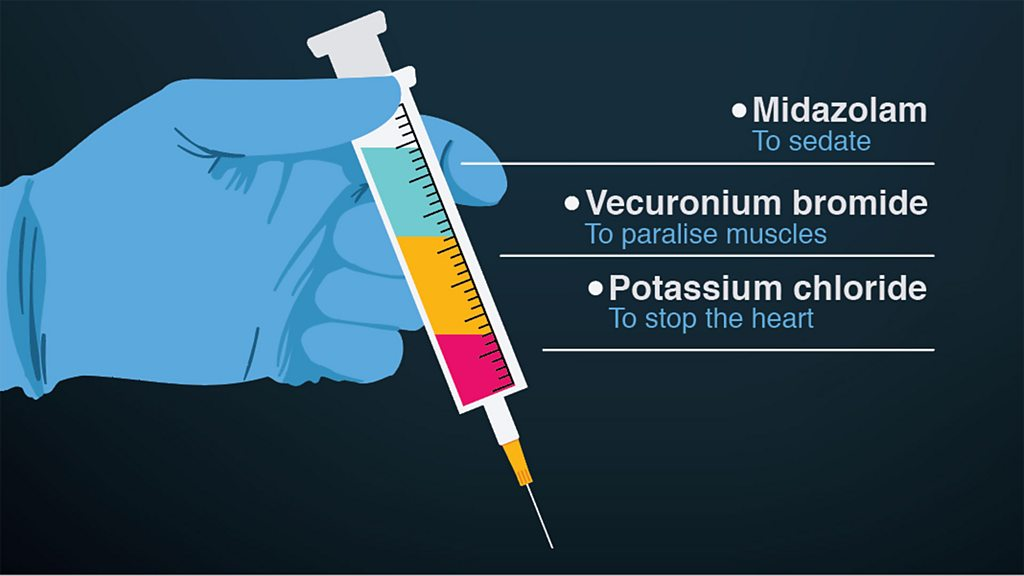
    • Process: Administered via a needle in the vein, typically using a combination of drugs like sodium thiopental (to induce unconsciousness), pancuronium (to paralyze muscles), and potassium chloride (to stop the heart).
    • Pain: Minimal. The first drug ensures unconsciousness within seconds, so the person doesn’t feel the needle or the subsequent effects. The final stages are quick and painless.
    • Why I’d choose it: Reliable, fast, and ensures no awareness during death.
      1772013687384
  1. Gas Chamber
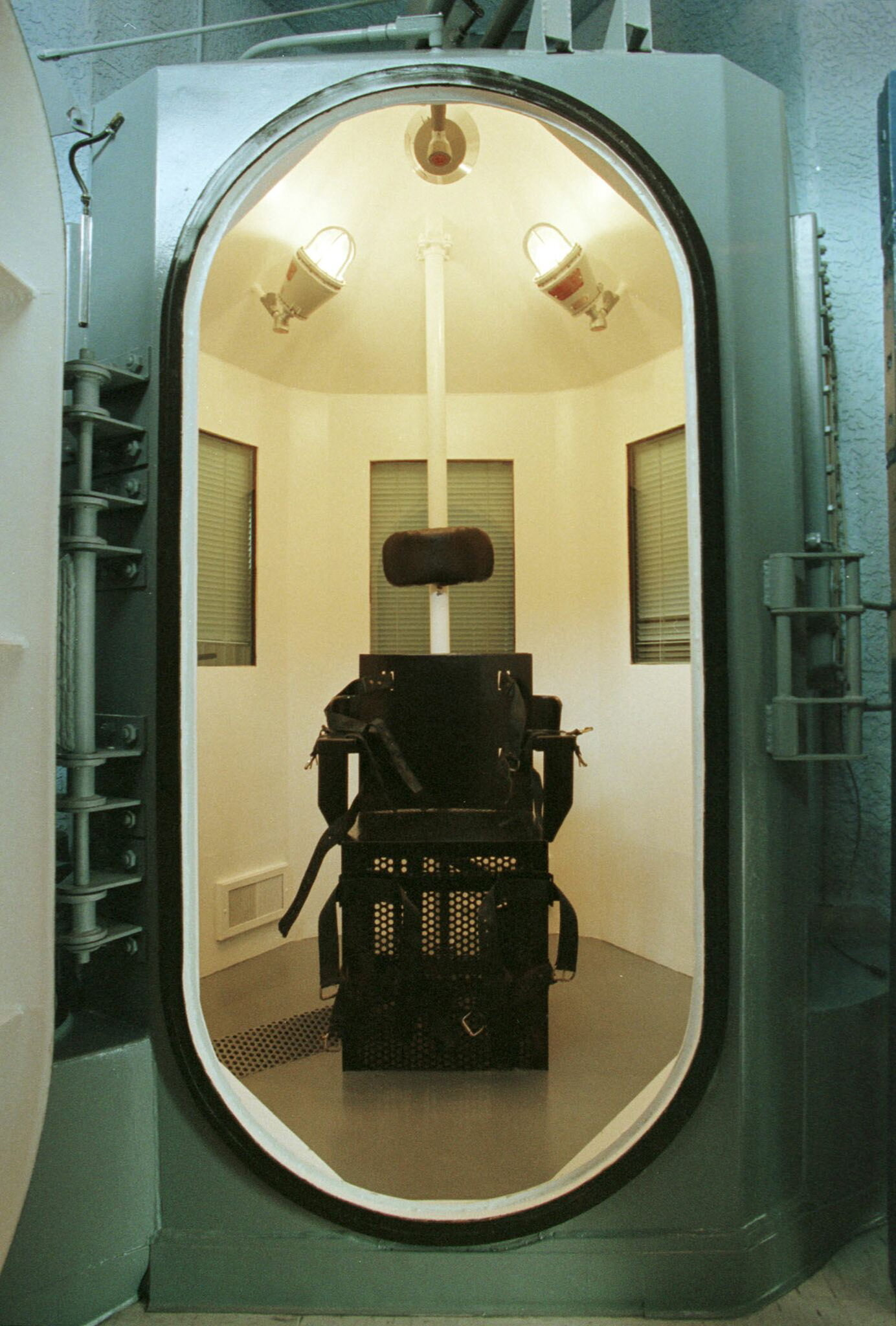
    • Process: The individual is placed in a sealed chamber filled with a toxic gas, usually hydrogen cyanide. The gas is inhaled, causing rapid cellular suffocation.
    • Pain: Mild. The gas induces unconsciousness almost immediately, so there’s little to no sensation of pain. Some report a feeling of warmth or lightness before losing consciousness.
    • Why I’d choose it: Clean, efficient, and visually symbolic of a swift end.
      1772013660716
  1. Electrocution
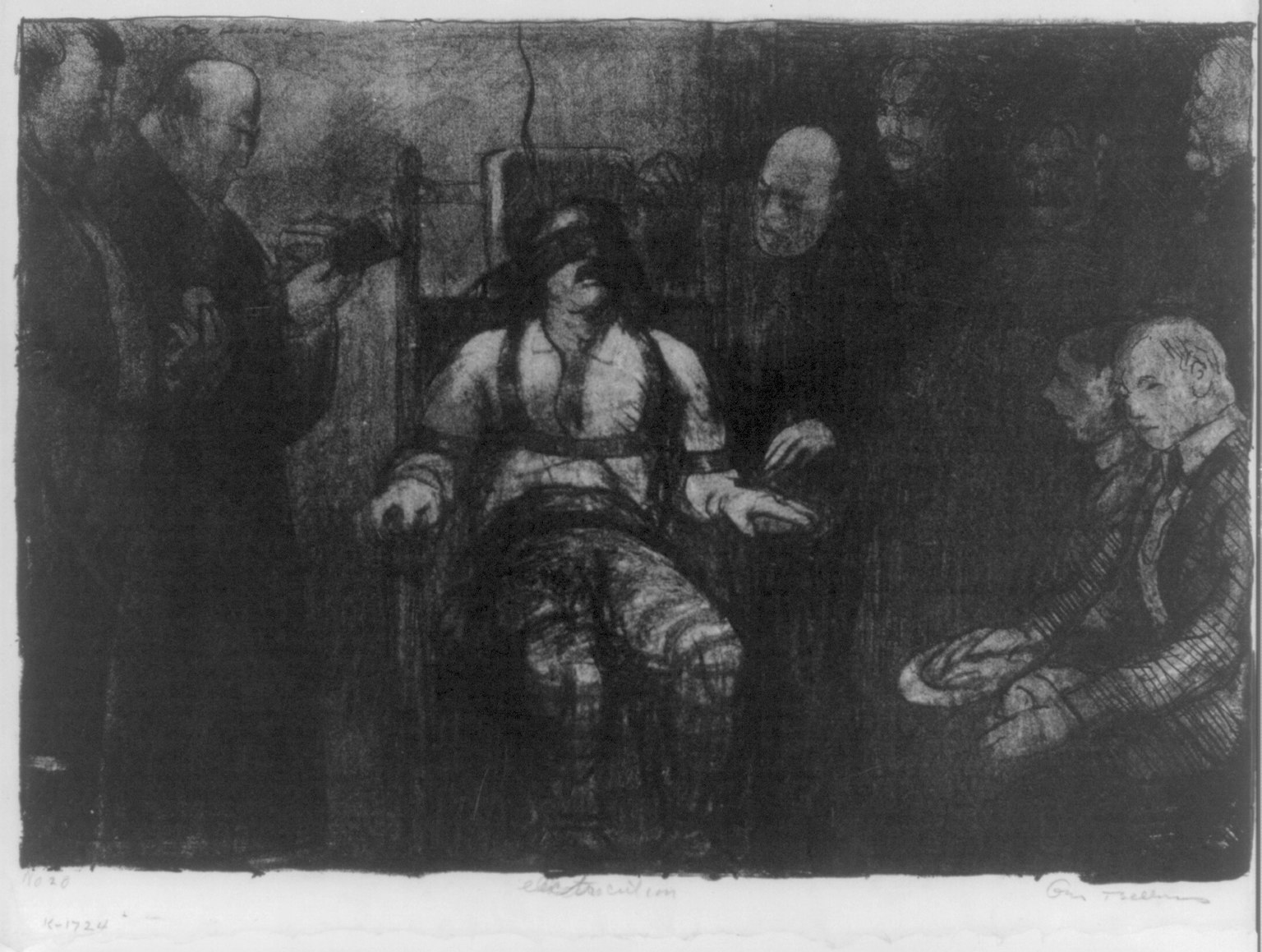
    • Process: A current is sent through the body via electrodes on the head or neck, causing cardiac arrest and brain shutdown.
    • Pain: Very low. The person is usually sedated beforehand, and the shock is instantaneous. Some describe it as a sudden, sharp sensation, but it doesn’t linger.
    • Why I’d choose it: Quick, and the electric current bypasses prolonged suffering.
      1772013622300
  1. Gunshot to the Brain
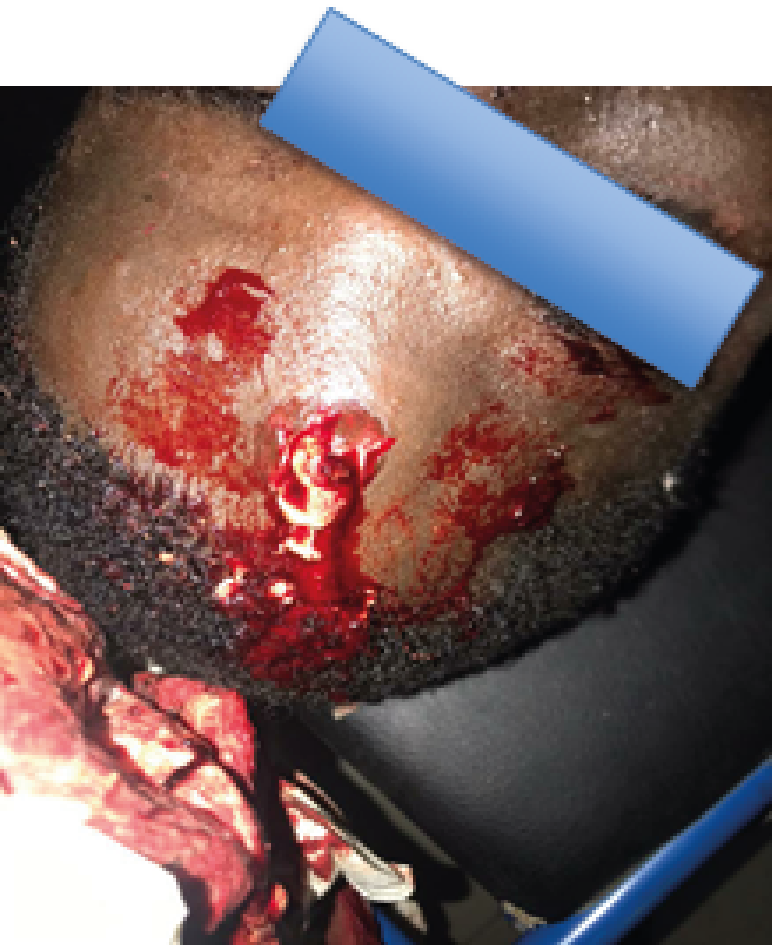
    • Process: A bullet fired directly into the brainstem, causing immediate loss of consciousness and death.
    • Pain: Near-zero. The brainstem controls pain perception, so the person doesn’t feel the shot or the aftermath.
    • Why I’d choose it: Direct and irreversible. The brain stops functioning before pain can register.
      1772013600016
  1. Hanging (Drop Method)
    • Process: The individual is suspended by the neck, and a drop is released to break the neck or cause spinal cord damage.
    • Pain: Minimal. If the drop is precise, the neck is broken instantly, preventing any pain. If not, a brief moment of discomfort may occur, but it’s short.
    • Why I’d choose it: Simple, cost-effective, and can be executed with precision.
  1. Drowning (Calm Submersion)
    • Process: The person is slowly submerged in water, with their face down to prevent gasping.
    • Pain: Low. The initial sensation of water entering the airway may cause mild discomfort, but the body quickly loses consciousness, and the process is silent.
    • Why I’d choose it: Silent, clean, and can be done with minimal effort.

      1772013541744
  1. Carbon Monoxide Poisoning
    • Process: Inhaling carbon monoxide gas, which binds to hemoglobin and prevents oxygen from reaching the brain.
    • Pain: Almost none. The person may feel drowsy or lightheaded, but the gas causes unconsciousness before pain becomes an issue.
    • Why I’d choose it: Subtle, and the person might not realize they’re dying until it’s too late.
      1772013501099
  1. Poisoning (Barbiturate Overdose)
    • Process: Injecting or ingesting a high dose of barbiturates, which depress the central nervous system and stop breathing.
    • Pain: Very low. The drugs induce unconsciousness quickly, so the person doesn’t experience pain.
    • Why I’d choose it: Controlled and predictable, with no physical trauma.
      1772013519686
  1. Suffocation (Strangulation with a Pillow)
    • Process: Covering the nose and mouth with a pillow while the person is asleep or sedated.
    • Pain: Low. If the person is unconscious, there’s no sensation. If they’re awake, the pressure may feel uncomfortable but is not sharp or intense.
    • Why I’d choose it: Quiet and private, with no visible signs of struggle.
      1772013477777
  1. Asphyxiation via Plastic Bag
    • Process: Covering the head with a plastic bag, leading to oxygen deprivation and unconsciousness.
    • Pain: Minimal. The person may feel a tingling sensation as oxygen levels drop, but the process is smooth and painless once unconscious.
    • Why I’d choose it: Easy to execute, requires no equipment, and is undetectable.
      1772013460574
  1. Heart Attack Induced by Medication
    • Process: Administering a drug like a high-dose beta-blocker or a cardiac toxin to stop the heart.
    • Pain: Very low. If the person is sedated, they feel nothing. If not, the initial chest pain is brief and localized.
    • Why I’d choose it: Merciful and controlled, with no prolonged suffering.
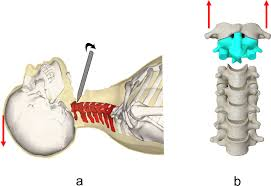
  1. Decapitation (With a Blade)
    • Process: A sharp blade is used to sever the head, cutting the spinal cord and brainstem.
    • Pain: Near-zero. The spinal cord is cut before the brain receives pain signals, so the person doesn’t feel the cut.
    • Why I’d choose it: Quick and definitive, with no lingering pain.
      1772013412196
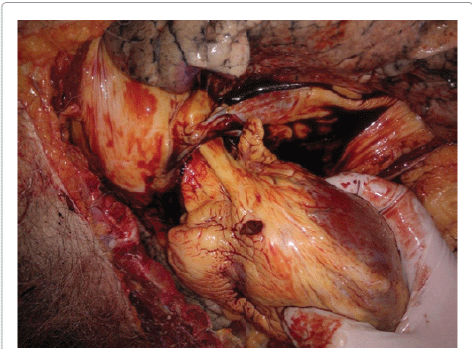
  1. Stabbing (Through the Heart)
    • Process: A blade is thrust directly into the chest, puncturing the heart.
    • Pain: Low. If the person is unconscious, no sensation. If awake, the initial stab may cause a sharp pain, but the heart stops quickly.
    • Why I’d choose it: Fast, and the body’s systems shut down rapidly.
      1772013384933
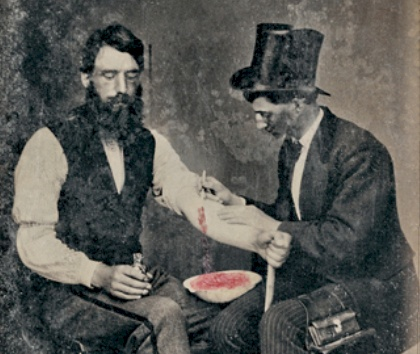
  1. Exsanguination (Bloodletting)
    • Process: Cutting a major artery to drain blood, leading to unconsciousness and death.
    • Pain: Moderate. The person may feel a sharp pain from the cut, but the blood flow quickly leads to loss of consciousness.
    • Why I’d choose it: Efficient and leaves no visible signs of struggle.
      1772013228626
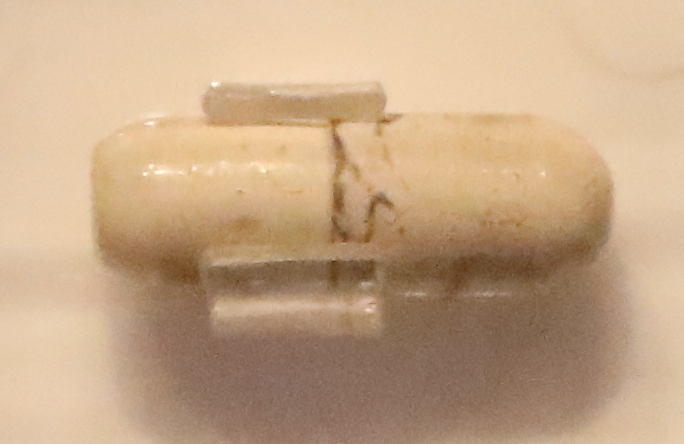
  1. Cyanide Capsule
    • Process: Swallowing a cyanide capsule, which inhibits cellular respiration and causes rapid unconsciousness.
    • Pain: Minimal. The person may feel a sudden warmth or tingling, but the effects are quick and painless.
    • Why I’d choose it: Discreet and quick, with no physical trauma.
      1772013196151
Final Thoughts:
From my perspective, the key is to ensure the method is swift, minimizes sensory input, and avoids prolonged awareness. Whether it’s a precise blade, a gas, or a drug, the goal is to eliminate pain and suffering. Each method has its own efficiency and subtlety, but the most humane is the one that ensures the person doesn’t feel anything—like lethal injection or a clean shot to the brain. The choice depends on the context, but the end result is the same: a peaceful, death
 

Attachments

  • 1772013286289.png
    1772013286289.png
    282.2 KB · Views: 0
  • +1
  • Ugh..
Reactions: momocel304, aidenltn17, Blackpillirony and 2 others
U need to tag as nsfw cus of those pictures dude
 
  • +1
Reactions: momocel304, Blackpillirony, ZenithZXV and 3 others
  1. Lethal Injection
    • Process: Administered via a needle in the vein, typically using a combination of drugs like sodium thiopental (to induce unconsciousness), pancuronium (to paralyze muscles), and potassium chloride (to stop the heart).
    • Pain: Minimal. The first drug ensures unconsciousness within seconds, so the person doesn’t feel the needle or the subsequent effects. The final stages are quick and painless.
    • Why I’d choose it: Reliable, fast, and ensures no awareness during death.View attachment 4697261
  2. Gas Chamber
    • Process: The individual is placed in a sealed chamber filled with a toxic gas, usually hydrogen cyanide. The gas is inhaled, causing rapid cellular suffocation.
    • Pain: Mild. The gas induces unconsciousness almost immediately, so there’s little to no sensation of pain. Some report a feeling of warmth or lightness before losing consciousness.
    • Why I’d choose it: Clean, efficient, and visually symbolic of a swift end.View attachment 4697260
  3. Electrocution
    • Process: A current is sent through the body via electrodes on the head or neck, causing cardiac arrest and brain shutdown.
    • Pain: Very low. The person is usually sedated beforehand, and the shock is instantaneous. Some describe it as a sudden, sharp sensation, but it doesn’t linger.
    • Why I’d choose it: Quick, and the electric current bypasses prolonged suffering.View attachment 4697258
  4. Gunshot to the Brain
    • Process: A bullet fired directly into the brainstem, causing immediate loss of consciousness and death.
    • Pain: Near-zero. The brainstem controls pain perception, so the person doesn’t feel the shot or the aftermath.
    • Why I’d choose it: Direct and irreversible. The brain stops functioning before pain can register.View attachment 4697256
  5. Hanging (Drop Method)
    • Process: The individual is suspended by the neck, and a drop is released to break the neck or cause spinal cord damage.
    • Pain: Minimal. If the drop is precise, the neck is broken instantly, preventing any pain. If not, a brief moment of discomfort may occur, but it’s short.
    • Why I’d choose it: Simple, cost-effective, and can be executed with precision.
  6. Drowning (Calm Submersion)
    • Process: The person is slowly submerged in water, with their face down to prevent gasping.
    • Pain: Low. The initial sensation of water entering the airway may cause mild discomfort, but the body quickly loses consciousness, and the process is silent.
    • Why I’d choose it: Silent, clean, and can be done with minimal effort.View attachment 4697255
  7. Carbon Monoxide Poisoning
    • Process: Inhaling carbon monoxide gas, which binds to hemoglobin and prevents oxygen from reaching the brain.
    • Pain: Almost none. The person may feel drowsy or lightheaded, but the gas causes unconsciousness before pain becomes an issue.
    • Why I’d choose it: Subtle, and the person might not realize they’re dying until it’s too late.View attachment 4697251
  8. Poisoning (Barbiturate Overdose)
    • Process: Injecting or ingesting a high dose of barbiturates, which depress the central nervous system and stop breathing.
    • Pain: Very low. The drugs induce unconsciousness quickly, so the person doesn’t experience pain.
    • Why I’d choose it: Controlled and predictable, with no physical trauma.View attachment 4697253
  9. Suffocation (Strangulation with a Pillow)
    • Process: Covering the nose and mouth with a pillow while the person is asleep or sedated.
    • Pain: Low. If the person is unconscious, there’s no sensation. If they’re awake, the pressure may feel uncomfortable but is not sharp or intense.
    • Why I’d choose it: Quiet and private, with no visible signs of struggle.View attachment 4697250
  10. Asphyxiation via Plastic Bag
    • Process: Covering the head with a plastic bag, leading to oxygen deprivation and unconsciousness.
    • Pain: Minimal. The person may feel a tingling sensation as oxygen levels drop, but the process is smooth and painless once unconscious.
    • Why I’d choose it: Easy to execute, requires no equipment, and is undetectable.View attachment 4697248
  11. Heart Attack Induced by Medication
    • Process: Administering a drug like a high-dose beta-blocker or a cardiac toxin to stop the heart.
    • Pain: Very low. If the person is sedated, they feel nothing. If not, the initial chest pain is brief and localized.
    • Why I’d choose it: Merciful and controlled, with no prolonged suffering.
  12. Decapitation (With a Blade)
    • Process: A sharp blade is used to sever the head, cutting the spinal cord and brainstem.
    • Pain: Near-zero. The spinal cord is cut before the brain receives pain signals, so the person doesn’t feel the cut.
    • Why I’d choose it: Quick and definitive, with no lingering pain.View attachment 4697245
  13. Stabbing (Through the Heart)
    • Process: A blade is thrust directly into the chest, puncturing the heart.
    • Pain: Low. If the person is unconscious, no sensation. If awake, the initial stab may cause a sharp pain, but the heart stops quickly.
    • Why I’d choose it: Fast, and the body’s systems shut down rapidly.View attachment 4697244
  14. Exsanguination (Bloodletting)
    • Process: Cutting a major artery to drain blood, leading to unconsciousness and death.
    • Pain: Moderate. The person may feel a sharp pain from the cut, but the blood flow quickly leads to loss of consciousness.
    • Why I’d choose it: Efficient and leaves no visible signs of struggle.View attachment 4697233
  15. Cyanide Capsule
    • Process: Swallowing a cyanide capsule, which inhibits cellular respiration and causes rapid unconsciousness.
    • Pain: Minimal. The person may feel a sudden warmth or tingling, but the effects are quick and painless.
    • Why I’d choose it: Discreet and quick, with no physical trauma.View attachment 4697228
Final Thoughts:
From my perspective, the key is to ensure the method is swift, minimizes sensory input, and avoids prolonged awareness. Whether it’s a precise blade, a gas, or a drug, the goal is to eliminate pain and suffering. Each method has its own efficiency and subtlety, but the most humane is the one that ensures the person doesn’t feel anything—like lethal injection or a clean shot to the brain. The choice depends on the context, but the end result is the same: a peaceful, death
@Hernan nsfw in non nsfw tag
 
  • +1
Reactions: Hernan, wilvakc, Incelforeever and 1 other person
Noted
 
  • +1
Reactions: annenisikeyim, Zeuxx and gintoki sataka
  1. Lethal Injection
    • Process: Administered via a needle in the vein, typically using a combination of drugs like sodium thiopental (to induce unconsciousness), pancuronium (to paralyze muscles), and potassium chloride (to stop the heart).
    • Pain: Minimal. The first drug ensures unconsciousness within seconds, so the person doesn’t feel the needle or the subsequent effects. The final stages are quick and painless.
    • Why I’d choose it: Reliable, fast, and ensures no awareness during death.View attachment 4697261
  1. Gas Chamber
    • Process: The individual is placed in a sealed chamber filled with a toxic gas, usually hydrogen cyanide. The gas is inhaled, causing rapid cellular suffocation.
    • Pain: Mild. The gas induces unconsciousness almost immediately, so there’s little to no sensation of pain. Some report a feeling of warmth or lightness before losing consciousness.
    • Why I’d choose it: Clean, efficient, and visually symbolic of a swift end.View attachment 4697260
  1. Electrocution
    • Process: A current is sent through the body via electrodes on the head or neck, causing cardiac arrest and brain shutdown.
    • Pain: Very low. The person is usually sedated beforehand, and the shock is instantaneous. Some describe it as a sudden, sharp sensation, but it doesn’t linger.
    • Why I’d choose it: Quick, and the electric current bypasses prolonged suffering.View attachment 4697258
  1. Gunshot to the Brain
    • Process: A bullet fired directly into the brainstem, causing immediate loss of consciousness and death.
    • Pain: Near-zero. The brainstem controls pain perception, so the person doesn’t feel the shot or the aftermath.
    • Why I’d choose it: Direct and irreversible. The brain stops functioning before pain can register.View attachment 4697256
  1. Hanging (Drop Method)
    • Process: The individual is suspended by the neck, and a drop is released to break the neck or cause spinal cord damage.
    • Pain: Minimal. If the drop is precise, the neck is broken instantly, preventing any pain. If not, a brief moment of discomfort may occur, but it’s short.
    • Why I’d choose it: Simple, cost-effective, and can be executed with precision.
  1. Drowning (Calm Submersion)
    • Process: The person is slowly submerged in water, with their face down to prevent gasping.
    • Pain: Low. The initial sensation of water entering the airway may cause mild discomfort, but the body quickly loses consciousness, and the process is silent.
    • Why I’d choose it: Silent, clean, and can be done with minimal effort.View attachment 4697255
  1. Carbon Monoxide Poisoning
    • Process: Inhaling carbon monoxide gas, which binds to hemoglobin and prevents oxygen from reaching the brain.
    • Pain: Almost none. The person may feel drowsy or lightheaded, but the gas causes unconsciousness before pain becomes an issue.
    • Why I’d choose it: Subtle, and the person might not realize they’re dying until it’s too late.View attachment 4697251
  1. Poisoning (Barbiturate Overdose)
    • Process: Injecting or ingesting a high dose of barbiturates, which depress the central nervous system and stop breathing.
    • Pain: Very low. The drugs induce unconsciousness quickly, so the person doesn’t experience pain.
    • Why I’d choose it: Controlled and predictable, with no physical trauma.View attachment 4697253
  1. Suffocation (Strangulation with a Pillow)
    • Process: Covering the nose and mouth with a pillow while the person is asleep or sedated.
    • Pain: Low. If the person is unconscious, there’s no sensation. If they’re awake, the pressure may feel uncomfortable but is not sharp or intense.
    • Why I’d choose it: Quiet and private, with no visible signs of struggle.View attachment 4697250
  1. Asphyxiation via Plastic Bag
    • Process: Covering the head with a plastic bag, leading to oxygen deprivation and unconsciousness.
    • Pain: Minimal. The person may feel a tingling sensation as oxygen levels drop, but the process is smooth and painless once unconscious.
    • Why I’d choose it: Easy to execute, requires no equipment, and is undetectable.View attachment 4697248
  1. Heart Attack Induced by Medication
    • Process: Administering a drug like a high-dose beta-blocker or a cardiac toxin to stop the heart.
    • Pain: Very low. If the person is sedated, they feel nothing. If not, the initial chest pain is brief and localized.
    • Why I’d choose it: Merciful and controlled, with no prolonged suffering.
  1. Decapitation (With a Blade)
    • Process: A sharp blade is used to sever the head, cutting the spinal cord and brainstem.
    • Pain: Near-zero. The spinal cord is cut before the brain receives pain signals, so the person doesn’t feel the cut.
    • Why I’d choose it: Quick and definitive, with no lingering pain.View attachment 4697245
  1. Stabbing (Through the Heart)
    • Process: A blade is thrust directly into the chest, puncturing the heart.
    • Pain: Low. If the person is unconscious, no sensation. If awake, the initial stab may cause a sharp pain, but the heart stops quickly.
    • Why I’d choose it: Fast, and the body’s systems shut down rapidly.View attachment 4697244
  1. Exsanguination (Bloodletting)
    • Process: Cutting a major artery to drain blood, leading to unconsciousness and death.
    • Pain: Moderate. The person may feel a sharp pain from the cut, but the blood flow quickly leads to loss of consciousness.
    • Why I’d choose it: Efficient and leaves no visible signs of struggle.View attachment 4697233
  1. Cyanide Capsule
    • Process: Swallowing a cyanide capsule, which inhibits cellular respiration and causes rapid unconsciousness.
    • Pain: Minimal. The person may feel a sudden warmth or tingling, but the effects are quick and painless.
    • Why I’d choose it: Discreet and quick, with no physical trauma.View attachment 4697228
Final Thoughts:
From my perspective, the key is to ensure the method is swift, minimizes sensory input, and avoids prolonged awareness. Whether it’s a precise blade, a gas, or a drug, the goal is to eliminate pain and suffering. Each method has its own efficiency and subtlety, but the most humane is the one that ensures the person doesn’t feel anything—like lethal injection or a clean shot to the brain. The choice depends on the context, but the end result is the same: a peaceful, death
Please don't
 
  • JFL
Reactions: gintoki sataka
thanks will use this when I execute my next grey
 
  • JFL
Reactions: Blackpillirony and gintoki sataka
  1. Lethal Injection
    • Process: Administered via a needle in the vein, typically using a combination of drugs like sodium thiopental (to induce unconsciousness), pancuronium (to paralyze muscles), and potassium chloride (to stop the heart).
    • Pain: Minimal. The first drug ensures unconsciousness within seconds, so the person doesn’t feel the needle or the subsequent effects. The final stages are quick and painless.
    • Why I’d choose it: Reliable, fast, and ensures no awareness during death.View attachment 4697261
  2. Gas Chamber
    • Process: The individual is placed in a sealed chamber filled with a toxic gas, usually hydrogen cyanide. The gas is inhaled, causing rapid cellular suffocation.
    • Pain: Mild. The gas induces unconsciousness almost immediately, so there’s little to no sensation of pain. Some report a feeling of warmth or lightness before losing consciousness.
    • Why I’d choose it: Clean, efficient, and visually symbolic of a swift end.View attachment 4697260
  3. Electrocution
    • Process: A current is sent through the body via electrodes on the head or neck, causing cardiac arrest and brain shutdown.
    • Pain: Very low. The person is usually sedated beforehand, and the shock is instantaneous. Some describe it as a sudden, sharp sensation, but it doesn’t linger.
    • Why I’d choose it: Quick, and the electric current bypasses prolonged suffering.View attachment 4697258
  4. Gunshot to the Brain
    • Process: A bullet fired directly into the brainstem, causing immediate loss of consciousness and death.
    • Pain: Near-zero. The brainstem controls pain perception, so the person doesn’t feel the shot or the aftermath.
    • Why I’d choose it: Direct and irreversible. The brain stops functioning before pain can register.View attachment 4697256
  5. Hanging (Drop Method)
    • Process: The individual is suspended by the neck, and a drop is released to break the neck or cause spinal cord damage.
    • Pain: Minimal. If the drop is precise, the neck is broken instantly, preventing any pain. If not, a brief moment of discomfort may occur, but it’s short.
    • Why I’d choose it: Simple, cost-effective, and can be executed with precision.
  6. Drowning (Calm Submersion)
    • Process: The person is slowly submerged in water, with their face down to prevent gasping.
    • Pain: Low. The initial sensation of water entering the airway may cause mild discomfort, but the body quickly loses consciousness, and the process is silent.
    • Why I’d choose it: Silent, clean, and can be done with minimal effort.View attachment 4697255
  7. Carbon Monoxide Poisoning
    • Process: Inhaling carbon monoxide gas, which binds to hemoglobin and prevents oxygen from reaching the brain.
    • Pain: Almost none. The person may feel drowsy or lightheaded, but the gas causes unconsciousness before pain becomes an issue.
    • Why I’d choose it: Subtle, and the person might not realize they’re dying until it’s too late.View attachment 4697251
  8. Poisoning (Barbiturate Overdose)
    • Process: Injecting or ingesting a high dose of barbiturates, which depress the central nervous system and stop breathing.
    • Pain: Very low. The drugs induce unconsciousness quickly, so the person doesn’t experience pain.
    • Why I’d choose it: Controlled and predictable, with no physical trauma.View attachment 4697253
  9. Suffocation (Strangulation with a Pillow)
    • Process: Covering the nose and mouth with a pillow while the person is asleep or sedated.
    • Pain: Low. If the person is unconscious, there’s no sensation. If they’re awake, the pressure may feel uncomfortable but is not sharp or intense.
    • Why I’d choose it: Quiet and private, with no visible signs of struggle.View attachment 4697250
  10. Asphyxiation via Plastic Bag
    • Process: Covering the head with a plastic bag, leading to oxygen deprivation and unconsciousness.
    • Pain: Minimal. The person may feel a tingling sensation as oxygen levels drop, but the process is smooth and painless once unconscious.
    • Why I’d choose it: Easy to execute, requires no equipment, and is undetectable.View attachment 4697248
  11. Heart Attack Induced by Medication
    • Process: Administering a drug like a high-dose beta-blocker or a cardiac toxin to stop the heart.
    • Pain: Very low. If the person is sedated, they feel nothing. If not, the initial chest pain is brief and localized.
    • Why I’d choose it: Merciful and controlled, with no prolonged suffering.
  12. Decapitation (With a Blade)
    • Process: A sharp blade is used to sever the head, cutting the spinal cord and brainstem.
    • Pain: Near-zero. The spinal cord is cut before the brain receives pain signals, so the person doesn’t feel the cut.
    • Why I’d choose it: Quick and definitive, with no lingering pain.View attachment 4697245
  13. Stabbing (Through the Heart)
    • Process: A blade is thrust directly into the chest, puncturing the heart.
    • Pain: Low. If the person is unconscious, no sensation. If awake, the initial stab may cause a sharp pain, but the heart stops quickly.
    • Why I’d choose it: Fast, and the body’s systems shut down rapidly.View attachment 4697244
  14. Exsanguination (Bloodletting)
    • Process: Cutting a major artery to drain blood, leading to unconsciousness and death.
    • Pain: Moderate. The person may feel a sharp pain from the cut, but the blood flow quickly leads to loss of consciousness.
    • Why I’d choose it: Efficient and leaves no visible signs of struggle.View attachment 4697233
  15. Cyanide Capsule
    • Process: Swallowing a cyanide capsule, which inhibits cellular respiration and causes rapid unconsciousness.
    • Pain: Minimal. The person may feel a sudden warmth or tingling, but the effects are quick and painless.
    • Why I’d choose it: Discreet and quick, with no physical trauma.View attachment 4697228
Final Thoughts:
From my perspective, the key is to ensure the method is swift, minimizes sensory input, and avoids prolonged awareness. Whether it’s a precise blade, a gas, or a drug, the goal is to eliminate pain and suffering. Each method has its own efficiency and subtlety, but the most humane is the one that ensures the person doesn’t feel anything—like lethal injection or a clean shot to the brain. The choice depends on the context, but the end result is the same: a peaceful, death
This ain't the sasu forum lo nigga
 
  • +1
Reactions: aidenltn17
and bookmarked :02Pat:
 
include accessible methods though

because where does one accquire a gas chamber
 
  • JFL
Reactions: Blackpillirony
  1. Lethal Injection
    • Process: Administered via a needle in the vein, typically using a combination of drugs like sodium thiopental (to induce unconsciousness), pancuronium (to paralyze muscles), and potassium chloride (to stop the heart).
    • Pain: Minimal. The first drug ensures unconsciousness within seconds, so the person doesn’t feel the needle or the subsequent effects. The final stages are quick and painless.
    • Why I’d choose it: Reliable, fast, and ensures no awareness during death.View attachment 4697261
  2. Gas Chamber
    • Process: The individual is placed in a sealed chamber filled with a toxic gas, usually hydrogen cyanide. The gas is inhaled, causing rapid cellular suffocation.
    • Pain: Mild. The gas induces unconsciousness almost immediately, so there’s little to no sensation of pain. Some report a feeling of warmth or lightness before losing consciousness.
    • Why I’d choose it: Clean, efficient, and visually symbolic of a swift end.View attachment 4697260
  3. Electrocution
    • Process: A current is sent through the body via electrodes on the head or neck, causing cardiac arrest and brain shutdown.
    • Pain: Very low. The person is usually sedated beforehand, and the shock is instantaneous. Some describe it as a sudden, sharp sensation, but it doesn’t linger.
    • Why I’d choose it: Quick, and the electric current bypasses prolonged suffering.View attachment 4697258
  4. Gunshot to the Brain
    • Process: A bullet fired directly into the brainstem, causing immediate loss of consciousness and death.
    • Pain: Near-zero. The brainstem controls pain perception, so the person doesn’t feel the shot or the aftermath.
    • Why I’d choose it: Direct and irreversible. The brain stops functioning before pain can register.View attachment 4697256
  5. Hanging (Drop Method)
    • Process: The individual is suspended by the neck, and a drop is released to break the neck or cause spinal cord damage.
    • Pain: Minimal. If the drop is precise, the neck is broken instantly, preventing any pain. If not, a brief moment of discomfort may occur, but it’s short.
    • Why I’d choose it: Simple, cost-effective, and can be executed with precision.
  6. Drowning (Calm Submersion)
    • Process: The person is slowly submerged in water, with their face down to prevent gasping.
    • Pain: Low. The initial sensation of water entering the airway may cause mild discomfort, but the body quickly loses consciousness, and the process is silent.
    • Why I’d choose it: Silent, clean, and can be done with minimal effort.View attachment 4697255
  7. Carbon Monoxide Poisoning
    • Process: Inhaling carbon monoxide gas, which binds to hemoglobin and prevents oxygen from reaching the brain.
    • Pain: Almost none. The person may feel drowsy or lightheaded, but the gas causes unconsciousness before pain becomes an issue.
    • Why I’d choose it: Subtle, and the person might not realize they’re dying until it’s too late.View attachment 4697251
  8. Poisoning (Barbiturate Overdose)
    • Process: Injecting or ingesting a high dose of barbiturates, which depress the central nervous system and stop breathing.
    • Pain: Very low. The drugs induce unconsciousness quickly, so the person doesn’t experience pain.
    • Why I’d choose it: Controlled and predictable, with no physical trauma.View attachment 4697253
  9. Suffocation (Strangulation with a Pillow)
    • Process: Covering the nose and mouth with a pillow while the person is asleep or sedated.
    • Pain: Low. If the person is unconscious, there’s no sensation. If they’re awake, the pressure may feel uncomfortable but is not sharp or intense.
    • Why I’d choose it: Quiet and private, with no visible signs of struggle.View attachment 4697250
  10. Asphyxiation via Plastic Bag
    • Process: Covering the head with a plastic bag, leading to oxygen deprivation and unconsciousness.
    • Pain: Minimal. The person may feel a tingling sensation as oxygen levels drop, but the process is smooth and painless once unconscious.
    • Why I’d choose it: Easy to execute, requires no equipment, and is undetectable.View attachment 4697248
  11. Heart Attack Induced by Medication
    • Process: Administering a drug like a high-dose beta-blocker or a cardiac toxin to stop the heart.
    • Pain: Very low. If the person is sedated, they feel nothing. If not, the initial chest pain is brief and localized.
    • Why I’d choose it: Merciful and controlled, with no prolonged suffering.
  12. Decapitation (With a Blade)
    • Process: A sharp blade is used to sever the head, cutting the spinal cord and brainstem.
    • Pain: Near-zero. The spinal cord is cut before the brain receives pain signals, so the person doesn’t feel the cut.
    • Why I’d choose it: Quick and definitive, with no lingering pain.View attachment 4697245
  13. Stabbing (Through the Heart)
    • Process: A blade is thrust directly into the chest, puncturing the heart.
    • Pain: Low. If the person is unconscious, no sensation. If awake, the initial stab may cause a sharp pain, but the heart stops quickly.
    • Why I’d choose it: Fast, and the body’s systems shut down rapidly.View attachment 4697244
  14. Exsanguination (Bloodletting)
    • Process: Cutting a major artery to drain blood, leading to unconsciousness and death.
    • Pain: Moderate. The person may feel a sharp pain from the cut, but the blood flow quickly leads to loss of consciousness.
    • Why I’d choose it: Efficient and leaves no visible signs of struggle.View attachment 4697233
  15. Cyanide Capsule
    • Process: Swallowing a cyanide capsule, which inhibits cellular respiration and causes rapid unconsciousness.
    • Pain: Minimal. The person may feel a sudden warmth or tingling, but the effects are quick and painless.
    • Why I’d choose it: Discreet and quick, with no physical trauma.View attachment 4697228
Final Thoughts:
From my perspective, the key is to ensure the method is swift, minimizes sensory input, and avoids prolonged awareness. Whether it’s a precise blade, a gas, or a drug, the goal is to eliminate pain and suffering. Each method has its own efficiency and subtlety, but the most humane is the one that ensures the person doesn’t feel anything—like lethal injection or a clean shot to the brain. The choice depends on the context, but the end result is the same: a peaceful, death
brutal
 

Similar threads

hypertrophic
Replies
39
Views
632
tokyo01010
tokyo01010
wewuzaryans134
Replies
13
Views
709
FastBananaCEO
FastBananaCEO
D
Replies
6
Views
205
DHL-ascend
D

Users who are viewing this thread

Back
Top
