




THE PILL BUILT TO REPLACE INFIGRATINIB: TYRA-300

Dausa

Dausa

Iron
Joined
Jun 24, 2026
Posts
3
Reputation
4

TYRA-300 / dabogratinib: why people are watching it in achondroplasia

For education only — not medical advice. TYRA-300 is investigational and is being studied in clinical trials.

1. What is TYRA-300?​

TYRA-300, also called dabogratinib, is an oral drug designed to block FGFR3. In achondroplasia, FGFR3 is overactive and acts like a brake on bone growth.
The goal is to reduce that overly strong FGFR3 signal and support more normal growth-plate activity.
Achondroplasia and FGFR3
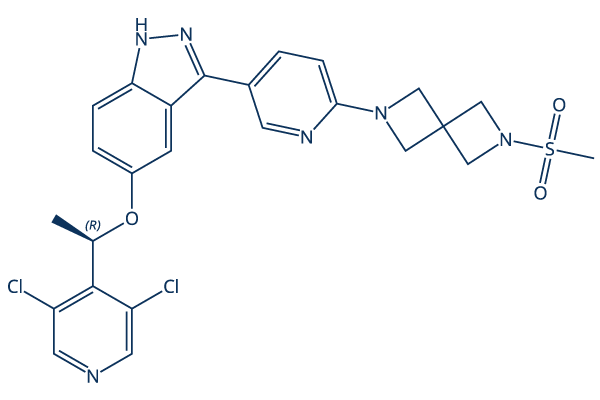
E4727 TYRA 300 chemical structure

2. What makes it different?​

The main point of TYRA-300 is selectivity.
Infigratinib blocks FGFR1, FGFR2, and FGFR3. Erdafitinib blocks FGFR1 through FGFR4. TYRA-300 was designed to focus much more strongly on FGFR3.
BEACH301 trial record for dabogratinib / TYRA-300

3. What does FGFR3 do in achondroplasia?​

FGFR3 slows bone growth. In achondroplasia, the signal is too active, which affects growth plates and can lead to shorter long bones and differences in skeletal development.
The idea behind an FGFR3 inhibitor is to take some pressure off that “brake.” In preclinical research, reducing FGFR3 activity has been associated with improved growth-plate function and bone growth in achondroplasia models.
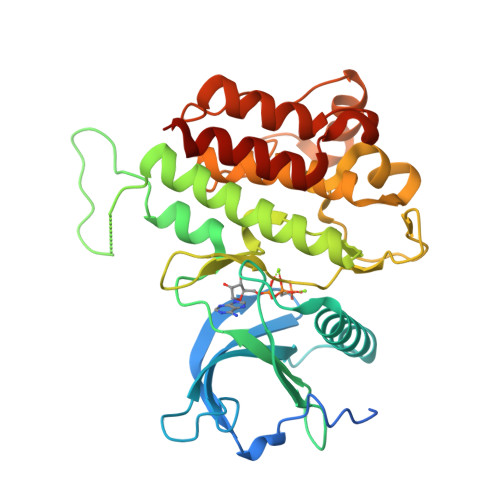
4k33 assembly 1

FGFR3 biology in achondroplasia

4. Where does TYRA-300 stand today?​

TYRA-300 is being studied in the BEACH301 Phase 2 trial in children ages 3–10 with achondroplasia and open growth plates.
The study is looking at dose, safety, tolerability, and early signs of whether the drug supports growth. It is not yet a completed late-stage trial, so the clinical picture is still developing.
Official BEACH301 study details

5. How does it compare with infigratinib?​

Infigratinib has more advanced achondroplasia data and blocks several FGFR receptors, including FGFR3. TYRA-300 is earlier in development but was designed to be more focused on FGFR3.
The central question being tested is whether that precision can preserve the desired growth effect while limiting effects from blocking FGFR1, FGFR2, or FGFR4.
That is why TYRA-300 is getting attention: it is not trying to be a broader FGFR drug. It is being developed as a more targeted FGFR3 option.
 
  • +1
Reactions: oyjah, rad30 and Deleted member 380390
Brutal noreplypill
 

TYRA-300 / dabogratinib: why people are watching it in achondroplasia

For education only — not medical advice. TYRA-300 is investigational and is being studied in clinical trials.

1. What is TYRA-300?​

TYRA-300, also called dabogratinib, is an oral drug designed to block FGFR3. In achondroplasia, FGFR3 is overactive and acts like a brake on bone growth.
The goal is to reduce that overly strong FGFR3 signal and support more normal growth-plate activity.
Achondroplasia and FGFR3

View attachment 5331191

2. What makes it different?​

The main point of TYRA-300 is selectivity.
Infigratinib blocks FGFR1, FGFR2, and FGFR3. Erdafitinib blocks FGFR1 through FGFR4. TYRA-300 was designed to focus much more strongly on FGFR3.
BEACH301 trial record for dabogratinib / TYRA-300

3. What does FGFR3 do in achondroplasia?​

FGFR3 slows bone growth. In achondroplasia, the signal is too active, which affects growth plates and can lead to shorter long bones and differences in skeletal development.
The idea behind an FGFR3 inhibitor is to take some pressure off that “brake.” In preclinical research, reducing FGFR3 activity has been associated with improved growth-plate function and bone growth in achondroplasia models.

View attachment 5331197

FGFR3 biology in achondroplasia

4. Where does TYRA-300 stand today?​

TYRA-300 is being studied in the BEACH301 Phase 2 trial in children ages 3–10 with achondroplasia and open growth plates.
The study is looking at dose, safety, tolerability, and early signs of whether the drug supports growth. It is not yet a completed late-stage trial, so the clinical picture is still developing.
Official BEACH301 study details

5. How does it compare with infigratinib?​

Infigratinib has more advanced achondroplasia data and blocks several FGFR receptors, including FGFR3. TYRA-300 is earlier in development but was designed to be more focused on FGFR3.
The central question being tested is whether that precision can preserve the desired growth effect while limiting effects from blocking FGFR1, FGFR2, or FGFR4.
That is why TYRA-300 is getting attention: it is not trying to be a broader FGFR drug. It is being developed as a more targeted FGFR3 option.
Hope this shi isn’t ai but if not mirin the first post bhai
 

Similar threads

E
Replies
8
Views
102
Edenan
E
trxxaz
Replies
14
Views
175
Twinnem
Twinnem
Microo.smo
Replies
5
Views
118
Microo.smo
Microo.smo
F
Replies
17
Views
197
MAMB
MAMB
wintercrow
Replies
7
Views
116
tyramaxxer
tyramaxxer

Users who are viewing this thread

Back
Top