The Primal Diet: Is Raw Meat Actually Worth It?

81xa

81xa

lawyerlite
Joined
Sep 21, 2023
Posts
3,190
Reputation
6,836
Introduction
The primal diet is a raw animal food protocol developed by Aajonus Vonderplanitz, a nutritional consultant who argued that cooking destroys the enzymes and bioavailable nutrients the body needs to function optimally. The diet centres on raw meat, raw dairy, raw eggs, and raw fats sourced from grass-fed and pasture-raised animals. Reported effects from long-term practitioners include significant fat loss, improved skin quality, increased energy, and better body composition.

I've watched hundreds of Aajonus, Goatis, and many other videos on the primal diet at this point. I'm very fascinated with the primal diet because of the transformations I see as a result of this way of eating.

1779798764939


The case for raw meat

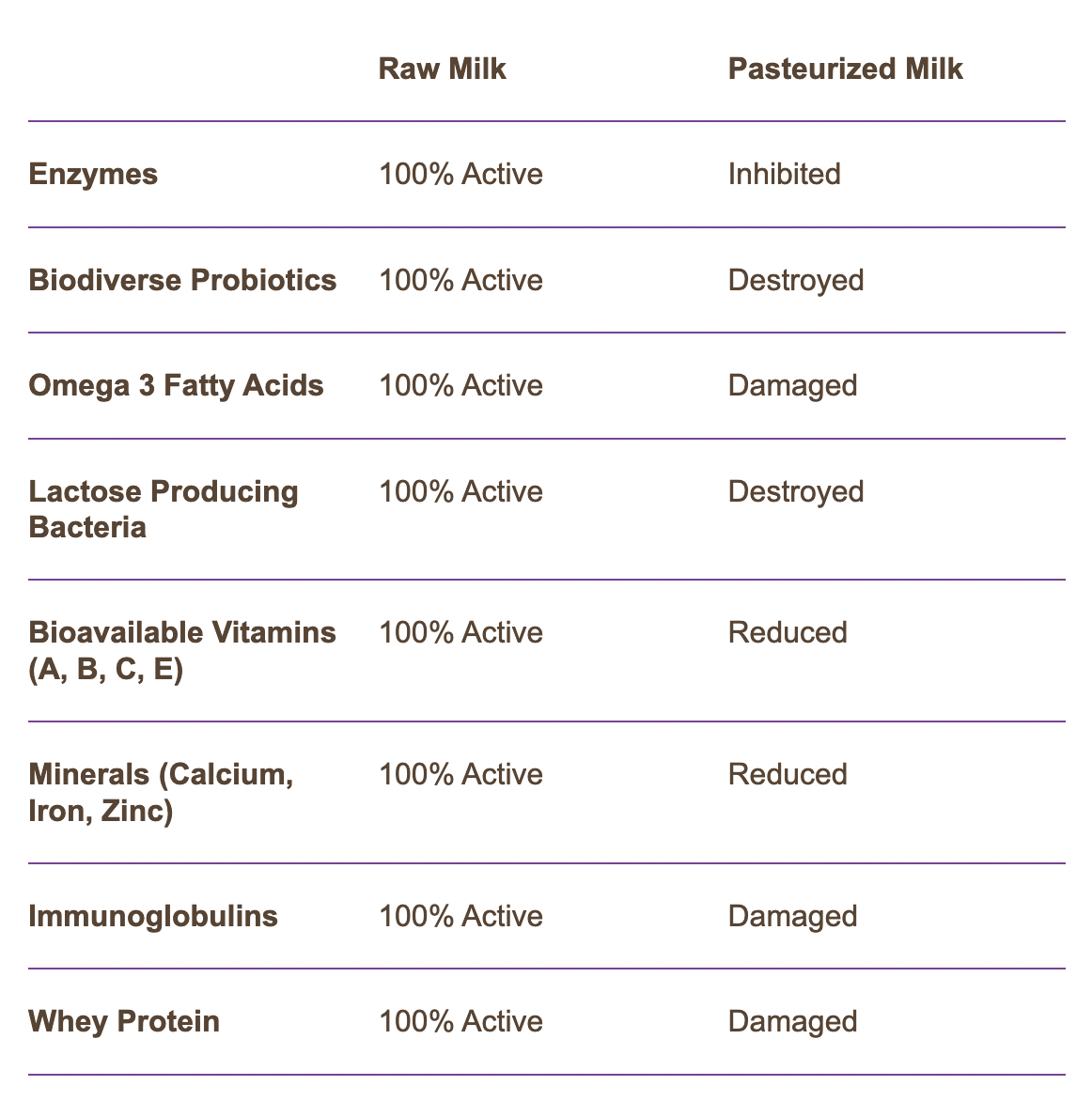
The argument is simple. Heat denatures enzymes and degrades specific nutrients. Raw milk versus pasteurised is the clearest documented example. Pasteurisation at 72°C destroys alkaline phosphatase, reduces vitamin C content by around 25%, and denatures whey proteins that play a role in immune function. The same applies to meat. Retinol in beef liver begins degrading above 70°C, B12 losses range from 30-50% depending on cooking method, and proteolytic enzymes that assist protein digestion denature with heat, shifting that burden onto your own digestive system.
1779798054290


Arguments against raw meat
It's logical, less cooking means increased nutrients, and increased nutrients mean better health outcomes. Then the arguments against it are obviously that raw meat contains germs, bacteria etc. But we cannot ignore the fact that people like Goatis and Aajonus, who eat this diet are not dead after years of raw meat consumption. Some might say survivorship bias, but goatis has likely eaten over 3+ tonnes of raw meat over the past decade, which cannot be ignored. If it were truly harmful, he would have been dead or in critical condition long ago. Clearly there is some sort of adaptation.


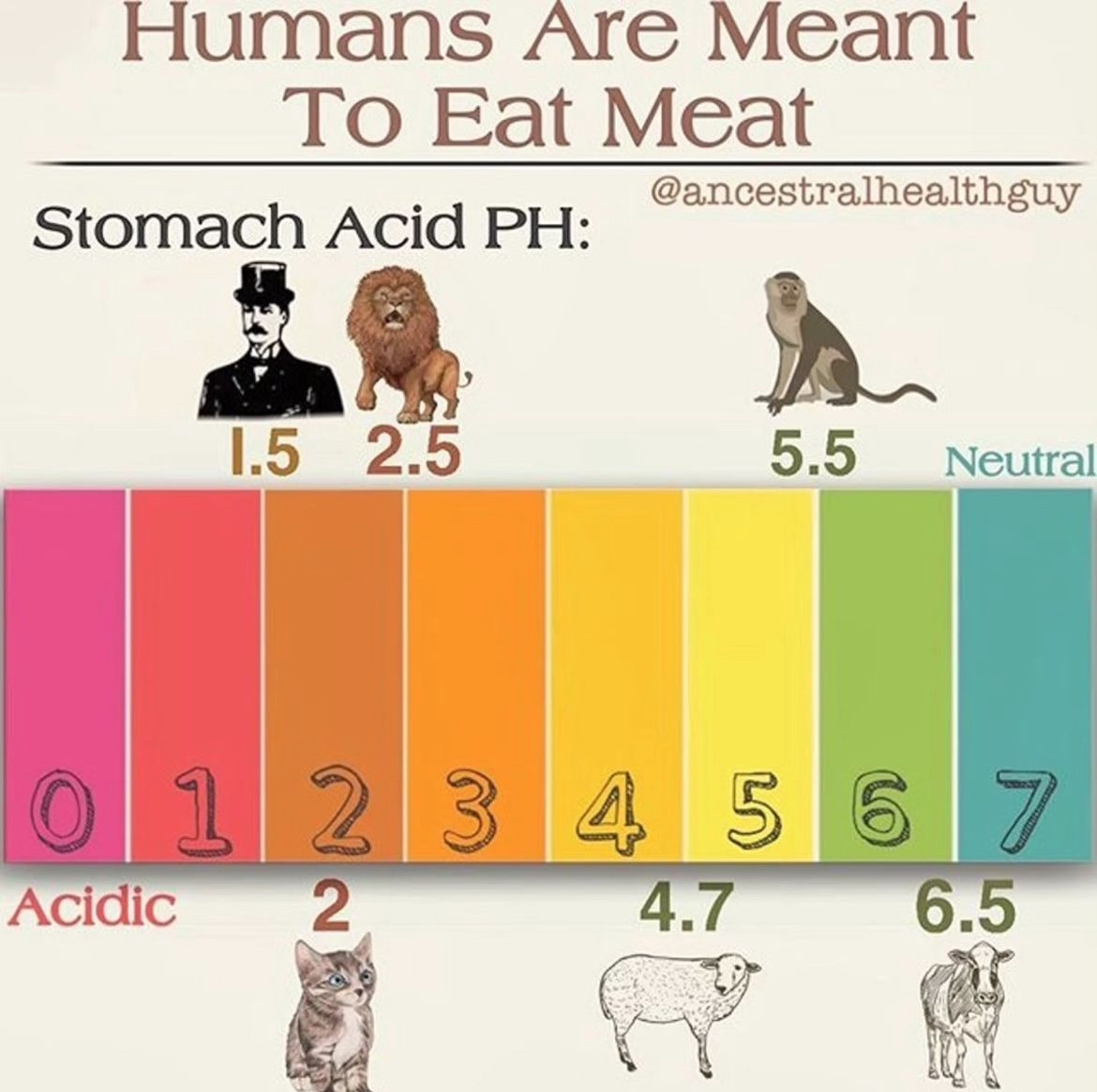
When this man saw a doctor he indeed had a large amount E. E.Coli in his gut. Yet remains asymptomatic. This suggests the body can tolerate and manage bacterial loads that would hospitalise someone with compromised gut health. The relevant variable isn't whether bacteria are present in the first place, it's whether the host can contain them. Source quality and gut integrity are the factors to consider. Interestingly, humans contain a lower stomach acid pH than pure carnivores such as Lions, which provides a meaningful barrier against ingested pathogens
1779798846193


Overall, if you aren't in poor health, taking regular antibiotics or anything that can disrupt your gut health and steadily cooking your food less each time, you can adapt to the primal diet. Cooking does destroy the nutrients and enzymes in foods, this is factual. So it is logical to simply eat it raw. At the moment I eat my meat rare, simply searing it on the outside. I feel a bit more energetic since I began eating rare meat, likely due to the increased nutrients.


So, what raw foods should you actually be eating?
  • -Grass-fed Ground Beef (80/20): 12-14 lbs
  • -Pasture-raised Eggs: 36-48 eggs
  • -Grass-fed Butter: 1 lb
  • - Hydrating fruits (watermelon, mango, strawberry)
  • -Raw Cheddar Cheese: 1 lb
  • -Wild-caught Cod: 3-4 lbs
  • -Pasture Raised 100% Grass Fed Beef Liver: 1lb
  • -Bone Broth (or Beef Bones for Homemade Bone Broth)
  • -1 Tablespoon wild caught cod liver oil daily
  • -Celtic Sea Salt (beneficial for electrolyte balance, particularly if on a low-carb diet where sodium excretion increases.)
  • -Raw milk : 1L daily (if in puberty)
    • Calcium & Vitamin K2 for bone growth and strength
    • Probiotics & Enzymes to aid digestion and gut health
    • Fat-soluble vitamins (A, D, E, K2) for hormonal and immune function
    • Contains IGF1 growth factors
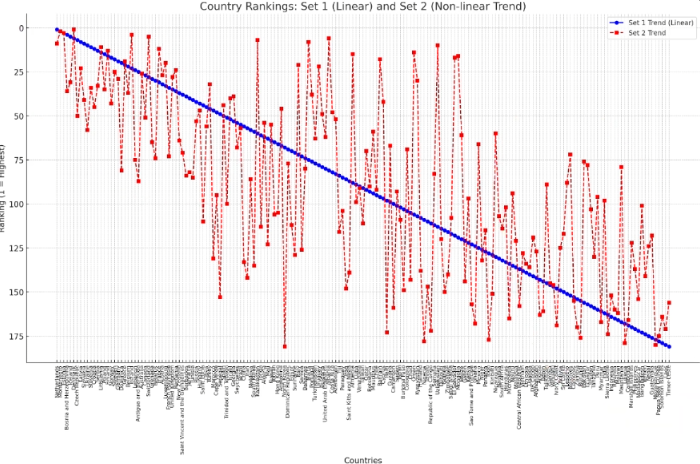
Countries mapped tallest to shortest mapped alongside raw milk consumption:
chrome_XsWEUJJRCW.png


Fuel Source Coverage

Fat is the primary fuel source. Butter, cod liver oil, ground beef, and eggs cover this. On a fat-adapted diet, the body preferentially burns stored fat for energy, which accelerates fat loss without caloric restriction being the main driver. Protein supports tissue repair and muscle maintenance rather than acting as a direct fuel source. Beef, eggs, and cheese are the main contributors here.

Carbohydrates are kept relatively low. Fruit is the primary source of carbs, and summer is the better time to increase it. UV exposure improves insulin sensitivity and circadian-regulated glucose metabolism, meaning your body handles fruit sugar more efficiently during months with high sun exposure. Outside of summer, keep fruit intake minimal.


Micronutrient Coverage

RDAs were established to prevent deficiency in sedentary populations, not to optimise health. Use this table as a reference point, not a target. Note that some apparent shortfalls, particularly vitamin C, are less significant on a low-glucose diet. Glucose and ascorbic acid compete for the same cellular transporters, so lower glucose intake means more efficient vitamin C uptake at lower absolute doses.
  • Vitamin A: Over 200% of RDA (butter, cheese, eggs, liver, cod liver)
  • Vitamin D: Over 300% of RDA (eggs, cod, butter, cod liver)
  • Vitamin B12: Over 700% of RDA (eggs, ground beef, cod, liver)
  • Vitamin B1 (Thiamine): ~40% of RDA (beef, eggs)
  • Vitamin B2 (Riboflavin): ~60% of RDA (eggs, beef, cheese)
  • Vitamin B3 (Niacin): ~100% of RDA (beef, eggs)
  • Vitamin B5 (Pantothenic Acid): ~100% of RDA (eggs, beef)
  • Vitamin B6: ~100% of RDA (beef, eggs)
  • Folate (Vitamin B9): Over 200% of RDA (eggs, beef, liver)
  • Biotin: ~100% of RDA (eggs, beef, liver)
  • Vitamin C: ~0-10% of RDA (small amounts in liver and cod liver)
  • Vitamin E: ~0-10% of RDA (small amounts in liver, cod liver, butter, eggs)
  • Calcium: ~100% of RDA (cheese, butter)
  • Selenium: Over 200% of RDA (ground beef, eggs, cod)
  • Iron: Around 100% of RDA (beef, eggs, liver)
  • Zinc: ~350% of RDA (beef, eggs)
  • Choline: Over 200% of RDA (eggs, beef, liver)
  • Iodine: ~500% of RDA (cod, salt)
  • Phosphorus: Over 1000% of RDA (eggs, cheese, beef)
  • Magnesium: ~40-50% of RDA (from bone broth and liver)
  • Potassium: ~20-30% of RDA (from bone broth, liver, eggs)
  • Vitamin K: ~13% of RDA (eggs, butter)
  • Manganese: ~0-10% of RDA (from liver, but minimal)
  • Copper: ~30-50% of RDA (from beef liver, eggs)

Optional Supplementation

  • Magnesium and potassium supplements can replace bone broth if preferred
  • If skipping beef liver: Vitamin E, Magnesium, Potassium, Manganese, and Copper are worth covering. Vitamin C is optional on a low-glucose diet but can be added at a low dose.

Conclusion
Industrial meat handled poorly is genuinely dangerous. Grass-fed, properly sourced animal products eaten by someone with intact gut health is a different situation entirely. Most of the horror stories around raw meat involve ground beef from a supermarket, not the protocol I outlined here.

If you're already eating rare meat with no issues, the transition is incremental. Add raw liver. Introduce raw milk if you can source it. Track how you feel over 30 days. The adaptation is real; it simply just requires not jumping straight to a pound of raw mince on day one.

The people dismissing this diet haven't even tried it, the people doing it long-term aren't going back, that alone is very telling.
1779800905072


@IAMNOTANINCEL @epic09 @primal_shitmuncher @ICL @jzo
 
Last edited:

  • +1
  • JFL
  • Hmm...
Reactions: Orbital1, Paul.jnxy, Kara and 24 others
@2s2f @Aloof @buccalfatremoval @chang cypionate @TheBWCKing Thoughts?
 
  • +1
Reactions: Cinnamon fan64, TheBWCKing, ICL and 7 others
Salt is not primal moron
 
  • +1
  • Ugh..
  • Nerd
Reactions: brotato78, Cinnamon fan64, fedecope and 3 others
@2s2f @Aloof @buccalfatremoval @chang cypionate @TheBWCKing Thoughts?
Good user but I won't be reading cope sorry. Mirin effort.
 
  • +1
Reactions: brotato78, Cinnamon fan64, dhusc and 5 others
Salt is not primal moron
salt is beneficial for electrolyte balance, particularly on a low-carb diet where sodium excretion increases
 
  • +1
Reactions: Cinnamon fan64, ICL, epic09 and 4 others
Raw is law
 
  • +1
  • JFL
  • Hmm...
Reactions: Cinnamon fan64, Divineincel, optimisticzoomer and 4 others
I've watched hundreds of Aajonus, Goatis, and FaceIQ videos at this point. I'm very fascinated with the primal diet because of the transformations I see as a result of this diet.
View attachment 5119470

The main argument for raw meat is that it provides more nutrients since they are not destroyed by cooking; pasteurised vs raw milk is a good example of this.
View attachment 5119418

It seems logical, less cooking means more nutrients, and more nutrients mean better health outcomes.

Then the arguments against it are obviously that raw meat contains germs, bacteria etc. But we cannot ignore the fact that people like Goatis and Aajonus, who eat this diet are not dead after years of raw meat consumption. Some might say survivorship bias, but goatis has likely eaten over 3+ tonnes of raw meat over the past decade, which cannot be ignored. If it were truly harmful, he would have been dead or in critical condition long ago. Clearly there is some sort of adaptation.


When this man saw a doctor he indeed had a large amount E. E.Coli in his gut. Yet remains asymptomatic. This suggests the body can tolerate and manage bacterial loads that would hospitalise someone with compromised gut health. The relevant variable isn't whether bacteria are present in the first place, it's whether the host can contain them. Source quality and gut integrity are the factors to consider.

View attachment 5119474

Overall, if you aren't in poor health, taking regular antibiotics or anything that can disrupt your gut health and steadily cooking your food less each time, you can adapt to the primal diet. Cooking does destroy the nutrients and enzymes in foods, this is factual. So it is logical to simply eat it raw. At the moment I eat my meat rare, simply searing it on the outside. I feel a bit more energetic since I began eating rare meat, likely due to the increased nutrients.

So, what raw foods should you actually be eating?

  • -Grass-fed Ground Beef (80/20): 12-14 lbs
  • -Pasture-raised Eggs: 36-48 eggs
  • -Grass-fed Butter: 1 lb
  • - Hydrating fruits (watermelon, mango, strawberry)
  • -Raw Cheddar Cheese: 1 lb
  • -Raw milk : 1L daily (if in puberty)
  • -Wild-caught Cod: 3-4 lbs
  • -Pasture Raised 100% Grass Fed Beef Liver: 1lb
  • -Bone Broth (or Beef Bones for Homemade Bone Broth)
  • -1 Tablespoon wild caught cod liver oil daily
  • -Celtic Sea Salt: 1 Pack

Fuel Source Breakdown

Fat is the primary fuel source. Butter, cod liver oil, ground beef, and eggs cover this. On a fat-adapted diet, the body preferentially burns stored fat for energy, which accelerates fat loss without caloric restriction being the main driver. Protein supports tissue repair and muscle maintenance rather than acting as a direct fuel source. Beef, eggs, and cheese are the main contributors here.

Carbohydrates are kept low. Fruit is the primary source, and summer is the better time to increase it. UV exposure improves insulin sensitivity and circadian-regulated glucose metabolism, meaning your body handles fruit sugar more efficiently during months with high sun exposure. Outside of summer, keep fruit intake minimal.


Micronutrient Coverage

RDAs were established to prevent deficiency in sedentary populations, not to optimise health. Use this table as a reference point, not a target. Note that some apparent shortfalls, particularly vitamin C, are less significant on a low-glucose diet. Glucose and ascorbic acid compete for the same cellular transporters, so lower glucose intake means more efficient vitamin C uptake at lower absolute doses.
  • Vitamin A: Over 200% of RDA (butter, cheese, eggs, liver, cod liver)
  • Vitamin D: Over 300% of RDA (eggs, cod, butter, cod liver)
  • Vitamin B12: Over 700% of RDA (eggs, ground beef, cod, liver)
  • Vitamin B1 (Thiamine): ~40% of RDA (beef, eggs)
  • Vitamin B2 (Riboflavin): ~60% of RDA (eggs, beef, cheese)
  • Vitamin B3 (Niacin): ~100% of RDA (beef, eggs)
  • Vitamin B5 (Pantothenic Acid): ~100% of RDA (eggs, beef)
  • Vitamin B6: ~100% of RDA (beef, eggs)
  • Folate (Vitamin B9): Over 200% of RDA (eggs, beef, liver)
  • Biotin: ~100% of RDA (eggs, beef, liver)
  • Vitamin C: ~0-10% of RDA (small amounts in liver and cod liver)
  • Vitamin E: ~0-10% of RDA (small amounts in liver, cod liver, butter, eggs)
  • Calcium: ~100% of RDA (cheese, butter)
  • Selenium: Over 200% of RDA (ground beef, eggs, cod)
  • Iron: Around 100% of RDA (beef, eggs, liver)
  • Zinc: ~350% of RDA (beef, eggs)
  • Choline: Over 200% of RDA (eggs, beef, liver)
  • Iodine: ~500% of RDA (cod, salt)
  • Phosphorus: Over 1000% of RDA (eggs, cheese, beef)
  • Magnesium: ~40-50% of RDA (from bone broth and liver)
  • Potassium: ~20-30% of RDA (from bone broth, liver, eggs)
  • Vitamin K: ~13% of RDA (eggs, butter)
  • Manganese: ~0-10% of RDA (from liver, but minimal)
  • Copper: ~30-50% of RDA (from beef liver, eggs)

Optional Supplementation

  • Magnesium and potassium supplements can replace bone broth if preferred
  • If skipping beef liver: Vitamin E, Magnesium, Potassium, Manganese, and Copper are worth covering. Vitamin C is optional on a low-glucose diet but can be added at a low dose.


Conclusion
Industrial meat handled poorly is genuinely dangerous. Grass-fed, properly sourced animal products eaten by someone with intact gut health is a different situation entirely. Most of the horror stories around raw meat involve ground beef from a supermarket, not the protocol I outlined here.

If you're already eating rare meat with no issues, the transition is incremental. Add raw liver. Introduce raw milk if you can source it. Track how you feel over 30 days. The adaptation is real it simply just requires not jumping straight to a pound of raw mince on day one.

The people dismissing this diet haven't tried it. The people doing it long-term aren't going back, that alone is very telling

View attachment 5119601


@IAMNOTANINCEL @epic09 @primal_shitmuncher @ICL @jzo

Great thread, will be bookmarking this
 
  • +1
  • Love it
  • Ugh..
Reactions: Purple$, Cinnamon fan64, 81xa and 1 other person
IMHO I don’t think it’s a bad diet, it’s pretty good and I personally eat raw meat occasionally but rare meat more frequently but that’s because I enjoy the taste in general.
Same goes for the daily products etc
It’s undeniably better than the avg low t cuck diet most people eat, but I don’t think it’s really that more beneficial if you actually ate a well balanced diet.
And eating that little carbs I believe is not good.
That’s just my stand view, I never did any in detail research so
 
  • +1
  • Woah
Reactions: Cinnamon fan64, ICL, stigmaboy and 3 others
stop the cope
 
  • Ugh..
  • +1
Reactions: Cinnamon fan64 and 81xa
we've been eating raw meat for millions of years but now our body's adapted to the slop, i don't think we can handle all the e coli
 
  • +1
Reactions: Cinnamon fan64, ICL and 81xa
  • +1
Reactions: Cinnamon fan64 and 81xa
Genuinely curious, for the avg person on this diet, is there any effort prepare meals like steak tartare or etc and put effort into making them taste good in general?
 
  • +1
Reactions: Cinnamon fan64, 81xa and CorinthianLOX
Rest In Peace Saint Aajonus Vonderplanitz

The CIA Got To You 💔
 
  • +1
  • So Sad
Reactions: payton.02, Cinnamon fan64 and 81xa
Is it expensive?
 
  • +1
  • Hmm...
Reactions: Cinnamon fan64, stigmaboy and 81xa
Genuinely curious, for the avg person on this diet, is there any effort prepare meals like steak tartare or etc and put effort into making them taste good in general?
basically no effort. steak tartare is just diced beef, egg yolk, and salt mixed together, takes 5 minutes. after a few weeks your taste adapts anyway and cooked food starts tasting off by comparison.
 
  • +1
Reactions: Cinnamon fan64, ICL and Hess
Is it expensive?
depends on your location and how you source it. grass-fed beef and pasture-raised eggs are pricier than supermarket equivalents but you're cutting out everything else. no processed food, no supplements beyond maybe magnesium and potassium and no cooking oils.

the food list is short so the total spend is more predictable than a conventional diet. bulk buying direct from a local farm brings the cost down significantly.
 
  • +1
  • Love it
Reactions: Cinnamon fan64, Divineincel, ICL and 2 others
depends on your location and how you source it. grass-fed beef and pasture-raised eggs are pricier than supermarket equivalents but you're cutting out everything else. no processed food, no supplements beyond maybe magnesium and potassium and no cooking oils.

the food list is short so the total spend is more predictable than a conventional diet. bulk buying direct from a local farm brings the cost down significantly.
Do I need a plug or a trusted person to supply me with raw meat or are there businesses that sell grass fed top notch raw meat?
 
  • +1
Reactions: Cinnamon fan64 and 81xa
Do I need a plug or a trusted person to supply me with raw meat or are there businesses that sell grass fed top notch raw meat?
Cheapest route is likely a reputable local butcher, otherwise you can order directly from butchers/farms online. they ship grass-fed and pasture-raised cuts within a few days. farmer's markets are the other option and you can talk directly to the supplier and ask about the grazing practices

a trusted butcher who sources properly is worth finding long term. once you have a relationship with one you can request specific cuts, ask about slaughter dates and get organ meat that shops usually don't stock
 
  • +1
  • Love it
Reactions: Cinnamon fan64, stigmaboy, epic09 and 1 other person
Introduction
The primal diet is a raw animal food protocol developed by Aajonus Vonderplanitz, a nutritional consultant who argued that cooking destroys the enzymes and bioavailable nutrients the body needs to function optimally. The diet centres on raw meat, raw dairy, raw eggs, and raw fats sourced from grass-fed and pasture-raised animals. Reported effects from long-term practitioners include significant fat loss, improved skin quality, increased energy, and better body composition.

I've watched hundreds of Aajonus, Goatis, and many other videos on the primal diet at this point. I'm very fascinated with the primal diet because of the transformations I see as a result of this way of eating.
View attachment 5119470


The case for raw meat

The argument is simple. Heat denatures enzymes and degrades specific nutrients. Raw milk versus pasteurised is the clearest documented example. Pasteurisation at 72°C destroys alkaline phosphatase, reduces vitamin C content by around 25%, and denatures whey proteins that play a role in immune function. The same applies to meat. Retinol in beef liver begins degrading above 70°C, B12 losses range from 30-50% depending on cooking method, and proteolytic enzymes that assist protein digestion denature with heat, shifting that burden onto your own digestive system.
View attachment 5119418


Arguments against raw meat
It's logical, less cooking means increased nutrients, and increased nutrients mean better health outcomes. Then the arguments against it are obviously that raw meat contains germs, bacteria etc. But we cannot ignore the fact that people like Goatis and Aajonus, who eat this diet are not dead after years of raw meat consumption. Some might say survivorship bias, but goatis has likely eaten over 3+ tonnes of raw meat over the past decade, which cannot be ignored. If it were truly harmful, he would have been dead or in critical condition long ago. Clearly there is some sort of adaptation.


When this man saw a doctor he indeed had a large amount E. E.Coli in his gut. Yet remains asymptomatic. This suggests the body can tolerate and manage bacterial loads that would hospitalise someone with compromised gut health. The relevant variable isn't whether bacteria are present in the first place, it's whether the host can contain them. Source quality and gut integrity are the factors to consider. Interestingly, humans contain a lower stomach acid pH than pure carnivores such as Lions, which provides a meaningful barrier against ingested pathogens

View attachment 5119474

Overall, if you aren't in poor health, taking regular antibiotics or anything that can disrupt your gut health and steadily cooking your food less each time, you can adapt to the primal diet. Cooking does destroy the nutrients and enzymes in foods, this is factual. So it is logical to simply eat it raw. At the moment I eat my meat rare, simply searing it on the outside. I feel a bit more energetic since I began eating rare meat, likely due to the increased nutrients.


So, what raw foods should you actually be eating?
  • -Grass-fed Ground Beef (80/20): 12-14 lbs
  • -Pasture-raised Eggs: 36-48 eggs
  • -Grass-fed Butter: 1 lb
  • - Hydrating fruits (watermelon, mango, strawberry)
  • -Raw Cheddar Cheese: 1 lb
  • -Wild-caught Cod: 3-4 lbs
  • -Pasture Raised 100% Grass Fed Beef Liver: 1lb
  • -Bone Broth (or Beef Bones for Homemade Bone Broth)
  • -1 Tablespoon wild caught cod liver oil daily
  • -Celtic Sea Salt (beneficial for electrolyte balance, particularly if on a low-carb diet where sodium excretion increases.)
  • -Raw milk : 1L daily (if in puberty)
    • Calcium & Vitamin K2 for bone growth and strength
    • Probiotics & Enzymes to aid digestion and gut health
    • Fat-soluble vitamins (A, D, E, K2) for hormonal and immune function
    • Contains IGF1 growth factors
Countries mapped tallest to shortest mapped alongside raw milk consumption:
View attachment 5119706

Fuel Source Coverage

Fat is the primary fuel source. Butter, cod liver oil, ground beef, and eggs cover this. On a fat-adapted diet, the body preferentially burns stored fat for energy, which accelerates fat loss without caloric restriction being the main driver. Protein supports tissue repair and muscle maintenance rather than acting as a direct fuel source. Beef, eggs, and cheese are the main contributors here.

Carbohydrates are kept relatively low. Fruit is the primary source of carbs, and summer is the better time to increase it. UV exposure improves insulin sensitivity and circadian-regulated glucose metabolism, meaning your body handles fruit sugar more efficiently during months with high sun exposure. Outside of summer, keep fruit intake minimal.


Micronutrient Coverage

RDAs were established to prevent deficiency in sedentary populations, not to optimise health. Use this table as a reference point, not a target. Note that some apparent shortfalls, particularly vitamin C, are less significant on a low-glucose diet. Glucose and ascorbic acid compete for the same cellular transporters, so lower glucose intake means more efficient vitamin C uptake at lower absolute doses.
  • Vitamin A: Over 200% of RDA (butter, cheese, eggs, liver, cod liver)
  • Vitamin D: Over 300% of RDA (eggs, cod, butter, cod liver)
  • Vitamin B12: Over 700% of RDA (eggs, ground beef, cod, liver)
  • Vitamin B1 (Thiamine): ~40% of RDA (beef, eggs)
  • Vitamin B2 (Riboflavin): ~60% of RDA (eggs, beef, cheese)
  • Vitamin B3 (Niacin): ~100% of RDA (beef, eggs)
  • Vitamin B5 (Pantothenic Acid): ~100% of RDA (eggs, beef)
  • Vitamin B6: ~100% of RDA (beef, eggs)
  • Folate (Vitamin B9): Over 200% of RDA (eggs, beef, liver)
  • Biotin: ~100% of RDA (eggs, beef, liver)
  • Vitamin C: ~0-10% of RDA (small amounts in liver and cod liver)
  • Vitamin E: ~0-10% of RDA (small amounts in liver, cod liver, butter, eggs)
  • Calcium: ~100% of RDA (cheese, butter)
  • Selenium: Over 200% of RDA (ground beef, eggs, cod)
  • Iron: Around 100% of RDA (beef, eggs, liver)
  • Zinc: ~350% of RDA (beef, eggs)
  • Choline: Over 200% of RDA (eggs, beef, liver)
  • Iodine: ~500% of RDA (cod, salt)
  • Phosphorus: Over 1000% of RDA (eggs, cheese, beef)
  • Magnesium: ~40-50% of RDA (from bone broth and liver)
  • Potassium: ~20-30% of RDA (from bone broth, liver, eggs)
  • Vitamin K: ~13% of RDA (eggs, butter)
  • Manganese: ~0-10% of RDA (from liver, but minimal)
  • Copper: ~30-50% of RDA (from beef liver, eggs)

Optional Supplementation

  • Magnesium and potassium supplements can replace bone broth if preferred
  • If skipping beef liver: Vitamin E, Magnesium, Potassium, Manganese, and Copper are worth covering. Vitamin C is optional on a low-glucose diet but can be added at a low dose.

Conclusion
Industrial meat handled poorly is genuinely dangerous. Grass-fed, properly sourced animal products eaten by someone with intact gut health is a different situation entirely. Most of the horror stories around raw meat involve ground beef from a supermarket, not the protocol I outlined here.

If you're already eating rare meat with no issues, the transition is incremental. Add raw liver. Introduce raw milk if you can source it. Track how you feel over 30 days. The adaptation is real; it simply just requires not jumping straight to a pound of raw mince on day one.

The people dismissing this diet haven't even tried it, the people doing it long-term aren't going back, that alone is very telling.

View attachment 5119601

@IAMNOTANINCEL @epic09 @primal_shitmuncher @ICL @jzo

Very informative mirin effort :Flirt:
 
  • Love it
  • +1
  • JFL
Reactions: Cinnamon fan64, stigmaboy and 81xa
Introduction
The primal diet is a raw animal food protocol developed by Aajonus Vonderplanitz, a nutritional consultant who argued that cooking destroys the enzymes and bioavailable nutrients the body needs to function optimally. The diet centres on raw meat, raw dairy, raw eggs, and raw fats sourced from grass-fed and pasture-raised animals. Reported effects from long-term practitioners include significant fat loss, improved skin quality, increased energy, and better body composition.

I've watched hundreds of Aajonus, Goatis, and many other videos on the primal diet at this point. I'm very fascinated with the primal diet because of the transformations I see as a result of this way of eating.
View attachment 5119470


The case for raw meat

The argument is simple. Heat denatures enzymes and degrades specific nutrients. Raw milk versus pasteurised is the clearest documented example. Pasteurisation at 72°C destroys alkaline phosphatase, reduces vitamin C content by around 25%, and denatures whey proteins that play a role in immune function. The same applies to meat. Retinol in beef liver begins degrading above 70°C, B12 losses range from 30-50% depending on cooking method, and proteolytic enzymes that assist protein digestion denature with heat, shifting that burden onto your own digestive system.
View attachment 5119418


Arguments against raw meat
It's logical, less cooking means increased nutrients, and increased nutrients mean better health outcomes. Then the arguments against it are obviously that raw meat contains germs, bacteria etc. But we cannot ignore the fact that people like Goatis and Aajonus, who eat this diet are not dead after years of raw meat consumption. Some might say survivorship bias, but goatis has likely eaten over 3+ tonnes of raw meat over the past decade, which cannot be ignored. If it were truly harmful, he would have been dead or in critical condition long ago. Clearly there is some sort of adaptation.


When this man saw a doctor he indeed had a large amount E. E.Coli in his gut. Yet remains asymptomatic. This suggests the body can tolerate and manage bacterial loads that would hospitalise someone with compromised gut health. The relevant variable isn't whether bacteria are present in the first place, it's whether the host can contain them. Source quality and gut integrity are the factors to consider. Interestingly, humans contain a lower stomach acid pH than pure carnivores such as Lions, which provides a meaningful barrier against ingested pathogens

View attachment 5119474

Overall, if you aren't in poor health, taking regular antibiotics or anything that can disrupt your gut health and steadily cooking your food less each time, you can adapt to the primal diet. Cooking does destroy the nutrients and enzymes in foods, this is factual. So it is logical to simply eat it raw. At the moment I eat my meat rare, simply searing it on the outside. I feel a bit more energetic since I began eating rare meat, likely due to the increased nutrients.


So, what raw foods should you actually be eating?
  • -Grass-fed Ground Beef (80/20): 12-14 lbs
  • -Pasture-raised Eggs: 36-48 eggs
  • -Grass-fed Butter: 1 lb
  • - Hydrating fruits (watermelon, mango, strawberry)
  • -Raw Cheddar Cheese: 1 lb
  • -Wild-caught Cod: 3-4 lbs
  • -Pasture Raised 100% Grass Fed Beef Liver: 1lb
  • -Bone Broth (or Beef Bones for Homemade Bone Broth)
  • -1 Tablespoon wild caught cod liver oil daily
  • -Celtic Sea Salt (beneficial for electrolyte balance, particularly if on a low-carb diet where sodium excretion increases.)
  • -Raw milk : 1L daily (if in puberty)
    • Calcium & Vitamin K2 for bone growth and strength
    • Probiotics & Enzymes to aid digestion and gut health
    • Fat-soluble vitamins (A, D, E, K2) for hormonal and immune function
    • Contains IGF1 growth factors
Countries mapped tallest to shortest mapped alongside raw milk consumption:
View attachment 5119706

Fuel Source Coverage

Fat is the primary fuel source. Butter, cod liver oil, ground beef, and eggs cover this. On a fat-adapted diet, the body preferentially burns stored fat for energy, which accelerates fat loss without caloric restriction being the main driver. Protein supports tissue repair and muscle maintenance rather than acting as a direct fuel source. Beef, eggs, and cheese are the main contributors here.

Carbohydrates are kept relatively low. Fruit is the primary source of carbs, and summer is the better time to increase it. UV exposure improves insulin sensitivity and circadian-regulated glucose metabolism, meaning your body handles fruit sugar more efficiently during months with high sun exposure. Outside of summer, keep fruit intake minimal.


Micronutrient Coverage

RDAs were established to prevent deficiency in sedentary populations, not to optimise health. Use this table as a reference point, not a target. Note that some apparent shortfalls, particularly vitamin C, are less significant on a low-glucose diet. Glucose and ascorbic acid compete for the same cellular transporters, so lower glucose intake means more efficient vitamin C uptake at lower absolute doses.
  • Vitamin A: Over 200% of RDA (butter, cheese, eggs, liver, cod liver)
  • Vitamin D: Over 300% of RDA (eggs, cod, butter, cod liver)
  • Vitamin B12: Over 700% of RDA (eggs, ground beef, cod, liver)
  • Vitamin B1 (Thiamine): ~40% of RDA (beef, eggs)
  • Vitamin B2 (Riboflavin): ~60% of RDA (eggs, beef, cheese)
  • Vitamin B3 (Niacin): ~100% of RDA (beef, eggs)
  • Vitamin B5 (Pantothenic Acid): ~100% of RDA (eggs, beef)
  • Vitamin B6: ~100% of RDA (beef, eggs)
  • Folate (Vitamin B9): Over 200% of RDA (eggs, beef, liver)
  • Biotin: ~100% of RDA (eggs, beef, liver)
  • Vitamin C: ~0-10% of RDA (small amounts in liver and cod liver)
  • Vitamin E: ~0-10% of RDA (small amounts in liver, cod liver, butter, eggs)
  • Calcium: ~100% of RDA (cheese, butter)
  • Selenium: Over 200% of RDA (ground beef, eggs, cod)
  • Iron: Around 100% of RDA (beef, eggs, liver)
  • Zinc: ~350% of RDA (beef, eggs)
  • Choline: Over 200% of RDA (eggs, beef, liver)
  • Iodine: ~500% of RDA (cod, salt)
  • Phosphorus: Over 1000% of RDA (eggs, cheese, beef)
  • Magnesium: ~40-50% of RDA (from bone broth and liver)
  • Potassium: ~20-30% of RDA (from bone broth, liver, eggs)
  • Vitamin K: ~13% of RDA (eggs, butter)
  • Manganese: ~0-10% of RDA (from liver, but minimal)
  • Copper: ~30-50% of RDA (from beef liver, eggs)

Optional Supplementation

  • Magnesium and potassium supplements can replace bone broth if preferred
  • If skipping beef liver: Vitamin E, Magnesium, Potassium, Manganese, and Copper are worth covering. Vitamin C is optional on a low-glucose diet but can be added at a low dose.

Conclusion
Industrial meat handled poorly is genuinely dangerous. Grass-fed, properly sourced animal products eaten by someone with intact gut health is a different situation entirely. Most of the horror stories around raw meat involve ground beef from a supermarket, not the protocol I outlined here.

If you're already eating rare meat with no issues, the transition is incremental. Add raw liver. Introduce raw milk if you can source it. Track how you feel over 30 days. The adaptation is real; it simply just requires not jumping straight to a pound of raw mince on day one.

The people dismissing this diet haven't even tried it, the people doing it long-term aren't going back, that alone is very telling.

View attachment 5119601

@IAMNOTANINCEL @epic09 @primal_shitmuncher @ICL @jzo

Never really ate much but looks good
 
  • +1
Reactions: Cinnamon fan64 and 81xa
A common refutation with "professionals" when it comes to the primal diet is the fact that it's saturated fats dominant which raises LDL. However, since it decreases trigylicides, blood glucose, and increases HDL, the effect of LDL is totally redundant.

In an RCT study, examined patients had 150mg/dl of LDL, which is insanity. You'd think they'd easily get cardiac issues and plaque buildup.

But no, no sides were observed, no increase in CVD risk, no plaque buildup. Even though their LDL levels are absolutely abysmal
 
Last edited:
  • +1
Reactions: Cinnamon fan64 and 81xa
IMHO I don’t think it’s a bad diet, it’s pretty good and I personally eat raw meat occasionally but rare meat more frequently but that’s because I enjoy the taste in general.
Same goes for the daily products etc
It’s undeniably better than the avg low t cuck diet most people eat, but I don’t think it’s really that more beneficial if you actually ate a well balanced diet.
And eating that little carbs I believe is not good.
That’s just my stand view, I never did any in detail research so
The primal diet is significantly better than the preached "well balanced diets"

Modern diets have an omega 6 to omega 3 ratios of 20:1. That means they have 20 times more omega 6 than omega 3

Guess what the ideal range is? 1:1. 20:1 is horrible for your health, just getting into the 4:1 range cuts CV risk by 70%, the most common form of death.

I don't think low carbs are a problem. Extremely beneficial for your health, although I suppose they are better to consume when young or really old when your bones are weak or developing. You don't wanna get osteoporosis from a keto diet nor do you wanna starve your osteoblasts
 
  • +1
  • Woah
Reactions: Cinnamon fan64, stigmaboy, buccalfatremoval and 1 other person
Introduction
The primal diet is a raw animal food protocol developed by Aajonus Vonderplanitz, a nutritional consultant who argued that cooking destroys the enzymes and bioavailable nutrients the body needs to function optimally. The diet centres on raw meat, raw dairy, raw eggs, and raw fats sourced from grass-fed and pasture-raised animals. Reported effects from long-term practitioners include significant fat loss, improved skin quality, increased energy, and better body composition.

I've watched hundreds of Aajonus, Goatis, and many other videos on the primal diet at this point. I'm very fascinated with the primal diet because of the transformations I see as a result of this way of eating.
View attachment 5119470


The case for raw meat

The argument is simple. Heat denatures enzymes and degrades specific nutrients. Raw milk versus pasteurised is the clearest documented example. Pasteurisation at 72°C destroys alkaline phosphatase, reduces vitamin C content by around 25%, and denatures whey proteins that play a role in immune function. The same applies to meat. Retinol in beef liver begins degrading above 70°C, B12 losses range from 30-50% depending on cooking method, and proteolytic enzymes that assist protein digestion denature with heat, shifting that burden onto your own digestive system.
View attachment 5119418


Arguments against raw meat
It's logical, less cooking means increased nutrients, and increased nutrients mean better health outcomes. Then the arguments against it are obviously that raw meat contains germs, bacteria etc. But we cannot ignore the fact that people like Goatis and Aajonus, who eat this diet are not dead after years of raw meat consumption. Some might say survivorship bias, but goatis has likely eaten over 3+ tonnes of raw meat over the past decade, which cannot be ignored. If it were truly harmful, he would have been dead or in critical condition long ago. Clearly there is some sort of adaptation.


When this man saw a doctor he indeed had a large amount E. E.Coli in his gut. Yet remains asymptomatic. This suggests the body can tolerate and manage bacterial loads that would hospitalise someone with compromised gut health. The relevant variable isn't whether bacteria are present in the first place, it's whether the host can contain them. Source quality and gut integrity are the factors to consider. Interestingly, humans contain a lower stomach acid pH than pure carnivores such as Lions, which provides a meaningful barrier against ingested pathogens

View attachment 5119474

Overall, if you aren't in poor health, taking regular antibiotics or anything that can disrupt your gut health and steadily cooking your food less each time, you can adapt to the primal diet. Cooking does destroy the nutrients and enzymes in foods, this is factual. So it is logical to simply eat it raw. At the moment I eat my meat rare, simply searing it on the outside. I feel a bit more energetic since I began eating rare meat, likely due to the increased nutrients.


So, what raw foods should you actually be eating?
  • -Grass-fed Ground Beef (80/20): 12-14 lbs
  • -Pasture-raised Eggs: 36-48 eggs
  • -Grass-fed Butter: 1 lb
  • - Hydrating fruits (watermelon, mango, strawberry)
  • -Raw Cheddar Cheese: 1 lb
  • -Wild-caught Cod: 3-4 lbs
  • -Pasture Raised 100% Grass Fed Beef Liver: 1lb
  • -Bone Broth (or Beef Bones for Homemade Bone Broth)
  • -1 Tablespoon wild caught cod liver oil daily
  • -Celtic Sea Salt (beneficial for electrolyte balance, particularly if on a low-carb diet where sodium excretion increases.)
  • -Raw milk : 1L daily (if in puberty)
    • Calcium & Vitamin K2 for bone growth and strength
    • Probiotics & Enzymes to aid digestion and gut health
    • Fat-soluble vitamins (A, D, E, K2) for hormonal and immune function
    • Contains IGF1 growth factors
Countries mapped tallest to shortest mapped alongside raw milk consumption:
View attachment 5119706

Fuel Source Coverage

Fat is the primary fuel source. Butter, cod liver oil, ground beef, and eggs cover this. On a fat-adapted diet, the body preferentially burns stored fat for energy, which accelerates fat loss without caloric restriction being the main driver. Protein supports tissue repair and muscle maintenance rather than acting as a direct fuel source. Beef, eggs, and cheese are the main contributors here.

Carbohydrates are kept relatively low. Fruit is the primary source of carbs, and summer is the better time to increase it. UV exposure improves insulin sensitivity and circadian-regulated glucose metabolism, meaning your body handles fruit sugar more efficiently during months with high sun exposure. Outside of summer, keep fruit intake minimal.


Micronutrient Coverage

RDAs were established to prevent deficiency in sedentary populations, not to optimise health. Use this table as a reference point, not a target. Note that some apparent shortfalls, particularly vitamin C, are less significant on a low-glucose diet. Glucose and ascorbic acid compete for the same cellular transporters, so lower glucose intake means more efficient vitamin C uptake at lower absolute doses.
  • Vitamin A: Over 200% of RDA (butter, cheese, eggs, liver, cod liver)
  • Vitamin D: Over 300% of RDA (eggs, cod, butter, cod liver)
  • Vitamin B12: Over 700% of RDA (eggs, ground beef, cod, liver)
  • Vitamin B1 (Thiamine): ~40% of RDA (beef, eggs)
  • Vitamin B2 (Riboflavin): ~60% of RDA (eggs, beef, cheese)
  • Vitamin B3 (Niacin): ~100% of RDA (beef, eggs)
  • Vitamin B5 (Pantothenic Acid): ~100% of RDA (eggs, beef)
  • Vitamin B6: ~100% of RDA (beef, eggs)
  • Folate (Vitamin B9): Over 200% of RDA (eggs, beef, liver)
  • Biotin: ~100% of RDA (eggs, beef, liver)
  • Vitamin C: ~0-10% of RDA (small amounts in liver and cod liver)
  • Vitamin E: ~0-10% of RDA (small amounts in liver, cod liver, butter, eggs)
  • Calcium: ~100% of RDA (cheese, butter)
  • Selenium: Over 200% of RDA (ground beef, eggs, cod)
  • Iron: Around 100% of RDA (beef, eggs, liver)
  • Zinc: ~350% of RDA (beef, eggs)
  • Choline: Over 200% of RDA (eggs, beef, liver)
  • Iodine: ~500% of RDA (cod, salt)
  • Phosphorus: Over 1000% of RDA (eggs, cheese, beef)
  • Magnesium: ~40-50% of RDA (from bone broth and liver)
  • Potassium: ~20-30% of RDA (from bone broth, liver, eggs)
  • Vitamin K: ~13% of RDA (eggs, butter)
  • Manganese: ~0-10% of RDA (from liver, but minimal)
  • Copper: ~30-50% of RDA (from beef liver, eggs)

Optional Supplementation

  • Magnesium and potassium supplements can replace bone broth if preferred
  • If skipping beef liver: Vitamin E, Magnesium, Potassium, Manganese, and Copper are worth covering. Vitamin C is optional on a low-glucose diet but can be added at a low dose.

Conclusion
Industrial meat handled poorly is genuinely dangerous. Grass-fed, properly sourced animal products eaten by someone with intact gut health is a different situation entirely. Most of the horror stories around raw meat involve ground beef from a supermarket, not the protocol I outlined here.

If you're already eating rare meat with no issues, the transition is incremental. Add raw liver. Introduce raw milk if you can source it. Track how you feel over 30 days. The adaptation is real; it simply just requires not jumping straight to a pound of raw mince on day one.

The people dismissing this diet haven't even tried it, the people doing it long-term aren't going back, that alone is very telling.

View attachment 5119601

@IAMNOTANINCEL @epic09 @primal_shitmuncher @ICL @jzo

Huh? have I not seen this before + dnr cuz of clav avi + end it
 
  • +1
  • Ugh..
Reactions: Cinnamon fan64, ICL and 81xa
The primal diet is significantly better than the preached "well balanced diets"

Modern diets have an omega 6 to omega 3 ratios of 20:1. That means they have 20 times more omega 6 than omega 3

Guess what the ideal range is? 1:1. 20:1 is horrible for your health, just getting into the 4:1 range cuts CV risk by 70%, the most common form of death.

I don't think low carbs are a problem. Extremely beneficial for your health, although I suppose they are better to consume when young or really old when your bones are weak or developing. You don't wanna get osteoporosis from a keto diet nor do you wanna starve your osteoblasts
Well said
 
  • +1
Reactions: Cinnamon fan64 and ICL
Huh? have I not seen this before + dnr cuz of clav avi + end it
didnt you make an "anti corruption" discord server for .org that got brutally clowned? faggot was roleplaying thinking he could do anything to the mods :lul:
jfl you're one of the most retarded users
 
Last edited:
  • +1
Reactions: Cinnamon fan64, buccalfatremoval and ICL
The primal diet is significantly better than the preached "well balanced diets"

Modern diets have an omega 6 to omega 3 ratios of 20:1. That means they have 20 times more omega 6 than omega 3

Guess what the ideal range is? 1:1. 20:1 is horrible for your health, just getting into the 4:1 range cuts CV risk by 70%, the most common form of death.

I don't think low carbs are a problem. Extremely beneficial for your health, although I suppose they are better to consume when young or really old when your bones are weak or developing. You don't wanna get osteoporosis from a keto diet nor do you wanna starve your osteoblasts
Touché, and from body building perspective low carbs is just stunting full potential muscle growth so yk.
But yeah good points, but I think ppl overhype what it’d really change facially unless you’re a literal child
 
  • +1
Reactions: Cinnamon fan64, 81xa and ICL
A common refutation with "professionals" when it comes to the primal diet is the fact that it's saturated fats dominant which raises LDL. However, since it decreases trigylicides, blood glucose, and increases HDL, the effect of LDL is totally redundant.

In an RCT study, examined patients had 150mg/dl of LDL, which is insanity. You'd think they'd easily get cardiac issues and plaque buildup.

But no, no sides were observed, no increase in CVD risk, no plaque buildup. Even though their LDL levels are absolutely abysmal
Source for this @81xa @buccalfatremoval this shows the "hyper responders" to keto diet (jfl) who have high LDL but no heart disease risk, proving LDL is useless as a biomarker
 
  • +1
Reactions: Cinnamon fan64 and 81xa
Touché, and from body building perspective low carbs is just stunting full potential muscle growth so yk.
But yeah good points, but I think ppl overhype what it’d really change facially unless you’re a literal child
I think the main benefit from the diet would be the skin and facial dimorphism changes, especially at a young age

Red meat has lots of correlation with higher Testosterone levels, so does saturated fats.

Not only this but the macro/micro/trace/ultratrace minerals from the diet is very high, and only found in this diet usually as well
 
  • +1
Reactions: Cinnamon fan64 and buccalfatremoval
I think the main benefit from the diet would be the skin and facial dimorphism changes, especially at a young age

Red meat has lots of correlation with higher Testosterone levels, so does saturated fats.

Not only this but the macro/micro/trace/ultratrace minerals from the diet is very high, and only found in this diet usually as well
Yep I agree
 
  • +1
  • Hmm...
Reactions: Cinnamon fan64, stigmaboy, 81xa and 1 other person
eating raw meat is probably a bad idea for most people. you'll likely get sick.
 
  • +1
Reactions: Cinnamon fan64
Short answer: no
 
  • +1
Reactions: blamejewsjfl and Cinnamon fan64
I just like raw meat so I eat it, not because someone told me to, but it’s just better honestly. After like one month it was hard for me to eat cooked meat it feelt so dry. I rarely eat raw liver because I don’t like the taste of it so 1 time at week at most. Eat fruits aswell cooked eggs etc. And it was so good after switching to primal I instantly felt 3x times more energized
 
  • +1
Reactions: Cinnamon fan64
What is the conclusion? Raw meat yes or no? I dont like the taste of raw supermarket meat, i dont know where to get ground fed.
 
  • +1
Reactions: Cinnamon fan64 and rares54
b
 
  • +1
Reactions: Cinnamon fan64 and hopelessmanlet32
Read it all:pepeCoffee:
 
  • Love it
  • +1
Reactions: Cinnamon fan64 and 81xa
You are a pretentious sciencefag trying to look high iq and coomtribute to muh community, i don't care about any of this
Don't ever tag me again
 
  • +1
  • JFL
Reactions: asdvek, Purple$, Raimaxxing and 1 other person
Introduction
The primal diet is a raw animal food protocol developed by Aajonus Vonderplanitz, a nutritional consultant who argued that cooking destroys the enzymes and bioavailable nutrients the body needs to function optimally. The diet centres on raw meat, raw dairy, raw eggs, and raw fats sourced from grass-fed and pasture-raised animals. Reported effects from long-term practitioners include significant fat loss, improved skin quality, increased energy, and better body composition.

I've watched hundreds of Aajonus, Goatis, and many other videos on the primal diet at this point. I'm very fascinated with the primal diet because of the transformations I see as a result of this way of eating.
View attachment 5119470


The case for raw meat

The argument is simple. Heat denatures enzymes and degrades specific nutrients. Raw milk versus pasteurised is the clearest documented example. Pasteurisation at 72°C destroys alkaline phosphatase, reduces vitamin C content by around 25%, and denatures whey proteins that play a role in immune function. The same applies to meat. Retinol in beef liver begins degrading above 70°C, B12 losses range from 30-50% depending on cooking method, and proteolytic enzymes that assist protein digestion denature with heat, shifting that burden onto your own digestive system.
View attachment 5119418


Arguments against raw meat
It's logical, less cooking means increased nutrients, and increased nutrients mean better health outcomes. Then the arguments against it are obviously that raw meat contains germs, bacteria etc. But we cannot ignore the fact that people like Goatis and Aajonus, who eat this diet are not dead after years of raw meat consumption. Some might say survivorship bias, but goatis has likely eaten over 3+ tonnes of raw meat over the past decade, which cannot be ignored. If it were truly harmful, he would have been dead or in critical condition long ago. Clearly there is some sort of adaptation.


When this man saw a doctor he indeed had a large amount E. E.Coli in his gut. Yet remains asymptomatic. This suggests the body can tolerate and manage bacterial loads that would hospitalise someone with compromised gut health. The relevant variable isn't whether bacteria are present in the first place, it's whether the host can contain them. Source quality and gut integrity are the factors to consider. Interestingly, humans contain a lower stomach acid pH than pure carnivores such as Lions, which provides a meaningful barrier against ingested pathogens

View attachment 5119474

Overall, if you aren't in poor health, taking regular antibiotics or anything that can disrupt your gut health and steadily cooking your food less each time, you can adapt to the primal diet. Cooking does destroy the nutrients and enzymes in foods, this is factual. So it is logical to simply eat it raw. At the moment I eat my meat rare, simply searing it on the outside. I feel a bit more energetic since I began eating rare meat, likely due to the increased nutrients.


So, what raw foods should you actually be eating?
  • -Grass-fed Ground Beef (80/20): 12-14 lbs
  • -Pasture-raised Eggs: 36-48 eggs
  • -Grass-fed Butter: 1 lb
  • - Hydrating fruits (watermelon, mango, strawberry)
  • -Raw Cheddar Cheese: 1 lb
  • -Wild-caught Cod: 3-4 lbs
  • -Pasture Raised 100% Grass Fed Beef Liver: 1lb
  • -Bone Broth (or Beef Bones for Homemade Bone Broth)
  • -1 Tablespoon wild caught cod liver oil daily
  • -Celtic Sea Salt (beneficial for electrolyte balance, particularly if on a low-carb diet where sodium excretion increases.)
  • -Raw milk : 1L daily (if in puberty)
    • Calcium & Vitamin K2 for bone growth and strength
    • Probiotics & Enzymes to aid digestion and gut health
    • Fat-soluble vitamins (A, D, E, K2) for hormonal and immune function
    • Contains IGF1 growth factors
Countries mapped tallest to shortest mapped alongside raw milk consumption:
View attachment 5119706

Fuel Source Coverage

Fat is the primary fuel source. Butter, cod liver oil, ground beef, and eggs cover this. On a fat-adapted diet, the body preferentially burns stored fat for energy, which accelerates fat loss without caloric restriction being the main driver. Protein supports tissue repair and muscle maintenance rather than acting as a direct fuel source. Beef, eggs, and cheese are the main contributors here.

Carbohydrates are kept relatively low. Fruit is the primary source of carbs, and summer is the better time to increase it. UV exposure improves insulin sensitivity and circadian-regulated glucose metabolism, meaning your body handles fruit sugar more efficiently during months with high sun exposure. Outside of summer, keep fruit intake minimal.


Micronutrient Coverage

RDAs were established to prevent deficiency in sedentary populations, not to optimise health. Use this table as a reference point, not a target. Note that some apparent shortfalls, particularly vitamin C, are less significant on a low-glucose diet. Glucose and ascorbic acid compete for the same cellular transporters, so lower glucose intake means more efficient vitamin C uptake at lower absolute doses.
  • Vitamin A: Over 200% of RDA (butter, cheese, eggs, liver, cod liver)
  • Vitamin D: Over 300% of RDA (eggs, cod, butter, cod liver)
  • Vitamin B12: Over 700% of RDA (eggs, ground beef, cod, liver)
  • Vitamin B1 (Thiamine): ~40% of RDA (beef, eggs)
  • Vitamin B2 (Riboflavin): ~60% of RDA (eggs, beef, cheese)
  • Vitamin B3 (Niacin): ~100% of RDA (beef, eggs)
  • Vitamin B5 (Pantothenic Acid): ~100% of RDA (eggs, beef)
  • Vitamin B6: ~100% of RDA (beef, eggs)
  • Folate (Vitamin B9): Over 200% of RDA (eggs, beef, liver)
  • Biotin: ~100% of RDA (eggs, beef, liver)
  • Vitamin C: ~0-10% of RDA (small amounts in liver and cod liver)
  • Vitamin E: ~0-10% of RDA (small amounts in liver, cod liver, butter, eggs)
  • Calcium: ~100% of RDA (cheese, butter)
  • Selenium: Over 200% of RDA (ground beef, eggs, cod)
  • Iron: Around 100% of RDA (beef, eggs, liver)
  • Zinc: ~350% of RDA (beef, eggs)
  • Choline: Over 200% of RDA (eggs, beef, liver)
  • Iodine: ~500% of RDA (cod, salt)
  • Phosphorus: Over 1000% of RDA (eggs, cheese, beef)
  • Magnesium: ~40-50% of RDA (from bone broth and liver)
  • Potassium: ~20-30% of RDA (from bone broth, liver, eggs)
  • Vitamin K: ~13% of RDA (eggs, butter)
  • Manganese: ~0-10% of RDA (from liver, but minimal)
  • Copper: ~30-50% of RDA (from beef liver, eggs)

Optional Supplementation

  • Magnesium and potassium supplements can replace bone broth if preferred
  • If skipping beef liver: Vitamin E, Magnesium, Potassium, Manganese, and Copper are worth covering. Vitamin C is optional on a low-glucose diet but can be added at a low dose.

Conclusion
Industrial meat handled poorly is genuinely dangerous. Grass-fed, properly sourced animal products eaten by someone with intact gut health is a different situation entirely. Most of the horror stories around raw meat involve ground beef from a supermarket, not the protocol I outlined here.

If you're already eating rare meat with no issues, the transition is incremental. Add raw liver. Introduce raw milk if you can source it. Track how you feel over 30 days. The adaptation is real; it simply just requires not jumping straight to a pound of raw mince on day one.

The people dismissing this diet haven't even tried it, the people doing it long-term aren't going back, that alone is very telling.

View attachment 5119601

@IAMNOTANINCEL @epic09 @primal_shitmuncher @ICL @jzo

I can't believe people still fall for the raw meat propaganda
 
  • +1
Reactions: Cinnamon fan64
I can't believe people still fall for the raw meat propaganda
explain what's wrong about it or you're just falling for anti raw meat propaganda
 
  • +1
Reactions: Cinnamon fan64
the doctor is a retarded nigger
 
  • +1
Reactions: Cinnamon fan64 and 81xa
I heard that it gets to a point where you can eat almost any meat including rotten, full of maggots or more interestingly your average ez to get supermarket meat
 
  • +1
Reactions: Cinnamon fan64
I heard that it gets to a point where you can eat almost any meat including rotten, full of maggots or more interestingly your average ez to get supermarket meat
you cant eat raw meat because of spoilage bacteria and others
only scavengers with extremely acidic gut ph can process the rotten meat prtoperly
 
  • +1
Reactions: Cinnamon fan64
explain what's wrong about it or you're just falling for anti raw meat propaganda
cooking meat increases absorption

moderately cooking is proven to be the best

DIAAS (a top measure of protein quality): Raw beef around 97. Moderate cooked (boiled or pan-fried) 98-99

 
  • Hmm...
  • +1
Reactions: Cinnamon fan64 and 81xa
we've been eating raw meat for millions of years but now our body's adapted to the slop, i don't think we can handle all the e coli
no we haven't lol n eating cooked meat has led to net positives in both mass/height and brain development
 
  • +1
Reactions: Cinnamon fan64
cooking meat increases absorption

moderately cooking is proven to be the best

DIAAS (a top measure of protein quality): Raw beef around 97. Moderate cooked (boiled or pan-fried) 98-99

cooking destroys water soluble/fat soluble vitamins by 10-50%
the DIAAS for raw meat is 97
essentially, the nutrient loss of 10-50% is more significant than the 1% increase in absorption for cooking
overall raw is the best still
 
  • +1
Reactions: Cinnamon fan64
Introduction
The primal diet is a raw animal food protocol developed by Aajonus Vonderplanitz, a nutritional consultant who argued that cooking destroys the enzymes and bioavailable nutrients the body needs to function optimally. The diet centres on raw meat, raw dairy, raw eggs, and raw fats sourced from grass-fed and pasture-raised animals. Reported effects from long-term practitioners include significant fat loss, improved skin quality, increased energy, and better body composition.

I've watched hundreds of Aajonus, Goatis, and many other videos on the primal diet at this point. I'm very fascinated with the primal diet because of the transformations I see as a result of this way of eating.
View attachment 5119470


The case for raw meat

The argument is simple. Heat denatures enzymes and degrades specific nutrients. Raw milk versus pasteurised is the clearest documented example. Pasteurisation at 72°C destroys alkaline phosphatase, reduces vitamin C content by around 25%, and denatures whey proteins that play a role in immune function. The same applies to meat. Retinol in beef liver begins degrading above 70°C, B12 losses range from 30-50% depending on cooking method, and proteolytic enzymes that assist protein digestion denature with heat, shifting that burden onto your own digestive system.
View attachment 5119418


Arguments against raw meat
It's logical, less cooking means increased nutrients, and increased nutrients mean better health outcomes. Then the arguments against it are obviously that raw meat contains germs, bacteria etc. But we cannot ignore the fact that people like Goatis and Aajonus, who eat this diet are not dead after years of raw meat consumption. Some might say survivorship bias, but goatis has likely eaten over 3+ tonnes of raw meat over the past decade, which cannot be ignored. If it were truly harmful, he would have been dead or in critical condition long ago. Clearly there is some sort of adaptation.


When this man saw a doctor he indeed had a large amount E. E.Coli in his gut. Yet remains asymptomatic. This suggests the body can tolerate and manage bacterial loads that would hospitalise someone with compromised gut health. The relevant variable isn't whether bacteria are present in the first place, it's whether the host can contain them. Source quality and gut integrity are the factors to consider. Interestingly, humans contain a lower stomach acid pH than pure carnivores such as Lions, which provides a meaningful barrier against ingested pathogens

View attachment 5119474

Overall, if you aren't in poor health, taking regular antibiotics or anything that can disrupt your gut health and steadily cooking your food less each time, you can adapt to the primal diet. Cooking does destroy the nutrients and enzymes in foods, this is factual. So it is logical to simply eat it raw. At the moment I eat my meat rare, simply searing it on the outside. I feel a bit more energetic since I began eating rare meat, likely due to the increased nutrients.


So, what raw foods should you actually be eating?
  • -Grass-fed Ground Beef (80/20): 12-14 lbs
  • -Pasture-raised Eggs: 36-48 eggs
  • -Grass-fed Butter: 1 lb
  • - Hydrating fruits (watermelon, mango, strawberry)
  • -Raw Cheddar Cheese: 1 lb
  • -Wild-caught Cod: 3-4 lbs
  • -Pasture Raised 100% Grass Fed Beef Liver: 1lb
  • -Bone Broth (or Beef Bones for Homemade Bone Broth)
  • -1 Tablespoon wild caught cod liver oil daily
  • -Celtic Sea Salt (beneficial for electrolyte balance, particularly if on a low-carb diet where sodium excretion increases.)
  • -Raw milk : 1L daily (if in puberty)
    • Calcium & Vitamin K2 for bone growth and strength
    • Probiotics & Enzymes to aid digestion and gut health
    • Fat-soluble vitamins (A, D, E, K2) for hormonal and immune function
    • Contains IGF1 growth factors
Countries mapped tallest to shortest mapped alongside raw milk consumption:
View attachment 5119706

Fuel Source Coverage

Fat is the primary fuel source. Butter, cod liver oil, ground beef, and eggs cover this. On a fat-adapted diet, the body preferentially burns stored fat for energy, which accelerates fat loss without caloric restriction being the main driver. Protein supports tissue repair and muscle maintenance rather than acting as a direct fuel source. Beef, eggs, and cheese are the main contributors here.

Carbohydrates are kept relatively low. Fruit is the primary source of carbs, and summer is the better time to increase it. UV exposure improves insulin sensitivity and circadian-regulated glucose metabolism, meaning your body handles fruit sugar more efficiently during months with high sun exposure. Outside of summer, keep fruit intake minimal.


Micronutrient Coverage

RDAs were established to prevent deficiency in sedentary populations, not to optimise health. Use this table as a reference point, not a target. Note that some apparent shortfalls, particularly vitamin C, are less significant on a low-glucose diet. Glucose and ascorbic acid compete for the same cellular transporters, so lower glucose intake means more efficient vitamin C uptake at lower absolute doses.
  • Vitamin A: Over 200% of RDA (butter, cheese, eggs, liver, cod liver)
  • Vitamin D: Over 300% of RDA (eggs, cod, butter, cod liver)
  • Vitamin B12: Over 700% of RDA (eggs, ground beef, cod, liver)
  • Vitamin B1 (Thiamine): ~40% of RDA (beef, eggs)
  • Vitamin B2 (Riboflavin): ~60% of RDA (eggs, beef, cheese)
  • Vitamin B3 (Niacin): ~100% of RDA (beef, eggs)
  • Vitamin B5 (Pantothenic Acid): ~100% of RDA (eggs, beef)
  • Vitamin B6: ~100% of RDA (beef, eggs)
  • Folate (Vitamin B9): Over 200% of RDA (eggs, beef, liver)
  • Biotin: ~100% of RDA (eggs, beef, liver)
  • Vitamin C: ~0-10% of RDA (small amounts in liver and cod liver)
  • Vitamin E: ~0-10% of RDA (small amounts in liver, cod liver, butter, eggs)
  • Calcium: ~100% of RDA (cheese, butter)
  • Selenium: Over 200% of RDA (ground beef, eggs, cod)
  • Iron: Around 100% of RDA (beef, eggs, liver)
  • Zinc: ~350% of RDA (beef, eggs)
  • Choline: Over 200% of RDA (eggs, beef, liver)
  • Iodine: ~500% of RDA (cod, salt)
  • Phosphorus: Over 1000% of RDA (eggs, cheese, beef)
  • Magnesium: ~40-50% of RDA (from bone broth and liver)
  • Potassium: ~20-30% of RDA (from bone broth, liver, eggs)
  • Vitamin K: ~13% of RDA (eggs, butter)
  • Manganese: ~0-10% of RDA (from liver, but minimal)
  • Copper: ~30-50% of RDA (from beef liver, eggs)

Optional Supplementation

  • Magnesium and potassium supplements can replace bone broth if preferred
  • If skipping beef liver: Vitamin E, Magnesium, Potassium, Manganese, and Copper are worth covering. Vitamin C is optional on a low-glucose diet but can be added at a low dose.

Conclusion
Industrial meat handled poorly is genuinely dangerous. Grass-fed, properly sourced animal products eaten by someone with intact gut health is a different situation entirely. Most of the horror stories around raw meat involve ground beef from a supermarket, not the protocol I outlined here.

If you're already eating rare meat with no issues, the transition is incremental. Add raw liver. Introduce raw milk if you can source it. Track how you feel over 30 days. The adaptation is real; it simply just requires not jumping straight to a pound of raw mince on day one.

The people dismissing this diet haven't even tried it, the people doing it long-term aren't going back, that alone is very telling.

View attachment 5119601

@IAMNOTANINCEL @epic09 @primal_shitmuncher @ICL @jzo

I would literally never in a million years ever quit my primal diet I have never felt so amazing and happy to be alive in my entire life

1 year on the primal diet mogs all other 19 years of my existence combined
 
  • Love it
  • +1
Reactions: Cinnamon fan64 and 81xa
Introduction
The primal diet is a raw animal food protocol developed by Aajonus Vonderplanitz, a nutritional consultant who argued that cooking destroys the enzymes and bioavailable nutrients the body needs to function optimally. The diet centres on raw meat, raw dairy, raw eggs, and raw fats sourced from grass-fed and pasture-raised animals. Reported effects from long-term practitioners include significant fat loss, improved skin quality, increased energy, and better body composition.

I've watched hundreds of Aajonus, Goatis, and many other videos on the primal diet at this point. I'm very fascinated with the primal diet because of the transformations I see as a result of this way of eating.
View attachment 5119470


The case for raw meat

The argument is simple. Heat denatures enzymes and degrades specific nutrients. Raw milk versus pasteurised is the clearest documented example. Pasteurisation at 72°C destroys alkaline phosphatase, reduces vitamin C content by around 25%, and denatures whey proteins that play a role in immune function. The same applies to meat. Retinol in beef liver begins degrading above 70°C, B12 losses range from 30-50% depending on cooking method, and proteolytic enzymes that assist protein digestion denature with heat, shifting that burden onto your own digestive system.
View attachment 5119418


Arguments against raw meat
It's logical, less cooking means increased nutrients, and increased nutrients mean better health outcomes. Then the arguments against it are obviously that raw meat contains germs, bacteria etc. But we cannot ignore the fact that people like Goatis and Aajonus, who eat this diet are not dead after years of raw meat consumption. Some might say survivorship bias, but goatis has likely eaten over 3+ tonnes of raw meat over the past decade, which cannot be ignored. If it were truly harmful, he would have been dead or in critical condition long ago. Clearly there is some sort of adaptation.


When this man saw a doctor he indeed had a large amount E. E.Coli in his gut. Yet remains asymptomatic. This suggests the body can tolerate and manage bacterial loads that would hospitalise someone with compromised gut health. The relevant variable isn't whether bacteria are present in the first place, it's whether the host can contain them. Source quality and gut integrity are the factors to consider. Interestingly, humans contain a lower stomach acid pH than pure carnivores such as Lions, which provides a meaningful barrier against ingested pathogens

View attachment 5119474

Overall, if you aren't in poor health, taking regular antibiotics or anything that can disrupt your gut health and steadily cooking your food less each time, you can adapt to the primal diet. Cooking does destroy the nutrients and enzymes in foods, this is factual. So it is logical to simply eat it raw. At the moment I eat my meat rare, simply searing it on the outside. I feel a bit more energetic since I began eating rare meat, likely due to the increased nutrients.


So, what raw foods should you actually be eating?
  • -Grass-fed Ground Beef (80/20): 12-14 lbs
  • -Pasture-raised Eggs: 36-48 eggs
  • -Grass-fed Butter: 1 lb
  • - Hydrating fruits (watermelon, mango, strawberry)
  • -Raw Cheddar Cheese: 1 lb
  • -Wild-caught Cod: 3-4 lbs
  • -Pasture Raised 100% Grass Fed Beef Liver: 1lb
  • -Bone Broth (or Beef Bones for Homemade Bone Broth)
  • -1 Tablespoon wild caught cod liver oil daily
  • -Celtic Sea Salt (beneficial for electrolyte balance, particularly if on a low-carb diet where sodium excretion increases.)
  • -Raw milk : 1L daily (if in puberty)
    • Calcium & Vitamin K2 for bone growth and strength
    • Probiotics & Enzymes to aid digestion and gut health
    • Fat-soluble vitamins (A, D, E, K2) for hormonal and immune function
    • Contains IGF1 growth factors
Countries mapped tallest to shortest mapped alongside raw milk consumption:
View attachment 5119706

Fuel Source Coverage

Fat is the primary fuel source. Butter, cod liver oil, ground beef, and eggs cover this. On a fat-adapted diet, the body preferentially burns stored fat for energy, which accelerates fat loss without caloric restriction being the main driver. Protein supports tissue repair and muscle maintenance rather than acting as a direct fuel source. Beef, eggs, and cheese are the main contributors here.

Carbohydrates are kept relatively low. Fruit is the primary source of carbs, and summer is the better time to increase it. UV exposure improves insulin sensitivity and circadian-regulated glucose metabolism, meaning your body handles fruit sugar more efficiently during months with high sun exposure. Outside of summer, keep fruit intake minimal.


Micronutrient Coverage

RDAs were established to prevent deficiency in sedentary populations, not to optimise health. Use this table as a reference point, not a target. Note that some apparent shortfalls, particularly vitamin C, are less significant on a low-glucose diet. Glucose and ascorbic acid compete for the same cellular transporters, so lower glucose intake means more efficient vitamin C uptake at lower absolute doses.
  • Vitamin A: Over 200% of RDA (butter, cheese, eggs, liver, cod liver)
  • Vitamin D: Over 300% of RDA (eggs, cod, butter, cod liver)
  • Vitamin B12: Over 700% of RDA (eggs, ground beef, cod, liver)
  • Vitamin B1 (Thiamine): ~40% of RDA (beef, eggs)
  • Vitamin B2 (Riboflavin): ~60% of RDA (eggs, beef, cheese)
  • Vitamin B3 (Niacin): ~100% of RDA (beef, eggs)
  • Vitamin B5 (Pantothenic Acid): ~100% of RDA (eggs, beef)
  • Vitamin B6: ~100% of RDA (beef, eggs)
  • Folate (Vitamin B9): Over 200% of RDA (eggs, beef, liver)
  • Biotin: ~100% of RDA (eggs, beef, liver)
  • Vitamin C: ~0-10% of RDA (small amounts in liver and cod liver)
  • Vitamin E: ~0-10% of RDA (small amounts in liver, cod liver, butter, eggs)
  • Calcium: ~100% of RDA (cheese, butter)
  • Selenium: Over 200% of RDA (ground beef, eggs, cod)
  • Iron: Around 100% of RDA (beef, eggs, liver)
  • Zinc: ~350% of RDA (beef, eggs)
  • Choline: Over 200% of RDA (eggs, beef, liver)
  • Iodine: ~500% of RDA (cod, salt)
  • Phosphorus: Over 1000% of RDA (eggs, cheese, beef)
  • Magnesium: ~40-50% of RDA (from bone broth and liver)
  • Potassium: ~20-30% of RDA (from bone broth, liver, eggs)
  • Vitamin K: ~13% of RDA (eggs, butter)
  • Manganese: ~0-10% of RDA (from liver, but minimal)
  • Copper: ~30-50% of RDA (from beef liver, eggs)

Optional Supplementation

  • Magnesium and potassium supplements can replace bone broth if preferred
  • If skipping beef liver: Vitamin E, Magnesium, Potassium, Manganese, and Copper are worth covering. Vitamin C is optional on a low-glucose diet but can be added at a low dose.

Conclusion
Industrial meat handled poorly is genuinely dangerous. Grass-fed, properly sourced animal products eaten by someone with intact gut health is a different situation entirely. Most of the horror stories around raw meat involve ground beef from a supermarket, not the protocol I outlined here.

If you're already eating rare meat with no issues, the transition is incremental. Add raw liver. Introduce raw milk if you can source it. Track how you feel over 30 days. The adaptation is real; it simply just requires not jumping straight to a pound of raw mince on day one.

The people dismissing this diet haven't even tried it, the people doing it long-term aren't going back, that alone is very telling.

View attachment 5119601

@IAMNOTANINCEL @epic09 @primal_shitmuncher @ICL @jzo

We should gatekeep this information, just like the elites do. Having the masses walk around enlightened on this would be a nightmare and most things that start here go mainstream.

There's not enough high quality food to go around for everyone. The slaves must continue to eat grain.
 
  • +1
Reactions: Cinnamon fan64 and 81xa
Introduction
The primal diet is a raw animal food protocol developed by Aajonus Vonderplanitz, a nutritional consultant who argued that cooking destroys the enzymes and bioavailable nutrients the body needs to function optimally. The diet centres on raw meat, raw dairy, raw eggs, and raw fats sourced from grass-fed and pasture-raised animals. Reported effects from long-term practitioners include significant fat loss, improved skin quality, increased energy, and better body composition.

I've watched hundreds of Aajonus, Goatis, and many other videos on the primal diet at this point. I'm very fascinated with the primal diet because of the transformations I see as a result of this way of eating.
View attachment 5119470


The case for raw meat

The argument is simple. Heat denatures enzymes and degrades specific nutrients. Raw milk versus pasteurised is the clearest documented example. Pasteurisation at 72°C destroys alkaline phosphatase, reduces vitamin C content by around 25%, and denatures whey proteins that play a role in immune function. The same applies to meat. Retinol in beef liver begins degrading above 70°C, B12 losses range from 30-50% depending on cooking method, and proteolytic enzymes that assist protein digestion denature with heat, shifting that burden onto your own digestive system.
View attachment 5119418


Arguments against raw meat
It's logical, less cooking means increased nutrients, and increased nutrients mean better health outcomes. Then the arguments against it are obviously that raw meat contains germs, bacteria etc. But we cannot ignore the fact that people like Goatis and Aajonus, who eat this diet are not dead after years of raw meat consumption. Some might say survivorship bias, but goatis has likely eaten over 3+ tonnes of raw meat over the past decade, which cannot be ignored. If it were truly harmful, he would have been dead or in critical condition long ago. Clearly there is some sort of adaptation.


When this man saw a doctor he indeed had a large amount E. E.Coli in his gut. Yet remains asymptomatic. This suggests the body can tolerate and manage bacterial loads that would hospitalise someone with compromised gut health. The relevant variable isn't whether bacteria are present in the first place, it's whether the host can contain them. Source quality and gut integrity are the factors to consider. Interestingly, humans contain a lower stomach acid pH than pure carnivores such as Lions, which provides a meaningful barrier against ingested pathogens

View attachment 5119474

Overall, if you aren't in poor health, taking regular antibiotics or anything that can disrupt your gut health and steadily cooking your food less each time, you can adapt to the primal diet. Cooking does destroy the nutrients and enzymes in foods, this is factual. So it is logical to simply eat it raw. At the moment I eat my meat rare, simply searing it on the outside. I feel a bit more energetic since I began eating rare meat, likely due to the increased nutrients.


So, what raw foods should you actually be eating?
  • -Grass-fed Ground Beef (80/20): 12-14 lbs
  • -Pasture-raised Eggs: 36-48 eggs
  • -Grass-fed Butter: 1 lb
  • - Hydrating fruits (watermelon, mango, strawberry)
  • -Raw Cheddar Cheese: 1 lb
  • -Wild-caught Cod: 3-4 lbs
  • -Pasture Raised 100% Grass Fed Beef Liver: 1lb
  • -Bone Broth (or Beef Bones for Homemade Bone Broth)
  • -1 Tablespoon wild caught cod liver oil daily
  • -Celtic Sea Salt (beneficial for electrolyte balance, particularly if on a low-carb diet where sodium excretion increases.)
  • -Raw milk : 1L daily (if in puberty)
    • Calcium & Vitamin K2 for bone growth and strength
    • Probiotics & Enzymes to aid digestion and gut health
    • Fat-soluble vitamins (A, D, E, K2) for hormonal and immune function
    • Contains IGF1 growth factors
Countries mapped tallest to shortest mapped alongside raw milk consumption:
View attachment 5119706

Fuel Source Coverage

Fat is the primary fuel source. Butter, cod liver oil, ground beef, and eggs cover this. On a fat-adapted diet, the body preferentially burns stored fat for energy, which accelerates fat loss without caloric restriction being the main driver. Protein supports tissue repair and muscle maintenance rather than acting as a direct fuel source. Beef, eggs, and cheese are the main contributors here.

Carbohydrates are kept relatively low. Fruit is the primary source of carbs, and summer is the better time to increase it. UV exposure improves insulin sensitivity and circadian-regulated glucose metabolism, meaning your body handles fruit sugar more efficiently during months with high sun exposure. Outside of summer, keep fruit intake minimal.


Micronutrient Coverage

RDAs were established to prevent deficiency in sedentary populations, not to optimise health. Use this table as a reference point, not a target. Note that some apparent shortfalls, particularly vitamin C, are less significant on a low-glucose diet. Glucose and ascorbic acid compete for the same cellular transporters, so lower glucose intake means more efficient vitamin C uptake at lower absolute doses.
  • Vitamin A: Over 200% of RDA (butter, cheese, eggs, liver, cod liver)
  • Vitamin D: Over 300% of RDA (eggs, cod, butter, cod liver)
  • Vitamin B12: Over 700% of RDA (eggs, ground beef, cod, liver)
  • Vitamin B1 (Thiamine): ~40% of RDA (beef, eggs)
  • Vitamin B2 (Riboflavin): ~60% of RDA (eggs, beef, cheese)
  • Vitamin B3 (Niacin): ~100% of RDA (beef, eggs)
  • Vitamin B5 (Pantothenic Acid): ~100% of RDA (eggs, beef)
  • Vitamin B6: ~100% of RDA (beef, eggs)
  • Folate (Vitamin B9): Over 200% of RDA (eggs, beef, liver)
  • Biotin: ~100% of RDA (eggs, beef, liver)
  • Vitamin C: ~0-10% of RDA (small amounts in liver and cod liver)
  • Vitamin E: ~0-10% of RDA (small amounts in liver, cod liver, butter, eggs)
  • Calcium: ~100% of RDA (cheese, butter)
  • Selenium: Over 200% of RDA (ground beef, eggs, cod)
  • Iron: Around 100% of RDA (beef, eggs, liver)
  • Zinc: ~350% of RDA (beef, eggs)
  • Choline: Over 200% of RDA (eggs, beef, liver)
  • Iodine: ~500% of RDA (cod, salt)
  • Phosphorus: Over 1000% of RDA (eggs, cheese, beef)
  • Magnesium: ~40-50% of RDA (from bone broth and liver)
  • Potassium: ~20-30% of RDA (from bone broth, liver, eggs)
  • Vitamin K: ~13% of RDA (eggs, butter)
  • Manganese: ~0-10% of RDA (from liver, but minimal)
  • Copper: ~30-50% of RDA (from beef liver, eggs)

Optional Supplementation

  • Magnesium and potassium supplements can replace bone broth if preferred
  • If skipping beef liver: Vitamin E, Magnesium, Potassium, Manganese, and Copper are worth covering. Vitamin C is optional on a low-glucose diet but can be added at a low dose.

Conclusion
Industrial meat handled poorly is genuinely dangerous. Grass-fed, properly sourced animal products eaten by someone with intact gut health is a different situation entirely. Most of the horror stories around raw meat involve ground beef from a supermarket, not the protocol I outlined here.

If you're already eating rare meat with no issues, the transition is incremental. Add raw liver. Introduce raw milk if you can source it. Track how you feel over 30 days. The adaptation is real; it simply just requires not jumping straight to a pound of raw mince on day one.

The people dismissing this diet haven't even tried it, the people doing it long-term aren't going back, that alone is very telling.

View attachment 5119601

@IAMNOTANINCEL @epic09 @primal_shitmuncher @ICL @jzo

Serious talk @81xa primal diet is mostly: a fallacy
 
  • +1
  • WTF
Reactions: Cinnamon fan64 and 81xa

Similar threads

C
Replies
69
Views
201
cooldudewithasword
C
Raimaxxing
Replies
14
Views
124
tru3manlet
tru3manlet
literallytaxidriver
Replies
13
Views
46
NVM_Ignacio
NVM_Ignacio
ReccesedSlavic
Replies
5
Views
50
tru3manlet
tru3manlet
V4MPIR3
Replies
15
Views
56
tru3manlet
tru3manlet

Users who are viewing this thread

  • HexumReincarnated
Back
Top