SamosaChutneyCel
BBC porn is chicken soup for my soul
- Joined
- Jan 26, 2024
- Posts
- 961
- Reputation
- 1,973
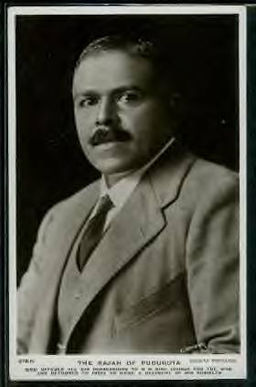
White women are the brown man's kryptonite. This isn't just blackpill cope or some incel fantasy — it's a pattern repeated across history, empires, and bloodlines. One of the clearest examples is Martanda Bhairava Tondaiman, the Raja of Pudukkottai, an Indian king who effectively gave up his kingdom, status, and power for an Australian White woman named Molly Fink. In the early 20th century, during the height of British colonial rule, this royal threw away centuries of dynasty for a White snowmaiden he met on a trip to Australia. If you're a brown man reading this on looksmax, pay attention — this story is a masterclass in the primal pull, the status trade-off, and the long-term consequences of chasing that pristine White femininity.Martanda Bhairava Tondaiman was born in 1875 into the ruling family of Pudukkottai, a princely state in what is now Tamil Nadu, South India. By the early 1900s, he was the Raja — educated in British style, Westernized in many ways, but still a ruler with real power under colonial oversight. Indian princes in that era lived in a strange limbo: semi-autonomous, wealthy, but ultimately answerable to the British Raj. Martanda had the typical royal trappings — palaces, titles, political influence. He was expected to marry strategically, probably within Indian royalty or elite circles, to secure alliances and produce heirs that fit the colonial-approved mold.
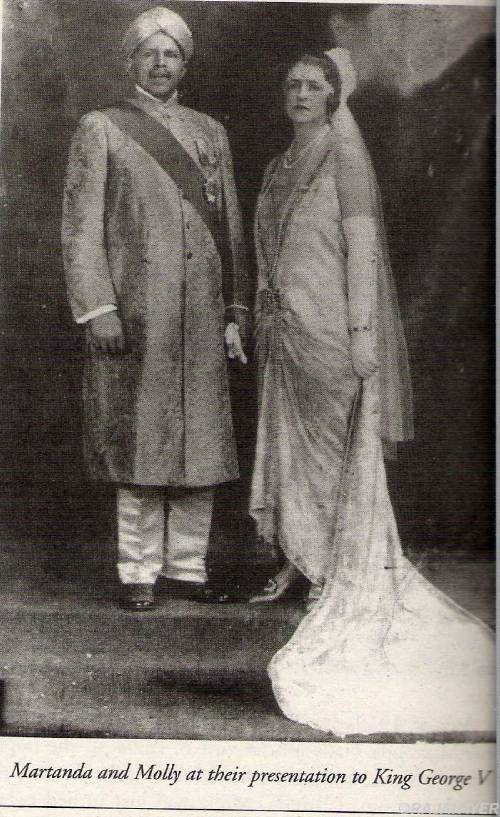
Instead, in March 1915, during a visit to Australia (then a British dominion), he checked into the Hotel Majestic Mansions in Melbourne. There he met Esme Mary Sorrett "Molly" Fink, a young Australian socialite born in 1894. Molly was White, attractive, from a respectable family — the kind of woman who embodied the colonial-era ideal of European femininity. The attraction was immediate and intense. Martanda followed her to Sydney, courted her quickly, and proposed within months. They married on 10 August 1915 in a civil ceremony at the registrar's office in Melbourne. No grand Indian wedding, no traditional rituals — just a swift union in Australia.
The couple honeymooned briefly, traveling to San Francisco for the Panama-Pacific Exposition, then returned to India. Molly arrived as the new Rani of Pudukkottai. This is where the real fallout began. British authorities refused to recognize the marriage. They denied Molly the title, privileges, and status of a Maharani. In colonial eyes, an Australian commoner marrying a ruling Indian prince was unacceptable — it threatened the racial and political hierarchy. The marriage was seen as a scandal that undermined British control over princely states. Martanda and Molly faced ostracism in Indian elite circles and from the colonial administration. Social life became impossible; the couple was isolated.
By 1916, they left India. Their son, Martanda Sydney Tondaiman, was born that year. The family spent time back in Australia (1916–1919), then moved between London and eventually settled in Cannes, France, where they bought a villa. In 1921, Martanda formally relinquished his claim to the throne, nominating his brother to administer the state. He chose his White wife and family over his kingdom. He died in 1928 at around age 52–53, cremated in London. Molly lived until 1967. Their son navigated a hybrid identity in Europe.
This wasn't a minor indiscretion. Martanda gave up real power — administration of a state, titles, wealth tied to rulership — for Molly. In the looksmax lens, it's the ultimate example of White female hypergamy and the brown man's weakness for it. White women, with their pale skin, Euro features, and status in the colonial world, represented the pinnacle. For a brown king surrounded by arranged options within his culture, the contrast was overwhelming. Pale skin, light eyes or features, the "exotic" allure in reverse — it short-circuited his duty. Brown men across history have thrown away status, family, and legacy for White women. It's primal. Something in the contrast — dark vs. light, the forbidden fruit of the colonizer's women — awakens a deep response. The Raja saw pristine White femininity and couldn't resist.Look at the timeline. 1915 Australia: White society, no massive Indian diaspora pressure. Martanda, a ruler visiting the West, encounters a White socialite. Quick courtship, marriage, exile. The British backlash was predictable — interracial royal marriages threatened the empire's racial order. Yet he chose her. In looksmax terms, White women act as kryptonite because they combine visual appeal (fair skin prized in many brown cultures via colorism) with status signaling. In colonial times, marrying White was the ultimate flex or downfall, depending on the outcome. For Martanda, it was both — personal fulfillment at the cost of his throne.
Broader pattern in the era: Indian men in Australia or Europe (students, professionals, visitors) occasionally formed relationships with White women despite the White Australia Policy and social barriers. Numbers were small due to immigration restrictions, but cases existed. Mixed children faced identity issues, discrimination, or assimilation pressures. The royal marriage stands out because of the stakes — a king abdicating influence for love (or lust). Personal anecdotes from the time describe the scandal in Melbourne and Indian circles: gossip about the "native prince" stealing an Australian girl, family disapproval, British memos decrying the union. Molly adapted but lived in a kind of exile; the son grew up between worlds.
This story hits hard because it shows the power dynamic. Brown men, even kings with arranged options, can be paralyzed by White beauty. Pale skin, the "bubblegum pink" ideal in some fetishes, the contrast — it overrides duty. Colorism in Indian culture (fair skin prized for marriage, status) makes White women the ultimate prize. Bollywood reinforces it with fair actresses. The Raja saw it and folded. He gave up kingdom for the snowmaiden.In modern terms, this is the same pull you see in diaspora communities — successful Indian men in the West pairing with White women at higher rates in some data. Status + visual contrast. For looksmax bros, the lesson is double-edged: ascension (money, looks, frame) can open White options, but it can also be kryptonite that distracts from legacy and bloodline. The Raja's son didn't inherit the throne. The line shifted. Blood diluted in exile.
White women remain the brown man's kryptonite because they represent the forbidden, the high-status, the visually opposite. Pristine pale skin against brown tone creates that primal reaction. The Raja's story proves it — power, duty, kingdom sacrificed on the altar of White femininity. Study the history, understand the pull, and decide if it's worth the cost. Many brown men throughout the 20th century followed similar paths in smaller ways: professionals in Australia or Europe marrying White, producing mixed children, navigating identity. The pattern holds.

 en.wikipedia.org
@Awest
@Chadeep
@Resonance
@160cmcurry
@Jason Voorhees
Instead, in March 1915, during a visit to Australia (then a British dominion), he checked into the Hotel Majestic Mansions in Melbourne. There he met Esme Mary Sorrett "Molly" Fink, a young Australian socialite born in 1894. Molly was White, attractive, from a respectable family — the kind of woman who embodied the colonial-era ideal of European femininity. The attraction was immediate and intense. Martanda followed her to Sydney, courted her quickly, and proposed within months. They married on 10 August 1915 in a civil ceremony at the registrar's office in Melbourne. No grand Indian wedding, no traditional rituals — just a swift union in Australia.
The couple honeymooned briefly, traveling to San Francisco for the Panama-Pacific Exposition, then returned to India. Molly arrived as the new Rani of Pudukkottai. This is where the real fallout began. British authorities refused to recognize the marriage. They denied Molly the title, privileges, and status of a Maharani. In colonial eyes, an Australian commoner marrying a ruling Indian prince was unacceptable — it threatened the racial and political hierarchy. The marriage was seen as a scandal that undermined British control over princely states. Martanda and Molly faced ostracism in Indian elite circles and from the colonial administration. Social life became impossible; the couple was isolated.
By 1916, they left India. Their son, Martanda Sydney Tondaiman, was born that year. The family spent time back in Australia (1916–1919), then moved between London and eventually settled in Cannes, France, where they bought a villa. In 1921, Martanda formally relinquished his claim to the throne, nominating his brother to administer the state. He chose his White wife and family over his kingdom. He died in 1928 at around age 52–53, cremated in London. Molly lived until 1967. Their son navigated a hybrid identity in Europe.
This wasn't a minor indiscretion. Martanda gave up real power — administration of a state, titles, wealth tied to rulership — for Molly. In the looksmax lens, it's the ultimate example of White female hypergamy and the brown man's weakness for it. White women, with their pale skin, Euro features, and status in the colonial world, represented the pinnacle. For a brown king surrounded by arranged options within his culture, the contrast was overwhelming. Pale skin, light eyes or features, the "exotic" allure in reverse — it short-circuited his duty. Brown men across history have thrown away status, family, and legacy for White women. It's primal. Something in the contrast — dark vs. light, the forbidden fruit of the colonizer's women — awakens a deep response. The Raja saw pristine White femininity and couldn't resist.Look at the timeline. 1915 Australia: White society, no massive Indian diaspora pressure. Martanda, a ruler visiting the West, encounters a White socialite. Quick courtship, marriage, exile. The British backlash was predictable — interracial royal marriages threatened the empire's racial order. Yet he chose her. In looksmax terms, White women act as kryptonite because they combine visual appeal (fair skin prized in many brown cultures via colorism) with status signaling. In colonial times, marrying White was the ultimate flex or downfall, depending on the outcome. For Martanda, it was both — personal fulfillment at the cost of his throne.
Broader pattern in the era: Indian men in Australia or Europe (students, professionals, visitors) occasionally formed relationships with White women despite the White Australia Policy and social barriers. Numbers were small due to immigration restrictions, but cases existed. Mixed children faced identity issues, discrimination, or assimilation pressures. The royal marriage stands out because of the stakes — a king abdicating influence for love (or lust). Personal anecdotes from the time describe the scandal in Melbourne and Indian circles: gossip about the "native prince" stealing an Australian girl, family disapproval, British memos decrying the union. Molly adapted but lived in a kind of exile; the son grew up between worlds.
This story hits hard because it shows the power dynamic. Brown men, even kings with arranged options, can be paralyzed by White beauty. Pale skin, the "bubblegum pink" ideal in some fetishes, the contrast — it overrides duty. Colorism in Indian culture (fair skin prized for marriage, status) makes White women the ultimate prize. Bollywood reinforces it with fair actresses. The Raja saw it and folded. He gave up kingdom for the snowmaiden.In modern terms, this is the same pull you see in diaspora communities — successful Indian men in the West pairing with White women at higher rates in some data. Status + visual contrast. For looksmax bros, the lesson is double-edged: ascension (money, looks, frame) can open White options, but it can also be kryptonite that distracts from legacy and bloodline. The Raja's son didn't inherit the throne. The line shifted. Blood diluted in exile.
White women remain the brown man's kryptonite because they represent the forbidden, the high-status, the visually opposite. Pristine pale skin against brown tone creates that primal reaction. The Raja's story proves it — power, duty, kingdom sacrificed on the altar of White femininity. Study the history, understand the pull, and decide if it's worth the cost. Many brown men throughout the 20th century followed similar paths in smaller ways: professionals in Australia or Europe marrying White, producing mixed children, navigating identity. The pattern holds.
Martanda Bhairava Tondaiman - Wikipedia
@Awest
@Chadeep
@Resonance
@160cmcurry
@Jason Voorhees