The Resume Lie Tier List. Background checks explained

Jason Voorhees

Jason Voorhees

𝕸𝖊𝖗𝖈𝖊𝖓𝖆𝖗𝖞 𝕮𝖔𝖗𝖕 • 𝟐𝟎𝟐𝟒🥇
Joined
May 15, 2020
Posts
93,384
Reputation
282,701
In one of my thread @TheGreatDetective brought up a point about background checks and how far they go and that he'd known people who got away with lieing entire resumes..I'll explain what my experiences have been. I have experienced the first 3 tiers of hiring myself.

Tier 1: Startups (Typically under 300 people)

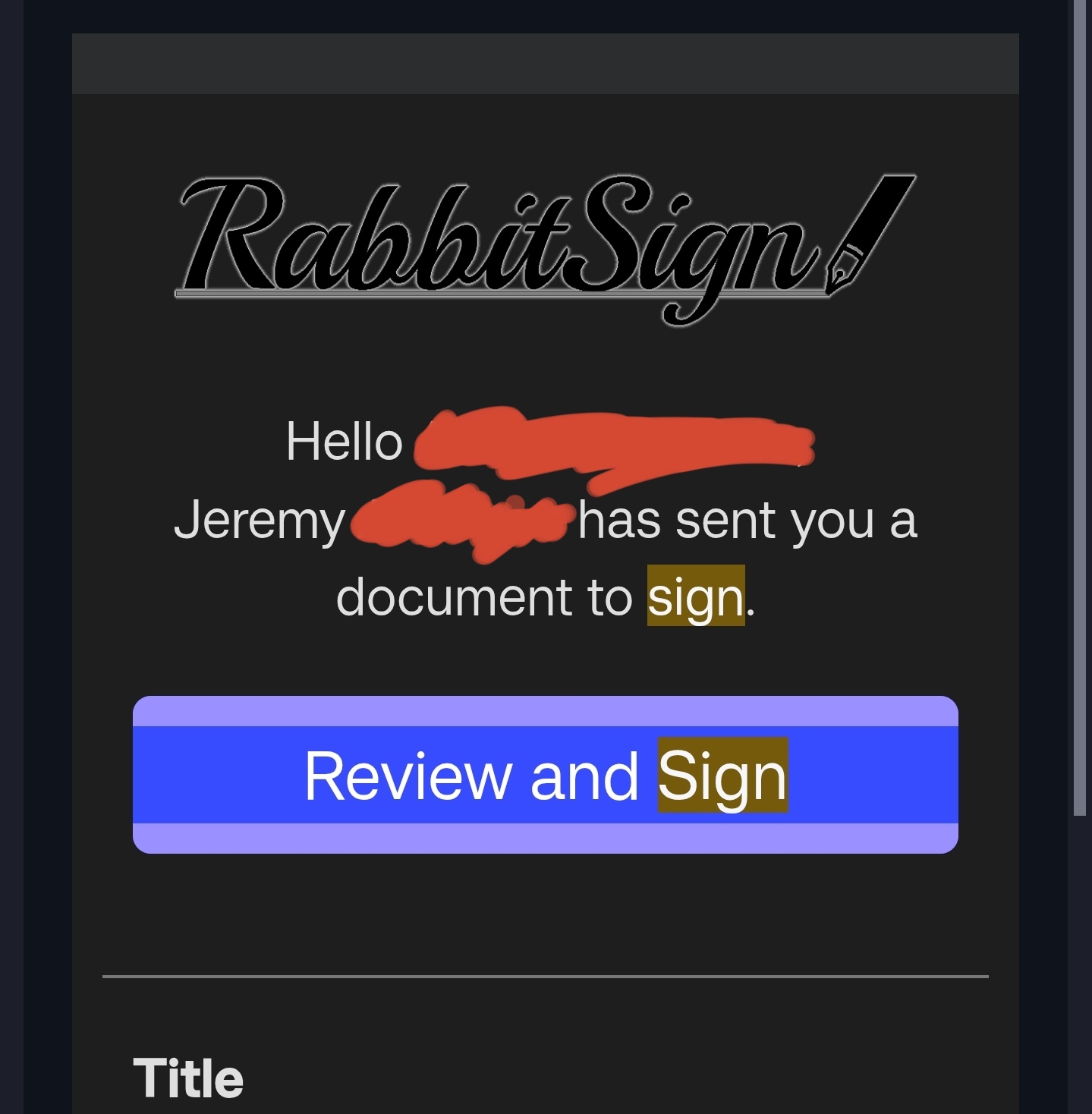
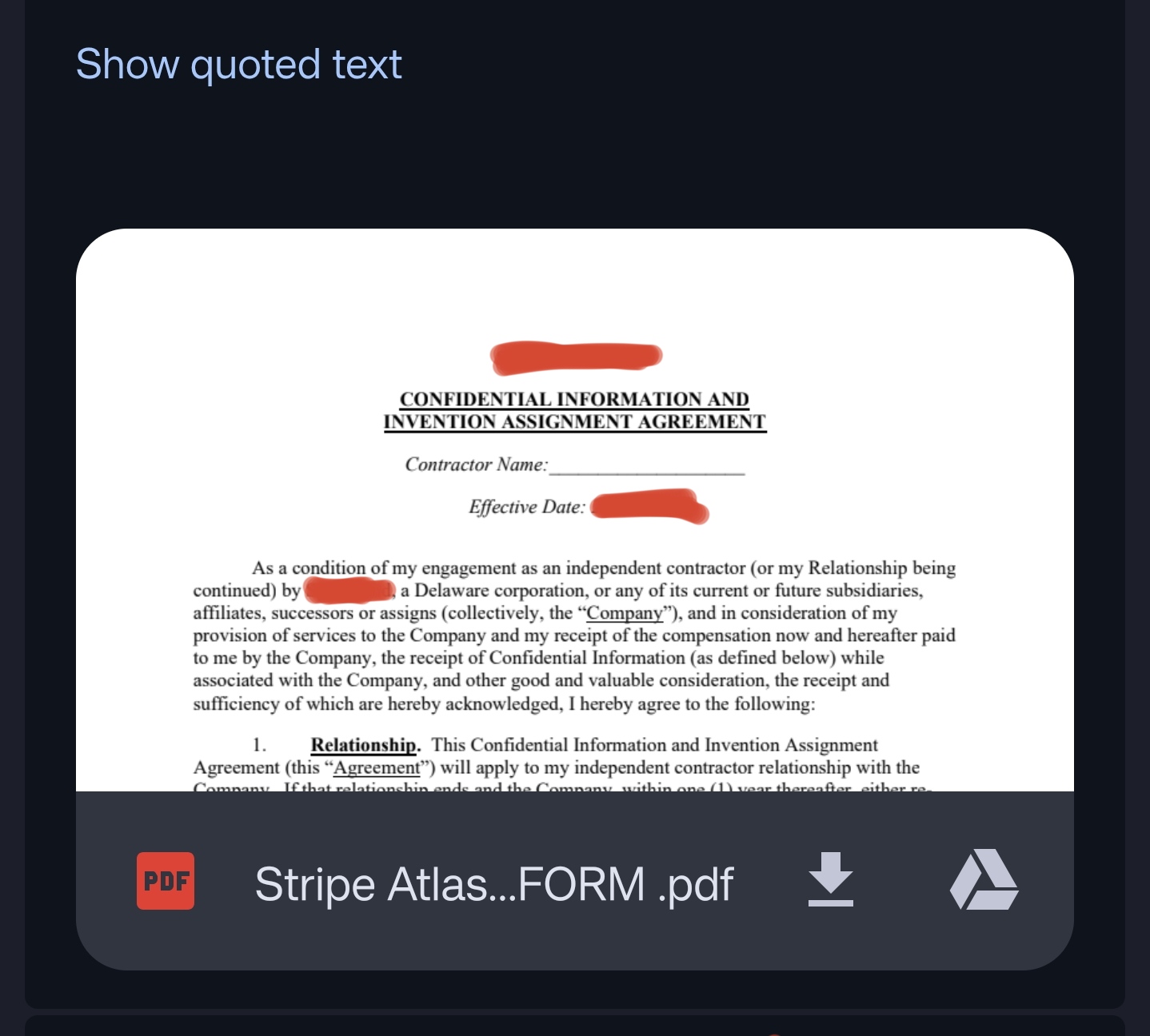
Usually nothing or close to it. Maybe an ID check maybe a casual can you give us a reference.email that nobody actually calls. They don't have a dedicated HR/compliance person yet and to be frank no time either. I've watched people get hired with fabricated experiences and tenure dates and nobody cares to check. You can tell just from the offer letter at most you're signing an NDA, maybe an IP assignment agreement but there's no real verification behind it.

This is what an offer typically looks like no background checks involved nobody asked me for transcripts or even bothered checking my degree. All I had to do was sign an NDA and that too virtually.
1000207762
1000207749


Tier 2: Mid-Size to Large Corporations


This is where third-party screening vendors come in. Checkr, HireRight, Sterling, Accurate.


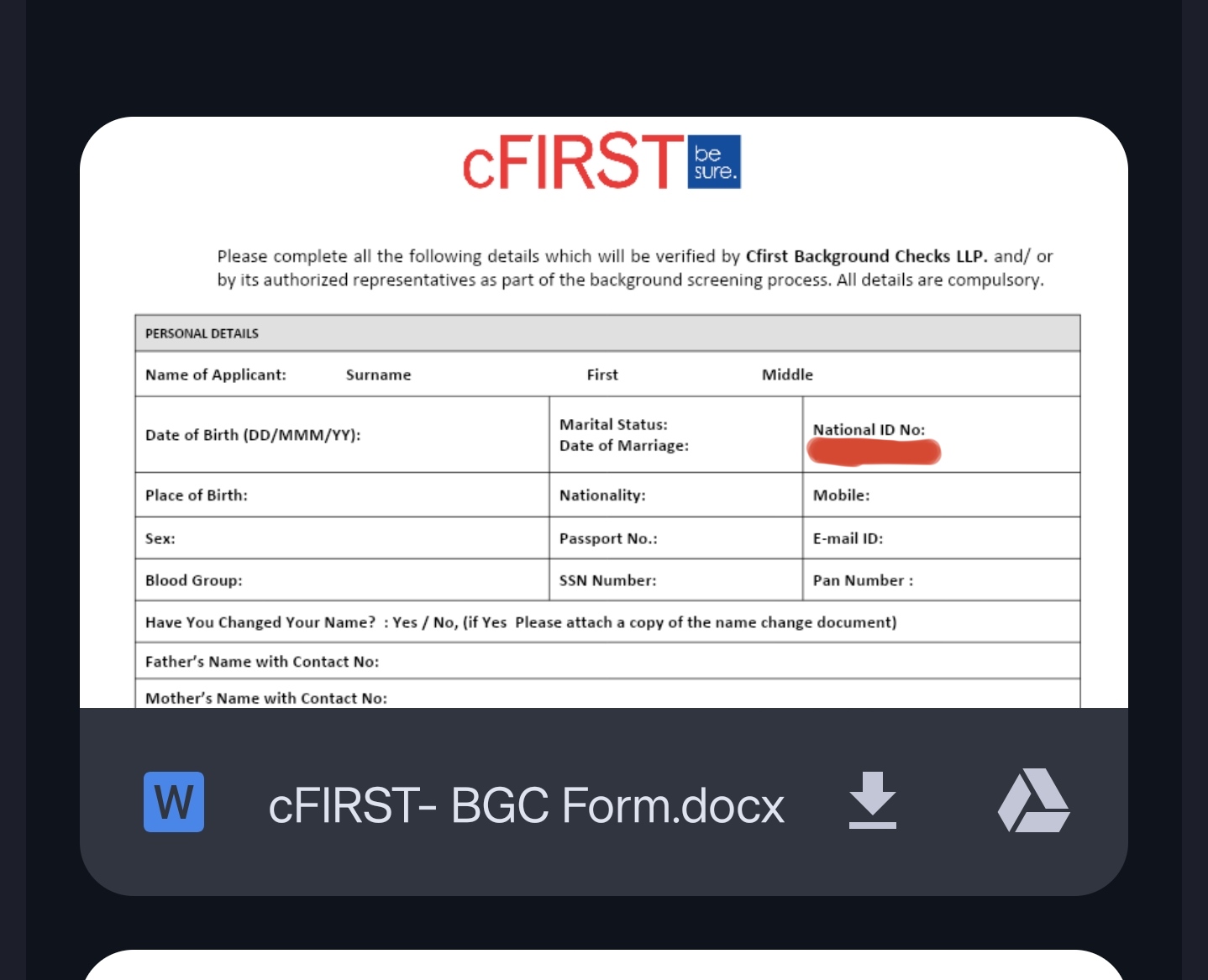
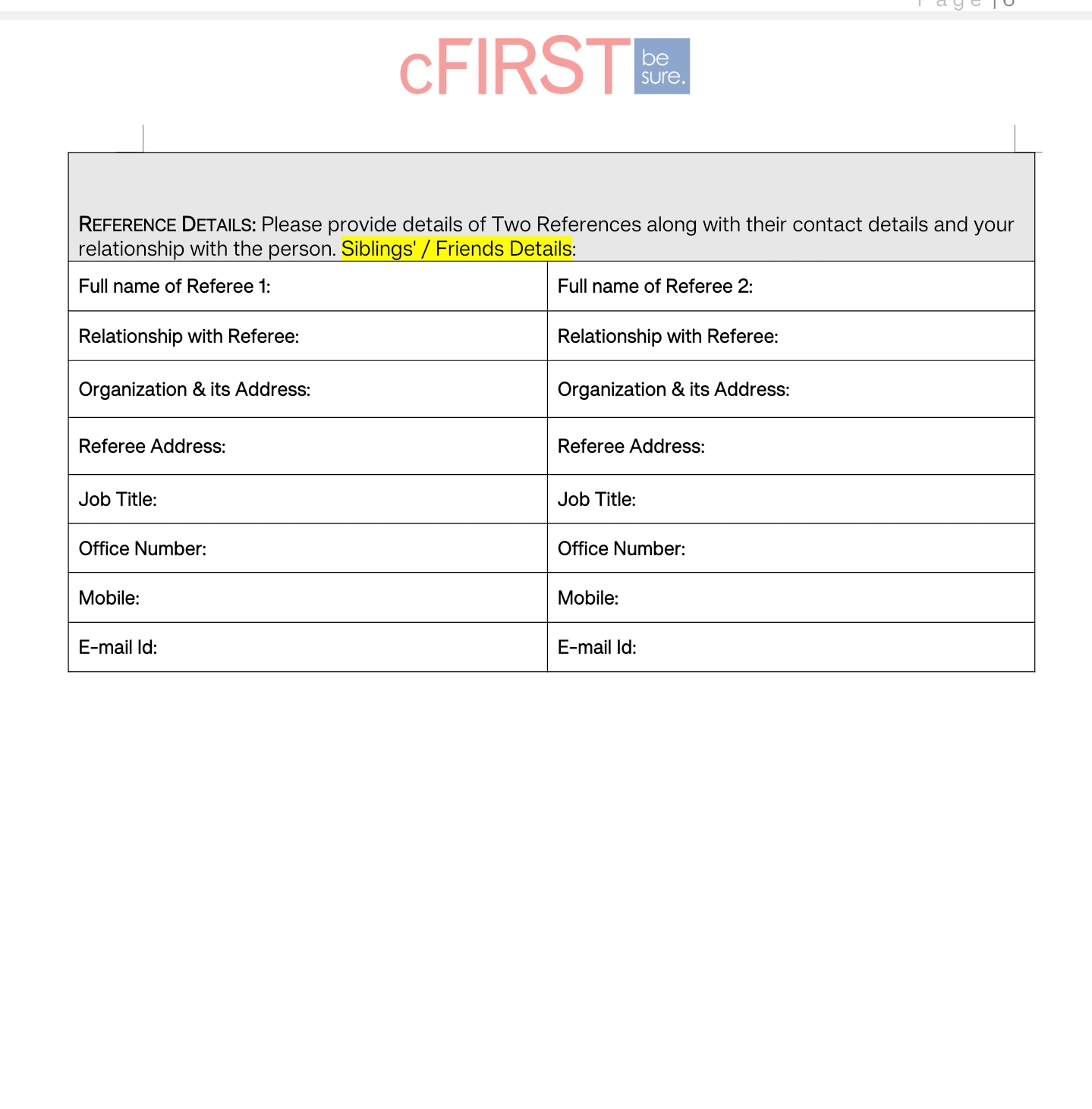
When dealing with major financial entities or massive multinational corporations, the background packet is a 10-page document. These companies run real checks, they are not just ticking boxes.This is cFirst form I had to fill at Amex yes they even do it for internships especially the well paid ones that touch the core system architecture

1000207748
1000207771


They are verifying hard and checkable facts, not how impressive your bullet points sound. They typically check

• Employment: Direct verification with past HR departments or using automated databases like The Work Number to lock down exact dates. Most people don't even realize their tenure and pay history is sitting in something like the work number like this until a background check pulls it back instantly.

• Education: Direct confirmation with university registrars. Claiming a degree you do not have is an instant, unmitigated fail.

• Criminal & Identity: SSN traces tracking your address history alongside county, state, and federal record checks.

This is why I say exaggeration is fine, everyone does it but fabrication is dangerous. Rounding up a vague title or stretching the scope of your impact is normal but Inventing a job that never existed or a degree you did not earn is a time bomb.

Now let's talk about something that people don't talk about. This system has real gaps. The most common ones I've seen is

• 1099/contractor work has no W-2 and often no HR department to call, so people stretch contractor gigs into full time roles because there's nobody on the other end to verify it. I used to do this very early on when I was just a freelancer and I got away with it every single time

• Defunct companies are a known exploit. If the company went bankrupt years ago there's no HR to call, so some people specifically claim roles at companies that no longer exist but you need to realize this is a red flag. My friend did this once and got grilled by the HR

• Overseas employment is legally restricted and hard to verify, so some companies just accept it with lower confidence and don't let these people touch core architecture until they have proven themselves instead of chasing it down. I did not study in a US school but still this did not happen in my case and they did do thorough checks but it can for you if you are lucky.

This is how the lied on their whole resume and got away with it stories happen. It's not that nobody checks or outsmarting some billion dollar company, it's just that certain categories of work are just hard to verify.


Tier 3: Big Tech & Fortune 25

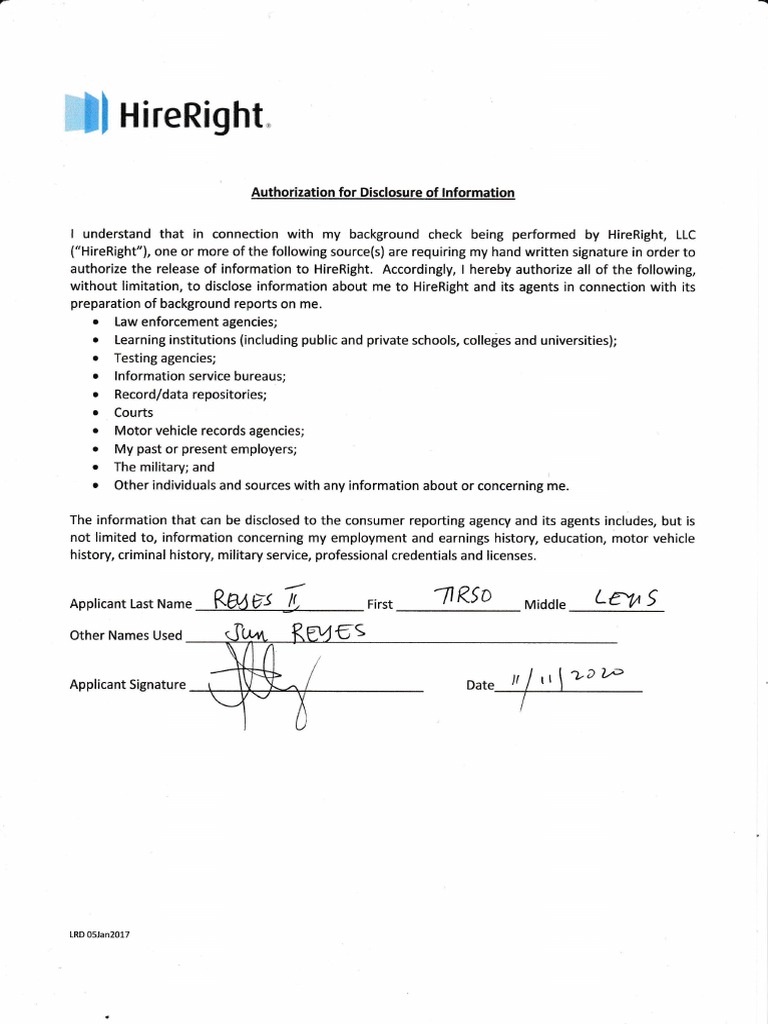
Think Google, Meta, Nvidia, Microsoft, Apple,AMD etc. They run the same core checks as mid-size companies but turn the strictness up significantly. I immediately got handed massive 20-30 page form from Hireright where you must legally attest to your history multiple times. I can't even show that to you without getting into trouble but it is very detailed. On top of all the checks I mentioned these companies also:

1000207773


• Continuous Screening: For roles touching critical infrastructure, security, or sensitive user data, companies re-run parts of your check periodically not just when hiring.

• Backchannel References: Recruiters do not just call the references you give them. They look through LinkedIn for mutual connections on your past teams to get the unfiltered truth about what you were like to work with. I can personally vouch for this happening to me.

Tier 3.5: Regulated Industries (Finance, Healthcare, Legal)

This one's separate from company size entirely. Doesn't matter if you're at a 50 person shop or a megacorp if the role touches a regulated profession, there's a mandatory extra layer. I didn't too much research for this thread but I know they exist and are quite stringent. This is exactly why someone can coast through a small startup with lofty claims but the second they try to move into a regulated role, it falls apart instantly.

Tier 4: The C-Suite & Executive Level

Regardless of company size, executive vetting is very invasive because a C suite hires are the face of the brand and company. If a CEO,CFO does some bullshit, harrasment etc the company stock can drop into the gutter in two days and can be the kind of PR nightmare that you cannot recover from so companies completely bypass standard HR vendors and call in specialized corporate intelligence firms like Kroll, Mintz Group, or the forensic arms of the Big Four (like KPMG Forensics). Yes it is indeed a thing and they are extremely thorough people physcially show up to the places they worked at inquire. On top of standard verification, they run deep litigation history searches, regulatory action checks, and full media/reputation sweeps.


Skipping this depth has completely destroyed corporate giants. Look back at the Enron scandal in the early 2000s.


Post-Enron, laws like the Sarbanes-Oxley Act


shifted legal and financial accountability straight to corporate boards which is why executive checks became so brutal. If a board fails to catch a fraudulent executive profile in 2026 they face immediate shareholder lawsuits so no stone gets unturned when they hire execs

• Scott Thompson (Yahoo CEO, 2012): Ousted after just four months when an activist shareholder discovered he fabricated a Computer Science degree (his college didn't even offer the major when he graduated).


• Kenneth Lonchar (Veritas Software CFO, 2002): Forced to resign immediately after it was exposed that his claimed Stanford MBA was entirely made up.


Tier 5: Defense Contractors & National Security Roles

If you are moving into aerospace, defense, or government contract work like say Lockheed Martin, Northrop Grumman, Raytheon, certain roles in Boeing and Palantir.

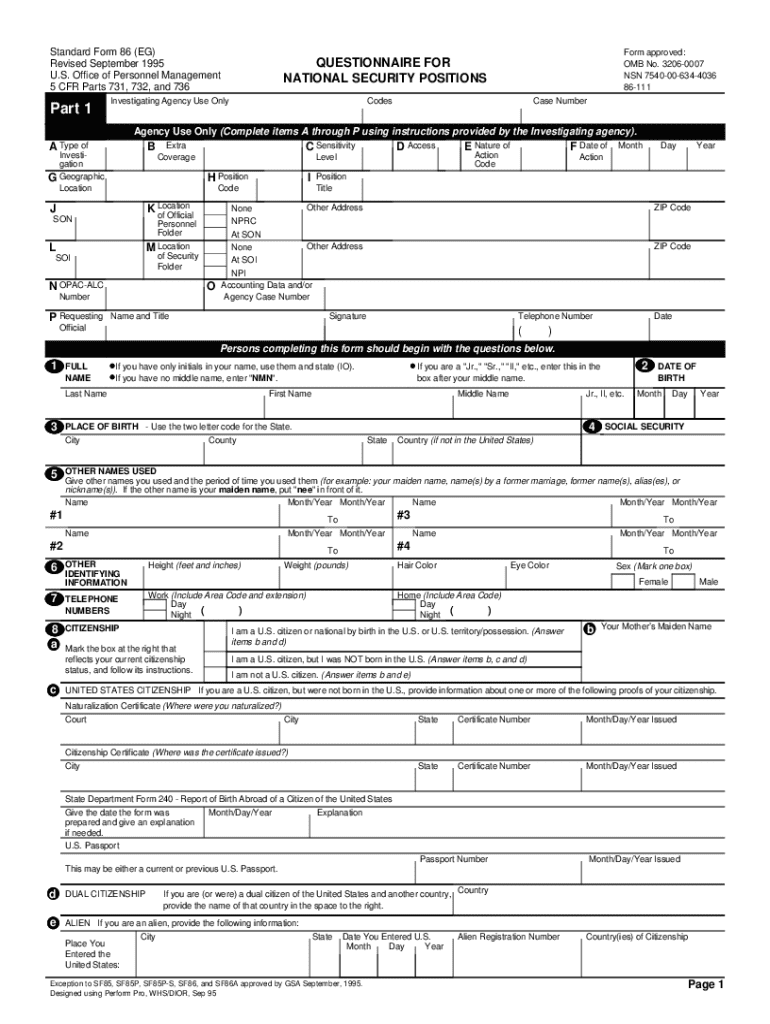
Standard corporate checks are nothing. In the US, you will have to fill SF-86 (Questionnaire for National Security Positions).


1000207777


This is a 100+ page biography of your entire life. It maps out ten years of foreign travel, foreign contacts, tax liens, bankruptcies and substance use. Websites you visited, social media posts, you comments every little thing.

Falsifying a material fact on an SF-86 is a federal felony also .For Secret and Top Secret clearances, federal investigators actively vet you. They do not just call your references; they physically show up at your old jobs, interview your old managers, and literally knock on your neighbors' doors. Some engineers are also required a polygraph lie detector test. I'm not joking and the government uses Continuous Vetting to monitor real time financial or legal red flags.

P.S None of this is global standard.
Everything above is largely describing the US system because I only worked for US companies at large and in US all policies are employer sided and are more permissive. Things are a lot more lax and informal in Europe compared to the US. GDPR infact even puts real legal limits on what employers can even ask or retain. It's not that people are more honest elsewhere, it's that the checking infrastructure isn't as robust so your mileage may vary depending on your country.

TLDR- Background check scales with company size, role sensitivity, industry, and even country. Startups check almost nothing; mid-size and big tech verify employment, education and so on and so forth as you climb the corporate ladder. My advice is to exagerrate and lie a little bit. Exaggeration is tolerated everywhere, but fabrication is much muc riskier and even gets criminal the higher and more regulated the role gets.
 
Last edited:
  • +1
  • Love it
  • Woah
Reactions: Navity, BeanCelll, Saint Casanova and 26 others
@inyerta @Sayori @Chadeep @imontheloose @Divineincel
 
  • +1
Reactions: Sayori, Glorious King, xaxanibber and 4 others
DNR but the easiest solution is to just get experience bruh
 
  • +1
Reactions: xaxanibber, filthycurrycel and Jason Voorhees
@Divineincel @mcmentalonthemic
 
  • +1
Reactions: xaxanibber, filthycurrycel, Revan and 1 other person
In one of my thread @TheGreatDetective brought up a point about background checks and how far they go and that he'd known people who got away with lieing entire resumes..I'll explain what my experiences have been. I have experienced the first 3 tiers of hiring myself.

Tier 1: Startups (Typically under 300 people)

Usually nothing or close to it. Maybe an ID check maybe a casual can you give us a reference.email that nobody actually calls. They don't have a dedicated HR/compliance person yet and to be frank no time either. I've watched people get hired with fabricated experiences and tenure dates and nobody cares to check. You can tell just from the offer letter at most you're signing an NDA, maybe an IP assignment agreement but there's no real verification behind it.

This is what an offer typically looks like no background checks involved nobody asked me for transcripts or even bothered checking my degree. All I had to do was sign an NDA and that too virtually.

View attachment 5257265View attachment 5257266


Tier 2: Mid-Size to Large Corporations


This is where third-party screening vendors come in. Checkr, HireRight, Sterling, Accurate.


When dealing with major financial entities or massive multinational corporations, the background packet is a 10-page document. These companies run real checks, they are not just ticking boxes.This is cFirst form I had to fill at Amex yes they even do it for internships especially the well paid ones that touch the core system architecture
View attachment 5257269View attachment 5257274

They are verifying hard and checkable facts, not how impressive your bullet points sound. They typically check

• Employment: Direct verification with past HR departments or using automated databases like The Work Number to lock down exact dates. Most people don't even realize their tenure and pay history is sitting in something like the work number like this until a background check pulls it back instantly.

• Education: Direct confirmation with university registrars. Claiming a degree you do not have is an instant, unmitigated fail.

• Criminal & Identity: SSN traces tracking your address history alongside county, state, and federal record checks.

This is why I say exaggeration is fine, everyone does it but fabrication is dangerous. Rounding up a vague title or stretching the scope of your impact is normal but Inventing a job that never existed or a degree you did not earn is a time bomb.

Now let's talk about something that people don't talk about. This system has real gaps. The most common ones I've seen is

• 1099/contractor work has no W-2 and often no HR department to call, so people stretch contractor gigs into full time roles because there's nobody on the other end to verify it. I used to do this very early on when I was just a freelancer and I got away with it every single time

• Defunct companies are a known exploit. If the company went bankrupt years ago there's no HR to call, so some people specifically claim roles at companies that no longer exist but you need to realize this is a red flag. My friend did this once and got grilled by the HR

• Overseas employment is legally restricted and hard to verify, so some companies just accept it with lower confidence and don't let these people touch core architecture until they have proven themselves instead of chasing it down. I did not study in a US school but still this did not happen in my case and they did do thorough checks but it can for you if you are lucky.

This is how the lied on their whole resume and got away with it stories happen. It's not that nobody checks or outsmarting some billion dollar company, it's just that certain categories of work are just hard to verify.


Tier 3: Big Tech & Fortune 25

Think Google, Meta, Nvidia, Microsoft, Apple,AMD etc. They run the same core checks as mid-size companies but turn the strictness up significantly. I immediately got handed massive 20-30 page form from Hireright where you must legally attest to your history multiple times. I can't even show that to you without getting into trouble but it is very detailed. On top of all the checks I mentioned these companies also:
View attachment 5257278

• Continuous Screening: For roles touching critical infrastructure, security, or sensitive user data, companies re-run parts of your check periodically not just when hiring.

• Backchannel References: Recruiters do not just call the references you give them. They look through LinkedIn for mutual connections on your past teams to get the unfiltered truth about what you were like to work with. I can personally vouch for this happening to me.

Tier 2.5: Regulated Industries (Finance, Healthcare, Legal)

This one's separate from company size entirely. Doesn't matter if you're at a 50 person shop or a megacorp if the role touches a regulated profession, there's a mandatory extra layer. I didn't too much research for this thread but I know they exist and are quite stringent. This is exactly why someone can coast through a small startup with lofty claims but the second they try to move into a regulated role, it falls apart instantly.

Tier 4: The C-Suite & Executive Level

Regardless of company size, executive vetting is very nvasive because a C suite hires is the face of the brand. If a CEO,CFO does some bullshit the company stock can drop into the gutter in two days and can be the kind of PR nightmare that you cannot recover from so companies completely bypass standard HR vendors and call in specialized corporate intelligence firms like Kroll, Mintz Group, or the forensic arms of the Big Four (like KPMG Forensics). Yes it is indeed a thing and they are extremely thorough people physcially show up to the places they worked at inquire. On top of standard verification, they run deep litigation history searches, regulatory action checks, and full media/reputation sweeps.


Skipping this depth has completely destroyed corporate giants. Look back at the Enron scandal in the early 2000s.


Post-Enron, laws like the Sarbanes-Oxley Act


shifted legal and financial accountability straight to corporate boards which is why executive checks became so brutal. If a board fails to catch a fraudulent executive profile in 2026 they face immediate shareholder lawsuits so no stone gets unturned when they hire execs

• Scott Thompson (Yahoo CEO, 2012): Ousted after just four months when an activist shareholder discovered he fabricated a Computer Science degree (his college didn't even offer the major when he graduated).


• Kenneth Lonchar (Veritas Software CFO, 2002): Forced to resign immediately after it was exposed that his claimed Stanford MBA was entirely made up.


Tier 5: Defense Contractors & National Security Roles

If you are moving into aerospace, defense, or government contract work like say Lockheed Martin, Northrop Grumman, Raytheon, certain roles in Boeing and Palantir.

Standard corporate checks are nothing. In the US, you will have to fill SF-86 (Questionnaire for National Security Positions).


View attachment 5257287


This is a 100+ page biography of your entire life. It maps out ten years of foreign travel, foreign contacts, tax liens, bankruptcies and substance use. Websites you visited, social media posts, you comments every little thing.

Falsifying a material fact on an SF-86 is a federal felony also .For Secret and Top Secret clearances, federal investigators actively vet you. They do not just call your references; they physically show up at your old jobs, interview your old managers, and literally knock on your neighbors' doors. Some engineers are also required a polygraph lie detector test. I'm not joking and the government uses Continuous Vetting to monitor real time financial or legal red flags.

P.S None of this is global standard.
Everything above is largely describing the US system because I only worked for US companies at large and in US all policies are employer sided and are more permissive. Things are a lot more lax and informal in Europe compared to the US. GDPR infact even puts real legal limits on what employers can even ask or retain. It's not that people are more honest elsewhere, it's that the checking infrastructure isn't as robust so your mileage may vary depending on your country.

TLDR- Background check scales with company size, role sensitivity, industry, and even country. Startups check almost nothing; mid-size and big tech verify employment, education and so on and so forth as you climb the corporate ladder. My advice is to exagerrate and lie a little bit. Exaggeration is tolerated everywhere, but fabrication is much muc riskier and even gets criminal the higher and more regulated the role gets.
How do you know all of this?
 
  • +1
Reactions: xaxanibber, Jason Voorhees and filthycurrycel
@munnabhai @crypsis @Revan @LTG
 
  • +1
Reactions: crypsis, munnabhai, xaxanibber and 2 others
  • +1
Reactions: xaxanibber, filthycurrycel and Divineincel
@Swarthy Knight @filthycurrycel @davidlaidisme67
 
  • +1
Reactions: xaxanibber, Revan and filthycurrycel
dnr
working is for slaves
 
  • +1
Reactions: Pickletoil, xaxanibber and Jason Voorhees
make a thread about how to fake identities and claim government funding from it
 
  • +1
Reactions: xaxanibber and Jason Voorhees
ill need to find a startup asap bro.

amazing thread as always
 
  • +1
  • Love it
Reactions: xaxanibber, zennn and Jason Voorhees
make a thread about how to fake identities and claim government funding from it
Don't have experience doing this ask @romanstock
 
  • +1
  • Love it
Reactions: xaxanibber, zennn and Revan
  • +1
Reactions: karmacitathugmaxx, xaxanibber, zennn and 1 other person
@Aën Fаrhis @optimisticzoomer @dhusc @italianltn
 
  • +1
Reactions: xaxanibber and zennn
@zennn @Glorious King
 
  • +1
Reactions: Glorious King, xaxanibber and zennn
reading ts at work btw thanks for tag:Bruh:
 
  • +1
Reactions: xaxanibber and Jason Voorhees
@Niebvll @theblueprints @Lemic
 
  • +1
Reactions: Niebvll and xaxanibber
finished reading

good thread
 
  • +1
Reactions: xaxanibber and Jason Voorhees
@xaxanibber
 
  • +1
Reactions: xaxanibber
@Nothing
 
  • +1
Reactions: xaxanibber and Nothing
this
thread
=LOL

People
hire
mostly
friends
and
family
with
the
bare
min
qualifications/experience
or
sometime
none.

You
think
they
care
about
any
shit
Jason
Wrote?

I
didnt
even
have
references
respond
to
background
checks
and
still
got
through
since
I
knew
the
MD.

This
world
is
pure
nepotism
and
corruption.

Dont
let
Jason
scare
you.

Plenty
shit
people
getting
good
jobs
with
nothing
much
due
to
connections.

I
have
great
quals
and
experience
and
still
needed
connections.
 
wow bro
 
  • +1
Reactions: Jason Voorhees
Will they appreciate an extensive and storied org account?
 
  • +1
Reactions: Jason Voorhees and karmacitathugmaxx
now THIS is the thread the people needed 🙌
 
  • +1
Reactions: Jason Voorhees
imagine spending 10 hours of your day, every day, just sitting around being painfully bored only to make just enough money to afford rent payments

or even worse imagine spending 10 hours of your day, every day, being a blue collar worker breaking your body painfully just to make enough money to afford rent payments
 
  • +1
Reactions: Jason Voorhees and Acquiescence
imagine spending 10 hours of your day, every day, just sitting around being painfully bored only to make just enough money to afford rent payments

or even worse imagine spending 10 hours of your day, every day, being a blue collar worker breaking your body painfully just to make enough money to afford rent payments
There’s no need to imagine this
 
  • +1
Reactions: Jason Voorhees
So can they find my org posts?
 
  • +1
Reactions: Jason Voorhees and Acquiescence
  • +1
Reactions: Surrender
Org posts no unless tier 5. Twitter posts, instagram posts snapchat yes.
If my email or name isnt liked to those accounts then how would they find out?
 
  • +1
Reactions: Jason Voorhees
  • +1
Reactions: Surrender
  • +1
  • WTF
Reactions: jozsef316@gmail and Jason Voorhees
Sorry im a grey to this

Ive heard of OSINT but i didnt think they would go that far
They usually don't tbh. It's only that education and experience they run background checks on.
 
  • +1
Reactions: Surrender
Thank god it’s easy as fuck to get hired in the construction world as a grunt laborer
Don't you want to become wolf of wall street type nigga with a cute princess
 
  • JFL
Reactions: Acquiescence
Don't you want to become wolf of wall street type nigga with a cute princess
Yes but it’s not within my capabilities

I am bloated beercan billy from ‘Bama maxxed
 
  • JFL
  • So Sad
Reactions: BeanCelll and Jason Voorhees
Yes but it’s not within my capabilities

I am bloated beercan billy from ‘Bama maxxed
You genuinely didn't give off those vibes from the pics tbh. I wouldn't even guess you work construction. You look like some sub urban nigga working in accounts or something
 
  • +1
Reactions: Acquiescence
You genuinely didn't give off those vibes from the pics tbh. I wouldn't even guess you work construction. You look like some sub urban nigga working in accounts or something
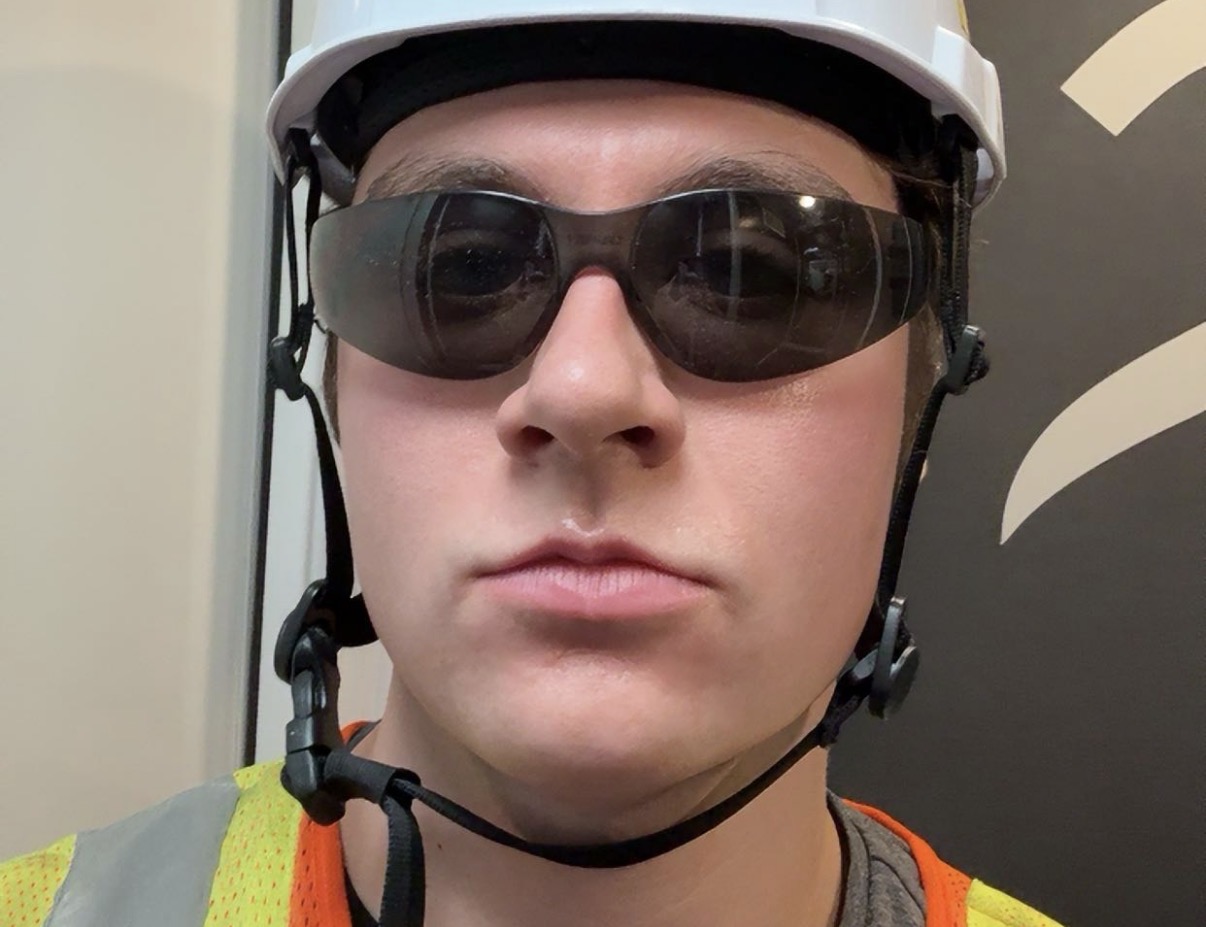
You must understand, dear Jason, that it is over for my career prospects
IMG 7689
 
  • So Sad
Reactions: Jason Voorhees
In one of my thread @TheGreatDetective brought up a point about background checks and how far they go and that he'd known people who got away with lieing entire resumes..I'll explain what my experiences have been. I have experienced the first 3 tiers of hiring myself.

Tier 1: Startups (Typically under 300 people)

Usually nothing or close to it. Maybe an ID check maybe a casual can you give us a reference.email that nobody actually calls. They don't have a dedicated HR/compliance person yet and to be frank no time either. I've watched people get hired with fabricated experiences and tenure dates and nobody cares to check. You can tell just from the offer letter at most you're signing an NDA, maybe an IP assignment agreement but there's no real verification behind it.

This is what an offer typically looks like no background checks involved nobody asked me for transcripts or even bothered checking my degree. All I had to do was sign an NDA and that too virtually.

View attachment 5257265View attachment 5257266


Tier 2: Mid-Size to Large Corporations


This is where third-party screening vendors come in. Checkr, HireRight, Sterling, Accurate.


When dealing with major financial entities or massive multinational corporations, the background packet is a 10-page document. These companies run real checks, they are not just ticking boxes.This is cFirst form I had to fill at Amex yes they even do it for internships especially the well paid ones that touch the core system architecture

View attachment 5257269View attachment 5257274

They are verifying hard and checkable facts, not how impressive your bullet points sound. They typically check

• Employment: Direct verification with past HR departments or using automated databases like The Work Number to lock down exact dates. Most people don't even realize their tenure and pay history is sitting in something like the work number like this until a background check pulls it back instantly.

• Education: Direct confirmation with university registrars. Claiming a degree you do not have is an instant, unmitigated fail.

• Criminal & Identity: SSN traces tracking your address history alongside county, state, and federal record checks.

This is why I say exaggeration is fine, everyone does it but fabrication is dangerous. Rounding up a vague title or stretching the scope of your impact is normal but Inventing a job that never existed or a degree you did not earn is a time bomb.

Now let's talk about something that people don't talk about. This system has real gaps. The most common ones I've seen is

• 1099/contractor work has no W-2 and often no HR department to call, so people stretch contractor gigs into full time roles because there's nobody on the other end to verify it. I used to do this very early on when I was just a freelancer and I got away with it every single time

• Defunct companies are a known exploit. If the company went bankrupt years ago there's no HR to call, so some people specifically claim roles at companies that no longer exist but you need to realize this is a red flag. My friend did this once and got grilled by the HR

• Overseas employment is legally restricted and hard to verify, so some companies just accept it with lower confidence and don't let these people touch core architecture until they have proven themselves instead of chasing it down. I did not study in a US school but still this did not happen in my case and they did do thorough checks but it can for you if you are lucky.

This is how the lied on their whole resume and got away with it stories happen. It's not that nobody checks or outsmarting some billion dollar company, it's just that certain categories of work are just hard to verify.


Tier 3: Big Tech & Fortune 25

Think Google, Meta, Nvidia, Microsoft, Apple,AMD etc. They run the same core checks as mid-size companies but turn the strictness up significantly. I immediately got handed massive 20-30 page form from Hireright where you must legally attest to your history multiple times. I can't even show that to you without getting into trouble but it is very detailed. On top of all the checks I mentioned these companies also:

View attachment 5257278

• Continuous Screening: For roles touching critical infrastructure, security, or sensitive user data, companies re-run parts of your check periodically not just when hiring.

• Backchannel References: Recruiters do not just call the references you give them. They look through LinkedIn for mutual connections on your past teams to get the unfiltered truth about what you were like to work with. I can personally vouch for this happening to me.

Tier 2.5: Regulated Industries (Finance, Healthcare, Legal)

This one's separate from company size entirely. Doesn't matter if you're at a 50 person shop or a megacorp if the role touches a regulated profession, there's a mandatory extra layer. I didn't too much research for this thread but I know they exist and are quite stringent. This is exactly why someone can coast through a small startup with lofty claims but the second they try to move into a regulated role, it falls apart instantly.

Tier 4: The C-Suite & Executive Level

Regardless of company size, executive vetting is very nvasive because a C suite hires is the face of the brand. If a CEO,CFO does some bullshit the company stock can drop into the gutter in two days and can be the kind of PR nightmare that you cannot recover from so companies completely bypass standard HR vendors and call in specialized corporate intelligence firms like Kroll, Mintz Group, or the forensic arms of the Big Four (like KPMG Forensics). Yes it is indeed a thing and they are extremely thorough people physcially show up to the places they worked at inquire. On top of standard verification, they run deep litigation history searches, regulatory action checks, and full media/reputation sweeps.


Skipping this depth has completely destroyed corporate giants. Look back at the Enron scandal in the early 2000s.


Post-Enron, laws like the Sarbanes-Oxley Act


shifted legal and financial accountability straight to corporate boards which is why executive checks became so brutal. If a board fails to catch a fraudulent executive profile in 2026 they face immediate shareholder lawsuits so no stone gets unturned when they hire execs

• Scott Thompson (Yahoo CEO, 2012): Ousted after just four months when an activist shareholder discovered he fabricated a Computer Science degree (his college didn't even offer the major when he graduated).


• Kenneth Lonchar (Veritas Software CFO, 2002): Forced to resign immediately after it was exposed that his claimed Stanford MBA was entirely made up.


Tier 5: Defense Contractors & National Security Roles

If you are moving into aerospace, defense, or government contract work like say Lockheed Martin, Northrop Grumman, Raytheon, certain roles in Boeing and Palantir.

Standard corporate checks are nothing. In the US, you will have to fill SF-86 (Questionnaire for National Security Positions).


View attachment 5257287


This is a 100+ page biography of your entire life. It maps out ten years of foreign travel, foreign contacts, tax liens, bankruptcies and substance use. Websites you visited, social media posts, you comments every little thing.

Falsifying a material fact on an SF-86 is a federal felony also .For Secret and Top Secret clearances, federal investigators actively vet you. They do not just call your references; they physically show up at your old jobs, interview your old managers, and literally knock on your neighbors' doors. Some engineers are also required a polygraph lie detector test. I'm not joking and the government uses Continuous Vetting to monitor real time financial or legal red flags.

P.S None of this is global standard.
Everything above is largely describing the US system because I only worked for US companies at large and in US all policies are employer sided and are more permissive. Things are a lot more lax and informal in Europe compared to the US. GDPR infact even puts real legal limits on what employers can even ask or retain. It's not that people are more honest elsewhere, it's that the checking infrastructure isn't as robust so your mileage may vary depending on your country.

TLDR- Background check scales with company size, role sensitivity, industry, and even country. Startups check almost nothing; mid-size and big tech verify employment, education and so on and so forth as you climb the corporate ladder. My advice is to exagerrate and lie a little bit. Exaggeration is tolerated everywhere, but fabrication is much muc riskier and even gets criminal the higher and more regulated the role gets.
Amazing thread but this only really goes for proper, skilled and more corporate jobs.

If you're looking to have any low level jobs the only thing that (might) get read is your CV/resume.

Mcdonalds isn't doing any of this :lul:
 
  • +1
Reactions: Acquiescence and Jason Voorhees
In one of my thread @TheGreatDetective brought up a point about background checks and how far they go and that he'd known people who got away with lieing entire resumes..I'll explain what my experiences have been. I have experienced the first 3 tiers of hiring myself.

Tier 1: Startups (Typically under 300 people)

Usually nothing or close to it. Maybe an ID check maybe a casual can you give us a reference.email that nobody actually calls. They don't have a dedicated HR/compliance person yet and to be frank no time either. I've watched people get hired with fabricated experiences and tenure dates and nobody cares to check. You can tell just from the offer letter at most you're signing an NDA, maybe an IP assignment agreement but there's no real verification behind it.

This is what an offer typically looks like no background checks involved nobody asked me for transcripts or even bothered checking my degree. All I had to do was sign an NDA and that too virtually.

View attachment 5257265View attachment 5257266


Tier 2: Mid-Size to Large Corporations


This is where third-party screening vendors come in. Checkr, HireRight, Sterling, Accurate.


When dealing with major financial entities or massive multinational corporations, the background packet is a 10-page document. These companies run real checks, they are not just ticking boxes.This is cFirst form I had to fill at Amex yes they even do it for internships especially the well paid ones that touch the core system architecture

View attachment 5257269View attachment 5257274

They are verifying hard and checkable facts, not how impressive your bullet points sound. They typically check

• Employment: Direct verification with past HR departments or using automated databases like The Work Number to lock down exact dates. Most people don't even realize their tenure and pay history is sitting in something like the work number like this until a background check pulls it back instantly.

• Education: Direct confirmation with university registrars. Claiming a degree you do not have is an instant, unmitigated fail.

• Criminal & Identity: SSN traces tracking your address history alongside county, state, and federal record checks.

This is why I say exaggeration is fine, everyone does it but fabrication is dangerous. Rounding up a vague title or stretching the scope of your impact is normal but Inventing a job that never existed or a degree you did not earn is a time bomb.

Now let's talk about something that people don't talk about. This system has real gaps. The most common ones I've seen is

• 1099/contractor work has no W-2 and often no HR department to call, so people stretch contractor gigs into full time roles because there's nobody on the other end to verify it. I used to do this very early on when I was just a freelancer and I got away with it every single time

• Defunct companies are a known exploit. If the company went bankrupt years ago there's no HR to call, so some people specifically claim roles at companies that no longer exist but you need to realize this is a red flag. My friend did this once and got grilled by the HR

• Overseas employment is legally restricted and hard to verify, so some companies just accept it with lower confidence and don't let these people touch core architecture until they have proven themselves instead of chasing it down. I did not study in a US school but still this did not happen in my case and they did do thorough checks but it can for you if you are lucky.

This is how the lied on their whole resume and got away with it stories happen. It's not that nobody checks or outsmarting some billion dollar company, it's just that certain categories of work are just hard to verify.


Tier 3: Big Tech & Fortune 25

Think Google, Meta, Nvidia, Microsoft, Apple,AMD etc. They run the same core checks as mid-size companies but turn the strictness up significantly. I immediately got handed massive 20-30 page form from Hireright where you must legally attest to your history multiple times. I can't even show that to you without getting into trouble but it is very detailed. On top of all the checks I mentioned these companies also:

View attachment 5257278

• Continuous Screening: For roles touching critical infrastructure, security, or sensitive user data, companies re-run parts of your check periodically not just when hiring.

• Backchannel References: Recruiters do not just call the references you give them. They look through LinkedIn for mutual connections on your past teams to get the unfiltered truth about what you were like to work with. I can personally vouch for this happening to me.

Tier 3.5: Regulated Industries (Finance, Healthcare, Legal)

This one's separate from company size entirely. Doesn't matter if you're at a 50 person shop or a megacorp if the role touches a regulated profession, there's a mandatory extra layer. I didn't too much research for this thread but I know they exist and are quite stringent. This is exactly why someone can coast through a small startup with lofty claims but the second they try to move into a regulated role, it falls apart instantly.

Tier 4: The C-Suite & Executive Level

Regardless of company size, executive vetting is very invasive because a C suite hires are the face of the brand and company. If a CEO,CFO does some bullshit, harrasment etc the company stock can drop into the gutter in two days and can be the kind of PR nightmare that you cannot recover from so companies completely bypass standard HR vendors and call in specialized corporate intelligence firms like Kroll, Mintz Group, or the forensic arms of the Big Four (like KPMG Forensics). Yes it is indeed a thing and they are extremely thorough people physcially show up to the places they worked at inquire. On top of standard verification, they run deep litigation history searches, regulatory action checks, and full media/reputation sweeps.


Skipping this depth has completely destroyed corporate giants. Look back at the Enron scandal in the early 2000s.


Post-Enron, laws like the Sarbanes-Oxley Act


shifted legal and financial accountability straight to corporate boards which is why executive checks became so brutal. If a board fails to catch a fraudulent executive profile in 2026 they face immediate shareholder lawsuits so no stone gets unturned when they hire execs

• Scott Thompson (Yahoo CEO, 2012): Ousted after just four months when an activist shareholder discovered he fabricated a Computer Science degree (his college didn't even offer the major when he graduated).


• Kenneth Lonchar (Veritas Software CFO, 2002): Forced to resign immediately after it was exposed that his claimed Stanford MBA was entirely made up.


Tier 5: Defense Contractors & National Security Roles

If you are moving into aerospace, defense, or government contract work like say Lockheed Martin, Northrop Grumman, Raytheon, certain roles in Boeing and Palantir.

Standard corporate checks are nothing. In the US, you will have to fill SF-86 (Questionnaire for National Security Positions).


View attachment 5257287


This is a 100+ page biography of your entire life. It maps out ten years of foreign travel, foreign contacts, tax liens, bankruptcies and substance use. Websites you visited, social media posts, you comments every little thing.

Falsifying a material fact on an SF-86 is a federal felony also .For Secret and Top Secret clearances, federal investigators actively vet you. They do not just call your references; they physically show up at your old jobs, interview your old managers, and literally knock on your neighbors' doors. Some engineers are also required a polygraph lie detector test. I'm not joking and the government uses Continuous Vetting to monitor real time financial or legal red flags.

P.S None of this is global standard.
Everything above is largely describing the US system because I only worked for US companies at large and in US all policies are employer sided and are more permissive. Things are a lot more lax and informal in Europe compared to the US. GDPR infact even puts real legal limits on what employers can even ask or retain. It's not that people are more honest elsewhere, it's that the checking infrastructure isn't as robust so your mileage may vary depending on your country.

TLDR- Background check scales with company size, role sensitivity, industry, and even country. Startups check almost nothing; mid-size and big tech verify employment, education and so on and so forth as you climb the corporate ladder. My advice is to exagerrate and lie a little bit. Exaggeration is tolerated everywhere, but fabrication is much muc riskier and even gets criminal the higher and more regulated the role gets.
I Gen got saved that I work at a start up, I’m going to keep this in mind when lying on my resume
 
  • +1
Reactions: Jason Voorhees
In one of my thread @TheGreatDetective brought up a point about background checks and how far they go and that he'd known people who got away with lieing entire resumes..I'll explain what my experiences have been. I have experienced the first 3 tiers of hiring myself.

Tier 1: Startups (Typically under 300 people)

Usually nothing or close to it. Maybe an ID check maybe a casual can you give us a reference.email that nobody actually calls. They don't have a dedicated HR/compliance person yet and to be frank no time either. I've watched people get hired with fabricated experiences and tenure dates and nobody cares to check. You can tell just from the offer letter at most you're signing an NDA, maybe an IP assignment agreement but there's no real verification behind it.

This is what an offer typically looks like no background checks involved nobody asked me for transcripts or even bothered checking my degree. All I had to do was sign an NDA and that too virtually.

View attachment 5257265View attachment 5257266


Tier 2: Mid-Size to Large Corporations


This is where third-party screening vendors come in. Checkr, HireRight, Sterling, Accurate.


When dealing with major financial entities or massive multinational corporations, the background packet is a 10-page document. These companies run real checks, they are not just ticking boxes.This is cFirst form I had to fill at Amex yes they even do it for internships especially the well paid ones that touch the core system architecture

View attachment 5257269View attachment 5257274

They are verifying hard and checkable facts, not how impressive your bullet points sound. They typically check

• Employment: Direct verification with past HR departments or using automated databases like The Work Number to lock down exact dates. Most people don't even realize their tenure and pay history is sitting in something like the work number like this until a background check pulls it back instantly.

• Education: Direct confirmation with university registrars. Claiming a degree you do not have is an instant, unmitigated fail.

• Criminal & Identity: SSN traces tracking your address history alongside county, state, and federal record checks.

This is why I say exaggeration is fine, everyone does it but fabrication is dangerous. Rounding up a vague title or stretching the scope of your impact is normal but Inventing a job that never existed or a degree you did not earn is a time bomb.

Now let's talk about something that people don't talk about. This system has real gaps. The most common ones I've seen is

• 1099/contractor work has no W-2 and often no HR department to call, so people stretch contractor gigs into full time roles because there's nobody on the other end to verify it. I used to do this very early on when I was just a freelancer and I got away with it every single time

• Defunct companies are a known exploit. If the company went bankrupt years ago there's no HR to call, so some people specifically claim roles at companies that no longer exist but you need to realize this is a red flag. My friend did this once and got grilled by the HR

• Overseas employment is legally restricted and hard to verify, so some companies just accept it with lower confidence and don't let these people touch core architecture until they have proven themselves instead of chasing it down. I did not study in a US school but still this did not happen in my case and they did do thorough checks but it can for you if you are lucky.

This is how the lied on their whole resume and got away with it stories happen. It's not that nobody checks or outsmarting some billion dollar company, it's just that certain categories of work are just hard to verify.


Tier 3: Big Tech & Fortune 25

Think Google, Meta, Nvidia, Microsoft, Apple,AMD etc. They run the same core checks as mid-size companies but turn the strictness up significantly. I immediately got handed massive 20-30 page form from Hireright where you must legally attest to your history multiple times. I can't even show that to you without getting into trouble but it is very detailed. On top of all the checks I mentioned these companies also:

View attachment 5257278

• Continuous Screening: For roles touching critical infrastructure, security, or sensitive user data, companies re-run parts of your check periodically not just when hiring.

• Backchannel References: Recruiters do not just call the references you give them. They look through LinkedIn for mutual connections on your past teams to get the unfiltered truth about what you were like to work with. I can personally vouch for this happening to me.

Tier 2.5: Regulated Industries (Finance, Healthcare, Legal)

This one's separate from company size entirely. Doesn't matter if you're at a 50 person shop or a megacorp if the role touches a regulated profession, there's a mandatory extra layer. I didn't too much research for this thread but I know they exist and are quite stringent. This is exactly why someone can coast through a small startup with lofty claims but the second they try to move into a regulated role, it falls apart instantly.

Tier 4: The C-Suite & Executive Level

Regardless of company size, executive vetting is very nvasive because a C suite hires is the face of the brand. If a CEO,CFO does some bullshit the company stock can drop into the gutter in two days and can be the kind of PR nightmare that you cannot recover from so companies completely bypass standard HR vendors and call in specialized corporate intelligence firms like Kroll, Mintz Group, or the forensic arms of the Big Four (like KPMG Forensics). Yes it is indeed a thing and they are extremely thorough people physcially show up to the places they worked at inquire. On top of standard verification, they run deep litigation history searches, regulatory action checks, and full media/reputation sweeps.


Skipping this depth has completely destroyed corporate giants. Look back at the Enron scandal in the early 2000s.


Post-Enron, laws like the Sarbanes-Oxley Act


shifted legal and financial accountability straight to corporate boards which is why executive checks became so brutal. If a board fails to catch a fraudulent executive profile in 2026 they face immediate shareholder lawsuits so no stone gets unturned when they hire execs

• Scott Thompson (Yahoo CEO, 2012): Ousted after just four months when an activist shareholder discovered he fabricated a Computer Science degree (his college didn't even offer the major when he graduated).


• Kenneth Lonchar (Veritas Software CFO, 2002): Forced to resign immediately after it was exposed that his claimed Stanford MBA was entirely made up.


Tier 5: Defense Contractors & National Security Roles

If you are moving into aerospace, defense, or government contract work like say Lockheed Martin, Northrop Grumman, Raytheon, certain roles in Boeing and Palantir.

Standard corporate checks are nothing. In the US, you will have to fill SF-86 (Questionnaire for National Security Positions).


View attachment 5257287


This is a 100+ page biography of your entire life. It maps out ten years of foreign travel, foreign contacts, tax liens, bankruptcies and substance use. Websites you visited, social media posts, you comments every little thing.

Falsifying a material fact on an SF-86 is a federal felony also .For Secret and Top Secret clearances, federal investigators actively vet you. They do not just call your references; they physically show up at your old jobs, interview your old managers, and literally knock on your neighbors' doors. Some engineers are also required a polygraph lie detector test. I'm not joking and the government uses Continuous Vetting to monitor real time financial or legal red flags.

P.S None of this is global standard.
Everything above is largely describing the US system because I only worked for US companies at large and in US all policies are employer sided and are more permissive. Things are a lot more lax and informal in Europe compared to the US. GDPR infact even puts real legal limits on what employers can even ask or retain. It's not that people are more honest elsewhere, it's that the checking infrastructure isn't as robust so your mileage may vary depending on your country.

TLDR- Background check scales with company size, role sensitivity, industry, and even country. Startups check almost nothing; mid-size and big tech verify employment, education and so on and so forth as you climb the corporate ladder. My advice is to exagerrate and lie a little bit. Exaggeration is tolerated everywhere, but fabrication is much muc riskier and even gets criminal the higher and more regulated the role gets.

In one of my thread @TheGreatDetective brought up a point about background checks and how far they go and that he'd known people who got away with lieing entire resumes..I'll explain what my experiences have been. I have experienced the first 3 tiers of hiring myself.

Tier 1: Startups (Typically under 300 people)

Usually nothing or close to it. Maybe an ID check maybe a casual can you give us a reference.email that nobody actually calls. They don't have a dedicated HR/compliance person yet and to be frank no time either. I've watched people get hired with fabricated experiences and tenure dates and nobody cares to check. You can tell just from the offer letter at most you're signing an NDA, maybe an IP assignment agreement but there's no real verification behind it.

This is what an offer typically looks like no background checks involved nobody asked me for transcripts or even bothered checking my degree. All I had to do was sign an NDA and that too virtually.

View attachment 5257265View attachment 5257266


Tier 2: Mid-Size to Large Corporations


This is where third-party screening vendors come in. Checkr, HireRight, Sterling, Accurate.


When dealing with major financial entities or massive multinational corporations, the background packet is a 10-page document. These companies run real checks, they are not just ticking boxes.This is cFirst form I had to fill at Amex yes they even do it for internships especially the well paid ones that touch the core system architecture

View attachment 5257269View attachment 5257274

They are verifying hard and checkable facts, not how impressive your bullet points sound. They typically check

• Employment: Direct verification with past HR departments or using automated databases like The Work Number to lock down exact dates. Most people don't even realize their tenure and pay history is sitting in something like the work number like this until a background check pulls it back instantly.

• Education: Direct confirmation with university registrars. Claiming a degree you do not have is an instant, unmitigated fail.

• Criminal & Identity: SSN traces tracking your address history alongside county, state, and federal record checks.

This is why I say exaggeration is fine, everyone does it but fabrication is dangerous. Rounding up a vague title or stretching the scope of your impact is normal but Inventing a job that never existed or a degree you did not earn is a time bomb.

Now let's talk about something that people don't talk about. This system has real gaps. The most common ones I've seen is

• 1099/contractor work has no W-2 and often no HR department to call, so people stretch contractor gigs into full time roles because there's nobody on the other end to verify it. I used to do this very early on when I was just a freelancer and I got away with it every single time

• Defunct companies are a known exploit. If the company went bankrupt years ago there's no HR to call, so some people specifically claim roles at companies that no longer exist but you need to realize this is a red flag. My friend did this once and got grilled by the HR

• Overseas employment is legally restricted and hard to verify, so some companies just accept it with lower confidence and don't let these people touch core architecture until they have proven themselves instead of chasing it down. I did not study in a US school but still this did not happen in my case and they did do thorough checks but it can for you if you are lucky.

This is how the lied on their whole resume and got away with it stories happen. It's not that nobody checks or outsmarting some billion dollar company, it's just that certain categories of work are just hard to verify.


Tier 3: Big Tech & Fortune 25

Think Google, Meta, Nvidia, Microsoft, Apple,AMD etc. They run the same core checks as mid-size companies but turn the strictness up significantly. I immediately got handed massive 20-30 page form from Hireright where you must legally attest to your history multiple times. I can't even show that to you without getting into trouble but it is very detailed. On top of all the checks I mentioned these companies also:

View attachment 5257278

• Continuous Screening: For roles touching critical infrastructure, security, or sensitive user data, companies re-run parts of your check periodically not just when hiring.

• Backchannel References: Recruiters do not just call the references you give them. They look through LinkedIn for mutual connections on your past teams to get the unfiltered truth about what you were like to work with. I can personally vouch for this happening to me.

Tier 3.5: Regulated Industries (Finance, Healthcare, Legal)

This one's separate from company size entirely. Doesn't matter if you're at a 50 person shop or a megacorp if the role touches a regulated profession, there's a mandatory extra layer. I didn't too much research for this thread but I know they exist and are quite stringent. This is exactly why someone can coast through a small startup with lofty claims but the second they try to move into a regulated role, it falls apart instantly.

Tier 4: The C-Suite & Executive Level

Regardless of company size, executive vetting is very invasive because a C suite hires are the face of the brand and company. If a CEO,CFO does some bullshit, harrasment etc the company stock can drop into the gutter in two days and can be the kind of PR nightmare that you cannot recover from so companies completely bypass standard HR vendors and call in specialized corporate intelligence firms like Kroll, Mintz Group, or the forensic arms of the Big Four (like KPMG Forensics). Yes it is indeed a thing and they are extremely thorough people physcially show up to the places they worked at inquire. On top of standard verification, they run deep litigation history searches, regulatory action checks, and full media/reputation sweeps.


Skipping this depth has completely destroyed corporate giants. Look back at the Enron scandal in the early 2000s.


Post-Enron, laws like the Sarbanes-Oxley Act


shifted legal and financial accountability straight to corporate boards which is why executive checks became so brutal. If a board fails to catch a fraudulent executive profile in 2026 they face immediate shareholder lawsuits so no stone gets unturned when they hire execs

• Scott Thompson (Yahoo CEO, 2012): Ousted after just four months when an activist shareholder discovered he fabricated a Computer Science degree (his college didn't even offer the major when he graduated).


• Kenneth Lonchar (Veritas Software CFO, 2002): Forced to resign immediately after it was exposed that his claimed Stanford MBA was entirely made up.


Tier 5: Defense Contractors & National Security Roles

If you are moving into aerospace, defense, or government contract work like say Lockheed Martin, Northrop Grumman, Raytheon, certain roles in Boeing and Palantir.

Standard corporate checks are nothing. In the US, you will have to fill SF-86 (Questionnaire for National Security Positions).


View attachment 5257287


This is a 100+ page biography of your entire life. It maps out ten years of foreign travel, foreign contacts, tax liens, bankruptcies and substance use. Websites you visited, social media posts, you comments every little thing.

Falsifying a material fact on an SF-86 is a federal felony also .For Secret and Top Secret clearances, federal investigators actively vet you. They do not just call your references; they physically show up at your old jobs, interview your old managers, and literally knock on your neighbors' doors. Some engineers are also required a polygraph lie detector test. I'm not joking and the government uses Continuous Vetting to monitor real time financial or legal red flags.

P.S None of this is global standard.
Everything above is largely describing the US system because I only worked for US companies at large and in US all policies are employer sided and are more permissive. Things are a lot more lax and informal in Europe compared to the US. GDPR infact even puts real legal limits on what employers can even ask or retain. It's not that people are more honest elsewhere, it's that the checking infrastructure isn't as robust so your mileage may vary depending on your country.

TLDR- Background check scales with company size, role sensitivity, industry, and even country. Startups check almost nothing; mid-size and big tech verify employment, education and so on and so forth as you climb the corporate ladder. My advice is to exagerrate and lie a little bit. Exaggeration is tolerated everywhere, but fabrication is much muc riskier and even gets criminal the higher and more regulated the role gets.
Actually helpful bhai

I’ve been self employed for so long I feared if I wanted to switch careers I’d look retarded
 
  • +1
Reactions: Jason Voorhees
In the UK we mostly have DBS checks which mainly check if you have a criminal record or enhanced DBS which checks if you’ve had any interactions with police at all for roles like teachers, doctors, ect
 
  • +1
Reactions: Jason Voorhees
In the UK we mostly have DBS checks which mainly check if you have a criminal record or enhanced DBS which checks if you’ve had any interactions with police at all for roles like teachers, doctors, ect
We have vetting too similar to the US style for roles in the military, defence, national infrastructure ect
 
  • +1
Reactions: Jason Voorhees
  • +1
Reactions: Jason Voorhees and Acquiescence

Similar threads

Jason Voorhees
Replies
12
Views
67
munnabhai
munnabhai
pxe
Replies
7
Views
51
pxe
pxe
Jason Voorhees
Replies
119
Views
772
filthycurrycel
filthycurrycel
Lemic
Replies
5
Views
40
sonic55555
S
J
Replies
30
Views
114
ProBono
ProBono

Users who are viewing this thread

  • munnabhai
  • Swarthy Knight
Back
Top